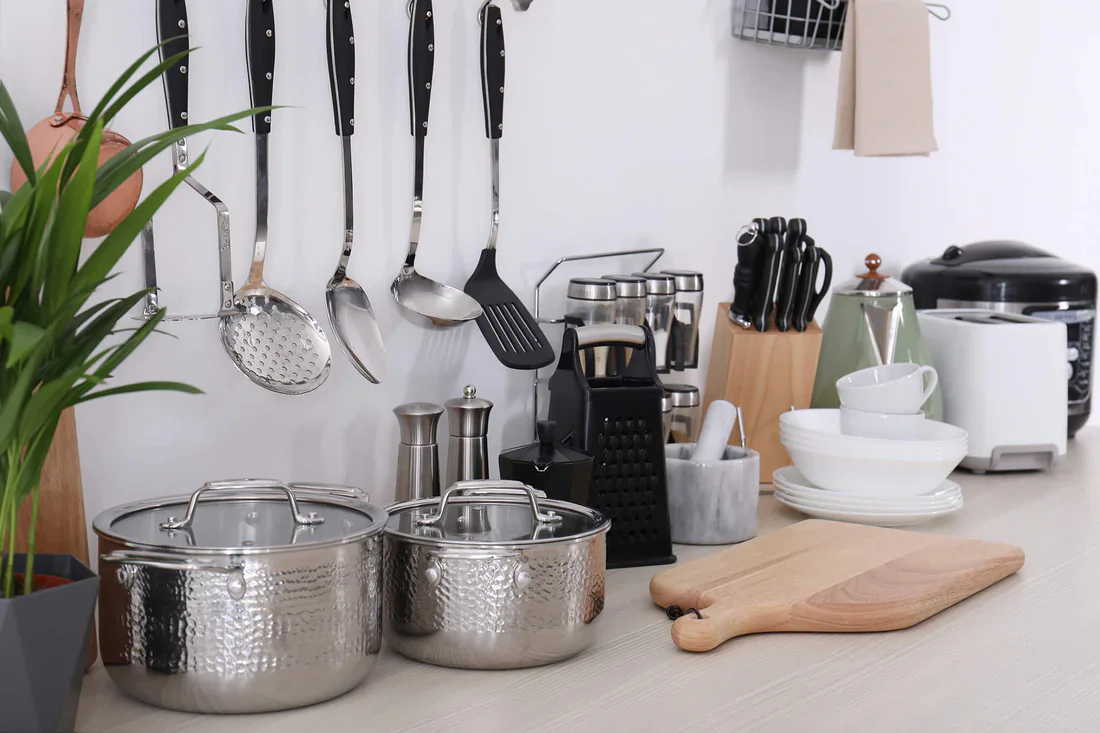
Wholesale Kitchenware Manufacturing: Cut B2B Costs

Cookware supplier

The manufacturing process of 3 types of aluminum pots – Aluminum pot supplier

At present, the mainstream aluminum pots on the market are made by three processes, namely Die-cast aluminum pot, forged aluminum pot and Stretching aluminum pot . This article provides a detailed introduction to these three processes. Manufacturing Method Raw Material Forming Process Typical Products Advantages Notes Die-cast Aluminum Pot Aluminum alloy ingots (Al-Si series) High-pressure molten alloy injection Non-stick or decorative pots High precision, thin walls, complex shapes Best for mass production of intricate designs Forged Aluminum Pot Pure aluminum / Aluminum alloy sheet Stamping and stretching Medium- to deep-sized pots, soup pots Durable, uniform thickness, lightweight Suitable for regular-shaped pots Stretching Aluminum Pot Aluminum blank (coil or plate) Incremental deep drawing with annealing Deep, seamless pots like milk pans, soup pots Seamless body, smooth surface, structural stability Ideal for deep or regular-shaped cookware 1. Die-cast Aluminum Pot Manufacturing Process Die-cast aluminum pot is a kind of kitchenware obtained by die-casting process, which melts the aluminum alloy liquid into the mold cavity under high pressure and then forms after cooling. Its process is rigorous and interlinked 1.1 Selection of Aluminum Alloy Materials Aluminum cast aluminum pot commonly uses Al-Si series alloys (such as ADC12, A380), which have good fluidity, good

Iron Cookware Manufacturing in China: What Global Buyers Need to Know

Introduction As the culinary world increasingly embraces traditional cooking methods, iron cookware manufacturing, particularly in the form of woks, has gained prominence. Renowned for their durability and exceptional cooking properties, iron woks have become a staple in kitchens worldwide. This article delves into the intricacies of iron cookware manufacturing in China, offering global buyers insights into the production processes, quality control measures, and customization options available. Understanding these elements is essential for organizations looking to source high-quality iron woks and navigate the evolving landscape of sustainable cookware. 1. What is Iron Cookware Manufacturing? Understanding the Basics Iron cookware manufacturing refers to the production process that brings various types of iron cookware, most notably woks, to the market. This process involves several stages, including material selection, casting, finishing, and quality control. Iron cookware is renowned for its durability, heat retention, and healthy cooking properties, making it a popular choice among chefs and home cooks alike. At its core, iron cookware manufacturing leverages the inherent properties of iron, allowing for optimal heat distribution and the ability to withstand high cooking temperatures. This sector has gained immense popularity, particularly in regions where traditional cooking methods are favored. With increasing globalization, countries like China

Cookware supplier

The manufacturing process of 3 types of aluminum pots – Aluminum pot supplier

At present, the mainstream aluminum pots on the market are made by three processes, namely Die-cast aluminum pot, forged aluminum pot and Stretching aluminum pot . This article provides a detailed introduction to these three processes. Manufacturing Method Raw Material Forming Process Typical Products Advantages Notes Die-cast Aluminum Pot Aluminum alloy ingots (Al-Si series) High-pressure molten alloy injection Non-stick or decorative pots High precision, thin walls, complex shapes Best for mass production of intricate designs Forged Aluminum Pot Pure aluminum / Aluminum alloy sheet Stamping and stretching Medium- to deep-sized pots, soup pots Durable, uniform thickness, lightweight Suitable for regular-shaped pots Stretching Aluminum Pot Aluminum blank (coil or plate) Incremental deep drawing with annealing Deep, seamless pots like milk pans, soup pots Seamless body, smooth surface, structural stability Ideal for deep or regular-shaped cookware 1. Die-cast Aluminum Pot Manufacturing Process Die-cast aluminum pot is a kind of kitchenware obtained by die-casting process, which melts the aluminum alloy liquid into the mold cavity under high pressure and then forms after cooling. Its process is rigorous and interlinked 1.1 Selection of Aluminum Alloy Materials Aluminum cast aluminum pot commonly uses Al-Si series alloys (such as ADC12, A380), which have good fluidity, good
stainless steel tumbler manufacturing

From Raw Steel to Perfect Tumbler — Stainless Steel Tumbler Manufacturing

Introduction At our integrated manufacturing facility, we believe transparent production is the foundation of trust. This post will take you behind the scenes to show how a high-quality stainless steel tumbler manufacturing process works—from raw material to finished product—and how your everyday reliable, high-performance cup comes to 1.Why Choose a Stainless Steel Tumbler for Daily Hydration? When it comes to picking your go-to drink container, a stainless steel tumbler is the smartest choice—and here’s why. First off, it’s all about safety and taste. Unlike plastic, stainless steel won’t leak weird chemicals into your drink. No matter if you’re sipping hot coffee or cold lemon water, your beverage stays pure and fresh-tasting. That’s why stainless steel tumbler manufacturing always uses high-quality food-grade materials like 304 stainless steel—it’s clean and reliable. Then there’s performance. Thanks to vacuum insulated cup production, these tumblers are experts at temperature control. They keep your drinks hot or cold for hours, not just minutes. No more lukewarm coffee or melted ice water. It’s like a thermostat for your hand. Durability? Absolutely. Stainless steel doesn’t break, rust, or hold onto odors. It stands up to daily use—and looks good doing it. Plus, it’s planet-friendly. One steel cup can replace hundreds of disposable bottles.

Kitchenware Manufacturing

Innovative Kitchenware Manufacturing in B2B

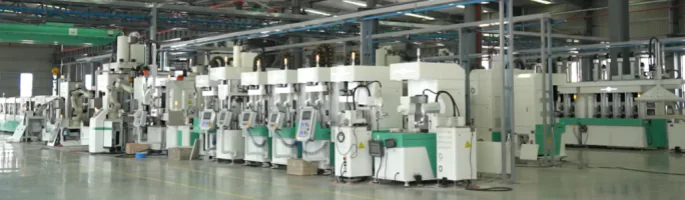
Introduction In today’s competitive B2B landscape, sourcing high-quality kitchenware products is more critical than ever for businesses looking to meet the growing demand of savvy consumers. With the rise of online shopping and an increasing focus on functionality, sustainability, and aesthetics, the kitchenware industry is rapidly evolving. To stay ahead, businesses must understand the latest manufacturing technologies and trends that are transforming the production process. As kitchenware manufacturers innovate to offer better products at faster lead times and with higher customization options, it’s essential for buyers to grasp how these advancements can impact their sourcing strategies. In this article, we’ll dive into the cutting-edge technologies driving innovation in kitchenware manufacturing and explore key considerations for businesses sourcing products wholesale. 1. Introduction: How Technology is Revolutionizing Kitchenware Manufacturing The kitchenware industry is undergoing a transformation driven by automation, digital tools, and sustainability. These advancements are reshaping how kitchenware manufacturers produce and distribute products, benefiting businesses sourcing kitchenware products wholesale. Automation has enhanced precision and efficiency in production. Stainless steel kitchenware manufacturers use robotics for cutting and welding, ensuring consistent quality. Meanwhile, plastic kitchenware products benefit from AI-driven molding processes, reducing errors and improving scalability. Digitalization is streamlining supply chains, with real-time

Stay Ahead in Kitchenware Manufacturing: A B2B Procurement Guide from AI to Sustainable Materials

Introduction In this article, we will explore how kitchenware manufacturers are leveraging the latest innovations to redefine the industry. From automation and AI-driven design to sustainable material adoption, these advancements are not only improving product performance but also streamlining production and delivery for B2B clients. Understanding these trends can help businesses make informed decisions when sourcing kitchenware products wholesale. The global kitchenware industry is undergoing a significant transformation, driven by technological advancements and evolving consumer demands. B2B buyers, including retailers, wholesalers, and distributors, are increasingly seeking innovative and high-quality kitchenware solutions that enhance user experience and cater to modern lifestyles. Kitchenware manufacturers are responding to these changes by integrating cutting-edge manufacturing technologies, ensuring superior product quality, and optimizing supply chain efficiency. 1.What Are the Latest Technological Innovations in Kitchenware Manufacturing? AI-Powered Design and Prototyping Kitchenware manufacturers are embracing state-of-the-art technologies to improve efficiency, reduce costs, and enhance product customization. Some of the most groundbreaking innovations include: Artificial intelligence (AI) is revolutionizing product development by enabling kitchenware manufacturers to design, test, and refine products with unprecedented precision. AI-powered software can analyze market trends, predict consumer preferences, and generate optimized designs that maximize functionality and aesthetics. Automation and Robotics in Production Automation

Envíe su solicitud de abastecimiento

Si tiene una lista de compras, suba el archivo (tamaño inferior a 5 MB).