


Введение
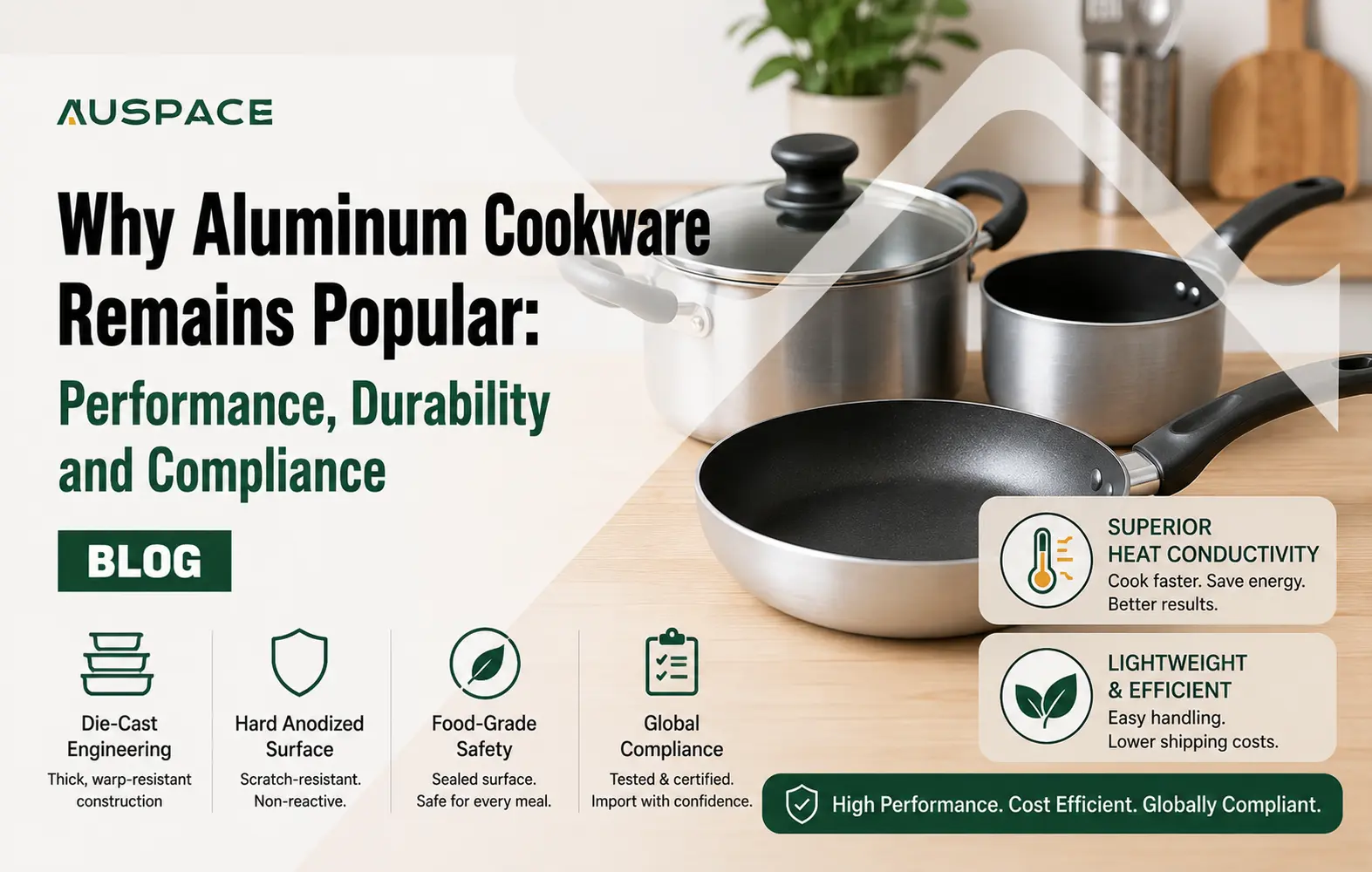
In the global culinary manufacturing sector, selecting metals with top-tier thermal efficiency is a necessity. Aluminum Cookware continues to capture a massive market share among commercial kitchenware distributors worldwide. Understanding the scientific benefits of this substrate helps wholesale buyers make highly profitable purchasing decisions.
Are you a global commercial buyer trying to find an ideal balance between rapid cooking speeds and affordable production costs? Sourcing heavy metals can increase your shipping fees and slow down kitchen operations.
In this guide, you will explore how modern manufacturing methods turn raw elements into high-performance culinary tools. This technical analysis ensures you secure durable, safe inventory for your brand. For a complete look at all major manufacturing substrates, read The Ultimate Guide to Kitchenware Materials.
Key Takeaways
- Thermal Mastery: Excellent heat conductivity ensures fast, even cooking and saves energy in commercial settings.
- Process Options: Buyers can choose between die-cast methods or hard-anodized surface treatments based on budget.
- Logistics Advantage: Sourcing lightweight cookware significantly lowers international freight costs and improves handling.
- Certified Purity: Verifying strict aluminum cookware safety metrics is mandatory for passing global customs.
The Core Advantages: Heat Conductivity and Weight
The main reason global distributors prioritize Aluminum Cookware is its unmatched heat conductivity. This specialized metal distributes thermal energy sixteen times faster than stainless steel. This rapid transmission eliminates hot spots, prevents food from burning, and optimizes overall energy efficiency during high-volume meal preparation.
Additionally, this material provides exceptionally lightweight cookware options for modern home chefs and busy restaurant staff. Lower product weight reduces physical fatigue in heavy-duty kitchens and offers an immense logistical benefit. It optimizes your ocean freight container capacity and significantly lowers your bulk shipping expenses per unit.
Advanced Cookware Manufacturing: Die-Cast vs Hard Anodized
Die-Cast Aluminum Engineering
Modern cookware manufacturing utilizes advanced engineering techniques to alter the metal’s performance. Creating die-cast aluminum cookware involves pouring molten liquid metal into high-precision molds under extreme pressure. This process allows engineers to design extra-thick bases and variable wall thicknesses, which prevents product warping under high heat.
Hard Anodized Engineering
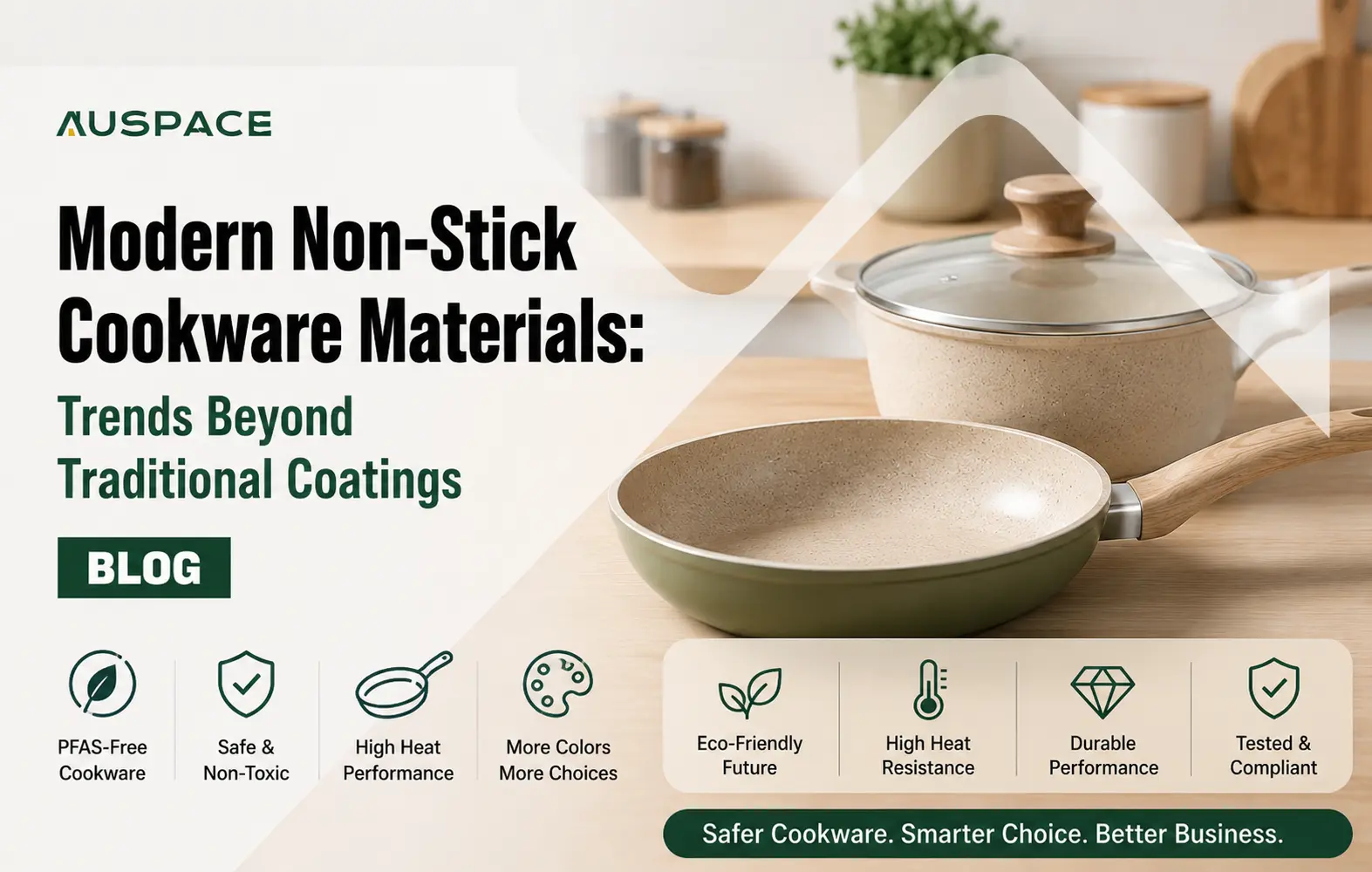
Alternatively, factories create hard anodized cookware through an intensive electrochemical bath process. This special treatment changes the raw metal’s structure, creating a dark, ultra-hard anodized surface. This treated layer is twice as hard as stainless steel, entirely scratch-proof, and completely non-reactive with acidic food ingredients. To discover how these treated metals compare with luxury non-stick solutions, read our analysis on Modern Non-Stick Cookware Materials: Trends Beyond Traditional Coatings.
Ensuring Aluminum Cookware Safety and Global Compliance
Maintaining strict chemical purity is essential when sourcing any food-grade aluminum product line. Raw, untreated aluminum can react with acidic ingredients like tomato sauces, which can alter food flavors. Therefore, factories must seal the metal using high-quality non-stick coatings or electrochemical anodization.
Importers must proactively verify all aluminum cookware safety certifications before arranging mass production. Customs authorities inspect incoming shipments to ensure zero chemical leaching. Sourcing verified goods protects your business from legal risks. To understand how third-party lab testing validates these layers, view our guide on How Material Testing Helps Ensure Safe and Compliant Kitchenware Products.
ЧАСТО ЗАДАВАЕМЫЕ ВОПРОСЫ
Why is heat conductivity such a critical factor for commercial buyers?
Excellent heat conductivity reduces cooking times and shortens food preparation cycles in busy commercial kitchens. It ensures even heat distribution across the pan base, which prevents food spoilage and minimizes kitchen energy costs. This premium performance makes Aluminum Cookware highly attractive to professional chefs.
What makes a hard anodized surface safer than raw aluminum?
A hard anodized surface creates a tough, non-porous barrier that entirely seals the underlying metal. This electrochemical layer prevents any direct food contact, ensuring excellent aluminum cookware safety compliance. It ensures the pan will not react with acidic or salty ingredients during daily cooking.
How do wholesale importers choose between die-cast and stamped options?
Stamped options are thin and budget-friendly, making them ideal for low-cost retail markets. However, die-cast aluminum cookware offers a much thicker base, premium durability, and superior resistance to thermal warping. Wholesale distributors should choose based on their target consumer market positioning.
Заключение
Sourcing high-performance Aluminum Cookware allows wholesale distributors to offer the perfect mix of speed, durability, and cost-efficiency. Utilizing advanced factory processes like die-casting and hard anodization helps you target diverse market segments successfully. Prioritizing certified material purity ensures smooth international trade and builds strong brand trust.
Navigating complex manufacturing techniques and customs compliance alone can be a difficult task. As an experienced Chinese Kitchenware Supplier with 11 years of industry expertise, AUSPACE streamlines your entire importing process. We provide comprehensive, one-stop sourcing solutions from custom tool design to final mixed container logistics.
We protect your business investments by delivering third-party standardized testing reports for every order, guaranteeing 100% legal compliance. Our professional service offers flexible, negotiable payment terms to optimize your business cash flow, all backed by our efficient Стандартный срок изготовления - 25 дней.