
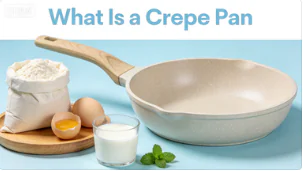
What Is a Crepe Pan? Definition, Features, and Best Uses Explained
Crepes are delicate, thin pancakes enjoyed worldwide, and making them perfectly requires the right cookware. While regular frying pans can do the job, a crepe pan is designed specifically to produce evenly thin, golden crepes with minimal effort. But what exactly is a crepe pan? How is it different from a standard skillet? And can you use it for other cooking tasks like making pancakes or heating tortillas? This guide dives deep into the definition, features, materials, usage tips, seasoning requirements, oven safety, induction compatibility, and more. Whether you’re a beginner home cook or a professional chef, this complete resource will help you understand everything about crepe pans—and how to choose the best one for your kitchen. 1)What Is a Crepe Pan? A Clear Definition and Key Characteristics A crepe pan is a flat, round cooking pan with very shallow or nearly non-existent sides, designed to help spread batter thinly and flip crepes easily. The shape is optimized for speed, control, and smooth release of delicate batter. 1. Low Sides: Why Do Crepe Pans Have Low Sides? The most recognizable characteristic of a crepe pan is its low sides, typically 1–2 cm tall. Low sides offer three major benefits: 1.1 Easy spreading –

أفضل 10 شركات لتصنيع أواني الطهي في الصين 2026 - الدليل الشامل للبيع بالجملة
مقدمة كواحدة من أفضل 10 شركات مصنعة لأواني الطهي في الصين 2026، تتصدر شركة كوكير كينج وكوباتش الريادة في عالم الابتكار في الطهي المتطور باستمرار. لقد شهدت صناعة أواني الطهي تحولات ملحوظة، حيث تسعى العلامات التجارية جاهدة لتلبية متطلبات المستهلكين العصريين. تبرز كل من Cooker King و Kobach كلاهما كلاعبين مثاليين في السوق، حيث يقدم كل منهما مزيجًا فريدًا من حيث التكلفة والأناقة والوظائف. تلبي هذه العلامات التجارية احتياجات الطهاة المنزليين، وتلهم هذه العلامات التجارية إبداع الطهي في المطابخ في جميع أنحاء العالم. في هذه المقالة، نتعمق في هذه المقالة في نماذج الأعمال وفئات المنتجات الشائعة وتطوير العلامة التجارية وإنجازات كل من Cooker King و Kobach، ونعرض كيف استطاعا أن يحفروا مكانتهما في مشهد تنافسي. 1- من هم كبار مصنعي أواني الطهي في الصين 2026؟ مع استمرار الطلب العالمي على أواني الطهي عالية الجودة في الارتفاع، تظل الصين في طليعة صناعة أواني الطهي. في عام 2026، يحدد تحليلنا عشر شركات بارزة في تصنيع أواني الطهي التي تقود الابتكار وتضع معايير الجودة. تتنوع هذه الشركات من حيث التخصص، من مصانع أواني الطهي غير اللاصقة إلى موردي أواني الطهي المصنوعة من الفولاذ المقاوم للصدأ، والتي تلبي احتياجات المستهلكين المتنوعة. يوفر فهم هؤلاء المصنعين نظرة ثاقبة لديناميكيات سوق أواني الطهي وإمكانية إقامة شراكات ناجحة في توزيع أواني الطهي بالجملة. 1.1
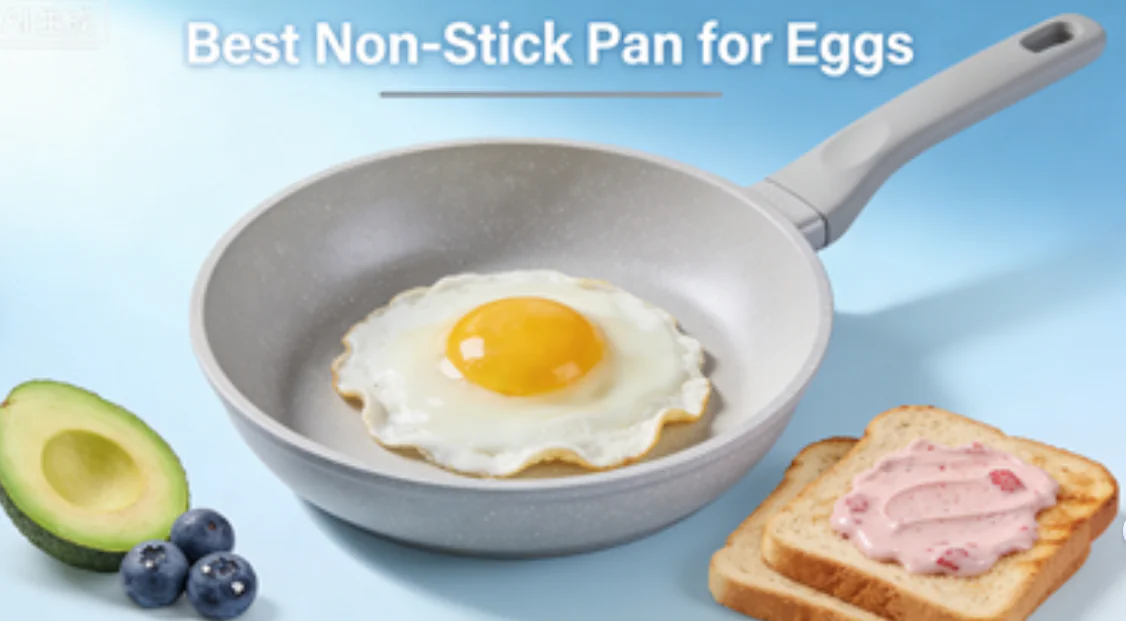
Best Non-Stick Pan for Eggs: Complete Buying Guide
Cooking eggs may look simple, but anyone who has dealt with stuck-on egg whites or torn omelettes knows that eggs are one of the most demanding foods for cookware. From delicate fried eggs to creamy scrambled eggs, the pan you use can make or break the result. That’s why choosing the best non-stick pan for eggs is essential for both home cooks and professionals. In this complete buying guide, we’ll break down everything you need to know—from coatings and sizes to pan shapes and maintenance—so you can confidently choose the best pan to cook eggs for your kitchen. Why Choosing the Best Non-Stick Pan for Eggs Really Matters Eggs are naturally high in protein, which means they bond easily to hot metal surfaces. Even experienced cooks struggle to release eggs cleanly when the pan isn’t up to the task. A high-quality non-stick pan ensures easy release, minimal oil usage, and consistent results. A poor-quality pan, on the other hand, leads to: If you cook eggs regularly, investing in a dedicated non stick egg frying pan is one of the smartest cookware decisions you can make. Best Pan to Cook Eggs — What Features Actually Make a Difference? Not all non-stick pans are created
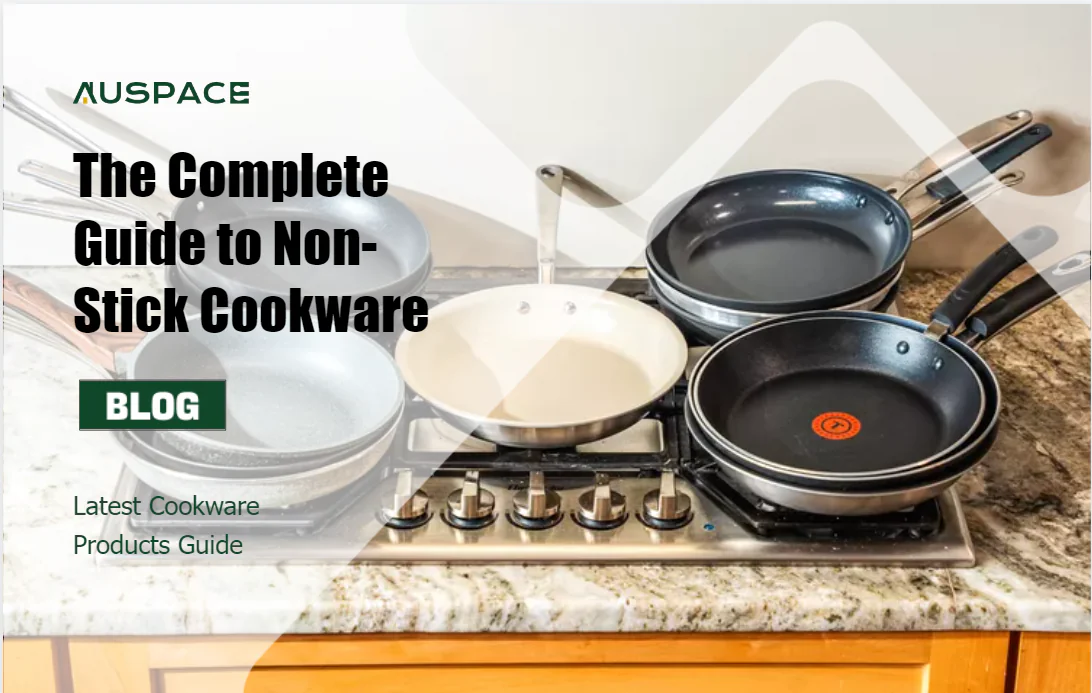
The Complete Guide to Non-Stick Cookware: Everything You Need to Know
Non-stick cookware has revolutionized home cooking, making meal preparation easier and cleanup faster. Whether you’re a beginner cook or an experienced home chef, understanding non-stick pans and how to use them properly can dramatically improve your cooking experience. This comprehensive guide covers everything you need to know about non-stick cookware. What is Non-Stick Cookware? Non-stick cookware refers to pots and pans coated with a special surface that prevents food from adhering during cooking. The most common coating is polytetrafluoroethylene (PTFE), commonly known as Teflon, though ceramic and other alternatives have gained popularity in recent years. The primary advantage of non-stick pans is their ability to cook food with minimal oil or butter, making them ideal for health-conscious cooking. They’re particularly useful for cooking delicate foods like eggs, fish, and pancakes that tend to stick to traditional cookware. Types of Non-Stick Cookware PTFE (Teflon) Non-Stick Pans Traditional PTFE-coated pans remain the most popular choice for non-stick cookware. Modern formulations are PFOA-free and safe when used correctly. These pans offer excellent food release and are typically more affordable than ceramic alternatives. Ceramic Non-Stick Cookware Ceramic-coated pans have emerged as a popular alternative, appealing to those seeking PTFE-free options. While they perform well
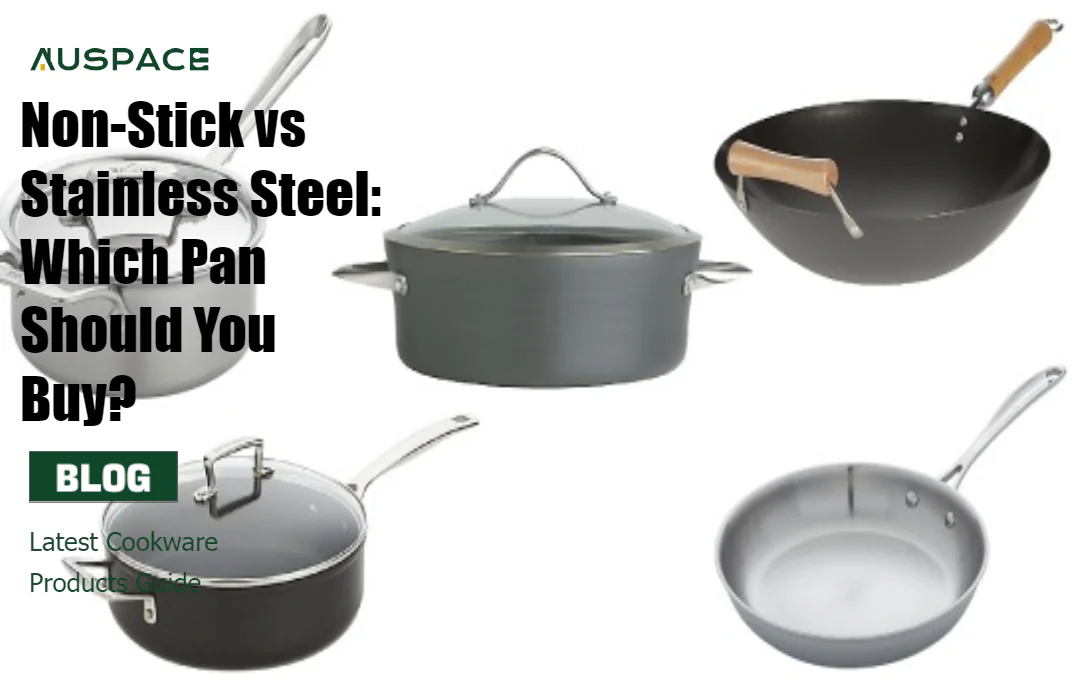
Non-Stick vs Stainless Steel: Which Pan Should You Buy?
Introduction Buying a pan sounds simple until you actually try to choose one. You search online, open a few product pages, and suddenly you’re comparing coatings, metal layers, heat ratings, and dozens of reviews arguing back and forth about non stick vs stainless steel cookware. One person says non stick saves time. Another says stainless steel lasts forever. Some warn about health concerns. Others talk about “professional results.” The problem is not a lack of information. It’s too much conflicting information.If you’re a home cook, you probably just want something that cooks well and doesn’t waste money. If you’re running a café, restaurant, Airbnb, or hotel kitchen, you care about durability, replacement cost, and long-term value even more. In both cases, choosing the wrong type of pan creates daily frustration: That’s why understanding non stick vs stainless steel cookware is less about preference and more about matching the tool to how you actually cook.This guide walks you through the differences step by step, using real-life cooking scenarios instead of marketing claims, so you can make a practical and confident decision. 1. Material Fundamentals: How Each Pan Is Built and Why It Matters Before comparing performance, you need to understand the
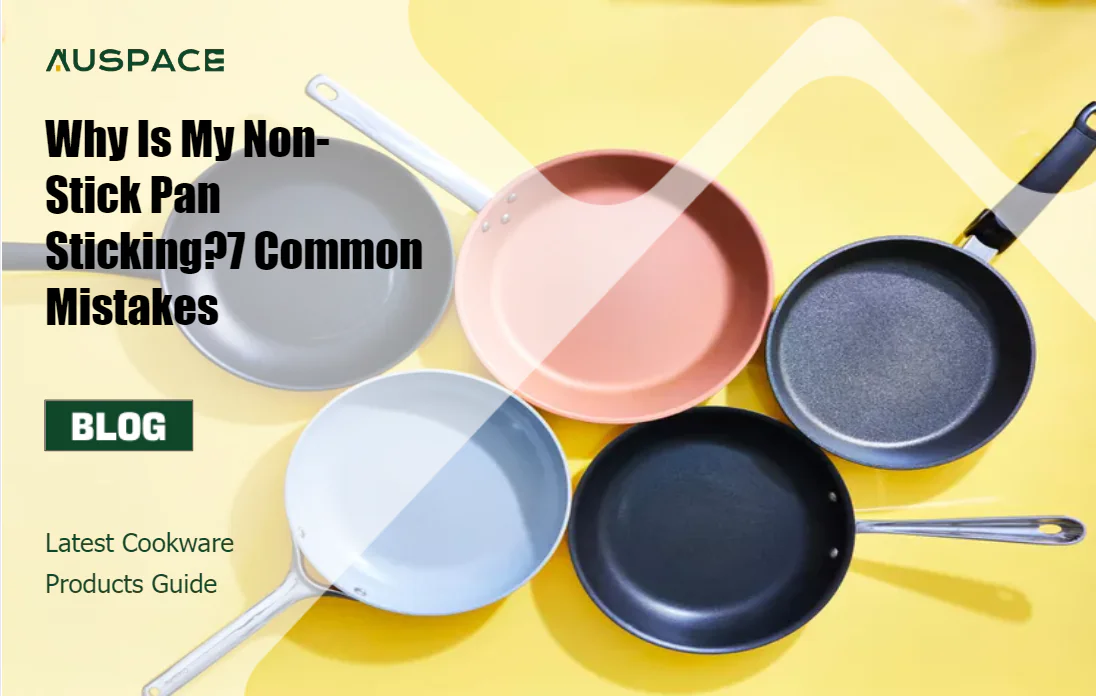
Why Is My Non-Stick Pan Sticking?7 Common Mistakes
Introduction Why is my non-stick pan sticking? It’s a common frustration that can turn simple cooking into a chore. The answer almost always lies not in a defective pan, but in a few easily corrected usage mistakes. This guide will walk you through the seven most common culprits—from overheating and using metal utensils to improper cleaning—that silently degrade your pan’s slick surface. Understanding these errors is the first step to restoring its performance and ensuring your kitchen essential lasts far longer. 1. The Cardinal Sin: Using Excessive Heat The single most destructive force acting upon a non-stick pan is excessive heat. This mistake is often born from habits formed with other cookware, such as cast iron or stainless steel, which thrive on high temperatures for optimal searing. Applying this same technique to a non-stick pan is catastrophic. The science is clear: the polymers in standard PTFE-based coatings begin to destabilize at temperatures exceeding 260°C (500°F). When an empty pan is preheated on high, it can reach and surpass this threshold in mere minutes, initiating an irreversible chemical breakdown. The damage is not always immediately visible. Initially, the pan may develop a slight stickiness or a discolored, cloudy film. Over time,
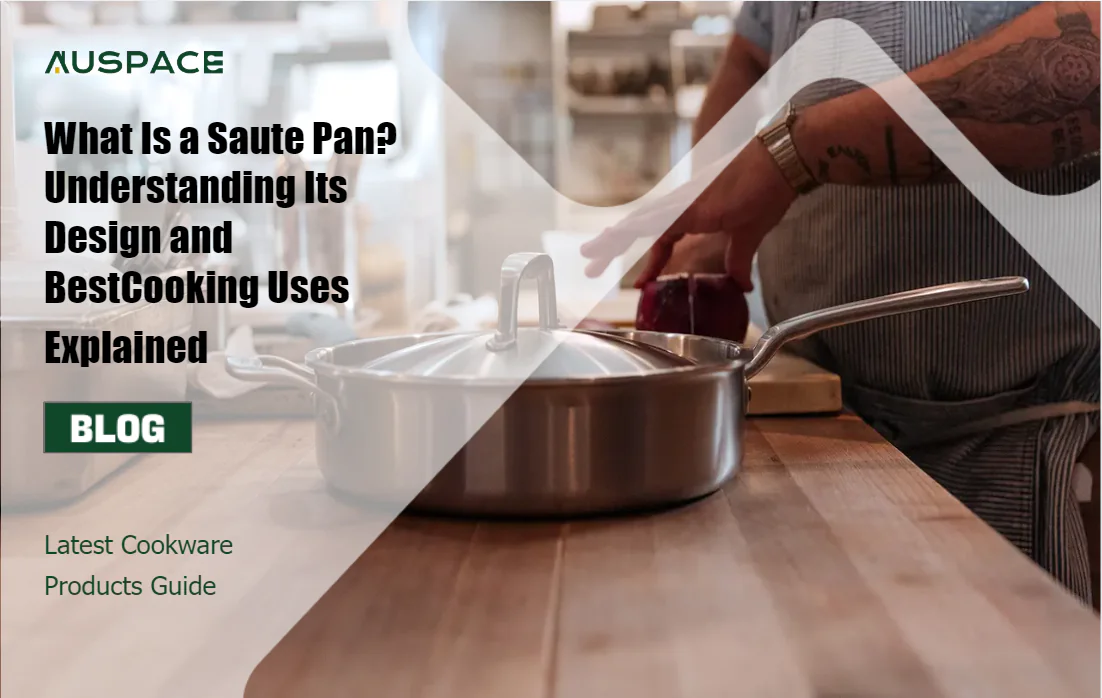
What Is a Saute Pan? Understanding Its Design and BestCooking Uses
Introduction What is a saute pan? More than just a basic pot, it is the cornerstone of efficient, flavor-forward cooking. Defined by its wide, flat bottom and characteristically tall, straight sides, this pan is engineered for the technique of sauter—to jump—allowing food to be expertly tossed. But its true genius lies in its versatility, seamlessly transitioning from high-heat searing for proteins like salmon to simmering rich sauces in the same vessel. Whether you’re learning how to saute shrimp in a pan or determining if can a cuisinart saute pan go in the oven, understanding this tool unlocks countless culinary possibilities. This guide will explore its unique design and demonstrate why it’s an indispensable asset for any kitchen. 1.What Is a Saute Pan? The Essential Kitchen Workhorse Explained The sauté pan is not merely a cooking vessel; it is a foundational tool designed for precision and culinary excellence. In professional kitchens, it is known for its unparalleled ability to execute the classic French technique of sauter—to jump—by allowing ingredients to be effortlessly tossed and flipped over high heat. But its utility extends far beyond this namesake method. Its distinct design makes it a versatile cornerstone for tasks ranging from shallow frying to delicate poaching. 1.1 Decoding the
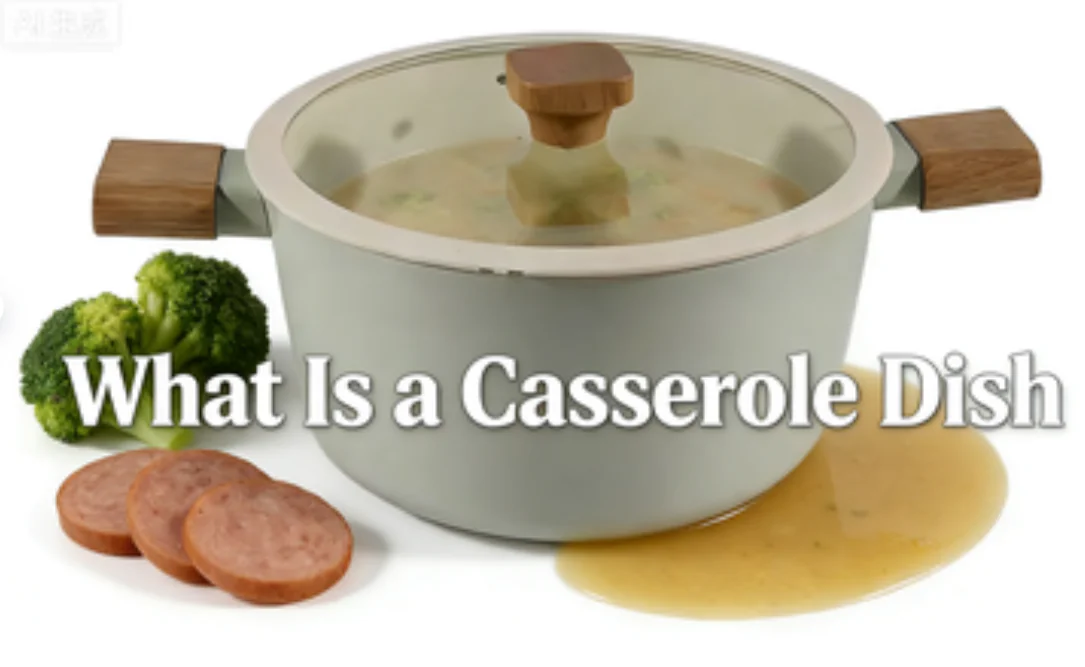
What Is a Casserole Dish? And Why Every Kitchen Needs One
Few pieces of cookware are as comforting, versatile, and timeless as the casserole dish. From bubbling baked pastas to creamy holiday sides and hearty family dinners, casserole dishes have earned a permanent place in kitchens around the world—especially in American homes. Yet many people still ask basic questions: What is considered a casserole dish? What the heck is a casserole? How is a casserole dish different from a baking dish? And perhaps most importantly, do you really need one? This comprehensive guide answers all those questions and more. By the end, you’ll understand exactly what a casserole dish is, what it’s used for, how it differs from other cookware, and why it’s a true kitchen essential. What the Heck Is a Casserole? Understanding the Dish Behind the Name Before defining the cookware, it helps to understand the food itself. 1. What Is a Casserole, Exactly? 1.1 A casserole refers to both: 1.2 A type of meal, and The dish it is cooked in As a meal, a casserole is typically a one-dish baked recipe that combines protein, vegetables, starch, and a sauce or binder, all cooked together in the oven. Common examples include baked ziti, tuna casserole, green bean casserole, and chicken-and-rice casserole. The word
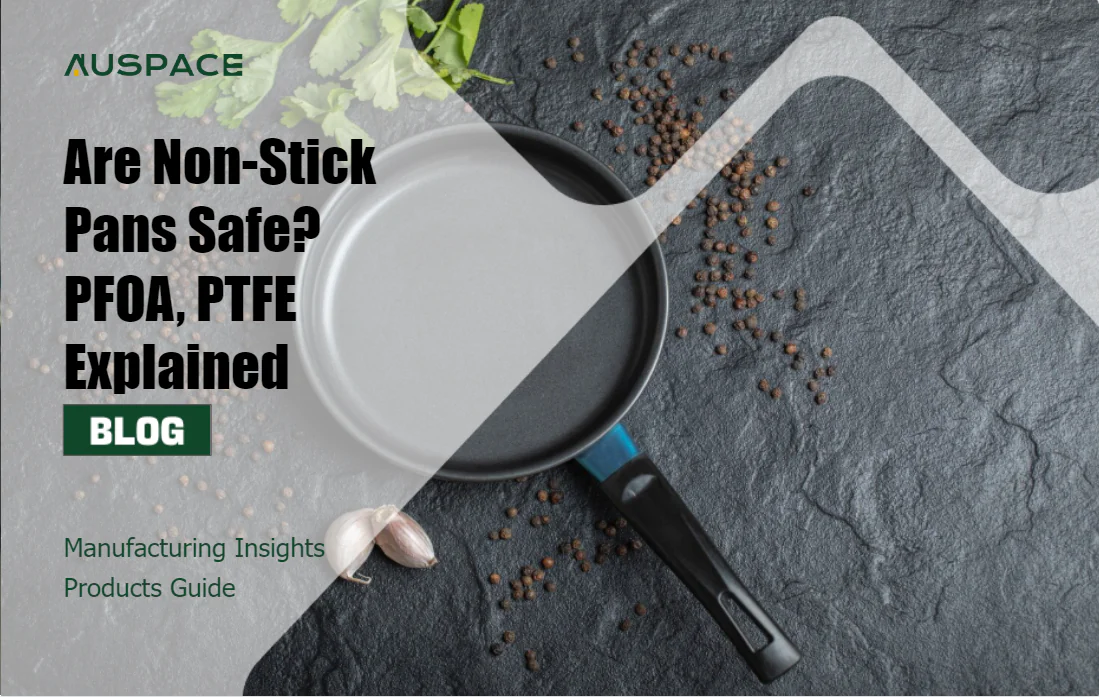
Are Non-Stick Pans Safe? PFOA, PTFE Explained
Introduction If you’ve been Googling are non stick pans safe Australia, you’re not alone. This guide breaks down PFOA, PTFE (Teflon), and real-world non stick pan health risks—so you can buy, use, and maintain non stick cookware with confidence (without getting talked into stuff you don’t need). If you typed are non stick pans safe Australia because you worry about toxins, cancer headlines, or “forever chemicals,” here’s the honest answer: modern non-stick pans can be safe in normal cooking—if you use them correctly and replace them when they’re worn. The biggest risk comes from overheating an empty pan, not from cooking eggs on medium heat. And “PFOA-free” helps, but it doesn’t automatically mean “PFAS-free” or “the safest option for your kitchen.” Below, you’ll get practical rules, a buyer checklist, and a durability-focused section for cafés, restaurants, hotels, and corporate buyers. 1. Quick takeaways (save this before you keep scrolling) 2. Are non stick pans safe Australia? The clear answer (and what changes in 2026) So—are non stick pans safe Australia? For most households, yes, when you use modern non-stick properly and avoid overheating. Australian experts have also emphasized that PTFE-coated non-stick pans are generally safe at normal cooking temperatures, but
How to Season a Non-Stick Pan for Better Performance
You’ve probably stood in a kitchen aisle, wondering if non-stick pans are worth the investment. For 60% of you in the research phase, a key question lingers: Do I even need to season a non-stick pan? The short answer is yes—but not for the same reasons as cast iron. Seasoning boosts performance, extends lifespan, and saves money long-term. Whether you’re a home cook tired of replacing pans every 6 months or a café owner buying 50 pans for your new spot, this guide delivers actionable steps with no fluff. We’ll cover the “why” of seasoning, how to season non stick pan,best oils, step-by-step processes for seasoning and re-seasoning, coating restoration, and maintenance tips for both everyday users and bulk buyers—all grounded in industry best practices, no made-up claims. 1.Do You Need to Season Non-Stick Pans? Unlike cast iron, non-stick pans have a synthetic coating (most commonly Teflon/PTFE) that repels food naturally. Seasoning doesn’t create a non-stick layer; it protects the existing coating, enhances performance, and prolongs lifespan. Many home cooks skip this step, only to see pans peel or lose non-stick properties within a year. For B2B buyers, this oversight is costlier: replacing 50 worn pans annually adds thousands in
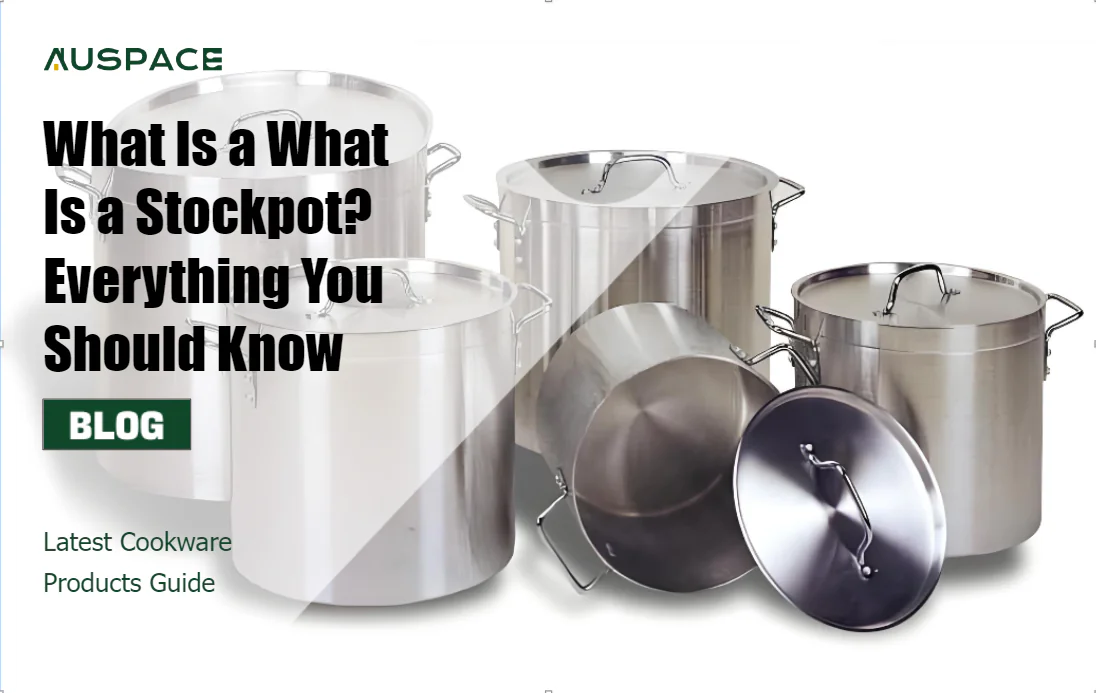
What Is a Stockpot? Everything You Should Know Before Buying
1. Introduction In almost every kitchen—whether at home, in a restaurant, or in a commercial food facility—there is one piece of cookware that quietly plays a foundational role: the stockpot. From simmering broths to preparing large batches of soups and sauces, the stockpot is a core vessel that supports countless recipes and cooking traditions. At Auspace, we specialize in manufacturing high-quality cookware for both household and professional use. Over the years, we have worked closely with distributors, wholesalers, and foodservice brands worldwide, and one question consistently comes up: what is a stockpot, and how do you choose the right one? Understanding what a stockpot is, what it is used for, and how it differs from similar cookware is essential before making a purchasing decision—especially when buying in volume. This guide will walk you through everything you need to know before buying a stockpot, from design and materials to practical use cases and buying tips. 2. What Is a Stockpot? So, what is a stockpot exactly? A stockpot is a large, deep cooking pot with straight sides, a flat bottom, and typically two loop handles. It is designed to hold a significant volume of liquid and ingredients, making it ideal for
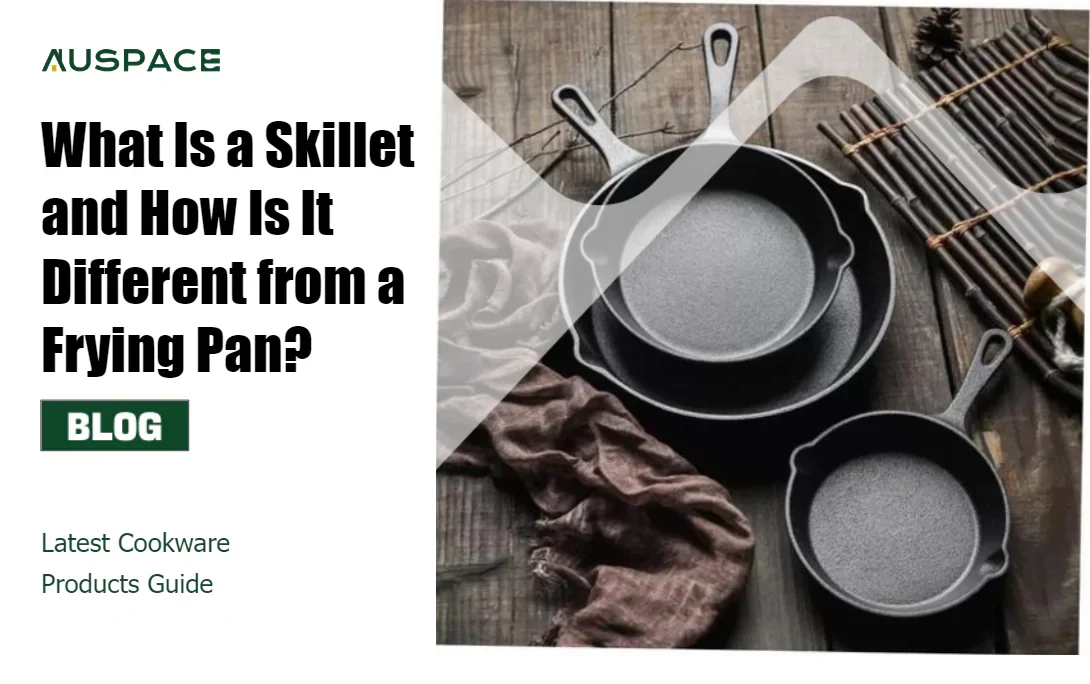
What Is a Skillet and How Is It Different from a Frying Pan?
1.Introduction In modern kitchens around the world, certain cookware pieces appear so frequently that they are often taken for granted. The skillet is one of them. From home kitchens to professional restaurants, this versatile pan has earned its place as a daily cooking essential. Yet many people still ask a simple question: what is a skillet, and how is it different from a frying pan? As a cookware manufacturer with years of experience supplying global markets, Auspace works closely with retailers, brands, and distributors who want cookware that performs reliably and lasts. Understanding cookware fundamentals is not just helpful for cooks, but also essential for buyers sourcing products at scale. Knowing how a skillet is designed, what it is used for, and how it differs from similar pans helps make better purchasing and cooking decisions. This guide explains what is a skillet in detail—its design, materials, uses, advantages, andhow to clean a rusty cast iron skillet—care—so you can confidently decide whether it belongs in your kitchen or product lineup. 2. What Is a Skillet? At its core, what is a skillet? It is a shallow cooking pan designed for direct-heat cooking methods. It typically features a wide, flat bottom and
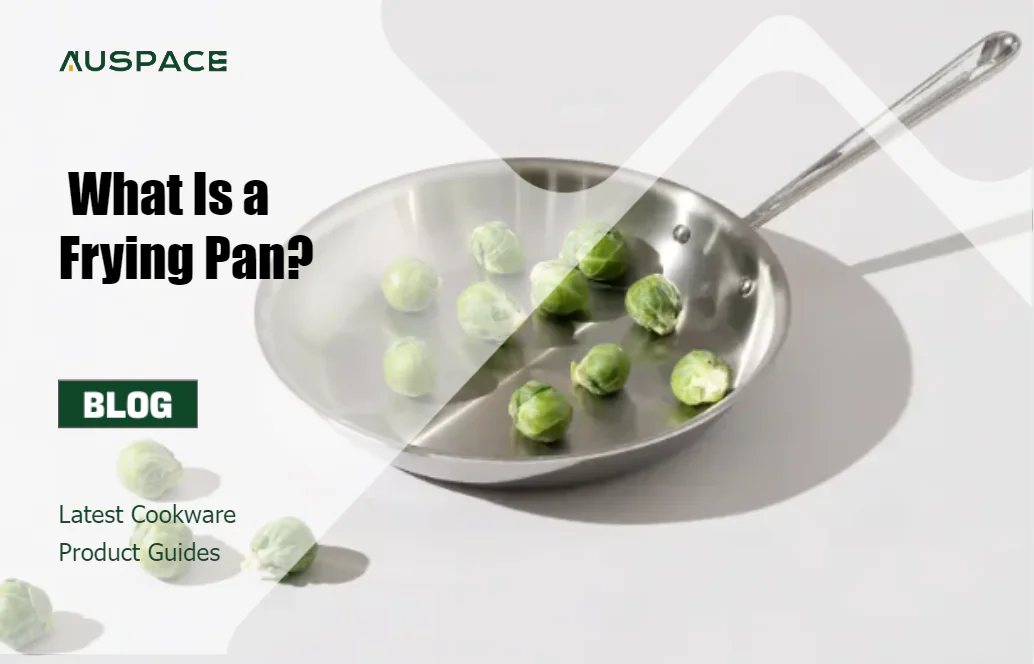
What Is a Frying Pan? Key Features and Practical Uses
What Is a Frying Pan?—a practical, real-kitchen guide to choosing the right pan, using it well, and making it last. Introduction A good kitchen isn’t defined by how many tools you own—it’s defined by how reliably those tools turn ingredients into food you actually want to eat. Few pieces of cookware earn their keep like the frying pan. It’s the pan you reach for when dinner needs to happen now: quick eggs, crisp vegetables, a golden chicken cutlet, or a sauce you finish in minutes. It also happens to be one of the most misunderstood pans, because people lump it together with anything round and flat. Knowing what makes a frying pan “a frying pan” helps you buy smarter, cook more confidently, and avoid the common mistakes that lead to sticking, uneven browning, or warped cookware. 1. What Is a Frying Pan? A frying pan is a shallow, wide pan designed for direct-heat cooking—especially browning, searing, sautéing, and shallow-frying. Its defining idea is simple: maximize contact between food and a hot surface, while giving you enough room to toss, turn, and reduce moisture so food can brown instead of steam. So what counts as a frying pan? In most kitchens,
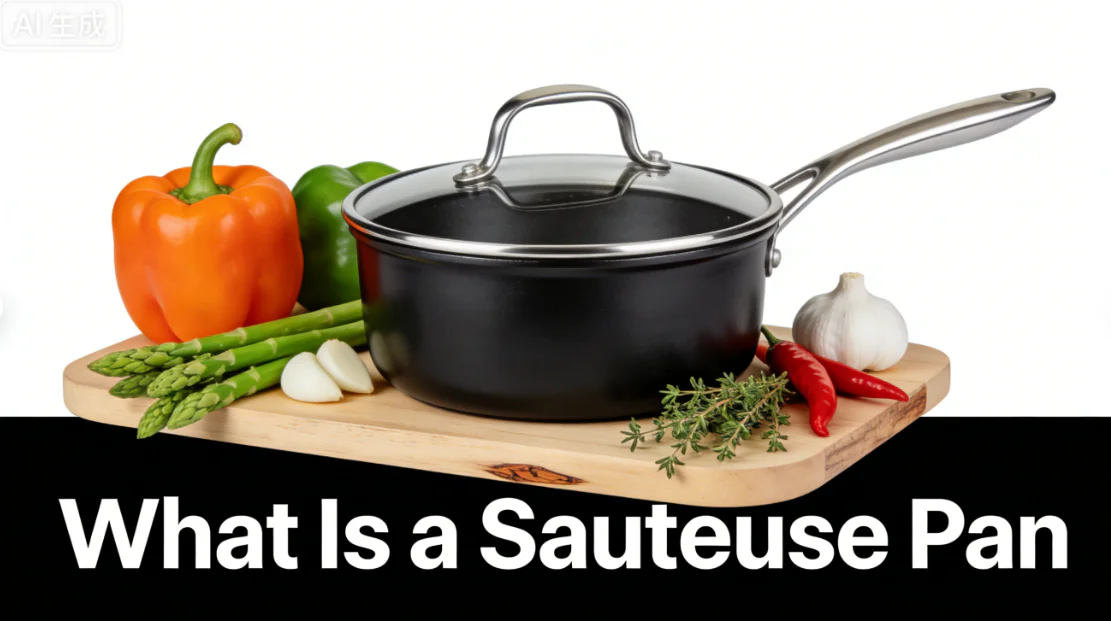
What Is a Sauteuse Pan? Shape, Purpose, and How It Differs from Other Pans
Cookware terminology can be confusing for home cooks and even more so for beginners who just want to know which pan to use and why. Among these often-misunderstood pieces is the sauteuse pan—a versatile, rounded cooking vessel used by both professional chefs and enthusiastic home cooks. If you’ve heard the term but aren’t quite sure what makes it different from a sauté pan, Dutch oven, frying pan, or saucepan, this guide will give you a clear and complete understanding. This article explains what a sauteuse pan is, what it is used for, what you can cook in it, and how it compares to other cookware. By the end, you will know whether you truly need a sauteuse pan in your kitchen and how to choose the right one. What Is a Sauteuse Pan? Definition, Shape, and Key Characteristics A sauteuse pan is a wide, moderately deep pan with sloped, rounded sides and a broad cooking surface, usually paired with a tight-fitting lid. Its shape sits somewhere between a saucepan, a sauté pan, and a shallow Dutch oven—giving it exceptional versatility for wet and dry cooking methods. 1. Core Characteristics 1.1 Rounded, curved interior for smooth stirring 1.2 Medium-deep walls that prevent splashing 1.3 Wide opening for
