مقدمة
2026 cookware material trends are set to redefine the culinary landscape as manufacturers strive to meet the evolving demands of health-conscious and environmentally aware consumers. As the culinary world embraces innovation, the development of new cookware materials presents both exciting opportunities and formidable challenges. Manufacturers must navigate the delicate balance between consumer desires for safety, durability, and functionality while also adhering to stringent safety regulations and managing production costs. This article delves into the obstacles faced by cookware producers in developing new materials and examines the trends poised to shape the future of cookware in the coming years.
1. What Are the Latest Innovations in Nonstick Cookware Materials for 2026?
As we approach 2026, the cookware industry is witnessing exciting innovations in nonstick materials, a critical area of focus for manufacturers and consumers alike. Major players are investing heavily in research and development to enhance the performance and safety of nonstick coatings, vital factors that influence the purchasing decisions of health-conscious consumers.
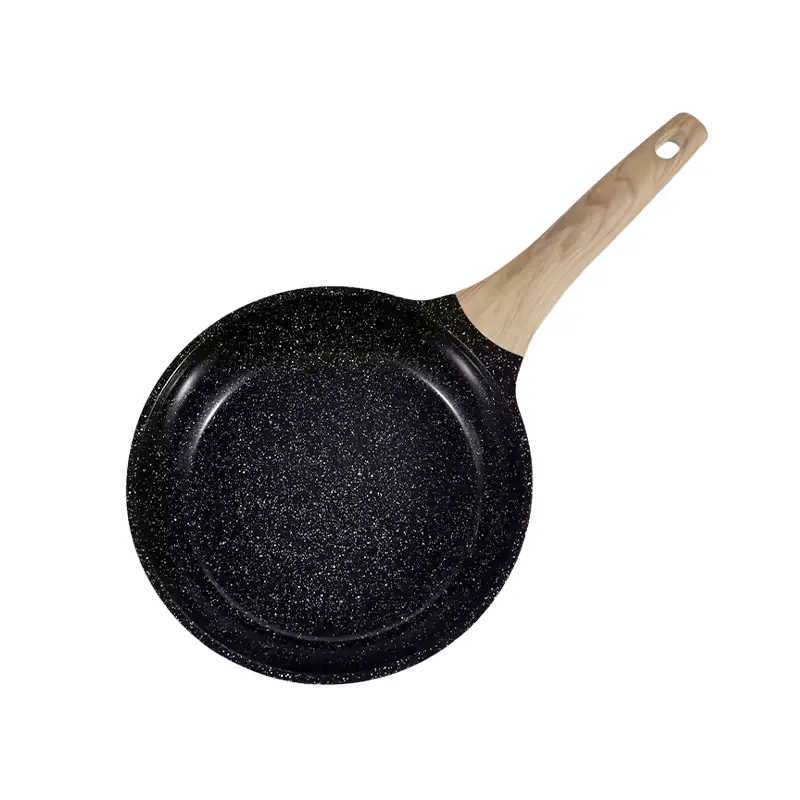
One of the most significant advancements in nonstick technology is the development of ceramic-based nonstick coatings. Unlike traditional polytetrafluoroethylene (PTFE) coatings, which have faced scrutiny over their potential health risks when overheated, modern ceramic nonstick coatings are free from harmful chemicals and are designed to withstand higher temperatures. This shift aligns with the growing demand for eco cookware materials, as consumers increasingly prioritize environmentally friendly options that do not compromise their health or the planet.
Another noteworthy innovation is the integration of diamond-infused nonstick coatings. These are engineered for enhanced durability and scratch resistance, allowing cookware to maintain its nonstick properties for an extended period, even under rigorous use. This technology caters to both domestic and commercial cooking environments, where performance reliability is essential.
When comparing these new technologies to traditional nonstick coatings, the differences are stark. While classic nonstick pans have served their purpose over the years, the shift towards safer, more resilient materials signals a broader industry transformation. For instance, the nonstick trends of 2026 emphasize longevity, ease of cleaning, and environmental safety, which can significantly influence cooking practices and consumer satisfaction.
Moreover, the safety and health implications of modern nonstick solutions cannot be overstated. Innovative technologies now utilize high-performance materials that mitigate any adverse effects associated with traditional coatings. Consumers are more informed than ever, driving brands to commit to transparency regarding the materials used in their cookware. This trend towards ethical and health-conscious products shapes not only consumer preferences but also sets the benchmark for future cookware development.
In summary, as the industry evolves toward 2026, innovations in nonstick cookware materials reflect a collective movement towards safer, more efficient, and eco-friendly options. Stakeholders in the global cookware market must remain agile and adaptable to these trends while maintaining a focus on quality and safety.
1.1 Comparing New Technologies to Traditional Nonstick Coatings
The landscape of nonstick cookware is undergoing a significant transformation, with consumer demand driving manufacturers to explore and implement innovative technologies. As we delve into the advancements being made, it becomes essential to compare these new technologies with traditional nonstick coatings to understand their impact on the marketplace.
Traditional nonstick coatings, predominantly made from PTFE, have long been a staple in kitchens worldwide due to their convenient cooking and easy cleaning characteristics. However, concerns over their safety have prompted both consumers and manufacturers to seek alternatives. New technologies are emerging that not only address these safety concerns but also enhance the performance of nonstick cookware.
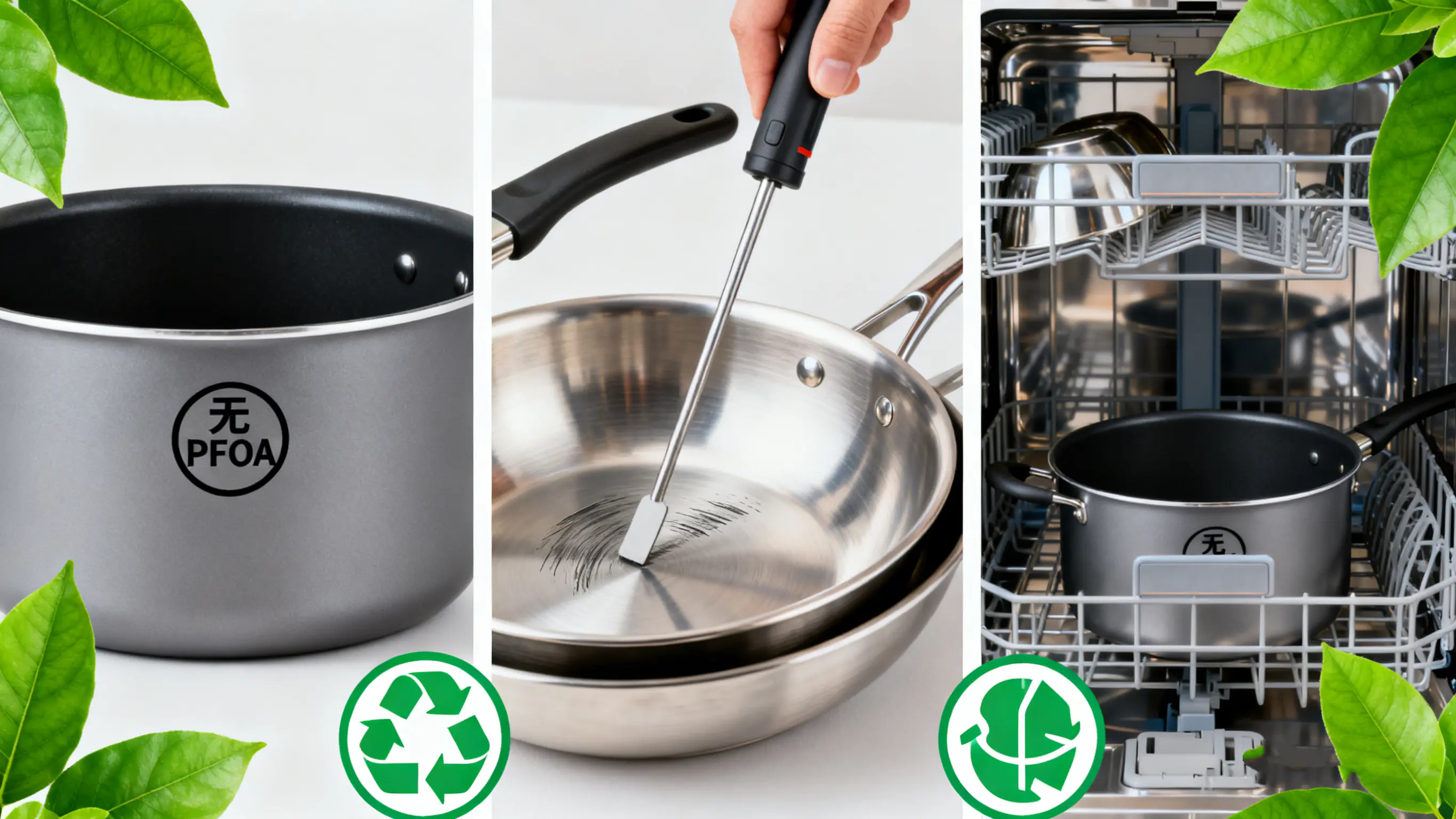
Ceramic coatings are becoming increasingly popular among consumers who value eco-friendly cookware materials. Unlike PTFE, ceramic coatings are typically made from natural and sustainable materials, providing a non-toxic cooking surface free from harmful chemicals like PFOA and PFOS. These ceramic versions also have the added benefit of being dishwasher-safe and heat-resistant, making them an attractive choice for busy kitchens.
Furthermore, innovations like diamond-infused coatings represent a significant leap in durability and scratch resistance. Traditional nonstick surfaces can wear down over time, leading to compromised cooking performance. In contrast, diamond-infused cookware offers a robust solution, allowing for longevity without sacrificing nonstick efficacy. This durability means fewer replacements and, ultimately, reduced environmental waste.
When comparing the longevity and resilience of these technologies to traditional nonstick coatings, it becomes evident that consumers are ready for change. These innovative solutions not only meet health standards but also align with consumer preferences for durability and sustainability, making them a crucial part of the 2026 cookware material trends.
In conclusion, the evolution of nonstick technologies marks a pivotal juncture in the cookware industry. As manufacturers adapt to these emerging technologies, they will not only enhance consumer trust but can also tap into a growing market that prioritizes both high performance and safety for their cooking experiences.
1.2 Safety and Health Implications of Modern Nonstick Solutions
In 2026, safety and health considerations are at the forefront of innovations in nonstick cookware. With a continuously informed consumer base, the industry is experiencing a paradigm shift towards materials that prioritize health and environmental safety alongside functionality. This section will delve into the specific safety implications of modern nonstick solutions and their relevance in today’s cooking environments.
Historically, traditional nonstick coatings such as PTFE have been subject to scrutiny due to their chemical composition and stability at high temperatures. Concerns regarding the release of toxic compounds, particularly when overheated, have led consumers to seek alternatives. In contrast, modern nonstick developments focus on eco cookware materials and safer alternatives to ensure homes are equipped with reliable cookware without health risks.
One innovative solution gaining traction is the development of non-toxic ceramic and silicone coatings. These materials shine in their ability to withstand higher cooking temperatures without degrading, offering a healthier alternative for those concerned about food safety. They are free from chemicals like PFOA and lead, aligning with the growing trend for nonstick cookware that does not compromise health.
Additionally, advancements in manufacturing processes now allow producers to create nonstick coatings that are more resilient to wear and tear. This means fewer chances of flaking or peeling, which can lead to ingested particles in food — a concern for many consumers. Enhanced durability also resonates with eco-conscious consumers, reducing the need for frequent replacements and, consequently, waste.
The safety implications also extend to the user experience; many of these modern nonstick materials are easier to clean, further enhancing kitchen hygiene. Because these coatings are typically dishwasher safe, they promote a healthier cooking environment by minimizing the risk of bacterial buildup associated with harder-to-clean cookware surfaces.
In summary, as we approach 2026, the emphasis on safety and health in nonstick solutions reflects an industry committed to consumer well-being. Innovations that leverage eco-friendly materials, and the transition to chemical-free coatings are reshaping consumer perceptions and expectations. This ongoing trend serves as a strong indicator of where the cookware industry is headed, ensuring that quality, safety, and health remain paramount.

2. How Are Eco-Friendly Cookware Materials Evolving?
The push for sustainability is reshaping various industries, and cookware is no exception. As we look towards 2026, the evolution of eco-friendly cookware materials is a response to consumer demand for safer, greener, and ethically produced kitchenware. This section explores the trends and innovations making eco-friendly materials a priority in cookware manufacturing.
The concept of eco-friendly cookware encompasses a range of materials—from recycled metals to plant-based coatings and sustainably sourced ceramics. Manufacturers are increasingly focusing on production methods that minimize the ecological footprint, such as using renewable resources and reducing harmful waste. This shift aligns with an overall emphasis on sustainability, driven by an informed consumer base that values both environmental responsibility and product performance.
One notable trend in this arena is the rise of biodegradable and plant-based nonstick coatings. These innovative materials are derived from natural substances, offering a non-toxic alternative that does not hinder the performance that consumers expect from nonstick cookware. As technology advances, more brands are investing in research to create coatings that both perform excellently in the kitchen and decompose naturally, contributing to a circular economy.
Another emerging contender in eco-friendly cookware is cookware made from recycled materials, such as aluminum and stainless steel. This process not only offers high-quality performance but also helps reduce the environmental impact of new raw material extraction. Brands that embrace this manufacturing approach can appeal to eco-conscious consumers while also benefiting from reduced material costs.
When it comes to purchasing decisions, consumers are becoming increasingly discerning. They are looking for certifications and labels that demonstrate a product’s commitment to sustainability. As a result, manufacturers are now compelled to provide transparency in sourcing practices and to showcase their efforts in minimizing their carbon footprint. Moving forward, those that can effectively communicate their sustainability efforts will likely lead the market.
In conclusion, the evolution of eco-friendly cookware materials is not just a trend but a necessary shift in the cookware industry. As we approach 2026, the commitment to sustainable practices and materials will play a crucial role in shaping consumer preferences and influencing manufacturers’ strategies.
2.1 The Rise of Sustainable Kitchenware in 2026
As we move towards 2026, the rising demand for sustainable kitchenware reflects a broader societal commitment to environmental responsibility. This shift is not merely a passing trend; instead, it signifies a fundamental change in the way consumers view their purchasing power and its impact on the planet. The cookware industry is rapidly adapting, resulting in innovative products that not only meet functional needs but also align with sustainable living.
Sustainable kitchenware encompasses a wide array of products, from eco cookware materials made from recycled and renewable resources to innovative designs that reduce waste. Brands are increasingly prioritizing sustainable materials such as bamboo, recycled stainless steel, and biodegradable composites in their product designs. This approach not only minimizes environmental impact but also caters to consumers seeking guilt-free meal preparation options.
One significant development in the landscape of sustainable kitchenware is the increased use of non-toxic coatings. Many manufacturers are now offering cookware with natural, plant-based coatings that eliminate commonly used harmful chemicals found in traditional nonstick options. This not only provides peace of mind for health-conscious consumers but also addresses the growing demand for materials that promote cleaner ecosystems.
Additionally, the shift towards minimalist packaging and closed-loop systems has become increasingly prevalent in sustainable cookware branding. By reducing packaging waste and utilizing recyclable materials, companies are aligning their operations with eco-conscious consumers who value transparency and commitment to sustainability. This practice not only improves the overall environmental impact of the products but also enhances brand reputation in a competitive market.
Another exciting trend is the burgeoning popularity of smart cookware that promotes energy efficiency. These innovations not only make cooking easier but also encourage consumers to be more mindful about energy consumption in the kitchen. As technology continues to evolve, integrating features such as induction cooking and energy-efficient materials will play a pivotal role in defining the sustainable kitchen of the future.
In conclusion, the rise of sustainable kitchenware in 2026 is a testament to the cookware industry’s capacity for innovation and adaptation. Brands that prioritize eco-friendly materials, practices, and consumer education in their offerings will thrive in this evolving market. Embracing sustainability is not merely an option; it has become a necessity for success in a world increasingly focused on environmental stewardship.
2.2 Key Features to Look For in Eco-Friendly Cookware
As sustainability becomes a primary consideration in consumer purchasing decisions, it’s essential to recognize the key features of eco-friendly cookware that consumers should keep an eye on as we head into 2026. Understanding these attributes will not only enhance cooking experiences but also assure consumers that their purchases contribute positively to the environment.
First and foremost, non-toxicity is a crucial feature of eco-friendly cookware. With an increasing number of cooking enthusiasts becoming aware of the health implications of traditional cookware materials, manufacturers are evolving to offer options that are free from harmful chemicals such as PFOA, lead, and cadmium. Cookware made from titanium and ceramic materials is an ideal alternative, as these materials are not only safe for cooking but also naturally nonstick, facilitating healthier meal preparation.
Durability is another vital factor in eco-friendly cookware. Products made from sustainable materials should withstand regular use without degrading over time. Brands that utilize reinforced ceramic coatings or high-quality recycled metals often produce cookware that offers a longer lifespan, reducing waste associated with frequent replacements. This durability aligns with sustainable practices by promoting longer-lasting products that contribute less to landfills.
Ease of maintenance is critical for busy consumers. Eco-friendly cookware should be designed for easy cleaning without the need for harsh chemicals, which can negate the benefits of sustainability. Many modern eco-friendly options are dishwasher-safe and resistant to staining, allowing consumers to maintain hygiene and convenience in their cooking routines.
Additionally, look for brands that practice transparency in their manufacturing processes and sourcing of materials. Certifications such as organic, fair trade, or eco-labels can provide assurance of a product’s ethical and sustainable credentials. Consumers should seek cookware brands that are committed to sustainable practices and are willing to disclose their production methodologies.
In conclusion, as we approach 2026, consumers must remain informed about the key features that define eco-friendly cookware. Non-toxicity, durability, ease of maintenance, and manufacturer transparency are essential attributes that will guide informed decisions. By choosing cookware that aligns with these features, consumers not only enhance their cooking experiences but also contribute positively to environmental sustainability in the kitchen.
3. What Are the Benefits of Titanium and Ceramic Cookware?
As we explore the 2026 cookware material trends, titanium and ceramic cookware have emerged as strong alternatives to traditional materials, offering unique benefits that cater to modern culinary needs. These materials are not just about performance; they also align with consumer demands for health and sustainability.
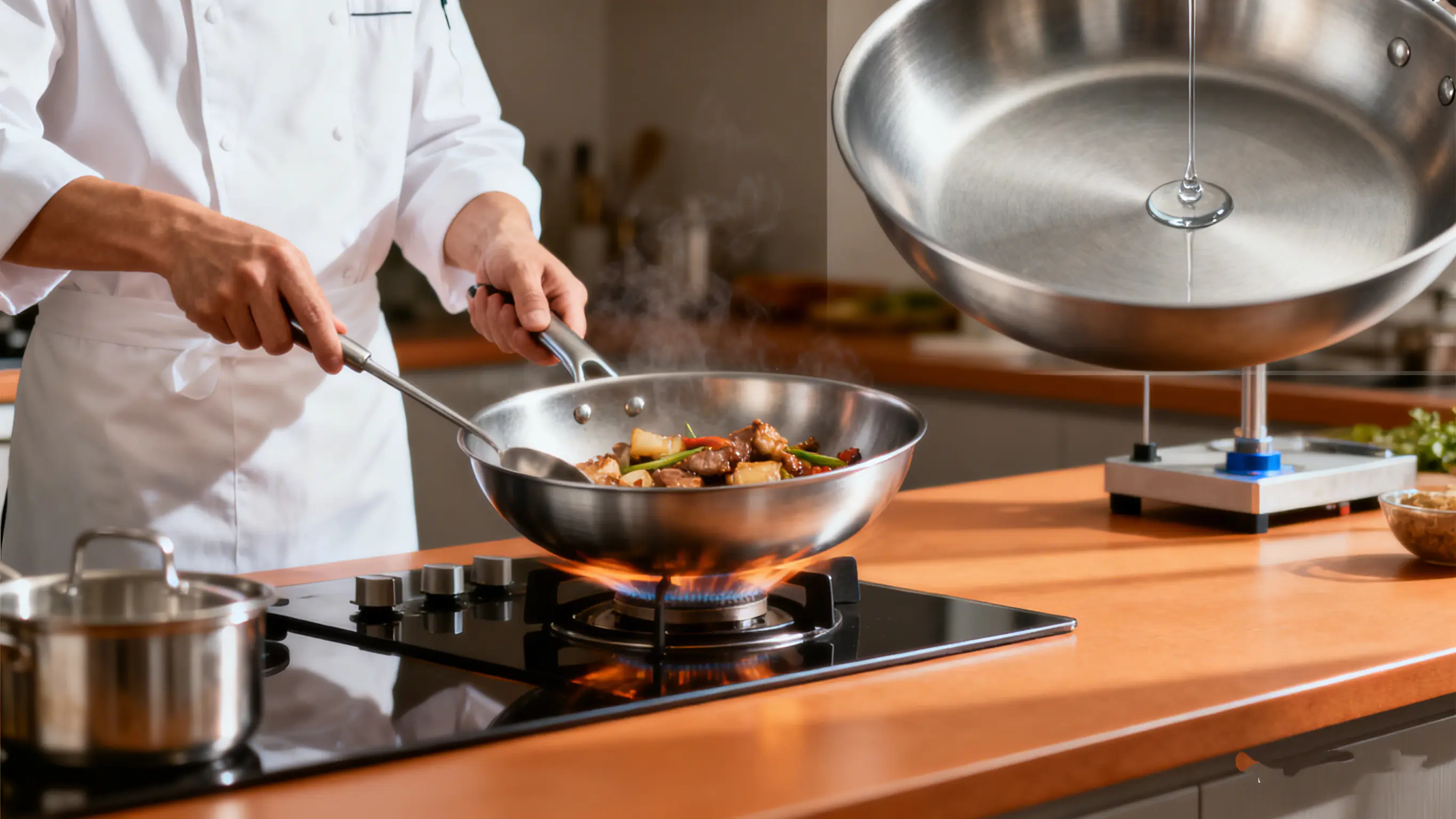
Titanium cookware is celebrated for its unmatched durability and strength. Unlike traditional stainless steel or nonstick pans, titanium is exceptionally resistant to scratches, corrosion, and warping. This durability means that titanium cookware maintains its aesthetic and functional integrity through years of use, making it a wise investment for both professional chefs and home cooks. Additionally, titanium is lightweight, which enhances its usability in the kitchen, allowing for easy handling without compromising on robustness.
Moving beyond durability, titanium has remarkable thermal conductivity, enabling quick and even heat distribution. This feature is particularly appealing to consumers who are keen on achieving perfect cooking results without the risk of hot spots. Elevated heat retention further assists in cooking efficiency, meaning meals can be prepared faster, a key consideration in today’s fast-paced lifestyles.
Ceramic cookware, on the other hand, offers a distinct set of advantages. Primarily known for featuring eco cookware materials, ceramic cookware is often made from natural materials that are free from harmful chemicals typically found in traditional nonstick options. This characteristic has made ceramic a go-to choice for health-conscious consumers who wish to avoid toxins while cooking. Moreover, ceramic is a versatile option that can withstand high temperatures, making it suitable for various cooking methods, including baking and roasting.
One of the most appealing aspects of ceramic cookware is its adherence to the nonstick trends of 2026. Ceramic surfaces provide a natural nonstick coating without the use of PTFE, allowing for easy food release and cleaning without harsh chemicals. Consumers appreciate this benefit as it promotes a healthier cooking environment, aligning with the increasing demand for safe kitchenware.
In summary, the benefits of titanium and ceramic cookware make them increasingly popular in contemporary kitchens. Their durability, non-toxicity, and overall functional performance position them favorably against traditional cookware materials. As the 2026 cookware material trends continue to evolve, manufacturers and consumers alike are poised to embrace these innovative materials that not only meet culinary demands but also enhance health and sustainability in kitchen environments.
3.1 Why Titanium Is Becoming a Kitchen Staple
Within the context of modern culinary practices, titanium cookware is rapidly establishing itself as a fundamental kitchen staple. Its ascension to the forefront of cookware options can be attributed to a combination of remarkable attributes that resonate with ethical consumerism—all essential to the 2026 cookware material trends.
One of the overriding factors contributing to the popularity of titanium cookware is its remarkable durability. Unlike aluminum or conventional stainless steel options, titanium is defined by its resistance to scratches, rust, and damage from acids found in certain foods. This durability translates into an extended lifespan, which is appealing to cost-conscious consumers who view cookware as an investment. The dependability of titanium attracts not only home cooks but also culinary professionals who rely on tools that withstand rigorous use.
In addition to its physical robustness, titanium cookware is exceptional in the realm of heat distribution. With rapid heating capabilities and excellent heat retention, titanium pans allow for precise temperature control. This feature is particularly beneficial when preparing delicate dishes that require specific cooking temperatures, thus enabling home cooks to replicate professional-level outcomes effortlessly.
Another critical advantage of titanium cookware is its non-reactive nature. Unlike some metals that can impart metallic flavors or react with acidic ingredients, titanium remains inert. This characteristic ensures that the flavor integrity of dishes remains intact, making it a favored choice for cooking a wide array of ingredients—from sauces to marinades.
Moreover, titanium’s lightweight quality adds to its appeal. Cooks often find themselves shifting between pots and pans during meal preparation. Titanium’s lightness allows for less physical strain, especially for those who may have difficulties handling heavier cookware. As the trend moves toward ergonomically designed kitchen tools, the lightweight nature of titanium makes it an advantageous choice.
In conclusion, titanium cookware is not just a passing fad; its unique properties and benefits solidify its position as a kitchen staple. As awareness regarding durability, heat management, and non-reactive characteristics rises among consumers, it is clear that titanium cookware will play a significant role in influencing 2026 cookware material trends. It embodies the innovation and quality that modern kitchens demand and exemplifies a shift towards materials that enhance both performance and health in cooking practices.
3.2 Advantages of Ceramic Cookware Over Traditional Materials
Ceramic cookware is rapidly gaining traction in kitchens worldwide, particularly as consumers become more health-conscious and environmentally aware. The advantages of ceramic over traditional cookware materials—such as stainless steel or PTFE-coated pans—align seamlessly with the 2026 cookware material trends, showcasing a clear shift towards better materials in the kitchen.
One remarkable advantage of ceramic cookware is its superb nonstick properties. Unlike traditional nonstick pans that often contain PTFE, which can emit harmful fumes when overheated, ceramic cookware utilizes a silica-based coating that is inherently non-toxic and safe for use at high temperatures. This characteristic appeals particularly to health-minded individuals who seek eco cookware materials that do not compromise safety or environmental integrity.
Moreover, ceramic cookware provides excellent heat retention and distribution. The even cooking surfaces of ceramic ensure that foods are cooked uniformly—reducing the chances of hot spots and promoting better culinary outcomes. This feature makes ceramic cookware especially desirable for cooking delicate foods that require precise temperature control, such as sauces and desserts.
Another distinct advantage of ceramic cookware lies in its easy maintenance. The smooth, nonstick surface minimizes food buildup and is simpler to clean than traditional materials that may require additional oils or cooking sprays. Many ceramic cookware options are designed to be dishwasher-safe, which simplifies the cleanup process—a significant consideration for busy households looking to streamline cooking and cleaning activities.
Ceramic pans and pots are also known for their aesthetic appeal. With vibrant colors and smooth finishes, ceramic cookware often serves as an attractive addition to kitchen displays, enhancing the overall design. This aesthetic versatility is a major plus for consumers who value both style and functionality in their kitchen tools.
Furthermore, ceramic cookware aligns with sustainability goals, as it is typically made from natural, renewable materials. The recent push towards environmentally friendly cooking has fostered a market for cookware that contributes to a healthier planet, appealing to an increasing number of eco-conscious consumers.
In conclusion, the advantages of ceramic cookware—ranging from non-toxicity and even heat distribution to ease of maintenance and aesthetic appeal—underscore its growing popularity as a preferred choice over traditional materials. As we approach 2026, the integration of ceramic cookware into kitchens worldwide reflects broader 2026 cookware material trends an increasing commitment to health-conscious and sustainable cooking practices.
4. How Might Titanium and Ceramic Cookware Shape Future Kitchen Designs?
As we delve into the potential of titanium and ceramic cookware within the context of 2026 cookware material trends, the spotlight shines on how these innovative materials will influence kitchen designs. The future of cookware is not solely about functionality but also about creating a harmonious blend between aesthetics and performance.
Starting with titanium cookware, its modern design aesthetic complements contemporary kitchen styles that favor sleek, minimalist aesthetics. Titanium cookware is often featured in neutral tones and sleek designs, making them visually appealing while blending seamlessly with various kitchen decors. As consumers gravitate towards open-concept living spaces that integrate kitchen and dining areas, titanium’s elegant appearance can enhance the overall ambiance.
Moreover, the lightweight nature of titanium allows for more ergonomic designs in kitchen tools, making cooking easier and more enjoyable. As kitchen ergonomics gain more attention, manufacturers are likely to capitalize on titanium’s strengths to create utensils and cookware that are both modern and easy to handle, catering to the needs of a diverse consumer base.
Ceramic cookware, on the other hand, is increasingly recognized not only for its performance but also for its vibrant colors and artistic designs. The versatility in appearance allows it to stand out as both a cooking tool and an ornamental piece in the kitchen. Trends indicate that more consumers will utilize ceramic cookware as display items, showcasing stunning colors and patterns that enhance kitchen aesthetics. This dual functionality shifts the perception of cookware from merely utilitarian items to components of kitchen décor.
Interestingly, as diet and meal preparation methods evolve, there will be a rising demand for multifunctional cookware. Titanium and ceramic both allow for diverse cooking styles, from stovetop to oven use, thus providing convenience in design. This multifunctionality can lead to smart kitchen designs that accommodate various cooking needs, integrating innovative storage solutions for space efficiency.
Furthermore, as technology continues to advance within the cookware industry, the merging of traditional craftsmanship with modern material technology can catalyze new trends in kitchen design. The integration of titanium and ceramic cookware may spark the development of smart cookware that uses sensors for temperature regulation, thus adding another layer of functionality that aligns with the trends of the future.
In conclusion, the implications of titanium and ceramic cookware on future kitchen designs are widespread. Their aesthetic appeal, ergonomic advantages, and multifunctionality set the stage for a new era in kitchen innovation. As we approach 2026, the blending of these modern materials with smart design principles is bound to redefine kitchen spaces, illustrating the growing importance of both form and function in cookware choices.
4.1 Design Trends That Integrate New Materials
As we explore the impact of titanium and ceramic cookware on kitchen design, it’s essential to recognize the emerging design trends that integrate these materials into modern living spaces. The 2026 cookware material trends are characterized by a commitment to functionality, aesthetics, and sustainability, driving innovation and creativity in kitchen environments.
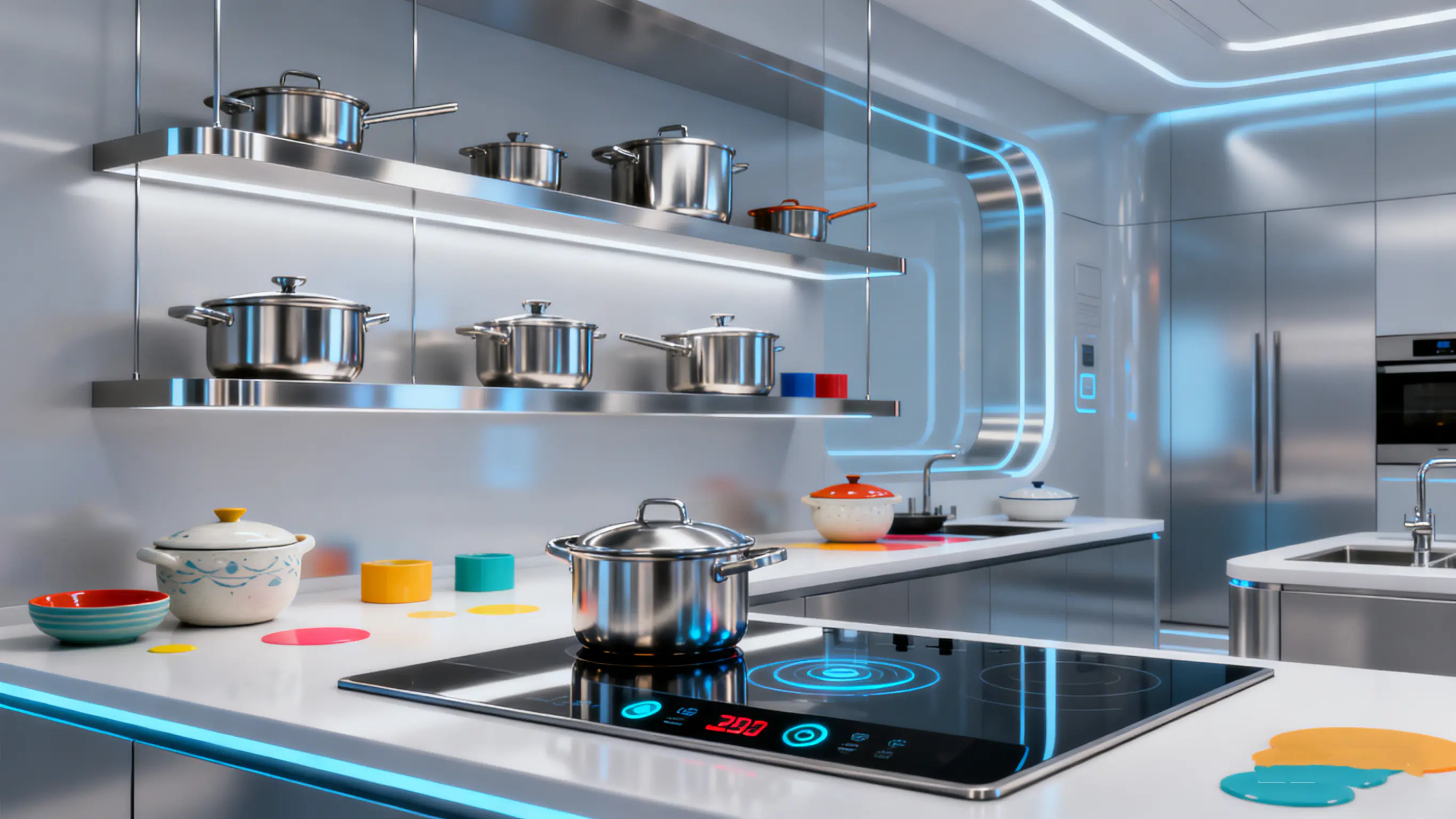
One significant trend is the shift towards open-plan living spaces where the kitchen is viewed as a central hub for social interaction. In this context, cookware is no longer confined to cabinets or hidden away; it becomes a part of the decor. Titanium cookware, with its sleek and contemporary design, fits seamlessly into this aesthetic. Producers are increasingly focusing on designs that showcase the beauty of titanium, offering options that can be displayed rather than stored. This trend highlights the importance of cookware as an essential component of the kitchen’s overall visual appeal.
Incorporating ceramic cookware into kitchen design also fosters a vibrant atmosphere. Colorful ceramic cookware is being utilized as statement pieces that bring warmth and personality to kitchens. Consumers are rediscovering the aesthetic value of cookware, opting for bold colors and artistic patterns that align with their individual style. This trend moves away from the uniformity of traditional stainless steel cookware to a more eclectic and personalized approach to kitchen aesthetics.
The demand for multifunctionality is also influencing kitchen designs. As food preparation habits evolve, consumers are seeking cookware that can perform multiple functions—whether it is baking, sautéing, or roasting. Titanium and ceramic cookware are often designed to be versatile, allowing users to transition from stovetop to oven with ease. This multifunctionality enables kitchen designs to feature open shelving and modular storage solutions that accommodate various cookware types, creating a more organized and efficient cooking environment.
Moreover, sustainability remains a key consideration influencing design trends. As consumers become more environmentally conscious, manufacturers are prioritizing eco-friendly practices in their production processes. Kitchen designs that integrate sustainable materials, such as bamboo shelves or recycled metal storage options, complement titanium and ceramic cookware made from eco-friendly components. This integration not only reflects a commitment to health and safety but also fosters a holistic approach to sustainable living.
In conclusion, the design trends integrating titanium and ceramic cookware into kitchens are characterized by a focus on aesthetics, multifunctionality, and sustainability. As we approach 2026, these trends will continue to revolutionize kitchens, turning them into functional yet visually appealing spaces that cater to the needs and preferences of modern consumers.
4.2 The Functionality of Modern Cookware in Cooking Spaces
As we examine the inherent functionality of modern cookware, particularly titanium and ceramic options, it becomes clear that these materials are set to redefine cooking experiences in kitchens worldwide. The intersection between form and function is evident in the 2026 cookware material trends, where performance, ease of use, and safety are paramount.
Titanium cookware is increasingly regarded for its exceptional heat retention and rapid heating capabilities. These features not only enhance cooking efficiency but also promote even cooking results. For busy households and professional kitchens alike, the quick heating times of titanium pans mean less waiting and more time spent enjoying meals. The lightweight nature of titanium adds ease to maneuvering pieces in and out of the kitchen, fostering a user-friendly cooking environment.
Additionally, the durability of titanium cookware means it can withstand the rigors of daily use without the wear and tear often associated with traditional materials. Pans that do not warp or scratch easily can be relied upon for consistent performance, further supporting the demands of modern cooking practices. This reliability fosters confidence in culinary creativity, as cooks can tackle diverse techniques ranging from sautéing to baking, all with one trusted set of cookware.
On the other hand, ceramic cookware delivers its functionality through its nonstick properties and versatility. As consumers increasingly prioritize health and easy maintenance in their cooking choices, ceramic’s natural nonstick surface stands out as a safe alternative to traditional coatings. Its ability to handle high temperatures without compromising the nonstick surface makes it ideal for a variety of cooking methods, from stovetop to oven use.
Furthermore, modern ceramic cookware often features designs that promote secure handling, such as ergonomic handles and stovetop compatibility. This functionality extends to easy clean-up processes, as ceramic surfaces resist food buildup, which is a key consideration for efficiency in fast-paced cooking environments. Thus, the incorporation of ceramic cookware contributes positively to meal preparation dynamics, allowing for less time spent on maintenance and more on enjoying home-cooked meals.
In summary, the functionality of modern cookware, particularly titanium and ceramic options, is integral to the evolving landscape of kitchen spaces. As we approach 2026, the focus will continue to shift towards materials that combine innovative design with practical advantages, enhancing both cooking efficiency and user experience. The seamless integration of performance and design will undoubtedly shape the future of culinary endeavors in kitchens worldwide.
5. What Challenges Do Manufacturers Face in Developing New Cookware Materials?
As the culinary landscape continues to evolve, manufacturers are presented with numerous challenges in developing new cookware materials that meet the ever-changing needs of consumers. The 2026 cookware material trends reflect a significant pivot towards health-conscious, innovative, and sustainable cooking solutions, but the journey to achieve these objectives is fraught with difficulties.
5.1 Addressing Consumer Demand While Ensuring Safety
One of the primary challenges faced by cookware manufacturers is balancing consumer demand for innovative products while ensuring safety standards are upheld. The increasing awareness surrounding health and environmental concerns has led consumers to demand eco cookware materials that are free from harmful chemicals, such as PTFE and PFOA, commonly found in traditional nonstick coatings. This trend is driving manufacturers to seek alternatives that do not compromise on both safety and performance.
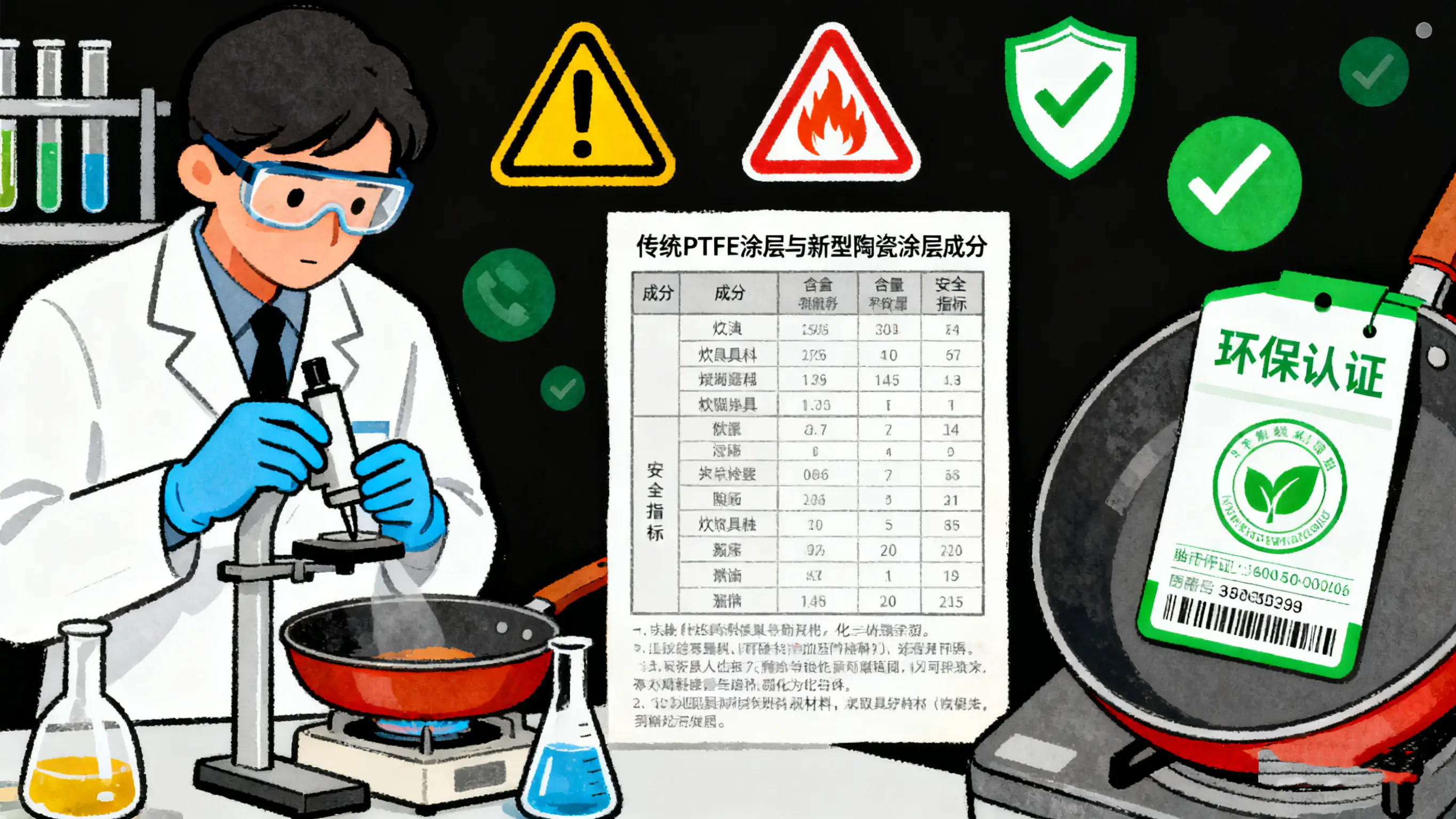
In developing new materials, manufacturers must conduct extensive research and testing to ensure that these products do not leach toxins into food or release harmful fumes at high temperatures. For instance, while titanium and ceramic cookware are marketed for their safety and non-reactivity, the production processes must adhere to strict regulations to avoid contamination and ensure that these materials are indeed as safe as claimed. This rigorous testing can lead to longer development times and increased costs, complicating the product launch process.
Moreover, manufacturers are challenged with educating consumers about the safety and advantages of newer cookware materials. A significant segment of the market still favors traditional cookware, often out of familiarity rather than informed choice. Brands must invest not only in quality assurance but also in marketing campaigns that articulate the benefits and safety of their innovative products. Transparent communication around eco-friendly certifications, manufacturing processes, and testing results is paramount to gaining consumer trust in new cookware materials.
5.2 Balancing Cost and Innovation: The Manufacturer’s Dilemma
Another substantial challenge for cookware manufacturers lies in the balancing act between cost and innovation. As companies strive to develop cutting-edge cookware options that align with nonstick trends and sustainability goals, they often face escalating production costs. High-quality materials, such as titanium and advanced ceramic coatings, come with a price. Manufacturers must weigh the benefits of investing in these materials against the potential impact on retail prices, which can deter budget-conscious consumers.
Innovation does not come cheap; research and development (R&D) efforts require significant investment, and the return on this investment can be uncertain. While there is a burgeoning market for healthy and environmentally-friendly cookware, not all consumers are willing to pay a premium. This challenge forces manufacturers to find a delicate balance between maintaining affordability while delivering high-performance products.
Additionally, the rapid pace of technological advancements in cookware materials means that manufacturers must stay ahead of competitors by continuously innovating. This imperatively requires agile production methods and integration of new technologies that can be both resource-intensive and complex to implement. Failure to keep pace with industry innovations could result in losing market share to competitors who successfully blend quality, affordability, and cutting-edge design.
In conclusion, manufacturers face a multifaceted challenge in developing new cookware materials. As they navigate the need to align with consumer demands for safe, innovative, and affordable products, they must also commit to rigorous testing and transparency to build trust. Successfully addressing these challenges will be vital as we move toward the 2026 cookware material trends, which will undoubtedly shape the future of cookware development and the culinary market as a whole.
6. Looking Ahead — The Future of Cookware in 2026 and Beyond
As we gaze into the future of cookware in 2026 and beyond, it is essential to consider the emerging trends and the implications they hold for manufacturers, consumers, and the overall market landscape. The industry is poised for transformation, driven by technological advancements, ecological consciousness, and evolving culinary practices.
6.1 Recap of Key Trends
The 2026 cookware material trends underscore a clear trajectory towards sustainability, health-consciousness, and multifunctionality. Firstly, the shift towards eco cookware materials reflects a growing consumer preference for safe, non-toxic options that align with personal health and environmental well-being. Titanium and ceramic cookware are at the forefront of this movement, offering alternatives that cater to the demands for safety and performance.
Moreover, the emergence of smart cookware that integrates technology into cooking practices points to a revolution in culinary efficiency. Features like temperature regulation, connectivity to mobile applications, and even voice-activated controls are becoming feasible, opening new avenues for consumer engagement and convenience. These innovations are poised to enhance the cooking experience, making it more intuitive and enjoyable.
Additionally, the rising demand for multifunctionality in cookware is shaping the design and functionality of products. Consumers are increasingly looking for versatile cookware that can seamlessly transition from stovetop to oven, emphasizing a need for comprehensive cooking solutions that save time and space in the kitchen. Manufacturers who can deliver on these expectations will be well-positioned for future success.
6.2 Encouraging Consumer Awareness and Smart Purchases
Looking ahead, fostering consumer awareness will be critical in shaping the future of cookware. As new materials and technologies emerge, manufacturers must engage in educational initiatives that inform shoppers about the advantages of using advanced cookware options. Transparency regarding safety, usability, and sustainability will be vital in building consumer trust and prompting smart purchasing decisions.
Efforts to create accessible content, such as instructional videos or interactive guides, can empower consumers to make informed choices that align with their values and cooking needs. Social media platforms and culinary influencers have become effective channels for such outreach, allowing brands to showcase their innovations while connecting with potential customers.
In conclusion, the future of cookware in 2026 and beyond will be driven by consumer preferences for safe, innovative, and practical solutions. Manufacturers who prioritize transparency, functionality, and eco-friendliness will emerge as leaders in this evolving landscape. As we embrace the 2026 cookware material trends, it is imperative that both consumers and manufacturers collaborate to foster a market that prioritizes health, sustainability, and culinary innovation.
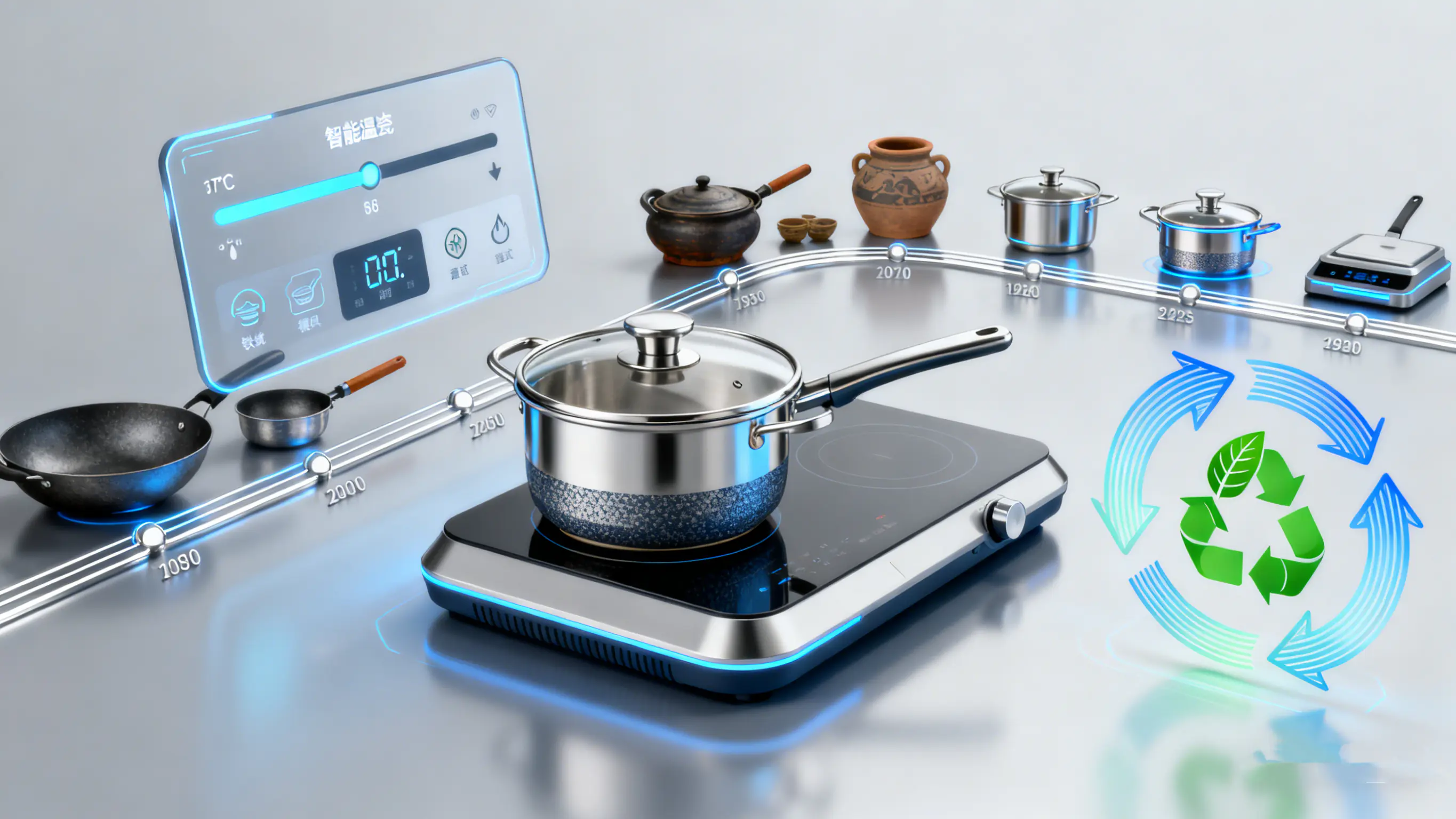
الخاتمة
As we look toward the future of cookware, the 2026 cookware material trends will undoubtedly play a pivotal role in shaping how consumers approach cooking and kitchenware. Manufacturers who can effectively address challenges such as consumer safety, innovation, and cost will position themselves as leaders in a rapidly evolving market. Equally important is the need for greater consumer awareness regarding the benefits of advanced cookware materials, which will empower shoppers to make informed and health-conscious choices.
If you’re a manufacturer or a consumer eager to learn more about the latest advancements in cookware materials, we encourage you to reach out to us. Together, we can navigate the intricate landscape of cookware innovation and contribute to a healthier, more sustainable cooking experience for all. Contact us today to explore how we can assist you in staying ahead of the curve in this dynamic industry!

لولا تشانغ هي أخصائية توريد أدوات المطبخ والسوق في أوسبيس لأدوات المطبخ، ولديها سنوات في مجال توريد أدوات المطبخ بالجملة في الصين. وهي تساعد المشترين على اكتشاف المنتجات الرائجة، وتحسين المشتريات، والتعامل مع مشكلات ما بعد الشراء، وبفضل خبرتها العميقة في هذا المجال، تقدم نصائح حول مطابقة السوق وسلاسة التوريد. تربط خبرتها بين المشترين والمصنعين الصينيين الموثوقين، مما يجعلها شريكًا موثوقًا به لتوريد أدوات المطبخ بكفاءة.