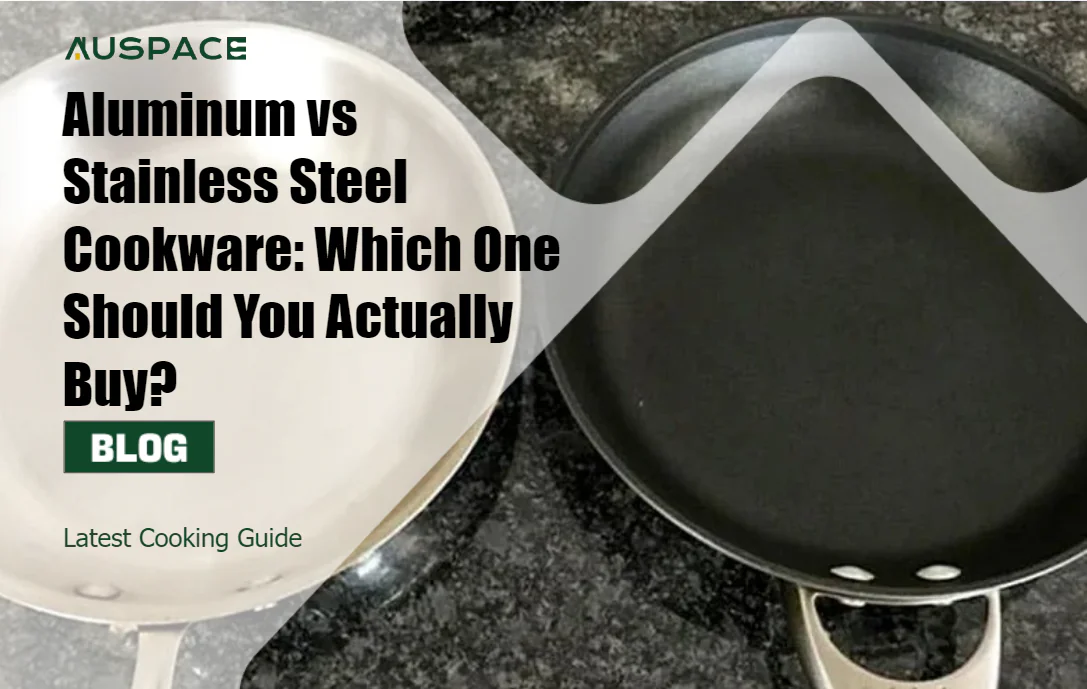


When outfitting your kitchen, choosing between aluminum vs stainless steel cookware is one of the most crucial decisions. Both are staple materials, but their performance, safety, and suitability vary widely. This guide dives deep into aluminum vs stainless steel cookware, covering pros, cons, and key factors to help you pick the best.
Key Considerations for Choosing Between Aluminum vs Stainless Steel Cookware
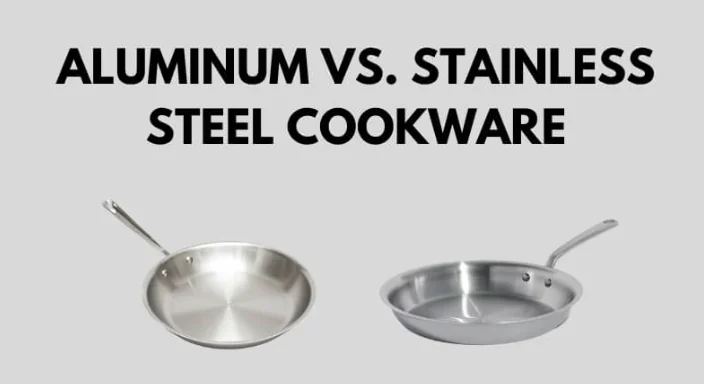
Before delving into specifics, it’s essential to clarify the core factors that make aluminum vs stainless steel cookware a persistent debate. Home cooks and professionals alike weigh in on heat conductivity, durability, safety, induction compatibility, cleaning ease, and cost—all of which shape how each material performs in daily use. Whether you’re searing steaks, simmering sauces, or boiling pasta, the right choice hinges on matching the cookware’s traits to your cooking habits. For instance, a frequent baker might prioritize even heat distribution, while a busy parent may value low-maintenance cleaning. This section lays the groundwork for understanding why aluminum vs stainless steel cookware remains a top consideration for kitchen upgrades.
Aluminum vs Stainless Steel Cookware: Heat Conductivity & Cooking Performance
Heat conductivity is the backbone of cooking performance, and here, aluminum vs stainless steel cookware show stark differences. Aluminum is renowned for its exceptional heat conductivity—rated at around 205 W/(m·K), it transfers heat 4-5 times faster than stainless steel (which averages 15-25 W/(m·K)). This means aluminum cookware heats up quickly and distributes heat evenly across the surface, eliminating hot spots that burn sauces or undercook pancakes. For delicate tasks like making caramel, melting chocolate, or cooking rice, aluminum’s uniform heat distribution is a game-changer, as it prevents scorching without constant stirring.
Stainless steel, by contrast, struggles with uneven heat distribution when used alone. Its low conductivity often leads to hot spots near the bottom center, where the heat source directly contacts the pan. However, manufacturers have addressed this flaw by cladding stainless steel cookware with a core of aluminum or copper (another high-conductivity material). Clad stainless steel—often labeled “tri-ply” (stainless steel/aluminum/stainless steel) or “five-ply”—combines stainless steel’s durability with aluminum’s heat efficiency. A well-clad stainless steel pan can match aluminum’s even heating, making it suitable for high-heat cooking like searing meats, where the stainless steel surface develops a rich Maillard reaction without burning.
The trade-off lies in responsiveness. Aluminum adjusts to temperature changes almost instantly—turn down the heat, and the pan cools rapidly, ideal for recipes that require precise heat control. Clad stainless steel, while efficient, has slightly slower heat responsiveness due to its thicker construction. Unclad stainless steel, meanwhile, is best reserved for boiling water or cooking acidic foods (where aluminum’s reactivity is a concern) rather than tasks needing even heat.
Aluminum vs Stainless Steel Cookware: Durability & Scratch Resistance
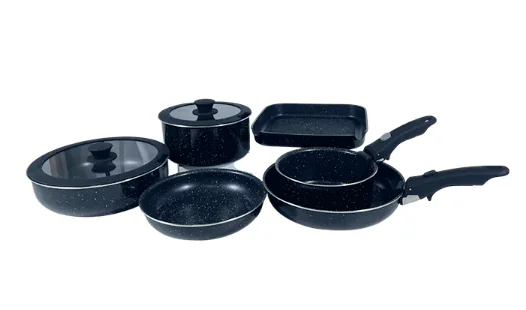
Durability is a long-term investment factor, and here stainless steel gains a clear edge in the aluminum vs stainless steel cookware debate. Stainless steel is an alloy of iron, chromium, and nickel, creating a hard, corrosion-resistant surface. A quality stainless steel pan can last 10-20 years with proper care, resisting dents, warping, and rust. Its scratch resistance is particularly notable—you can use metal utensils (spatulas, tongs) without fear of damaging the surface, a major plus for busy kitchens or professional settings where durability is non-negotiable.
Aluminum, on the other hand, is a softer metal (rated 2.5 on the Mohs scale, compared to stainless steel’s 5.5). Uncoated aluminum cookware is prone to scratching, denting, and warping—especially thin-gauge aluminum pans, which may bend under high heat or heavy use. Scratches not only mar the appearance but also increase the risk of aluminum leaching into food (more on safety later). To mitigate this, most aluminum cookware is coated with non-stick materials like Teflon or ceramic. While these coatings protect the aluminum core, they are fragile—scratching them with metal utensils ruins the non-stick property and exposes the underlying aluminum. Coated aluminum cookware typically lasts 3-5 years before the coating peels or wears off, requiring replacement.
Another durability factor is corrosion. Aluminum naturally oxidizes when exposed to air, forming a thin, protective layer that prevents further rusting. However, it reacts with acidic or alkaline foods (tomatoes, citrus, vinegar) to break down this layer, leading to pitting and discoloration. Stainless steel, with its chromium content, forms a passive oxide layer that resists corrosion even with acidic foods, making it more versatile for long-term use.
Aluminum vs Stainless Steel Cookware: Safety & Food-Grade Standards

Safety is non-negotiable for cookware, and the aluminum vs stainless steel cookware debate often centers on toxic exposure risks. Both materials are deemed safe by regulatory bodies like the FDA (U.S. Food and Drug Administration) when meeting food-grade standards, but their caveats differ.
Aluminum’s main safety concern is leaching into food. Uncoated aluminum cookware can leach significant amounts of aluminum when used with acidic, alkaline, or salty foods, or when scratched. While small amounts of aluminum are naturally present in food and water, long-term excessive intake has been linked to health concerns like Alzheimer’s disease (though research is ongoing and not conclusive). To address this, food-grade aluminum cookware must meet strict leaching limits—for example, the FDA requires aluminum leaching to be below 5 mg per kg of food. Coated aluminum cookware (non-stick or ceramic) reduces leaching, but only if the coating remains intact. It’s also important to note that anodized aluminum—where the metal is treated to create a thicker, harder oxide layer—is more resistant to leaching than uncoated aluminum, making it a safer alternative.
Stainless steel is widely regarded as one of the safest cookware materials. Food-grade stainless steel (typically 18/8 or 18/10, meaning 18% chromium and 8-10% nickel) has minimal leaching, even with acidic foods. Nickel leaching is a minor concern for those with nickel allergies, but such cases are rare, and most people tolerate stainless steel without issue. The key to safety is avoiding low-quality stainless steel, which may contain lead or other contaminants. Reputable brands test their stainless steel cookware to meet standards like NSF International (National Sanitation Foundation) certification, ensuring it’s free from harmful substances.
When choosing between the two, prioritize certified food-grade products. Look for labels like “FDA-approved,” “NSF-certified,” or “food-grade anodized aluminum” to ensure safety. For those with health anxieties or nickel allergies, anodized aluminum or nickel-free stainless steel (18/0) are viable alternatives.
Aluminum vs Stainless Steel Cookware: Induction Compatibility & Versatility
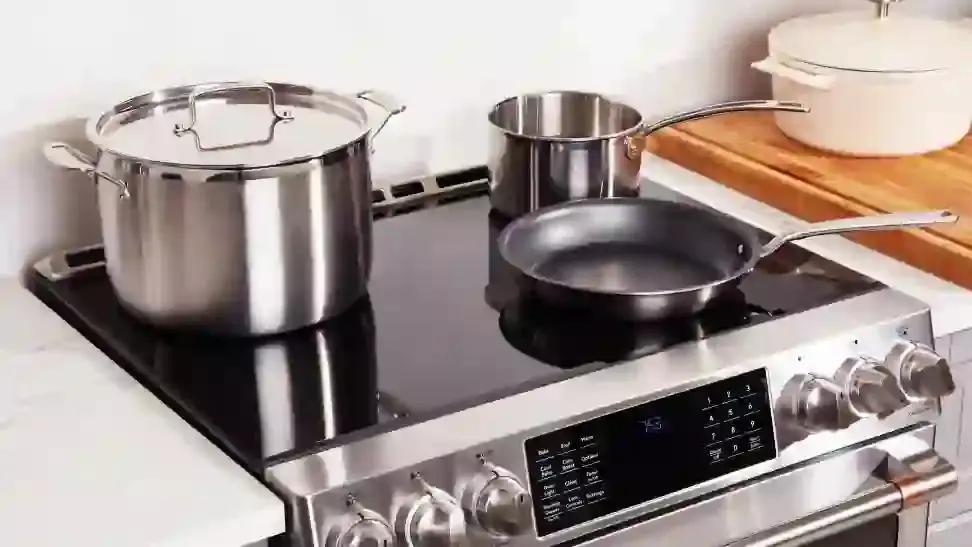
Induction cooktops are growing in popularity for their energy efficiency and safety, making induction compatibility a key factor in the aluminum vs stainless steel cookware debate. Induction cooktops work by creating a magnetic field that heats ferromagnetic materials (those containing iron). Stainless steel is inherently ferromagnetic if it has a high iron content—most 18/8 or 18/10 stainless steel cookware is induction-compatible, though some low-iron variants are not. To confirm, check for an “induction-compatible” label or use a magnet: if the magnet sticks to the pan’s bottom, it works.
Aluminum is non-ferromagnetic, so uncoated aluminum cookware does not work on induction cooktops. However, manufacturers have solved this by adding a magnetic layer (usually stainless steel) to the bottom of aluminum pans. These “induction-ready” aluminum pans combine aluminum’s heat conductivity with induction compatibility, making them suitable for all cooktop types—gas, electric, ceramic, and induction. Coated aluminum pans often include this magnetic layer, expanding their versatility.
Versatility extends beyond cooktop compatibility. Stainless steel is oven-safe at high temperatures (up to 500-600°F for most clad models), making it ideal for recipes that start on the stovetop and finish in the oven (like braised short ribs or frittatas). It’s also dishwasher-safe, though hand-washing is recommended to preserve its shine. Aluminum cookware’s oven safety depends on the coating: non-stick coated aluminum is usually oven-safe up to 350-400°F (exceeding this can release toxic fumes), while anodized aluminum can handle higher temperatures (up to 500°F). Most aluminum cookware is dishwasher-safe, but harsh detergents can damage non-stick coatings over time.
Aluminum vs Stainless Steel Cookware: Cleaning Difficulty & Maintenance
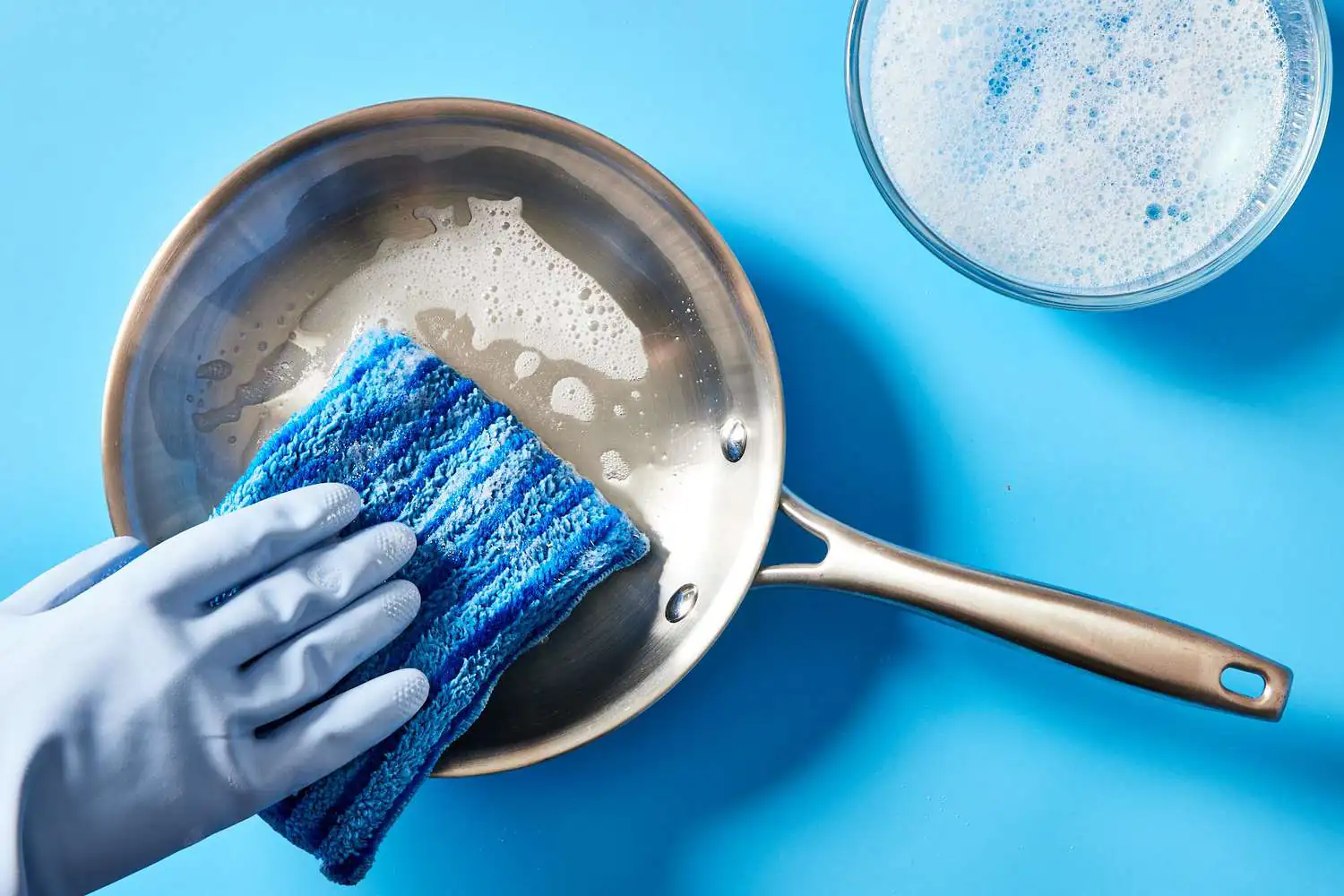
Cleaning and maintenance requirements can make or break a cookware choice, and aluminum vs stainless steel cookware have distinct needs. Stainless steel is relatively low-maintenance but can develop stubborn food residues, especially after searing or cooking sticky foods like eggs. Burnt-on food can be removed by soaking the pan in warm, soapy water for 15-20 minutes, then scrubbing with a non-abrasive sponge. For tough stains, a paste of baking soda and water works wonders—avoid steel wool or abrasive cleaners, as they can scratch the surface and dull the shine. Stainless steel is dishwasher-safe, but frequent dishwasher use may cause water spots; wiping with a dry cloth after washing prevents this.
Aluminum cookware’s cleaning needs depend on its coating. Non-stick coated aluminum is the easiest to clean—most food slides off with a quick wipe, and it only requires mild soap and a soft sponge. Abrasive cleaners or metal utensils are strictly off-limits, as they scratch the coating. Burnt-on food on non-stick pans should be soaked in cool water (hot water can set the residue) before cleaning. Uncoated or anodized aluminum is more prone to staining—cooking tomatoes or other acidic foods can leave discoloration. To remove stains, boil a mixture of water, vinegar, and baking soda in the pan, then scrub gently. Anodized aluminum is dishwasher-safe, but non-stick coated aluminum is better hand-washed to extend the coating’s life.
Long-term maintenance also differs. Stainless steel requires occasional polishing with a stainless steel cleaner to restore its luster, but otherwise needs little upkeep. Aluminum cookware, especially coated variants, requires careful handling to avoid scratches—using silicone, nylon, or wooden utensils is a must. Anodized aluminum should be dried thoroughly after washing to prevent water spots, while uncoated aluminum may need periodic re-seasoning (like cast iron) to reduce leaching and improve non-stick performance.
Aluminum vs Stainless Steel Cookware: A Side-by-Side Comparison Table
| Factor | Aluminum Cookware | Stainless Steel Cookware |
|---|---|---|
| Heat Conductivity | Excellent (205 W/(m·K)); even heat distribution | Low (15-25 W/(m·K)); clad versions match aluminum’s efficiency |
| Durability | Soft; prone to dents/warping; coated versions last 3-5 years | Hard; rust-resistant; lasts 10-20 years with care |
| Scratch Resistance | Poor (uncoated); coated versions scratch easily | Excellent; safe for metal utensils |
| Safety | Leaching risk with acidic foods; coated/anodized reduces risk | Minimal leaching; food-grade variants are very safe |
| Induction Compatibility | No (uncoated); yes (with magnetic bottom) | Yes (most high-iron variants) |
| Cleaning Difficulty | Easy (non-stick); moderate (uncoated/anodized) | Moderate; needs soaking for burnt residues |
| Oven Safety | 350-500°F (depends on coating) | 500-600°F (clad models) |
| Cost | Affordable ($20-$100 per pan) | Mid-range to premium ($50-$300 per pan, clad) |
Aluminum vs Stainless Steel Cookware: Which Should You Choose?
The answer to “choose aluminum or stainless steel cookware” depends on your cooking style, budget, and priorities. If you value even heat distribution, quick responsiveness, and affordability, aluminum cookware (preferably coated or anodized) is an excellent choice. It’s perfect for home cooks who specialize in delicate dishes like sauces, pancakes, or rice, and who don’t mind replacing cookware every few years. Induction users can opt for induction-ready aluminum pans to get the best of both worlds.
If durability, versatility, and long-term safety are your top concerns, stainless steel cookware (especially clad models) is worth the investment. It’s ideal for high-heat cooking (searing, broiling), oven-to-stovetop recipes, and busy kitchens where metal utensils are a must. Stainless steel’s longevity makes it a favorite among professionals and home cooks who want cookware that lasts decades. For those with nickel allergies, 18/0 stainless steel or anodized aluminum are great alternatives.
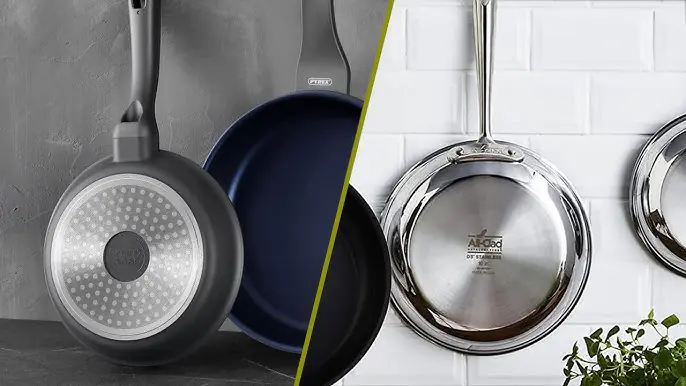
Many home cooks find that a mix of both materials works best: a set of clad stainless steel pans for searing and oven cooking, paired with a few non-stick aluminum pans for eggs and delicate sauces. This hybrid approach balances performance, durability, and cost, ensuring you’re prepared for any recipe.
Conclusion: Making the Most of Aluminum vs Stainless Steel Cookware
Aluminum vs Stainless Steel Cookware: neither is universally “better”—they excel in different areas. Aluminum shines with heat efficiency and affordability, while stainless steel dominates in durability and versatility. By understanding their pros, cons, and key differences—from heat conductivity to induction compatibility—you can choose cookware that aligns with your kitchen needs. Whether you opt for aluminum, stainless steel, or a mix, prioritizing food-grade standards and proper maintenance ensures safe, enjoyable cooking for years to come. Aluminum vs Stainless Steel Cookware: the right choice is the one that works for your kitchen.

Iris is a seasoned sourcing expert in the cookware industry with years of experience. She specializes in product development, quality assurance, and international compliance, providing trusted insights and practical solutions for buyers and professionals.