

مقدمة
If you’ve been Googling are non stick pans safe Australia, you’re not alone. This guide breaks down PFOA, PTFE (Teflon), and real-world non stick pan health risks—so you can buy, use, and maintain non stick cookware with confidence (without getting talked into stuff you don’t need).
If you typed are non stick pans safe Australia because you worry about toxins, cancer headlines, or “forever chemicals,” here’s the honest answer: modern non-stick pans can be safe in normal cooking—if you use them correctly and replace them when they’re worn. The biggest risk comes from overheating an empty pan, not from cooking eggs on medium heat. And “PFOA-free” helps, but it doesn’t automatically mean “PFAS-free” or “the safest option for your kitchen.”
Below, you’ll get practical rules, a buyer checklist, and a durability-focused section for cafés, restaurants, hotels, and corporate buyers.
1. Quick takeaways (save this before you keep scrolling)
- Choose modern pans from reputable brands and avoid ultra-cheap, unbranded imports for daily use (quality control matters more than hype).
- Don’t preheat non-stick empty on high. Add oil/food early and keep heat low to medium most of the time.
- Use soft tools (silicone/wood). Avoid metal utensils.
- Replace when the coating is badly scratched, flaking, or sticky even after cleaning.
- If you want to avoid PTFE entirely, ceramic, stainless steel, or cast iron can work well—but each has trade-offs (especially durability and learning curve).
2. Are non stick pans safe Australia? The clear answer (and what changes in 2026)
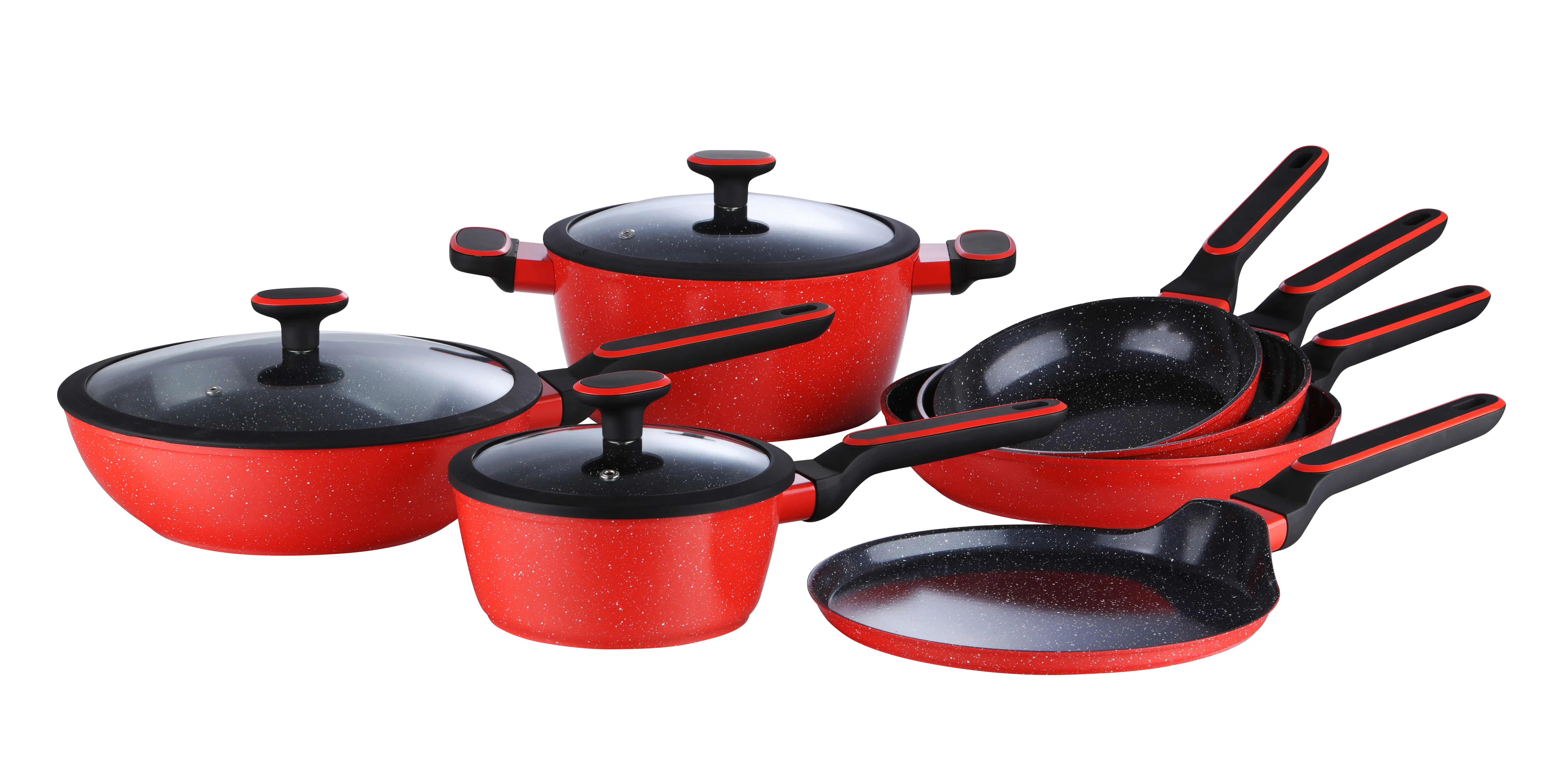
So—are non stick pans safe Australia? For most households, yes, when you use modern non-stick properly and avoid overheating. Australian experts have also emphasized that PTFE-coated non-stick pans are generally safe at normal cooking temperatures, but you shouldn’t use them for very high-heat cooking.
One more Australia-specific point: from 1 July 2026, Australia banned three PFAS chemicals (PFOA, PFOS, PFHxS) from import/export/manufacture under national rules.
That’s a positive step, but it doesn’t magically make every “non-stick” product identical. Many non-stick coatings still use PTFE (a PFAS polymer), and safety still depends heavily on heat and wear.
3. PFOA vs PTFE vs PFAS
These acronyms get thrown around like everyone is a chemist. You don’t need to be.
PFAS
PFAS is a big family of chemicals. They resist heat, water, and oil. That’s why they show up in many products (not just pans). Some PFAS are linked to health concerns, especially at high exposure.
PTFE (often called “Teflon”)
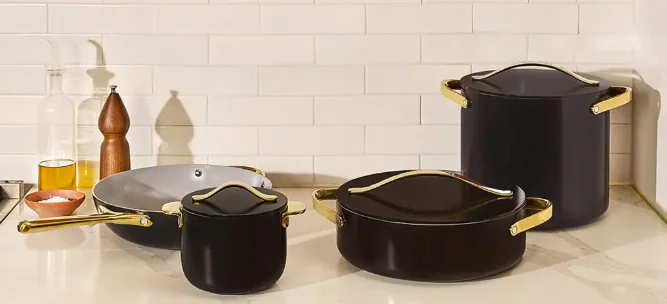
PTFE is a specific material used as a non-stick coating. It’s a polymer and it’s tough. When you use it correctly, agencies and risk assessors generally don’t expect adverse health effects from normal cooking—but overheating can create harmful fumes.
PFOA
PFOA is a PFAS chemical that was historically used as a processing aid in making some fluoropolymer products. It’s not the same thing as PTFE. Major manufacturers committed to phase it out under the U.S. EPA’s 2010/2015 PFOA Stewardship Program.
And as noted above, Australia now restricts PFOA (along with PFOS and PFHxS).
What this means for you:
- “PFOA free non stick pans” usually means the brand claims it didn’t use PFOA in manufacturing. Helpful, but not the whole story.
- “teflon free non stick pans” usually means the brand avoids PTFE. That may matter if you want to avoid PFAS-based coatings entirely—but it can change cooking performance and lifespan.
4. Is Teflon coating safe? What matters most is temperature
If you’re asking Is teflon coating safe, focus on how you cook, not just what you buy.
Risk assessors note that PTFE-coated cookware only poses a health risk when it is strongly heated while unfilled—because the coating can overheat and release gases that are hazardous to health at very high temperatures (they mention around 360°C as a key threshold).
Here’s the practical part:
- Normal frying/sautéing with food in the pan makes overheating less likely. Water-rich foods limit temperature rise near the boiling point of water.
- The danger zone is an empty pan on high heat, especially on induction or gas, because it heats very fast.
A simple “heat map” you can remember (Celsius)
- Low heat: warming sauces, eggs with patience
- Medium heat: most everyday cooking
- High heat: fast stir-fry or searing (often better on stainless/cast iron)
A food-safety agency notes that PTFE can start producing fumes above about 260°C, which you can reach when you preheat an empty pan for “more than a few minutes.”
5. “Is PTFE toxic safest?” The honest, usable answer
People often search weird phrasing like is PTFE toxic safest because they want a yes/no.
Use this rule instead:
- PTFE is effectively stable for normal cooking, and very small transfers (if any) are not expected to harm you when you use cookware as intended.
- PTFE becomes a problem when it overheats: fumes can trigger “polymer fume fever” (flu-like symptoms) in humans at high temperatures.
- Bird owners should be extra cautious because birds are far more sensitive to airborne fumes (even when humans feel “fine”). Consumer safety groups regularly flag this as a real-world risk.
If you want the lowest hassle safety profile, don’t chase perfection. Instead: control heat, ventilate, and replace worn pans.
6. Non stick pan health risks
1) Overheating fumes
This is the main acute risk. If you accidentally leave an empty non-stick pan screaming hot, you can irritate your lungs and feel sick. Symptoms in humans typically show up at higher temperatures (often discussed around ~350°C for symptom onset), even though breakdown can begin lower.
What you do:
- Never walk away from an empty preheating non-stick pan.
- If you see smoke or smell harsh fumes: turn off heat, open windows, run the exhaust fan, leave the room for fresh air.
2) Scratches and flakes
This scares people, but here’s the nuance: risk assessors note that tiny particles from a scratched PTFE coating, if accidentally ingested, are not expected to harm you because PTFE is inert and passes through unchanged.
What scratches do change: performance and longevity. Once the pan sticks, you’ll overuse oil and scrub harder, which makes it fail faster.
What you do:
- Switch to silicone/wood tools.
- Hand-wash gently.
- Replace when the coating is failing (see replacement checklist below).
3) Misleading labels (“PFOA-free” vs “PFAS-free”)
“PFOA-free” doesn’t automatically mean the coating isn’t PFAS-based. PTFE itself is classified within PFAS as a polymer.
What you do: treat labels as a starting point, not a guarantee. Ask: What is the actual coating material? PTFE? Ceramic sol-gel? Enamel?
7. Non stick pan cancer risk: what’s actually known (and what isn’t)
This topic gets clicks, but you deserve a clean explanation.
- PFOA has been evaluated by IARC as carcinogenic to humans (Group 1) based on a combination of evidence (animal studies, mechanistic evidence, and limited evidence in humans for specific cancers).
- Health authorities also note that human evidence for certain cancers (like kidney and testicular) is limited, and many studies involve higher exposures (for example, contaminated water or occupational settings), not typical home cooking.
- Modern manufacturing has moved away from using PFOA, including via industry phaseout commitments.
So what about your pan?
For most people, the bigger “cancer risk” conversation around PFAS is usually about chronic exposure from water, certain food chains, and industrial contamination, not a well-used pan on medium heat. That said, if you want to reduce PFAS exposure overall, choosing non-PTFE cookware is a reasonable personal preference—just don’t assume it’s automatically more durable or easier to use.
8. Ceramic vs Teflon safety: which one should you choose?
If you’re stuck between ceramic vs teflon safety, decide based on your cooking style and replacement tolerance.
PTFE (Teflon-style) non stick cookware
الإيجابيات
- Great release (eggs, pancakes, delicate fish)
- Usually easy cleanup
- Predictable performance when used correctly
السلبيات
- Doesn’t love high heat
- Lifespan depends heavily on care (scratches, dishwashers, overheating)
Ceramic-coated (“sol-gel”) non-stick
الإيجابيات
- Often marketed as PFAS-free (varies by brand—verify)
- Handles slightly higher heat better in some designs
- Good option if you want “teflon free non stick pans”
السلبيات
- Many ceramic coatings lose non-stick performance faster, especially with frequent high heat and aggressive cleaning
- Some people replace them more often, which can cost more over time
Your practical choice:
- If you cook eggs daily and value easy cleanup: PTFE (used properly) may be the lowest-friction option.
- If you want to avoid PFAS-based coatings as a principle: ceramic or stainless/cast iron may fit better.
- If you sear steaks often: use stainless steel or cast iron for that job, even if you keep one non-stick pan for eggs.
9. How to buy safer non-stick pans (a checklist you can screenshot)
Use this when you shop online or in-store:
- What’s the coating? PTFE, ceramic sol-gel, enamel, something else?
- Does the brand clearly state PFOA-free (baseline expectation in many markets)?
- Does it list max safe temp (oven-safe rating)?
- Is the base thick and stable (less warping = longer life)?
- Does it match your cooktop (gas / electric / induction)?
- What tools will you use (silicone/wood only)?
- What’s your realistic replacement cycle? (Many home users replace non-stick every 2–5 years depending on use and care.)
- Can you get a lid and spare pan easily (especially for B2B)?
- Is the warranty clear?
- Are reviews consistent about sticking after a few months? If yes, skip it.
10. How to use and maintain non-stick pans safely
Heat rules (the big one)
- Start at low/medium.
- Add oil or food early. Don’t “dry heat” the pan.
- Use the exhaust fan when cooking at higher heat.
Cleaning rules (lifespan = money)
- Let the pan cool before washing (reduces warping).
- Hand-wash with a soft sponge.
- Skip steel wool and abrasive powders.
Storage rules (scratches happen here)
- Don’t stack pans bare. Use a towel/pan protector.
Replacement rules (be decisive)
Replace the pan if:
- The surface is flaking or deeply scratched
- Food sticks even with oil
- You see persistent discoloration + rough texture
- You overheated it badly and now it smells “chemical” during cooking
11. For cafés, restaurants, hotels, and corporate buyers: how to evaluate value (not hype)
If you buy in bulk, you care less about blog debates and more about cost per service life.
1) Match pan type to menu tasks (don’t force one pan to do everything)
- Eggs / crêpes / delicate fish: non-stick (PTFE or ceramic)
- High-heat searing: stainless steel or cast iron
- Sauces: stainless steel or enamel
This reduces burnouts and extends the life of your non-stick inventory.
2) Use a simple durability scorecard
Give each pan a 1–5 score:
- Heat tolerance for your stove setup
- Warp resistance (thick base)
- Coating resilience to daily cleaning
- Ease of training staff (fewer mistakes)
- Replacement availability (can you reorder fast?)
3) Train one “non-stick standard operating procedure”
Non-stick pans fail early in commercial kitchens for one reason: too much heat + harsh tools.
Your SOP can be one page:
- Medium heat max for non-stick
- Silicone tools only
- No empty preheating
- Hand-wash or approved gentle cycle only
- Immediate pull-from-line if coating fails
4) Plan a replacement cycle
Instead of waiting for chaos, you budget for predictable turnover. Even good pans wear. You’ll usually save money by replacing on schedule rather than burning labour time on stuck food and aggressive scrubbing.
12. الأسئلة الشائعة
1) Are non stick pans safe Australia if they’re scratched?
Minor scratches mainly hurt performance. Risk assessors say accidental ingestion of tiny PTFE particles isn’t expected to harm you because PTFE is inert and passes through.
Still, replace the pan when the coating is failing.
2) Is teflon coating safe for everyday cooking?
Yes for normal use. Avoid very high heat and never overheat an empty pan.
3) Do “PFOA free non stick pans” guarantee safety?
They reduce one historical concern, but safe use still depends on heat and wear. And “PFOA-free” isn’t the same as “PFAS-free.”
4) What’s the safest cookware if you want the least worry?
If you want to avoid non-stick debates entirely: stainless steel + cast iron (plus one carefully used non-stick pan for eggs) is a practical compromise for many kitchens.
Conclusion: Are non stick pans safe Australia? Yes—if you cook smart
Let’s land this clearly: are non stick pans safe Australia? For most people, modern non stick cookware is safe when you use it as intended—keep heat sensible, don’t preheat empty on high, ventilate, and replace worn pans.
If you still prefer to avoid PTFE, you can choose teflon free non stick pans (often ceramic) or switch to stainless/cast iron—just go in with open eyes about durability and cooking technique. The safest pan is the one you can use correctly every day, without overheating, over-scrubbing, or wasting money on the wrong tool.

سيلفيا هي من كبار الممارسين الذين يركزون على مجال التجارة الخارجية لأدوات المطبخ، وهي متخصصة في توفير الدعم الشامل لمشتريات أدوات المطبخ والدعم التجاري للعملاء العالميين. ويمكنها تغطية الدورة الكاملة لخدمات التعاون الشاملة، بما في ذلك تحليل اتجاهات سوق أدوات المطبخ، واختيار الموردين ذوي الجودة، والرقابة الصارمة على جودة الإنتاج، والترتيبات اللوجستية الفعالة عبر الحدود.
وهي شريك موثوق به للعلامات التجارية وتجار التجزئة والموزعين عند شراء أدوات المطبخ عالية الجودة في الصين.