


مقدمة
What is a saute pan? More than just a basic pot, it is the cornerstone of efficient, flavor-forward cooking. Defined by its wide, flat bottom and characteristically tall, straight sides, this pan is engineered for the technique of sauter—to jump—allowing food to be expertly tossed. But its true genius lies in its versatility, seamlessly transitioning from high-heat searing for proteins like salmon to simmering rich sauces in the same vessel. Whether you’re learning how to saute shrimp in a pan or determining if can a cuisinart saute pan go in the oven, understanding this tool unlocks countless culinary possibilities. This guide will explore its unique design and demonstrate why it’s an indispensable asset for any kitchen.
1.What Is a Saute Pan? The Essential Kitchen Workhorse Explained
إن sauté pan is not merely a cooking vessel; it is a foundational tool designed for precision and culinary excellence. In professional kitchens, it is known for its unparalleled ability to execute the classic French technique of sauter—to jump—by allowing ingredients to be effortlessly tossed and flipped over high heat. But its utility extends far beyond this namesake method. Its distinct design makes it a versatile cornerstone for tasks ranging from shallow frying to delicate poaching.
1.1 Decoding the Design: Key Features of a True Saute Pan
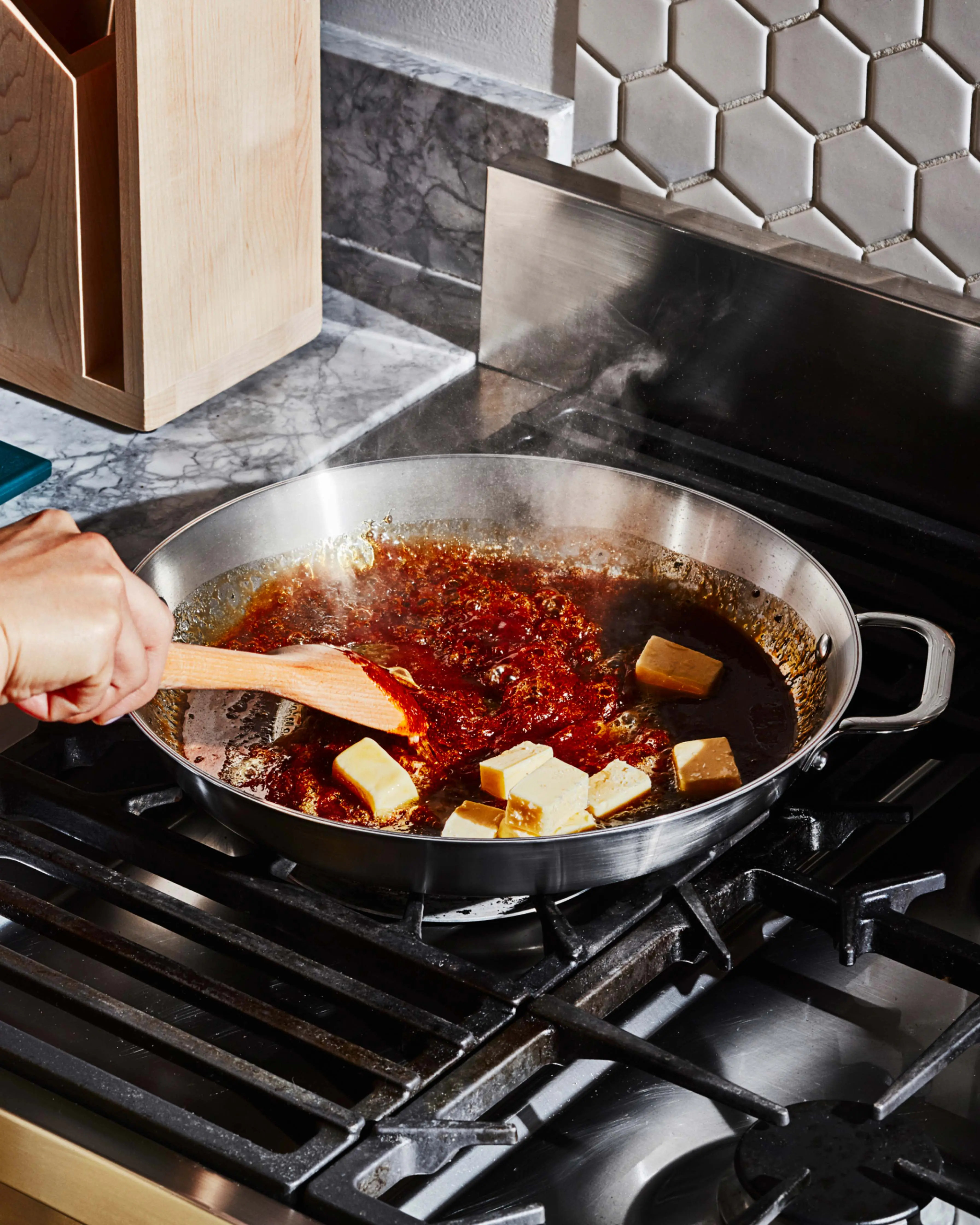
The anatomy of a professional-grade sauté pan is defined by three critical elements. First, its vertical or steeply sloped sides, which are notably taller than those of a skillet, serve multiple purposes. They prevent ingredients from spilling out during vigorous tossing, but more importantly, they maximize surface area for evaporation and ingredient reduction, which is essential for building pan sauces. Second, a flat, wide bottom ensures consistent, even contact with the heat source, facilitating optimal browning—a key factor when you want to know how to saute scallops in pan to achieve that perfect, golden crust without overcooking the delicate interior. Finally, a fitted lid is standard, a feature often omitted from skillets. This lid is crucial for finishing techniques, such as gently steaming vegetables after an initial sear or braising proteins in a small amount of liquid. The integration of high-quality materials, like multi-ply stainless steel with an aluminum core, guarantees even heat diffusion and professional performance.
1.2 Saute Pan vs. Frying Pan: What’s the Real Difference?
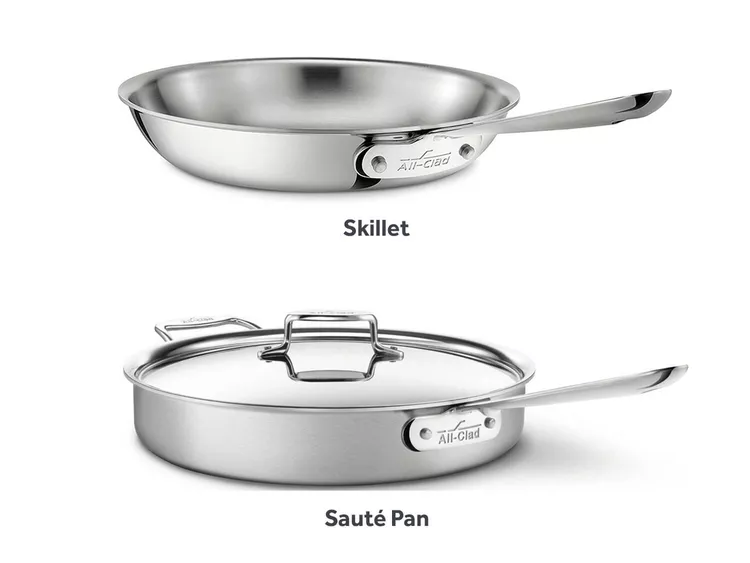
While often used interchangeably in casual conversation, the sauté pan and frying pan (or skillet) are engineered for different primary functions. The fundamental distinction lies in their geometry and intended cooking methods. A frying pan features wide, flared, and low sides, designed to maximize evaporation and provide easy access for flipping with a spatula. It excels at tasks where quick moisture release is desired, like searing a single steak or frying eggs. Conversely, a sauté pan’s taller, straighter sides are tailored for techniques that involve movement (tossing) or contain liquid. This makes it superior for cooking larger volumes of food, such as a stir-fry with sauce, or for starting a dish on the stovetop and finishing it in the oven—a technique often required for thicker cuts of meat. Understanding this difference is key to selecting the right tool. For instance, while you can fry in a saute pan for tasks like shallow-frying chicken cutlets, a skillet might be better for pan-frying a single fillet where maximum browning is the sole goal.
2.What Is a Saute Pan Used For? (Beyond Just Sauteing!)
The true value of a premium sauté pan is revealed in its multifaceted role. It is the “all-in-one” pan that can guide a dish from its inception to completion, minimizing cleanup and maximizing flavor development.
2.1 Master the Sear: Perfect Proteins from Salmon to Scallops
The sauté pan is the undisputed champion for cooking proteins that require a flawless sear followed by controlled, even cooking. Its heavy base prevents hot spots that can cause burning, while its ample space allows proteins to be placed without crowding, which is the enemy of a good crust. For skin-on salmon, a preheated sauté pan provides the consistent heat needed to render the fat and crisp the skin to perfection. For scallops, its flat surface ensures full contact for that restaurant-quality caramelization. After searing, the pan’s vertical sides become the perfect vessel for basting with butter and aromatics, or for creating a simple pan sauce by deglazing.
2.2 From Simmer to Sauce: Why It’s the Best Pan for Pan Sauces
This is where the sauté pan truly outshines other cookware. After searing meat or vegetables, the flavorful browned bits (fond) left in the pan are the foundation of a superb sauce. The vertical sides of a sauté pan allow you to add wine, broth, or cream without risk of spillage as you vigorously scrape the fond. The large surface area encourages rapid reduction and concentration of flavors, while the lid can be used to simmer gently and meld the sauce. This seamless transition from a dry-heat to a wet-heat cooking method in a single pan is a hallmark of efficient, professional cooking and answers the broader question of what is a saute pan used for.
3.Can You Fry in a Saute Pan? Unlocking Its Versatility
Absolutely. The question is not can you, but when it is the optimal choice. The sauté pan is exceptionally well-suited for specific frying techniques that benefit from its design.
3.1 Shallow Frying & Pan-Frying: How the Design Gives You an Edge
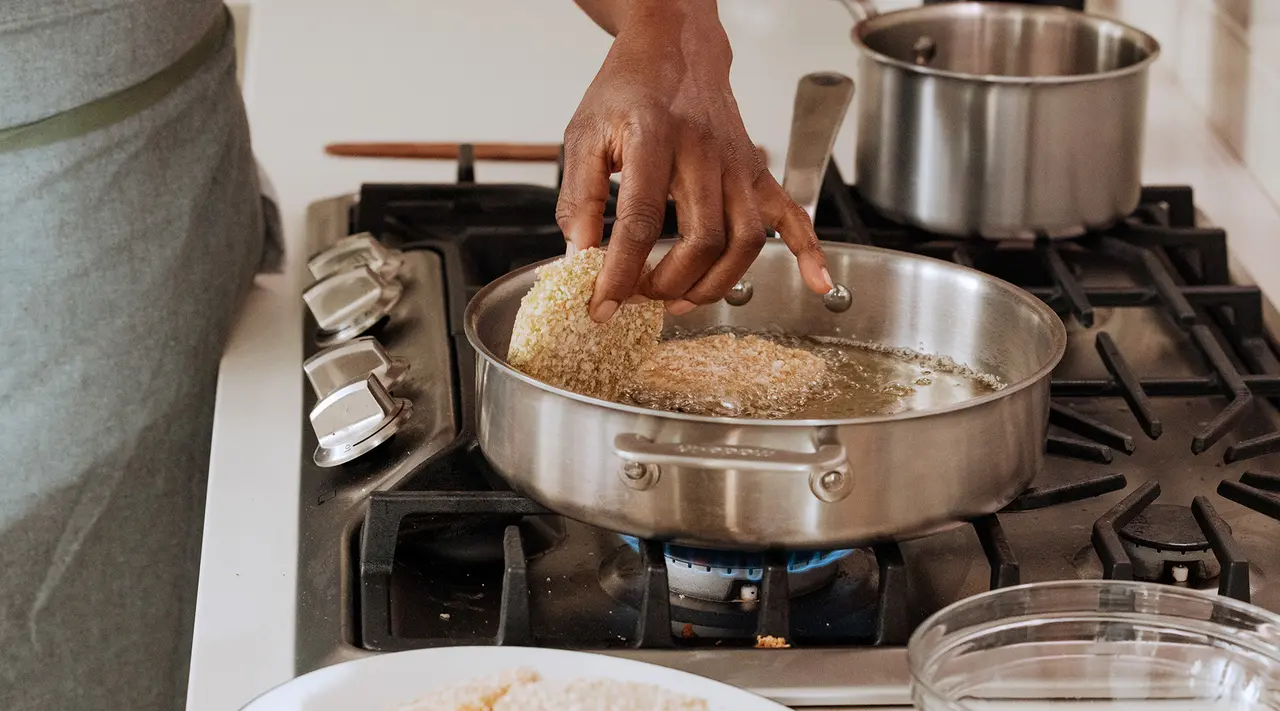
For shallow frying, where food is partially submerged in oil, the sauté pan’s tall sides are a significant safety and practical advantage. They contain splatter effectively, keeping your stovetop cleaner and reducing the risk of burns. The generous surface area also allows for cooking more food at once in a single layer. In pan-frying, where a smaller amount of oil is used, the sauté pan’s even heating ensures uniform browning. A task like how to saute shrimp in a pan often straddles the line between sautéing and pan-frying; the technique requires high heat and quick cooking, and the sauté pan’s capacity to hold multiple shrimp in one layer without steaming them is ideal. However, for deep frying large volumes, a Dutch oven with even higher sides and greater heat retention is typically preferred.
4.Oven-Safe or Not? The Truth About Saute Pans and Heat
One of the most powerful techniques in cooking is starting a dish on the stovetop to develop color and flavor, then transferring it to the oven for gentle, even finishing. Whether a sauté pan can perform this function is a critical consideration that depends entirely on its construction.
4.1 “Can a Cuisinart Saute Pan Go in the Oven?” and Other Brand FAQs
There is no universal answer, and assuming so can damage your cookware. Oven safety is determined by the materials of the pan body, its handle(s), and any non-stick coating. For example, a fully stainless steel pan with stainless steel handles (like many from All-Clad) is typically oven-safe to very high temperatures (often 500°F/260°C or more). However, a pan with silicone-wrapped handles or a non-stick coating will have a much lower threshold. Specifically regarding the common query, can a cuisinart saute pan go in the oven, the answer varies by line. Many non-stick hard-anodized models from Cuisinart, for instance, have handles with non-heat-resistant components or coatings that limit oven use. The product specifications for one such model explicitly state “Is Oven Safe: No”. Innovative designs, like the Casteline pan with a removable wooden handle, are engineered specifically to be used uncovered in the oven. Always consult the manufacturer’s instructions for the specific model’s oven-safe temperature rating.
5.How to Saute Like a Pro: Step-by-Step Techniques
Mastering the fundamental technique unlocks the full potential of your pan. The goal is high heat, quick cooking, and the development of complex flavors through caramelization.
5.1 How to Saute Shrimp in a Pan for Perfect Results
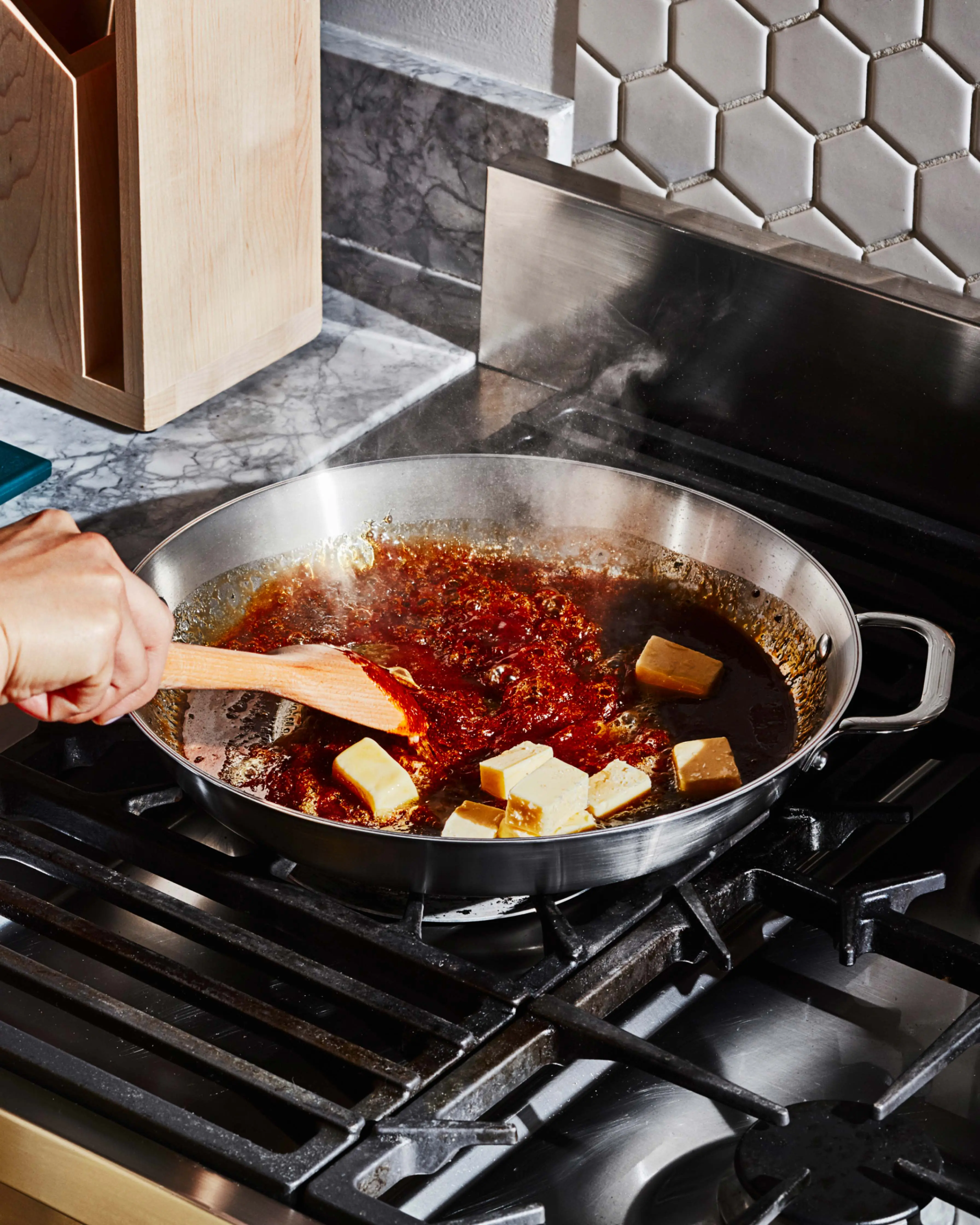
Begin with dry, seasoned shrimp; moisture is the enemy of browning. Heat your pan over medium-high heat until hot, then add a high-smoke-point oil. Add shrimp in a single, uncrowded layer. Let them sear undisturbed for 1-2 minutes to develop color before tossing or flipping. They are done when just opaque and pink, which happens quickly. Overcooking leads to toughness. Remove them promptly, and you can use the same pan to make a quick garlic-lemon butter sauce.
5.2 How to Saute Scallops in a Pan for a Restaurant-Quality Sear
The secrets are dryness, high heat, and patience. Thoroughly pat dry sea scallops with paper towels. Season just before cooking. Get your pan very hot, add oil, and place scallops with ample space between them. Do not move them! Allow them to form a deep golden crust for 2-3 minutes before gently flipping. This technique, perfectly executed in a heavy-bottomed sauté pan, yields a caramelized exterior and a tender, just-cooked center.
5.3 How to Saute Salmon in a Pan with Crispy Skin
For skin-on fillets, start with a dry skin. Place the salmon skin-side down in a preheated pan with a thin layer of oil. Immediately press gently with a spatula for full contact. Cook most of the way through on the skin side (4-6 minutes for a standard fillet) to ensure ultra-crispy skin. Flip only for the final minute to finish the top. Letting the salmon rest skin-side up on a rack preserves the crispness. This method answers the precise need of how to saute salmon in a pan expertly.
6.Choosing the Best Saute Pan: A Buyer’s Guide for Every Cook
Selecting the right sauté pan is an investment in your culinary output. Key factors include material, which dictates performance, and size, which determines utility.
6.1 Material Matters: Stainless Steel, Non-Stick, or Cast Iron?
Multi-Ply Stainless Steel (with Aluminum Core): The professional standard. It offers superb, even heating, incredible durability, is non-reactive with all foods, and is typically oven and dishwasher-safe. It requires proper heat management and sometimes more fat to prevent sticking, but it excels at fond development for sauces.
Hard-Anodized Non-Stick: Excellent for low-fat cooking and delicate items like eggs or fish. It is easy to clean but requires care to avoid scratching. Oven safety is often limited. It is a specialist tool, not an all-purpose workhorse.
Cast Iron: Provides exceptional heat retention for a great sear and can go from stovetop to oven easily. However, it is heavier, requires seasoning for maintenance, and reacts with acidic foods.
6.2 Size and Lid: Selecting the Right Pan for Your Needs
A 3-quart (approx. 12-inch) pan is the most versatile size for home cooks, suitable for cooking for 2-4 people. Ensure the lid fits snugly; a glass lid is useful for monitoring food without releasing steam. For larger households or frequent entertainers, a 4 or 5-quart model is advisable. The lid is non-negotiable for a true sauté pan, as it enables braising and steaming.
7.Pro Tips & Recipes: Getting the Most From Your Saute Pan
7.1 Maintenance and Care for Longevity
For stainless steel, allow it to cool slightly before washing. Use Bar Keeper’s Friend or a baking soda paste to remove stubborn stains or discoloration. For non-stick, use only wooden, silicone, or plastic utensils and avoid abrasive scrubbers. Never heat an empty non-stick pan. For all types, thorough drying is essential to prevent water spots or rust.
7.2 One-Pan Wonder: A Sample Recipe to Start Cooking Today
Simple Lemon-Herb Chicken with Asparagus: Season chicken breasts. Sear in a hot sauté pan with oil until golden (5-6 mins per side). Remove. Add a touch more oil and sauté asparagus spears for 4-5 minutes. Deglaze the pan with ½ cup chicken broth and the juice of one lemon, scraping up the fond. Return chicken to the pan, spoon sauce over, cover, and simmer for 5-7 minutes until chicken is cooked through. Stir in fresh herbs before serving. This one-pan meal showcases the sauté pan’s complete versatility.
Ultimately, understanding what is a saute pan is the first step toward more confident, efficient, and flavorful cooking. It is the bridge between simple home cooking and refined culinary technique, empowering you to execute a wide array of dishes with a single, indispensable tool.
الخاتمة
What is a saute pan? It is the ultimate culinary multi-tasker, a single tool designed to execute a complete sequence of cooking techniques. From creating the perfect sear on scallops to building a foundational pan sauce, its design facilitates a seamless flow from stovetop to oven. Mastering its use, including knowing how to saute salmon in a pan or safely shallow frying, empowers you to cook with greater confidence and efficiency. Ultimately, this pan is not merely for storage or heating; it’s an active partner in developing deep, complex flavors, proving that the right tool truly transforms the cooking experience.

تعمل هازل أخصائية تصدير أدوات الشراب وأدوات المطبخ في Auspace، وتركز على دعم سلسلة التوريد في الأسواق العالمية وحلول المنتجات المخصصة. تقدم المساعدة الشاملة للمشترين الدوليين، بما في ذلك مطابقة الموردين ومتابعة الإنتاج والتنسيق اللوجستي. وبفضل معرفتها العميقة بالصناعة وعلاقاتها العميقة بالمصانع، تساعد العملاء على الحصول على أدوات الشرب ومنتجات المطبخ عالية الجودة والصديقة للبيئة من الصين بكفاءة، ويقلل نهجها العملي من مخاطر التوريد ويبسط التجارة عبر الحدود، مما يجعلها شريكاً موثوقاً للعلامات التجارية وتجار التجزئة الذين يبحثون عن تصنيع أدوات المطبخ وتصنيع المعدات الأصلية/التصنيع حسب الطلب في الصين.