


مقدمة
Why is my non-stick pan sticking? It’s a common frustration that can turn simple cooking into a chore. The answer almost always lies not in a defective pan, but in a few easily corrected usage mistakes. This guide will walk you through the seven most common culprits—from overheating and using metal utensils to improper cleaning—that silently degrade your pan’s slick surface. Understanding these errors is the first step to restoring its performance and ensuring your kitchen essential lasts far longer.
1. The Cardinal Sin: Using Excessive Heat
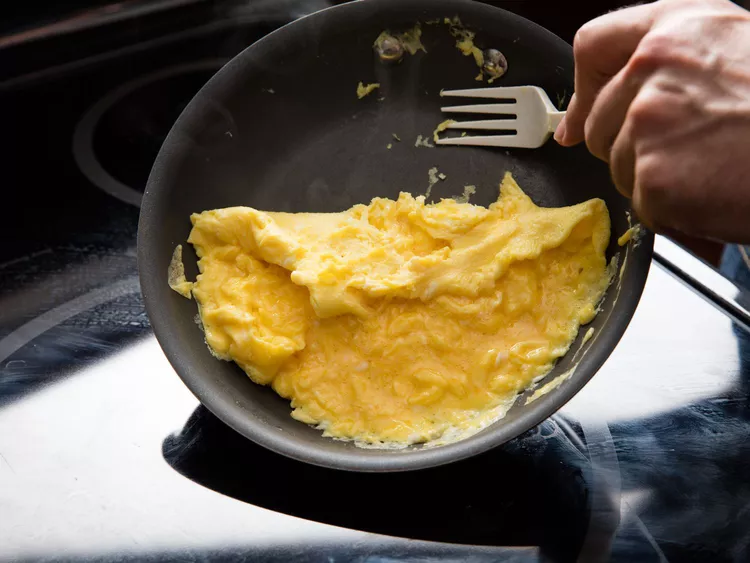
The single most destructive force acting upon a non-stick pan is excessive heat. This mistake is often born from habits formed with other cookware, such as cast iron or stainless steel, which thrive on high temperatures for optimal searing. Applying this same technique to a non-stick pan is catastrophic. The science is clear: the polymers in standard PTFE-based coatings begin to destabilize at temperatures exceeding 260°C (500°F). When an empty pan is preheated on high, it can reach and surpass this threshold in mere minutes, initiating an irreversible chemical breakdown.
The damage is not always immediately visible. Initially, the pan may develop a slight stickiness or a discolored, cloudy film. Over time, the coating loses its slick, low-friction properties, becoming gummy and prone to peeling. In severe cases, overheating can cause blistering and may release harmful fumes. Even newer ceramic coatings, often marketed for higher heat tolerance, are susceptible to thermal shock—the stress caused by rapid temperature changes—which can cause micro-cracking and a rapid loss of non-stick efficacy.
The Professional Fix and Industry Insight: The imperative is unambiguous: never preheat an empty non-stick pan. The correct protocol is to add a small amount of oil or fat to a cold pan, then apply only low to medium heat. If the oil begins to smoke, the pan is dangerously overheated. For kitchenware manufacturers, addressing this widespread error is a critical design and communication challenge. It is insufficient to merely print “use low to medium heat” in a manual. Progressive brands are integrating intuitive solutions, such as thermo-chromatic heat indicator spots in the pan’s center. These spots change color when the ideal cooking temperature is reached, providing a foolproof, visual guide that transcends language barriers—a vital feature for global export products. This proactive approach to user education directly enhances product lifespan and customer satisfaction
2. The Abrasive Assault: Using Metal or Hard Utensils
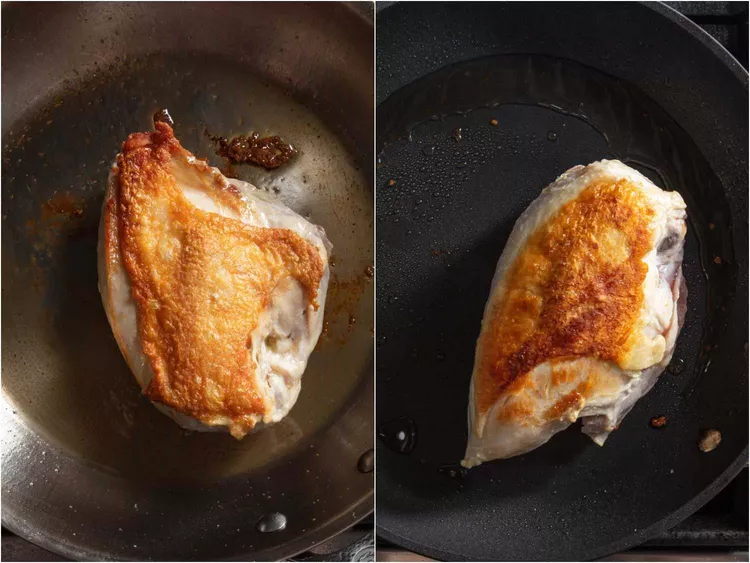
If excessive heat is the silent killer, then metal and abrasive utensils are the active assailants, inflicting direct physical trauma. Every scrape, chop, or flip with a metal spatula, fork, whisk, or even some hard plastic tools acts like fine-grit sandpaper on the pan’s delicate surface. The relatively soft PTFE coating is particularly vulnerable to this gouging and scratching.
Each microscopic scratch serves a dual purpose in ruining the pan. First, it creates a rough texture that increases surface friction, allowing food proteins to bond more readily. Second, and more critically, these scratches become minuscule crevices where food particles, oils, and carbon can lodge and bake on during subsequent uses. These spots carbonize into permanent, tenacious sticky patches. As these scratches accumulate, they form a network across the cooking surface, fundamentally negating the pan’s non-stick functionality and directly answering the lament, “why is my non stick pan sticking?” with evidence of physical wear.
The Professional Fix and Industry Insight: The mandate is simple: implement a strict “no metal” policy. Equip your kitchen exclusively with utensils made from silicone, soft nylon, or well-sanded wood. Silicone is highly recommended for its excellent heat resistance, flexibility, and gentle touch. For the cookware industry, this user error presents a prime opportunity for value-added innovation and education. Packaging a high-quality non-stick skillet with a matching, branded silicone spatula is no longer just a promotional bundle; it is a strategic tool for product preservation. This bundle immediately solves the customer’s primary pain point before it occurs, demonstrates a holistic understanding of the product ecosystem, and significantly reduces the likelihood of returns based on user-inflicted damage. Marketing materials should emphatically state the pan is “designed for use with silicone, nylon, and wood utensils,” reinforcing a message of premium care and longevity.
3. The Erosion of Care: Cleaning with Abrasive Tools or Harsh Methods
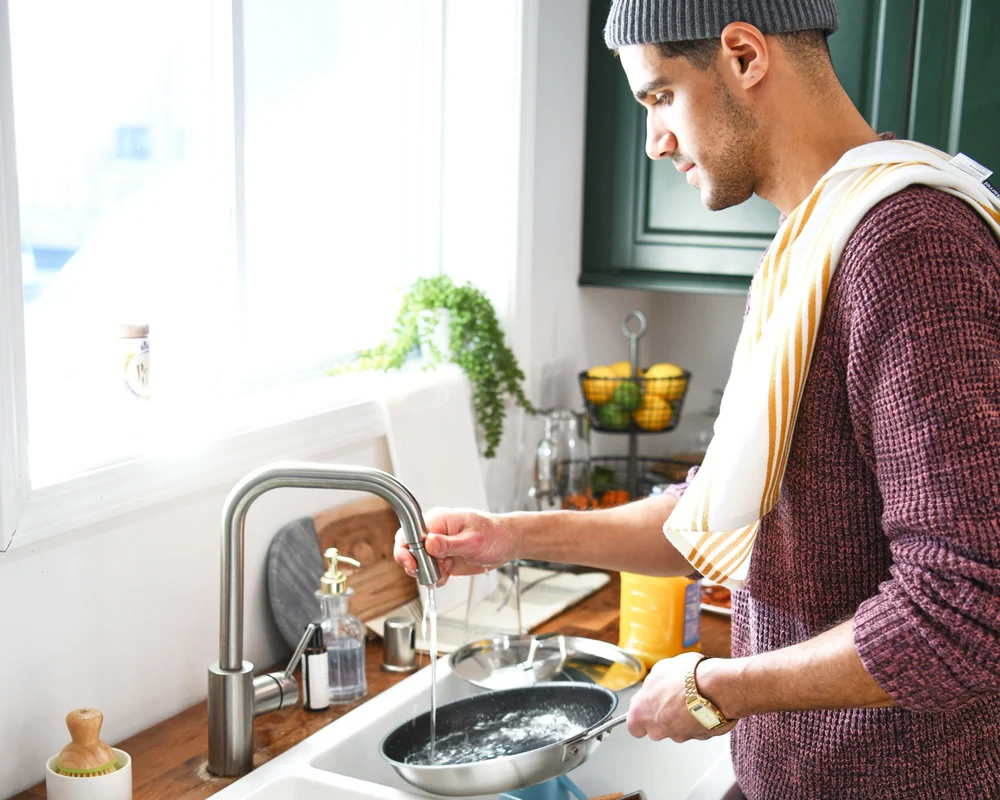
The cooking process is only half the battle; the cleaning regimen is equally decisive in determining a pan’s lifespan. The instinct to vigorously scrub away stuck-on food with steel wool, abrasive scouring pads, or harsh powdered cleaners is a recipe for rapid decline. This practice, often the culprit behind the baffling phenomenon of a pan “sticking after washing,” inflicts the same type of superficial scratching as metal utensils, but across the entire surface.
These cleaning-induced micro-scratches are often invisible to the naked eye but transform the once-glasslike surface into a matte, textured landscape. This increased surface area provides countless anchor points for food during the next cook. Furthermore, aggressive scrubbing can thin the coating unevenly, compromising its integrity. The damage is cumulative; with each harsh cleaning session, the pan’s slickness diminishes until it becomes uniformly stick-prone, signaling that the protective top layer has been effectively scrubbed away.
The Professional Fix and Industry Insight: Cultivate a philosophy of gentle, hand-wash-only care. Always use a soft sponge, dishcloth, or a brush specifically designed for non-stick surfaces, coupled with a mild liquid dish soap. For stubborn residue, leverage the power of patience: fill the pan with warm, soapy water and let it soak for 15-30 minutes. The food will loosen and can be wiped away effortlessly. For baked-on grease, a paste of baking soda and water provides a mild, non-scratching abrasive action. For exporters, this underscores the critical importance of clear, often visual, care instructions. A simple icon-based care card illustrating the right (soft sponge) and wrong (steel wool) methods can dramatically improve the user experience and product durability across all markets, reducing support inquiries and safeguarding brand reputation.
4. The Chemical and Thermal Bath: Washing in the Dishwasher
While the ultimate in convenience, the dishwasher is a hostile environment for non-stick cookware, delivering a triple threat of chemical, thermal, and physical damage. This habit is a leading contributor to premature coating failure and losing coating gloss and effectiveness.
First, modern dishwasher detergents are highly alkaline and contain powerful bleaching agents designed to dissolve tough food soils. These same chemicals can slowly etch and dull the non-stick surface over multiple cycles, stripping away its top layer. Second, the prolonged exposure to piping hot water and steam during the drying cycle can weaken the adhesive bond between the coating and the metal substrate. Third, the pan is subjected to physical jostling and impact against other dishes and the rack, which can cause chipping and scratches. The combined effect is a coating that loses its non-stick properties, becomes stained, and fails long before its time.
The Professional Fix and Industry Insight: The rule must be non-negotiable: non-stick pans should always be hand-washed. Framing this not as a tedious limitation, but as an essential ritual for preserving a high-performance tool, changes the customer mindset. In premium product segments, “hand wash only” is a mark of a sophisticated coating that requires and deserves dedicated care, akin to a fine knife. For manufacturers, ensuring that this instruction is prominently and repeatedly communicated—on the product label, in the manual, and on packaging—is crucial for managing expectations and ensuring optimal product performance in the field.
5. The Slow Corrosion: Cooking Highly Acidic Foods Frequently
Non-stick pans excel at general cooking but are not impervious to chemical attack. Regularly cooking highly acidic foods—such as tomato-based pasta sauces, lemon-butter reductions, dishes with wine or vinegar deglazing, or citrus-marinated proteins—can, over time, degrade certain types of coatings.
The acids in these foods can initiate a slow chemical reaction with the coating, potentially causing it to become etched or pitted. This process is gradual and cumulative, unlike the immediate damage from heat or scratches. The result is a subtle loss of slickness and an increase in the surface’s porosity, making it more likely for foods to stick during cooking. This is a key consideration for kitchenware manufacturers developing products for global markets with diverse culinary traditions; providing clear usage guidelines builds informed trust.
- The Professional Fix and Industry Insight: Practice selective cookware use. Your non-stick pan is perfectly suitable for quick sautés involving a splash of wine or a squeeze of lemon. However, for dishes that involve long-simmering or braising in an acidic medium, it is prudent to switch to a more inert material like stainless steel, enameled cast iron, or glass. This strategic preservation keeps your non-stick pan in prime condition for its ideal tasks: perfect eggs, delicate fish, golden pancakes, and quick stir-fries.
6. The Foundation of Failure: Not Preheating the Pan Correctly
A subtle yet critical technical error lies in the initial steps of cooking. Adding food to a cold, oiled pan or to a pan with insufficient fat virtually guarantees some degree of sticking. When cold food meets a cold surface, it begins to heat slowly, allowing proteins and starches to bond directly to the metal before the non-stick properties and the protective oil layer become fully active.
Interestingly, even with proper oiling, a phenomenon studied in fluid dynamics—thermocapillary convection—can cause oil to migrate away from the hottest part of a pan, creating dry spots where food can fuse. This scientific nuance further explains instances where a user might wonder, “why is my non stick pan sticking even with oil?”
- The Professional Fix and Industry Insight: Master the correct preheating technique. Place your dry, seasoned food (pat proteins dry with a paper towel) next to the stove. Add a thin layer of oil to the cold pan, then place it over medium heat. Allow 60-90 seconds for the pan and oil to heat together until the oil becomes more fluid and shimmers slightly. This ensures even thermal expansion and a stable, slick foundation before introducing food, effectively mitigating sticking from the very first second.
7. The Passive Destroyer: Improper Storage and Handling
Damage is not confined to active cooking and cleaning; it also occurs silently in the cupboard. Carelessly stacking non-stick pans inside one another or tossing them into a crowded drawer where they clang against other pots and utensils is a surefire way to inflict “passive” damage.
The hard, often riveted bottom of one pan grinds against the delicate cooking surface of the pan below it, creating scuffs and scratches. Over time, these storage-induced marks accumulate, creating zones where food will consistently stick. This slow, unnoticed degradation is a primary reason a pan’s performance can decline even with careful in-use habits.
The Professional Fix and Industry Insight: Make surface protection a storage ritual. The simplest solution is to place a protective barrier between each pan. A cheap felt pan protector, a folded paper towel, or a clean kitchen cloth works perfectly. The ideal solution, space permitting, is to store pans individually on a hanging rack. For manufacturers, including a single felt protector with a pan set or designing stackable pans with protective rims are low-cost features that deliver high value in long-term customer satisfaction by preventing this common oversight.
8. Prolong the Magic: Your Non-Stick Pan Care & Replacement Guide
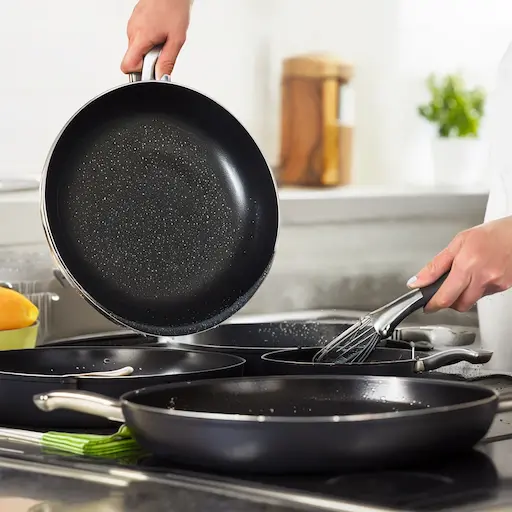
Maximizing the life and performance of a non-stick pan comes down to a consistent, gentle care routine and knowing when its job is done.
8.1 The Golden Rules of Cleaning: A Step-by-Step Guide
- Cool Down: Never put a hot pan under cold water. Allow it to cool to room temperature to prevent thermal shock, which can warp the pan and damage the coating.
- Soak if Needed: For stuck-on food, fill the pan with warm water and a drop of dish soap and let it soak for 15-30 minutes.
- Gentle Wash: Use a soft sponge or cloth with mild dish soap. Gently wipe the surface. For stubborn spots, a paste of baking soda and water can be used as a mild abrasive.
- Dry Thoroughly: Always hand-dry the pan completely with a towel to prevent water spots and potential corrosion on any exposed edges.
- Store Protected: Store with a liner between pans or hang it up if possible.
8.2 Non-Stick Pan Ruined? How to Responsibly Dispose and Choose Your Next Pan
When the pan shows significant peeling, deep scratches, or warping, it’s time to replace it. Check with local recycling guidelines, as some municipalities accept metal cookware. When choosing your next pan, consider the lessons learned: opt for a pan with a thicker, heavier base for even heating, look for reinforced coating technology, and commit to using it only with proper utensils and heat. Remember, a non-stick pan is a kitchen tool designed for convenience and specific tasks, not an indestructible heirloom. Treating it as such will ensure you get the best performance and value throughout its intended lifespan.
الخاتمة
Why is my non-stick pan sticking? By now, the answer is clear: it’s a signal from your cookware. Whether due to heat damage, scratches, or wear, the sticking surface tells you it’s time to adjust your habits or consider a replacement. Remember, a non-stick pan is a precision tool designed for gentle care. By avoiding common pitfalls and following proper maintenance, you can enjoy its effortless performance for years, making every meal preparation smoother and more enjoyable.

تعمل هازل أخصائية تصدير أدوات الشراب وأدوات المطبخ في Auspace، وتركز على دعم سلسلة التوريد في الأسواق العالمية وحلول المنتجات المخصصة. تقدم المساعدة الشاملة للمشترين الدوليين، بما في ذلك مطابقة الموردين ومتابعة الإنتاج والتنسيق اللوجستي. وبفضل معرفتها العميقة بالصناعة وعلاقاتها العميقة بالمصانع، تساعد العملاء على الحصول على أدوات الشرب ومنتجات المطبخ عالية الجودة والصديقة للبيئة من الصين بكفاءة، ويقلل نهجها العملي من مخاطر التوريد ويبسط التجارة عبر الحدود، مما يجعلها شريكاً موثوقاً للعلامات التجارية وتجار التجزئة الذين يبحثون عن تصنيع أدوات المطبخ وتصنيع المعدات الأصلية/التصنيع حسب الطلب في الصين.