


Stainless steel has become an indispensable material in modern life, from kitchen cookware to medical instruments, architectural structures to automotive components. But how exactly is this remarkable alloy produced? This guide explores the complete manufacturing process of stainless steel, its history, and where it’s made around the world.
What Is Stainless Steel?
Stainless steel is an iron-based alloy that contains a minimum of 10.5% chromium, which forms a protective chromium-oxide layer on the surface. This passive layer gives stainless steel its signature corrosion resistance and “stainless” quality. The alloy typically contains iron, chromium, and varying amounts of other elements such as nickel, molybdenum, silicon, and carbon (usually no more than 0.12%).
There are more than 57 standard stainless steel grades recognized globally, plus numerous proprietary alloys developed by manufacturers. These fall into four main categories: austenitic, ferritic, martensitic, and duplex stainless steels, each with distinct properties suited for specific applications.
When Was Stainless Steel First Manufactured?
While chromium’s protective properties were recognized as early as 1821 by French scientist Pierre Berthier, the first true stainless steel wasn’t manufactured until the early 20th century.
On August 20, 1913, English metallurgist Harry Brearley created the first recognized stainless steel at the Brown-Firth research laboratory in Sheffield, England. His initial alloy contained 12.8% chromium and 0.24% carbon. Brearley was actually seeking to develop erosion-resistant steel for gun barrels when he discovered that his experimental alloy resisted corrosion from acids—including vinegar and lemon juice.
Recognizing its potential for cutlery, Brearley partnered with local cutler R.F. Mosley to produce the first stainless steel knives. The metal was initially called “rustless steel,” but Ernest Stuart, a manager at Mosley’s, suggested the more memorable name “stainless steel,” which has endured ever since.
Nearly simultaneously, German metallurgists Eduard Maurer and Benno Strauss patented the first austenitic stainless steel (containing 21% chromium and 7% nickel) in 1912 at Krupp Iron Works. American inventor Elwood Haynes also filed a patent for martensitic stainless steel in 1912, though it wasn’t granted until 1919.
Following these initial breakthroughs, rapid development occurred. By 1924, Dr. W.H. Hatfield developed the famous “18/8” stainless steel (18% chromium, 8% nickel), which remains one of the most widely used alloys today and is commonly found in أواني طهي من الفولاذ المقاوم للصدأ و زجاجات المياه.
How Is Stainless Steel Manufactured? The Complete Process
The manufacture of stainless steel involves a sophisticated series of processes, each critical to achieving the desired properties. Modern production typically follows either a Duplex or Triplex refining route, with approximately 90% of global stainless steel production utilizing these advanced methods.
Step 1: Melting and Casting
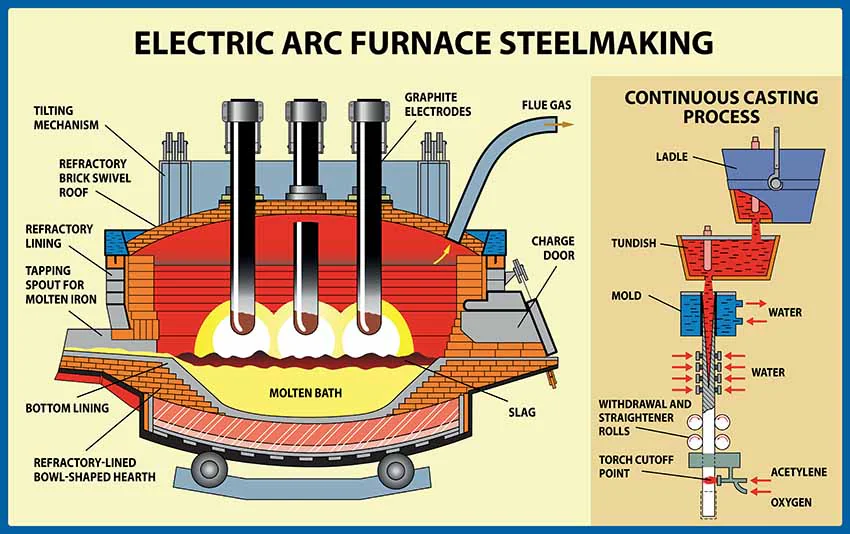
The stainless steel manufacturing process begins with melting raw materials in an electric arc furnace (EAF). The primary ingredients include:
- Iron ore or scrap steel (the base metal)
- Chromium (minimum 10.5%, typically 12-20%)
- Nickel (for austenitic grades)
- Molybdenum, silicon, manganese, and other alloying elements
- Carbon (controlled to very low levels)
This melting step typically requires 8 to 12 hours of intense heat, with furnaces reaching temperatures above 1,700°C (3,092°F). The electric arc furnace uses electrical energy to melt the materials, making it more environmentally friendly than traditional blast furnaces.
Step 2: Refining and Decarburization
After initial melting, the molten steel undergoes refining to achieve precise chemical composition. The most common method is Argon-Oxygen Decarburization (AOD), which has been the dominant stainless steelmaking technology since its introduction in the late 1960s.
In the AOD process:
- Oxygen is blown through the molten steel to oxidize excess carbon
- Argon (an inert gas) is introduced to dilute the atmosphere and protect chromium from oxidation
- Carbon levels can be reduced to as low as 0.01%
- Final alloy additions are made to achieve exact specifications
This process typically takes 40 to 60 minutes for a standard 100-ton batch. The AOD method enables precise control over carbon content while minimizing chromium loss—a critical advancement that revolutionized stainless steel production.
For applications requiring ultra-low carbon, sulfur, or nitrogen content, manufacturers may use a Triplex route, adding a Vacuum Oxygen Decarburization (VOD) stage after AOD processing.
Step 3: Casting
Once the desired composition is achieved, the molten stainless steel is cast into semi-finished forms:
- Slabs: Flat rectangular shapes (typically 150-300mm thick) used to make sheets and plates
- Billets: Square cross-sections used for bars and wire
- Blooms: Larger square sections for structural shapes
- Tube rounds: Cylindrical forms for pipe and tube production
Modern facilities predominantly use continuous casting, where molten steel flows continuously into a water-cooled mold, solidifying as it moves through the caster. This method improves efficiency and product quality compared to traditional ingot casting.
Step 4: Hot Rolling
The cast forms are reheated to temperatures between 900-1,200°C (1,652-2,192°F) and passed through a series of large rollers. Hot rolling occurs above the steel’s recrystallization temperature, making the material more pliable and easier to shape.
During hot rolling:
- Slabs are formed into plates (typically 20mm thickness) or coils (approximately 6mm thickness)
- Blooms and billets are shaped into bars, rods, and wire
- The steel undergoes significant thickness reduction through multiple passes
Hot rolling improves the material’s mechanical properties and creates the basic shapes needed for further processing.
Step 5: Annealing (Heat Treatment)
After hot rolling, the stainless steel undergoes annealing—a controlled heating and cooling process that:
- Relieves internal stresses created during forming
- Softens the material for additional processing
- Homogenizes the internal structure
- Improves ductility and formability
The steel is heated to specific temperatures (typically 1,010-1,120°C depending on the grade) in a controlled atmosphere, then cooled at a controlled rate. This thermal treatment is essential for achieving consistent properties throughout the material.
Step 6: Descaling and Pickling
During annealing and hot rolling, a layer of oxide scale (rust) forms on the stainless steel surface. This must be removed to reveal the clean, corrosion-resistant surface beneath.
Two primary methods are used:
Pickling: The steel is immersed in or sprayed with a mixture of nitric and hydrofluoric acids, which chemically removes the oxide layer. After pickling, the steel is thoroughly rinsed with water.
Electro-cleaning: Uses a cathode and phosphoric acid solution to remove scale electrochemically, followed by a high-pressure water rinse that gives the metal a bright finish.
The resulting product at this stage is called Hot Rolled Annealed Pickled (HRAP) stainless steel.
Step 7: Cold Rolling (Optional)
For applications requiring thinner gauges, smoother surfaces, or precise dimensions, the steel undergoes cold rolling—performed at room temperature or below the recrystallization point.
Cold rolling:
- Reduces thickness to final specifications (can achieve as thin as 0.05mm for specialty applications)
- Produces superior surface finishes
- Increases strength through work hardening
- Delivers tighter dimensional tolerances
Products like أكواب من الفولاذ المقاوم للصدأ و cookware sets often use cold-rolled stainless steel for its smooth finish and precise dimensions.
Step 8: Finishing
Stainless steel can receive various surface finishes depending on its intended application:
- No. 1 (1D): Hot rolled, annealed, and passivated (dull gray)
- No. 2B: Cold rolled with a smooth, reflective finish
- No. 2BA (Bright Annealed): Mirror-like finish achieved through bright annealing
- Brushed/Satin: Achieved through mechanical abrasion
- Mirror/Polished: High-gloss finish for decorative applications
Additional treatments may include:
- Passivation: Chemical treatment with nitric acid to enhance the protective chromium oxide layer
- Coating: Powder coating, painting, or other protective layers for specific applications
- Polishing: Mechanical or electrochemical polishing for aesthetic or sanitary applications
Step 9: Cutting and Forming
The finished stainless steel is cut to size using various methods:
- Guillotine knives for straight cuts
- High-speed blades for precision cutting
- Laser cutting for complex shapes
- Plasma cutting for thick materials
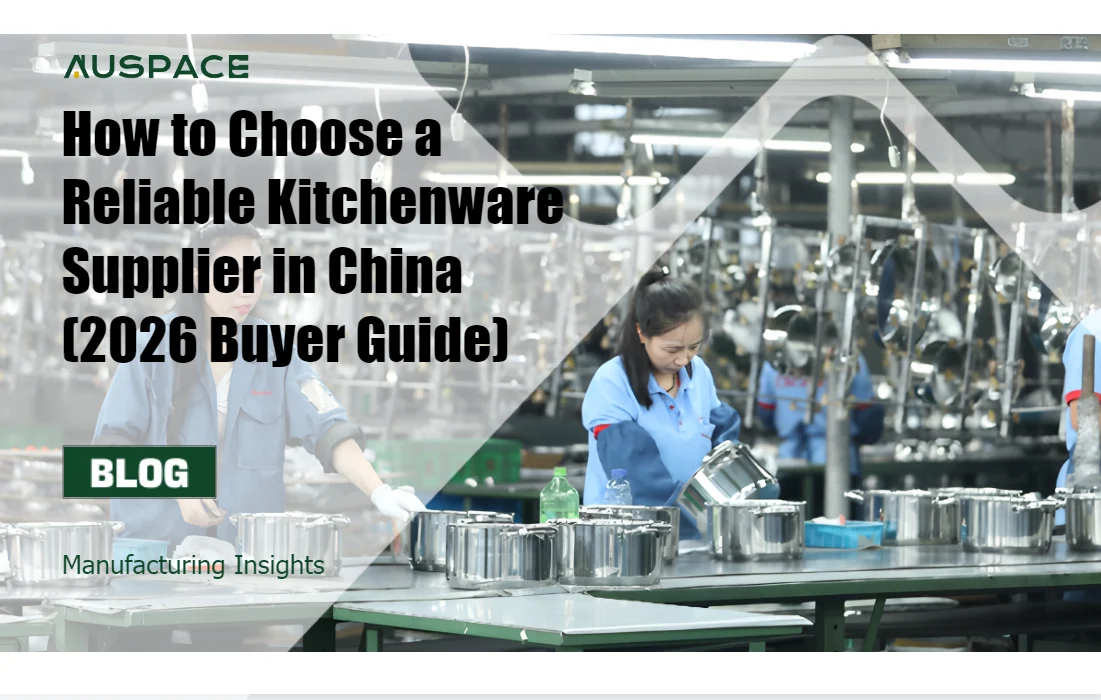
The steel can then be formed, welded, or fabricated into final products. For cookware manufacturers like Auspace, this might involve deep drawing to create casseroles and stockpots, stamping for utensils, or forming techniques for water bottle bodies.
Step 10: Quality Control and Testing
Throughout production, rigorous quality control ensures compliance with international standards such as ASTM (American Society for Testing and Materials) specifications. Testing includes:
- Chemical analysis: X-ray fluorescence (XRF) spectroscopy provides 99.99% accuracy in elemental composition
- Mechanical testing: Tensile strength, hardness, and ductility measurements
- Corrosion resistance: Salt spray and other environmental tests
- Dimensional inspection: Ensuring thickness, width, and length tolerances
- Surface quality: Visual inspection and defect detection
- Vacuum integrity: For insulated products, vacuum retention testing (critical for زجاجات مياه من الفولاذ المقاوم للصدأ and tumblers)
Only materials meeting strict specifications proceed to packaging and shipment.
Where Is Stainless Steel Manufactured?
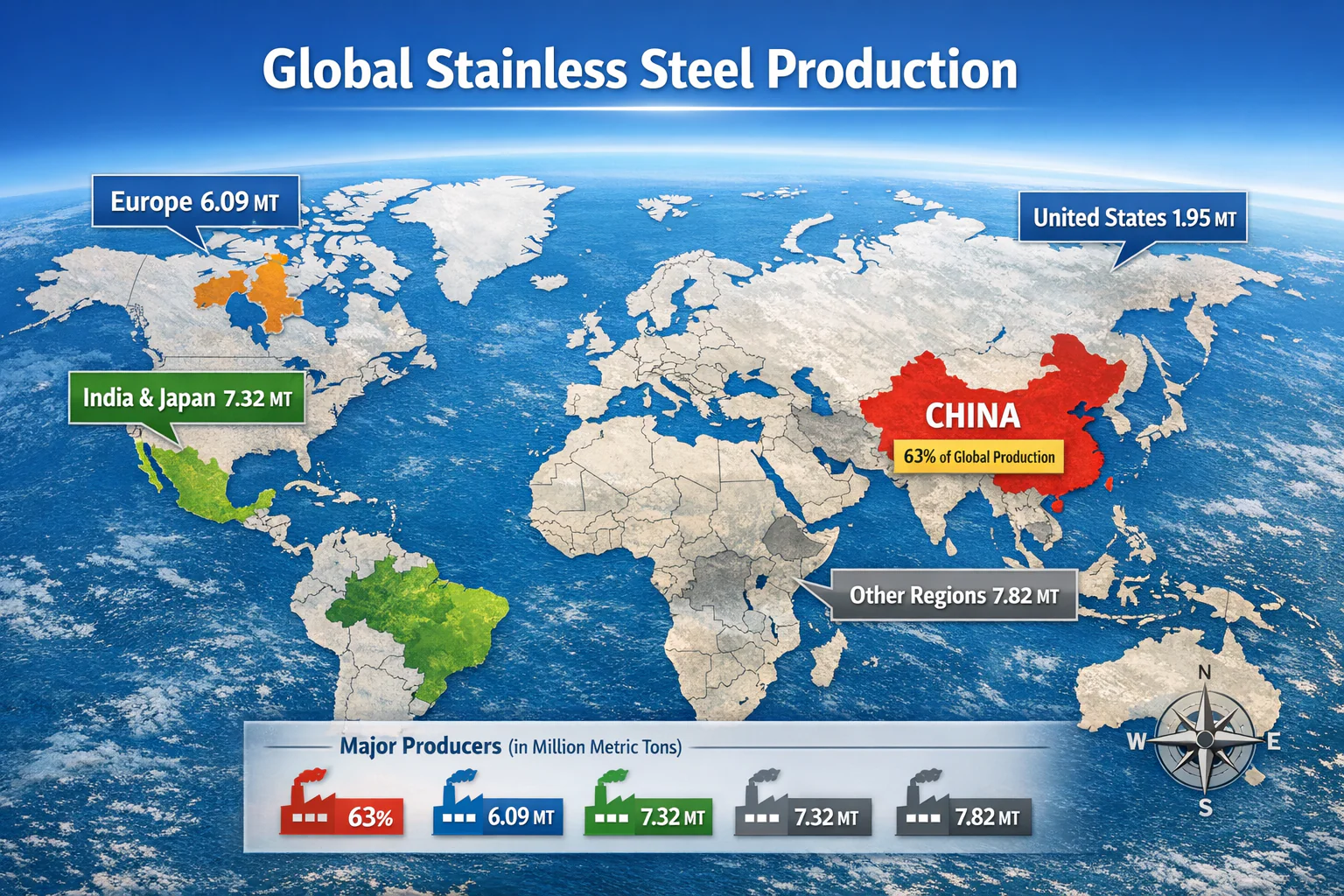
Stainless steel production is concentrated in several key regions worldwide, with production patterns having shifted significantly over the past few decades.
Global Production Overview
According to data from the World Stainless Association, global stainless steel production reached approximately 62.6 million metric tons in 2024, representing a 7% increase from the previous year.
China: The Dominant Producer
China has emerged as the overwhelming leader in stainless steel manufacturing. In 2024, Chinese mills produced 39.44 million metric tons of stainless steel—representing approximately 63% of global production. This represents a 7.5% increase year-over-year.
China’s dominance stems from:
- Massive state-owned steel companies with enormous production capacity
- Proximity to raw material sources (especially nickel from Indonesia)
- Mature supply chains and supporting industries
- Significant domestic market demand
- Advanced manufacturing technology adoption
Major production hubs in China include Zhejiang Province (particularly Yongkang and Ningbo), Guangdong Province, and Jiangsu Province—regions also known for kitchenware manufacturing.
Other Major Producing Regions
Europe: Produced approximately 6.09 million metric tons in 2024 (1.5% increase year-over-year). Major producers include Germany, Italy, Spain, and Finland.
United States: Production reached 1.95 million metric tons in 2024, a 6.9% increase from 2023. However, U.S. production represents only about 3% of global output.
Asia (excluding China and South Korea): Countries including India, Japan, Taiwan, and Indonesia collectively produced 7.32 million metric tons in 2024 (6.4% increase).
Other regions: Including Brazil, South Africa, South Korea, Russia, and Indonesia, produced 7.82 million metric tons collectively (9.2% increase).
Historical Context
It’s worth noting that in 1990, China ranked only fourth globally in steel production, behind Japan, the United States, and the USSR. The dramatic shift to Chinese dominance occurred over the past three decades as the country industrialized rapidly and invested heavily in steel production infrastructure.
The British city of Sheffield, where Harry Brearley invented stainless steel, was once the world’s leading center for stainless steel production and cutlery manufacturing. While Sheffield remains an important center for specialty steels, the bulk of global production has moved to Asia.
How to Manufacture Stainless Steel Products: From Sheet to Finished Goods
The stainless steel manufacturing process described above produces raw material in the form of sheets, coils, bars, or wire. Converting these into finished products requires additional specialized processes:
For Cookware and Kitchen Products
Manufacturers like Auspace use several techniques to transform stainless steel sheets and coils into أواني الطهي و أواني المطبخ:
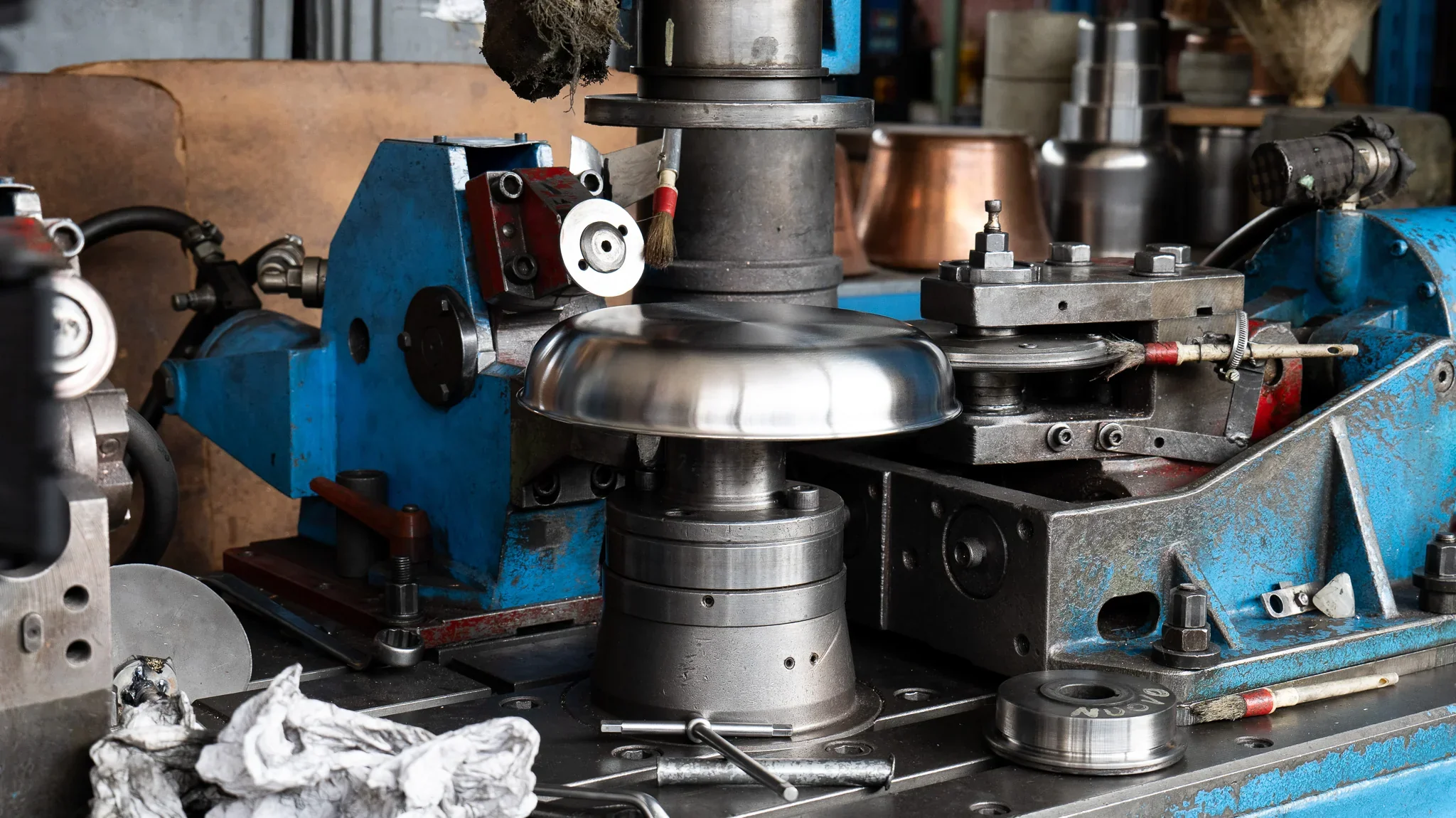
Deep Drawing: Used for pots, pans, and bowls. The steel sheet is clamped and drawn into a die by a punch, creating a hollow shape. Multi-ply stainless steel cookware may combine layers of stainless steel with aluminum or copper cores for optimal heat distribution.
الختم: Used for flat utensils, lids, and smaller items. The steel is cut and formed using high-pressure presses.
Spinning: A circular blank is rotated and formed over a mandrel, useful for symmetrical items like stockpots.
Welding: Components are joined using TIG (Tungsten Inert Gas) or laser welding to create handles, attachments, or composite structures.
For Water Bottles and Drinkware
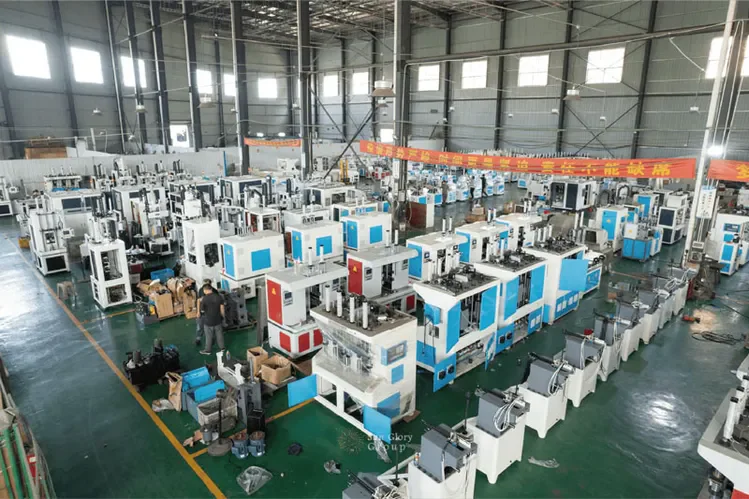
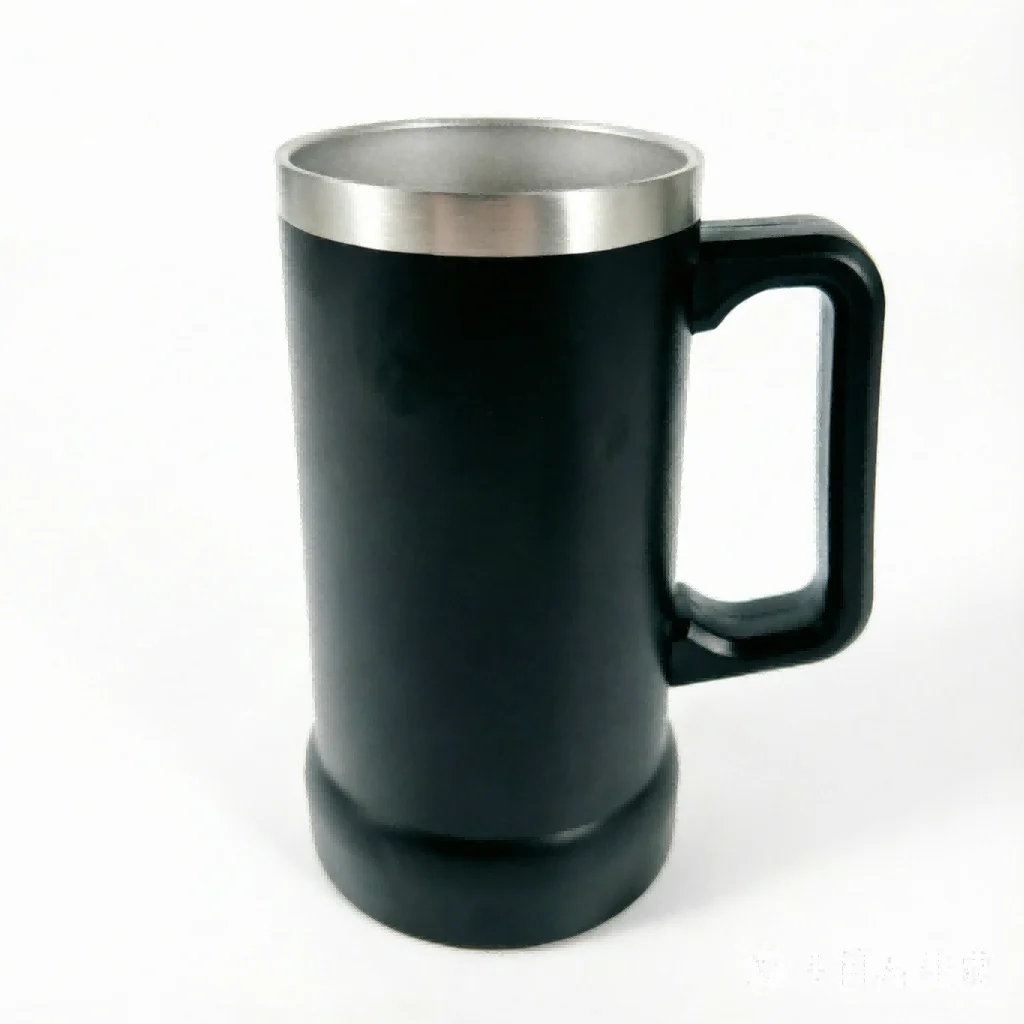
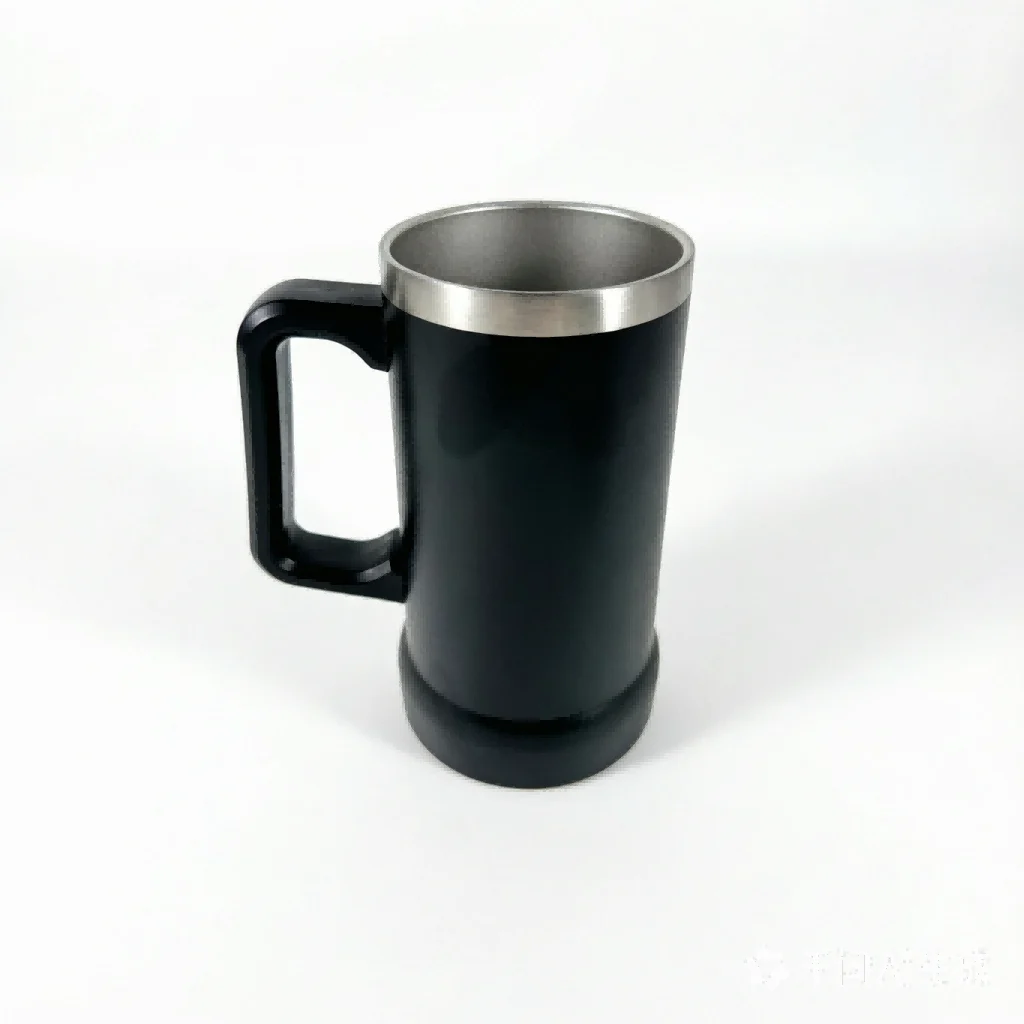
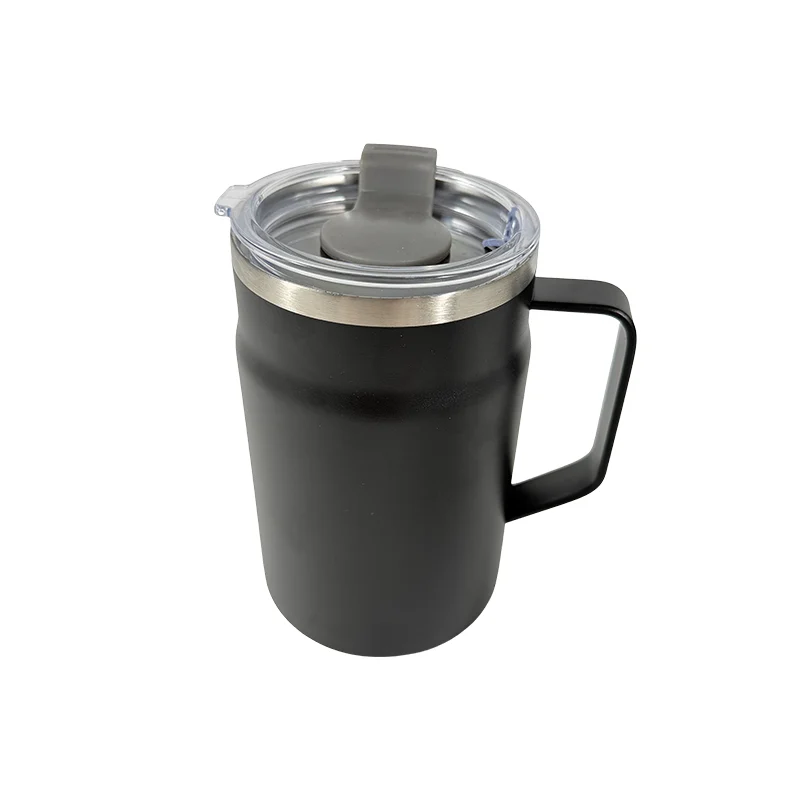
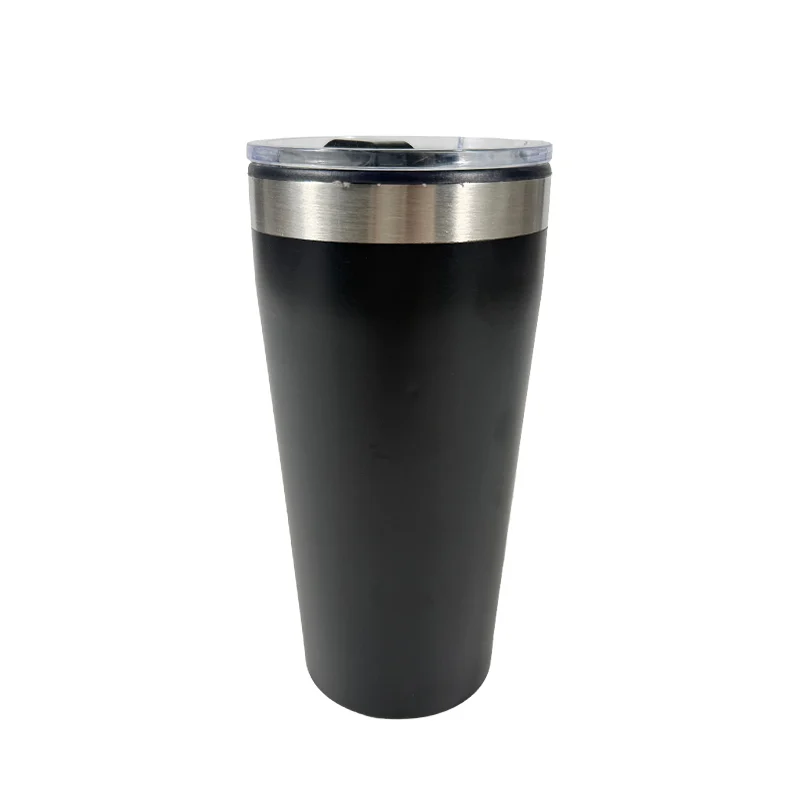
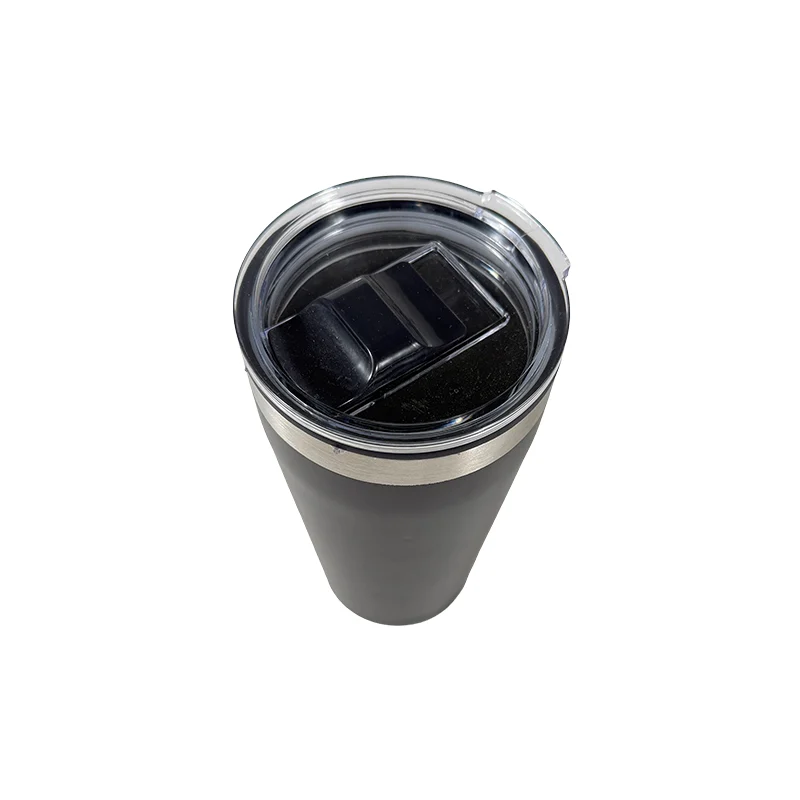
إن تصنيع البهلوانات المصنوعة من الفولاذ المقاوم للصدأ process involves:
Tube Formation: Stainless steel sheets are rolled and welded to create tubes.
Cup Forming: The tube is cut to length and one end is formed closed through deep drawing or spinning.
Double-Wall Construction: For insulated products, an inner and outer shell are created, then assembled with a vacuum space between them.
Vacuum Sealing: Air is evacuated from the space between walls and the opening is sealed, creating the insulation that keeps drinks hot or cold for hours.
Surface Treatment: Powder coating, painting, or other decorative finishes are applied.
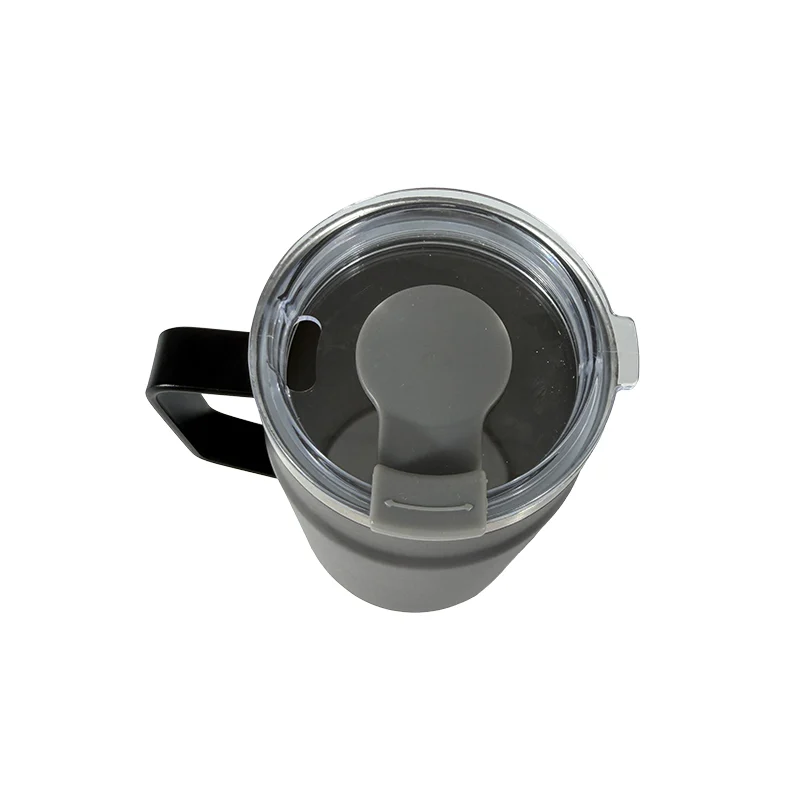
Assembly: Lids, gaskets, straws, and other components are added to create the finished product.
Quality manufacturers conduct rigorous testing on finished drinkware, including leak tests, vacuum retention verification, and drop tests to ensure durability.
Environmental Considerations
Modern stainless steel production has made significant strides in sustainability:
Recyclability: Stainless steel is 100% recyclable without degradation of quality. Recycled stainless maintains the same properties as virgin material and can be reprocessed indefinitely. Many زجاجات مياه من الفولاذ المقاوم للصدأ contain up to 90% recycled content.
Energy Efficiency: Electric arc furnaces used in modern production are more energy-efficient than traditional blast furnaces and can utilize significant amounts of scrap metal.
Durability: The long service life of stainless steel products reduces the need for replacement, lowering overall resource consumption. Properly maintained stainless steel cookware and drinkware can last for decades.
Reduced Environmental Impact: The corrosion resistance of stainless steel eliminates the need for protective coatings that might contain harmful chemicals, and products don’t leach materials into food or beverages.
Applications of Stainless Steel
The versatility of stainless steel has led to its use across virtually every industry:
Food and Beverage: Commercial kitchens, food processing equipment, brewery vessels, cookware sets, زجاجات المياه, و tumblers
Medical: Surgical instruments, implants, hospital equipment, and pharmaceutical processing equipment
Architecture and Construction: Building facades, roofing, structural components, railings, and decorative elements
Automotive: Exhaust systems, trim, fuel lines, catalytic converter substrates
Chemical and Petrochemical: Process vessels, heat exchangers, piping, and storage tanks
Energy: Nuclear reactor components, power plant equipment, and renewable energy infrastructure
Consumer Products: Appliances, cutlery, jewelry, and countless household items
الخاتمة
The journey from raw materials to finished stainless steel products involves a complex series of precisely controlled manufacturing steps, each critical to achieving the material’s remarkable properties. From Harry Brearley’s 1913 discovery in Sheffield to today’s massive production facilities in China and around the world, stainless steel manufacturing has evolved into a sophisticated, globally distributed industry.
Understanding how stainless steel is manufactured helps us appreciate the engineering and metallurgical expertise behind everyday items—from the أواني الطهي we cook with to the زجاجات المياه we carry. At Auspace Kitchenware, we leverage this manufacturing expertise to produce high-quality stainless steel cookware, drinkware, and kitchen accessories, combining traditional metallurgical knowledge with modern production techniques to deliver products that meet international quality and safety standards.
Whether you’re a consumer curious about what makes your stainless steel products special, or a business seeking to understand the supply chain behind stainless steel kitchenware, the manufacturing process demonstrates the remarkable combination of science, engineering, and craftsmanship that goes into creating this indispensable modern material.
Frequently Asked Questions (FAQ)
How is steel manufactured?
Steel is manufactured by melting iron ore in a blast furnace or electric arc furnace, removing impurities through oxidation, and adding carbon and other alloying elements. The molten steel is then cast into shapes and processed through hot rolling, cold rolling, and various finishing treatments depending on the intended application.
How is stainless steel manufactured?
Stainless steel is manufactured through a specialized process that includes: (1) melting iron, chromium, nickel, and other elements in an electric arc furnace; (2) refining the composition using AOD (Argon-Oxygen Decarburization) to reduce carbon and adjust alloy content; (3) casting into slabs, billets, or blooms; (4) hot rolling to reduce thickness; (5) annealing to relieve stress and improve properties; (6) descaling through pickling; (7) optional cold rolling for thinner gauges; (8) surface finishing; and (9) cutting and forming into final shapes.
How to manufacture stainless steel products?
Manufacturing stainless steel products involves taking stainless steel raw materials (sheets, coils, bars, or wire) and transforming them through various fabrication processes. For cookware, this includes deep drawing, stamping, and welding. For water bottles and tumblers, it involves tube formation, cup forming, double-wall construction, vacuum sealing, and assembly. Each product type requires specialized equipment, quality control, and finishing techniques to achieve the desired functionality and appearance.
Where is steel manufactured?
Steel is manufactured worldwide, with China accounting for approximately 54% of global crude steel production (over 1 billion tons annually as of 2023). Other major steel-producing countries include India, Japan, the United States, Russia, South Korea, Germany, Turkey, Brazil, and Iran. Steel production tends to concentrate in regions with access to raw materials, energy infrastructure, and developed industrial bases.
When was steel first manufactured?
Steel production dates back thousands of years, with early forms created as far back as 1800 BCE. However, modern steel manufacturing began with the Bessemer process in 1856, which made mass production economically viable. The open-hearth process (1860s) and later the basic oxygen process (1950s) and electric arc furnaces further revolutionized steel production, enabling the massive scale of manufacturing we see today.
Where is stainless steel manufactured?
Stainless steel is manufactured globally, with China dominating production at approximately 63% of the world’s output (39.44 million metric tons in 2024). Other significant producers include European countries (6.09 million tons), the United States (1.95 million tons), and various Asian nations including India, Japan, South Korea, Taiwan, and Indonesia. Production tends to concentrate in coastal regions with access to ports for raw material imports and product exports, such as Zhejiang and Guangdong provinces in China.
References
- World Stainless Association. (2024). “Global stainless steel production statistics.” Retrieved from https://www.worldstainless.org/statistics/
- Stainless Steel Industry of North America (SSINA). (2019). “Stainless Steel Production.” Retrieved from https://www.ssina.com/education/technical-resources/stainless-steel-production/
- American Society for Metals. “Harry Brearley and the Invention of Stainless Steel.” Encyclopedia of Materials Science.
- International Nickel Study Group. (2022). “An Overview of World Stainless Steel Scrap Trade in 2021.” INSG Insight No. 37.
- World Steel Association. (2023). “Steel Statistical Yearbook 2023.”
- Wikipedia. (2025). “Stainless Steel.” Retrieved from https://en.wikipedia.org/wiki/Stainless_steel
- IspatGuru. “Stainless Steel Production Processes.” Retrieved from https://www.ispatguru.com/stainless-steel-manufacturing-processes/

بيري بيان هي أخصائية توريد أدوات المطبخ ودعم المشترين في أوسبيس لأدوات المطبخ، ولديها سنوات في توريد أدوات المطبخ بالجملة في الصين. وهي تساعد المشترين الدوليين في تتبع الطلبات والتواصل مع المصنع واختيار المنتجات حسب الطلب.
وبفضل خبرتها العملية في مجال التجارة، تقدم نصائح عملية حول سلاسة سير عمل التوريد وحل مشاكل سلسلة التوريد. ويربط دعمها المشترين في الخارج بالمصنعين الصينيين الموثوقين، مما يجعلها مرجعاً لتوريد أدوات المطبخ دون أي متاعب.