


مقدمة
When sourcing baking pans in bulk, choosing the right baking pan manufacturer is critical for quality, cost-efficiency, and timely delivery. Whether you’re a bakery chain, food service distributor, or retailer, understanding lead times, sustainable options, pricing structures, and supplier reliability can make or break your procurement strategy.
This guide dives deep into key considerations when working with baking pan manufacturers, from production timelines based on materials (carbon steel vs. ceramic) to cost-saving strategies and red flags in supplier communication. We’ll also explore eco-friendly alternatives, including FDA-approved baking pans made from recycled aluminum and non-toxic coatings, as well as how to verify a manufacturer’s credibility before placing an order.
1. Why Your Choice of Baking Pan Manufacturers Impacts Business Success
Selecting the right baking pan manufacturers is a strategic decision that goes far beyond simple procurement. The quality and consistency of bakeware directly influence production efficiency, product uniformity, and ultimately your bottom line. Commercial baking pan manufacturers with proper certifications and production controls ensure each pan meets exact specifications batch after batch, eliminating variables in your baking process. For retail brands, the craftsmanship of your bakeware becomes part of your product’s value proposition – warped pans or inconsistent non-stick surfaces lead to customer complaints and returns. Established custom baking pan suppliers invest in precision tooling and quality materials that withstand commercial kitchen abuse, reducing replacement costs over time. The difference between working with a generic tumbler factory that dabbles in bakeware versus specialized FDA-approved baking pans producers becomes apparent in product longevity and performance consistency.
1.1 Quality Consistency & Bakery Operations Efficiency
In commercial baking environments, consistency is everything. Professional baking pan manufacturers understand that even minor variations in material thickness or coating application can affect heat conduction and baking results. High-quality non-stick baking pan manufacturers use robotic spraying systems that apply coatings with micron-level precision, ensuring identical performance across all pans in a set. The best OEM baking pan production facilities implement statistical process control to monitor critical parameters like metal hardness and dimensional tolerances throughout manufacturing. This attention to detail translates to predictable baking times, even browning, and easy release – factors that become especially crucial when scaling recipes for high-volume production. Commercial kitchens report 15-20% higher throughput when using properly engineered bakeware from reputable custom baking pan suppliers, as staff spend less time adjusting for equipment inconsistencies.
1.2 Brand Reputation & Customer Satisfaction Factors
For retail bakeware brands, the choice of baking pan manufacturers directly impacts customer perceptions and repeat purchases. Consumers increasingly scrutinize product origins and manufacturing standards, favoring brands that partner with FDA-approved baking pans producers with transparent supply chains. Premium non-stick baking pan manufacturers now offer enhanced surface technologies that maintain performance through hundreds of uses, creating positive word-of-mouth and online reviews. The durability difference becomes particularly noticeable when comparing discount import pans with those from established commercial baking pan manufacturers – while the upfront cost may be higher, the lifetime value proves significantly better. Smart brands leverage their manufacturing partnerships in marketing, highlighting certifications and production processes that demonstrate quality commitment to discerning customers.
2. What Certifications Should Baking Pan Manufacturers Have?
Navigating the certification landscape is essential when evaluating baking pan manufacturers, as proper credentials ensure both food safety and legal compliance. Leading custom baking pan suppliers typically maintain multiple certifications that validate different aspects of their production processes and materials. These documents serve as your first line of defense against substandard products that could pose health risks or trigger regulatory issues. Unlike general-purpose tumbler factory operations, specialized FDA-approved baking pans manufacturers design their facilities and processes specifically to meet stringent food contact material requirements. The most reputable non-stick baking pan manufacturers willingly provide certification copies and explain their testing protocols in detail, demonstrating transparency about their compliance status.
2.1 Essential Food Safety Standards (FDA, NSF, LFGB)
Top-tier commercial baking pan manufacturers adhere to internationally recognized food safety standards that vary by target market. In the U.S., FDA 21 CFR 175.300 certifies that coatings are safe for food contact, while NSF certification validates suitability for commercial kitchen use. European-bound products require LFGB testing, which includes more rigorous migration tests than FDA standards. Reputable OEM baking pan production facilities undergo annual audits to maintain these certifications, with some premium manufacturers opting for additional voluntary testing. When reviewing a potential supplier’s credentials, verify the certification numbers through the issuing organization’s database, as some less scrupulous operations may claim compliance without proper documentation. Leading custom baking pan suppliers often display their certification badges prominently on websites and marketing materials as a point of differentiation.
3. Can Manufacturers Customize Baking Pan Designs?
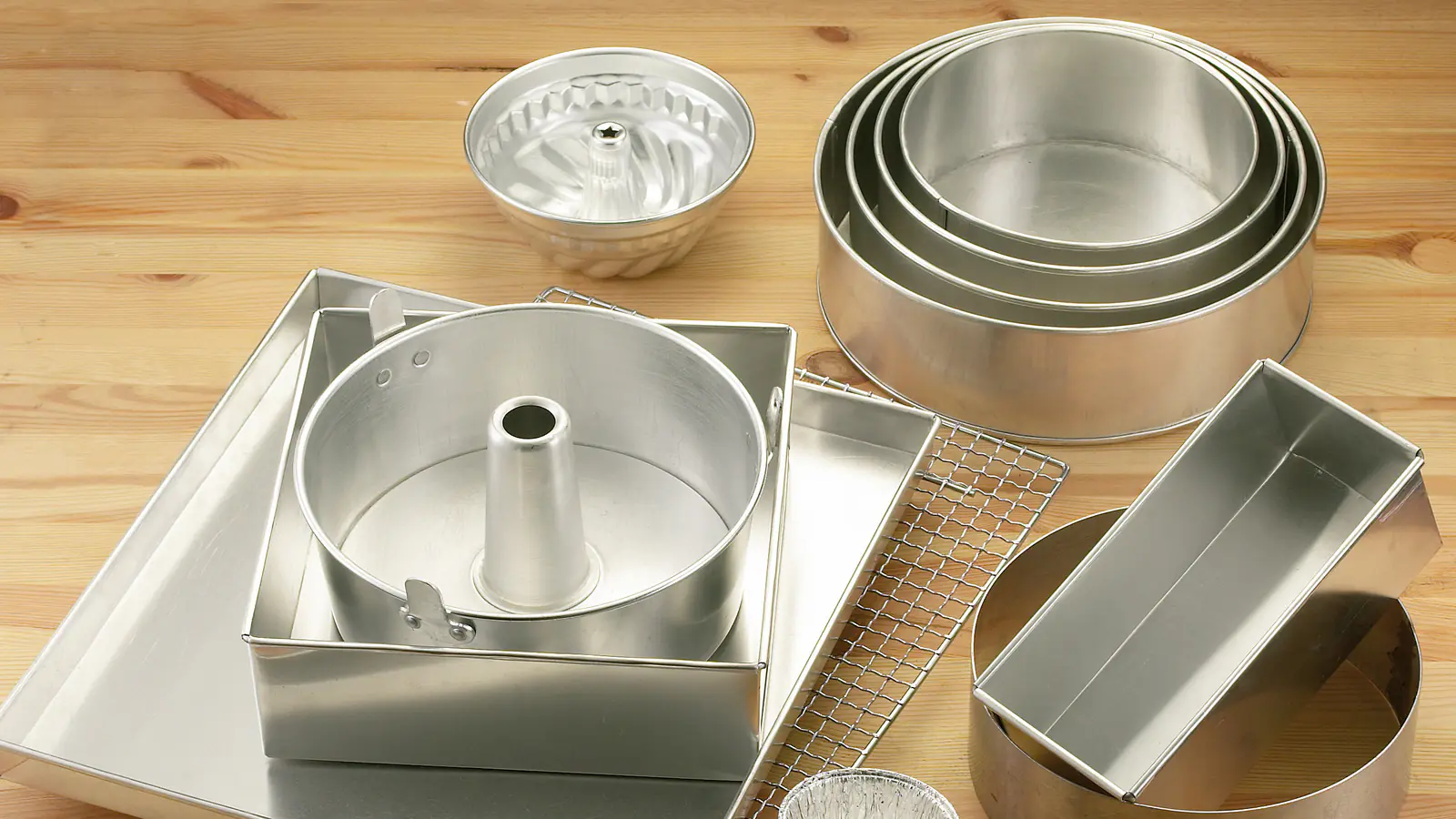
The customization capabilities of modern baking pan manufacturers extend far beyond simple logo engraving, offering brands opportunities to create truly differentiated products. While a general tumbler factory might offer limited bakeware options, specialized custom baking pan suppliers maintain extensive libraries of existing molds while also providing full design-to-production services. Commercial baking pan manufacturers with in-house engineering teams can develop unique shapes and features that address specific baking challenges or create visual distinction on retail shelves. The most innovative FDA-approved baking pans now incorporate functional enhancements like reinforced edges for commercial durability, integrated measurement markings, or even heat-responsive color-changing indicators. These value-added features allow brands to command premium pricing while solving real user pain points.
3.1 Custom Shapes, Sizes & Non-Stick Coating Options
Professional non-stick baking pan manufacturers offer extensive customization options that cater to both functional and aesthetic requirements. Beyond standard round and rectangular shapes, advanced OEM baking pan production can create intricate designs for specialty baked goods – think castle-shaped cake pans or artisan bread forms with traditional scoring patterns. The coating selection process has also evolved, with leading custom baking pan suppliers offering various non-stick formulations optimized for different applications: ceramic-infused coatings for high-heat baking, diamond-reinforced surfaces for scratch resistance, or antimicrobial treatments for commercial kitchens. Some progressive commercial baking pan manufacturers even develop proprietary coating systems that become unique selling points for their brand partners. The depth of these options varies significantly between suppliers, making it crucial to discuss customization needs early in the selection process.
4. What’s the Typical Lead Time for Bulk Orders?
When working with baking pan manufacturers, understanding lead times is crucial for effective inventory planning and supply chain management. Bulk order lead times typically range from 30 to 90 days, influenced by factors such as material type, order quantity, customization requirements, and seasonal demand fluctuations.
For commercial buyers, delays can disrupt production schedules, so it’s essential to communicate clearly with suppliers about timelines upfront. Reputable commercial baking pan manufacturers will provide detailed production schedules and proactively update clients about potential bottlenecks.
4.1 Production Timelines by Material (Carbon Steel vs. Ceramic)
Carbon steel baking pans are favored for their durability and heat conductivity. The production process involves cutting, stamping, coating (for non-stick varieties), and quality inspections. Standard lead times range from 25 to 40 days, but custom designs may require additional time for tooling adjustments.
Ceramic baking pans, often chosen for their non-toxic properties and even heating, have longer lead times—typically 45 to 60 days. The process includes molding, kiln firing, and glazing, which are more time-intensive. Manufacturers specializing in FDA-approved baking pans must also allow extra time for safety testing.
Key Takeaway: Always confirm raw material availability before placing orders, as shortages can significantly extend lead times.
4.2 How to Expedite Orders During Peak Seasons
Peak seasons, such as holidays or major baking industry events, can strain production capacity. To ensure timely delivery:
Advance Planning: Place orders at least 3-4 months before needed, especially for OEM baking pan production.
Flexible Shipping Options: Consider partial shipments or air freight for urgent orders.
Priority Production Fees: Some non-stick baking pan manufacturers offer expedited services for an additional 10-20% cost.
Streamlined Approvals: Provide design confirmations and sample approvals quickly to avoid delays.
Working closely with custom baking pan suppliers to align expectations can help mitigate risks during high-demand periods.
5. Are There Eco-Friendly Baking Pan Manufacturers?
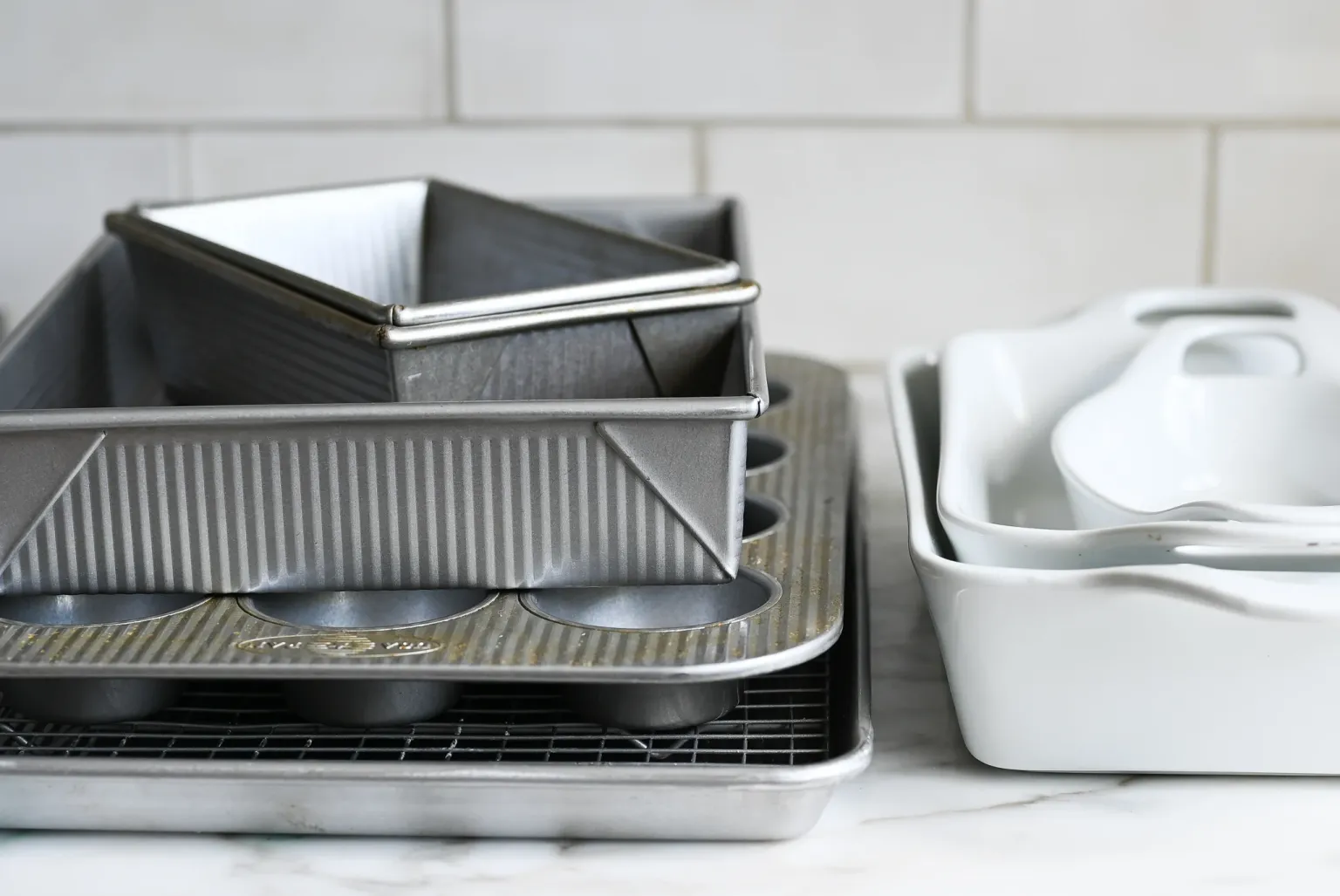
Sustainability is a growing priority in the bakeware industry, with manufacturers adopting eco-friendly materials and processes. Buyers seeking environmentally responsible options should evaluate suppliers based on material sourcing, production methods, and certifications.
5.1 Sustainable Materials: Recycled Aluminum & Non-Toxic Coatings
Recycled aluminum is a popular choice, reducing environmental impact by up to 95% compared to virgin materials. Many baking pan manufacturers now use post-industrial scrap, which is melted and reformed into high-quality bakeware without compromising performance.
For non-stick coatings, PTFE-free alternatives such as ceramic or silicone-based options are gaining traction. These coatings meet strict FDA and EU food safety standards while minimizing harmful chemical use. Some suppliers even offer pans with bamboo handles or biodegradable packaging for added sustainability.
5.2 Energy-Efficient Manufacturing Processes
Leading manufacturers are reducing their carbon footprint through:
Renewable Energy: Solar or wind-powered facilities lower emissions by 30-50%.
Waste Reduction: Precision laser cutting and lean manufacturing minimize material waste.
Water Recycling: Closed-loop systems in coating facilities reduce water consumption.
A reputable tumbler factory diversifying into bakeware may also adhere to these practices, so always request sustainability reports for verification.
6. Cost Analysis: Pricing Structures of Baking Pan Suppliers
Understanding pricing structures helps buyers budget effectively and negotiate better deals. Costs vary based on material, order volume, and customization.
6.1 MOQ Impact on Per-Unit Pricing
Minimum order quantities (MOQs) directly affect pricing:
Low MOQ (500-1,000 units): Higher per-unit costs ($3.50-$8).
High MOQ (10,000+ units): Discounts of 15-30% due to economies of scale.
Custom designs often have higher MOQs due to tooling expenses. Some commercial baking pan manufacturers offer flexible terms for long-term partners.
6.2 Hidden Cost Factors: Tooling, Shipping & Duties
Beyond base pricing, consider:
Tooling Fees: One-time charges ($1,000-$5,000) for custom molds.
Shipping: FOB vs. CIF—overseas buyers may pay 10-15% more for freight and insurance.
Import Duties: Tariffs vary by region (e.g., 5-12% for bakeware in the US/EU).
7. How to Verify Manufacturer Reliability
Selecting a trustworthy supplier is critical for quality and compliance. Follow these steps to assess reliability.
7.1 Factory Audit Checklist
Conduct audits (virtual or on-site) to verify:
Certifications: ISO 9001, BSCI, or SMETA compliance.
Production Capacity: Ensure facilities can handle your order volume.
Ethical Practices: Fair labor conditions and environmental policies.
7.2 Sample Testing Protocols
Before bulk production:
Durability Tests: Expose samples to 200+ oven cycles to check warping.
Coating Adhesion: Verify non-stick layers withstand repeated use.
Material Safety: Use XRF scanners to detect heavy metals.
7.3 Red Flags in Supplier Communication
Be cautious if a supplier:
Avoids sharing third-party audit reports.
Provides vague contracts without defect liability clauses.
Resists signing IP protection agreements for OEM baking pan production.
Conclusion
Selecting the right baking pan manufacturers requires careful research, clear communication, and thorough due diligence. From evaluating lead times and sustainable materials to negotiating pricing and verifying supplier reliability, every step plays a crucial role in ensuring a smooth procurement process.If you’re looking for trusted custom baking pan suppliers with fast turnaround times, eco-friendly materials, and competitive pricing, we can help. Our network of vetted manufacturers specializes in OEM baking pan production, ensuring high-quality, compliant, and cost-effective solutions tailored to your needs.

تعمل هازل أخصائية تصدير أدوات الشراب وأدوات المطبخ في Auspace، وتركز على دعم سلسلة التوريد في الأسواق العالمية وحلول المنتجات المخصصة. تقدم المساعدة الشاملة للمشترين الدوليين، بما في ذلك مطابقة الموردين ومتابعة الإنتاج والتنسيق اللوجستي. وبفضل معرفتها العميقة بالصناعة وعلاقاتها العميقة بالمصانع، تساعد العملاء على الحصول على أدوات الشرب ومنتجات المطبخ عالية الجودة والصديقة للبيئة من الصين بكفاءة، ويقلل نهجها العملي من مخاطر التوريد ويبسط التجارة عبر الحدود، مما يجعلها شريكاً موثوقاً للعلامات التجارية وتجار التجزئة الذين يبحثون عن تصنيع أدوات المطبخ وتصنيع المعدات الأصلية/التصنيع حسب الطلب في الصين.