Buying the right bulk water bottles is not just about price. It affects product quality, brand image, and customer trust. Whether you sell to retailers, promote a business, or build your own brand, the choice matters. Poor bottle quality can lead to returns, complaints, or lost sales. A smart buying decision starts with knowing what to look for.
This guide is designed to help wholesale buyers make smart, informed decisions when sourcing bulk water bottles. From material types and functional design to supplier verification and customization options, we cover the key points that determine long-term success. If you’re planning your next bulk purchase, these insights will help you reduce risk, improve quality control, and stay ahead of evolving customer expectations.
1. Understanding Bulk Water Bottles and Wholesale Buying
1.1 What Are Bulk Water Bottles?
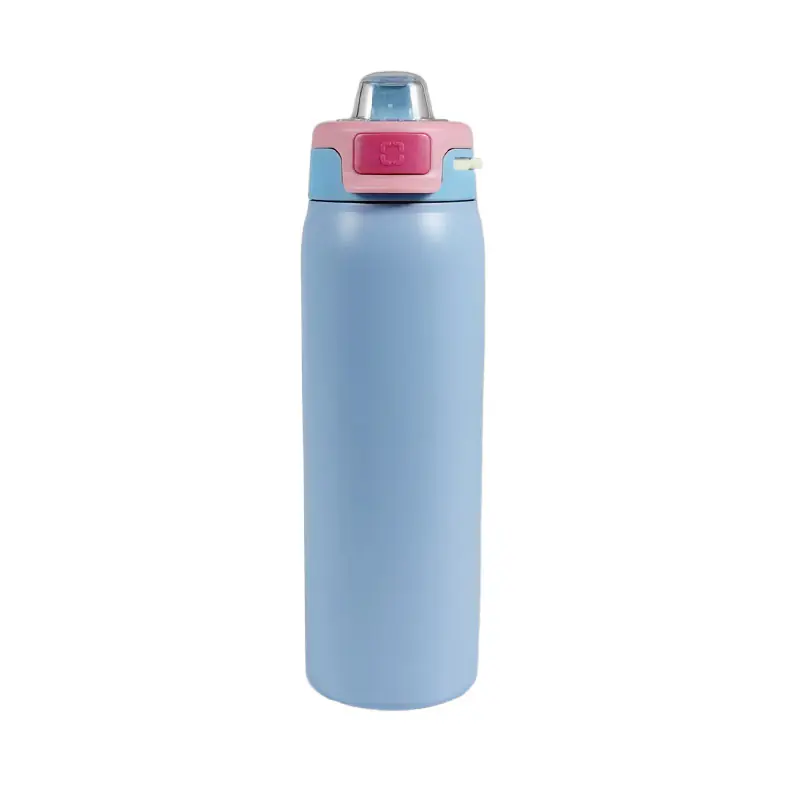
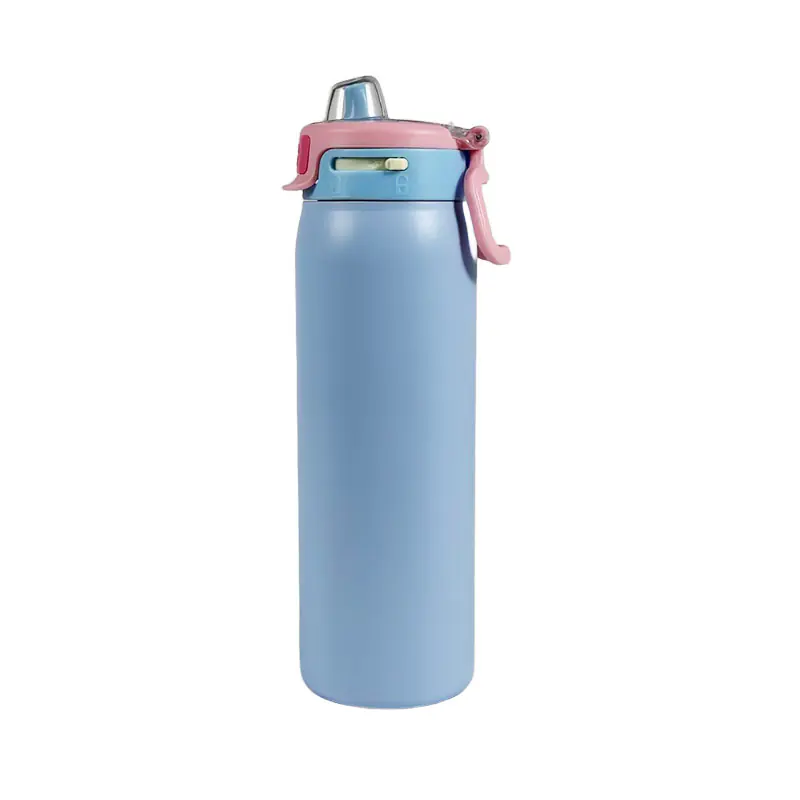
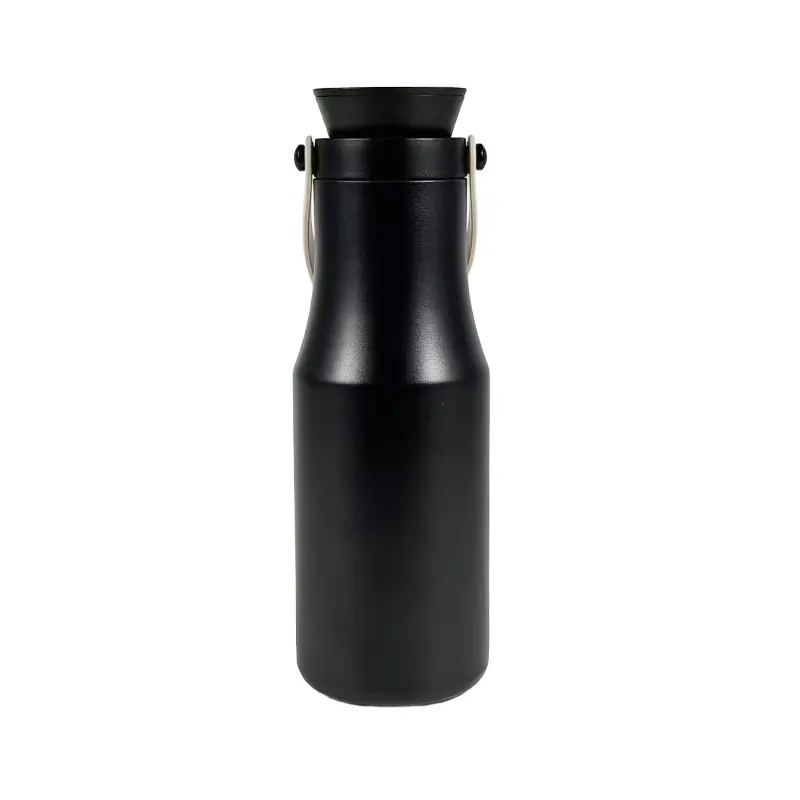
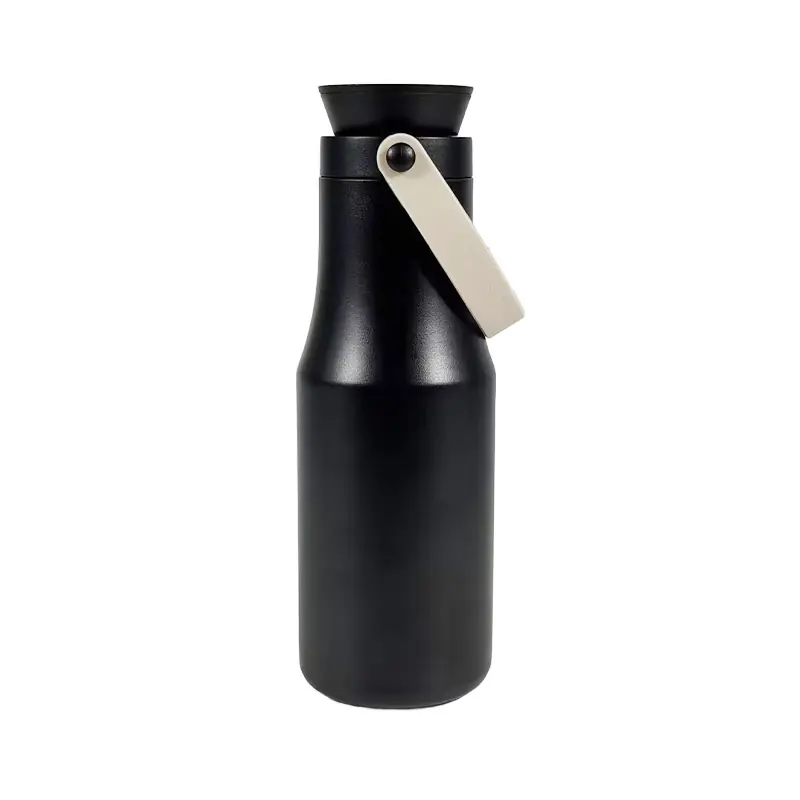
Bulk زجاجات المياه refer to large-quantity purchases of reusable bottles, usually for resale, promotional use, or corporate distribution. These bottles can be made of plastic, stainless steel, glass, or other materials. Wholesale buyers often look for products that balance quality, price, and brand appeal.
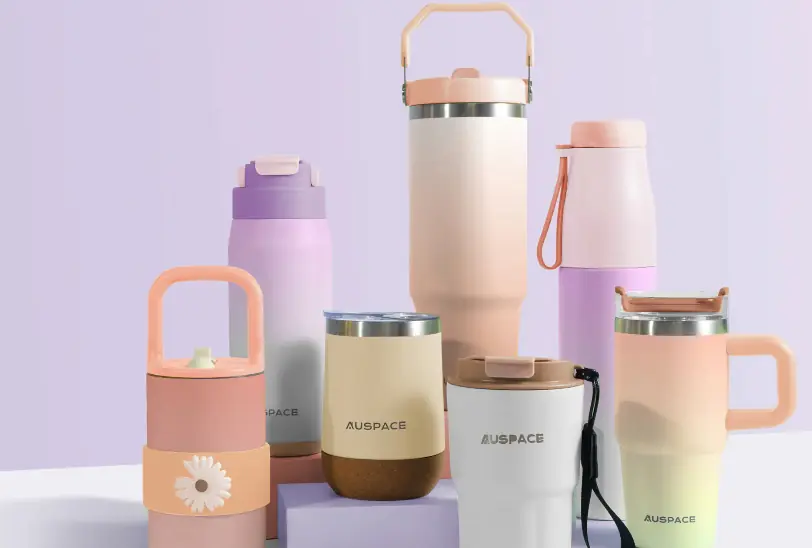
For wholesale buyers, sourcing bulk water bottles means purchasing directly from manufacturers or trusted distributors. This allows businesses to access better pricing, product variety, and customization options. Bulk water bottles are commonly used in fitness centers, schools, corporate events, and e-commerce stores.
1.2 Why Wholesale Buyers Should Focus on Bulk Purchases
Buying in bulk helps businesses save costs per unit and ensures consistent stock levels. It also allows brands to build a consistent product line. Wholesale buyers can negotiate better terms, including packaging, branding, and shipping arrangements.
Bulk purchases also support private label opportunities. Companies can add their own branding to bottles and increase perceived value. For this reason, many businesses choose to invest in custom bulk water bottles rather than buying retail-ready units.
2. Key Factors When Choosing Bulk Water Bottles
2.1 Material Types of Bulk Water Bottles
One of the most important decisions is the material. Each type offers unique benefits and potential drawbacks:
بلاستيك (Tritan or PETG): Lightweight and affordable. Good for giveaways or schools.
الفولاذ المقاوم للصدأ: Durable and retains temperature well. Ideal for higher-end markets.
Glass: Premium look and eco-friendly. Heavier and requires careful packaging.
Silicone or Collapsible Bottles: Flexible, great for travel or outdoor use.
Wholesale buyers should match material types to their target audience and intended use. For example, outdoor brands may prefer stainless steel, while lifestyle brands may opt for stylish glass bottles.
2.2 Bottle Capacity and Size Options
Bulk water bottles come in a wide range of sizes, from small 350ml bottles to large 2-liter jugs.
Smaller bottles (350ml–600ml) are popular for kids, school use, or promotional giveaways. Mid-sized bottles (700ml–1000ml) suit most adults and are ideal for fitness or office markets. Larger sizes (1.5L–2L) work well for sports, hiking, or all-day hydration.
Offering multiple size options helps wholesalers reach a wider market. It also creates opportunities for upselling. Before placing orders, confirm the exact volume, dimensions, and weight. These affect shipping costs and retail shelf space
2.3 Design and Functionality Features
Good design makes a big difference in product appeal and usability. Ergonomic shapes, leak-proof lids, and carry handles are popular features. Functionality is just as important. Choose bottles that are easy to clean, dishwasher-safe, and leak-resistant. Wide-mouth bottles are easier to fill and clean. If selling to athletes, check if the bottles fit bike holders or gym bags.
Request samples to test these features before buying in bulk. A well-designed bottle is more likely to win repeat orders and positive reviews. Look for feedback from previous customers if possible.
3. Quality and Safety Standards for Bulk Water Bottle
3.1 Food-Grade Material Certifications to Check
Safety is a top concern when selecting bulk water bottles. All bottles used for drinking water must be made from food-grade materials. This helps protect the end customer and ensures long-term use.
Look for internationally recognized certifications such as:
FDA (U.S. Food and Drug Administration)–Confirms materials are safe for food contact.
LFGB (German Food Law)–Known for strict safety standards in Europe.
SGS or TUV Reports–Independent lab testing results that verify product compliance.
BPA-Free Labels–Especially important for plastic materials.
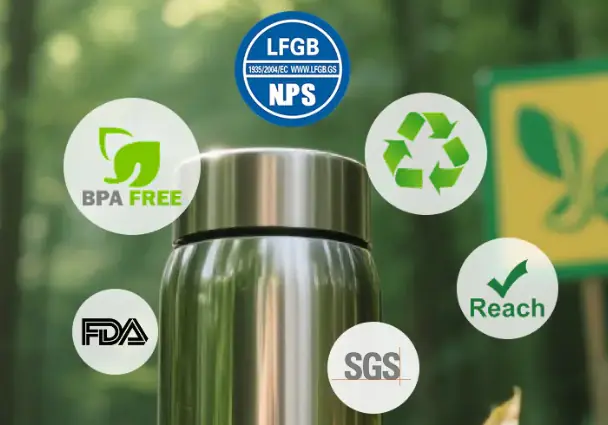
Ask your supplier to provide documents proving compliance. Request recent test reports, not outdated versions. Also confirm that certifications cover the specific material used, not just the final product. This step helps avoid legal risks and builds consumer trust in your brand.
3.2 BPA-Free and Eco-Friendly Considerations
Today’s buyers care more about health and sustainability. Many avoid products that contain BPA—a harmful chemical often found in cheaper plastics. Even low-cost plastic bottles should now be BPA-free.
Choose suppliers that use safe plastics like Tritan, PETG, or PP for reusable bottles. These materials do not release toxins when exposed to heat or long-term use. They are ideal for both kids and adults.
Eco-friendly packaging and recyclable materials are also important. Wholesale buyers can gain an edge by offering sustainable water bottle options. Look for suppliers who support biodegradable packaging, reusable lids and straws, or zero-waste shipping.
4. Pricing and Supplier Reliability for Bulk Water Bottles
4.1 How to Compare Prices Without Sacrificing Quality
It’s tempting to choose the lowest price. But very low-cost bottles may come with hidden problems such as poor material, weak sealing, or inconsistent finishes. Price should always be compared with sample quality, packaging, and included services.
Request quotes from at least three suppliers. Check what each quote includes: printing, packaging, shipping, and after-sales support. This allows you to make an informed choice that balances cost and value.
4.2 Finding Trusted Suppliers for Bulk Water Bottles
Reliable suppliers are key to long-term business success. Look for manufacturers with experience in wholesale orders, good communication, and a proven export track record. Use platforms like Alibaba, Global Sources, or sourcing agents based in China.
Ask suppliers for client references, product catalogs, and factory audit reports. Good suppliers will have clear terms, quality control systems, and prompt service. Avoid those who avoid questions or delay responses.
4.3 Minimum Order Quantities and Shipping Terms
For wholesale buyers, understanding the minimum order quantity (MOQ) is essential. Different factories set different MOQs. Some may start at a few hundred units, while others require thousands. If you’re placing a trial order or launching a new product line, choose suppliers with flexible MOQ options or work with sourcing agents who support small-batch customization.

Check if the MOQ includes custom services. For example, bottles with logo printing or special packaging often have higher MOQs. Always clarify these details before placing your order to avoid extra costs or unexpected delays.
Shipping terms are another key factor. For large bulk orders, sea freight is the most cost-effective option. However, it takes longer—typically 30 to 40 days. For smaller or urgent orders, air freight or express shipping is faster, usually 7 to 10 days, though more expensive.
A reliable supplier will include all terms clearly in the proforma invoice or contract. Always confirm important details in writing. This protects your timeline and budget. If you’re working with a new supplier, using a sourcing agent can help ensure smoother logistics and better communication.
5. Customization and Branding Opportunities in Bulk Water Bottles
5.1 Private Labeling Options for Wholesale Buyers
Many bulk water bottle suppliers offer private labeling. This includes logo printing, custom colors, and exclusive packaging. Wholesale buyers can use this to build brand identity and customer loyalty.
Decide on the printing method (screen printing, laser engraving, or heat transfer). Ask for digital mockups before production. Custom branding helps turn a simple bottle into a valuable promotional tool.
5.2 Packaging and Marketing Support
Some suppliers offer full-package solutions. This includes retail-ready packaging, barcode labels, and product inserts. Marketing materials like product photos or videos can also be provided upon request.
These services make it easier for wholesale buyers to launch the product under their own brand. Ask suppliers if they support dropshipping, small-batch trial orders, or packaging customization for different markets.
6. Tips to Avoid Common Pitfalls When Buying Bulk Water Bottles
6.1 Avoiding Low-Quality or Fake Products
Low-quality or fake water bottles can harm your brand. They may look good in photos but fail during real use. This can lead to negative reviews, refund requests, and lost business. Always request a sample before placing a large order. If the bottle feels too light or smells like chemicals, it may be made from cheap or unsafe materials.
Be careful with suppliers who offer very low prices. Extremely cheap quotes often mean cut corners. Some may use recycled plastic without telling you. Others may send products that don’t match the sample you approved.
It’s also smart to build relationships with trusted sourcing agents. They can visit factories, verify product quality, and handle communication. This lowers the chance of receiving bad or fake goods.
6.2 Ensuring Proper Quality Control
Quality control is critical when buying bulk water bottles. Without it, you risk receiving products with defects, wrong colors, or low-grade materials. These issues can damage your reputation and lead to customer complaints or returns.
First, check if your supplier has an internal quality control team. Many factories claim they do, but you should ask for real examples—like inspection reports or photos from past shipments. A good supplier will also be open to your specific quality requirements, such as leak tests, logo alignment, or packaging standards.
Second, consider hiring a third-party inspection company. These agencies check the goods before they leave the factory. They make sure the product matches your specifications. A simple pre-shipment inspection can save you thousands of dollars in losses.
Third, always confirm every detail in writing. This includes bottle material, size, logo placement, packaging type, and labeling. Share a clear product checklist with your supplier.
Finally, document everything. Keep records of your requirements, approvals, and communication. This makes it easier to solve problems if something goes wrong.
الخاتمة
Choosing the right bulk water bottles is a key step for every wholesale buyer. From material and capacity to branding and supplier reliability, each detail can affect your final result. A quality bottle improves customer satisfaction. A trusted supplier protects your margins and your time.
If you’re looking for a reliable sourcing partner, consider working with أوسبيس لأدوات المطبخ. We help global buyers source high-quality water bottles, tumblers, and kitchenware at factory-direct prices. Our services include private labeling, quality control, and export support. Whether you’re just starting or scaling up, we make bulk buying easier—so you can focus on growing your business.

بيري بيان هي أخصائية توريد أدوات المطبخ ودعم المشترين في أوسبيس لأدوات المطبخ، ولديها سنوات في توريد أدوات المطبخ بالجملة في الصين. وهي تساعد المشترين الدوليين في تتبع الطلبات والتواصل مع المصنع واختيار المنتجات حسب الطلب.
وبفضل خبرتها العملية في مجال التجارة، تقدم نصائح عملية حول سلاسة سير عمل التوريد وحل مشاكل سلسلة التوريد. ويربط دعمها المشترين في الخارج بالمصنعين الصينيين الموثوقين، مما يجعلها مرجعاً لتوريد أدوات المطبخ دون أي متاعب.