

Introducción
As the culinary world increasingly embraces traditional cooking methods, iron cookware manufacturing, particularly in the form of woks, has gained prominence. Renowned for their durability and exceptional cooking properties, iron woks have become a staple in kitchens worldwide. This article delves into the intricacies of iron cookware manufacturing in China, offering global buyers insights into the production processes, quality control measures, and customization options available. Understanding these elements is essential for organizations looking to source high-quality iron woks and navigate the evolving landscape of sustainable cookware.
1. What is Iron Cookware Manufacturing? Understanding the Basics
Iron cookware manufacturing refers to the production process that brings various types of iron cookware, most notably woks, to the market. This process involves several stages, including material selection, casting, finishing, and quality control. Iron cookware is renowned for its durability, heat retention, and healthy cooking properties, making it a popular choice among chefs and home cooks alike.
At its core, iron cookware manufacturing leverages the inherent properties of iron, allowing for optimal heat distribution and the ability to withstand high cooking temperatures. This sector has gained immense popularity, particularly in regions where traditional cooking methods are favored. With increasing globalization, countries like China have emerged as key players in iron cookware manufacturing, offering a blend of traditional craftsmanship and advanced production techniques. The global demand for iron woks and other cookwares underlines the importance of understanding the manufacturing nuances, and knowing how to navigate the supply chain effectively can provide significant advantages.
1.1 The Significance of Iron Woks in Culinary Arts
Iron woks play a critical role in culinary traditions across various cultures, especially in Asian cuisine. Their unique design allows for stir-frying, sautéing, and braising at high temperatures, which brings out the flavors of ingredients while preserving their nutritional qualities. The significance of iron woks in the culinary arts can be traced back centuries, where they have been optimized for various cooking techniques.
In addition to their functional benefits, iron woks offer a variety of health advantages. Cooking in iron cookware can enhance dietary iron intake, a vital nutrient for maintaining good health. This has led to a renewed interest in using iron woks, particularly among health-conscious consumers.
Furthermore, the eco-friendly nature of iron cookware manufacturing contributes to its appeal. Unlike non-stick pans that can release harmful chemicals, iron woks made through responsible practices pose fewer environmental risks. Consumers are increasingly prioritizing sustainable options, linking the rise of eco-friendly cookware suppliers to the growing demand for traditional iron products.
1.2 Overview of Iron Cookware Types
Iron cookware encompasses various types of cookware tailored for different culinary techniques. While woks are prominently featured, other types include skillets, Dutch ovens, and griddles. Each type of cookware has its unique attributes, catering to diverse cooking styles and requirements.
Woks, characterized by their round bottom and high, sloping sides, excel at stir-frying but can also be used for deep frying, steaming, and simmering. Cast iron skillets are versatile and accommodate baking, searing, and frying, while Dutch ovens are ideal for slow-cooking and braising. Griddles, often flat and wide, are perfect for making pancakes or grilling sandwiches.
The versatility of these iron cookware types is appealing to a wide range of culinary enthusiasts. Furthermore, an understanding of the different iron cookware types assists buyers in making informed decisions based on their needs. An increasing number of manufacturers are offering custom iron wok designs, allowing clients to tailor products according to their specifications and target markets.
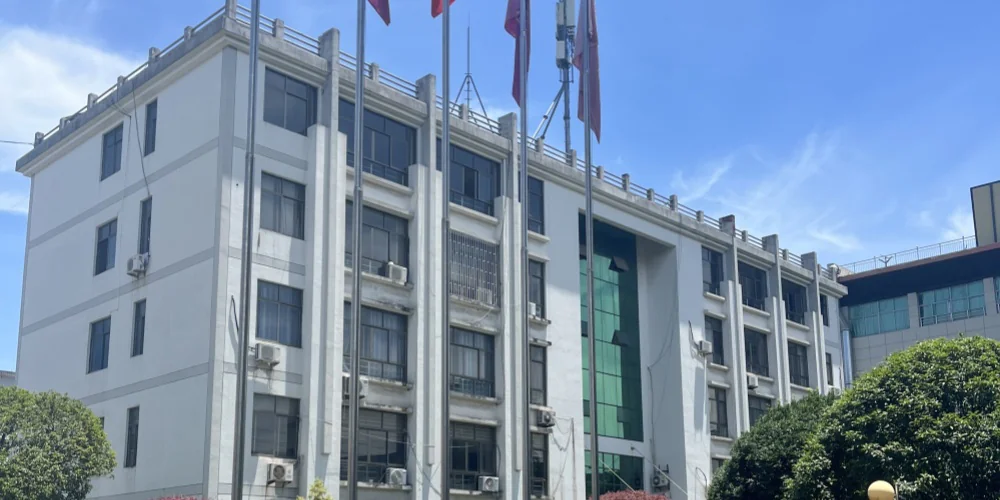
2.What Specific Steps Are Involved in the Production Process of Iron Woks in China?
2.1 Sourcing Raw Materials for Iron Cookware
The production of iron woks begins with the careful sourcing of raw materials. High-quality iron ore is paramount to ensure the durability and performance of the final product. Manufacturers typically engage in relationships with reliable suppliers who can provide consistent grades of iron.
In recent years, with a growing focus on sustainability, many manufacturers have begun sourcing recycled iron scrap. This not only meets eco-friendly standards but also reduces raw material costs and carbon footprints. The selection of materials is crucial as it affects the alloy composition, which in turn influences the cooking properties of the woks.
With the rising demand for transparency in the supply chain, manufacturers must also consider the implications of their material sources. Buyers are increasingly interested in eco-friendly cookware suppliers that prioritize sustainable practices, which can be an essential factor when making procurement decisions.
2.2 Production Techniques: From Casting to Finishing
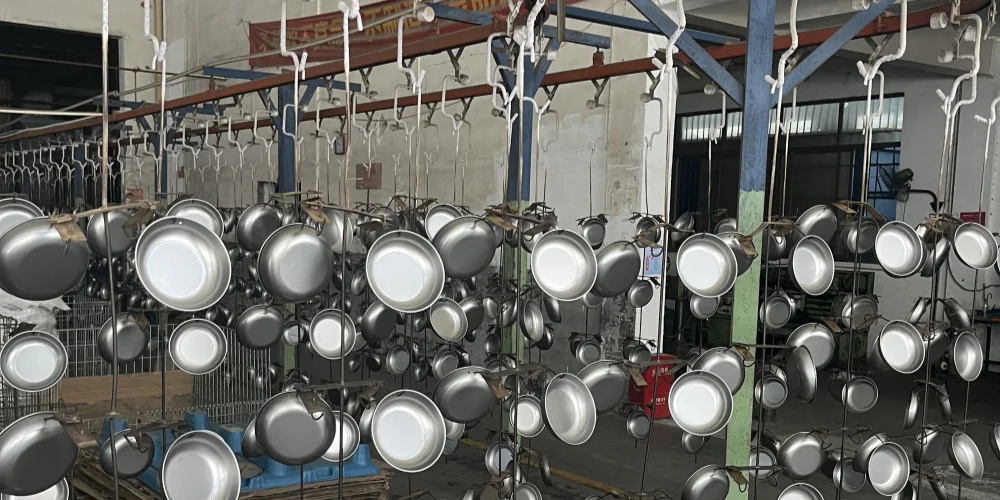
The production techniques in iron cookware manufacturing are diverse, with casting being the most common method for creating woks. The foundry process typically involves melting scrap iron or raw iron, followed by pouring the molten metal into molds shaped like woks.
After casting, iron woks go through a series of finishing treatments to enhance their quality. This can include processes such as grinding, polishing, and seasoning. Quality control in cookware production is critical at this stage; rigorous testing ensures that the woks meet both domestic and international safety standards.
Furthermore, customization options may be available, allowing clients to specify dimensions, handle designs, and surface treatments. This flexibility enables the production of custom iron wok designs that cater precisely to market demands.
In conclusion, understanding the intricacies of the manufacturing process is essential for global buyers looking to engage with trusted suppliers. By being informed about sourcing, production, and quality control, buyers can make better decisions in the ever-evolving landscape of iron cookware manufacturing.
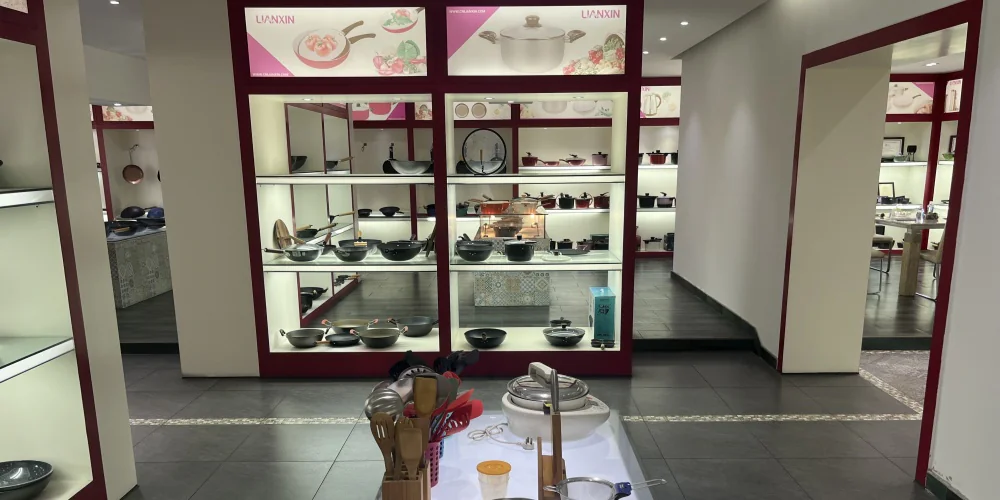
3. What Key Quality Control Measures Are Implemented During Production?
Quality control in cookware production is essential to ensure that iron woks meet the performance expectations and safety standards demanded by consumers. The reputable iron cookware manufacturing process involves meticulously defined quality control measures at various stages, ensuring the product’s reliability, durability, and overall effectiveness.
3.1 Inspection Phases in Iron Wok Manufacturing
The inspection phases in iron wok manufacturing are critical for maintaining high standards of quality. These phases are integrated throughout the production process, beginning with raw material selection. Ensuring that only high-grade iron is sourced is paramount, as subpar materials can lead to inferior products. Manufacturers often conduct initial inspections to verify incoming materials, checking for purity and composition that align with industry standards.
Following material sourcing, the next inspection occurs during the casting phase, where molten iron is poured into molds. Here, quality assurance teams investigate for any defects, such as bubbles or inconsistencies in the casting process. Visual inspections and non-destructive tests such as ultrasonic or X-ray testing are conducted to identify any flaws before moving to the next step of production.
Once the raw forms of the woks have been created, the manufacturing process continues with finishing stages, which include grinding, polishing, and seasoning. Each of these processes must also undergo stringent quality checks. For instance, surface smoothness and coating quality are essential attributes that affect performance. Manufacturers often apply various inspection techniques, including the use of gauges and measuring tools, to confirm compliance with predefined specifications.
Additionally, batch testing is a common practice where samples from a production run undergo rigorous testing to determine whether they meet the required standards. This proactive approach allows manufacturers to detect and rectify any quality issues before the product reaches consumers or retailers, ensuring that each iron wok reflecting the brand’s commitment to quality.
3.2 Testing for Durability and Safety Standards
In an era where consumer safety is paramount, testing for durability and safety standards forms a pivotal component of iron cookware manufacturing. After completing the production process, woks undergo a series of tests to assess their ability to withstand the rigors of everyday cooking.
Durability tests typically include thermal cycling tests, where the product is subjected to extreme temperature fluctuations to simulate real-world cooking conditions. This ensures that the woks maintain their structural integrity and performance over time. Drop tests may also be conducted to examine the resistance of the cookware to impacts, which is particularly important for items handled frequently in busy kitchens.
Moreover, safety standards in manufacturing require compliance with various regulations, such as those set forth by the FDA or the European Union’s safety directives. These standards often encompass thorough assessments for leaching, ensuring that cooking surfaces do not release harmful substances or contaminants during food preparation.
Eco-friendly cookware suppliers are increasingly recognized for their commitment to sustainability, and this aspect is becoming central to quality testing. Manufacturers are now incorporating aspects of environmental compliance into their quality control protocols, verifying that production methods and materials align with eco-friendly initiatives.
Through stringent testing and adherence to safety standards, buyers can trust that the iron woks produced meet the high expectations of quality and safety that consumers demand, enhancing the overall credibility of the brand and the iron cookware manufacturing process.
4. What Certifications Do Iron Cookware Manufacturers Typically Need?
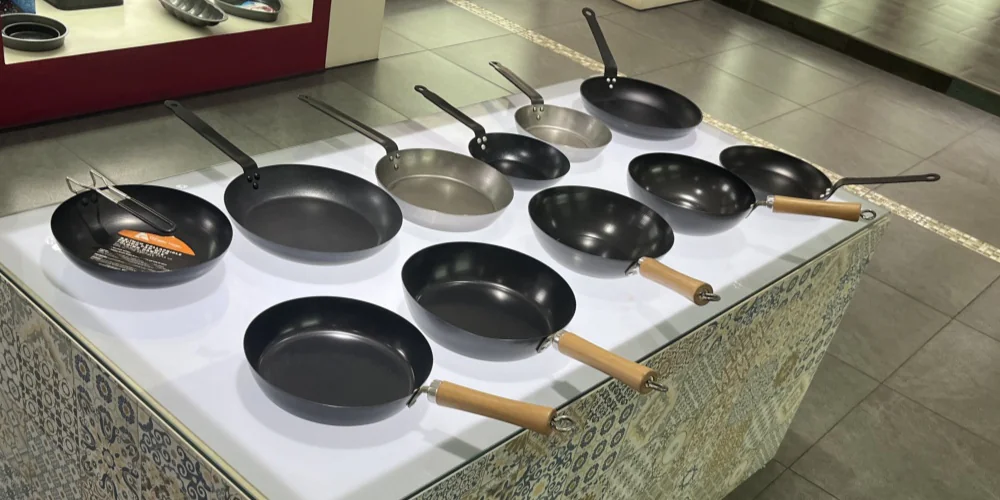
The world of iron cookware manufacturing is regulated by various international standards and certifications, ensuring that products are safe, durable, and environmentally friendly. Buyers looking to source cookware must understand these certifications as they guarantee compliance and enhance marketability.
4.1 Understanding International Standards and Compliance
International standards play a crucial role in the global iron cookware market. Key regulatory bodies such as ASTM International and ISO (International Organization for Standardization) have established guidelines that manufacturers must follow. These encompass aspects of material safety, manufacturing processes, and end-user safety.
For instance, ISO 9001 dictates quality management practices that manufacturers should adhere to, establishing frameworks for consistent quality assurance. Another critical standard is ISO 14001, which focuses on environmental management, compelling manufacturers to minimize their ecological footprint and promote sustainable practices.
Additionally, compliance with food safety standards, such as those enforced by the FDA (Food and Drug Administration) in the United States and LFGB (Lebensmittel- und Futtermittelgesetzbuch) in Germany, is vital. These regulations ensure that iron woks and cookware do not leach harmful substances when in contact with food, thus protecting consumers and enhancing product integrity.
Compliance verification is often conducted by third-party certification agencies, which helps to affirm that manufacturers follow best practices related to health, safety, and environmental impact. By understanding international standards and compliance, global buyers can identify manufacturers who prioritize quality and safety throughout the iron cookware manufacturing process.
4.2 Importance of Certifications for Buyers
For buyers, understanding the importance of certifications when sourcing iron cookware cannot be overstated. Certifications serve as a mark of trust, indicating that manufacturers adhere to high standards of quality and safety. This is especially crucial in a competitive international market where consumer preferences increasingly favor brands that prioritize ethics and sustainability.
Moreover, certifications can assist buyers in navigating the complexities of importing. For instance, several countries have specific import regulations that necessitate compliance with local safety and environmental standards. By partnering with certified manufacturers, buyers can mitigate risks associated with regulatory fines or product recalls due to non-compliance.
Certifications also streamline the bulk iron cookware sourcing process. When engaging with manufacturers, buyers can confidently request documentation proving adherence to relevant standards, ensuring they are sourcing products that align with their company values and market expectations. This can enhance business relationships and foster long-term partnerships built on reliability and mutual respect.
Furthermore, as more consumers actively seek eco-friendly options, manufacturers with environmental certifications stand to gain a market advantage. The emphasis on sustainable manufacturing practices not only reflects ethical business operations but caters to the increasingly eco-conscious consumer base. In summary, knowledge of certifications equips buyers with the insights needed to make informed, responsible purchasing decisions in the realm of iron cookware manufacturing.
5. Is It Possible to Customize the Design and Specifications of Iron Woks?
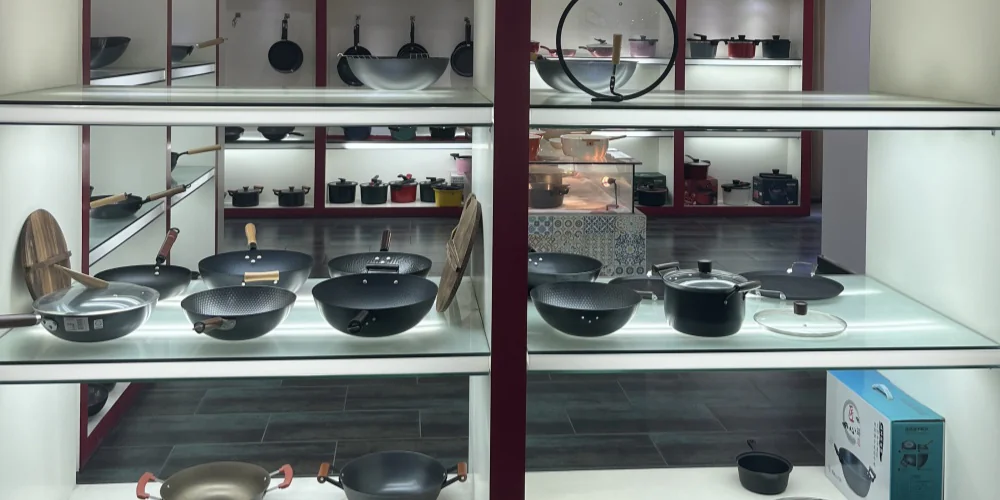
Customization has become an important facet of the iron cookware manufacturing process, particularly in a global market where consumers are seeking personalized products that meet their specific culinary needs. Yes, it is indeed possible to customize the design and specifications of iron woks, offering flexibility for both manufacturers and buyers alike.
5.1 Options for Customization: Design, Size, and Finish
When considering custom iron wok design, buyers have a range of options that can be tailored to meet both aesthetic and functional requirements. One of the primary considerations is the design itself. While traditional round-bottomed woks are the most recognized, there is growing demand for flat-bottomed versions that suit modern induction cooktops. Manufacturers can also offer variations in handle style, including ergonomically designed or detachable handles for ease of storage and handling.
In terms of size, customization is straightforward. Woks can be produced in a variety of diameters to cater to diverse cooking preferences. Whether a buyer needs a compact wok for a household of one or a larger model suitable for family gatherings or restaurant use, manufacturers can adapt to specifications. This flexibility plays a vital role in catering to different market segments, from home cooks to professional chefs.
Finishing touches are equally important in the customization process. Beyond just the surface finish, buyers can choose from a range of options such as pre-seasoned or non-seasoned surfaces, and some manufacturers might even offer custom engravings for logos or decorative elements. Such finishing details not only enhance the visual appeal of the wok but can also improve its usability and performance.
The customization of iron woks has also been influenced by a growing trend towards eco-friendly cookware. Many buyers are now interested in sustainable designs that are produced using environmentally responsible practices. It is essential for manufacturers to respond to this trend by offering custom options that align with eco-conscious consumer values.
5.2 Working with Manufacturers to Achieve Custom Designs
Collaborating with manufacturers to achieve custom designs involves a well-structured approach. Buyers should begin by clearly defining their requirements, including specific design features, sizes, materials, and finishes. This clarity helps manufacturers understand the expectations and facilitates an effective dialogue about what is feasible within their production capabilities.
The initial step is to engage in detailed discussions with iron cookware suppliers to explore their customization options. Many reputable manufacturers will provide sample designs or prototypes, allowing buyers to gauge the quality and assess whether the design aligns with their vision. Negotiations around minimum order quantities also play a critical role, as manufacturers often have specific thresholds for custom orders, especially when it comes to the wok manufacturing process.
Flexibility in communication and feedback is vital. Throughout the development process, ongoing collaboration helps ensure that any necessary adjustments can be made before final production. Regular updates and samples should be part of the workflow, as they facilitate quality control in cookware production while ensuring that the final product meets expectations.
Moreover, building a strong relationship with manufacturers that prioritize sustainability can enhance the overall customization experience. Eco-friendly cookware suppliers often have insights into sustainable materials and methods that can further refine the custom design process.
In conclusion, the capacity to customize iron woks presents an invaluable opportunity for buyers in the global market to enhance their product offerings while adapting to consumer demands.
6. What’s the Typical Lead Time for Bulk Orders of Iron Woks?
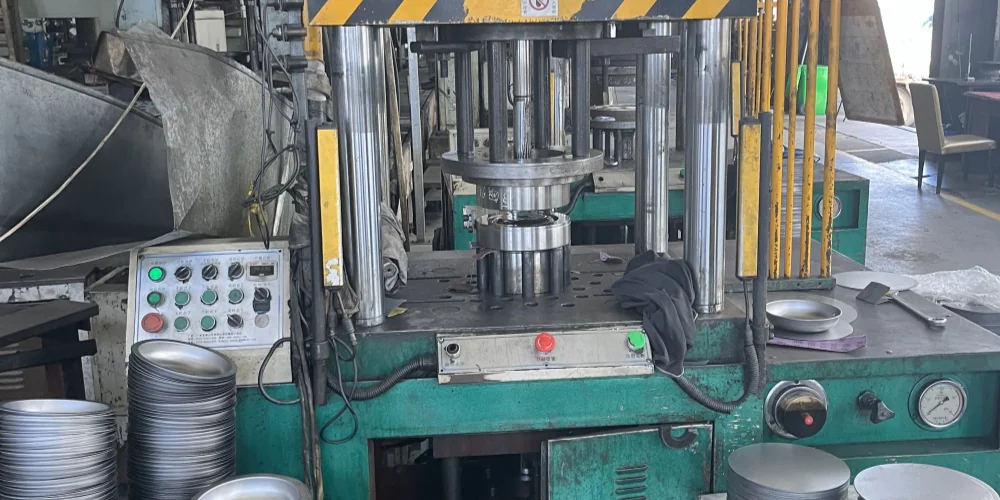
Understanding lead times is crucial for buyers looking to source iron woks in bulk, as it directly affects inventory management and overall business operations. Lead time refers to the total duration from order placement to delivery, and various factors can influence this timeline.
6.1 Factors Influencing Production and Delivery Times
Several factors come into play when determining lead times for bulk orders of iron woks. First and foremost is the complexity of the order itself. For standard designs and sizes, lead times may be shorter compared to custom orders that require specialized designs or materials. Custom iron wok design typically necessitates additional coordination and production adjustments, which can extend the overall timeframe.
Another contributing factor is production capacity. Manufacturers with high demand may have longer lead times; this often occurs during peak seasons when suppliers are filling numerous orders. Conversely, manufacturers that specialize in eco-friendly production practices may experience bottlenecks, particularly if they are limited in terms of raw materials sourced sustainably.
Quality control in cookware production also impacts lead times. Manufacturers must allocate sufficient time for inspections, testing, and compliance checks to ensure that the final products meet safety and quality standards. This commitment to quality can occasionally lead to slightly extended lead times but ultimately results in more reliable products.
Logistics is another critical element that should not be overlooked. Shipping methods, distance, and regulations for international shipping can significantly affect delivery times. Buyers should consider using reliable logistics partners who can facilitate timely and efficient transportation, particularly for bulk iron cookware sourcing that involves international shipping.
6.2 Tips for Planning Your Orders Effectively
To ensure a smooth ordering experience and to minimize potential delays, buyers should adopt effective planning strategies. Firstly, establishing strong communication with the chosen manufacturer is essential. Discussing expectations around lead times up front can prevent misunderstandings later in the process.
It’s advisable for buyers to place orders well in advance of peak usage periods. For instance, if planning for holiday seasons or product launches, starting discussions and placing orders several months prior can alleviate pressure on lead times. Additionally, maintaining a buffer stock of iron woks enables businesses to navigate supply chain fluctuations.
Being proactive about customization is also beneficial. When engaging with manufacturers, buyers should finalize designs and specifications as early as possible to reduce delays caused by changes or approvals later in the production process.
Finally, incorporating a robust inventory management system will allow businesses to track stock levels and forecast future needs accurately. This data-driven approach can help streamline reordering processes and align them with the lead times provided by manufacturers.
In conclusion, understanding and effectively managing lead times can enhance operational efficiency and customer satisfaction in the competitive world of iron cookware manufacturing. By considering the influencing factors and implementing strategic planning, buyers can ensure timely deliveries and maintain a steady supply chain.
7. Are There Any Eco-Friendly Iron Cookware Manufacturers?
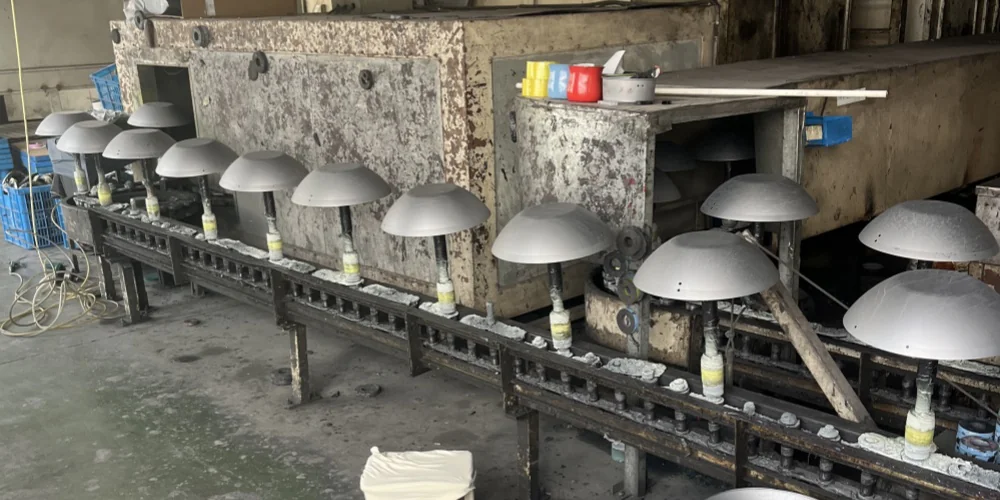
The interest in eco-friendly products has significantly influenced the consumer landscape, including in the realm of iron cookware manufacturing. As consumers become increasingly conscious of their environmental impact, manufacturers are adapting by implementing sustainable practices that prioritize both the quality of their products and the health of the planet.
7.1 The Rise of Sustainable Practices in Iron Cookware Manufacturing
In recent years, the push for sustainability has led to a paradigm shift in the iron cookware manufacturing process. Manufacturers are recognizing that they have an essential role in minimizing ecological footprints and promoting environmentally friendly practices. This evolution involves a multi-faceted approach: from sourcing raw materials to production methods and packaging.
One notable trend is the commitment to using recycled or sustainably sourced iron. These practices help reduce the carbon footprint associated with raw material extraction and processing. When manufacturers utilize recycled iron, they not only lessen the environmental impact but also contribute to a circular economy, wherein resources are reused rather than discarded.
Moreover, eco-friendly cookware suppliers are increasingly integrating energy-efficient technologies into their production lines. These technologies can range from employing renewable energy sources like solar or wind power to optimizing energy usage within factories. Additionally, waste reduction has become a significant focus, with initiatives in place to minimize scrap material generated during the wok manufacturing process.
Manufacturers are also opting for non-toxic finishes and coatings that comply with safety regulations. Such finishes ensure that the cookware remains safe for food preparation while also aligning with eco-conscious standards. Innovation in this area allows manufacturers to produce iron woks that are not only functional but also reflective of a commitment to health and sustainability.
7.2 Identifying Eco-Conscious Suppliers
For buyers interested in sourcing eco-friendly iron cookware, identifying the right suppliers is crucial. The journey begins with thorough research. Buyers should look for suppliers who are transparent about their manufacturing processes and can provide documentation related to sustainability certifications, such as ISO 14001 for environmental management.
Engaging with suppliers through detailed conversations can also reveal their sustainability practices. Buyers can inquire about the materials they use, their waste management strategies, and energy consumption patterns. Suppliers who invest in eco-friendly practices often take pride in sharing their green initiatives and achievements.
Participation in industry trade shows and expos can provide valuable insights into the eco-friendly landscape of iron cookware manufacturing. Events like these allow buyers to connect directly with manufacturers, observe their products, and learn more about their sustainability efforts firsthand. Networking in such environments can also uncover emerging eco-conscious suppliers who are innovators in the field.
Lastly, customer reviews and testimonials are invaluable resources when identifying suppliers. Feedback from previous clients can provide insights into not only the product quality but also the ethical standards upheld by the manufacturer. This social proof can greatly aid in the selection of eco-friendly cookware suppliers who meet the growing demands for sustainable products.
8. What Should Be Considered When Selecting a Wholesale Supplier for Iron Woks?
Selecting the right wholesale supplier for iron woks is critical for ensuring a smooth supply chain and maintaining product quality. With several factors to consider, it is crucial for buyers to make informed decisions that align with their business needs and values.
8.1 Key Factors: Quality, Price, and Reliability
Three fundamental aspects should govern the selection of a supplier: quality, price, and reliability. Quality is paramount in the iron cookware manufacturing process. Buyers must assess the standards employed by potential suppliers and determine whether their products undergo rigorous quality control in cookware production. Inquire about the materials used, certificates of compliance with international safety standards, and any quality assurance protocols in place.
Price is undoubtedly a key consideration, but it should not overshadow the importance of quality. While cost-effective options may appeal to budget-conscious buyers, compromising on quality can lead to long-term repercussions such as product recalls or customer dissatisfaction. It is essential to analyze pricing structures in relation to product quality, ensuring that the final selection represents optimal value.
Reliability is another crucial factor, as suppliers must consistently meet delivery deadlines and fulfill orders promptly. Investigating a supplier’s track record and gathering references can help gauge their dependability. Moreover, consider their capacity for bulk iron cookware sourcing, especially if spikes in demand are anticipated.
Establishing clear communication channels can also enhance reliability. A supplier that is easy to reach and responsive to inquiries can support smoother transactions and minimize the risk of misunderstandings.
8.2 Building Long-Term Relationships with Suppliers
Once a suitable supplier has been identified, fostering a long-term partnership can yield considerable benefits. A strong relationship with suppliers fosters collaboration and trust, leading to a more efficient supply chain. Regular communication, feedback, and mutual respect are key to building this rapport.
Engaging in discussions about custom iron wok design can further deepen partnerships. Suppliers who feel valued are often more willing to collaborate on innovative designs, exclusive product lines, or other special projects. This collaborative spirit can lead to unique offerings that set your brand apart in a competitive market.
Additionally, keeping suppliers informed about changing business needs or market trends can help them adjust their production processes accordingly, ensuring that they remain aligned with your goals. Frequent evaluations of your supplier’s performance can also drive improvements in quality and service.
Investing in supplier relationships can contribute to a more resilient supply chain. When suppliers trust your business and understand your needs, they are more inclined to prioritize your orders, adjust to demand fluctuations, and work collaboratively to resolve any challenges that may arise.
In conclusion, selecting the right wholesale supplier for iron woks involves careful consideration of quality, price, and reliability, along with an emphasis on building long-term relationships. Properly navigating these factors can enhance operational efficiency and drive growth in the competitive landscape of iron cookware manufacturing.
Conclusión
In conclusion, the demand for high-quality and eco-friendly iron woks is on the rise, making it essential for global buyers to stay informed about the manufacturing processes and supplier options available. By understanding the significance of quality, sustainability, and customization in the iron cookware market, you can make informed decisions that meet your culinary needs and values. If you’re ready to enhance your product offerings and explore the world of iron cookware manufacturing, we invite you to contact us today. Our team is eager to assist you in finding the perfect iron woks tailored to your specifications.

Lola Zhang es especialista en abastecimiento y mercado de menaje de cocina en Auspace Kitchenware, con años de experiencia en el abastecimiento mayorista de menaje de cocina en China. Ayuda a los compradores a identificar los productos de tendencia, optimizar las compras y gestionar los problemas posteriores a la compra. Con una amplia experiencia en el sector, ofrece consejos sobre cómo adaptarse al mercado y facilitar el abastecimiento. Su experiencia conecta a los compradores con fabricantes chinos de confianza, lo que la convierte en una socia fiable para el abastecimiento eficiente de menaje de cocina.