


1. What Are the Most Sustainable High Quality Kitchen Utensils?
1.1 Sustainable Materials for High Quality Kitchen Utensils
In the realm of high quality kitchen utensils, sustainable materials are revolutionizing the way we cook and consume. Bamboo stands out as an exceptional choice. Renowned for its rapid growth rate, bamboo can reach maturity in just 3 – 5 years, making it a highly renewable resource. Bamboo utensils, such as chopsticks, spoons, and spatulas, offer a plethora of benefits.
Their natural antibacterial properties ensure a hygienic cooking environment, reducing the risk of cross contamination. Moreover, bamboo is gentle on cookware, whether it’s non stick pans or delicate ceramic pots, making it an ideal option for those seeking to preserve the longevity of their high quality kitchen utensils. For instance, a bamboo spatula can be used to flip delicate fish fillets or stir fry vegetables without scratching the pan’s surface.
Another sustainable material gaining popularity is cast iron. Cast iron utensils, like skillets and Dutch ovens, are known for their exceptional durability. They can withstand high temperatures and rough handling, making them a staple in many professional kitchens. Cast iron is often made from recycled materials, minimizing its environmental impact. Additionally, it has excellent heat retention capabilities, ensuring even cooking and consistent results. A well seasoned cast iron skillet can be used for a variety of cooking methods, from searing steaks to baking cornbread, making it one of the best quality kitchen utensils for versatility.
Stainless steel is also a sustainable option, especially when it’s made from recycled materials. Stainless steel utensils, such as pots, pans, and cutlery, are highly durable and resistant to corrosion. They are easy to clean and maintain, making them a practical choice for busy kitchens. Stainless steel cookware is also a great conductor of heat, ensuring efficient cooking and energy savings. When looking for high quality kitchen utensils, choosing stainless steel products made from recycled materials is a smart way to reduce your environmental footprint.
1.2 How to Identify Truly Sustainable Utensils
Identifying truly sustainable high quality kitchen utensils requires a keen eye and a bit of research. One of the first things to look for is certifications. For bamboo utensils, the Forest Stewardship Council (FSC) certification is a reliable indicator of sustainable sourcing. This certification ensures that the bamboo has been harvested from well managed forests, promoting environmental conservation. When shopping for stainless steel utensils, look for products that are labeled as “recycled” or “made from recycled materials.” This indicates that the manufacturer has made an effort to reduce their environmental impact by using recycled resources.
Another way to identify sustainable utensils is to research the brand’s manufacturing processes. Reputable brands will often provide detailed information about their production methods on their websites or product packaging. Look for brands that use eco friendly manufacturing techniques, such as energy efficient production processes or water saving technologies. Additionally, consider the brand’s commitment to social responsibility. Brands that prioritize fair labor practices and ethical sourcing are more likely to produce sustainable high quality kitchen utensils.
It’s also important to consider the lifespan of the utensils. Sustainable utensils are often designed to be durable and long lasting. Look for products that are well made and have a reputation for quality. Avoid utensils that are made from cheap, disposable materials, as these are not only harmful to the environment but also likely to break or wear out quickly. By choosing high quality kitchen utensils that are built to last, you can reduce your overall consumption and minimize your environmental impact.
2. Are Sustainable Utensils Also the Healthiest for Cooking?
2.1 Health Impacts of Different Utensil Materials
The choice of high quality kitchen utensils can have a significant impact on our health. Different materials can leach substances into our food during the cooking process, potentially affecting our well being. For example, some non stick coatings contain chemicals such as perfluorooctanoic acid (PFOA), which has been linked to various health problems, including cancer and hormone disruption. When shopping for high quality kitchen utensils, it’s important to avoid products with these harmful coatings.
Stainless steel utensils are generally considered to be a healthy option. They are non – reactive, which means they won’t leach harmful substances into your food. Stainless steel is also easy to clean and sanitize, reducing the risk of bacterial growth. When choosing stainless steel utensils, look for products that are made from high quality stainless steel and have a smooth finish. Avoid utensils with rough or pitted surfaces, as these can harbor bacteria and make cleaning more difficult.
Cast iron utensils can also be a healthy choice, as they can add a small amount of iron to your food during cooking. Iron is an essential mineral that plays a crucial role in many bodily functions, including oxygen transport and energy production. However, it’s important to note that cast iron utensils need to be properly seasoned to prevent rusting. Rust can not only affect the taste and quality of your food but also potentially cause health problems. When using cast iron utensils, make sure to clean them thoroughly after each use and season them regularly to keep them in good condition.
Bamboo utensils are another healthy option, as they are natural and free from harmful chemicals. Bamboo is also antibacterial, which can help to reduce the risk of foodborne illnesses. When choosing bamboo utensils, look for products that are made from untreated bamboo and have a smooth finish. Avoid utensils that are painted or coated with chemicals, as these can potentially leach into your food.
2.2 Comparing Sustainable Options in Terms of Health
When comparing sustainable high quality kitchen utensils in terms of health, it’s important to consider the specific properties of each material. Stainless steel utensils are a great choice for those who want a non reactive and easy to clean option. They are also a good option for people with metal allergies, as stainless steel is generally hypoallergenic. However, stainless steel utensils can be more expensive than other options, and they may not be the best choice for all cooking methods.
Cast iron utensils are a great choice for those who want to add a small amount of iron to their diet. They are also a good option for high heat cooking methods, such as searing and frying. However, cast iron utensils need to be properly seasoned and maintained to prevent rusting, which can be a bit of a hassle. Additionally, cast iron utensils are heavier than other options, which may make them difficult to handle for some people.
Bamboo utensils are a great choice for those who want a natural and antibacterial option. They are also a good option for people who are looking for a more sustainable alternative to plastic utensils. However, bamboo utensils are not as durable as stainless steel or cast iron utensils, and they may need to be replaced more frequently. Additionally, bamboo utensils are not suitable for high heat cooking methods, as they can easily catch fire.
Ultimately, the best sustainable high quality kitchen utensils for your health will depend on your specific needs and preferences. When choosing utensils, it’s important to consider the material, the cooking methods you use, and your budget. By doing your research and choosing high quality kitchen utensils that are made from sustainable materials, you can enjoy healthy and delicious meals while also reducing your environmental impact.

3. Which Sustainable Utensil Is the Best for Cooking?
3.1 Best Sustainable Utensils for Different Cooking Methods
The choice of high quality kitchen utensils can greatly impact the outcome of your cooking. Different cooking methods require different types of utensils, and choosing the right one can make all the difference. For high heat cooking methods, such as searing and stir frying, cast iron utensils are an excellent choice. Cast iron skillets and woks are able to withstand high temperatures without warping or losing their shape. They also have excellent heat retention capabilities, ensuring that your food is cooked evenly and thoroughly. For example, a cast iron skillet is perfect for searing a steak to a perfect medium rare, with a crispy exterior and a juicy interior.
For baking, stainless steel baking sheets and muffin tins are a great option. Stainless steel is a good conductor of heat, which helps to ensure that your baked goods are cooked evenly. It’s also easy to clean and resistant to rust, making it a practical choice for busy kitchens. When choosing stainless steel baking utensils, look for products that are made from high quality stainless steel and have a non stick coating for easy release.
For slow cooking and simmering, Dutch ovens made from cast iron or enamel coated cast iron are ideal. These heavy bottomed pots are able to distribute heat evenly, ensuring that your food is cooked slowly and gently. They are also great for making stews, soups, and casseroles, as they can hold a large amount of food and keep it warm for extended periods of time.
For delicate cooking methods, such as poaching and steaming, bamboo utensils are a great choice. Bamboo is a natural and gentle material that won’t scratch your cookware. It’s also a good insulator, which helps to keep your food warm without overcooking it. For example, a bamboo steamer basket is perfect for steaming vegetables or dumplings, while a bamboo spoon is ideal for stirring delicate sauces.
3.2 Performance of Sustainable Utensils in Daily Cooking
In daily cooking, the performance of sustainable high quality kitchen utensils is crucial. These utensils not only need to be functional but also durable and easy to use. Cast iron utensils, for example, are known for their excellent heat retention and even heat distribution. This makes them perfect for a variety of cooking methods, from frying eggs in the morning to making a delicious frittata for dinner. However, cast iron utensils do require some maintenance, such as seasoning and proper cleaning, to keep them in good condition.
Stainless steel utensils are also a popular choice for daily cooking. They are durable, easy to clean, and non reactive, making them suitable for a wide range of cooking tasks. Stainless steel pots and pans are great for boiling water, making pasta, or simmering sauces. They are also a good option for people with metal allergies, as stainless steel is generally hypoallergenic.
Bamboo utensils are a convenient and eco friendly option for daily cooking. They are lightweight, easy to handle, and gentle on cookware. Bamboo spoons, spatulas, and chopsticks are perfect for everyday tasks such as stirring, flipping, and serving. They are also a great alternative to plastic utensils, which are often made from non renewable resources and can take hundreds of years to decompose.
When choosing sustainable high quality kitchen utensils for daily cooking, it’s important to consider your specific needs and preferences. Think about the types of food you like to cook, the cooking methods you use, and the amount of time you have to spend on cooking and cleaning. By choosing the right utensils, you can make your cooking experience more enjoyable and efficient while also reducing your environmental impact.

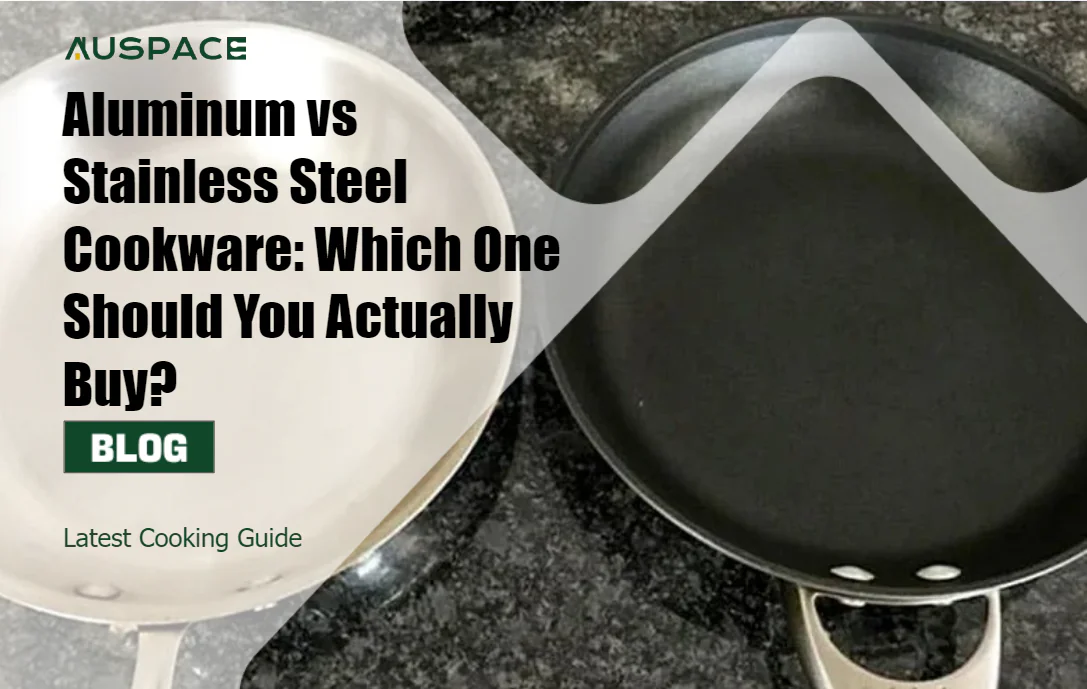
4. Aluminium or Stainless Steel: Which Sustainable Option Is Better?
4.1 Environmental Impact of Aluminium and Stainless Steel Utensils
When it comes to choosing between aluminium and stainless steel high quality kitchen utensils, it’s important to consider their environmental impact. Aluminium is a lightweight and abundant metal that is widely used in the manufacturing of high quality kitchen utensils. However, the production of aluminium requires a significant amount of energy, which can have a negative impact on the environment. Additionally, aluminium is not as recyclable as stainless steel, and a large portion of aluminium utensils end up in landfills.
On the other hand, stainless steel is a highly recyclable material that is made from a combination of iron, chromium, and nickel. The production of stainless steel requires less energy than the production of aluminium, making it a more sustainable option. Stainless – steel utensils are also more durable than aluminium utensils, which means they can last longer and need to be replaced less frequently. This reduces the overall amount of waste generated by the kitchen utensil industry.
When shopping for high quality kitchen utensils, look for products that are made from recycled stainless steel. These products not only have a lower environmental impact but also help to support the circular economy. Additionally, choose stainless – steel utensils that are designed to be long – lasting and easy to repair. This will help to reduce the amount of waste generated by the kitchen utensil industry and ensure that your utensils are a sustainable investment.
4.2 Functionality Comparison between Aluminium and Stainless Steel
In addition to their environmental impact, it’s also important to consider the functionality of aluminium and stainless steel high quality kitchen utensils. Aluminium utensils are lightweight and heat up quickly, making them a popular choice for cooking tasks that require rapid heat transfer, such as stir frying and sautéing. However, aluminium is a soft metal and can be easily scratched or dented, which can affect its performance and lifespan.
Stainless steel utensils, on the other hand, are more durable and resistant to scratching and denting. They are also a better conductor of heat than aluminium, which means they can distribute heat more evenly across the cooking surface. This makes stainless steel utensils ideal for cooking tasks that require precise temperature control, such as baking and simmering.
Another advantage of stainless steel utensils is that they are non reactive, which means they won’t interact with acidic or alkaline foods. This makes them a great choice for cooking a variety of foods, including tomatoes, citrus fruits, and vinegar based sauces. Aluminium utensils, on the other hand, can react with acidic foods, which can cause them to discolor and may also affect the taste of the food.
When choosing between aluminium and stainless steel high quality kitchen utensils, it’s important to consider your specific cooking needs and preferences. If you’re looking for a lightweight and affordable option for quick cooking tasks, aluminium utensils may be a good choice. However, if you’re looking for a more durable and versatile option that can handle a variety of cooking methods, stainless steel utensils are the way to go.
5. What Are the Non – Sustainable Utensils to Avoid in the Kitchen?
5.1 Utensils with Harmful Environmental and Health Effects
When it comes to high quality kitchen utensils, it’s important to be aware of the non sustainable options that can have harmful environmental and health effects. One of the most common non sustainable utensils is single use plastic utensils. These utensils are typically made from petroleum based plastics, which are non renewable resources. Additionally, single – use plastic utensils are often discarded after a single use, which contributes to the growing problem of plastic pollution. When plastic utensils end up in landfills or oceans, they can take hundreds of years to decompose, causing harm to wildlife and the environment.
Another non sustainable utensil to avoid is non stick cookware with a PFOA based coating. PFOA, or perfluorooctanoic acid, is a chemical that has been linked to a variety of health problems, including cancer, hormone disruption, and developmental issues. When non stick cookware with a PFOA based coating is heated above a certain temperature, it can release toxic fumes into the air, which can be harmful to your health. Additionally, when these coatings start to wear off, they can end up in your food, further increasing your exposure to these harmful chemicals.
Cheap, poorly made aluminium utensils are also a non sustainable option to avoid. These utensils are often made from low quality aluminium that can leach into your food during cooking. Aluminium has been linked to a variety of health problems, including Alzheimer’s disease, kidney problems, and osteoporosis. Additionally, cheap aluminium utensils are often not durable and need to be replaced frequently, which contributes to waste and environmental pollution.
5.2 Why These Utensils Are Not Recommended
There are several reasons why these non sustainable high quality kitchen utensils are not recommended. First and foremost, they have a negative impact on the environment. Single – use plastic utensils and non stick cookware with a PFOA based coating contribute to plastic pollution and toxic waste, respectively. Additionally, the production of these utensils often requires a significant amount of energy and resources, which further depletes the planet’s natural resources.
Secondly, these utensils can have harmful effects on your health. Non stick cookware with a PFOA based coating can release toxic fumes into the air, and cheap aluminium utensils can leach harmful substances into your food. These substances can accumulate in your body over time and cause a variety of health problems.
Finally, non sustainable high quality kitchen utensilsare often not durable and need to be replaced frequently. This not only contributes to waste and environmental pollution but also costs you money in the long run. By choosing sustainable high quality kitchen utensils, you can reduce your environmental impact, protect your health, and save money in the long run.

6. Where Can You Wholesale High Quality Sustainable Kitchen Utensils?
6.1 Reputable Wholesale Suppliers for Sustainable Utensils
When it comes to sourcing high quality sustainable kitchen utensils wholesale, several platforms and regions stand out. Alibaba is a global giant in the B2B market. It hosts numerous suppliers from China, which is a major manufacturing hub for kitchenware. Here, you can find a vast range of sustainable options. For instance, there are suppliers offering bamboo utensils made from organically grown bamboo. These bamboo high quality kitchen utensils are not only eco friendly but also meet international quality standards. Some suppliers on Alibaba even provide custom made bamboo products, allowing you to add your brand’s logo or unique design elements.
Another reliable option is Global Sources. This platform focuses on connecting buyers with high end suppliers. It has a strict screening process, ensuring that the listed companies adhere to quality and ethical standards. When searching for sustainable high quality kitchen utensils, you can find stainless steel cookware made from recycled materials. These stainless steel utensils often come with features like triple ply construction for better heat distribution, making them some of the best stainless steel utensils in the market.
For those interested in European – made products, B2B platforms like Europages are excellent resources. European suppliers are known for their craftsmanship and strict environmental regulations. You can discover cast iron cookware made in small, family run foundries. These cast iron high quality kitchen utensils are often hand finished and have a long lasting enamel coating, making them a great addition to any kitchenware collection.
In the United States, platforms like Thomasnet can help you find domestic suppliers of sustainable kitchen utensils. This is beneficial if you want to reduce shipping times and support local businesses. American suppliers might offer unique products such as locally sourced wooden utensils, crafted from sustainably harvested trees. These wooden high quality kitchen utensils add a touch of rustic charm while being an eco friendly choice.
6.2 Tips for Choosing the Right Wholesale Partner
Selecting the right wholesale partner for high quality sustainable kitchen utensils is crucial for the success of your business. First and foremost, reputation matters. Check online reviews and testimonials from other buyers. A supplier with a high number of positive reviews is more likely to provide good quality products and reliable service. For example, if a supplier has consistently received praise for their prompt shipping and accurate order fulfillment, it’s a good sign. You can also ask for references directly from the supplier and contact their existing customers to get an in depth understanding of their business practices.
Secondly, consider the supplier’s production capacity. If you plan to scale your business in the future or have large volume orders, ensure that the supplier can meet your demands. A supplier with limited production capabilities may struggle to keep up with sudden increases in order quantity, leading to delays and dissatisfied customers. Ask about their production facilities, the number of workers, and their average monthly output.
The supplier’s commitment to sustainability is another key factor. Look for suppliers who use eco – friendly manufacturing processes, such as using renewable energy sources in their factories or implementing water – saving measures. Additionally, check if they source materials sustainably. For high quality kitchen utensils, this could mean using recycled stainless steel or bamboo from well managed forests.
Finally, communication is essential. A good wholesale partner should be easy to reach and responsive to your inquiries. They should be able to provide detailed product information, answer any questions you have about the manufacturing process, and offer assistance with shipping and logistics. A supplier that values communication will make the entire purchasing process smoother and more efficient.

7. How to Ensure the Quality of Sustainable Kitchen Utensils When Buying Wholesale?
7.1 Quality Inspection Methods for Sustainable Utensils
When purchasing high quality sustainable kitchen utensils wholesale, quality inspection is a vital step. One of the first methods is visual inspection. Examine the utensils carefully for any visible defects such as cracks, dents, or uneven surfaces. For example, when inspecting bamboo utensils, look for splits in the bamboo or rough edges that could cause injury. In the case of stainless steel utensils, check for scratches or discoloration, as these could indicate poor quality or potential durability issues.
Material testing is also crucial. For sustainable materials like recycled stainless steel, you can use a simple magnet test. Stainless steel that contains a significant amount of iron will be magnetic, but high quality stainless steel utensils should have a balanced composition. If a stainless steel pan is too magnetic, it might not have the right alloy mix, which could affect its performance, such as heat distribution. For bamboo utensils, check for signs of mold or insect damage, as these can compromise the integrity of the material.
Functionality testing is another important aspect. If you’re buying cooking utensils like pots and pans, test their handles to ensure they are securely attached and won’t come loose during use. For utensils with moving parts, such as can openers or garlic presses, check that the mechanisms work smoothly. Additionally, if you’re purchasing non stick cookware, test the non – stick surface by cooking a small amount of food on it. The food should slide off easily without sticking, indicating a good quality non stick coating.
You can also request third party inspection reports from the supplier. Reputable suppliers will often have their products tested by independent laboratories to ensure they meet international quality standards. These reports can provide you with detailed information about the product’s safety, durability, and compliance with environmental regulations.
7.2 Long – Term Durability of Sustainable Kitchen Utensils
Ensuring the long term durability of high quality sustainable kitchen utensils is essential for both your business and your customers. For bamboo utensils, proper care instructions can significantly extend their lifespan. Advise your customers to hand wash bamboo utensils with mild soap and warm water, as using a dishwasher can cause the bamboo to warp or crack. Additionally, drying bamboo utensils thoroughly after use can prevent mold growth. If bamboo utensils are well – maintained, they can last for several years, providing a long term, eco friendly option for the kitchen.
Cast – iron utensils are known for their durability, but they also require proper care. Instruct your customers to season their cast iron cookware regularly. Seasoning creates a non stick surface and protects the iron from rust. They should also avoid soaking cast iron pans for long periods and dry them immediately after washing. With proper seasoning and care, a cast iron skillet can last for generations, making it one of the best quality kitchen utensils in terms of long term use.
Stainless steel utensils are generally very durable, but there are still steps to maintain their quality. Encourage your customers to avoid using abrasive cleaners, as these can scratch the surface and potentially affect the corrosion resistant properties of the stainless steel. Instead, a mild dish soap and a soft cloth are sufficient for cleaning. By following these simple maintenance tips, stainless steel high quality kitchen utensils can maintain their shine and functionality for many years.

When choosing sustainable kitchen utensils for wholesale, consider the long term durability of the products. Utensils that last longer not only provide better value for your customers but also contribute to a more sustainable lifestyle by reducing the need for frequent replacements.

Belle Xie es especialista en abastecimiento de menaje de cocina en Auspace Kitchenware, con años de experiencia en el abastecimiento mayorista de menaje de cocina. Trabaja en estrecha colaboración con fábricas chinas para ayudar a los compradores internacionales a orientarse en el mercado y garantizar menaje de cocina de calidad a gran escala. Con experiencia en consultoría comercial de menaje de cocina, ofrece orientación práctica sobre estrategias de abastecimiento, evaluación de proveedores y transparencia de costos. Sus conocimientos conectan a los mayoristas extranjeros con los centros de fabricación de China, lo que la convierte en una voz de confianza para el abastecimiento de menaje de cocina.