


Introducción
Starting a tumbler business can be an exciting and lucrative venture in today’s eco-conscious market. With the rising demand for customizable and reusable drinkware, becoming a tumbler wholesaler presents an excellent opportunity for entrepreneurs looking to capitalize on this trend. However, envisioning success requires a thorough understanding of the capital needed to launch and sustain your business. In this article, we’ll explore the initial costs involved, from inventory to marketing and operations, as well as provide practical budgeting tips to help you navigate the financial landscape of the tumbler market. Equipping yourself with this knowledge will empower you to make informed decisions that lay a solid foundation for your business.
What Are the Top Tumbler Designs to Watch for in 2026?
In the rapidly evolving world of consumer products, tumblers have established themselves as a staple in many households, and 2026 promises to bring exciting innovations and design trends to this popular item. As a tumbler wholesaler, it’s essential to stay ahead of the curve and understand what designs will appeal to consumers.
What Are the Top Tumbler Designs to Watch for in 2026?
1.1 Trends in Colors and Patterns for Tumblers
Color and pattern play a crucial role in consumer preferences for tumblers. In 2026, expect to see a shift towards softer, earthy tones that evoke a sense of connection to nature. Shades like terracotta, sage green, and muted blues are gaining popularity as consumers increasingly focus on sustainability and environmental consciousness. These colors not only appeal to the aesthetic sensibilities of buyers but also align with a growing trend toward eco-friendly products.
In addition to color, patterns are expected to embrace minimalism with geometric designs, organic shapes, and abstract art. Customization options will also take center stage, allowing consumers to personalize tumblers with their names, favorite quotes, or custom graphics. This trend toward personalization is a significant draw for young consumers, particularly millennials and Gen Z, who value individuality in their purchases.
The rise of social media platforms has inadvertently influenced design trends. As tumblers become popular social media props, designs that look good on camera—such as those featuring iridescent or holographic finishes—are likely to see increased demand. Furthermore, “throwback” themes are making a comeback, with retro patterns reminiscent of the 90s appealing to nostalgia-driven consumers.
As a tumbler wholesaler, keeping an eye on these color and pattern trends will help you curate a collection that resonates with customers. Offering a diverse range tailored to the prevailing preferences can make your products stand out in a competitive marketplace. Collaborating with designers who understand these trends can also provide an edge in creating fashionable and desirable products in bulk insulated tumblers.
In summary, by aligning your inventory with these emerging color and pattern trends, you can effectively position yourself in the market for tumblers. Consider working closely with suppliers to bring these designs to life and stay ahead of competitors.
1.2 Innovative Features: What’s New in Tumbler Design?
Alongside aesthetic trends, innovation in functionality and design is equally critical in the tumbler market. As a tumbler wholesaler, understanding the latest innovations can significantly influence your purchasing decisions and marketing strategies.
One notable advancement is the integration of smart technology into tumbler designs. For instance, smart tumblers equipped with temperature control technology allow users to maintain their beverage at the desired temperature for longer periods. Some models even come with built-in sensors that notify users when their drink reaches a specified temperature, catering to coffee enthusiasts who appreciate the ideal drinking temperature.
Another innovative feature is improved insulation technology. The latest wholesale insulated tumblers utilize vacuum insulation techniques that enhance the capability of keeping beverages hot or cold for extended hours. Some brands are exploring the use of advanced materials that further enhance insulation efficiency while reducing weight, making tumblers more convenient for on-the-go lifestyles.
Additionally, sustainability remains a focal point in innovations. Manufacturers are increasingly producing tumblers from recycled materials, which appeals to environmentally conscious consumers. This shift not only helps reduce the ecological footprint but also allows brands to market their products as eco-friendly, which resonates well with a large segment of today’s market.
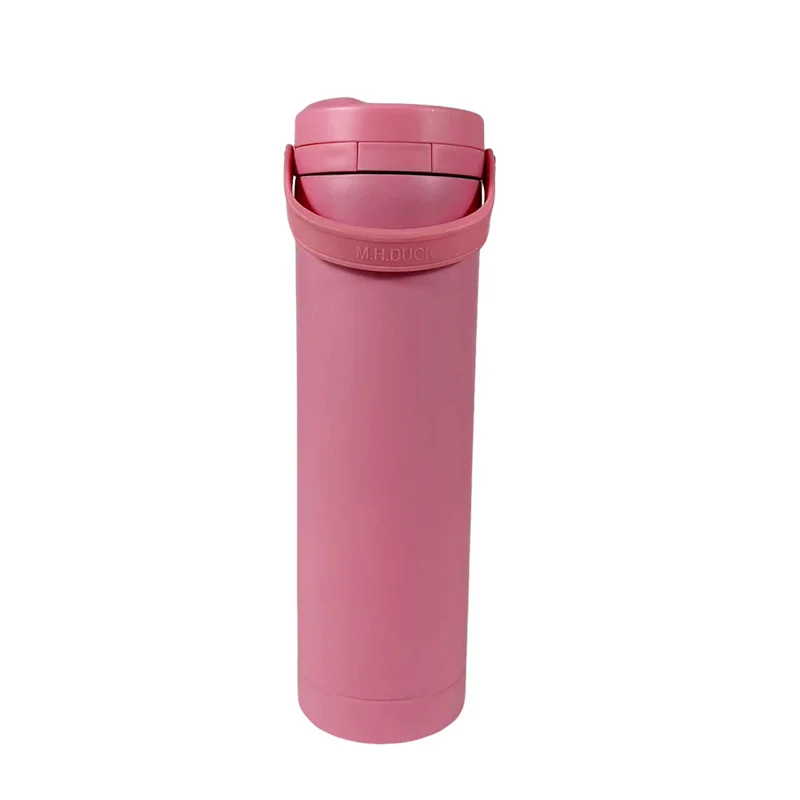
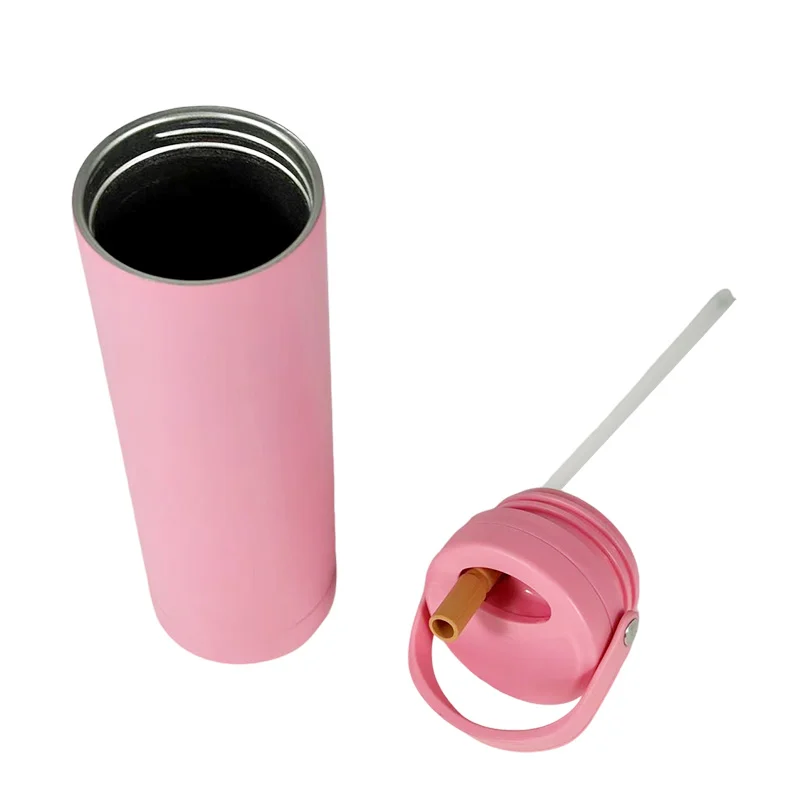
Furthermore, customizable features are becoming standard. Many manufacturers are now offering tumblers with interchangeable lids, straws, and grips, allowing consumers to personalize their drinking experience. This versatility not only attracts consumers looking for user-friendly options but also opens new avenues for marketing your collection.
In conclusion, staying informed about these innovative features will enable you as a tumbler wholesaler to offer compelling products that align with consumer needs. Investing in stainless tumblers in bulk with state-of-the-art insulation and smart features will not only enhance your inventory but also position your products as desirable items in an increasingly competitive market.
How to Find the Best Tumbler Wholesalers?
Identifying reliable tumbler wholesalers is vital for businesses looking to stock quality products and establish a seamless supply chain. With the marketplace flooded with options, understanding how to differentiate the right suppliers can greatly enhance your business outcomes.
2.1 Key Factors to Consider When Choosing a Wholesaler
When evaluating potential tumbler wholesalers, various factors come into play that can influence your decision. First and foremost, it’s essential to assess the quality of the products they offer. Look for wholesalers who provide detailed product specifications and sample products for evaluation. High-quality tumblers must possess durability and effective insulation features, as these traits significantly impact customer satisfaction and repeat purchases.
Next, consider the wholesaler’s reputation in the industry. Reviews, testimonials, and case studies can provide insights into the reliability and service quality of potential suppliers. A reputable wholesaler should have a solid track record of timely deliveries, good customer service, and responsive communication. Engaging in discussions with existing customers can provide firsthand insights into what you can expect.
Another critical factor is pricing structure. While it’s tempting to choose the cheapest option, it’s essential to balance cost with quality. Ensure that the price aligns with the quality of the products you are receiving. Bulk purchase discounts can greatly enhance profit margins, so inquire about pricing tiers based on order volume.
Finally, assess the wholesaler’s capabilities in terms of customization. If you’re aiming to offer unique designs or features in your tumbler collection, choose wholesalers willing to collaborate on custom orders. This flexibility can be a significant advantage, enabling you to differentiate your product line in a crowded marketplace.
In summary, taking the time to thoroughly evaluate potential tumbler wholesalers based on quality, reputation, pricing, and customization options will profoundly impact your business’s success.
2.2 Online vs. Local Suppliers: Which is Right for You?
Choosing between online and local tumbler suppliers involves weighing the pros and cons of each option based on your business needs. Each approach has unique benefits that can significantly affect your supply chain strategy.
Online suppliers often offer a broader range of products and designs, making it easier for wholesalers to find unique items that stand out in the market. The convenience of browsing extensive catalogs, accessing reviews from other customers, and comparing prices across different suppliers is a significant advantage. Moreover, online suppliers often provide competitive pricing due to their larger operational scale, allowing businesses to purchase tumblers in bulk at lower costs.
However, relying solely on online suppliers comes with challenges. The lack of physical inspection means businesses must depend on the accuracy of product descriptions and images, which can sometimes be misleading. Thus, establishing trust in an online supplier’s credibility is crucial. Look for suppliers who provide clear return policies and guarantees on their products to mitigate risks.
Conversely, local suppliers offer distinct advantages, particularly in terms of building relationships and timely communication. Meeting suppliers face-to-face can lead to more personalized service and streamline order processes. Additionally, local suppliers usually have shorter turnaround times for deliveries, which can be a competitive advantage if you need to restock quickly due to high demand.
Another factor to consider is supporting local businesses. Many consumers today prefer to purchase from brands that demonstrate a commitment to their local economies. Partnering with local suppliers also provides opportunities for collaboration on community events, enhancing brand visibility.
Ultimately, the choice between online and local suppliers depends on your business model, budget, and need for product variety. Consider incorporating a hybrid model to leverage the strengths of both online and local suppliers. This approach can give you the agility and flexibility to adapt to market changes while also ensuring you secure the best products available.
In conclusion, evaluating the pros and cons of online versus local tumbler wholesalers will empower you to make informed decisions that can enhance your inventory and meet customer expectations effectively. By strategically sourcing from the right suppliers, you strengthen your position in the competitive tumbler market.

Are Stainless Steel Tumblers More Profitable Than Plastic Options?
As the tumbler market continues to expand, many businesses are faced with the decision of whether to focus their offerings on stainless steel tumblers or plastic alternatives. This choice can significantly impact profit margins, customer satisfaction, and brand reputation. As a tumbler wholesaler, a thorough understanding of both options can guide your inventory decisions and profit strategies.
3.1 Cost Analysis: Stainless Steel vs. Plastic Tumblers
When comparing stainless steel tumblers to plastic options, examining the cost structure is essential to understand potential profitability. Initially, stainless steel tumblers typically come with a higher upfront cost compared to plastic tumblers. This is due to the materials and manufacturing processes that involve more robust techniques, such as welded seams and advanced insulation technologies, particularly in bulk insulated tumblers.
However, it’s crucial to consider the long-term benefits associated with stainless steel. Stainless tumblers are durable, resistant to wear, and can withstand extreme temperatures, leading to a longer lifespan than plastic counterparts. This durability often results in lower replacement rates, which can diminish overall lifecycle costs for businesses purchasing wholesale insulated tumblers. Additionally, consumers are increasingly valuing sustainability, preferring products that are reusable and environmentally friendly. Therefore, while the initial investment is higher, the potential for higher sales prices over time can render stainless steel tumblers more profitable.
On the other hand, plastic tumblers are generally less expensive, allowing for higher margins on lower-priced items. They are lightweight, making them more suitable for casual use or events. However, their marketability can wane due to rising consumer awareness surrounding environmental issues related to disposable plastic products. Consequently, many businesses may find it challenging to maintain a competitive edge in a market that is increasingly gravitating toward sustainability.
Moreover, consider consumer preferences during your analysis. As more customers opt for eco-conscious products, promoting stainless steel tumblers can attract a niche market willing to pay more for quality and sustainability. By positioning your offerings as premium wholesale tumbler cups, you tap into a segment that values both durability and design, resulting in potentially greater profitability.
In conclusion, while stainless steel tumblers may require a more significant upfront investment compared to plastic options, their longevity, growing consumer preference for sustainability, and premium pricing potential often make them the more profitable choice for tumbler wholesalers in today’s market.
3.2 Consumer Preferences: Understanding Market Demand
Understanding consumer preferences is crucial for tumbler wholesalers aiming to align their products with market trends. Over recent years, consumers have become increasingly educated about the materials used in their products, leading to distinct shifts in purchasing behavior.
Today’s consumers place a high priority on sustainability and environmental impact. As a result, stainless steel tumblers have gained popularity not only for their performance but also for their perceived eco-friendliness. By opting for stainless steel, consumers appreciate reducing their reliance on single-use plastics, pushing brands to feature eco-conscious products prominently in their marketing strategies. This trend has made stainless steel an attractive option not only for individual buyers but also for businesses looking to sell stainless tumblers in bulk.
Furthermore, the aesthetics and functionality of tumblers are shaping consumer preferences significantly. In 2026, there is a growing demand for stylish designs that also offer high utility. Consumers love products that can keep their drinks hot or cold for extended periods. As a tumbler wholesaler, stocking products that combine cutting-edge insulation technology with appealing designs can help cater to this market demand. Offering customizable options may also engage consumers looking for unique or personalized products, enhancing their purchase experience.
When conducting market research, consider segments such as outdoor enthusiasts, fitness lovers, and office-goers, each of whom has different preferences. For instance, outdoor enthusiasts might prioritize durability and convenience, while office workers may focus more on aesthetics and portability. Tailoring your product selections and marketing messages to these diverse consumer segments can significantly enhance your sales strategy.
Additionally, leveraging social media marketing has proven tremendously effective in reaching younger audiences who are often influencers when it comes to shaping market trends. Engaging in influencer partnerships and utilizing platforms to showcase tumblers can drive demand and increase brand visibility among targeted demographics.
In summary, understanding and adapting to consumer preferences is critical for tumbler wholesalers looking to succeed in a competitive market. By focusing on sustainability, design, and targeted marketing, you can align your inventory with what consumers want, ultimately driving profitability and market presence.

How to Import Tumblers from China: A Step-by-Step Guide?
Importing tumblers from China can be a highly profitable endeavor for businesses, particularly for those engaged in wholesale. However, it requires a clear understanding of the processes involved to ensure smooth transactions and compliance with regulations.
4.1 Understanding Import Regulations and Duties
Before embarking on importing tumblers, it’s imperative to familiarize yourself with the relevant import regulations and duties that could affect your business. Regulations vary by country, and adhering to them is critical to avoid fines and ensure a timely delivery of your products.
In the United States, for example, the Customs and Border Protection (CBP) agency governs imports, and businesses must comply with specific entry requirements. Generally, import duties for tumblers depend on their material composition. Stainless steel tumblers, for instance, might fall under a different tariff category than plastic ones. Therefore, it’s advisable to classify your products correctly based on their materials and ensure compliance with all associated duties.
Moreover, conducting due diligence on the Chinese manufacturer is crucial. Verify that they comply with international safety and quality standards. Many countries require certifications, such as FDA approval for food-grade products, which is particularly relevant for tumblers. Ensure that your suppliers provide documented proof of compliance to mitigate risks during the importation process.
Keeping abreast of changes in trade policies, tariffs, and regulations is also critical, especially amidst shifting geopolitical landscapes, which can influence import costs. Working with a freight forwarder or customs broker experienced in your industry can provide necessary guidance, ensuring that the entire import process runs smoothly.
In summary, understanding import regulations and duties is a vital first step for tumbler wholesalers looking to import products from China. Diligence in compliance can safeguard your investments and streamline your import operations.
4.2 Finding Reliable Manufacturers in China
Finding reliable manufacturers in China is a critical component of the importing process for tumblers. The right partner can significantly impact your product quality, pricing, and shipping timelines, thereby affecting your bottom line.
A good starting point is to leverage platforms such as Alibaba, Global Sources, or Made-in-China, which connect international buyers with Chinese suppliers. These platforms allow you to browse a wide range of options, compare prices, and read reviews from previous customers. However, due diligence is necessary to ensure the legitimacy and quality of the manufacturers you consider.
Requesting samples is a crucial step in your selection process. A reputable manufacturer will be willing to provide samples of their products for evaluation. This allows you to assess the quality, design, and functionality of the tumblers before committing to a bulk order. It’s also an opportunity to scrutinize their packaging and branding, which are essential factors for your sales strategy.
Another effective way to identify reliable manufacturers is through trade shows. Attending events like the Canton Fair provides firsthand exposure to suppliers, enabling you to establish relationships and negotiate terms in person. This face-to-face interaction often builds trust and can lead to more favorable dealings as you establish long-term partnerships.
Consider utilizing third-party inspection services to verify the quality of your products before shipment. This step helps mitigate risks associated with product conformity and packaging standards, ensuring that what you receive aligns with what was promised.
In conclusion, finding reliable manufacturers in China requires careful research, effective use of technology, and establishing direct relationships. By prioritizing quality and compliance, tumbler wholesalers can successfully navigate the importing process and build a robust supply chain that supports their business goals.

How to Verify the Quality of Your Tumbler Manufacturer?
In the competitive world of tumbler distribution, ensuring that your manufacturer meets high-quality standards is critical for maintaining your business reputation and customer satisfaction. As a tumbler wholesaler, the relationship with your manufacturer can significantly influence your product’s quality and, ultimately, your bottom line. Here, we will explore two essential ways to verify the quality of your tumbler manufacturer: conducting factory audits and requesting samples.
5.1 Conducting Factory Audits: What to Check?
Conducting a factory audit is a fundamental step in verifying the quality of a tumbler manufacturer. An on-site audit allows you to assess the production capabilities, processes, and overall environment of the factory. Here are key aspects to focus on during your audit:
Facility Conditions: The cleanliness and organization of the factory speak volumes about the manufacturer’s compliance with quality standards. Properly maintained equipment and a tidy working environment reduce risks related to production defects.
Quality Control Processes: Evaluate the manufacturer’s quality control (QC) measures. Examine whether they have a dedicated QA team and how they monitor production standards. Investigate if they conduct regular inspections and what protocols are in place for handling defects.
Production Capacity and Capabilities: Assess the capacity of the factory to meet your demands for tumblers in bulk. Understand their production methods, including the technology used for manufacturing bulk insulated tumblers. Knowledge of their output capabilities ensures they can deliver your orders on time without compromising quality.
Material Sourcing: Inquire about the materials used in production. The quality of raw materials directly affects the durability and functionality of the final products, particularly for wholesale insulated tumblers. Ensure they source materials responsibly and adhere to industry standards.
Certifications and Compliance: Verify whether the manufacturer holds relevant certifications, such as ISO, FDA, or BSCI, which indicate adherence to quality and safety standards. These certifications can not only assure you of their manufacturing practices but also add credibility to your brand when marketing to your customers.
By conducting a thorough factory audit, you can gain valuable insights into the manufacturer’s operations. This process not only mitigates risks associated with poor quality but also fosters a transparent relationship between you and your supplier, ensuring that the wholesale tumbler cups you offer to your customers meet expectations.
5.2 Requesting Samples: How to Assess Quality Effectively
Requesting product samples is a vital step in evaluating the quality of tumblers from a prospective manufacturer. This step allows you to inspect the final product before committing to a bulk order. Here’s how to effectively assess sample quality:
Material Evaluation: Assess the material used for the tumblers. For stainless steel options, check for rust resistance and insulative properties. Ensure that the material feels sturdy and consistent throughout. If plastic is used, confirm that it meets food safety standards and is free from harmful chemicals (like BPA).
Design and Functionality: Test the design elements of the tumbler, such as the lid fit, straw functionality, and overall aesthetic appeal. Check how well the tumbler performs in terms of maintaining temperatures for hot or cold beverages and use during daily activities. A tumbler that spills or fails to insulate will not meet market demands.
Durability Testing: Conduct drop tests and scratch tests to examine the durability of the tumblers. A high-quality tumbler should withstand wear and tear, particularly for those aimed at the outdoor market or everyday use. Evaluate the finishing—look for sharp edges, inconsistent seams, or irregular finishes that could indicate poor craftsmanship.
Product Packaging: Consider the packaging quality as well. Well-packaged products not only protect the tumblers during shipping but also enhance your brand presentation. Evaluate whether the samples arrive intact and whether the packaging aligns with your branding and market positioning.
Feedback Evaluation: After assessing the physical attributes, gather feedback from potential customers or focus groups. Their opinions can guide your decision and highlight preferences that align with your target demographics.
By thoroughly evaluating samples, you ensure that you partner with a manufacturer who provides high-quality products that will resonate with your customers. As a tumbler wholesaler, this quality verification process is integral to protecting your brand reputation and ultimately driving sales.

Sustainability in the Tumbler Industry: How to Make Your Business Eco-Friendly?
Sustainability is more than just a buzzword; it has become a crucial factor influencing consumer buying decisions, especially in the tumbler industry. As a tumbler wholesaler, adopting eco-friendly practices can help differentiate your business and appeal to environmentally conscious consumers. Here’s how to make your business more sustainable through sourcing and branding.
6.1 Sourcing Sustainable Materials for Tumblers
The first step towards building a sustainable tumbler business is sourcing materials that minimize environmental impact. Here are various sustainable options to consider:
Recycled Materials: Consider using recycled stainless steel or recycled plastics for your tumblers. This reduces waste and promotes a circular economy, appealing to consumers who are environmentally aware.
Biodegradable Alternatives: Research biodegradable plastics or plant-based materials that can be used in tumbler production. These options reduce landfill contributions and demonstrate a commitment to eco-friendly practices.
Production Processes: Engage with manufacturers who prioritize sustainable production practices, such as reducing energy consumption, minimizing water usage, and implementing waste-reduction strategies. It’s vital that your supplier’s production aligns with environmental standards to position your brand as eco-conscious.
Certifications: Look for materials that come with sustainability certifications, such as FSC for wood-based products or organic certifications for plant materials. These elements can add credibility to your brand and assure customers of your commitment to sustainability.
Beyond Materials: Consider packaging solutions that are eco-friendly, such as recycled or biodegradable packaging. An environmentally responsible approach to packaging will enhance your overall sustainability strategy.
By prioritizing sustainable materials, you signal to consumers that your brand is dedicated to making a positive environmental impact, thus enhancing your appeal in the marketplace.
6.2 Branding Your Tumbler Business with a Green Ethos
Once you’ve established sustainable practices in your sourcing, the next step is to effectively communicate these values through branding. Here are strategies to shape a green ethos for your tumbler business:
Storytelling: Share your sustainability journey with customers. Highlight how your tumblers are made, the materials used, and the eco-friendly practices your business follows. Authentic storytelling can resonate powerfully with consumers seeking brands that align with their values.
Eco-Friendly Messaging: Utilize eco-friendly language in your marketing materials. Phrases such as “sustainable materials,” “recyclable packaging,” and “responsibly sourced” should feature prominently in your messaging. Ensure your digital presence reflects this commitment—emphasize sustainability on your website and social media platforms.
Certifications and Transparency: Display certifications prominently on your website and product packaging to demonstrate product integrity and your commitment to sustainability. Transparency builds trust with consumers, encouraging them to choose your brand over less environmentally conscious competitors.
Community Engagement: Consider participating in environmentally focused events or partnerships that align with your business ethos. Hosting workshops on sustainability or collaborating with local environmental groups can establish your brand as a thought leader in eco-friendly practices.
Customer Involvement: Engage your customers in your sustainability journey. Implement programs such as recycling initiatives or rewards for returning used tumblers. This not only fosters customer loyalty but also creates a community that feels actively involved in the sustainability process.
By developing a strong green branding strategy, you enhance your business’s appeal and position your tumblers as a responsible choice in the eyes of eco-conscious consumers. As a tumbler wholesaler, a commitment to sustainability can be a significant differentiator, driving sales and customer loyalty in a competitive market.
What Capital Do You Need to Start a Tumbler Business?
Starting a tumbler business can be a rewarding venture, especially given the growing demand for customizable and reusable drinkware. However, as with any business, it is essential to understand the capital required to get started. This guide will help you navigate the initial costs and provide budgeting tips tailored for new entrepreneurs in the tumbler market. By setting a sound financial foundation, you can position yourself as a successful tumbler wholesaler.
7.1 Initial Costs: Inventory, Marketing, and Operations
When launching your tumbler business, understanding the initial costs is crucial for effective financial planning. Here are the primary areas you need to consider:
Inventory Costs: The first and most significant expense will be your inventory. Depending on your business model, you might choose to purchase tumblers in bulk from suppliers or invest in manufacturing your own. When sourcing from a wholesaler, consider various factors including minimum order quantities, the type of tumblers you wish to sell (e.g., bulk insulated tumblers or customized options), and variations in design and materials. Expect to set aside a substantial portion of your startup capital—anywhere from $5,000 to $20,000—just for initial inventory, depending on the size of your operation.
Marketing Expenses: Building brand awareness is vital in establishing your tumbler business. Your marketing budget will cover everything from digital marketing campaigns (such as social media ads, email marketing, and SEO) to offline strategies (like trade shows and local events). Allocating around 20-30% of your startup budget to marketing is a good rule of thumb. Don’t underestimate the power of content marketing—creating engaging blogs and videos showcasing your wholesale insulated tumblers can drive organic traffic to your business.
Operational Costs: These include the day-to-day expenses to run your business, such as shipping, warehousing, labor costs (if applicable), and overhead costs like utilities and internet access. Depending on your operation model (e.g., dropshipping versus holding inventory), your operational expenses may vary. Consider budgeting an initial amount between $1,000 and $5,000 for these costs, which may fluctuate based on the scale of your operations.
Website and E-commerce Setup: In today’s digital marketplace, a professional, user-friendly website is critical. Your website will serve as your storefront, where customers can browse and order wholesale tumbler cups. Depending on whether you hire a web developer or use a DIY platform, website costs can range from $500 to $5,000. Ensure that your site can handle e-commerce transactions and is optimized for search engines.
Legal and Administrative Costs: Don’t forget to factor in expenses like business registration, licenses, and insurance. Depending on your jurisdiction, these might cost anywhere from a few hundred to several thousand dollars. It is wise to consult with a legal expert to ensure you meet all regulatory requirements.
Overall, understanding these initial costs will help you refine your financial strategy as you embark on your tumbler business journey.
7.2 Budgeting Tips for New Entrepreneurs in the Tumbler Market
Effective budgeting is a cornerstone of business success, particularly for new entrepreneurs in the competitive tumbler market. Here are practical budgeting tips that can help you manage your finances and allocate resources wisely:
Create a Detailed Business Plan: Begin with a comprehensive business plan that outlines your goals, target market, pricing strategies, and financial forecasts. This plan should include projected sales and expenses, which will guide your budgeting process. A clear roadmap will enable you to anticipate cash flow needs and adjust your budget accordingly.
Distinguish Between Fixed and Variable Costs: Understand the difference between fixed costs (like rent and salaries) and variable costs (like materials and shipping). This distinction will help you identify areas where you can cut costs if necessary. Fixed costs should be minimized where possible to improve your financial flexibility.
Set Aside Emergency Funds: Businesses often face unexpected challenges. Having at least three to six months’ worth of operating expenses saved can provide a cushion during lean periods. This buffer will help you manage fluctuations in sales, especially in the initial phases when demand can be unpredictable.
Monitor Cash Flow Regularly: Implement a system for tracking income and expenses on a monthly basis. Free tools like Excel or accounting software can assist in monitoring your cash flow. Being proactive will allow you to identify potential financial issues early and make timely adjustments to your budget.
Negotiate with Suppliers: As a tumbler wholesaler, building strong relationships with suppliers is crucial. Don’t hesitate to negotiate terms, such as payment plans or bulk discounts, especially if you plan to purchase stainless tumblers in bulk. This can substantially lower your startup and operational costs.
Invest Wisely in Marketing: While it’s essential to promote your brand, investing wisely in marketing is crucial. Start with low-cost marketing strategies like social media and community engagement before allocating larger sums to paid advertising. As you grow, analyze which channels yield the best return on investment and adjust your marketing budget accordingly.
Stay Flexible: Maintain flexibility in your budget to adapt to changing market conditions or seize unexpected opportunities. Regularly reviewing and adjusting your budget will ensure that your financial plan remains aligned with your business goals.
By adhering to these budgeting tips, new entrepreneurs in the tumbler market can adeptly navigate financial challenges and position their business for long-term success. With careful planning and resource allocation, your tumbler business can thrive in a competitive landscape, contributing to your values as a responsible tumbler wholesaler.
Conclusión
In conclusion, starting a tumbler business requires careful consideration of the capital needed for various critical components, including inventory, marketing, and daily operations. By adhering to a well-structured budget and leveraging available resources, new entrepreneurs can position themselves for success in the competitive tumbler market. Whether you aim to source bulk insulated tumblers or offer unique designs for wholesale tumbler cups, understanding your financial landscape is fundamental. If you’re ready to take the next step in your tumbler venture or need further assistance regarding your business strategy, don’t hesitate to contact us. Let’s work together to turn your business aspirations into reality!

Lola Zhang es especialista en abastecimiento y mercado de menaje de cocina en Auspace Kitchenware, con años de experiencia en el abastecimiento mayorista de menaje de cocina en China. Ayuda a los compradores a identificar los productos de tendencia, optimizar las compras y gestionar los problemas posteriores a la compra. Con una amplia experiencia en el sector, ofrece consejos sobre cómo adaptarse al mercado y facilitar el abastecimiento. Su experiencia conecta a los compradores con fabricantes chinos de confianza, lo que la convierte en una socia fiable para el abastecimiento eficiente de menaje de cocina.