


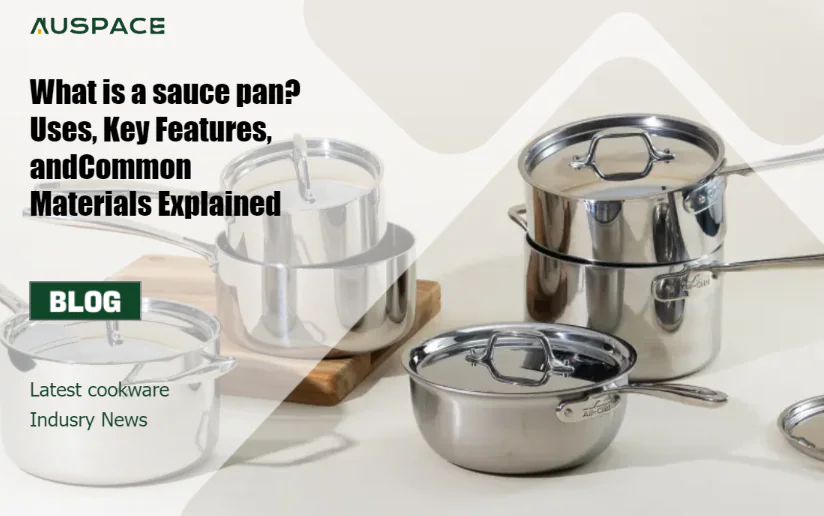
Whether you’re asking “What is a saucepan?” as you boil eggs for breakfast, make a quick pasta sauce for dinner, or reheat soup, you’re using one of the kitchen’s most essential tools. This deep, single-handled cooking vessel is a quiet workhorse in kitchens worldwide. While it may seem simple, its specific design is a masterclass in form meeting function, making it indispensable for both novice cooks and professional chefs..
Perhaps you’ve never given that deep pot with a long handle in your kitchen a second glance, but it is the silent bridge connecting raw ingredients to delicious meals. From a simple bowl of oatmeal to a complex reduction sauce, countless classic flavors are born in this pot. Yet, with the overwhelming array of materials, sizes, and brands on the market, choosing the “right” saucepan can be a common point of confusion. Should you invest in an expensive copper piece, or is clad stainless steel the smarter choice? How do the needs of a home kitchen differ from those of a professional chef?
Understanding what makes a saucepan unique, how to choose the right one, and how to use it properly can transform your everyday cooking. This guide will provide a comprehensive look at this essential piece of cookware.
1. What is a Saucepan?
A сотейник is defined as a deep, round cooking pot with relatively vertical sides, a flat bottom, and a single long handle. It almost always comes with a tight-fitting lid. Its primary design objective is to contain liquids effectively, preventing spills and allowing for controlled evaporation during tasks like simmering and reducing sauces.
Unlike wider, shallower pans, a saucepan’s height is greater than its width. This shape makes it the optimal tool for small to medium-batch, liquid-centric cooking. Capacities typically range from 1 quart (suitable for melting butter or heating milk) to 4 quarts (ideal for cooking pasta for a family). Larger versions, sometimes called saucepots, may have two looped handles instead of one.This distinction is important: a true saucepot (often 5 quarts and above) is designed for larger volumes and prolonged simmering, typically featuring two short, looped handles for safer two-handed lifting when heavy. While the terms are sometimes used interchangeably, recognizing this difference helps in selecting the correct tool for your specific task volume.
2. Key Features and Design
The saucepan’s functionality stems from several interconnected design features:
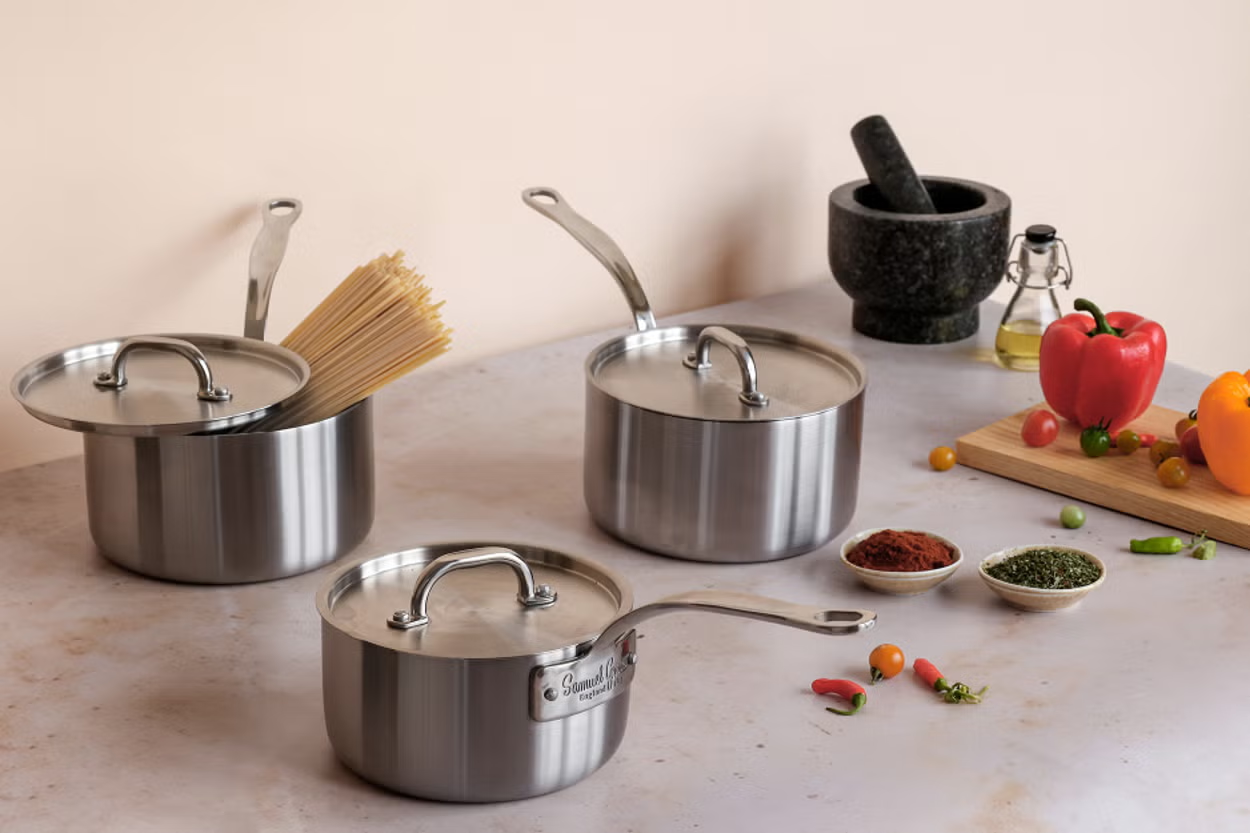
- High, Vertical Sidewalls: This is its cornerstone feature. The tall sides maximize volume, allowing you to safely heat a substantial quantity of liquid—like water for pasta or stock for soup—with minimal risk of boil-over.This geometry also creates a favorable environment for “reducing” sauces, where controlled evaporation is desired to concentrate flavors without the risk of burning at the edges.
- Single Long Handle: Designed for one-handed maneuverability and leverage, the handle provides control when pouring. High-quality saucepans feature handles with excellent heat resistance for safety.The handle’s attachment is also critical; look for sturdy, flush rivets that are easy to clean and won’t trap food debris.
- Evenly Conducting Base: Uniform heat distribution is critical to prevent scorching, especially for delicate tasks like making a roux. Many modern saucepans use cladded construction (like stainless steel with an aluminum core) for even heating.A “heavy-bottomed” saucepan specifically refers to one with a substantial layer of conductive metal in its base, which acts as a buffer against the direct, intense heat of a burner, providing remarkable stability for tasks like tempering eggs in a custard.
- Tight-Fitting Lid: The lid is a functional component, not just an accessory. It traps heat and moisture, increasing thermal efficiency, speeding up boiling, and enabling precise simmering.Some modern lids offer added functionality, such as a straining edge for draining pasta or a steam vent to prevent liquids from bubbling over, marrying traditional design with contemporary convenience.
3. Common Materials and Performance
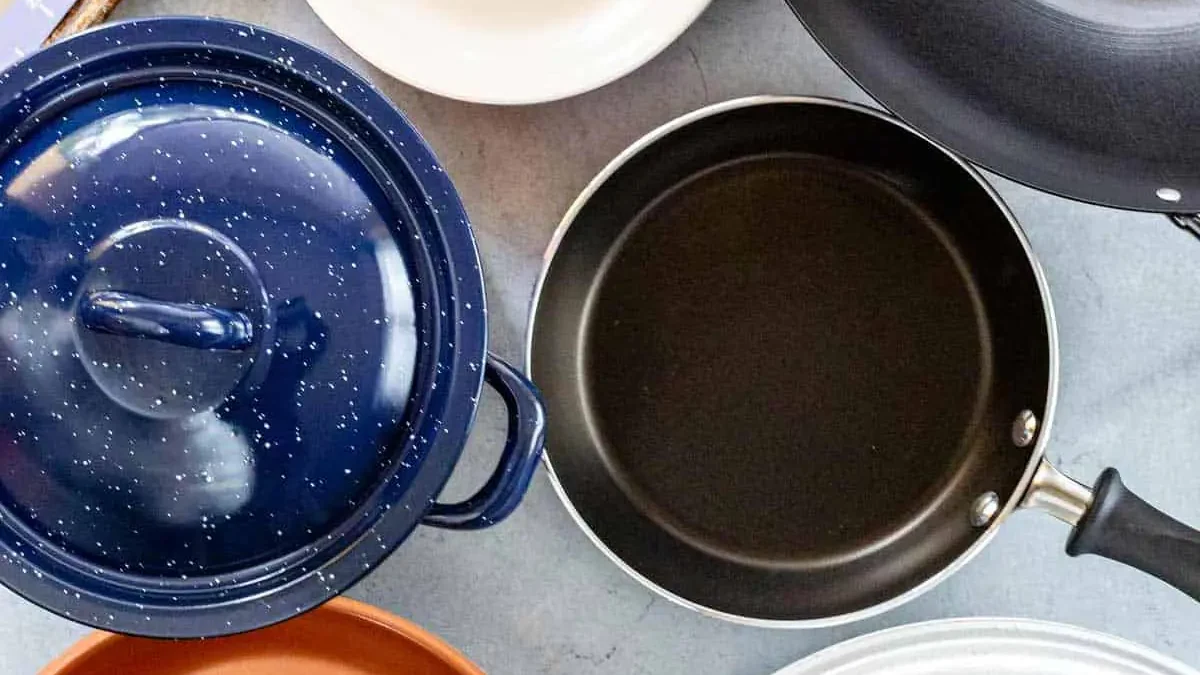
The material dictates a saucepan’s cooking performance, durability, and care. This table compares the most common options:
| Материал | Primary Advantages | Primary Disadvantages | Ideal Use Case |
|---|---|---|---|
| Stainless Steel (Clad) | Highly durable, non-reactive (won’t interact with acidic foods), corrosion-resistant, and easy to clean. | Pure stainless steel is a poor heat conductor; high-quality versions are clad with aluminum/copper cores. Often higher priced. | The versatile all-rounder. Excellent for nearly all tasks, especially sauces with tomatoes or wine. |
| Aluminum (Anodized) | Excellent and rapid heat conductivity, lightweight, and generally affordable. Anodizing hardens the surface. | Untreated aluminum can react with acidic foods. Not inherently non-stick. | Tasks requiring fast, even heating, such as boiling water or making gravy. |
| Cast Iron | Unmatched heat retention and distribution, incredibly durable with a long lifespan. | Very heavy, requires regular seasoning to prevent rust, and heats slowly. | Long, slow simmering where consistent, steady heat is beneficial, like stews. |
| Non-Stick Coated | Minimizes food adhesion, allows for low-fat cooking, and enables very easy cleaning. | Coating has a finite lifespan, can be damaged by high heat or metal utensils. Not suitable for high-heat searing. | Cooking sticky substances (e.g., porridge, melted cheese) or when effortless cleanup is the priority. |
A noteworthy mention is enameled cast iron, which combines the heat retention of cast iron with a durable, non-reactive, colorful porcelain enamel coating. It eliminates the need for seasoning but can be heavy and the enamel is susceptible to chipping if struck against a hard surface.
4. Primary Uses and Applications
The saucepan is the premier tool for moist-heat cooking methods:
- Preparation of Sauces and Soups: From a basic béchamel to a complex reduction. Its tall sides are perfect for safely whisking together emulsions like hollandaise or for creating pan sauces by deglazing fond (the flavorful browned bits) from a skillet with wine or stock.
- Boiling and Blanching: The ideal vessel for pasta, eggs, vegetables, and grains like rice or quinoa. For blanching vegetables, its capacity allows for ample water movement, ensuring even cooking and vibrant color fixation.
- Melting and Reheating: Safely melting butter or chocolate and gently reheating leftovers. The controlled, indirect heat from the sides helps prevent scorching when melting delicate ingredients like chocolate.
- Versatile Cooking: Suitable for preparing oatmeal, steaming vegetables with a little water, or making custards. It’s also the perfect vessel for small-batch canning of jams or pickles, and for poaching fruits like pears in spiced syrup.
In home kitchens, it’s a daily essential. In professional settings, chefs may also use slope-sided sauteuse pans for easier stirring when making sauces, but a set of graduated saucepans remains a backbone of the batterie de cuisine.
5. Saucepan vs. Saute Pan: Knowing the Difference
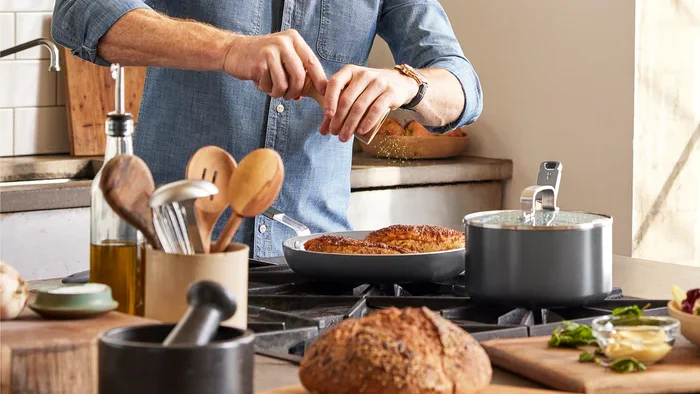
A common point of confusion is the distinction between a saucepan and a sauté pan, though their designs serve different purposes.
- Сайт Saucepan: Features deep, straight sides. Its core function is containment, specializing in cooking within a liquid medium (boiling, simmering). Its shape minimizes surface area relative to volume, slowing evaporation—ideal for tasks where you want to keep liquids in.
- Сайт Sauté Pan: Features a wide, flat cooking surface with low, straight sides. Its core function is exposure, designed for techniques requiring high heat and tossing (sautéing, searing). The large surface area and shallow depth promote rapid evaporation, which is key for browning and developing fond.
In short, use a saucepan to boil potatoes and a sauté pan to pan-fry them. Attempting to sauté in a saucepan will steam food; trying to simmer a large volume of liquid in a sauté pan risks frequent boil-overs.
6. Pros and Cons
Advantages:
- Specialized and Efficient: Unparalleled for liquid-based preparation with high thermal efficiency.
- Safety and Control: Effectively contains liquids to prevent spills; the lid allows precise evaporation control.
- Operational Convenience: The single handle offers superior control when pouring. Its standardized size also makes it easy to store and stack with other pots.
Limitations:
- Defined Functional Boundaries: Not suitable for dry-heat methods that require tossing food (like sautéing) or for browning large quantities of meat.
- Physical Constraints: Can become heavy and cumbersome when filled. The deep sides can make it slightly more awkward to stir or whisk contents at the bottom compared to a slope-sided pan.
7. Who Should Buy a Saucepan?
A saucepan is a universal kitchen necessity, but selection varies:
- Novice Cooks: This should be a first core purchase. Start with a versatile 2-3 quart model.
- Small Households: A 1.5-2 quart saucepan will see frequent use for everyday tasks.
- Families: A primary 3-4 quart model is essential for sides, grains, or soups. Consumer Reports highlights a 3-quart saucepan as a must-have for its versatility.
Professional kitchens, including restaurants and catering services, rely on a range of saucepans. For bulk procurement of commercial-grade equipment, manufacturers like AUSPACE provide tailored solutions.
8. Buying Tips for Beginners
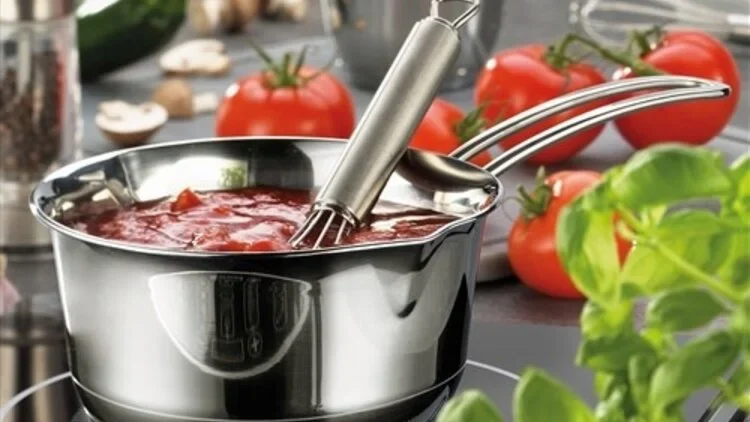
- Start with Capacity: A 3-quart saucepan is the most versatile starting point for 1-4 people. A smaller 1.5-quart pot is useful for sauces and melting.
- Prioritize Construction: For durability and even heating, seek out fully cladded or tri-ply stainless steel. This offers the best balance of performance and ease of maintenance. The weight of the pan is a good indicator; a hefty pan usually signifies a thicker, better-conducting base.
- Evaluate the Handle: Ensure it is securely riveted and remains cool on the stovetop. A helper handle on larger models (>4qt) is advantageous. Test the grip ergonomics if possible; it should feel secure and comfortable in your hand, even when wet.
- Consider the Lid: A well-fitted, heavy lid is key. Glass lids allow you to monitor food without releasing heat. A lid with a tight seal, perhaps with a silicone gasket or a machined “lip,” will perform significantly better in retaining moisture.
- Verify Compatibility: For induction cooktops, confirm the pan has a magnetic base (e.g., 400-series stainless steel). A simple magnet test on the bottom of the pan in the store will give you a definitive answer.
9. Care and Maintenance
- Нержавеющая сталь: Cool before washing to avoid warping. Use mild abrasives like Bar Keepers Friend or a baking soda paste for discoloration or “heat tint.” Avoid using bleach, as it can cause permanent pitting.
- Non-Stick: Hand-wash with soft sponges. Never use metal utensils or expose to very high heat empty. To maximize lifespan, reserve it for low to medium-heat tasks where its non-stick properties are truly needed, like eggs or delicate fish.
- Cast Iron: Hand-wash with minimal soap, dry immediately and thoroughly on the stove over low heat, and apply a thin layer of oil periodically to maintain seasoning. Never let it air dry or soak in water, as this will promote rust.
- Copper: Polish the exterior with a dedicated copper cleaner to maintain luster. Always follow care instructions for the specific interior lining (tin requires gentler care than stainless steel).
- General Tip: Avoid quick, extreme temperature changes (like running a hot pan under cold water) to preserve the pan’s structure and prevent warping.
10.FAQ About Sauce Pan
1. What is a saucepan used for?
A saucepan is primarily used for liquid-based cooking methods on the stovetop. Its most common tasks include making sauces, soups, and gravies; boiling pasta, eggs, or vegetables; melting butter or chocolate; and reheating leftovers. Its high sides are perfect for containing liquids and preventing boil-overs.
2. What size is a medium saucepan?
A medium saucepan typically has a capacity of 2 to 3.5 quarts. The 3-quart size is often recommended as the most versatile for everyday cooking, as it’s large enough to cook pasta for a family but not too bulky for smaller tasks like heating soup or making a sauce.
3. What is a heavy-bottomed saucepan?
A heavy-bottomed saucepan has a base constructed with a thick layer of conductive metal (like aluminum or copper) sandwiched between or bonded to the cooking surface (often stainless steel). This design distributes heat quickly and evenly across the entire pan bottom, eliminating hot spots that can cause
11. Summary
The saucepan is a masterpiece of focused design. Its deep, straight-sided silhouette with a single handle is engineered specifically for the controlled application of moist heat. From its ability to boil water efficiently to its precision in simmering a delicate sauce, it proves that the right tool makes every culinary task simpler and more successful.
Selecting the appropriate size and material—be it a cladded stainless steel workhorse or a dedicated non-stick pan for sticky foods—ensures this humble pot becomes one of your most reliable kitchen companions.Ultimately, a well-chosen saucepan is more than just a pot; it’s an investment in your culinary journey, enabling both the reliable execution of daily meals and the confident exploration of new recipes.
О компании AUSPACE: With years of expertise in professional cookware manufacturing and supply, we at AUSPACE understand the nuanced design and robust construction that makes a saucepan truly exceptional. We combine this deep knowledge with a commitment to quality, crafting tools that meet the demands of both home cooks and culinary professionals.

Хейзел - специалист по экспорту посуды для напитков и кухонной утвари в компании Auspace, специализирующейся на поддержке цепочек поставок на мировом рынке и разработке индивидуальных решений. Она оказывает комплексную помощь международным покупателям, включая подбор поставщиков, контроль производства и координацию логистики. Благодаря глубокому знанию отрасли и связям с фабриками она помогает клиентам эффективно поставлять высококачественную, экологически чистую посуду и кухонную утварь из Китая. Ее практический подход снижает риски при поиске поставщиков и упрощает трансграничную торговлю, что делает ее надежным партнером для брендов и ритейлеров, ищущих надежное OEM/ODM-производство в Китае.