In every kitchen, there are tools that become the unsung heroes of memorable meals, and the roasting pan is one such essential. For home cooks, especially during holidays or family gatherings, the roasting pan often takes center stage, cradling a golden-brown turkey or a succulent ham. But What ls a Roasting Pan, and why should you care? Understanding the roasting pan goes beyond mere curiosity—it can elevate your cooking, ensure even heat distribution, and simplify cleanup. Whether you’re a novice or a seasoned cook, knowing the ins and outs of a roasting pan can transform your roasting endeavors from good to exceptional. In this article, we’ll delve into its definition, features, uses, and more, providing a comprehensive guide tailored for home cooks. And as professional manufacturers and wholesalers with deep expertise in cookware, we’ll share insights to help you make informed decisions.
1.What ls a Roasting Pan
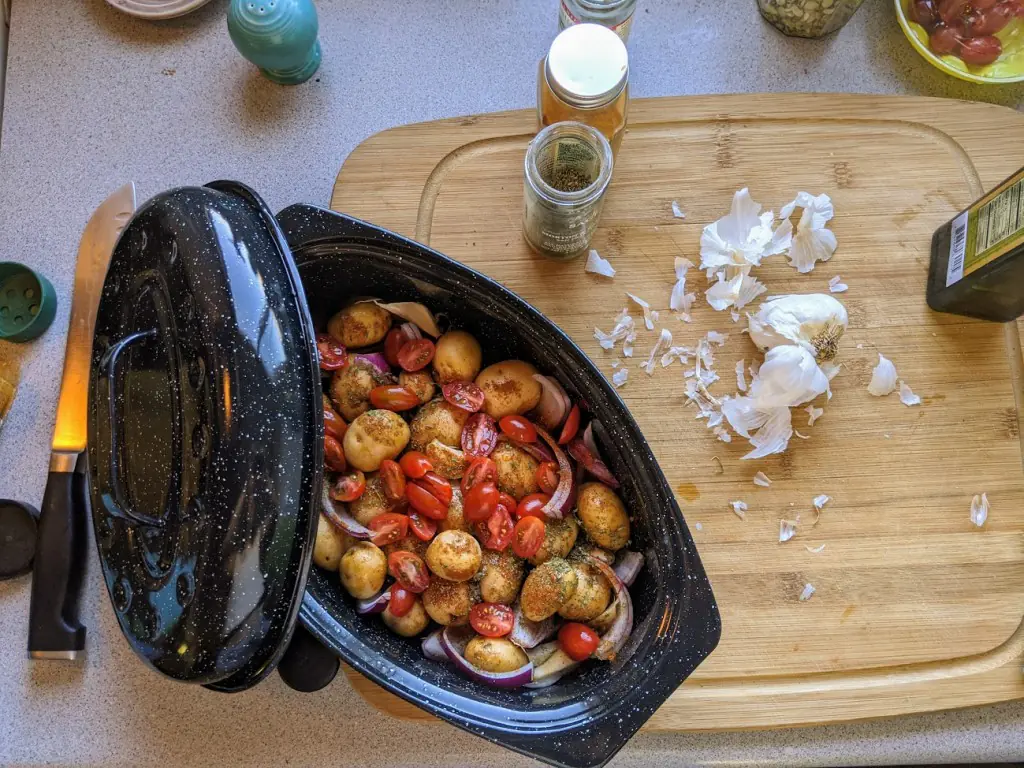
A roasting pan is a large, deep, rectangular or oval-shaped pan specifically designed for roasting foods in an oven. Its primary purpose is to accommodate large cuts of meat, such as whole turkeys, chickens, hams, or roasts, while facilitating even cooking and collecting drippings for gravies and sauces. The defining design features include significant depth to prevent juices from spilling over, sturdy handles for safe transport, and often a rack or trivet to lift the food above the pan’s base. This elevation allows hot air to circulate around the food, promoting a crispy exterior and tender interior. Typically made from durable materials like stainless steel or aluminum, roasting pans are built to withstand high oven temperatures, often up to 500°F (260°C) or more. Their size varies, but common dimensions range from 12 to 18 inches in length and 9 to 14 inches in width, with depths of 3 to 5 inches. The classic roasting pan is a staple in both home and commercial kitchens, valued for its versatility and role in producing perfectly roasted dishes.
2.Key Features
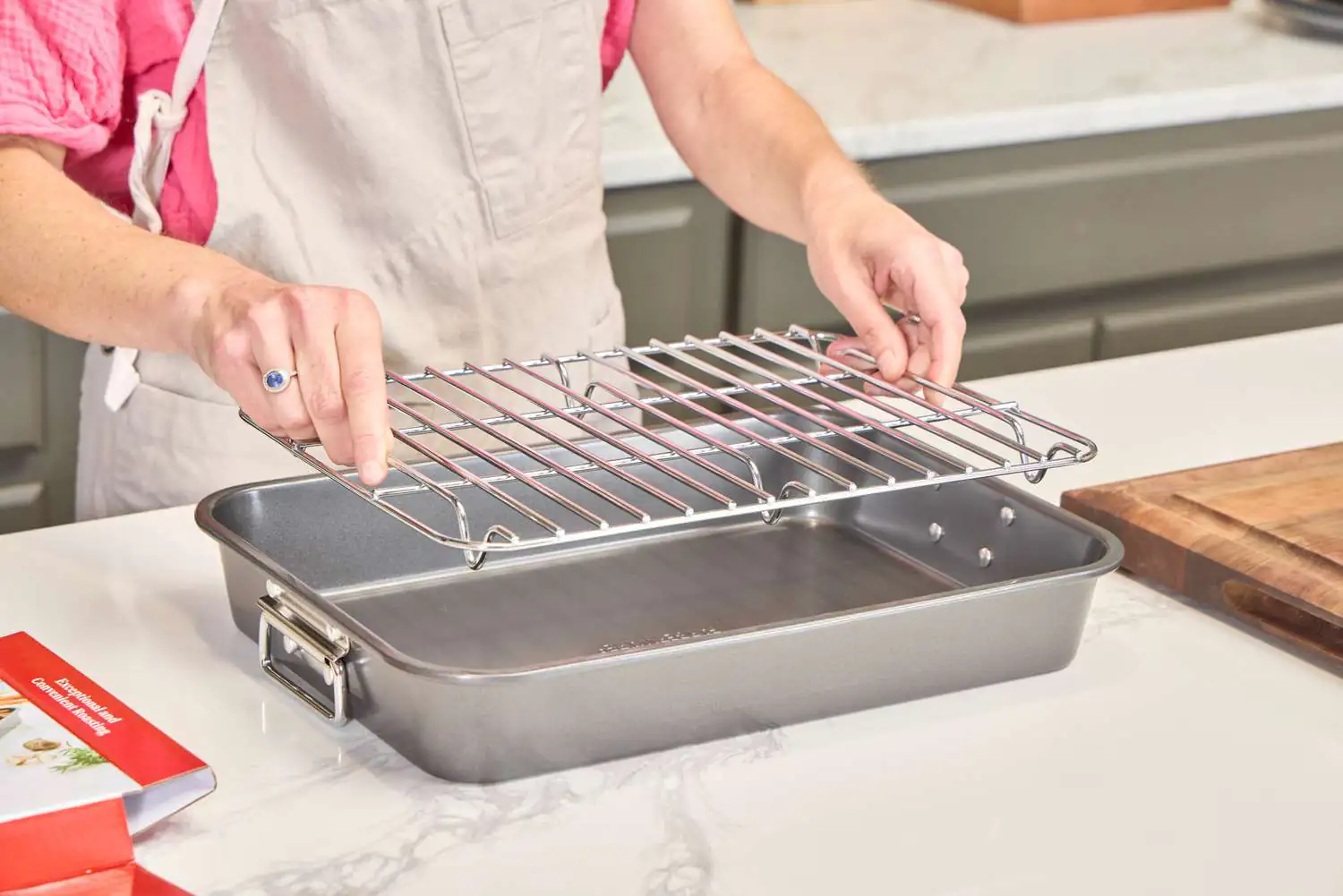
Depth and Capacity: The most noticeable feature of a roasting pan is its depth, usually between 3 to 5 inches. This design prevents juices, fats, and drippings from overflowing during cooking, which is crucial when roasting large meats that release significant liquids. The ample capacity also means it can hold sizable items like a 20-pound turkey or multiple vegetables, making it ideal for family feasts.
Rack or Trivet: Many roasting pans come with a removable rack, often made of wire or a solid metal grid. This rack serves to elevate the food, allowing heat to reach all sides evenly. It prevents the bottom from becoming soggy by keeping it out of accumulated drippings, which enhances browning and crispiness. Some racks are V-shaped to cradle meats like roasts securely.
Handles: Sturdy, heat-resistant handles are a key safety feature. They are typically riveted or welded to the pan’s sides, providing a secure grip for moving the heavy pan in and out of the oven. Handles may be made from the same material as the pan or coated with silicone for added comfort and insulation.
Durability and Construction: Roasting pans are built to last, with thick gauges of metal to resist warping under high heat. The robust construction ensures even heat distribution, reducing hot spots that can lead to uneven cooking. Many pans feature reinforced rims or corners for added strength.
Dripping Management: Some roasting pans include grooves or channels designed to collect and separate fat from juices, simplifying the process of making gravies. This feature is especially useful for cooks who want to skim off excess grease easily.
3.Common Materials
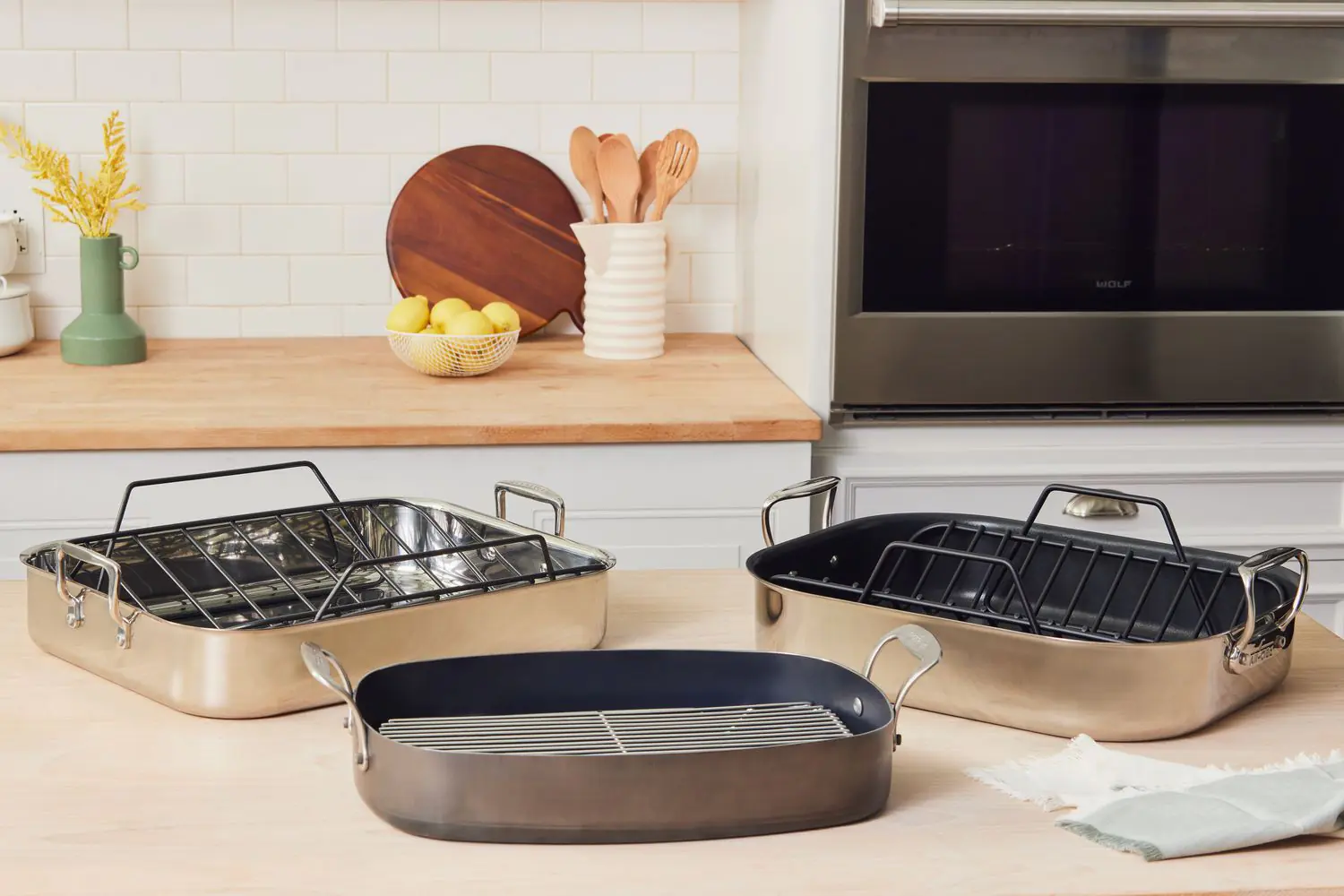
Stainless Steel: This is a popular choice for roasting pans due to its durability, corrosion resistance, and ease of cleaning. Stainless steel pans are often heavy-duty, providing excellent heat retention and distribution. They are dishwasher-safe and non-reactive, meaning they won’t alter the flavor of foods. However, they can be expensive and may require preheating to prevent sticking.
Aluminum: Aluminum roasting pans are lightweight and excellent conductors of heat, ensuring quick and even cooking. They are often more affordable than stainless steel. But pure aluminum can react with acidic foods, leading to off-flavors and discoloration, so many are anodized or coated to prevent this. They may also dent or warp over time if not thick enough.
Cast Iron: Known for its superior heat retention and even heating, cast iron roasting pans are ideal for slow, steady roasting. They can go from oven to stovetop for making gravies, adding versatility. However, they are very heavy, require seasoning to maintain a non-stick surface, and need careful drying to prevent rust.
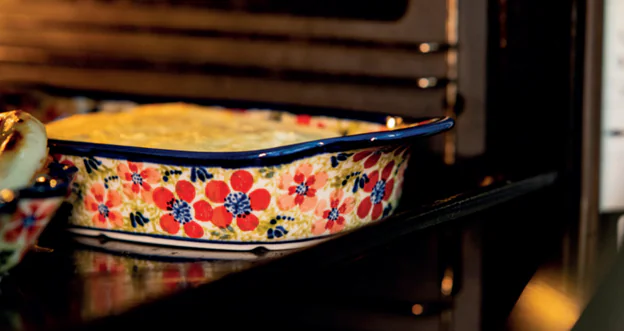
Ceramic or Stoneware: These materials offer excellent heat distribution and retention, often resulting in juicy, tender meats. Ceramic roasting pans are attractive and can go from oven to table for serving. But they are fragile, prone to cracking if subjected to sudden temperature changes, and usually heavier than metal options.
Enameled Steel or Coated Metals: These pans combine the strength of steel with a non-stick or enamel coating, making them easy to clean and resistant to staining. They are often more budget-friendly but can chip or scratch over time, reducing their longevity. The coatings may also have temperature limitations.
4.What Is It Used For?
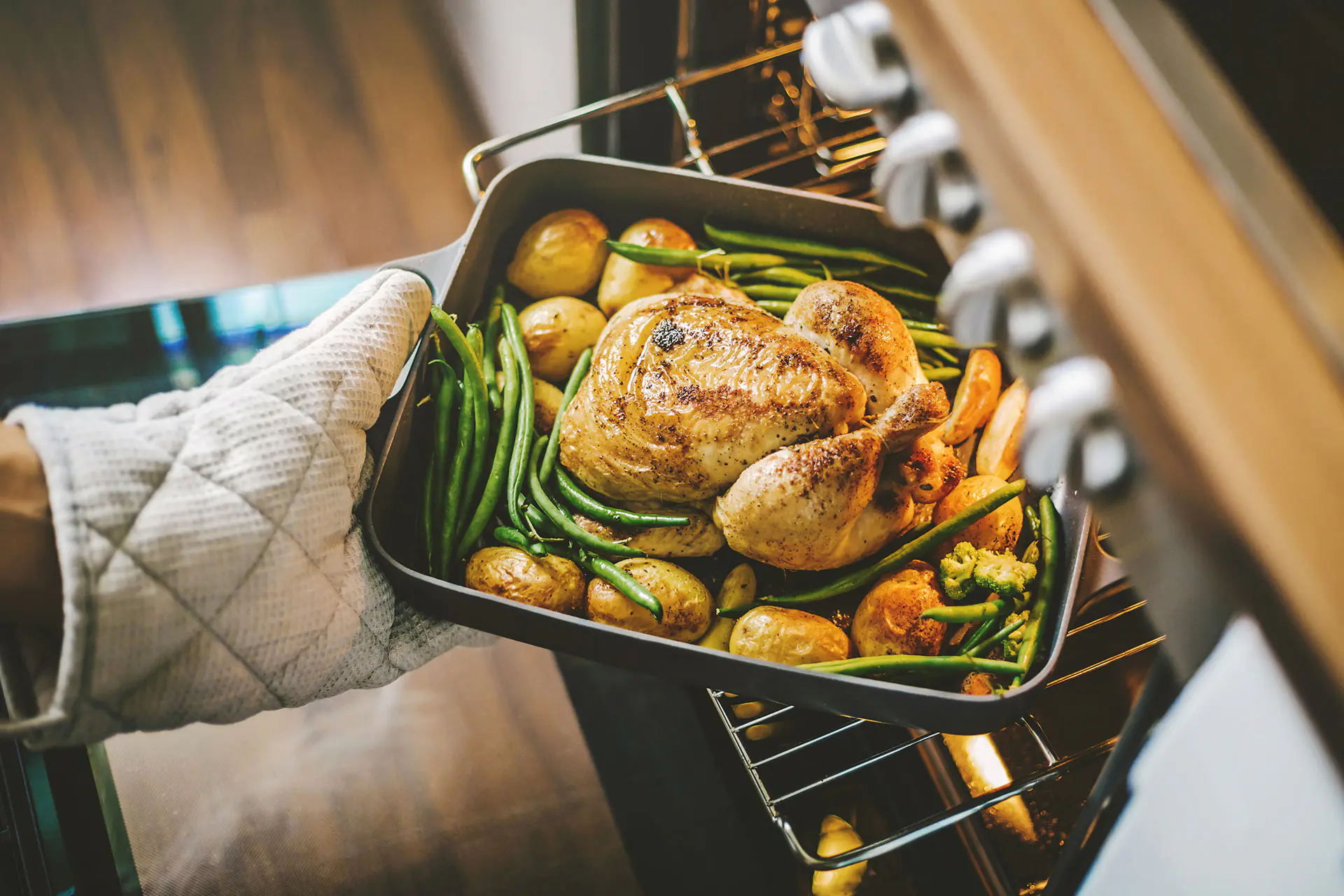
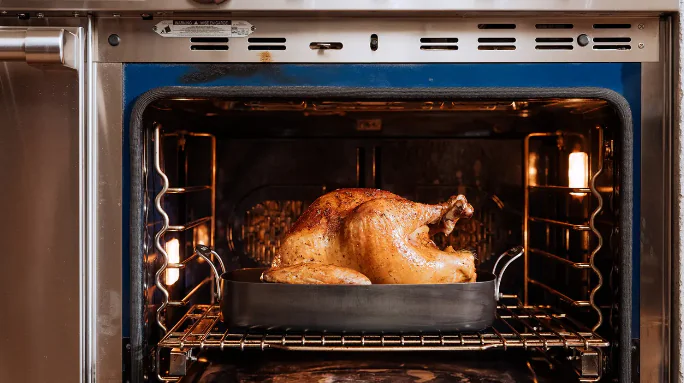
A roasting pan is primarily used for roasting—a dry-heat cooking method that involves cooking food, typically meats, in an oven at high temperatures. Common dishes include whole turkeys for Thanksgiving, chickens for Sunday dinners, hams for Easter, and beef roasts for holidays. The pan’s design ensures that meats cook evenly, with the rack promoting airflow for a crispy skin, while the depth collects drippings for flavorful gravies and sauces. Beyond meats, roasting pans are excellent for vegetables like potatoes, carrots, and Brussels sprouts, which benefit from the pan’s ability to hold oils and seasonings. They can also be used for baking large casseroles or bread in a pinch, though this isn’t their primary function. In home kitchens, roasting pans are essential for holiday meals and entertaining, while in commercial settings like restaurants, they are used for batch cooking and catering events. Their versatility extends to indirect heat methods, such as when using a roasting pan as a water bath for cheesecakes, though this requires caution to avoid leakage.
5.How It Differs From Other Pans
Roasting Pan vs. Baking Pan: A baking pan, often referred to as a cake pan or sheet pan, is typically shallower, with sides of 1 to 2 inches, and used for baking items like cakes, brownies, or casseroles. In contrast, a roasting pan is deeper, with sides of 3 inches or more, designed to contain juices from meats. While a baking pan can sometimes substitute for small roasts, it lacks the capacity and rack for optimal roasting. The key difference lies in the depth and intended use: baking pans for baked goods, roasting pans for meats with drippings.
Roasting Pan vs. Baking Sheet: A baking sheet, or cookie sheet, is flat or has very low sides, used for cookies, pastries, or toasting. It offers minimal containment, making it unsuitable for juicy roasts. Roasting pans, with their high sides, prevent spills and are built for heavier loads. Baking sheets are ideal for quick, dry baking, while roasting pans are for longer, wetter cooking processes.
Roasting Pan vs. Dutch Oven: A Dutch oven is a heavy pot with a tight-fitting lid, used for braising, stewing, and slow-cooking on the stovetop or in the oven. It retains moisture well, making it great for liquid-based dishes. A roasting pan, however, is open or may come with a loose lid, focusing on dry heat to crisp and brown foods. While both can be used for roasting, a Dutch oven limits airflow, which may not yield the same crispy texture.
6.Pros and Cons
Pros:
Even Cooking: The design promotes consistent heat distribution, reducing the risk of undercooked or burned spots.
Juice Collection: Deep sides capture drippings for easy gravy-making and prevent oven messes.
Versatility: Can be used for roasting meats, vegetables, and even baking in some cases.
Durability: High-quality materials ensure longevity, often lasting for years with proper care.
Safety: Handles and sturdy construction make handling hot, heavy loads safer.
Cons:
Storage Space: Due to their large size, roasting pans can be cumbersome to store in small kitchens.
Cost: Good roasting pans can be expensive, especially those made from premium materials like stainless steel.
Weight: When filled with food, they can be very heavy, posing a challenge for some users.
Maintenance: Some materials require specific care, such as seasoning for cast iron or hand-washing to preserve coatings.
7.Who Should Buy a Roasting Pan?
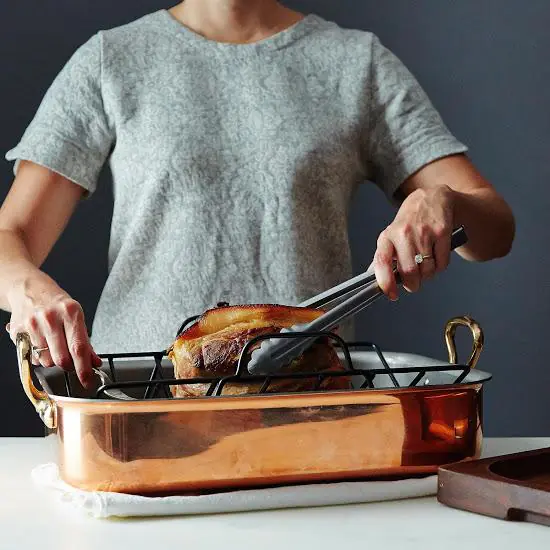
A roasting pan is a worthwhile investment for several types of home cooks. First, those who frequently host holiday meals or large gatherings will find it indispensable for roasting turkeys, hams, or other centerpiece meats. Second, avid cooks who enjoy experimenting with roasting techniques, such as high-heat searing or slow roasting, will appreciate the pan’s capabilities. Third, families that regularly prepare whole chickens or roasts for weeknight dinners can benefit from the even cooking and easy cleanup. Fourth, individuals with dietary preferences that emphasize roasted vegetables or meats will use it often. Finally, professional chefs or culinary enthusiasts seeking restaurant-quality results at home should consider a high-end model. For occasional users, a disposable aluminum roasting pan might suffice, but for regular use, a durable pan is recommended.
8.Buying Tips for Beginners
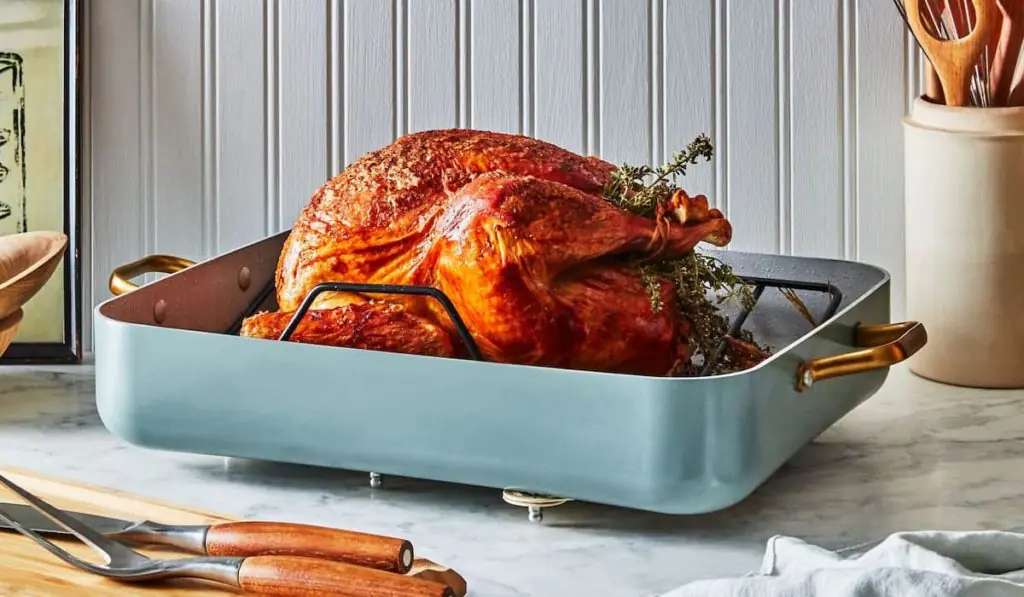
Size Matters: Choose a pan that fits your oven and typical meal sizes. A standard 16-inch by 13-inch pan can handle a 20-pound turkey, but measure your oven first to ensure it fits comfortably with space for airflow.
Material Selection: Consider your priorities—stainless steel for durability and ease, aluminum for affordability and heat conduction, or cast iron for heat retention. Avoid reactive materials if you cook acidic foods often.
Rack Inclusion: Look for a pan with a removable rack for versatility; it should be sturdy and easy to clean. Some racks are adjustable or have non-stick coatings.
Handles and Weight: Test the handles for comfort and security. If you have strength limitations, opt for lighter materials like aluminum, but ensure they are thick enough to resist warping.
Budget: Set a budget based on usage frequency. Mid-range stainless steel pans offer a good balance of quality and price. Remember, a well-made pan can last decades.
Brand Reputation: Research brands known for quality cookware. As manufacturers, we recommend looking for warranties and customer reviews to gauge reliability.
9.How to Care for It
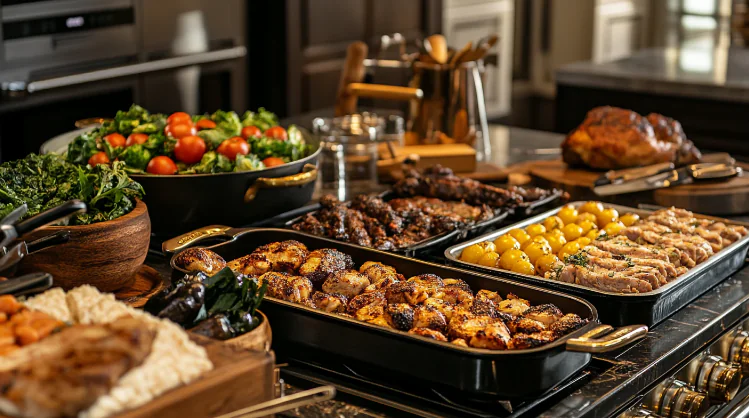
Proper care extends the life of your roasting pan. For stainless steel pans, hand-wash with warm soapy water or use the dishwasher if labeled safe. Avoid abrasive scrubbers that can scratch the surface; instead, use baking soda paste for stubborn stains. For aluminum pans, hand-washing is preferred to prevent discoloration, and avoid cooking acidic foods to maintain integrity. Cast iron pans require seasoning: after washing, dry thoroughly and apply a thin layer of oil before storing to prevent rust. Ceramic pans should be cooled gradually to avoid thermal shock and hand-washed gently. Always check manufacturer instructions for specific guidelines. Store roasting pans in a dry place, stacking with protective liners if needed to prevent scratches. Regularly inspect for signs of wear, such as chipping coatings or warping, and replace if necessary to ensure safe cooking.
10.Summary
In summary, a roasting pan is more than just a kitchen accessory—it’s a foundational tool for achieving perfectly roasted meats and vegetables. From its deep design and sturdy rack to the variety of materials like stainless steel and cast iron, each feature serves a purpose in enhancing your cooking. While it differs from baking pans or sheets in depth and function, its versatility makes it a worthy addition for home cooks who enjoy hosting or preparing hearty meals. By considering factors like size, material, and care, you can choose a roasting pan that suits your needs and lasts for years. As professional manufacturers and wholesalers, we understand the nuances of cookware design and encourage you to invest in quality that aligns with your culinary journey. Whether you’re roasting a holiday turkey or a simple chicken, the right pan can make all the difference, turning everyday cooking into memorable feasts.

Iris is a seasoned sourcing expert in the cookware industry with years of experience. She specializes in product development, quality assurance, and international compliance, providing trusted insights and practical solutions for buyers and professionals.