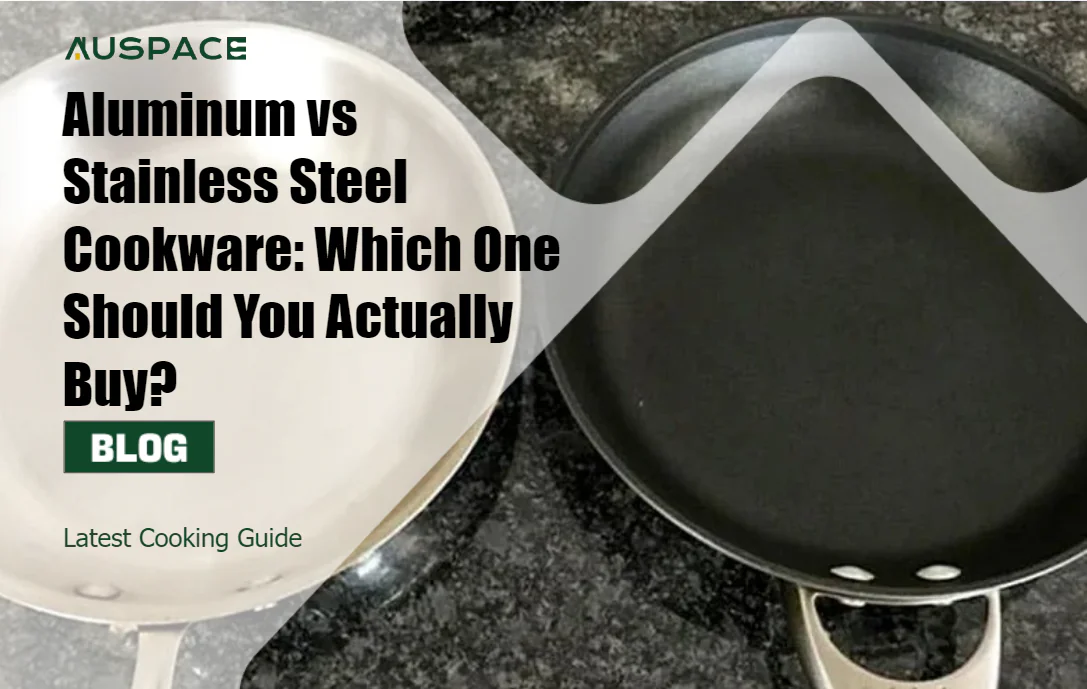



What Is a Frying Pan?—a practical, real-kitchen guide to choosing the right pan, using it well, and making it last.
Введение
A good kitchen isn’t defined by how many tools you own—it’s defined by how reliably those tools turn ingredients into food you actually want to eat. Few pieces of посуда earn their keep like the frying pan. It’s the pan you reach for when dinner needs to happen now: quick eggs, crisp vegetables, a golden chicken cutlet, or a sauce you finish in minutes. It also happens to be one of the most misunderstood pans, because people lump it together with anything round and flat. Knowing what makes a frying pan “a frying pan” helps you buy smarter, cook more confidently, and avoid the common mistakes that lead to sticking, uneven browning, or warped cookware.
1. What Is a Frying Pan?
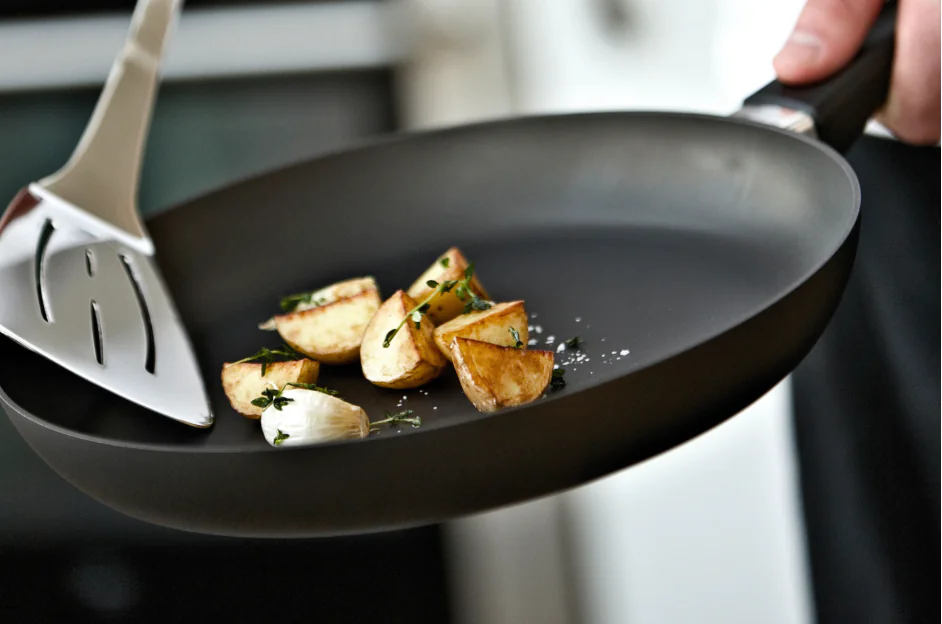
A frying pan is a shallow, wide pan designed for direct-heat cooking—especially browning, searing, sautéing, and shallow-frying. Its defining idea is simple: maximize contact between food and a hot surface, while giving you enough room to toss, turn, and reduce moisture so food can brown instead of steam.
So what counts as a frying pan? In most kitchens, it’s a pan with a flat base, low-to-medium sidewalls, and a long handle that makes it easy to move and control. Many frying pans also have slightly sloped sides that help you flip food and slide it out cleanly.
Typical uses include:
- Searing proteins (steak, fish, chicken thighs)
- Sautéing vegetables and aromatics
- Pan-frying breaded items (cutlets, fritters)
- Reducing sauces and finishing pasta
- Browning butter, nuts, dumplings, or tofu for flavor and texture
2. Key Features
1) Wide, flat cooking surface
The base is where flavor happens. A wide, flat bottom creates even contact with the burner and gives food room to spread out. Crowding traps steam; space encourages browning and crisp edges.
2) Low-to-medium sidewalls
Frying pans sit lower than saucepans. Lower sides allow moisture to escape faster, which matters for crisping and searing. Medium walls also help contain oil splatter and make tossing ingredients easier.
3) Heat performance: conductivity + heat retention
Two traits matter:
- Conductivity: how quickly the pan heats and responds when you adjust the flame.
- Heat retention: how well it holds heat when cold food hits the surface.
A pan that heats evenly but also stays hot gives you consistent browning without temperature “crashes.”
4) Handle ergonomics and stability
A frying pan is constantly in motion—tilting, swirling oil, lifting to flip. A good handle feels secure, stays cooler longer, and is firmly attached (rivets or welded construction done well). Balance matters: the pan shouldn’t feel “front-heavy” when it’s loaded.
5) Rim and pour control
A well-shaped rim helps you pour off fat or transfer sauces without drips. This sounds minor—until you’ve tried pouring hot oil from a poorly finished edge.
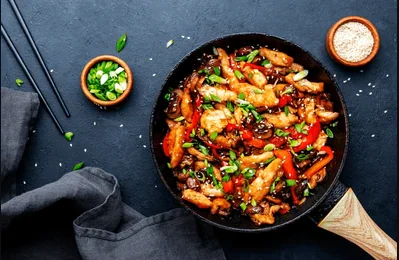
3. Common Materials
1) Stainless steel (often with an aluminum core)
Pros: Great for searing, deglazing, pan sauces; durable; dishwasher-friendly (though handwashing is gentler).
Cons: Learning curve—food can stick if you don’t preheat properly or if you move food too soon.
Best for: Cooks who want versatility, crisp sears, and sauce-making.
2) Nonstick (PTFE or ceramic coatings)
Pros: Easiest release; excellent for eggs, delicate fish, pancakes; requires less oil.
Cons: Coatings wear over time; high heat can shorten lifespan; metal utensils can scratch.
Best for: Low-to-medium heat cooking and “no-stress” everyday use.
3) Cast iron
Pros: Exceptional heat retention; great crust; can go from stovetop to oven; naturally nonstick when seasoned well.
Cons: Heavy; heats slower; needs drying and seasoning care; acidic sauces can strip seasoning if the pan isn’t well maintained.
Best for: Steaks, burgers, shallow-frying, cornbread-style bakes, and anyone who loves deep browning.
4) Carbon steel
Pros: Lighter than cast iron but can develop a strong seasoning; heats relatively fast; loved in professional kitchens.
Cons: Needs seasoning and careful drying; can warp if quality is low or if heat shocks happen.
Best for: High-heat searing, stir-fry-like sautéing, omelets (once seasoned), and frequent cooks.
5) Aluminum (often hard-anodized)
Pros: Heats quickly and evenly; hard-anodized versions are tougher and more warp-resistant; often paired with nonstick interiors.
Cons: Bare aluminum can react with acidic foods; quality varies widely.
Best for: Everyday cooking when you want speed and even heating without the weight of cast iron.
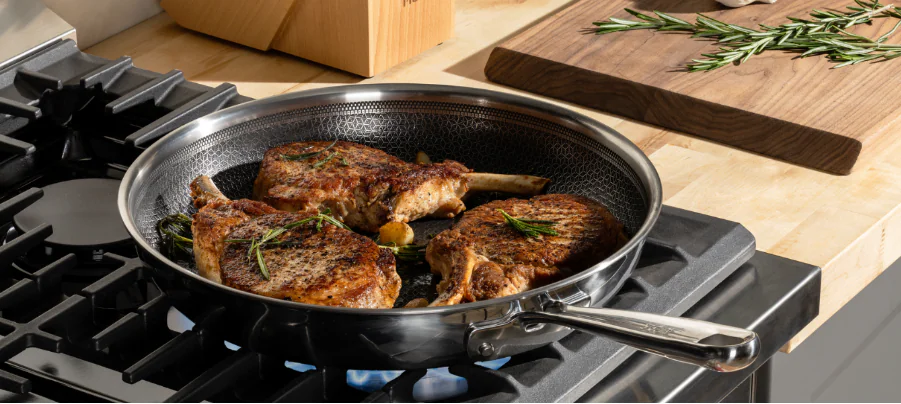
4. What Is It Used For? (Real Cooking Scenarios)
Everyday home cooking
A frying pan shines in meals where timing and texture matter. Think:
- Breakfast: eggs, omelets, hash browns, breakfast sausage
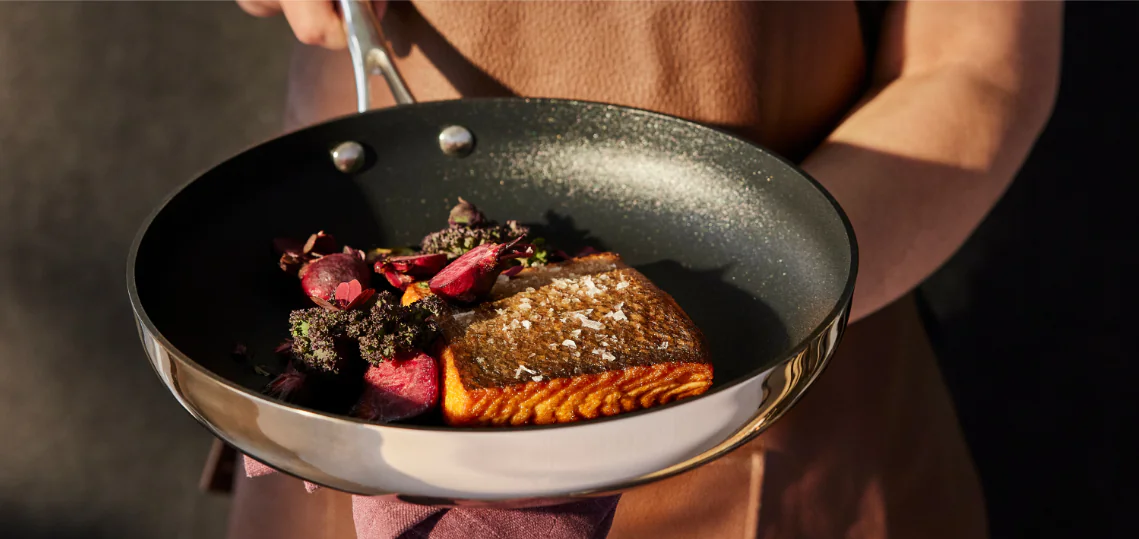
- Weeknight mains: chicken cutlets, salmon fillets, tofu, burgers
- Vegetables: sautéed greens, mushrooms, onions, peppers, stir-fry-style dishes
- Quick sauces: garlic-butter, lemon pan sauces, cream reductions, browned butter drizzles
If you’ve ever asked, “What can I cook in a frypan?” the honest answer is: almost everything that benefits from browning and a fast finish.
Commercial kitchens and high-volume service
In restaurants, frying pans are workhorses for speed and consistency. Chefs choose them for:
- Rapid sauté stations (pasta finishing, vegetable sides, protein sears)
- Controlled reductions and pan sauces
- Portion-friendly cooking (one pan per order)
Cooking methods it excels at
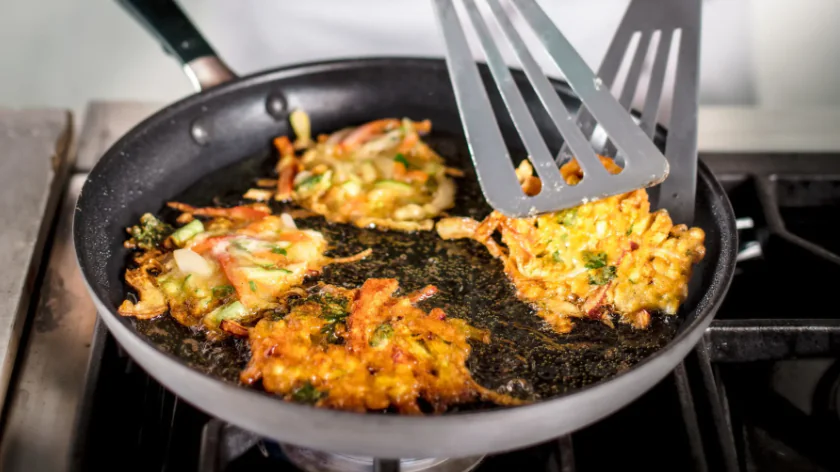
And yes, What is the meaning of pan-frying? It refers to cooking food in a pan with a small amount of fat (more than sautéing, less than deep-frying), usually over medium to medium-high heat, turning the food so it browns on multiple sides. A frying pan’s shallow shape makes this method efficient and less messy than using a deep pot.
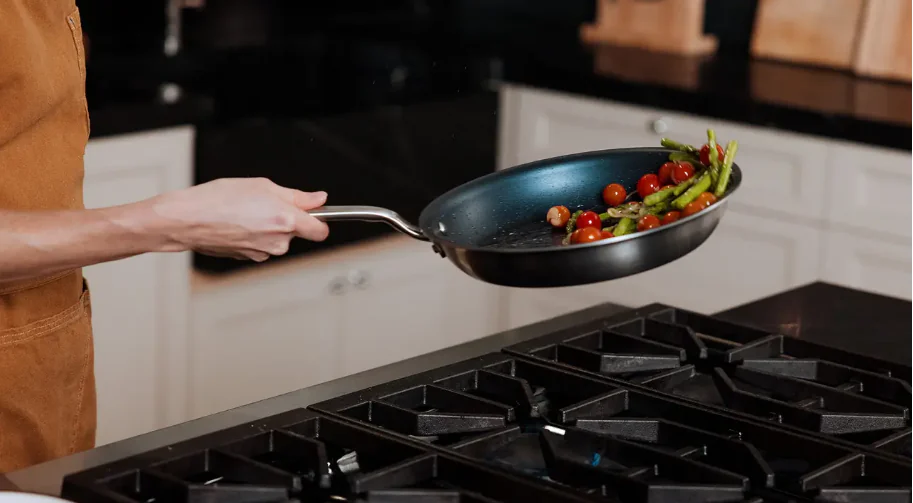
5. How It Differs From Similar Cookware (Common Confusions)
Frying pan vs. sauté pan
A sauté pan typically has straighter, higher sides and often comes with a lid. That extra wall height helps contain liquids and gives more capacity for braises or saucy dishes. A frying pan usually has more open sides, better for evaporation and flipping.
Choose a frying pan for crispness and tossing; choose a sauté pan for volume and simmering.
Frying pan vs. skillet
In many markets—especially the U.S.—“skillet” is often used as a synonym for frying pan. However, in some retail channels, “skillet” may imply cast iron or a heavier-gauge construction. In practice, the difference is usually driven by material choice and cooking style rather than shape.
Frying pan vs. “pan” in general
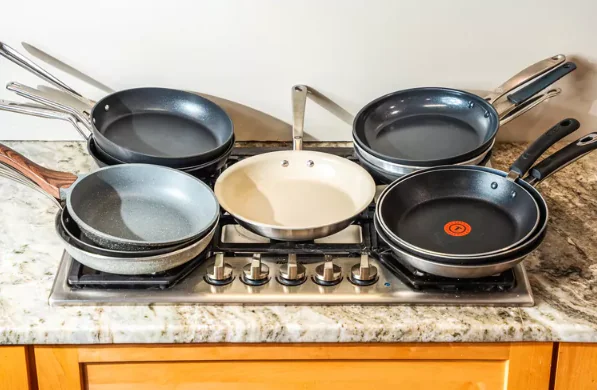
People say “pan” to mean any broad cookware, but not every pan is built for searing. If you’re wondering, What is the difference between a pan and a frying pan? A frying pan is purpose-built for surface contact, browning, and fast moisture release—features you won’t necessarily get in a saucepan, stockpot, or baking pan.
6. Pros and Cons
Плюсы
- Versatile: breakfast, lunch, dinner, sauces, sides
- Fast cooking: wide surface area and efficient heat transfer
- Better texture: promotes browning, crisping, and caramelization
- Control: easy stirring, tossing, flipping, and reducing
Cons
- Limited capacity for liquids: not ideal for soups or big braises
- Learning curve (stainless/carbon): preheating and timing matter
- Coating wear (nonstick): eventually needs replacement
- Weight (cast iron): can be tiring for everyday use
7. Who Should Buy a Frying Pan?
1) First-apartment and beginner cooks
Start with one reliable size (often 10–12 inches). Prioritize ease of use: a quality nonstick or a well-made stainless pan with an aluminum core.
2) Families and meal-prep cooks
Look for larger diameter and higher sidewalls (without becoming a sauté pan). You’ll want room for batches: stir-fries, multiple portions, and one-pan meals.
3) Enthusiasts who want restaurant-style sears
Stainless, cast iron, or carbon steel gives you stronger browning and better fond (the tasty browned bits) for sauces.
4) Small restaurants, caterers, and kitchen projects
Commercial users usually value durability, heat consistency, and handle security above all. Multiple identical pans help standardize results across staff.
5) Retailers, brands, and distributors (bulk procurement)
If you’re sourcing for a private label or expanding a cookware line, consistency in thickness, coating performance, packaging, and compliance documentation matters as much as the pan’s shape. Many buyers also care about carton optimization, barcode labeling, and after-sales replacement policies.
8. Buying Tips for Beginners
- Pick the right size: 10-inch for small households; 12-inch for families and versatility.
- Check flatness and thickness: a thicker base often resists warping and spreads heat more evenly.
- Match the pan to your stove: induction needs a magnetic base; gas benefits from sturdy construction that won’t warp with hotspots.
- Choose the right interior:
- Nonstick for eggs and delicate foods
- Stainless for searing and sauces
- Cast iron/carbon steel for crust and high heat
- Handle comfort matters: hold it like you’re flipping a filet—if it feels awkward in the store, it won’t feel better at home.
- Oven safety: if you want to finish steaks or bake frittatas, confirm the handle and coating are oven-rated.
9. How to Care for It?
Nonstick care
- Use medium or lower heat most of the time
- Avoid metal utensils; choose silicone, wood, or nylon
- Handwash gently; skip abrasive pads
- Don’t stack without protection—use a cloth or pan guard
Stainless steel care
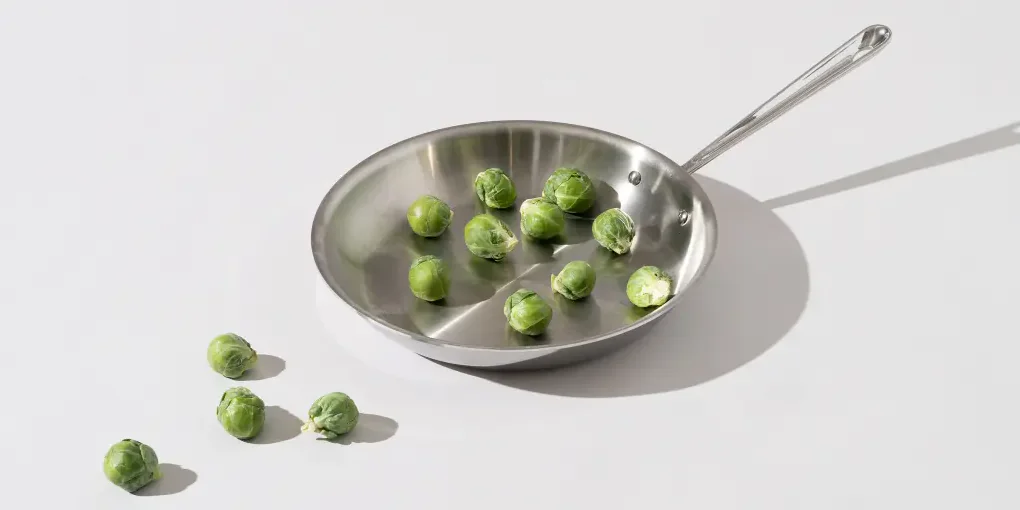
- Preheat, add oil, then add food—this reduces sticking
- Deglaze while warm (not scorching hot) for easy cleanup
- For discoloration, use a stainless cleaner or a baking soda paste
Cast iron / carbon steel care
- Dry immediately after washing
- Apply a thin layer of oil and heat briefly to maintain seasoning
- Avoid long acidic simmers until seasoning is strong
- If rust appears, scrub, re-season, and move on—these pans are very forgiving
One universal rule: avoid thermal shock
Taking a blazing hot pan and running cold water into it is a common cause of warping (and sometimes coating damage). Let the pan cool a bit first.
10. Common FAQ
Q1: Do I need more than one frying pan?
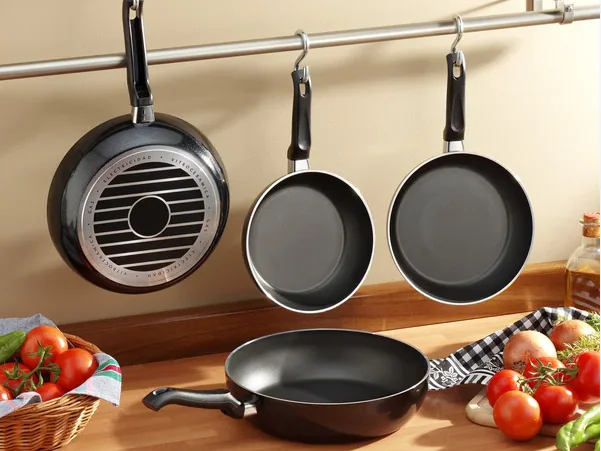
For frequent home cooking, a two-pan setup is often the most practical—and it’s also how many retailers position cookware assortments. We typically recommend one nonstick frying pan for eggs, pancakes, and delicate fish where easy release matters, plus one stainless steel, cast iron, or carbon steel pan for high-heat searing, browning, and pan sauces. This combination covers most daily recipes while extending product lifespan, since nonstick coatings stay in better condition when reserved for low-to-medium heat tasks. From an import perspective, this pairing also supports clear SKU differentiation by material, usage scenario, and target price segment.
Q2: Why does my food stick even in a “good” pan?
Sticking is usually related to technique rather than product cost. The most common reasons are insufficient preheating, adding oil too late, turning food before a proper crust forms, or cooking at overly low heat, which prevents browning and encourages bonding. Cold ingredients straight from the refrigerator can also drop surface temperature and increase sticking. With correct heat management and timing, performance improves significantly across most pan types.
Summary
A frying pan is the everyday tool built for browning, quick cooking, and texture—wide base, relatively low sides, and easy handling. Choose the material that fits your cooking style, learn a few heat-control habits, and you’ll get better results with less effort. And if you’re comparing options, remember that the “best” frying pan is the one that matches how you actually cook, not the one with the most marketing. Finally, if you’re exploring cookware more deeply—whether for home kitchens or for product lines—we bring a manufacturer’s eye to details like thickness, coating performance, and handle durability, because understanding What Is a Frying Pan? is also understanding why some pans outperform others for years.

Сильвия - старший специалист-практик, специализирующийся в области внешней торговли кухонной утварью и предоставляющий глобальным клиентам услуги по закупкам и торговле кухонной утварью по принципу "одного окна". Она может охватить весь цикл сотрудничества комплексными услугами, включая анализ тенденций рынка кухонной утвари, выбор качественного поставщика, строгий контроль качества производства и эффективную трансграничную логистику.
Она является надежным партнером для брендов, ритейлеров и дистрибьюторов при покупке высококачественной кухонной утвари в Китае.