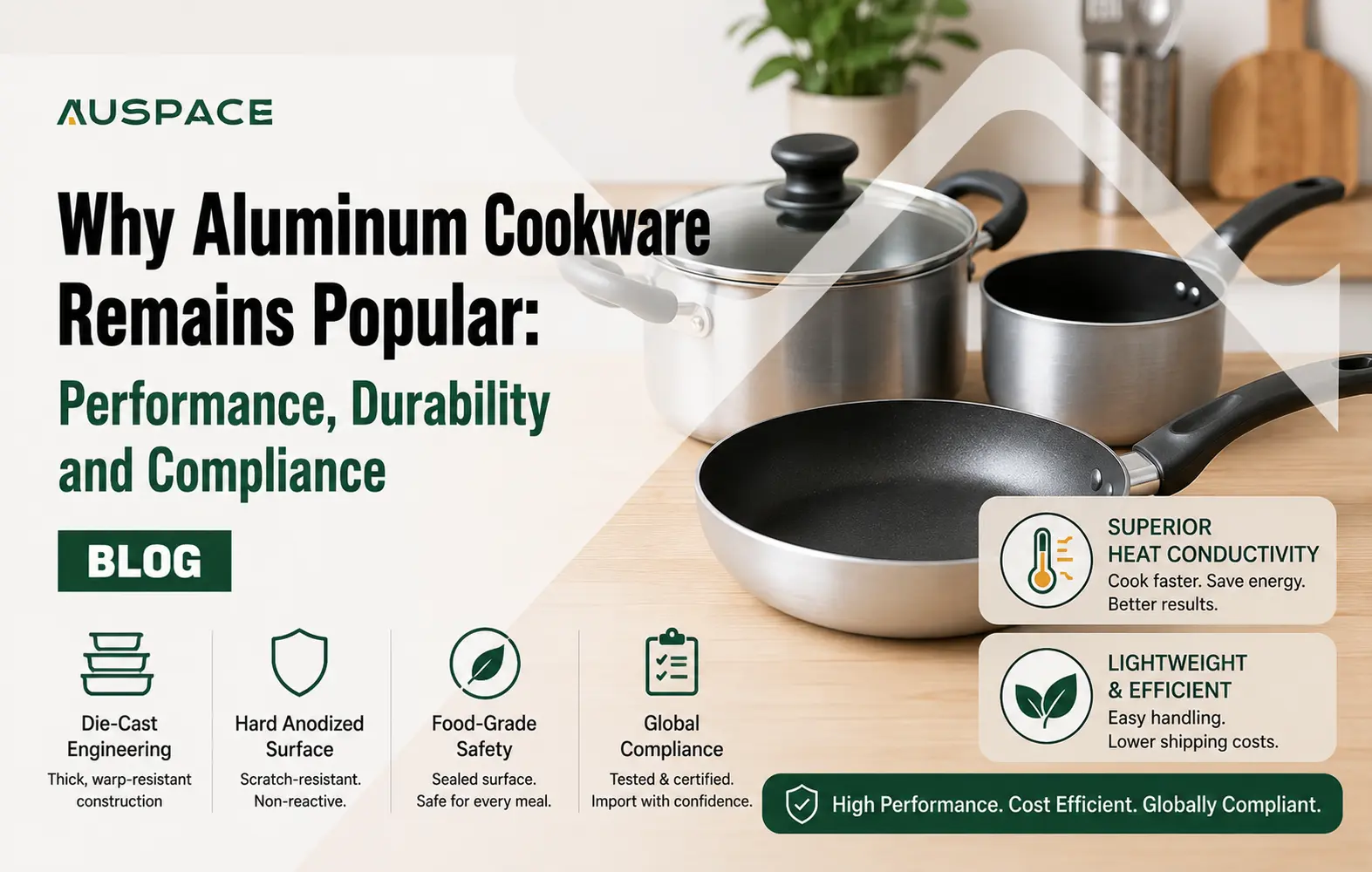

The global cookware market continues to grow as consumers demand better performance, healthier materials, and stronger brand identities. For emerging brands, retailers, and distributors, building a product line from scratch can feel overwhelming. Manufacturing facilities require high capital investment, technical knowledge, and complex supply chain management.
This is where OEM cookware manufacturing becomes a powerful solution.
OEM allows brands to create fully customized cookware products under their own label—without owning a factory. From design and tooling to coating application and packaging, experienced manufacturers transform product concepts into market-ready cookware.
This complete guide explains how OEM cookware manufacturing works, how it differs from other production models, what the process involves, and how brands can successfully launch custom cookware products.
What Is OEM Cookware Manufacturing?
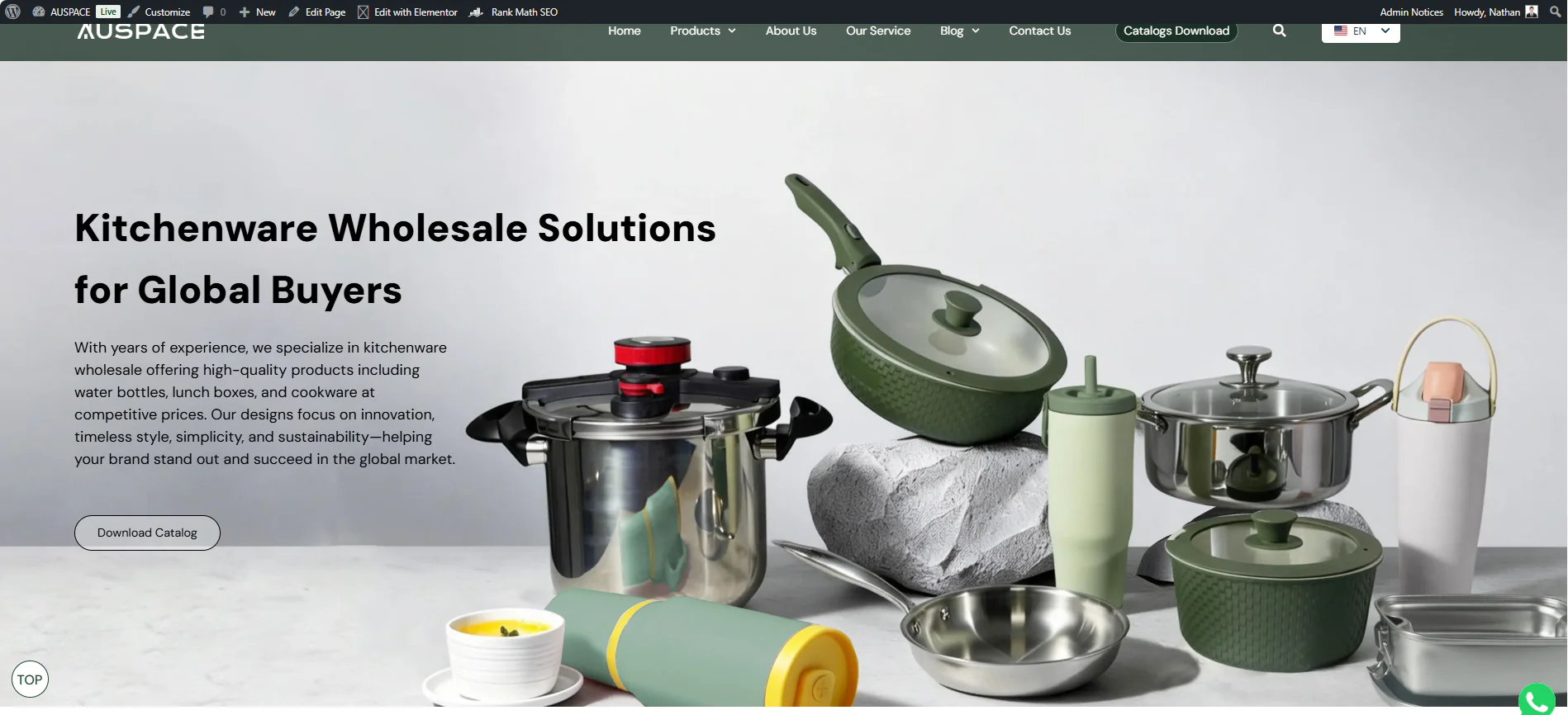
OEM (Original Equipment Manufacturer) cookware manufacturing refers to a production model in which a factory produces cookware products according to a brand’s specifications. The brand owns the design, branding, and market positioning, while the manufacturer handles production.
Unlike wholesale purchasing—where brands simply buy existing products and add a logo—OEM offers deep customization. Brands can define:
- Product shape and size
- Material structure
- Coating type and thickness
- Handle design
- Packaging style
- Logo placement and branding elements
OEM cookware manufacturing gives brands control over their product identity without requiring them to operate their own production facilities.
Cookware OEM ODM Difference: What Brands Must Understand
Before starting a project, brands must clearly understand the cookware OEM ODM difference.
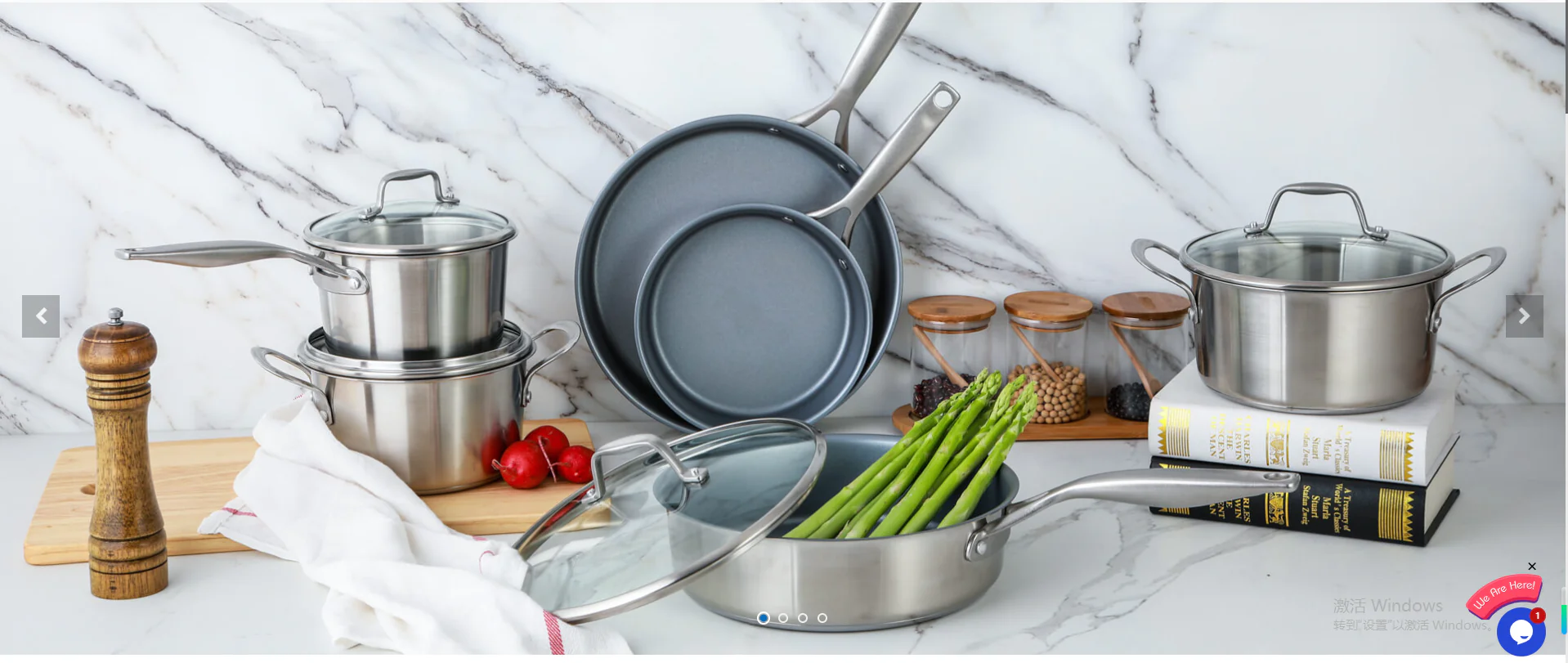
1) OEM (Original Equipment Manufacturer)
- The brand provides product specifications or detailed requirements.
2. The factory manufactures based on those specifications.
3. The brand owns the intellectual property and design direction.
4. Tooling may be exclusive to the brand.
OEM is ideal for companies that want full product differentiation and long-term brand value.
2) ODM (Original Design Manufacturer)
1. The factory provides ready-made designs.
2. The brand selects from existing models.
3. Minor adjustments (color, logo, packaging) are allowed.
4. Tooling is usually not exclusive.
ODM is faster and requires lower upfront investment but offers limited differentiation.
Understanding the cookware OEM ODM difference helps brands decide between speed-to-market and long-term customization strategy.
Private Label vs OEM Cookware: Which Model Fits Your Brand?
Another common comparison is private label vs OEM cookware.
1) Private Label Cookware
Private label typically means selecting an existing factory product and applying your logo and packaging. There is little to no structural customization.
Advantages:
1. Low investment
2. Fast launch
3. Lower minimum order quantities
Limitations:
1. Limited product uniqueness
2. Shared designs with competitors
3. Reduced pricing power
2) OEM Cookware
OEM involves structural customization and technical adjustments.
Advantages:
1. Unique product positioning
2. Stronger brand differentiation
3. Greater pricing control
4. Long-term intellectual property value
While private label is suitable for testing markets, serious brands often transition into OEM cookware manufacturing to build stronger competitive advantages.
Why Brands Choose Custom Cookware Production
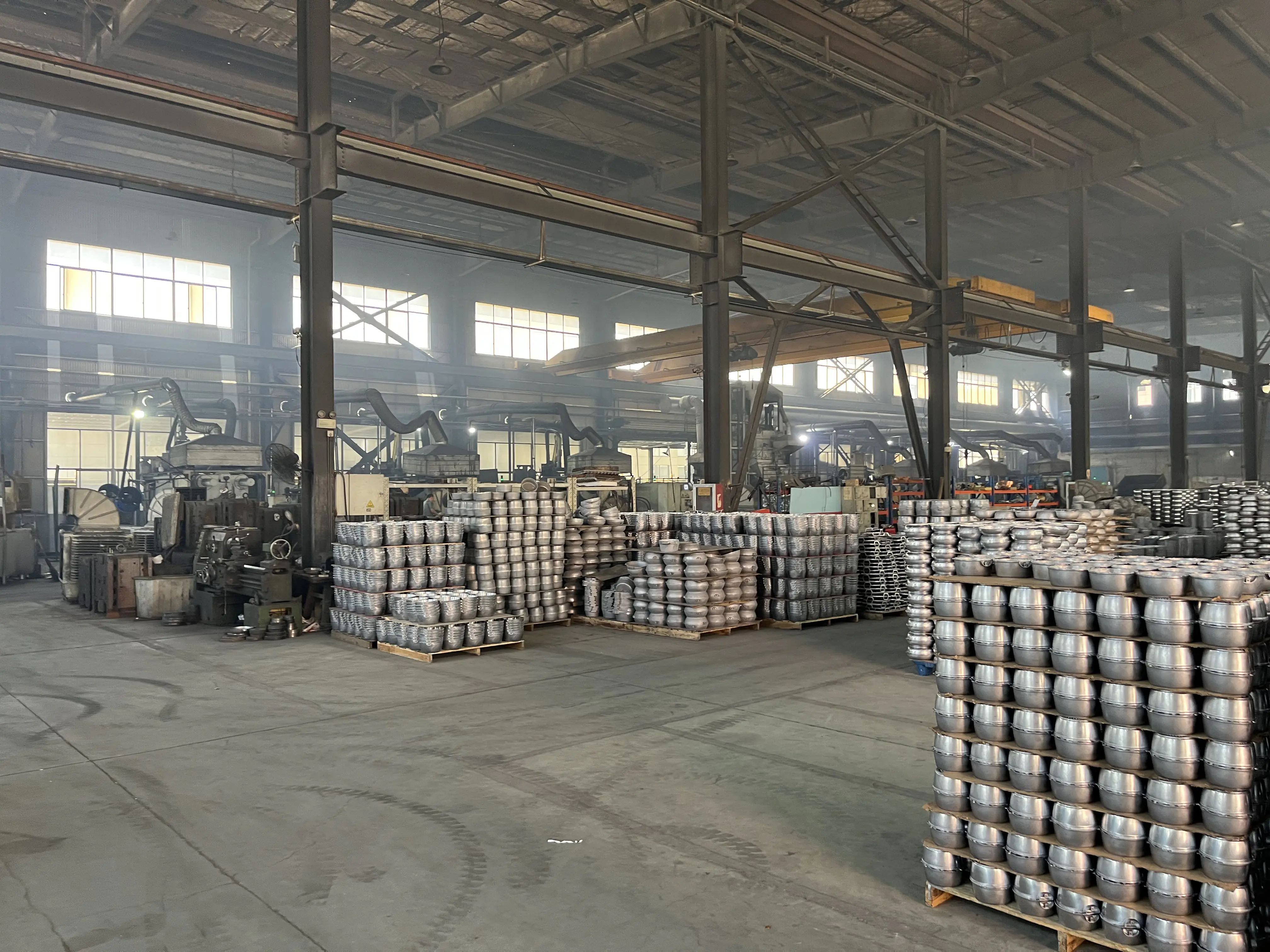
Custom cookware production allows brands to translate a vision into a tangible product. Instead of adapting to what is available, brands can create cookware aligned with their target customers.
Customization options include:
1. Pan thickness and weight
2. Multi-layer stainless steel structures
3. Induction-compatible bases
4. PTFE or ceramic non-stick coatings
5. Custom color finishes
6. Soft-touch or stainless steel handles
7. Glass or stainless lids
8. Retail-ready packaging
Custom cookware production enables brands to target specific price segments—from entry-level kitchenware to premium professional cookware lines.
OEM Cookware Manufacturing Process Explained Step-by-Step
Понимание OEM cookware manufacturing process helps brands set realistic expectations regarding cost, timeline, and collaboration.
1) Product Concept & Technical Confirmation
The brand provides sketches, reference samples, or detailed specifications. Engineers convert these into technical drawings and production plans.
2) Material Selection
Common materials include:
1. Aluminum (pressed, forged, or die-cast)
2. Stainless steel (single layer or multi-ply)
3. Carbon steel
4. Cast iron
Material choice affects durability, heat conductivity, and pricing.
3) Tooling & Mold Development
If the product requires new shapes or structures, molds must be developed. Tooling costs vary depending on complexity.
4) Body Forming
Depending on the material, cookware bodies are:
1. Stamped
2. Forged
3. Die-cast
4. Deep drawn
Each technique influences thickness uniformity and strength.
5) 5. Surface Treatment & Coating Application
Non-stick coating application is a critical stage. The process typically includes:
1. Sandblasting or surface roughening
2. Primer layer application
3. Mid-coat reinforcement
4. Top-coat non-stick layer
5. High-temperature curing
6) Assembly
Handles, rivets, induction bases, and lids are assembled.
7) Quality Control
Testing may include:
1. Coating adhesion tests
2. Salt spray resistance
3. Impact resistance
4. Handle strength testing
5. Flatness inspection
8) Packaging & Shipment
Products are packed according to brand requirements and prepared for export.
The full OEM cookware manufacturing process typically takes 30–60 days depending on order size and complexity.
OEM Cookware Services: What a Professional Manufacturer Should Provide
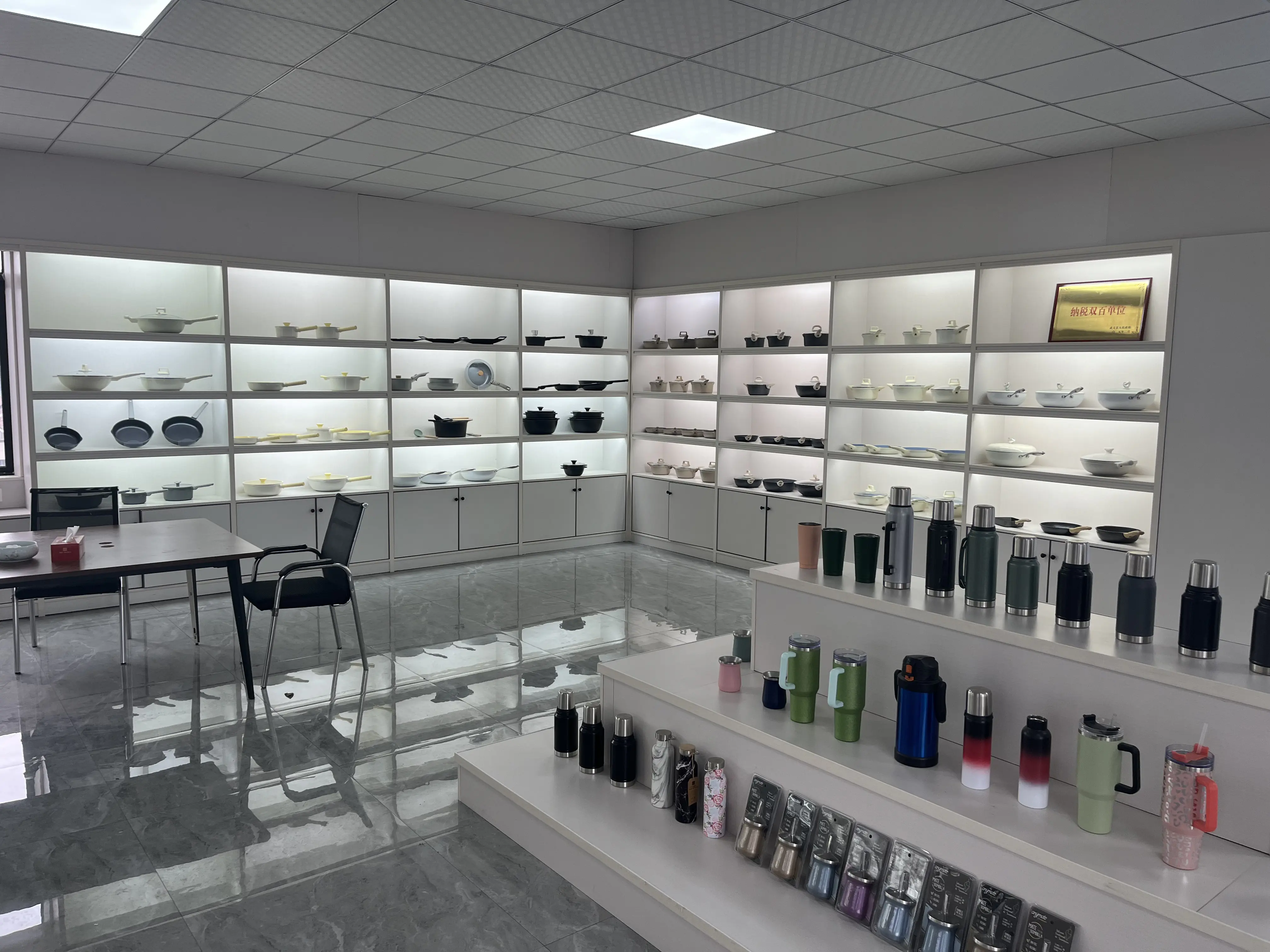
Comprehensive OEM cookware services go beyond simple production.
A professional OEM partner should offer:
1. Product engineering support
2. 3D design and rendering
3. Prototyping and sampling
4. Tooling development management
5. Certification assistance (FDA, LFGB, etc.)
6. Packaging design consultation
7. Logistics coordination
Brands should look for manufacturers capable of supporting the entire lifecycle—from concept to delivery.
Choosing the Right OEM Kitchenware Factory
Selecting the right OEM kitchenware factory determines the success of your project.
Key evaluation criteria include:
1. Production Capacity
Can the factory handle your projected growth volume?
2. Technical Expertise
Does the manufacturer specialize in your chosen material (aluminum, stainless steel, etc.)?
3. Certifications
Check for ISO quality systems and export compliance documentation.
4. Quality Control System
A structured QC process reduces defects and protects brand reputation.
5. Communication & Transparency
Clear communication prevents delays and misunderstandings.
Factory audits—either virtual or in person—are strongly recommended.
Materials and Coatings in OEM Cookware Manufacturing
Material choice directly impacts performance and cost.
1) Aluminum Cookware
1. Excellent heat conductivity
2. Lightweight
3. Popular for non-stick frying pans
2) Stainless Steel Cookware
1. Durable and corrosion-resistant
2. Ideal for multi-ply premium lines
3) Cast Iron
1. Superior heat retention
2. Heavy-duty positioning
4) Non-Stick Coatings
1. PTFE-based coatings for strong release performance
2. Ceramic coatings for PTFE-free positioning
3. Reinforced granite-style coatings for durability marketing
Material decisions should align with brand positioning and target customers.
MOQ, Tooling Costs, and Lead Times in Custom Cookware Production
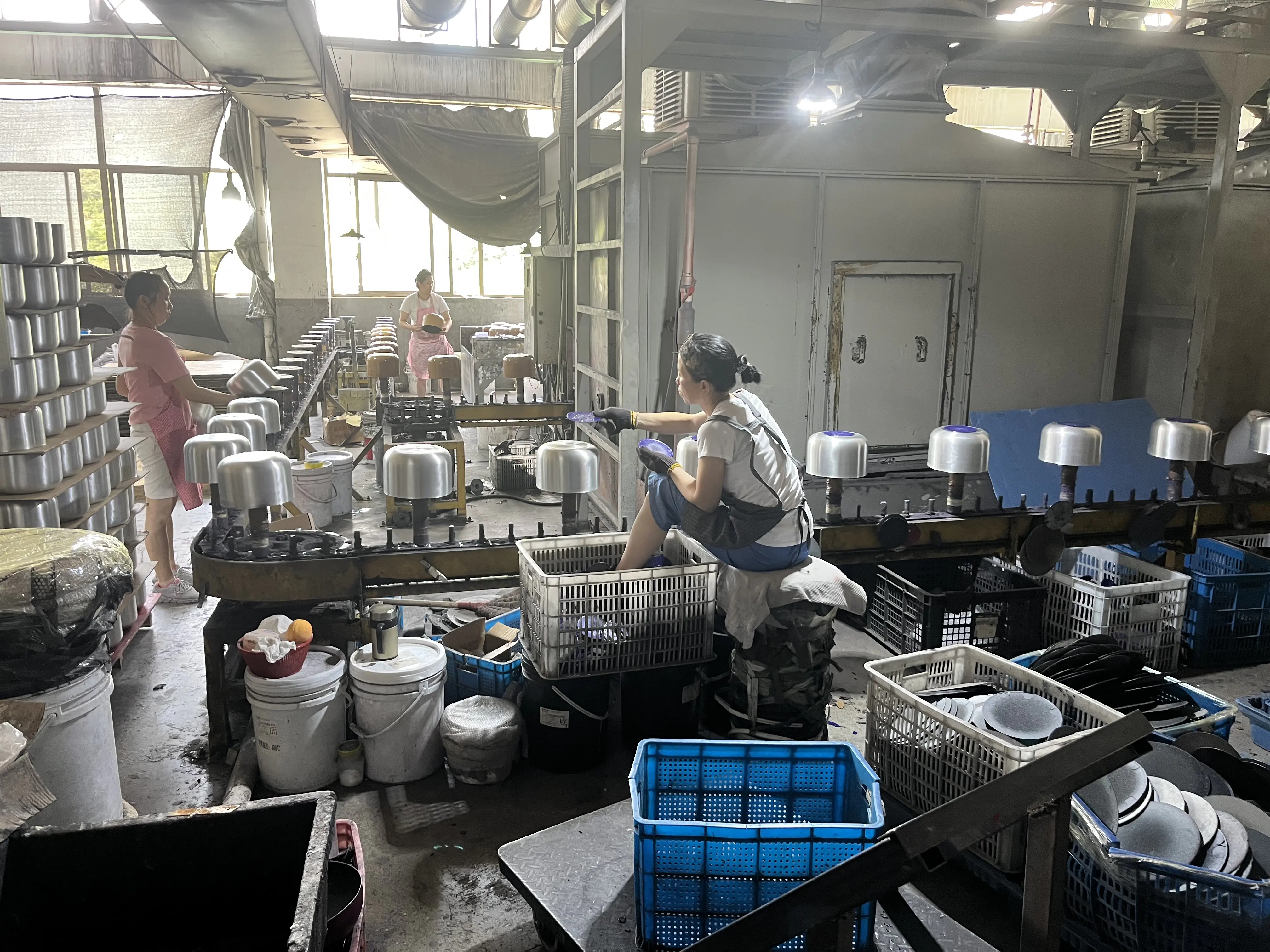
When planning custom cookware production, brands must consider financial factors.
1. Minimum Order Quantity (MOQ)
MOQ varies depending on product type and customization level. Basic models may require lower quantities, while fully customized molds increase minimum requirements.
2. Tooling Investment
New mold development can require upfront payment. However, exclusive tooling protects brand uniqueness.
3. Sampling Timeline
Samples typically take 7–20 days depending on complexity.
4. Mass Production Lead Time
Standard production cycles range from 30–60 days.
Understanding these variables helps brands plan cash flow and inventory management.
Quality Control in OEM Cookware Manufacturing
Quality control protects your brand reputation. Reliable factories conduct inspections at multiple stages:
1. Incoming raw material inspection
2. In-process quality checks
3. Coating thickness measurement
4. Adhesion and abrasion resistance tests
5. Final random inspection before shipment
Brands may also hire third-party inspection agencies for added assurance.
Common Mistakes Brands Make in OEM Cookware Projects
Avoid these common errors:
1. Choosing suppliers based only on price.
2. Ignoring coating durability specifications.
3. Failing to clarify packaging requirements early.
4. Underestimating certification compliance needs.
5. Skipping sample testing before mass production.
Successful OEM cookware manufacturing requires detailed communication and long-term partnership thinking.
How to Start Your OEM Cookware Manufacturing Project
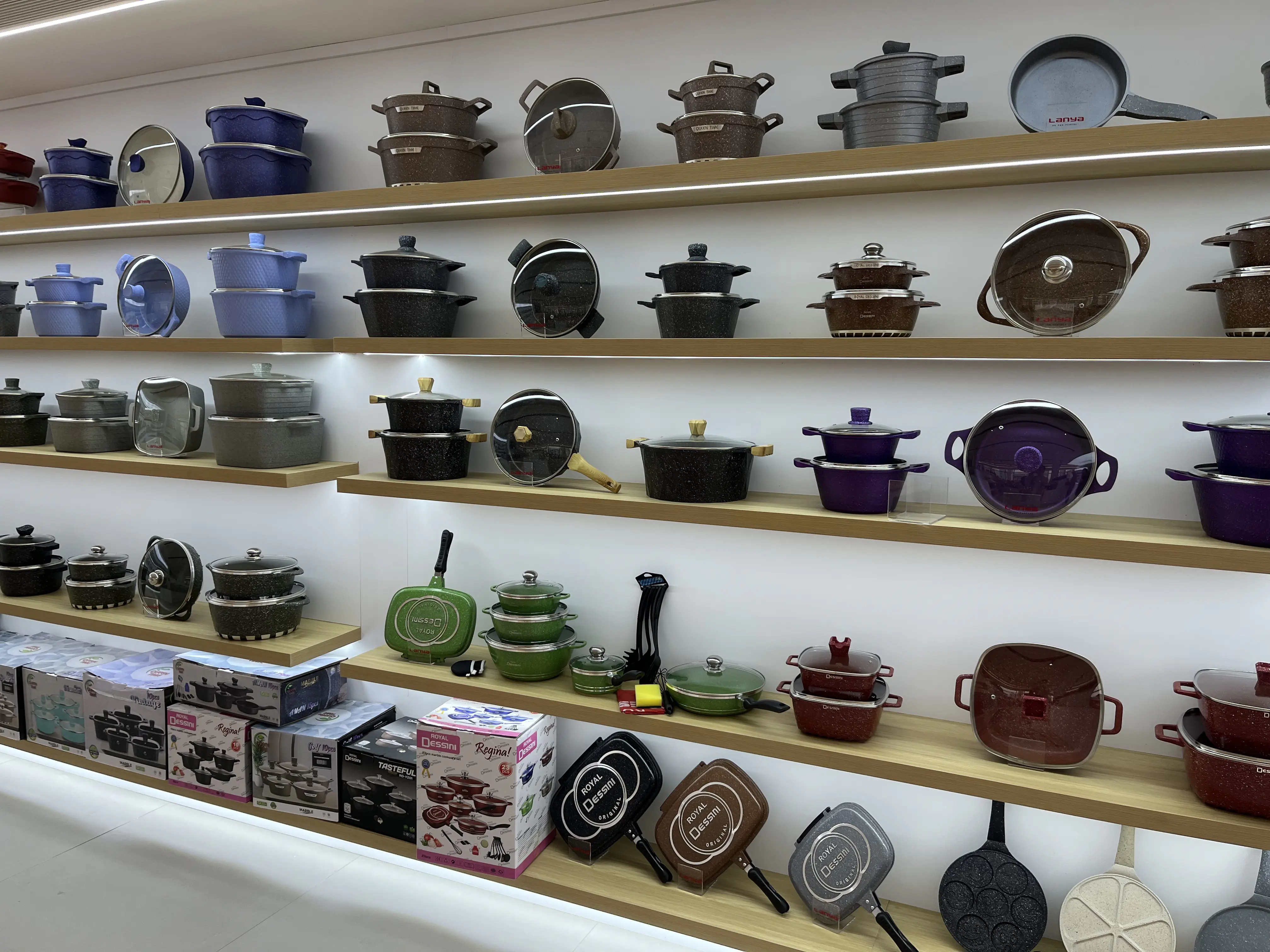
If you are ready to begin, follow this roadmap:
1. Define your target market and price positioning.
2. Prepare product references or drawings.
3. Identify preferred materials and coatings.
4. Request quotations from qualified factories.
5. Confirm MOQ and tooling details.
6. Approve pre-production samples.
7. Finalize packaging artwork.
8. Place trial production order.
Starting with a pilot order allows brands to test quality and market response before scaling.
Who Should Choose OEM Cookware Manufacturing?
OEM cookware manufacturing is ideal for:
1. Amazon private label sellers seeking differentiation
2. Supermarket chains building exclusive house brands
3. Kitchenware distributors expanding product lines
4. Direct-to-consumer cookware startups
5. Established brands upgrading quality tiers
Brands focused on long-term growth benefit most from custom production strategies.
Final Thoughts: Building a Strong Brand Through OEM Cookware Manufacturing
In today’s competitive cookware market, differentiation is essential. OEM cookware manufacturing provides brands with the flexibility to control design, quality, and branding—without owning production facilities.
By understanding the cookware OEM ODM difference, evaluating private label vs OEM cookware options, and mastering the OEM cookware manufacturing process, brands can build unique, scalable product lines.
Choosing the right OEM kitchenware factory and leveraging professional OEM cookware services ensures smooth production, consistent quality, and long-term success.
For brands ready to move beyond generic products, custom cookware production is not just a manufacturing choice—it is a strategic investment in brand value and market positioning.

Натан - советник по вопросам соответствия и сорсинга кухонной посуды в компании Auspace Kitchenware. Он много лет работает в сфере поиска поставщиков кухонной посуды в Китае и на мировом рынке. Он работает с китайскими фабриками, чтобы обеспечить качество, соответствие требованиям FDA/CE и соответствие потребностям покупателей. Имея опыт работы в сфере трансграничной торговли, он оказывает помощь в сертификации, проверке качества и поиске поставщиков с минимальными затратами. Благодаря своему опыту он связывает покупателей с китайскими производителями, что делает его надежным поставщиком кухонной посуды, отвечающей всем требованиям.