


Введение
China has remained the world’s leading manufacturing hub for kitchenware products for decades, supplying cookware, bakeware, kitchen utensils, food storage containers, drinkware, and numerous household products to global markets. For importers, distributors, retailers, e-commerce sellers, and private-label brands, selecting the right Kitchenware Supplier China is one of the most important decisions in the sourcing process.
As global competition intensifies and consumer expectations continue to rise, buyers are no longer focused solely on obtaining the lowest price. Product quality, supply chain stability, compliance standards, customization capabilities, and innovation have become equally important considerations. A reliable Kitchenware Supplier China can help businesses improve profitability, strengthen customer satisfaction, and build sustainable competitive advantages.
However, sourcing from China is not without challenges. Thousands of manufacturers, trading companies, and sourcing firms compete for international business. While this provides buyers with abundant options, it also increases the risk of selecting an unsuitable supplier. Choosing the wrong Chinese kitchenware supplier may result in inconsistent product quality, delayed shipments, communication issues, and costly compliance problems.
In recent years, more businesses have begun exploring direct factory sourcing as a China sourcing agent alternative. By working directly with manufacturers, buyers can gain better pricing transparency, faster communication, and greater control over product development. Nevertheless, this approach requires a structured supplier verification process to ensure the selected supplier can meet long-term business requirements.
This guide provides a comprehensive framework for evaluating suppliers, conducting a factory audit China program, assessing manufacturing capabilities, and identifying a reliable cookware manufacturer that can support sustainable growth in 2026 and beyond.
1. Understanding the Kitchenware Supply Industry in China
1.1 Why China Dominates Global Kitchenware Manufacturing
China’s leadership in kitchenware manufacturing is built upon a combination of industrial infrastructure, production expertise, and supply chain integration. Unlike many countries that specialize in limited product categories, China offers complete manufacturing ecosystems that support virtually every type of kitchenware product.
A major advantage of working with a Kitchenware Supplier China is access to mature supply chains. Raw material suppliers, tooling manufacturers, packaging providers, testing laboratories, and logistics companies are often located within the same industrial regions. This integration reduces production costs and improves efficiency.
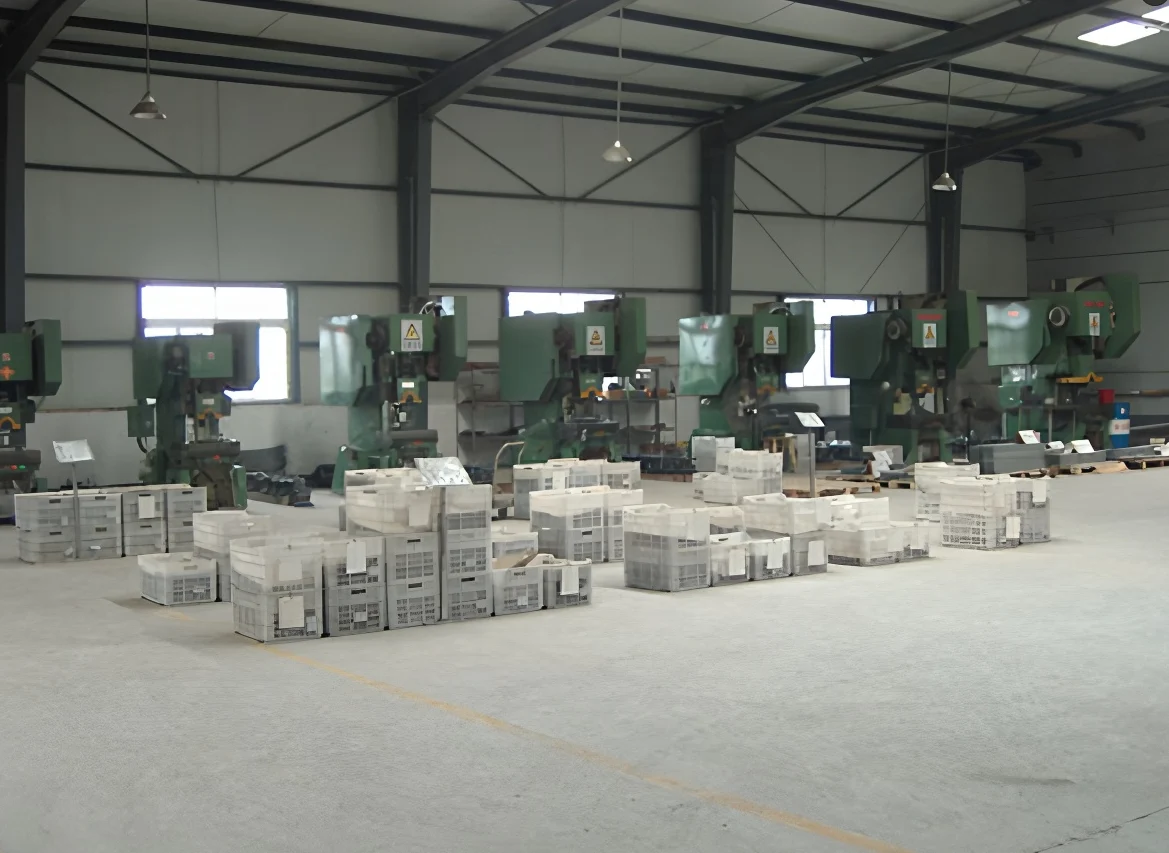
Chinese manufacturers have also invested heavily in automation and advanced production technologies. Modern factories now operate automated stamping lines, die-casting equipment, robotic polishing systems, automated coating facilities, and digital quality control systems. These investments enable a Chinese kitchenware supplier to achieve high levels of consistency and productivity.
Another reason China remains dominant is its extensive export experience. Many manufacturers have spent decades serving international markets and understand the requirements of retailers, distributors, and private-label brands worldwide. This experience makes a reliable cookware manufacturer more capable of meeting customer expectations and regulatory requirements.
1.2 Major Kitchenware Production Clusters
China’s kitchenware industry is concentrated in several manufacturing regions, each offering unique strengths.
Zhejiang Province is widely recognized for cookware, drinkware, and household products. Cities such as Yongkang and Wuyi have become important production centers for cookware manufacturing. Many buyers searching for a Kitchenware Supplier China begin their sourcing efforts in this region because of its extensive factory network.
Guangdong Province is another major manufacturing hub. The region specializes in stainless steel cookware, kitchen appliances, and premium kitchen products. Many internationally recognized manufacturers operate production facilities here.
Jiangsu Province has developed strong capabilities in metal processing and precision manufacturing. The province is home to numerous suppliers specializing in high-quality kitchenware products for export markets.
Shandong Province is known for cookware, cast iron products, and household goods. The region continues to attract international buyers seeking a reliable cookware manufacturer with strong production capabilities.
Understanding regional specializations helps buyers identify the most suitable Chinese kitchenware supplier based on product requirements and sourcing objectives.
1.3 Types of Kitchenware Suppliers in China
Not every Kitchenware Supplier China operates under the same business model. Understanding supplier types is a critical first step in any supplier verification process.
Factory manufacturers own and operate production facilities. They control manufacturing operations directly and usually provide greater transparency, better pricing, and stronger customization capabilities.
OEM and ODM manufacturers focus on producing products under customer brands. These suppliers often provide engineering support, product development services, and packaging customization.
Trading companies do not own production facilities but coordinate sourcing activities between buyers and factories. Some trading companies offer valuable services, particularly for buyers sourcing multiple product categories.
Integrated manufacturing groups combine manufacturing, sourcing, product development, and export management under one organization. These companies often provide comprehensive solutions for large international buyers.
Identifying which category a supplier belongs to is essential before proceeding with a supplier verification process.
2. Defining Your Sourcing Requirements Before Supplier Selection
2.1 Product Category Identification
Successful sourcing begins with a clear understanding of product requirements. Buyers should define exactly what products they intend to source before contacting any Kitchenware Supplier China.
Different product categories require different manufacturing capabilities. For example, aluminum cookware production requires expertise in die casting, stamping, polishing, and coating technologies. Stainless steel cookware manufacturing relies on metal forming, welding, and polishing processes.
A reliable cookware manufacturer will typically ask detailed questions regarding product specifications, materials, dimensions, finishes, packaging requirements, and performance expectations.
Clearly defining product requirements allows buyers to narrow down potential suppliers and improve sourcing efficiency.
2.2 Target Market Requirements
Different markets have different expectations regarding quality, design, and compliance.
Retail brands often prioritize packaging quality, visual appeal, and shelf presentation. E-commerce sellers may focus more heavily on product durability, customer reviews, and shipping efficiency.
When selecting a Kitchenware Supplier China, buyers should ensure that the supplier understands the target market and possesses relevant experience.
A Chinese kitchenware supplier that regularly exports to Europe may be more familiar with LFGB requirements, while suppliers serving North America may have stronger expertise in FDA compliance.
Market alignment is an important consideration when evaluating potential manufacturing partners.
2.3 Certification and Compliance Planning
Compliance planning should begin before supplier selection.
Buyers should identify all applicable regulations and standards relevant to their products and target markets. This may include food-contact regulations, material safety requirements, environmental standards, and social responsibility audits.
An experienced Kitchenware Supplier China should be familiar with these requirements and capable of providing supporting documentation.
Certifications alone do not guarantee product quality, but they often indicate a supplier’s commitment to compliance and international market standards.
Proper compliance planning reduces sourcing risks and strengthens the overall supplier verification process.
3. Evaluating Supplier Background and Business Credentials
Selecting a Kitchenware Supplier China should never be based solely on product catalogs, attractive pricing, or professional-looking websites. While these factors may create a positive first impression, they rarely provide a complete picture of a supplier’s actual capabilities and reliability. In today’s competitive sourcing environment, buyers must conduct a comprehensive evaluation of supplier credentials before making purchasing commitments. A structured supplier verification process helps businesses minimize risks, improve supplier transparency, and establish long-term partnerships with manufacturers that can consistently meet quality and delivery expectations.
Evaluating supplier background involves more than confirming whether a company exists. Buyers should investigate legal registration, export experience, operational stability, production history, and overall industry reputation. These factors collectively provide valuable insights into whether a Chinese kitchenware supplier can support long-term business growth and maintain consistent performance across multiple production cycles.
3.1 Company Registration Verification
Company registration verification is one of the most fundamental steps in supplier evaluation. Before discussing production details or pricing structures, buyers should confirm that the supplier is legally registered and authorized to conduct business activities. This step helps prevent potential fraud, reduces sourcing uncertainty, and establishes a foundation for further supplier assessment.
A professional Kitchenware Supplier China should be able to provide official business registration documents upon request. These documents typically contain essential information such as the company’s registered name, establishment date, registered capital, legal representative, and business scope. Buyers should carefully review this information to ensure consistency across quotations, contracts, invoices, and communication channels. Discrepancies between official documentation and business communications may indicate organizational issues that require further investigation.
Particular attention should be paid to the business scope listed in registration documents. Many companies promote themselves as manufacturers, but their official registration may reveal that they primarily operate as trading companies. While trading companies can provide valuable sourcing services, buyers seeking direct factory relationships should clearly understand who is responsible for manufacturing activities. Identifying whether a supplier is a genuine manufacturer is a critical component of any supplier verification process.
Company age is another useful indicator of stability. A Kitchenware Supplier China that has operated successfully for many years often possesses more mature management systems, stronger supplier networks, and greater experience handling international business. Although younger companies may offer innovation and competitive pricing, established businesses generally demonstrate greater operational resilience and supply chain stability. Reviewing registration records therefore provides valuable insights into a supplier’s long-term viability.
3.2 Export Experience Assessment
Export experience is often one of the strongest indicators of a supplier’s ability to support international customers. A Kitchenware Supplier China that regularly exports products to global markets is typically more familiar with compliance requirements, quality expectations, shipping procedures, and documentation standards than suppliers focused primarily on domestic sales.
When evaluating export experience, buyers should examine the supplier’s primary export destinations and customer profile. Suppliers serving North American markets often have extensive knowledge of FDA requirements, while those exporting to Europe may possess stronger experience with LFGB, REACH, and other regional regulations. Understanding market specialization helps buyers determine whether a Chinese kitchenware supplier has relevant expertise for their target markets.
Trade show participation can also provide valuable information regarding export capability. Suppliers that regularly attend international exhibitions often demonstrate stronger commitment to global business development and product innovation. Participation in industry events also suggests that the company actively monitors market trends and maintains relationships with international buyers. These characteristics are frequently associated with a reliable cookware manufacturer capable of adapting to changing market demands.
Buyers should also evaluate the diversity of the supplier’s customer base. A company that serves multiple countries, product categories, and distribution channels is generally less vulnerable to market fluctuations than a supplier heavily dependent on a limited number of customers. Diversified customer portfolios often indicate stronger operational stability and broader industry experience. When combined with positive customer references and documented export history, export experience becomes a powerful indicator of supplier reliability.
3.3 Financial and Operational Stability
Long-term sourcing success depends heavily on supplier stability. Even suppliers with strong technical capabilities may create significant business risks if they face financial difficulties, workforce shortages, or operational disruptions. Evaluating stability should therefore be an essential part of the supplier verification process.
Financial stability often reveals itself through operational indicators rather than direct financial disclosures. Buyers should assess whether the supplier has invested consistently in equipment upgrades, factory expansion, production automation, and employee development. Continuous investment suggests confidence in future growth and a commitment to maintaining competitive manufacturing capabilities. A stable Kitchenware Supplier China is more likely to support long-term partnerships and large-scale production programs.
Workforce stability is another important consideration. High employee turnover can negatively affect production efficiency, product quality, and operational consistency. Experienced employees often possess specialized technical knowledge that contributes directly to manufacturing performance. When evaluating a Chinese kitchenware supplier, buyers should inquire about workforce size, management structure, and employee retention practices to gain a better understanding of organizational stability.
Operational scalability should also be examined. A supplier may perform well when producing small orders but struggle to accommodate growing demand. Buyers planning long-term cooperation should assess whether the supplier can expand production capacity as business requirements increase. A reliable cookware manufacturer should demonstrate the ability to support future growth without compromising product quality or delivery schedules. By carefully evaluating financial and operational stability, buyers significantly reduce sourcing risks and strengthen the foundation for successful supplier partnerships.
4. Conducting an Effective Supplier Verification Process
A successful sourcing strategy requires more than reviewing brochures, websites, and product samples. Buyers should establish a systematic supplier verification process that evaluates every critical aspect of supplier performance. Verification is designed to confirm whether a supplier possesses the capabilities, systems, and resources necessary to support long-term business objectives.
The most effective supplier verification process combines documentation review, production capability assessment, quality evaluation, and risk analysis. Rather than relying on assumptions or marketing materials, buyers should collect objective evidence that supports informed sourcing decisions. This approach not only reduces procurement risks but also helps identify suppliers capable of becoming strategic manufacturing partners.
4.1 Document Review Procedures
Document review serves as the foundation of supplier verification. Before conducting a factory audit China program or placing sample orders, buyers should request a comprehensive set of supporting documents. These materials provide valuable insight into the supplier’s operational standards, compliance systems, and business practices.
Typical documents include business licenses, export certificates, product testing reports, quality management certifications, social compliance audits, and environmental certifications. Reviewing these documents allows buyers to confirm that a Kitchenware Supplier China meets basic legal and operational requirements. Documentation can also reveal whether the supplier maintains formal management systems or relies primarily on informal operating procedures.
However, collecting documents alone is not sufficient. Buyers should verify the authenticity and validity of certifications whenever possible. Expired certificates, inconsistent information, or missing documentation may indicate potential risks. Professional suppliers generally maintain organized records and respond promptly to document requests. This level of transparency often reflects strong internal management practices.
Document review also helps identify areas requiring further investigation during later stages of the supplier verification process. For example, if a supplier claims extensive testing capabilities but provides limited supporting evidence, buyers may choose to focus more heavily on laboratory resources during a factory audit China assessment. As a result, thorough document review significantly improves the effectiveness of subsequent supplier evaluations.
4.2 Production Capability Evaluation
Production capability assessment is one of the most important stages of supplier evaluation because it determines whether a supplier can consistently meet quality, volume, and delivery requirements. A supplier’s actual manufacturing capacity often differs significantly from marketing claims, making independent verification essential.
When evaluating a Kitchenware Supplier China, buyers should examine production equipment, manufacturing technologies, workflow organization, engineering resources, and automation levels. Modern production facilities often demonstrate stronger consistency, higher efficiency, and better quality control than factories relying heavily on manual processes. Equipment investment can therefore provide valuable insights into a supplier’s commitment to operational excellence.
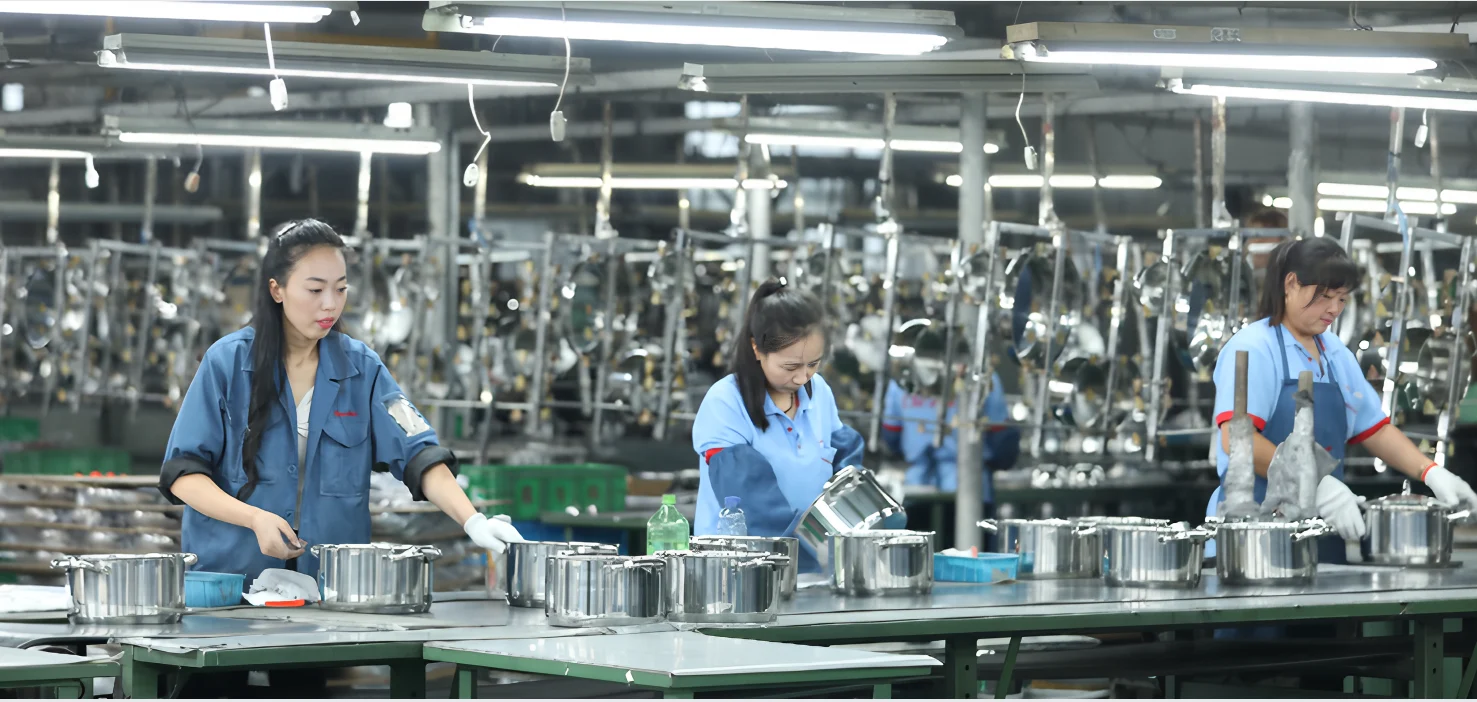
For cookware and kitchenware products, buyers should also determine which production processes are performed internally. A reliable cookware manufacturer typically maintains direct control over critical operations such as metal forming, die casting, polishing, coating application, assembly, and packaging. Internal production control generally improves quality consistency and reduces supply chain complexity. Excessive outsourcing may introduce additional risks related to communication, quality management, and delivery reliability.
Capacity evaluation should also consider future growth potential. Many sourcing relationships begin with relatively small orders but expand significantly over time. Buyers should assess whether the supplier can accommodate increasing production volumes without sacrificing quality standards or extending lead times excessively. Understanding production capability helps ensure that the selected Chinese kitchenware supplier can support both current requirements and future business expansion.
4.3 Risk Assessment Framework
Every sourcing decision involves a degree of uncertainty, making risk assessment an essential component of the supplier verification process. The objective is not to eliminate all risks, which is impossible in global sourcing, but rather to identify, evaluate, and manage them effectively before they impact business operations.
Several categories of risk should be examined when evaluating a Kitchenware Supplier China. Quality risks involve product defects, inconsistent manufacturing standards, and inadequate quality control systems. Delivery risks include production delays, logistics disruptions, and capacity constraints. Compliance risks may arise from regulatory violations, certification issues, or inadequate testing procedures. Financial risks involve supplier instability, while supply chain risks may stem from raw material shortages or excessive dependence on external subcontractors.
A mature Chinese kitchenware supplier should maintain documented procedures for addressing these challenges. Buyers should evaluate how the supplier responds to quality issues, manages production disruptions, and implements corrective actions. Strong risk management systems often indicate experienced leadership and operational discipline.
Supplier diversification can further reduce sourcing vulnerability. While building strong partnerships with a reliable cookware manufacturer is highly beneficial, relying exclusively on a single supplier may create long-term supply chain risks. Many successful importers maintain secondary sourcing options as part of their overall procurement strategy. By combining comprehensive risk assessment with structured supplier evaluation, businesses can make more informed sourcing decisions and build stronger, more resilient supply chains.
5. Performing a Professional Factory Audit China
A thorough factory audit China program remains one of the most effective methods for evaluating a potential supplier. While product samples, websites, and sales presentations may provide useful information, they rarely reveal the complete picture of a factory’s actual manufacturing capabilities. An on-site audit allows buyers to verify production conditions, management systems, quality control procedures, and operational capacity firsthand.
For many international buyers, conducting a factory audit China assessment is the point where supplier claims are either confirmed or challenged. A factory may advertise advanced equipment, strict quality management, and large production capacity, but only a detailed inspection can determine whether these capabilities genuinely exist. As sourcing competition increases in 2026, professional factory audits continue to be an essential part of selecting a reliable Kitchenware Supplier China.
A well-planned audit should evaluate not only current production performance but also the supplier’s ability to support future growth. Buyers should view the audit as an opportunity to understand how the factory operates, how management responds to challenges, and whether the organization possesses the systems required for long-term cooperation.
5.1 Pre-Audit Preparation
Successful audits begin long before the auditor enters the factory. Proper preparation ensures that the inspection focuses on the most important business risks and sourcing objectives. Without clear goals, audits often become general factory tours that provide limited practical value.
Before conducting a factory audit China program, buyers should establish a detailed audit checklist based on product requirements, compliance standards, and business priorities. For example, a buyer sourcing cookware products may place greater emphasis on coating application processes, material traceability systems, and testing capabilities. A company sourcing kitchen utensils may focus more heavily on material sourcing, finishing quality, and packaging operations.
The audit team should also review all previously collected supplier information. Business licenses, certifications, product specifications, production flow charts, and testing reports should be analyzed in advance. This preparation allows auditors to identify areas requiring closer examination during the on-site visit. When documentation and actual factory conditions differ, buyers gain valuable insight into potential operational weaknesses.
Another important aspect of pre-audit planning involves determining whether internal personnel or third-party auditors will conduct the assessment. Many companies utilize specialized inspection firms because they possess extensive experience evaluating manufacturing facilities. Regardless of who performs the audit, preparation significantly improves the effectiveness of the supplier verification process and helps buyers make more informed sourcing decisions.
5.2 On-Site Factory Inspection
The on-site inspection phase provides an opportunity to evaluate how a Kitchenware Supplier China operates on a daily basis. Unlike presentations prepared by sales teams, actual factory conditions often reveal the true strengths and weaknesses of an organization.
During the inspection, auditors should examine facility cleanliness, production organization, equipment condition, warehouse management, and employee working practices. Well-organized factories typically demonstrate stronger operational discipline and more effective quality management systems. Production areas should be clean, clearly labeled, and structured to support efficient workflow. Disorganized facilities may indicate deeper management issues that could eventually affect product quality and delivery performance.
Equipment condition is another critical evaluation area. Modern manufacturing facilities generally invest in machinery upgrades, preventive maintenance programs, and automation technologies. These investments improve consistency and reduce production risks. Buyers seeking a reliable cookware manufacturer should pay particular attention to whether key production processes are performed using modern equipment or outdated machinery.
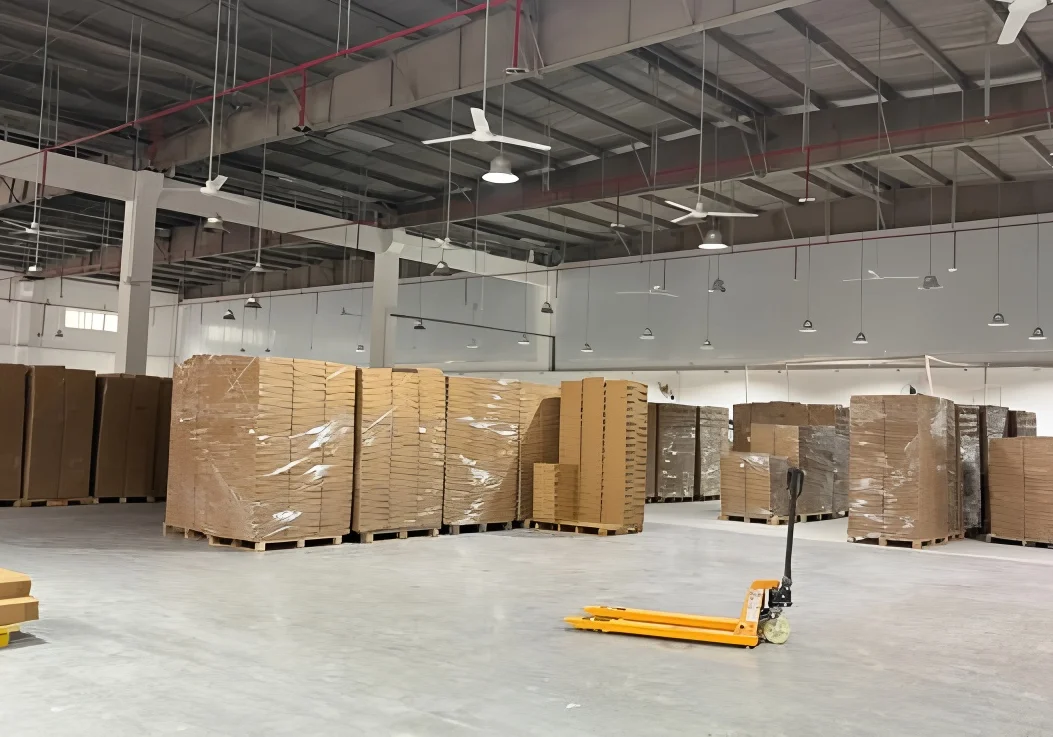
Warehouse management also deserves careful evaluation. Raw materials, semi-finished products, and finished goods should be stored systematically with clear identification and traceability controls. Effective inventory management helps reduce production errors and supports consistent quality performance. During a factory audit China inspection, auditors should verify whether inventory records match actual warehouse conditions and whether material handling procedures follow documented standards.
Beyond equipment and facilities, management engagement is equally important. Strong factory leadership often demonstrates transparency, openness to questions, and willingness to discuss operational challenges. These characteristics frequently indicate a supplier capable of building productive long-term partnerships.
5.3 Manufacturing Capacity Assessment
One of the primary objectives of a factory audit China program is determining whether a supplier can support required production volumes. Many sourcing projects fail because buyers underestimate the importance of capacity verification. A supplier may perform well during sample development yet struggle when larger production orders are introduced.
Manufacturing capacity assessment should begin with a detailed review of production lines and workflow organization. Auditors should examine how materials move through the factory, how production schedules are managed, and how bottlenecks are addressed. A Kitchenware Supplier China with efficient production planning systems is generally better positioned to maintain delivery commitments and accommodate fluctuating demand.
Equipment utilization rates provide valuable insight into available capacity. Factories operating near maximum utilization may face difficulties accepting additional orders without extending lead times. Conversely, suppliers with excessive unused capacity may raise concerns regarding customer retention or business stability. The ideal manufacturing partner maintains sufficient capacity to support growth while operating efficiently enough to remain competitive.
Workforce capability also plays a significant role in capacity assessment. Skilled production personnel contribute directly to productivity and quality performance. Buyers should evaluate staffing levels, training programs, and labor stability when assessing a supplier’s ability to scale production. High employee turnover may create operational challenges that limit future growth potential.
For businesses planning long-term cooperation, scalability is especially important. A reliable cookware manufacturer should possess the resources, equipment, and management systems necessary to increase output as customer demand expands. Evaluating growth capacity during the audit stage helps buyers avoid future supply chain limitations and supports sustainable business development.
5.4 Quality Management System Review
Quality management is often the single most important factor influencing supplier performance. Even suppliers with impressive facilities and substantial production capacity can create serious business problems if quality systems are weak or inconsistently applied.
During a factory audit China assessment, auditors should evaluate every stage of the quality management process. This begins with incoming material inspection. Raw materials represent the foundation of product quality, making supplier control and material verification critical activities. A professional Kitchenware Supplier China should maintain documented procedures for inspecting incoming materials and verifying compliance with specifications.
The next area of focus is in-process quality control. Effective manufacturers do not wait until production is complete to identify defects. Instead, they implement inspection checkpoints throughout the manufacturing process. These checkpoints allow problems to be detected early, reducing waste and preventing defective products from advancing through production.
Final product inspection procedures should also be reviewed carefully. A reliable cookware manufacturer typically conducts comprehensive testing before products are released for shipment. Depending on the product category, this may include dimensional verification, coating performance evaluation, leak testing, durability assessment, and packaging inspection. Consistent final inspection procedures help ensure that customers receive products meeting agreed specifications.
Equally important is the supplier’s corrective action system. Every factory occasionally encounters quality issues, but the response to those issues often determines long-term performance. Strong manufacturers investigate root causes, implement corrective measures, and continuously improve their processes. Buyers should evaluate whether the supplier maintains documented procedures for problem resolution and quality improvement.
A comprehensive review of quality management systems provides valuable insight into a supplier’s operational maturity. For buyers seeking a dependable Kitchenware Supplier China, strong quality systems often represent one of the clearest indicators of long-term sourcing success.
6. Identifying a Reliable Cookware Manufacturer
While supplier verification and factory audits provide valuable information, buyers ultimately need to determine whether a supplier can function as a reliable посуда manufacturer capable of supporting long-term business objectives. Reliability extends beyond production capacity and compliance documentation. It encompasses innovation, consistency, communication, flexibility, and commitment to continuous improvement.
In today’s competitive market, the most successful manufacturers combine technical expertise with customer-focused service. They not only produce products efficiently but also contribute to product development, quality enhancement, and strategic business growth. Identifying these characteristics requires a deeper evaluation of supplier capabilities.
6.1 Product Development Capability
Product development has become an increasingly important differentiator in the kitchenware industry. Buyers are no longer satisfied with simply purchasing standard products from existing catalogs. Instead, many seek customized designs, proprietary features, and differentiated product collections that strengthen brand positioning.
A strong Kitchenware Supplier China should possess dedicated product development resources, including engineering teams, design specialists, and prototype development capabilities. These resources allow the supplier to transform concepts into commercially viable products while addressing manufacturing feasibility and cost optimization.
The ability to develop custom molds is particularly important. Manufacturers with in-house engineering expertise can often accelerate product development timelines and improve communication throughout the design process. Buyers seeking private-label opportunities frequently prefer suppliers capable of supporting concept development, prototyping, testing, and production under a single management structure.
Innovation should also be considered. A reliable cookware manufacturer continuously explores new materials, production technologies, and design trends. Suppliers that invest in research and development are often better positioned to help customers respond to changing market demands and evolving consumer preferences.
6.2 Quality Control Standards
Quality control is one of the most important characteristics that separates an average supplier from a reliable cookware manufacturer. Regardless of how attractive a product design may be or how competitive a quotation appears, inconsistent quality can quickly damage customer trust, increase warranty costs, and negatively affect brand reputation. For this reason, buyers should carefully evaluate the quality management philosophy and execution capabilities of every Kitchenware Supplier China under consideration.
A comprehensive quality control system begins with raw material management. High-quality kitchenware products depend on consistent material specifications, whether the products are manufactured from aluminum, stainless steel, carbon steel, silicone, or plastic. Professional manufacturers establish strict supplier qualification procedures and conduct incoming material inspections to verify compliance before production begins. This approach helps prevent defects caused by substandard materials and improves overall product consistency.
Quality control should continue throughout the manufacturing process rather than relying solely on final inspections. Leading manufacturers implement multiple inspection points during production to identify and correct problems before they escalate. In cookware manufacturing, these inspections may include dimensional checks, coating thickness measurements, surface finish evaluations, handle attachment testing, and assembly verification. By detecting deviations early, a Kitchenware Supplier China can significantly reduce waste and improve production efficiency.
Final product inspection remains equally important. Before shipment, finished products should undergo comprehensive evaluations to confirm compliance with customer specifications and regulatory requirements. Depending on the product category, testing may include non-stick coating performance assessments, corrosion resistance tests, heat distribution analysis, durability testing, packaging inspections, and visual appearance reviews. A reliable cookware manufacturer understands that quality is not simply a department within the organization but a responsibility shared across every stage of production.
In addition to inspection procedures, buyers should evaluate traceability systems and corrective action processes. When quality issues arise, strong manufacturers can quickly identify root causes, implement corrective measures, and prevent recurrence. Continuous improvement programs demonstrate a commitment to long-term excellence and often distinguish industry leaders from less mature suppliers. During the supplier verification process, quality management systems should be viewed as a critical indicator of future performance rather than merely a compliance requirement.
6.3 OEM and Private Label Support
The growing popularity of private-label products has transformed sourcing strategies across the kitchenware industry. Many importers, distributors, retailers, and e-commerce brands now seek suppliers capable of providing customized products that strengthen brand differentiation. As a result, OEM and private-label capabilities have become essential evaluation criteria when selecting a Kitchenware Supplier China.
A strong OEM partner should offer more than simple logo printing. Modern private-label projects often require comprehensive support covering product design, mold development, packaging customization, color matching, surface finishing, and branding implementation. Suppliers with dedicated engineering and product development teams are generally better equipped to support these requirements efficiently.
Customization flexibility is particularly important for brands seeking to establish a unique market position. A reliable cookware manufacturer should be capable of modifying product dimensions, materials, handle designs, lid structures, coatings, and packaging solutions to meet specific customer objectives. This flexibility allows buyers to develop differentiated product lines rather than competing solely on price.
Packaging development is another area where supplier capabilities can significantly influence project success. Consumers increasingly evaluate products based on presentation and perceived value. Professional suppliers understand this trend and provide packaging solutions that align with branding strategies and retail requirements. Whether products are destined for physical stores or e-commerce platforms, customized packaging contributes to stronger customer experiences and improved brand recognition.
Intellectual property protection should also be considered when evaluating OEM capabilities. Buyers investing in proprietary designs need confidence that their concepts will remain confidential. A professional Kitchenware Supplier China typically maintains procedures designed to protect customer information and proprietary product developments. Strong confidentiality practices support long-term cooperation and encourage innovation.
Ultimately, OEM and private-label capabilities allow buyers to move beyond standard product sourcing and build stronger competitive advantages. Selecting a supplier with advanced customization expertise creates opportunities for differentiation, brand growth, and long-term market success.
6.4 Long-Term Partnership Potential
Many sourcing decisions focus heavily on immediate requirements such as pricing, lead times, and minimum order quantities. While these factors are important, successful businesses also evaluate a supplier’s long-term partnership potential. Establishing a stable relationship with a reliable cookware manufacturer often generates significant benefits over time, including improved efficiency, faster product development, and stronger supply chain resilience.
Communication quality is one of the most visible indicators of partnership potential. Suppliers that respond promptly, provide clear information, and address challenges proactively typically create more productive working relationships. Effective communication becomes particularly important when managing product development projects, quality improvements, and production scheduling activities.
Problem-solving ability is another critical factor. Every manufacturing relationship encounters challenges, whether related to raw materials, logistics, compliance requirements, or changing customer expectations. Strong suppliers approach problems collaboratively and focus on finding practical solutions rather than assigning blame. This mindset contributes significantly to long-term sourcing success.
Innovation support can further strengthen supplier relationships. A Kitchenware Supplier China that actively invests in new technologies, materials, and manufacturing techniques often provides valuable insights that help customers remain competitive. Suppliers that share market trends, product improvement suggestions, and process optimization opportunities become strategic partners rather than simple production providers.
Alignment of business goals should also be considered. Buyers and suppliers benefit when both parties share a commitment to quality improvement, operational efficiency, and sustainable growth. Long-term partnerships often result in better pricing stability, stronger production planning, and greater flexibility during periods of market uncertainty.
Evaluating partnership potential requires looking beyond immediate transactions and considering how the relationship may evolve over several years. The most successful sourcing programs are typically built on mutual trust, transparency, and a shared commitment to continuous improvement.
7. Choosing Between Direct Factory Sourcing and Alternative Sourcing Models
Modern buyers have multiple options when sourcing products from China. While direct factory sourcing remains popular, many businesses also utilize sourcing companies, trading firms, and procurement service providers. Understanding the advantages and limitations of each approach helps companies select the most appropriate sourcing strategy.
The optimal sourcing model depends on factors such as purchasing volume, product complexity, internal resources, and long-term business objectives. There is no universal solution, but understanding available options allows buyers to make more informed decisions.
7.1 Working with a Chinese Kitchenware Supplier
Direct cooperation with a Chinese kitchenware supplier offers several significant advantages. Perhaps the most obvious benefit is improved transparency. Buyers communicate directly with the organization responsible for manufacturing, reducing the risk of misunderstandings and information delays.
Direct factory relationships often provide greater pricing efficiency because intermediary costs are minimized. Buyers can negotiate directly with decision-makers and gain clearer visibility into production costs, material selections, and manufacturing processes. This transparency can support more effective cost management over time.
Product development is another area where direct cooperation creates advantages. Working directly with a Kitchenware Supplier China allows buyers to communicate technical requirements efficiently and accelerate product modification cycles. Engineering teams can interact directly with customers, improving accuracy and reducing development timelines.
In addition, direct factory sourcing often strengthens long-term partnerships. As mutual trust develops, suppliers may prioritize production schedules, support new product launches, and provide greater operational flexibility. These benefits make direct sourcing an attractive option for companies seeking strategic manufacturing relationships.
7.2 Using a Kitchenware Sourcing Company
A kitchenware sourcing company can provide valuable support for buyers with limited sourcing experience or those managing complex procurement programs. These organizations typically assist with supplier identification, quotation management, quality inspections, production follow-up, and logistics coordination.
For smaller businesses entering the Chinese market for the first time, a kitchenware sourcing company may help reduce initial learning curves and sourcing risks. These firms often maintain established supplier networks and possess experience negotiating with manufacturers across multiple product categories.
Another advantage is convenience. Rather than managing relationships with numerous suppliers independently, buyers can rely on a single sourcing organization to coordinate procurement activities. This approach can simplify communication and reduce administrative workload.
However, buyers should carefully evaluate service fees, transparency levels, and supplier selection methodologies. While sourcing companies can provide significant value, direct relationships with a Kitchenware Supplier China may offer greater control and lower long-term costs for businesses with sufficient internal sourcing capabilities.
7.3 Evaluating a China Sourcing Agent Alternative
As businesses gain sourcing experience, many begin exploring alternatives to traditional sourcing agents. Advances in digital communication, supplier databases, virtual factory tours, and international logistics have made direct sourcing increasingly accessible.
One common China sourcing agent alternative is building an internal procurement team. Companies with dedicated sourcing professionals often develop stronger supplier relationships and gain deeper understanding of manufacturing operations. Internal teams can manage supplier verification process activities, factory audit China programs, and quality improvement initiatives directly.
Another alternative involves hybrid sourcing models. In this approach, buyers may initially utilize sourcing support while gradually transitioning toward direct factory relationships. This strategy allows organizations to benefit from external expertise during the early stages of supplier development while maintaining flexibility for future growth.
Digital sourcing platforms also continue to evolve. Although these platforms cannot replace comprehensive supplier verification process activities, they provide useful tools for identifying potential suppliers and conducting preliminary evaluations. Buyers should still perform independent due diligence before making purchasing commitments.
Choosing a China sourcing agent alternative requires balancing cost savings, operational control, and internal resource availability. Businesses should select the model that best aligns with their long-term sourcing objectives.
7.4 Building a Sustainable Supply Chain Strategy
Selecting a supplier is only one component of a broader sourcing strategy. Long-term success requires building a resilient and sustainable supply chain capable of adapting to market changes and operational challenges.
Supplier diversification is an important risk management practice. While maintaining strong relationships with a primary Kitchenware Supplier China is beneficial, relying entirely on a single source may create vulnerabilities. Secondary suppliers can provide contingency options during periods of disruption or unexpected demand growth.
Regular supplier evaluations should also be incorporated into sourcing programs. Market conditions, production capabilities, and business priorities evolve over time. Periodic reviews help ensure that suppliers continue to meet performance expectations and remain aligned with organizational objectives.
Collaboration is equally important. Buyers that treat suppliers as strategic partners rather than transactional vendors often achieve better outcomes. Joint product development, quality improvement initiatives, and forecasting collaboration can strengthen supply chain performance and create mutual benefits.
By combining supplier diversification, continuous evaluation, and collaborative partnership development, businesses can establish sourcing programs that support long-term growth and operational stability.
Заключение
Finding a reliable Kitchenware Supplier China requires far more than comparing prices or reviewing product catalogs. Successful sourcing depends on a systematic approach that includes supplier background verification, production capability assessment, quality evaluation, and comprehensive factory audit China procedures. Buyers who invest time in these activities significantly reduce procurement risks and improve their chances of establishing productive long-term partnerships.
A structured supplier verification process helps organizations distinguish between suppliers that simply offer attractive quotations and those that possess the operational capabilities necessary for sustained success. By evaluating legal credentials, export experience, manufacturing resources, quality management systems, and financial stability, buyers gain a more complete understanding of supplier performance and reliability.
Whether working directly with a Chinese kitchenware supplier, utilizing a kitchenware sourcing company, or exploring a China sourcing agent alternative, the ultimate objective remains the same: building a stable, efficient, and scalable supply chain. Businesses that prioritize transparency, quality, and long-term partnership development are better positioned to navigate changing market conditions and achieve sustainable growth.
As global competition continues to intensify in 2026, selecting the right Kitchenware Supplier China will remain a strategic business decision. Companies that follow the principles outlined in this guide will be better equipped to identify a reliable cookware manufacturer, strengthen sourcing performance, and create lasting value throughout their supply chains.

Дженис имеет многолетний опыт работы в индустрии кухонной посуды и занимается решением проблем закупок для покупателей. Она также управляет соблюдением всех требований, чтобы покупатели могли избежать задержек. Ее цель - быть вашим надежным союзником в области кухонной утвари, доставляя качественную продукцию вовремя и без головной боли.