
Введение
In today’s competitive food packaging landscape, the choice of lunch boxes has evolved beyond mere functionality; it has become an essential part of branding and customer experience. Among these options, custom bento boxes have ascended in popularity due to their unique designs and practical features. These specialized containers not only cater to diverse consumer preferences but also provide retailers the opportunity to differentiate their products in a crowded marketplace. In this article, we will explore the numerous benefits of using custom bento boxes for retailers, such as attracting customers with unique designs and enhancing brand identity through custom packaging. Additionally, we will provide guidance on how to choose the right supplier for your custom bento box needs, ensuring that you make informed decisions to elevate your business.
What Makes Custom Bento Boxes So Popular Among Retailers?
In recent years, the demand for custom bento boxes has surged among retailers globally. The shift towards personalization and customization reflects a broader trend in consumer preferences, indicating a significant evolution in how food packaging is conceptualized and marketed. Retailers are increasingly recognizing the importance of unique, tailored products that resonate with their target audiences. Custom bento boxes meet this need, providing not only functionality but also an appealing aesthetic that attracts consumers.
As the lunch packaging landscape evolves, retailers are investing in custom solutions that differentiate their offerings in a competitive market. The popularity of these custom options is driven by various factors, including consumer demand for sustainability, convenience, and personalization.
1.1 Understanding the Trend: The Rise of Customization
The rise of customization in the retail sector can be attributed to evolving consumer preferences, particularly among millennials and Generation Z, who prioritize individuality and personal expression. This demographic is drawn to products that reflect their identities, leading to a significant shift toward personalized lunch boxes. Custom bento boxes offer a perfect blend of practicality and personalization, enabling consumers to create a lunch experience that aligns with their tastes and preferences.
Furthermore, the increasing awareness of nutrition and healthy eating habits has led to a demand for visually appealing food containers that promote portion control and meal variety. Custom bento boxes, designed with separate compartments, cater perfectly to this trend, allowing individuals to curate their meals while maintaining a balanced diet. By investing in this customization trend, retailers can create a compelling competitive advantage, demonstrating their commitment to customer satisfaction and innovation.
In addition, the rise of social media sharing, particularly platforms like Instagram and Pinterest, has accelerated the popularity of aesthetically pleasing food packaging. Retailers who adopt custom bento boxes can create visually striking products that resonate with this content-hungry audience, encouraging social sharing and organic marketing.
1.2 How Custom Bento Boxes Stand Out in the Market
Custom bento boxes stand out in a crowded marketplace for several reasons. Firstly, their versatility allows them to cater to a wide range of consumers, from busy professionals seeking convenient lunch options to families desiring nutritious meal solutions for their children. This versatility makes them an attractive product for retailers looking to broaden their customer base while addressing specific market needs.
Additionally, custom bento boxes can be produced using a variety of materials that appeal to environmentally conscious consumers. Many tiffin box manufacturers now offer eco-friendly options, such as biodegradable materials and sustainable sourcing practices, which can significantly enhance a brand’s image. Retailers who promote these practices alongside their custom lunch box offerings are likely to foster a loyal customer base that values sustainability.
When it comes to branding, personalized bento box solutions can also serve as powerful marketing tools. By allowing retailers to imprint their logos and colors, custom bento boxes not only draw customers in with their unique designs but also reinforce brand identity. Retailers leveraging these boxes as lunch box OEM products can successfully make a lasting impression on their target audience.
Finally, the ability to source bento lunch box wholesale is another aspect that adds to their appeal for retailers. By collaborating with food container suppliers who specialize in customized options, retailers can manage costs effectively while maintaining high-quality standards. This synergy between pricing and quality is crucial for achieving a sustainable profit margin in the competitive retail landscape.
In conclusion, the popularity of custom bento boxes among retailers stems from a combination of consumer demand for personalization, aesthetic appeal, and sustainable practices. As retailers continue to adapt to the ever-evolving market landscape, the custom bento box is poised to play a significant role in their product offerings, leading to enhanced customer loyalty and brand differentiation.
Can I Design My Own Bento Box? Exploring Personalization Options
As consumer preferences continue to evolve, the ability to design one’s own custom bento box has become increasingly appealing. This trend speaks not only to the desire for personalization but also to the growing importance of meal presentation and functionality. Retailers are keenly aware that a personalized lunch box can significantly enhance customer experience and engagement, making it a key selling point in the competitive lunch packaging market.
2.1 Popular Customization Features for Bento Boxes
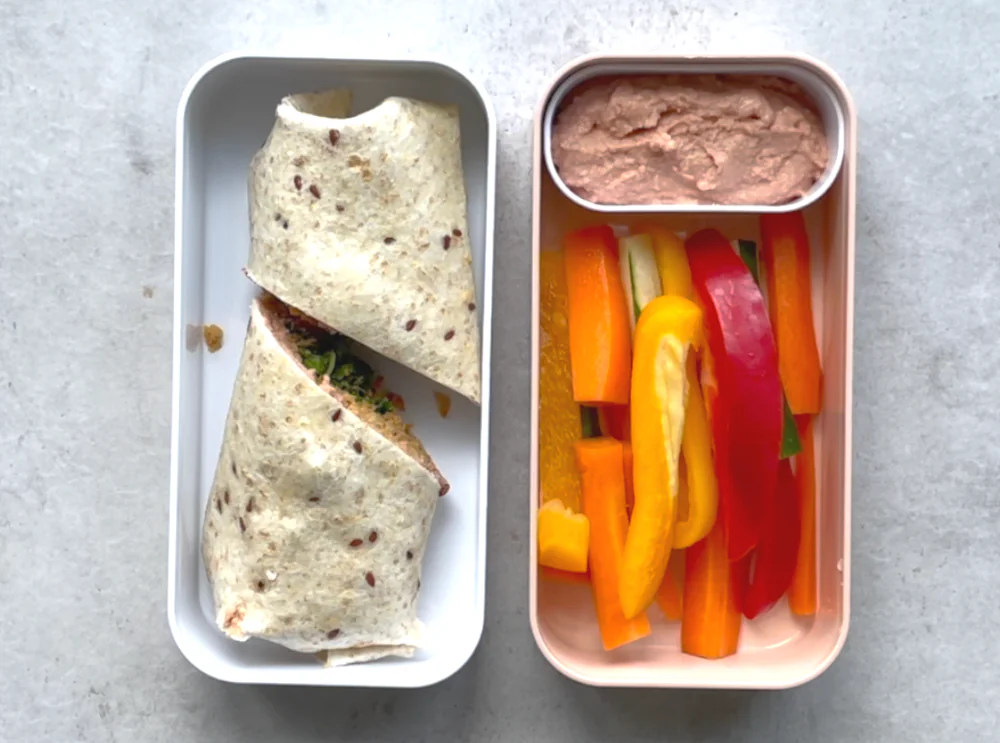
When exploring customization options for bento boxes, several popular features tend to stand out. Firstly, compartmentalization is a central characteristic that many consumers desire in a custom bento box. This feature allows users to efficiently organize different food items, keeping flavors separate and appealing. Retailers can offer varying sizes of compartments to suit different dietary needs and preferences, making them compatible with a wide range of meal options.
Another appealing aspect of customization is the opportunity to select colors and designs that resonate with customers’ identities. Options may include vibrant colors, patterns, or themes tailored for children, professionals, or eco-conscious consumers. Additionally, including the option for personalized engravings or prints—like names or motivational quotes—can forge a deeper connection between customers and their custom lunch boxes.
Materials also play a crucial role in customization. Retailers can partner with a reliable food container supplier that offers various materials, such as stainless steel, plastic, or bamboo, each offering different advantages in terms of durability, weight, and aesthetics. By allowing customers to choose their preferred material, retailers can cater to both practicality and style preferences.
Finally, an innovative feature that is gaining traction is the inclusion of built-in utensils or compartments for sauces, dips, and snacks. Such features not only enhance the user experience but also encourage consumers to opt for a complete and hygienic meal solution, setting the custom bento boxes apart in the market.
2.2 Tips for Designing Your Own Custom Bento Box
Designing a custom bento box involves several strategic considerations to ensure that the final product is both functional and appealing. First and foremost, it is critical to identify the target audience. Understanding the specific needs of this group—whether families, students, or fitness enthusiasts—will inform many aspects of the design process.
Next, retailers should collaborate closely with tiffin box manufacturers to explore available materials and production techniques that align with their design vision. This partnership can offer valuable insights into the most effective ways to create unique designs without compromising quality.
Incorporating user feedback during the design phase can also enhance product effectiveness. Conducting surveys or focus groups can provide invaluable information about consumer preferences regarding compartment sizes, materials, and aesthetic features. This approach ensures that the final product resonates with the intended audience, making it more likely to succeed in the market.
It’s also vital to keep sustainability in mind when designing custom bento boxes. Many consumers are increasingly prioritizing eco-friendly materials and practices; using recyclable or biodegradable options can attract a broader customer base. In the end, a thoughtful combination of practicality, aesthetics, and sustainability can create a winning custom bento box that appeals to a diverse audience.
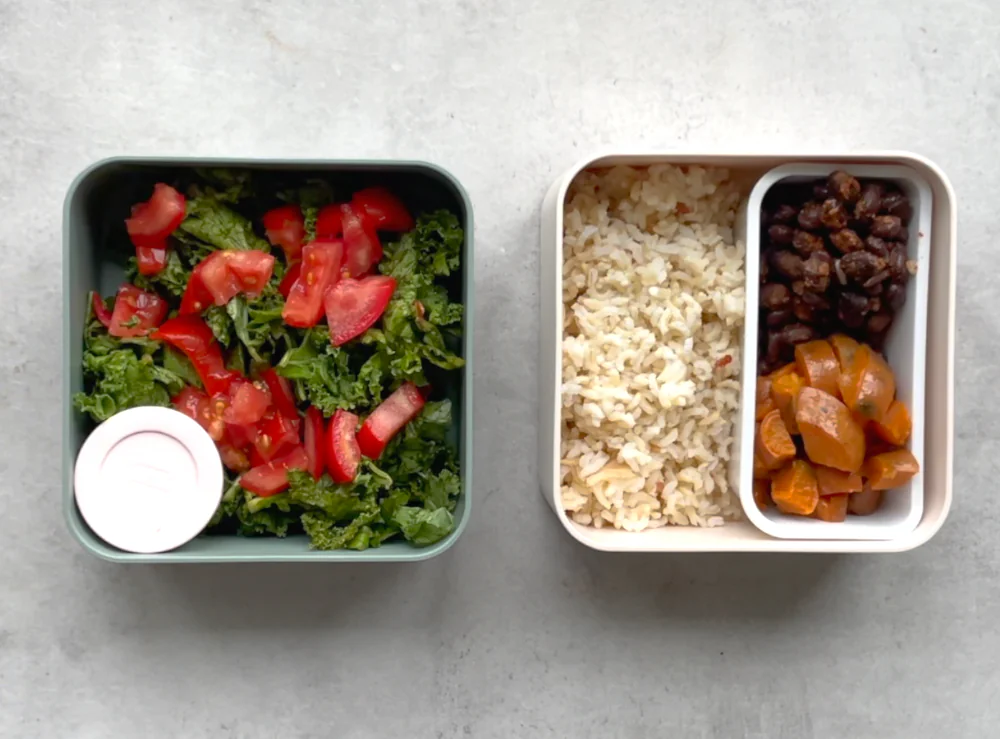
What Materials Are Safe for Lunch Boxes? Ensuring Safety and Quality
As the market for custom bento boxes grows, the importance of safety and quality materials cannot be overstated. Consumers are becoming increasingly savvy about the materials used in their food containers and are prioritizing health-conscious choices. Retailers that provide information about the safety of their products can build trust and enhance brand loyalty.
3.1 A Look at Safe Materials Used in Custom Bento Boxes
In the realm of custom bento boxes, several materials are critically acclaimed for their safety and functionality. Stainless steel is often favored due to its durability and resistance to staining, making it an excellent option for long-term use. It is also non-toxic and does not leach chemicals into food, a significant concern among health-conscious consumers.
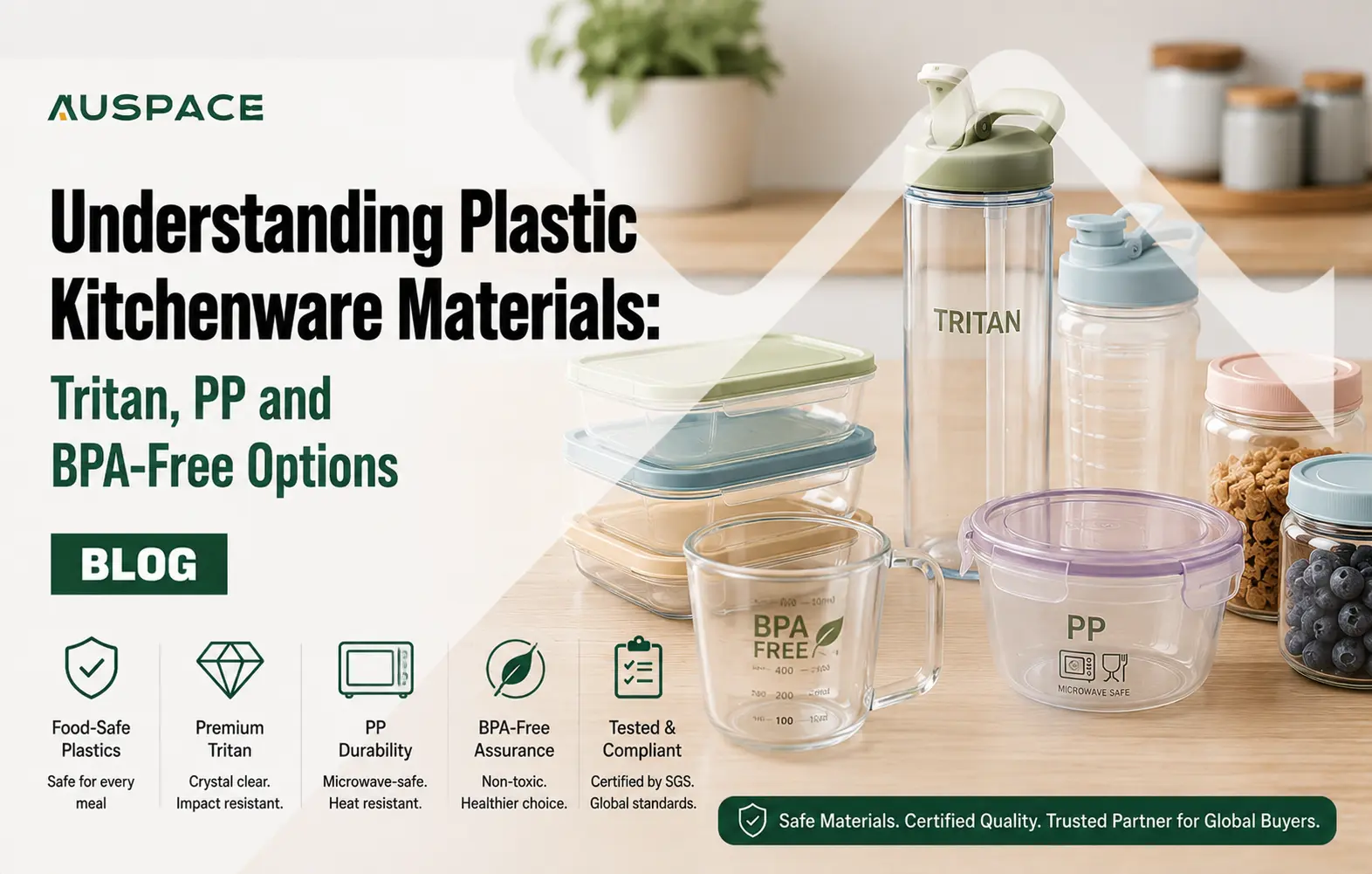
Additionally, BPA-free plastics are widely used in the production of custom lunch boxes. These materials offer the benefit of being lightweight and affordable, appealing to consumers looking for practical solutions without compromising safety. When sourcing these plastics, retailers should ensure compliance with safety regulations to guarantee that their products remain safe for food storage.
Another emerging material is silicone, which is flexible, easy to clean, and resistant to heat. It’s an excellent option for those looking for safe and durable dishes. Retailers should make it a point to highlight the materials they use, as this transparency can greatly influence purchasing decisions.
3.2 Eco-Friendly Options for Conscious Consumers
With the increasing focus on environmental consciousness, many consumers are now seeking eco-friendly options in their lunch containers. Sustainable materials such as bamboo, which is naturally antimicrobial and biodegradable, have gained popularity in the bento box market. Retailers who offer bamboo or other renewable materials can attract environmentally aware consumers willing to pay a premium for sustainability.
Moreover, innovations in compostable materials are becoming more prevalent in the food packaging industry. Retailers should explore partnerships with food container suppliers who specialize in these materials, ensuring that the custom bento boxes they offer are not only safe but also environmentally friendly. Highlighting these sustainable practices can enhance a brand’s reputation and appeal to green consumers.
Lastly, as the demand for transparency in food sourcing continues to rise, retailers should provide consumers with detailed information about their materials’ origins and safety certifications. This practice builds consumer trust and reinforces the retailer’s commitment to quality and safety.
In conclusion, by focusing on safe and eco-friendly materials for custom bento boxes, retailers can cater to the growing demand for health-conscious and environmentally friendly products, ultimately boosting their market presence and customer loyalty.
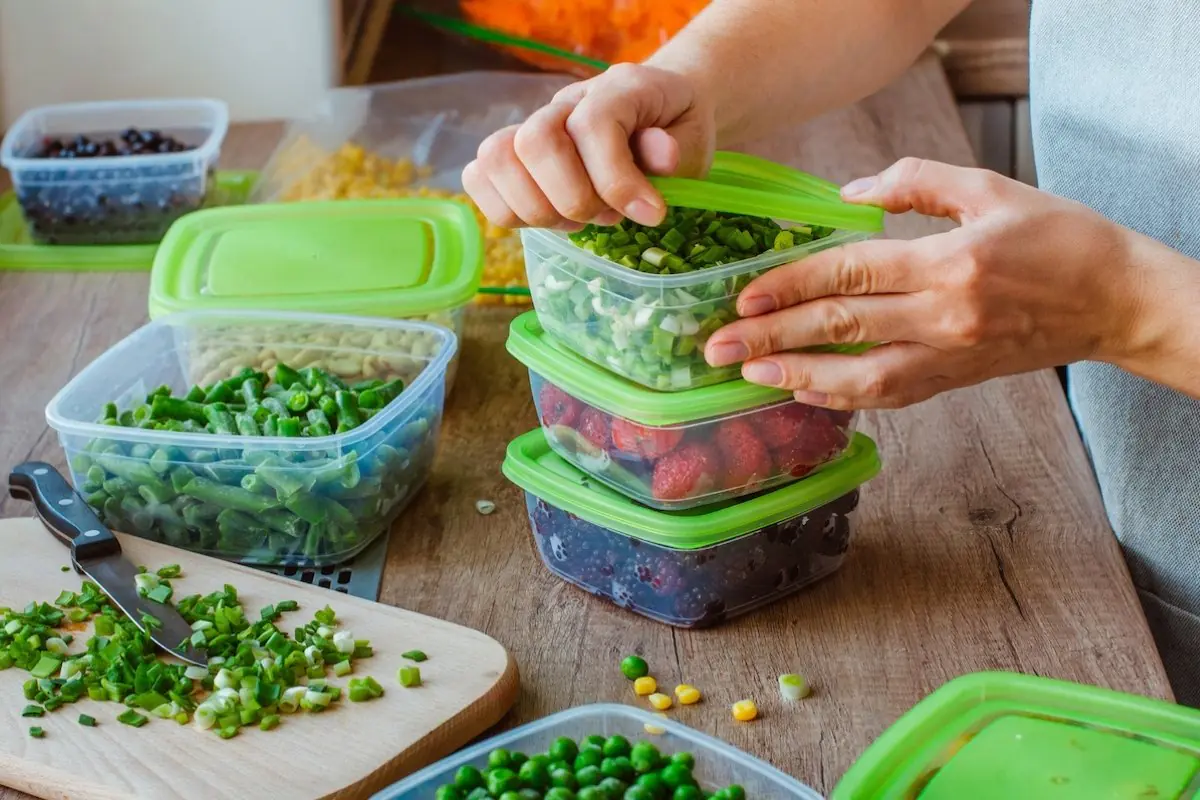
How Much Does It Cost to Customize Lunch Boxes? Understanding Pricing Factors
The cost of customizing lunch boxes, particularly custom bento boxes, is influenced by a variety of factors that retailers must consider to develop a pricing strategy that reflects both production costs and market demand. Understanding these cost factors is crucial for retailers who want to offer competitive pricing while maintaining quality.
4.1 Breakdown of Costs: Materials, Design, and More
Customizing lunch boxes involves multiple cost components, beginning with materials. The type of material chosen—be it stainless steel, BPA-free plastic, or eco-friendly bamboo—greatly influences the overall cost. For example, stainless steel tends to be pricier due to its durability and non-toxic properties, while plastic options may present a more affordable solution but can compromise quality and safety if not sourced properly.
Design costs are another significant factor to consider. The complexity of the design, logos, and custom prints will impact the cost. Simple designs may require minimal setup fees, while intricate patterns or large-scale custom printing can add significantly to the overall expense. Retailers often collaborate with experienced tiffin box manufacturers to ensure that their designs are feasible for production without exorbitant costs.
Additionally, production methods play a critical role in the overall pricing structure. Retailers opting for lunch box OEM solutions may benefit from lower costs due to bulk production, but this approach could sacrifice some elements of customization. On the other hand, smaller production runs may incur higher per-unit costs, as manufacturers cannot leverage economies of scale.
Shipping and logistics also contribute to the cost of customized lunch boxes. Retailers must factor in the price of transporting goods from manufacturers to their retail locations. When working with bento lunch box wholesale suppliers, negotiating favorable shipping rates can help minimize costs.
Finally, retailers need to consider their marketing and overhead costs, which will ultimately factor into the retail price of the custom bento boxes. Overall, a comprehensive understanding of these variables helps retailers establish competitive pricing while delivering high-quality, custom products.
4.2 Price Comparison: Custom vs. Standard Bento Boxes
When contemplating the pricing of custom lunch boxes, retailers must perform a price comparison between custom offerings and standard bento boxes. This analysis can provide valuable insights into consumer willingness to pay for personalization and unique features.
Standard bento boxes often come with a fixed price ranging from affordable to moderately priced, depending on material and brand. Retailers can leverage this baseline to determine the added value of customization. Typically, basic custom designs may add 10-30% to the cost, while more elaborate customization could increase prices significantly, sometimes up to 50% or more.
However, the added cost of customization must be weighed against the perceived value that personalized bento boxes provide to consumers. For many customers, the ability to customize their lunch boxes appeals to their desire for individuality and personal expression, especially among millennials and Gen Z, who prioritize products that resonate with their lifestyles.
The demand for unique, standout products also implies that retailers can justify charging a premium for custom options. Brands that can effectively communicate the benefits of customization, such as enhanced meal organization and personalized design, are more likely to succeed in converting customers, even at a higher price point.
In summary, while the materials, design intricacies, and production methods significantly affect the pricing of custom lunch boxes, the perceived value of these bespoke offerings can open up opportunities for retailers to not only compete against standard offerings but also create a distinct market niche.
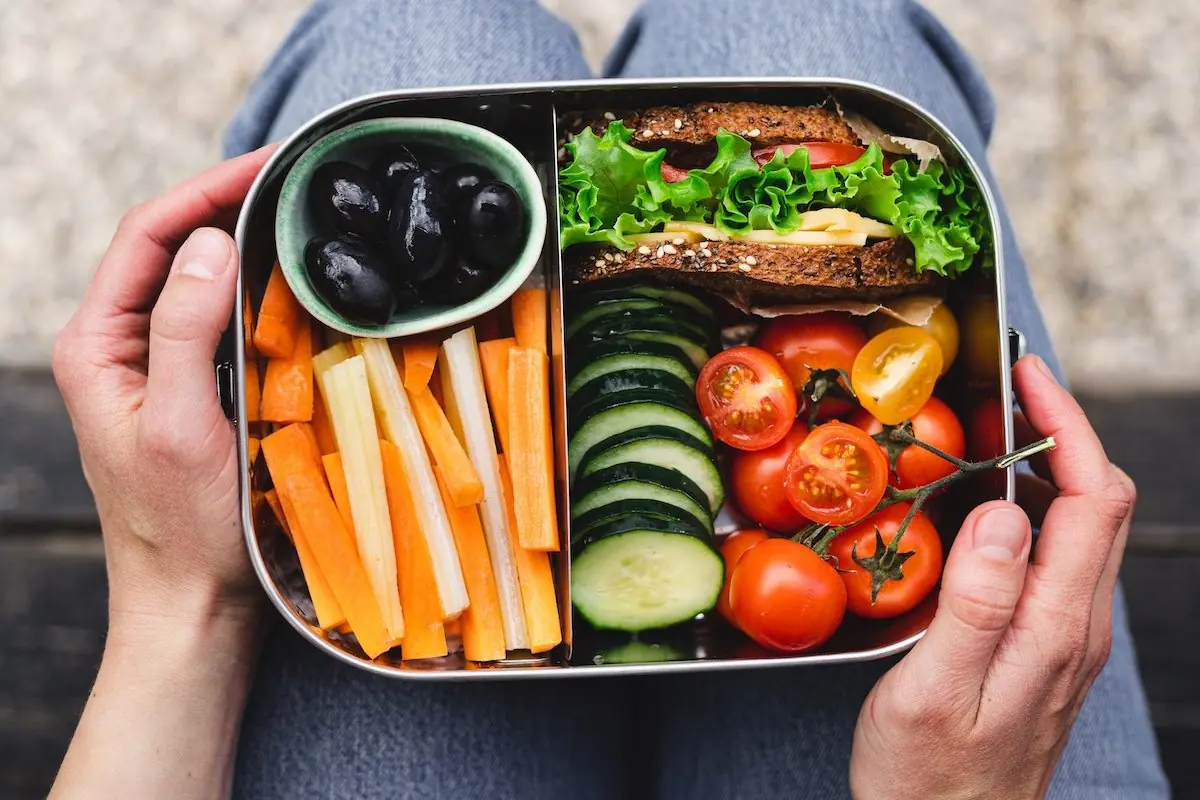
Why Are Japanese Bento Boxes Inspiring Global Trends?
Japanese bento boxes have long been celebrated for their aesthetic appeal, practicality, and cultural significance. As global consumers become increasingly aware of food presentation and meal organization, the influence of these bento boxes on international trends has been profound. Understanding the cultural significance of these boxes and how they shape design choices is essential for retailers seeking to capitalize on this trend.
5.1 Cultural Significance of Bento Boxes Worldwide
Bento boxes are not merely vessels for food; they represent an entire culture and philosophy surrounding meal preparation and presentation. Originating in Japan, these items reflect values of balance, portion control, and attention to detail. Each compartment serves a purpose, allowing individuals to enjoy a variety of flavors and nutrients while promoting healthy eating habits.
The cultural significance extends beyond food; it embodies appreciation for craftsmanship and art. The aesthetics of a well-prepared bento box often evokes a sense of harmony and beauty, which resonates with consumers globally. Retailers can leverage this cultural heritage in marketing their custom bento boxes, emphasizing the storytelling aspect of the product and connecting emotionally with consumers.
Moreover, the rise of social media has amplified the cultural impact of bento boxes. Users frequently share photographs of their meticulously arranged meals, which in turn has sparked interest and inspired a growing number of consumers to create their own personalized versions. This cultural trend invites exploration around interactive and customizable elements, allowing retailers to cater to customers looking to replicate the beauty of traditionalJapanese bento in their own lunches.
5.2 How Japanese Designs Influence Custom Bento Box Choices
Japanese design principles are characterized by simplicity, functionality, and elegance, all of which can greatly influence custom bento box choices. As consumers around the world seek authenticity and distinctiveness, the incorporation of Japanese-inspired elements in design can set retailers apart in a competitive marketplace.
One notable influence is the focus on minimalism. Many consumers prefer clean lines and uncluttered designs that echo contemporary Japanese aesthetics. Retailers can draw upon this trend by offering personalized lunch boxes that feature understated elegance while incorporating customizable options such as colors, textures, and materials—ensuring that every box aligns with the modern consumer’s preferences.
Moreover, the cultural emphasis on seasonal ingredients and natural materials encourages sustainable practices within the custom bento box market. Retailers can appeal to eco-conscious customers by incorporating sustainable materials like bamboo or recycled plastics and emphasizing their commitment to environmental responsibility—a value that resonates well with consumers today.
Japanese bento boxes also often feature creative shapes and themes, which retailers can adapt in their designs to attract younger audiences or families looking to make mealtime fun. Incorporating quirky, playful elements can resonate with children and parents alike.
In conclusion, the cultural significance of Japanese bento boxes and their design elements provide valuable insights for retailers aiming to capitalize on this growing global trend. By embracing these influences, retailers can develop unique, custom bento boxes that resonate with diverse consumer segments, promoting healthier eating habits and enhancing the overall lunch experience.
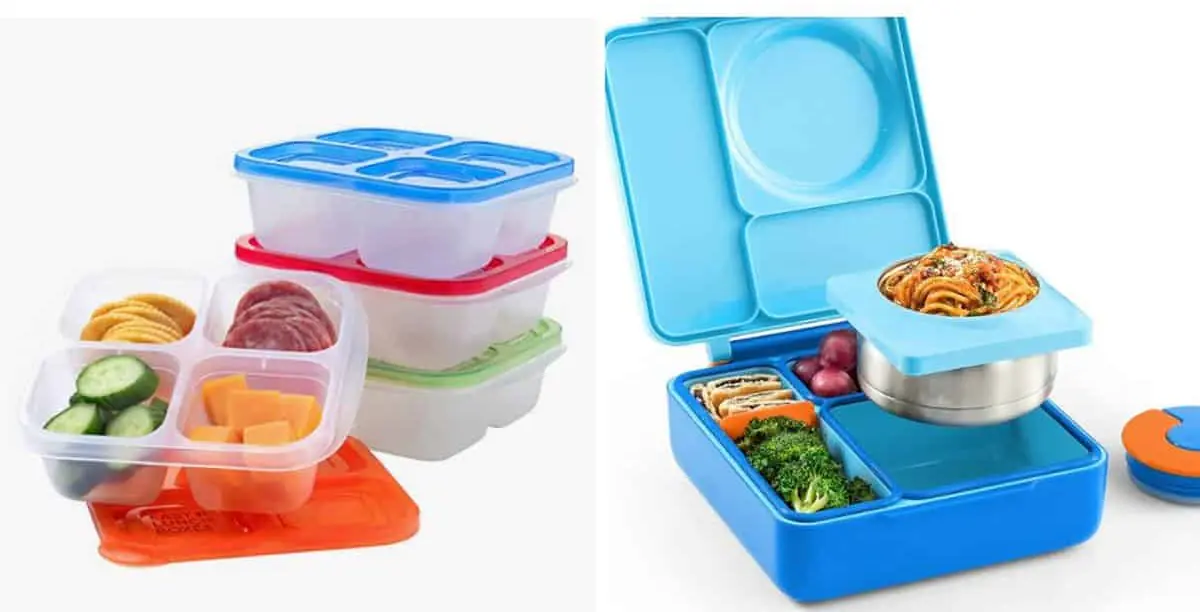
What Are the Benefits of Using Custom Bento Boxes for Retailers?
In the competitive landscape of food packaging, retailers who embrace custom bento boxes stand to gain distinct advantages. Offering personalized and aesthetically appealing lunch boxes can significantly enhance product visibility, attract new customers, and solidify brand identity.
6.1 Attracting Customers with Unique Designs
One of the primary benefits of utilizing custom bento boxes is the capacity to attract consumers through unique and eye-catching designs. In a marketplace where consumers are often overwhelmed by choices, packaging can serve as a key differentiator. Custom designs allow retailers to create packaging that resonates with their target demographic, whether that’s children, health enthusiasts, or busy professionals.
Unique designs can encompass a variety of elements such as colors, shapes, themes, and materials, allowing businesses to experiment and identify what resonates most with their audience. For instance, a vibrant, cartoon-themed bento lunch box may appeal to parents seeking fun and engaging lunch options for their children, while a sleek, minimalist design might attract professionals looking for stylish lunch solutions.
In addition to serving as a marketing tool, unique packaging enhances the customer experience. When consumers perceive that a brand takes the effort to provide beautiful and functional packaging, it generates a sense of value and care associated with the product. This sentiment can result in higher customer satisfaction rates and increased brand loyalty, ultimately driving repeat purchases.
Moreover, the ability to customize provides retailers greater flexibility in promoting special occasions or seasonal themes. Limited edition designs can create urgency and desirability among customers, further amplifying sales opportunities. Custom bento boxes can also serve as effective tools during promotional events, helping brands to stand out in crowded retail spaces.
6.2 Enhancing Brand Identity with Custom Packaging
Using customized packaging, specifically custom lunch boxes, plays a crucial role in enhancing brand identity. In today’s market, where consumers are increasingly drawn to brands with strong narratives and visual identities, custom bento boxes serve as an effective vehicle for storytelling.
Custom packaging allows for the incorporation of logos, brand colors, and messaging that reflect the essence of the brand. This cohesiveness can establish a memorable visual identity that consumers easily recognize and associate with quality and reliability. Furthermore, a strong brand identity can foster customer loyalty and trust, as consumers often prefer to engage with brands they feel a connection to.
Brands can also use packaging as an opportunity to convey their values. For example, if a company emphasizes sustainability in its business model, it can highlight eco-friendly materials in its custom bento boxes. This alignment not only strengthens the brand’s message but also attracts like-minded consumers who prioritize environmental consciousness.
Additionally, custom packaging can serve as a marketing asset in the era of social media. Visually appealing packaging encourages consumers to share their experiences online, enabling organic promotion and word-of-mouth marketing. An eye-catching personalized lunch box can quickly go viral, showcasing the brand to a wider audience without the need for extensive advertising investment.
In conclusion, utilizing custom bento boxes empowers retailers to attract customers with unique designs while simultaneously strengthening brand identity. By investing in customized packaging, businesses can create a lasting presence in the market, cultivate customer loyalty, and set themselves apart in an increasingly crowded landscape.
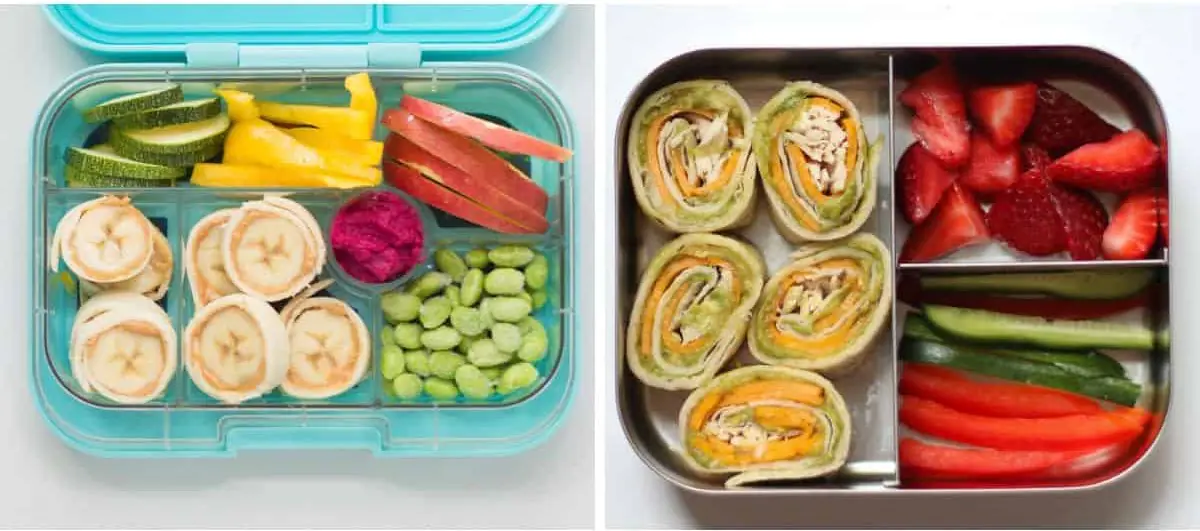
How to Choose the Right Custom Bento Box Supplier for Your Business
Selecting the right supplier for custom bento boxes is a critical decision that can significantly impact the success of a brand’s product offering. A reliable partner can help ensure a smooth production process, high-quality products, and timely deliveries, contributing to a positive customer experience.
7.1 Key Factors to Consider When Selecting a Supplier
When evaluating potential food container suppliers for custom bento boxes, there are several key factors to consider. First and foremost is the supplier’s reputation in the industry. Researching reviews, testimonials, and case studies can provide insights into their reliability, quality of work, and customer service. Partnering with a supplier who has established credibility can instill confidence that they will meet your expectations.
Secondly, assess the range of customization options offered by the supplier. It is essential that they provide the materials, designs, and manufacturing techniques that align with your brand’s vision. A supplier with extensive capabilities can offer greater flexibility and innovation, enabling you to experiment with various features and aesthetics that appeal to your target market.
Production lead time is also a crucial consideration. A supplier’s ability to meet deadlines will directly affect your company’s operations and customer satisfaction. Ensure they have the capacity to deliver on schedule, especially during peak periods or promotional campaigns when demand may surge.
Finally, evaluate the supplier’s sustainability practices if this is a core value of your brand. Many consumers today prioritize eco-friendly products, and working with suppliers who incorporate sustainable practices can enhance your brand’s image and appeal.
7.2 Questions to Ask Potential Custom Bento Box Manufacturers
Asking the right questions during the supplier selection process can further clarify whether a potential bento lunch box wholesale provider is a good fit for your business. Start by inquiring about their manufacturing capabilities and the types of materials they use. Understanding their processes will help you assess whether they can deliver the quality and customization options you require.
Another essential question pertains to minimum order quantities (MOQs). Suppliers usually have different MOQs, which can affect your cash flow and inventory management. Knowing your needs and aligning them with the supplier’s capabilities will help avoid potential challenges down the line.
Additionally, inquire about their quality control processes. A reputable supplier should have stringent measures in place to ensure that each batch meets your quality standards. Requesting samples before committing to a larger order is advisable, as it allows you to evaluate the craftsmanship and materials firsthand.
Finally, discuss their customer service approach. Are they responsive to inquiries? Do they offer ongoing support during the ordering process? A supplier that values customer relationships can make a significant difference in how smoothly your operations run.
In conclusion, choosing the right custom bento box supplier involves careful consideration of several factors, including reputation, customization options, lead times, and sustainability practices. By taking the time to ask the right questions and assess potential partners thoughtfully, retailers can secure a supplier that will support their business objectives and enhance their product offerings in the competitive bento box market.
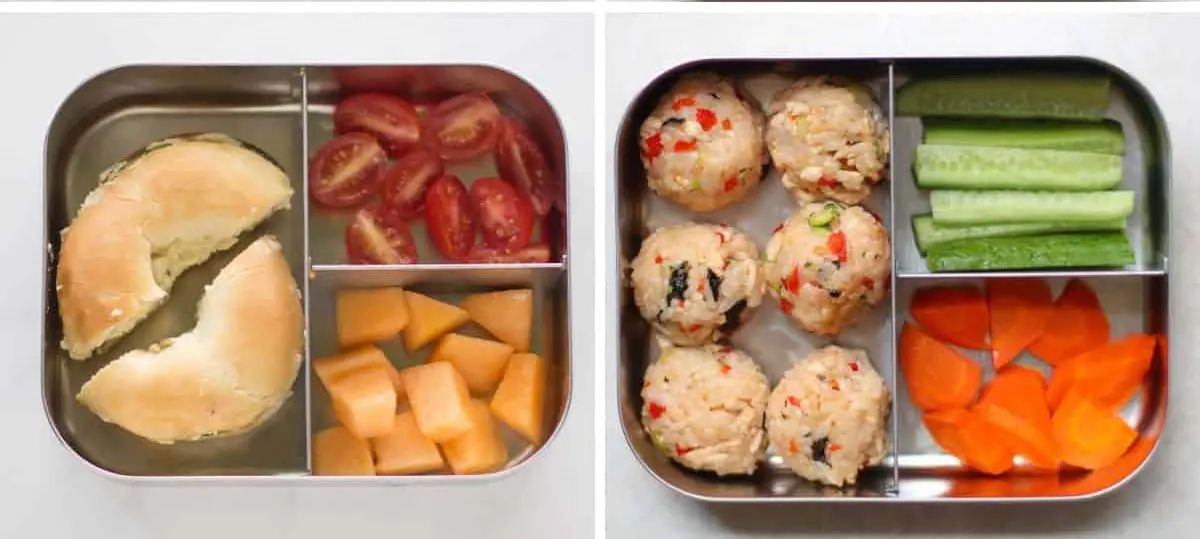
Заключение
The use of custom bento boxes can significantly impact a retailer’s success by attracting customers and reinforcing brand identity through unique designs and personalized packaging. By prioritizing quality, aesthetics, and sustainability, retailers can create memorable experiences for their customers while standing out in a competitive market. As you consider integrating custom bento boxes into your product line, it is essential to select the right supplier who aligns with your values and can deliver high-quality products on schedule. Whether you are looking for innovative ways to captivate your audience or seeking guidance on best practices, we are here to help. Contact us today to explore how our custom bento box solutions can enhance your brand and meet your packaging needs!
Лола Чжан - специалист по поиску и рынку кухонной утвари в Auspace Kitchenware, много лет занимающаяся оптовым поиском кухонной утвари в Китае. Обладая большим опытом работы в отрасли, она дает советы по подбору рынка и бесперебойному поиску поставщиков. Ее опыт связывает покупателей с надежными китайскими производителями, что делает ее надежным партнером для эффективного поиска кухонной утвари.