Sourcing wholesale cookware online can be a fast and cost-effective way to build your kitchenware business—but it also comes with serious risks if you’re not careful. From unclear product specifications to unreliable manufacturers, many common mistakes can lead to poor quality, shipping delays, and lost profits. Whether you’re an importer, retailer, or private label brand, understanding what to avoid is key to a successful cookware sourcing strategy.
In today’s competitive market, buyers can’t afford to choose a wholesale cookware supplier based on price alone. Product durability, compliance certifications, and factory reliability all play a role in determining the long-term value of your sourcing decision. This guide breaks down the top five mistakes many buyers make when sourcing cookware online—and how to avoid them so you can build a reliable, scalable, and profitable supply chain.
1. Not Defining Your Wholesale Cookware Requirements Clearly
1.1 Skipping Material and Specs
Before you contact any supplier, you must know exactly what kind of cookware you need. Many importers make the mistake of asking for general kitchenware or bulk pots and pans without specifying details. This can cause serious issues later.
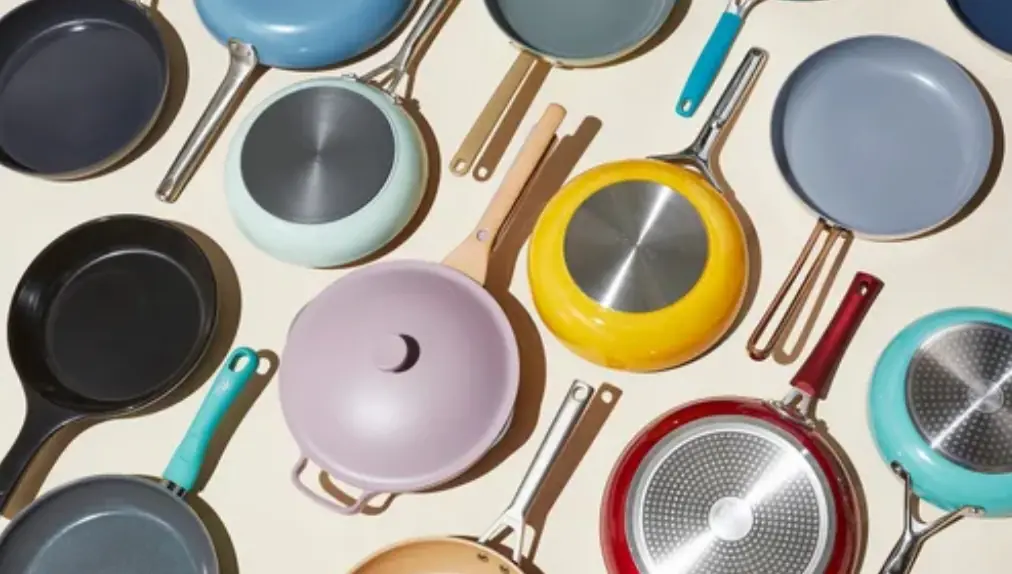
Materials like stainless steel, cast iron, aluminum, and non-stick coatings all have different price points and usage scenarios. Some buyers need cookware compatible with induction stoves. Others require oven-safe handles or commercial-grade durability. If you skip these details, your order may not meet the end user’s needs.
Create a list of key specifications. Include size, thickness, surface coating, and intended usage. This will help the wholesale cookware manufacturer understand your needs. It also shows you are a serious buyer, which can lead to better support and more accurate quotes.
1.2 Ignoring Safety Standards
Safety should always come first. Cookware products must meet food safety regulations in your target market. In the U.S., items need FDA approval. In Europe, LFGB certification is often required. In Australia, you may need AS/NZS certification, while in the Middle East, SASO may apply. Some buyers forget to ask for these certifications. Others assume all cookware made in China meets global standards. This is a mistake.
Your wholesale cookware supplier should be able to provide test reports. Common certificates include SGS, LFGB, and FDA. These prove the cookware is free from harmful substances like lead or BPA. Also beware of fake or outdated certifications. Some suppliers print SGS or FDA logos without valid documentation. Always ask for the complete report with testing dates and official stamps.
A verified report not only protects your customers but also avoids customs clearance issues, fines, and brand damage. For high-risk categories like non-stick pans, you should request thermal resistance and chemical migration reports as well.
2. Picking Wholesale Cookware by Price Only
2.1 Low Price May Mean Poor Quality or Fake Products
Many buyers are tempted to pick the lowest-priced supplier. But cheap cookware often hides problems. The factory might use thinner steel or poor-quality non-stick coatings. Some even use recycled or unapproved materials to cut costs. These products might look good at first but can quickly wear out or fail under heat.
Low pricing can also signal a fake factory or a middleman posing as a manufacturer. This can lead to delays, hidden costs, or inconsistent quality. Always evaluate more than price. Consider the supplier’s manufacturing capability, transparency, and product samples.
2.2 Missing Long-Term Value for Your Cookware Brand
Building a cookware business is not about the lowest price. It is about long-term trust and product consistency. A good wholesale cookware partner will support your brand as it grows. They will help you develop new product lines, improve packaging, and scale production.
Focusing only on price often leads to high turnover. You may need to switch suppliers frequently due to quality issues. This disrupts your supply chain. Choosing a slightly more expensive but reliable supplier gives you better margins over time. It also ensures stable product performance and repeat orders from happy customers.
3. Failing to Verify Wholesale Cookware Manufacturer Credentials
3.1 Skipping Background Checks
Verifying your supplier’s identity is essential when sourcing cookware online. Many businesses listed on B2B platforms are not real manufacturers. They may be trading companies or resellers. Working with the wrong type of company adds costs and reduces control over product quality.

Ask for the business license and check the registered scope of business. It should include the production of cookware or kitchen utensils. In China, you can use tools like Tianyancha or Qichacha to verify company status. International buyers can use Dun & Bradstreet or Global Sources verification tools.
A legitimate cookware manufacturer will be happy to share proof of their factory. You can also ask for a video tour, on-site pictures, or request a video call. If a supplier refuses, that’s a clear warning sign.
3.2 Ignoring Factory Audits and Third-Party Reports
A factory audit gives insight into the company’s operations. It reveals their level of automation, labor conditions, and quality control system. If a supplier has passed third-party audits like BSCI, Sedex, or ISO 9001, this is a good sign.
You can hire a local sourcing agent to visit the factory. They will check production capacity, equipment, hygiene, and safety compliance. These audits help you avoid unreliable suppliers and reduce the risk of poor-quality orders. A verified wholesale cookware manufacturer will always have nothing to hide.
4. Not Testing Wholesale Cookware Samples
4.1 Not Checking Product Durability and Finish
Samples are not optional. They are your first look at how the product performs in real conditions. Ask for at least two to three samples of each cookware item you plan to order. Test them thoroughly. For example, heat a frying pan to high temperature and observe coating behavior. Try boiling water in a pot and check for handle looseness.
Also, inspect the finish closely. Look for uniform color, clean edges, and smooth handles. If you notice dents, scratches, or misaligned parts, raise the issue with the supplier. Samples should reflect what you’ll get in mass production. If the sample is bad, the bulk order could be worse.
4.2 Poor Packaging Checks
Packaging is often overlooked. But cookware is heavy and fragile. Poor packaging leads to damage during transit. This increases returns, complaints, and loss.
Request to see the packaging plan. Will the cookware come in a color box, plain carton, or shrink wrap? Will the boxes have protective inserts? If you’re selling cookware online or via retail, packaging design also affects brand perception. Ask for packaging samples and do a drop test. Good packaging not only protects the product—it enhances its shelf appeal.
5. Misunderstanding MOQ and Lead Time
5.1 Assuming All Wholesale Cookware Factories Accept Small Orders
Many small importers assume factories can take small orders. In reality, some manufacturers have high MOQs. This is because they need to buy raw materials in bulk and schedule production lines efficiently. You might want only 300 pans, but the MOQ could be 1,000 units per model.
Understanding MOQ policies helps you avoid delays and frustration. If your order is small, look for factories with flexible terms or ready stock. Another option is working with a sourcing agent who can group your order with other buyers to meet the MOQ.
Also understand why factories have minimums. MOQ is often tied to material batch sizes, die-cutting setups, and packaging line runs. By understanding these cost structures, you can negotiate smarter. For example, using standard molds or shared packaging formats can sometimes reduce your MOQ requirement.
5.2 Customization Delay Surprises
Customized cookware takes longer to produce than standard models. If you want your logo, custom packaging, or a unique color, confirm the timeline in advance. Ask how many days the sample will take, and how long mass production will need after approval.
Misunderstanding lead times leads to missed delivery windows. This is especially risky during peak seasons. Always build in buffer time when planning your order. A clear timeline avoids disappointment and keeps your wholesale cookware business on schedule.
For complex custom orders—like embossed logos or multi-layer coatings—ask the factory if they’ve done similar projects before. This gives you confidence they understand the process and can deliver on time.
Bonus Tip – Use a Sourcing Agent to Streamline Wholesale Cookware Procurement
6.1 Agents Help You Avoid Common Sourcing Mistakes
A sourcing agent plays a crucial role in helping you avoid the most common pitfalls when sourcing wholesale cookware online. Many international buyers—especially first-time importers—struggle to verify supplier legitimacy, evaluate factory conditions, or catch hidden quality risks. An experienced sourcing agent can prevent these issues before they become costly mistakes.
One of the most valuable things an agent does is factory verification. A sourcing agent can help you identify real, experienced manufacturers who own their equipment and production lines. This ensures better pricing, faster communication, and fewer unexpected issues. Agents also help navigate language and cultural barriers. A bilingual agent understands technical terms in both English and Chinese. They can clarify your requirements with the factory in detail and catch misunderstandings early in the process.
Most importantly, agents ensure product quality at every stage. They can assist with pre-production sampling, quality inspections during production, and final checks before shipment. This gives you peace of mind and reduces the likelihood of receiving substandard or defective goods. If something does go wrong, your agent is already on the ground and can act quickly to resolve the issue with the factory.
6.2 Simplify Orders and Logistics
Sourcing cookware online involves many moving parts. You need to confirm samples, follow up on production, inspect goods, and manage shipping. A good agent handles all of this for you.
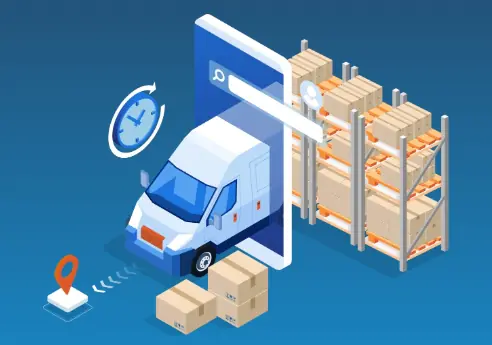
They can combine orders from different suppliers, inspect goods before shipment, and ensure correct labeling. If there is a problem, the agent resolves it locally. This is especially valuable when sourcing from overseas, where time zones and language barriers make communication harder.
A sourcing agent helps make your wholesale cookware supply chain smoother and more reliable. With their help, you can focus on marketing and growing your business while they manage the ground work.
6.3 Build Long-Term Supplier Partnerships
Another key benefit of working with an agent is their ability to build long-term supplier relationships on your behalf. Trusted cookware manufacturers are more likely to offer flexible terms, quicker sampling, and better prices when you have an established relationship.
Agents understand local business culture and can bridge gaps in communication and expectations. They also help you manage repeat orders and handle factory negotiations when things go wrong. Over time, this leads to better deals, more consistent quality, and fewer production surprises.
For example, during Chinese New Year or other production slowdowns, a factory is more likely to prioritize buyers who have built strong ties. With an agent in place, you get insider feedback on scheduling, discounts, and even new product recommendations. Investing in a sourcing agent is not just about saving time. It’s a strategic move that can elevate your wholesale cookware business and give you an edge in the market.
Заключение
Sourcing wholesale cookware online comes with both opportunities and risks. From unclear product specs to unreliable factories and unexpected delays, even small mistakes can impact your business. That’s why taking time to plan your order, verify suppliers, and work with trusted professionals is so important.
If you’re looking for a dependable partner to streamline your cookware sourcing from China, Auspace is here to help. We connect global buyers with verified cookware manufacturers, offer hands-on support from sampling to shipping, and help you avoid common pitfalls in the sourcing process.
Contact us to discover how our sourcing services can save you time, reduce risk, and help your cookware business grow with confidence.

Berry Bian is a Kitchenware Sourcing & Buyer Support Specialist at Auspace Kitchenware, with years in China’s kitchenware wholesale sourcing. She assists international buyers with order tracking, factory communication, and tailored product selections.
With hands-on trade experience, she offers practical tips on smooth sourcing workflows and solving supply chain pain points. Her support links overseas buyers to reliable Chinese manufacturers, making her a go-to for hassle-free kitchenware sourcing.