Choosing the right поставщик ланч-боксов from China can be the key to building a successful wholesale or private label business. With a wide variety of materials, styles, and customization options available, the right supplier helps you offer products that fit your market needs. But with thousands of manufacturers to choose from, it’s important to follow a clear process to avoid unreliable partners and ensure product quality.
This guide breaks down every step you need to take—from defining your product requirements to managing orders and building a lasting supplier relationship. Whether you’re a startup sourcing lunch boxes for the first time or an experienced importer switching suppliers, this process will help you partner with a trusted lunch box supplier and grow with confidence.
1.Understand Your Lunch Box Supplier Needs
1.1 Define Target Markets and Product Types
Before you start searching for a Chinese lunch box supplier, you must define your target market. Are you selling to schools, office workers, or fitness enthusiasts? Each group has specific preferences when it comes to lunch box styles and features.
For instance, school lunch boxes may need bright designs and multiple compartments. Office lunch boxes often require microwave-safe materials and modern aesthetics. Understanding your target audience will help you filter suppliers that specialize in those specific products, reducing time spent on unqualified leads.
1.2 Choose Key Features and Materials
Once you know your customer base, determine what features matter most. Do your customers need leak-proof containers, BPA-free plastic, stainless steel insulation, or detachable cutlery? These features will help you shortlist suppliers who offer relevant customization or existing SKUs that match your goals.
Choosing the right materials is also essential. Stainless steel offers durability, while silicone is flexible and lightweight. Plastic options are cost-effective, but you need to ensure food-grade safety. Clearly listing the features and materials you want will make communication with your lunch box supplier much more efficient.
2.Find Reliable Chinese Lunch Box Suppliers
2.1 Use Verified Supplier Platforms
Finding a trustworthy lunch box supplier starts with searching on the right platforms. Well-established B2B websites like Alibaba, Global Sources, and Made-in-China are popular choices among importers. These platforms allow you to filter suppliers based on trade assurance, years in business, and verification badges. However, it’s important to understand how each platform works and which one best fits your needs.
Alibaba is ideal for buyers looking to compare a wide variety of products and pricing options. Many lunch box suppliers here offer OEM and ODM services, along with low MOQs for startup businesses. Look for “Gold Supplier” status, but also pay attention to reviews, response time, and whether the supplier has undergone an onsite inspection.
Global Sources tends to feature more export-ready manufacturers that are used to dealing with international clients. It’s a good option if you’re looking for custom lunch boxes with higher-end features like stainless steel interiors, silicone seals, or eco-friendly materials. Some suppliers listed here also attend international trade fairs, which adds credibility.
Made-in-China offers a wide catalog of suppliers but may require more careful vetting. Use filters such as “Audited Supplier” and request business licenses or certificates. Some lunch box suppliers on this platform also support mixed orders, which is helpful when you’re sourcing multiple product types like food containers and kitchenware sets.
In addition to online platforms, consider attending trade shows such as the Canton Fair, Hong Kong Gifts & Premium Fair, or visiting the Yiwu Market. These offline methods let you touch products in person and evaluate the supplier’s professionalism face-to-face. You can also work with a sourcing agent who already has a trusted network of lunch box suppliers to save time and reduce risk.
2.2 Check Factory Background and Certifications
Don’t just rely on a glossy catalog. Check the factory’s registration documents, business licenses, and certifications like ISO9001, BSCI, or FDA approvals. These indicate that the supplier follows industry standards and has experience exporting to global markets.

A good lunch box supplier should be transparent about their factory size, employee count, and production equipment. Ask for photos or videos if you can’t visit in person. Some sourcing agents or third-party inspection services can also help verify factory claims.
2.3 Compare MOQ and Production Capabilities
Minimum Order Quantity (MOQ) is a crucial factor, especially for small businesses. Some suppliers may require 5,000 units per order, while others are open to smaller batch production. Choose a lunch box supplier whose MOQ fits your current budget and sales forecast.
Also, check the supplier’s monthly capacity and lead times. If you expect to scale your business quickly, you need a factory that can grow with you. Ask for a production schedule or capacity chart to confirm they can handle future orders without delays.
3.Request Samples from Lunch Box Supplier
3.1 Test Product Quality and Durability
Once you’ve shortlisted a few suppliers, request product samples. This is a non-negotiable step. Testing the sample allows you to assess the lunch box’s build, durability, and usability. Check if the lid fits properly, if the seals are tight, and whether the material is sturdy enough for repeated use.
Microwave safety, dishwasher compatibility, and temperature retention are also important factors, especially if you’re sourcing stainless steel or bento-style containers. A quality lunch box should be functional and visually appealing to meet customer expectations.
3.2 Review Packaging and Finishing Details
How the product is packaged tells a lot about the supplier’s attention to detail. Look at the labeling, box design, and protection inside the carton. If the supplier provides retail-ready packaging, that’s a bonus for brands selling through physical stores or eCommerce.
Also, check for any finishing issues like scratches, rough edges, or branding inconsistencies. If you plan to sell under your own brand, even small flaws can damage your reputation. A reliable lunch box supplier will accept feedback and improve the final product accordingly.
3.3 Evaluate Supplier Responsiveness
Pay attention to how quickly and clearly the supplier responds during the sampling stage. A supplier who replies within hours and provides complete answers is more likely to offer smooth communication after the order is placed. Poor communication often leads to production errors or delays, especially during custom orders.
Try asking detailed questions about their customization capabilities or delivery timelines. Their willingness to answer thoroughly and professionally is a good indicator of their service quality in the long run.
4.Negotiate Terms with Your Lunch Box Supplier
4.1 Confirm Pricing and Payment Terms
Once you’re happy with the sample, move to pricing discussions. Ask for a full breakdown of unit cost, mold fees (if any), packaging charges, and freight estimates. A transparent lunch box supplier won’t hesitate to explain their pricing.
Negotiate favorable payment terms. While a 30% deposit and 70% balance before shipment is standard, some suppliers may agree to better terms after the first order. Avoid paying 100% upfront unless the supplier has a very high reputation and long-standing references.
4.2 Discuss Delivery Time and Logistics Options
Once you are ready to place an order, it’s important to agree on a clear production and delivery schedule. Most Chinese factories require 25 to 45 days for bulk production, depending on order volume and material availability. However, during peak seasons like back-to-school or Q4 holidays, timelines can extend. Your lunch box supplier should provide a realistic lead time and update you if anything changes along the way.
In addition to production time, you need to plan the shipping process. There are several international trade terms you should understand:
- FOB (Free on Board): The supplier delivers the goods to the port you specify. You handle shipping and customs clearance.
- CIF (Cost, Insurance, and Freight): The supplier arranges the shipping and includes the cost in your quote, but you manage import clearance.
- DDP (Delivered Duty Paid): The supplier handles everything, including shipping, taxes, and delivery to your warehouse. This is the most hassle-free but often the most expensive option.
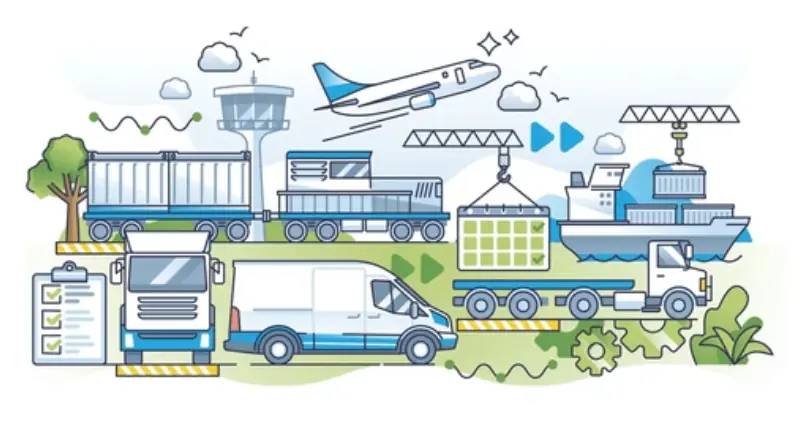
For large or heavy shipments, sea freight is the most cost-effective method. It may take 25–40 days to arrive depending on the destination. If you’re in a rush or ordering small quantities, air freight or express delivery (like DHL or FedEx) might be better, though more costly. Some importers even combine both methods—sending samples or urgent stock by air and the rest by sea.
A reliable lunch box supplier should be flexible with logistics solutions. Ask whether they work with freight forwarders or if they can recommend trusted partners. It’s also helpful to clarify who is responsible for export documents, such as the bill of lading, packing list, and certificate of origin.
4.3 Set Quality Assurance and After-Sales Terms
Put quality control expectations in writing. Whether you’ll do mid-production checks or third-party final inspections, the supplier must agree on what happens if products don’t meet the agreed standard. Set clear tolerance levels for defects and clarify whether replacements or refunds are available.
After-sales support is another sign of a reliable lunch box supplier. If an issue arises post-delivery—like missing units or product defects—you want a partner who will help solve the issue, not avoid it.
5.Place Orders and Monitor Production
5.1 Sign a Clear Purchase Agreement
Always have a formal purchase agreement. This should outline product specifications, delivery deadlines, payment terms, and quality expectations. If you’re using custom molds or private label packaging, list every detail in the contract to avoid confusion later.
A strong agreement helps resolve any disputes fairly and shows the supplier that you’re professional and serious about the partnership. It also protects you in case legal action is ever required.
5.2 Conduct Mid-Production Inspections
Mid-production inspections are useful, especially for large orders or first-time purchases. These checks allow you to spot issues before they affect the entire batch. Whether it’s wrong logos, color mismatches, or poor assembly, early detection saves time and cost.
You can use a third-party inspection company or ask for detailed progress photos and videos. A responsible lunch box supplier will understand the importance of these checks and cooperate willingly.
5.3 Plan for Final QC and Shipping
Before the goods leave the factory, conduct a final quality check. Confirm the quantity, packaging condition, and whether the items meet the agreed sample standards. Only make the final payment once you’re satisfied with the inspection.
Arrange shipping based on your sales schedule. Sea freight is cheaper but slower, while air freight is faster for urgent shipments. Ensure that all customs paperwork and product certifications are ready before dispatch.
6.Build a Long-Term Relationship with the Lunch Box Supplier
6.1 Evaluate First Order Performance
After your first shipment arrives, evaluate the full process. Was the delivery on time? Did the product quality meet your expectations? Was the communication smooth throughout? Take notes on what went well and what could be improved.
Share your feedback with the supplier. A reliable lunch box supplier will use this input to refine their service. This also opens the door to future cooperation on better terms and quicker responses.
6.2 Optimize Reorders and Customization
After you’ve successfully completed your first order, it’s time to move beyond basic transactions and start building efficiency and product uniqueness into your supply chain. A dependable lunch box supplier can become more than just a manufacturer—they can be a strategic partner that helps you scale, customize, and adapt to changing market trends.
Additionally, consider collaborating on new product development. If your supplier has R&D capabilities, you can co-develop exclusive lunch box models that align with your brand identity. This gives you a competitive edge and keeps your product line fresh. Regular communication about upcoming trends, such as eco-friendly materials or space-saving bento-style compartments, can also inspire new SKUs tailored to your customers.
Lastly, work with your supplier to improve lead times and reduce costs over time. For example, you can pre-book production slots during high-demand seasons or consolidate shipping with other SKUs to save on freight. The stronger your relationship, the more your lunch box supplier will be willing to support your growth with flexible solutions.
Заключение
Partnering with the right lunch box supplier doesn’t have to be difficult if you follow a step-by-step sourcing approach. By carefully evaluating product quality, negotiating clear terms, and maintaining good communication, you can build a reliable supply chain that supports long-term business growth.
If you’re looking for a trusted lunch box supplier with experience , Кухонные принадлежности Auspace is here to help. We specialize in high-quality lunch boxes and food containers designed for wholesale buyers, importers, and global brands. Visit our website to explore product options or get in touch with our sourcing team.

Berry Bian is a Kitchenware Sourcing & Buyer Support Specialist at Auspace Kitchenware, with years in China’s kitchenware wholesale sourcing. She assists international buyers with order tracking, factory communication, and tailored product selections.
With hands-on trade experience, she offers practical tips on smooth sourcing workflows and solving supply chain pain points. Her support links overseas buyers to reliable Chinese manufacturers, making her a go-to for hassle-free kitchenware sourcing.