Введение
In this article, we will explore how kitchenware manufacturers are leveraging the latest innovations to redefine the industry. From automation and AI-driven design to sustainable material adoption, these advancements are not only improving product performance but also streamlining production and delivery for B2B clients. Understanding these trends can help businesses make informed decisions when sourcing kitchenware products wholesale.
The global kitchenware industry is undergoing a significant transformation, driven by technological advancements and evolving consumer demands. B2B buyers, including retailers, wholesalers, and distributors, are increasingly seeking innovative and high-quality kitchenware solutions that enhance user experience and cater to modern lifestyles. Kitchenware manufacturers are responding to these changes by integrating cutting-edge manufacturing technologies, ensuring superior product quality, and optimizing supply chain efficiency.
1.What Are the Latest Technological Innovations in Kitchenware Manufacturing?
AI-Powered Design and Prototyping
Kitchenware manufacturers are embracing state-of-the-art technologies to improve efficiency, reduce costs, and enhance product customization. Some of the most groundbreaking innovations include:
Artificial intelligence (AI) is revolutionizing product development by enabling kitchenware manufacturers to design, test, and refine products with unprecedented precision. AI-powered software can analyze market trends, predict consumer preferences, and generate optimized designs that maximize functionality and aesthetics.
Automation and Robotics in Production
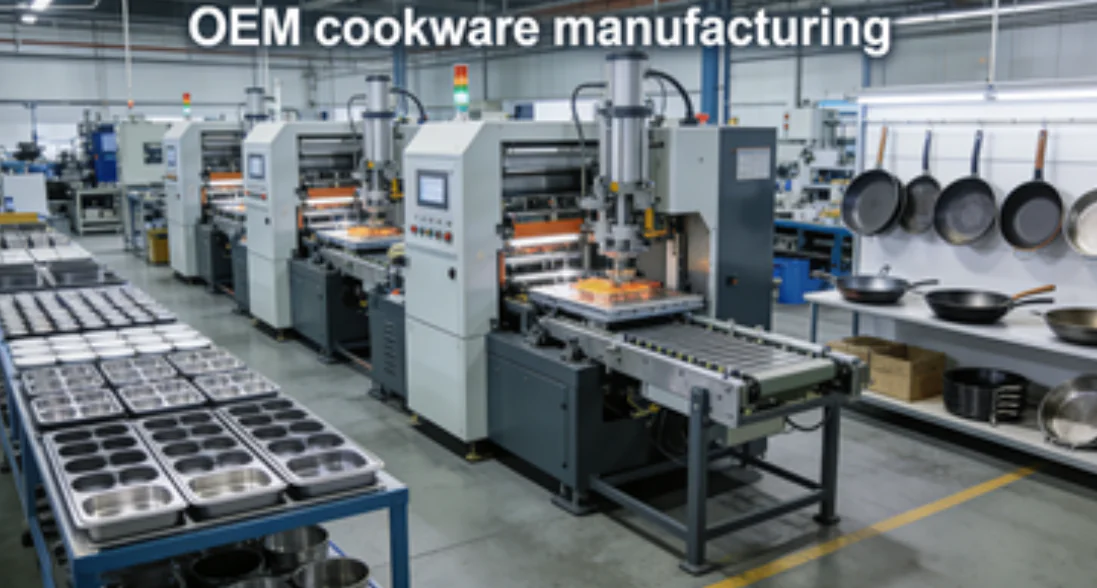
Automation has significantly reduced production lead times and enhanced consistency in manufacturing. Robotic systems are now being used to handle repetitive tasks such as molding, assembling, and quality inspection, ensuring that each product meets stringent industry standards.
3D Printing for Custom Kitchenware
The adoption of 3D printing technology allows kitchenware products manufacturers to create highly customized kitchen tools, prototypes, and limited-edition designs. This innovation offers greater flexibility in product development, making it easier for businesses to introduce unique and specialized kitchenware products to their target markets.
These advancements empower kitchenware suppliers to offer superior, innovative products that cater to both functionality and aesthetic appeal, ensuring that businesses stay ahead in an increasingly competitive landscape.
2.How Do Kitchenware Manufacturers Ensure Product Quality and Compliance?

Quality assurance is a critical factor in kitchenware manufacturing. B2B buyers must ensure that the products they source meet international safety standards and consumer expectations. To achieve this, kitchenware manufacturers implement rigorous quality control measures at every stage of production.
Advanced Quality Control Techniques
Manufacturers utilize automated inspection systems and AI-driven analytics to detect defects and inconsistencies in products. These systems ensure that every item meets high durability and safety standards before reaching the market.
International Certifications and Safety Standards
To enter global markets, kitchenware products manufacturers must comply with regulatory standards such as FDA, LFGB, and EU food safety certifications. Compliance with these regulations ensures that plastic kitchenware products and stainless steel kitchenware manufacturers provide safe, non-toxic, and food-grade materials.
Material Testing and Durability Assessments
Leading kitchenware suppliers invest in extensive material testing, ensuring that their products withstand extreme temperatures, pressure, and prolonged use. For instance, stainless steel kitchenware manufacturers conduct corrosion resistance tests to guarantee product longevity and hygiene.
By prioritizing quality assurance, kitchenware manufacturers help B2B buyers build consumer trust and enhance their brand reputation.
3.What Are the Most Popular Materials Used by Kitchenware Manufacturers Today
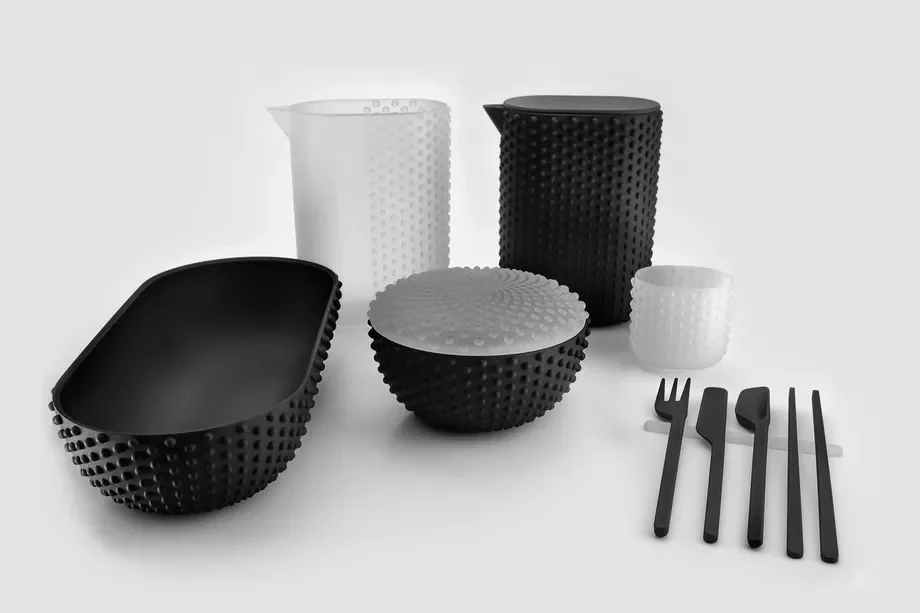
Material selection plays a crucial role in kitchenware product manufacturing. B2B buyers must consider durability, sustainability, and consumer preferences when sourcing from kitchenware suppliers. Some of the most commonly used materials include:
Stainless Steel: The Industry Standard
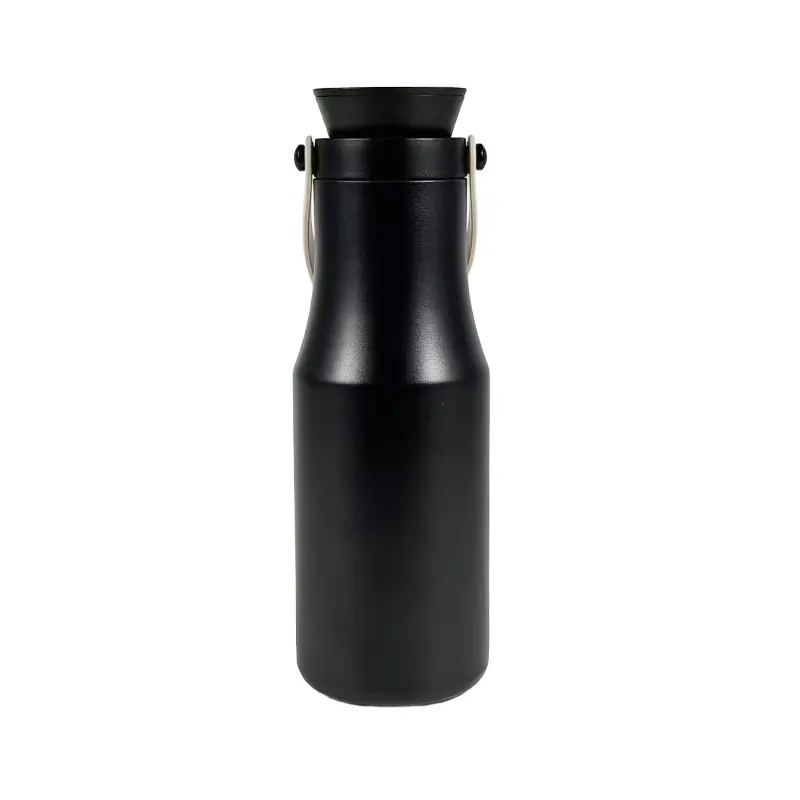
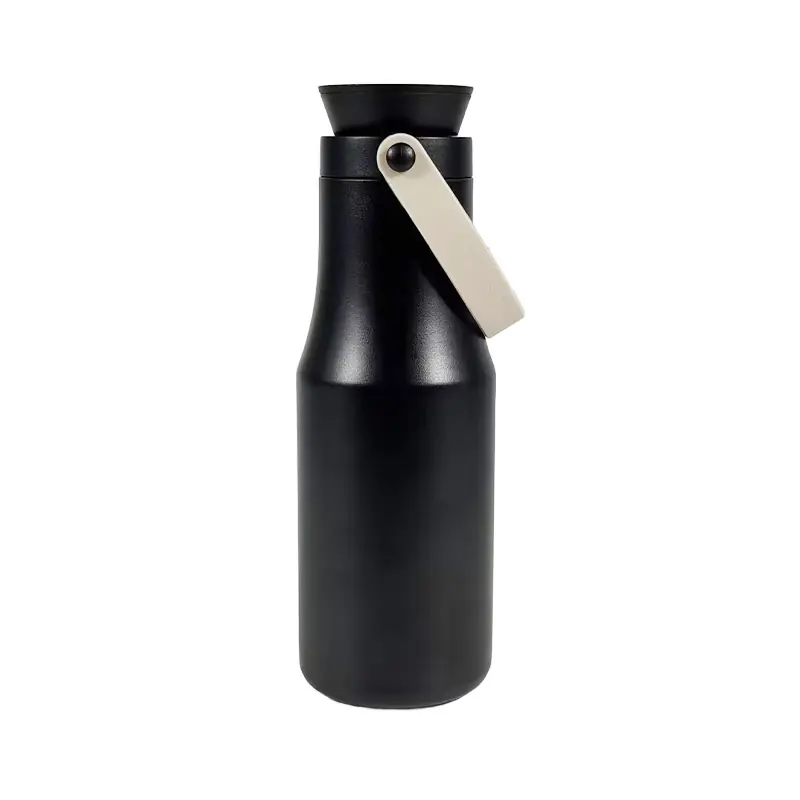
Stainless steel kitchenware manufacturers produce highly durable, corrosion-resistant, and heat-resistant products. These materials are preferred for cookware, cutlery, and food storage solutions due to their long lifespan and premium appeal.
Silicone and Heat-Resistant Materials
Silicone kitchenware is gaining popularity for its flexibility, non-stick properties, and heat resistance. It is commonly used for baking tools, spatulas, and food molds, offering both safety and convenience to end consumers.
Sustainable and Eco-Friendly Alternatives
With increasing environmental concerns, kitchenware manufacturers are adopting biodegradable materials such as bamboo, wheat straw, and recycled plastics. These materials cater to the growing demand for eco-conscious kitchen solutions.
By understanding the advantages of each material, B2B buyers can make strategic purchasing decisions that align with market trends and consumer expectations.
4.Customization & Branding: Can Kitchenware Manufacturers Tailor Products for My Business?
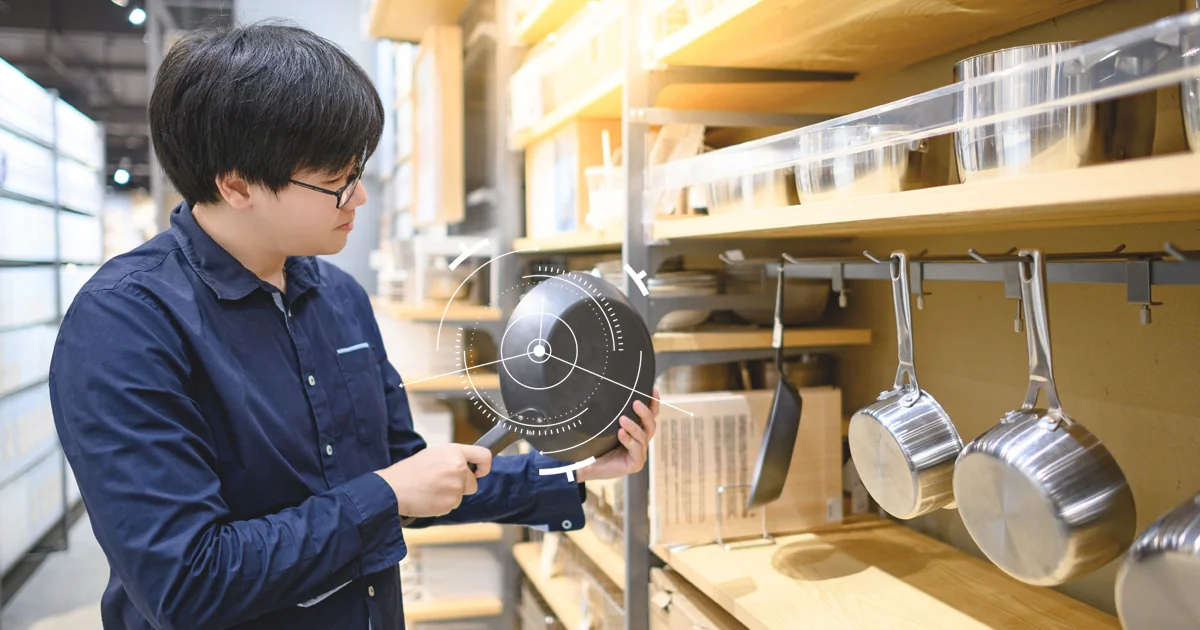
For businesses looking to differentiate themselves in the market, product customization is key. Kitchenware manufacturers offer various branding options that allow B2B buyers to create unique, branded kitchenware products wholesale.
Private Labeling and Logo Engraving
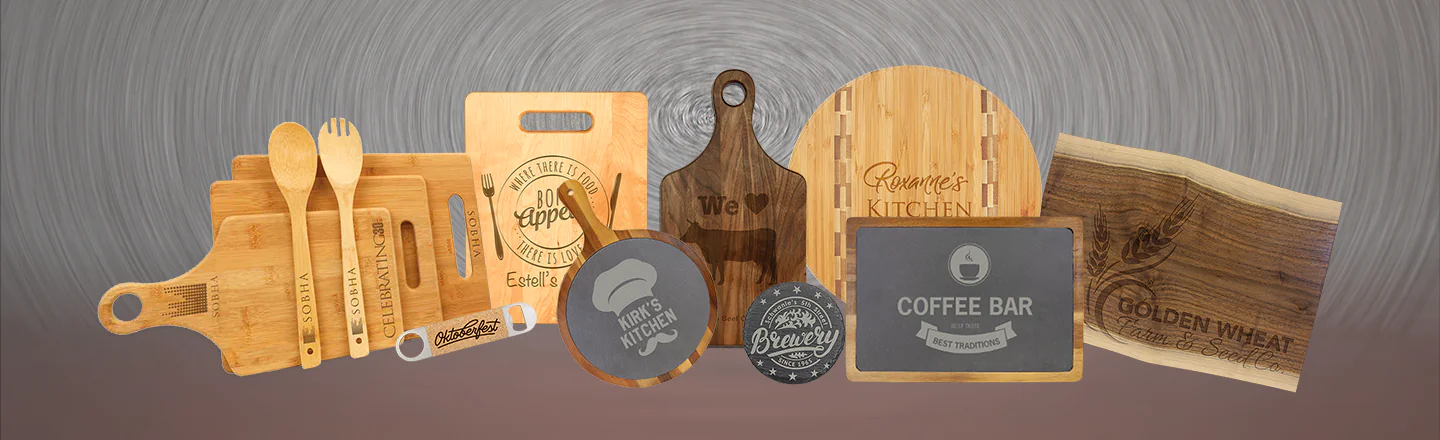
Many kitchenware suppliers provide private labeling services, enabling businesses to add their brand logos through laser engraving, embossing, or printing. This enhances brand visibility and consumer loyalty.
Custom Packaging and Unique Product Designs
Beyond branding, kitchenware products manufacturers offer custom packaging solutions that align with brand aesthetics. Whether it’s eco-friendly packaging or premium gift boxes, customization helps create a distinctive brand identity.
MOQ Requirements for Customized Kitchenware
Most kitchenware manufacturers set a minimum order quantity (MOQ) for custom products. Understanding these requirements helps B2B buyers plan their inventory and budget effectively.
Custom kitchenware solutions give businesses a competitive edge, helping them establish a strong presence in their target markets.
5. Supply Chain Optimization: How Do Kitchenware Manufacturers Reduce Lead Times?

Efficient supply chain management is essential for B2B businesses that rely on timely product availability. Kitchenware manufacturers are adopting advanced strategies to minimize lead times and ensure seamless deliveries.
Smart Warehousing and Inventory Management
Automated warehousing systems and AI-driven demand forecasting help optimize inventory levels, reducing stock shortages and overproduction.
Streamlined Production Processes
Lean manufacturing techniques, such as just-in-time (JIT) production, enable kitchenware manufacturers to reduce waste and enhance efficiency.
Fast and Reliable Logistics Solutions
Partnering with global shipping providers and using real-time tracking technologies ensures faster and more reliable delivery times for kitchenware products wholesale.
By implementing these supply chain strategies, kitchenware manufacturers can meet the growing demand for efficiency and flexibility in the B2B market.
6.Future Trends: What’s Next for Kitchenware Manufacturers in the B2B Market?
The kitchenware industry continues to evolve with emerging trends that shape the future of manufacturing. Some of the key trends include:
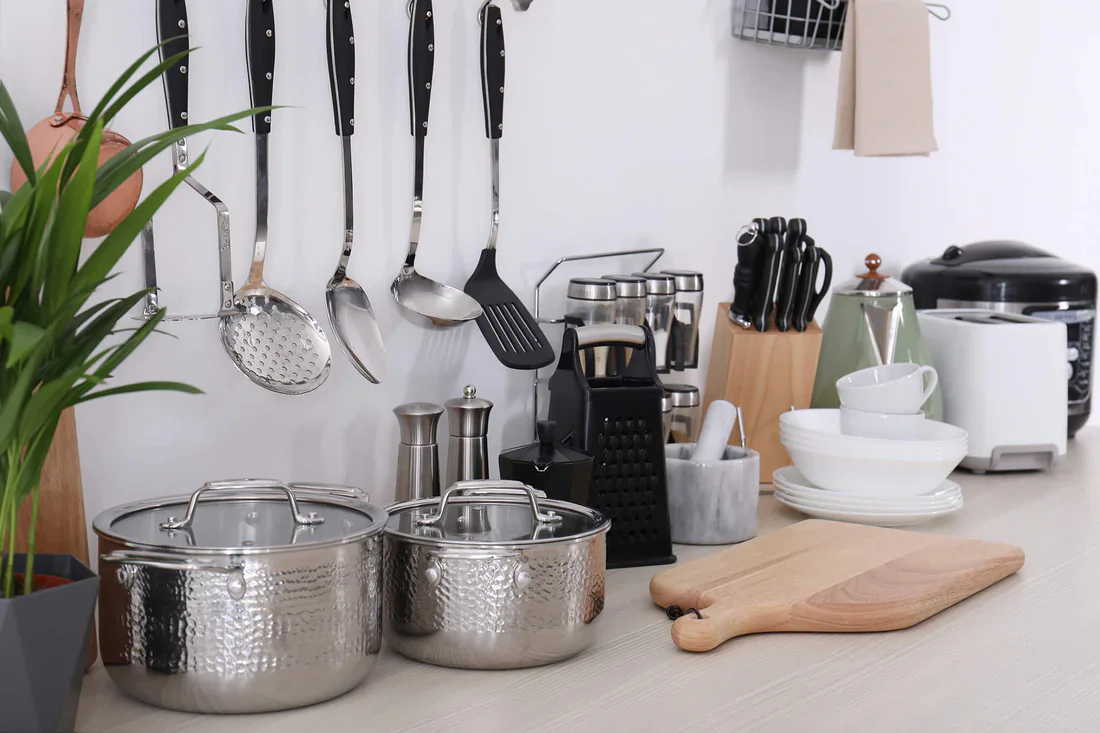
- The Rise of Smart Kitchenware: IoT-integrated kitchen tools and AI-powered cooking gadgets are gaining traction.
- Sustainability and Green Manufacturing: More manufacturers are shifting to sustainable materials and energy-efficient production.
- Expanding Global Markets: With the growth of e-commerce, kitchenware suppliers are reaching new international markets through online B2B platforms.
Businesses that stay ahead of these trends will benefit from increased innovation and market expansion opportunities.
Innovation in kitchenware manufacturing is reshaping the B2B landscape, offering businesses superior quality, customization, and efficiency. By partnering with forward-thinking kitchenware manufacturers, B2B buyers can access high-performance products, competitive pricing, and streamlined supply chains.
Заключение
For businesses looking to source kitchenware products wholesale, understanding these manufacturing advancements ensures better purchasing decisions and long-term success in the industry.

Белль Кси - специалист по поиску поставщиков кухонной утвари в компании Auspace Kitchenware, имеющая многолетний опыт оптового поиска поставщиков кухонной утвари. Она тесно сотрудничает с китайскими фабриками, чтобы помочь международным покупателям сориентироваться на рынке и обеспечить качественную кухонную утварь в масштабах компании. Имея опыт работы в консалтинге по торговле кухонной утварью, она предлагает практические рекомендации по стратегиям поиска поставщиков, оценке поставщиков и прозрачности затрат. Благодаря своим знаниям она связывает зарубежных оптовиков с китайскими производственными центрами, что делает ее надежным экспертом в области поиска поставщиков кухонной утвари.