Введение
In today’s competitive B2B landscape, sourcing high-quality kitchenware products is more critical than ever for businesses looking to meet the growing demand of savvy consumers. With the rise of online shopping and an increasing focus on functionality, sustainability, and aesthetics, the kitchenware industry is rapidly evolving. To stay ahead, businesses must understand the latest manufacturing technologies and trends that are transforming the production process. As kitchenware manufacturers innovate to offer better products at faster lead times and with higher customization options, it’s essential for buyers to grasp how these advancements can impact their sourcing strategies. In this article, we’ll dive into the cutting-edge technologies driving innovation in kitchenware manufacturing and explore key considerations for businesses sourcing products wholesale.
1. Introduction: How Technology is Revolutionizing Kitchenware Manufacturing

The kitchenware industry is undergoing a transformation driven by automation, digital tools, and sustainability. These advancements are reshaping how kitchenware manufacturers produce and distribute products, benefiting businesses sourcing kitchenware products wholesale.
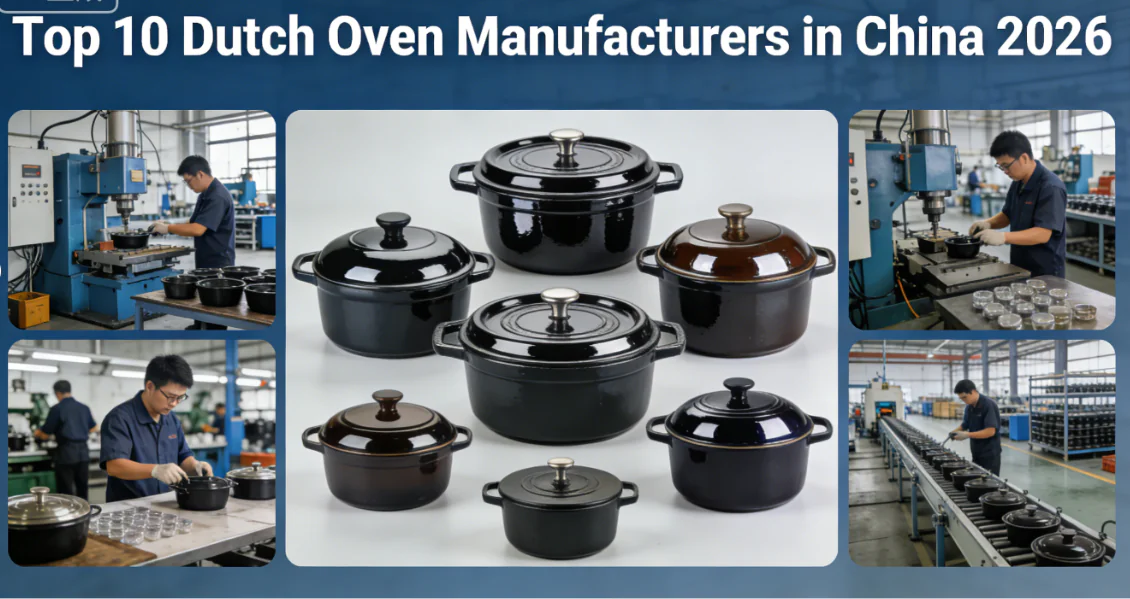
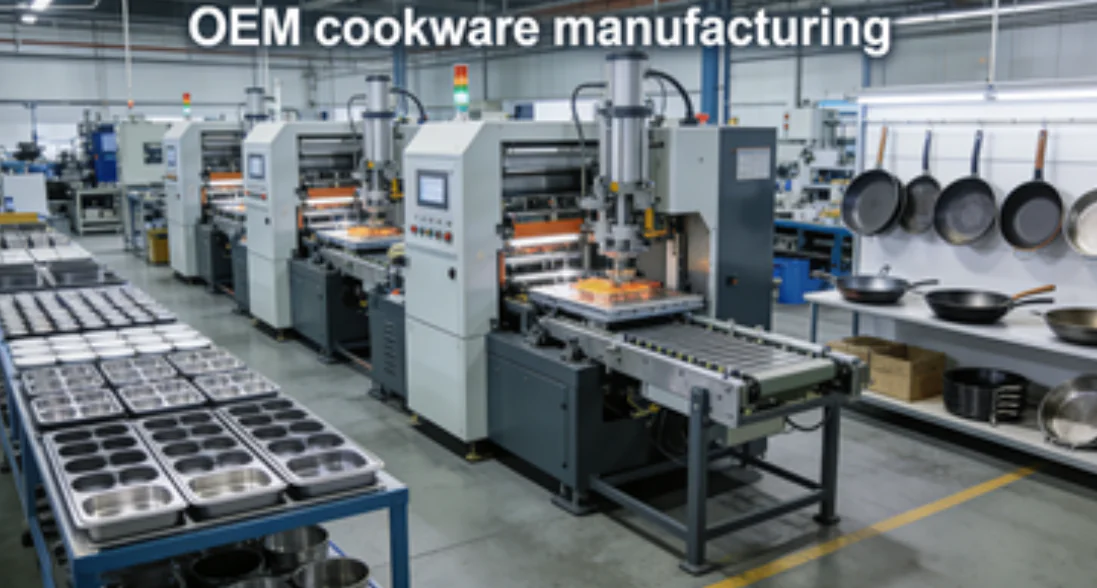
Automation has enhanced precision and efficiency in production. Stainless steel kitchenware manufacturers use robotics for cutting and welding, ensuring consistent quality. Meanwhile, plastic kitchenware products benefit from AI-driven molding processes, reducing errors and improving scalability.
Digitalization is streamlining supply chains, with real-time tracking and predictive analytics enabling kitchenware suppliers to optimize inventory and shorten lead times. At the same time, sustainability is becoming a key focus. Many manufacturers now use recycled materials and eco-friendly production methods, aligning with global environmental trends.
Another significant shift is the rise of customization and smart kitchenware. Advanced engraving and printing technologies allow businesses to brand products, while IoT-enabled kitchen tools are growing in demand. These innovations give B2B buyers opportunities to offer high-tech, eco-conscious, and customized products to their customers.
By leveraging these advancements, businesses can improve sourcing efficiency and gain a competitive edge in the market.
2. What Is the Minimum Order Quantity (MOQ) for Kitchenware Manufacturers?

MOQ is a crucial factor when working with kitchenware manufacturers, as it affects pricing, sourcing flexibility, and overall costs. It varies by material and production complexity. For example, stainless steel kitchenware manufacturers often require higher MOQs due to expensive raw materials and production processes, whereas plastic kitchenware products may have lower MOQs thanks to cost-effective molding techniques.
Larger orders typically come with lower per-unit costs, but small businesses may face challenges if they can’t meet high MOQs. To negotiate better terms, buyers can commit to long-term partnerships, place bulk orders on fast-selling items, or explore group buying to pool quantities and secure better pricing.
Understanding and navigating MOQs is essential for businesses sourcing kitchenware products wholesale. By working strategically with kitchenware suppliers, companies can find solutions that balance budget constraints with product quality and availability.
3. What Materials Are Commonly Used by Kitchenware Manufacturers?
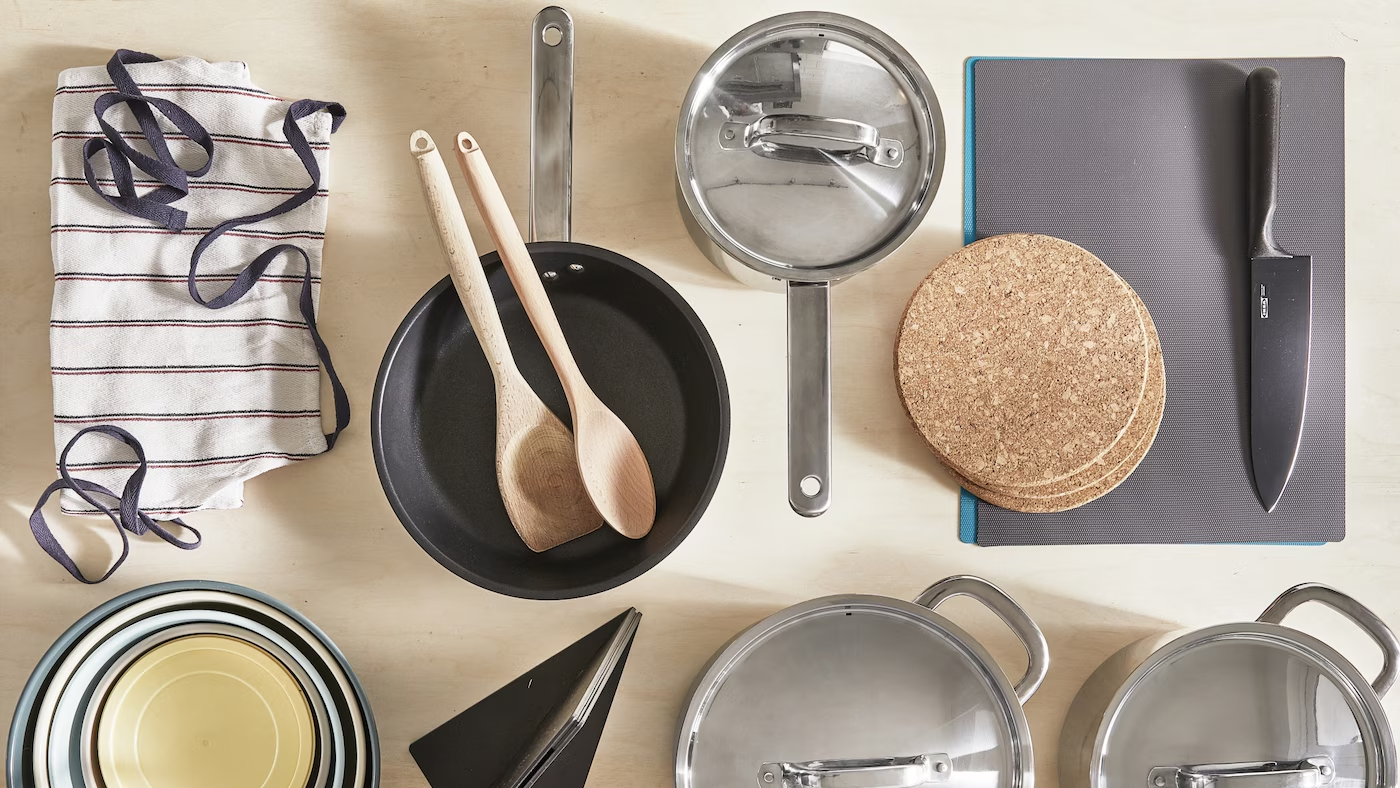
One of the most important decisions when sourcing kitchenware products wholesale is choosing the right materials. The materials selected by kitchenware manufacturers directly impact product durability, safety, aesthetic appeal, and overall functionality. For B2B businesses, understanding these material choices is crucial when deciding which products to offer their customers, as it helps to align with market trends and consumer preferences.
Нержавеющая сталь
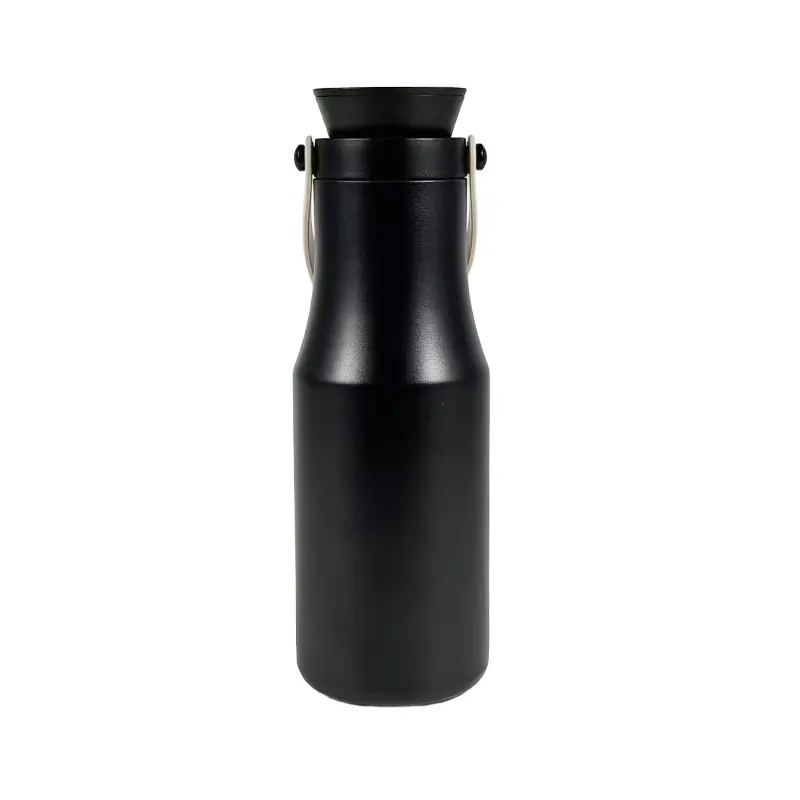
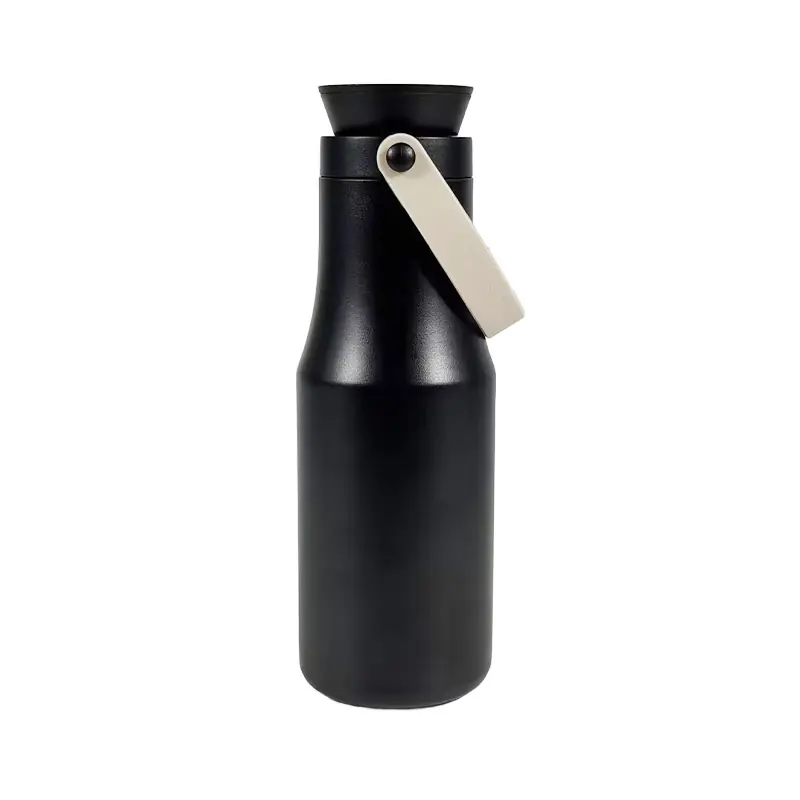
Stainless steel is one of the most commonly used materials by kitchenware manufacturers, particularly for items like cookware, knives, and utensils. Stainless steel is favored for its durability, resistance to rust, and ability to withstand high temperatures. For stainless steel kitchenware manufacturers, this material is a go-to for producing high-quality, long-lasting products. Stainless steel is easy to clean, non-reactive with food, and highly resistant to corrosion, making it a safe and practical choice for kitchen environments. Its sleek, modern appearance is also a major selling point, appealing to businesses looking to offer premium, stylish kitchen products.
In addition to its durability, stainless steel is also a versatile material that can be combined with other materials like plastic, wood, or silicone for enhanced functionality. Many kitchenware suppliers offer stainless steel kitchenware in a variety of finishes, such as brushed, polished, or matte, allowing businesses to cater to different consumer preferences and needs.
Пластик
Plastic kitchenware products are another widely used category in the industry. Plastic is lightweight, cost-effective, and highly moldable, making it suitable for mass production. Kitchenware manufacturers often use plastic for items such as measuring cups, storage containers, spatulas, and cutting boards. The material’s versatility allows manufacturers to produce an array of colorful, aesthetically appealing products that are perfect for both functional and decorative uses in the kitchen.
Plastic kitchenware products have evolved significantly, with many manufacturers now focusing on BPA-free and food-grade plastics to ensure safety and reduce environmental impact. As demand for sustainable products grows, some plastic kitchenware manufacturers are turning to recycled plastics or bioplastics, which offer an eco-friendly alternative to traditional plastic materials. For businesses looking to source kitchenware products wholesale, offering a range of plastic kitchenware can be a great way to appeal to cost-conscious consumers and eco-aware buyers.
Силикон
Silicone has gained popularity in recent years for its flexibility, heat resistance, and non-stick properties. It is commonly used for baking mats, spatulas, muffin pans, and lids. Silicone kitchenware products are flexible, durable, and able to withstand both high and low temperatures, making them perfect for various cooking tasks. They are also easy to clean and dishwasher-safe, which adds to their appeal.
For kitchenware manufacturers, silicone is a material that offers substantial design freedom. It can be molded into intricate shapes and is available in a variety of colors, allowing for highly customizable kitchen products. Silicone is also non-toxic and safe for use with food, making it a popular choice for manufacturers focusing on health-conscious consumers.
Aluminum and Cast Iron
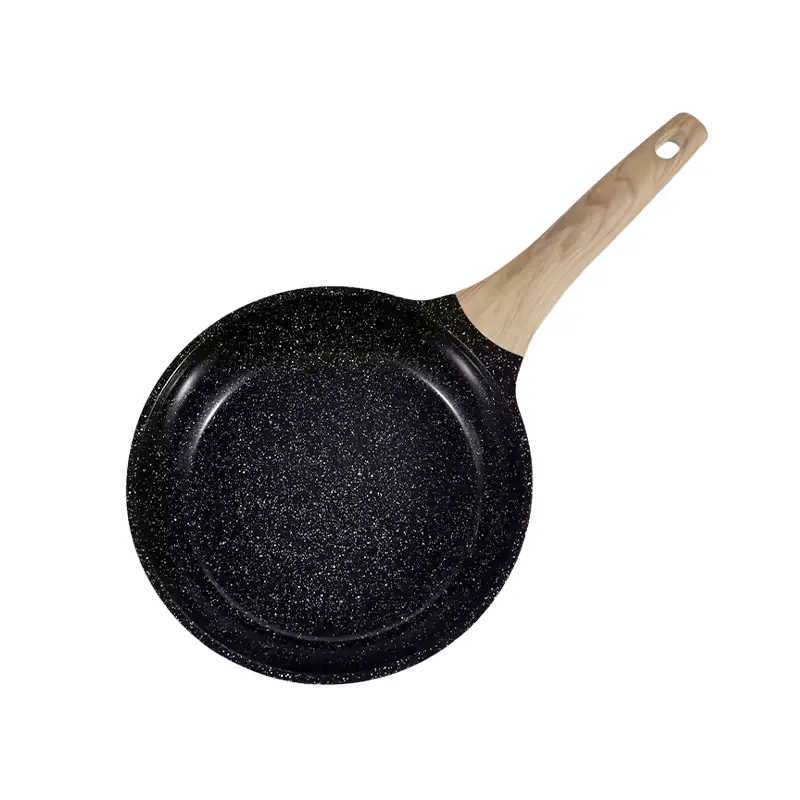
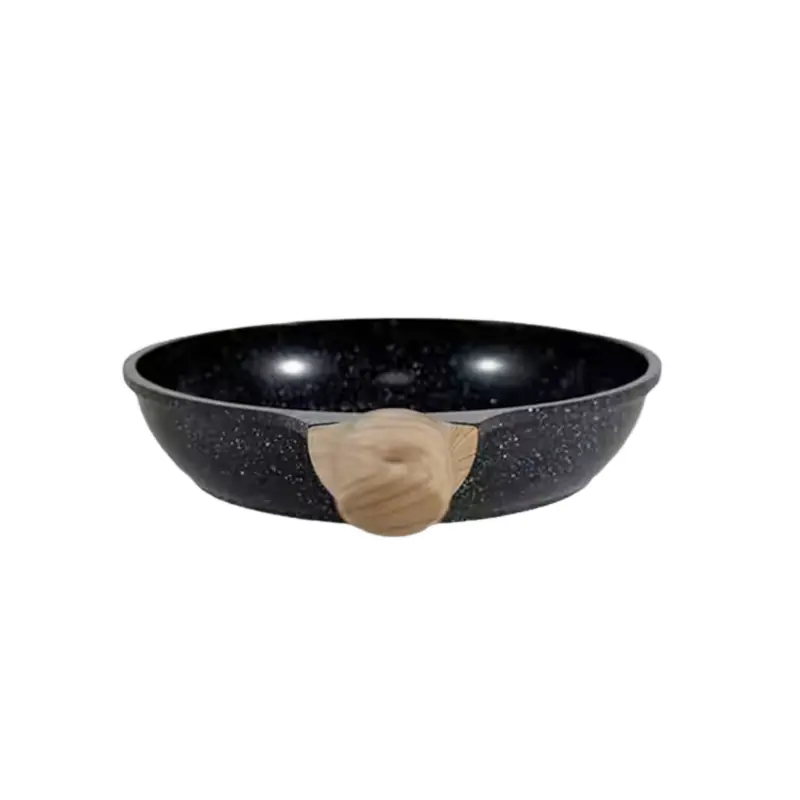
Other materials, such as aluminum and cast iron, are also prevalent in the kitchenware industry, particularly for cookware. Aluminum is a lightweight metal that is known for its quick heat conduction properties, making it a favorite for frying pans and saucepans. Cast iron, on the other hand, is a durable material ideal for skillets, Dutch ovens, and other heavy-duty cookware. Both materials have specific strengths that cater to particular cooking needs and consumer preferences.
In conclusion, the materials chosen by kitchenware manufacturers play a pivotal role in defining the product’s functionality, appeal, and marketability. For B2B businesses sourcing kitchenware products wholesale, understanding the advantages and limitations of each material allows them to make informed decisions that align with their customer base’s expectations. Whether it’s offering high-end stainless steel products, eco-friendly plastic kitchenware products, or versatile silicone options, businesses can ensure they meet diverse consumer needs while staying competitive in the market.
4. How Do Kitchenware Manufacturers Ensure Product Quality?

In the highly competitive kitchenware industry, ensuring product quality is essential for both kitchenware manufacturers and their B2B clients. High-quality kitchenware products not only meet consumer expectations but also reduce returns, increase customer satisfaction, and enhance brand loyalty. For businesses looking to source kitchenware products wholesale, it’s critical to partner with manufacturers that prioritize quality control throughout the production process.
Material Selection
The foundation of quality kitchenware begins with selecting the right materials. Kitchenware manufacturers must choose materials that are durable, safe, and fit for their intended use. For example, stainless steel kitchenware manufacturers select high-quality alloys that offer superior strength, rust resistance, and temperature tolerance. Similarly, plastic kitchenware products must meet safety standards, such as being BPA-free, to ensure they are safe for use in food preparation. High-quality raw materials set the stage for a product’s longevity and performance.
Manufacturing Processes
Quality control in kitchenware manufacturing extends beyond raw materials to the actual production processes. Kitchenware manufacturers employ a range of techniques to ensure consistency and accuracy in their products. Automated production lines, such as those used by stainless steel kitchenware manufacturers, often integrate robotic systems that can precisely cut, weld, and finish products. These automated systems reduce human error and increase production efficiency, leading to more consistent and high-quality outcomes.
For plastic kitchenware products, manufacturers typically rely on advanced molding techniques, such as injection molding, which allows for intricate designs and uniform product quality. Ensuring the right temperature and pressure settings during molding is critical to avoid defects like warping or cracking, which can affect the product’s usability and appearance.
Quality Testing and Inspection
Kitchenware manufacturers implement rigorous quality testing protocols to ensure that each product meets industry standards and consumer expectations. For stainless steel products, this can include tests for corrosion resistance, durability, and food-grade compliance. Plastic products undergo similar safety checks, such as tests for chemical leaching, BPA content, and food safety.
In addition to material-specific tests, kitchenware suppliers often employ visual inspections to check for defects, such as scratches, dents, or color inconsistencies. Products that pass these quality assurance checks are then packaged and prepared for shipping. Many manufacturers also conduct performance tests, such as testing non-stick properties or heat resistance, to ensure that the product performs as advertised.
Certifications and Standards
Certifications play a crucial role in demonstrating a manufacturer’s commitment to quality. For example, some kitchenware manufacturers are certified by organizations like the Food and Drug Administration (FDA), which ensures that products meet food safety standards. Additionally, ISO 9001 certification is often awarded to manufacturers who have implemented quality management systems that ensure consistent production quality. These certifications reassure B2B buyers that the products they are purchasing comply with international safety standards and are of the highest quality.
In conclusion, kitchenware manufacturers ensure product quality through a combination of material selection, precise manufacturing processes, rigorous quality testing, and adherence to certifications. For businesses sourcing kitchenware products wholesale, partnering with manufacturers who prioritize these aspects ensures a steady supply of reliable, high-quality products that meet both regulatory requirements and customer demands. By carefully vetting potential suppliers, B2B companies can safeguard their reputation and ensure customer satisfaction with every order.
5. What Are the Lead Times for Kitchenware Production and Delivery?
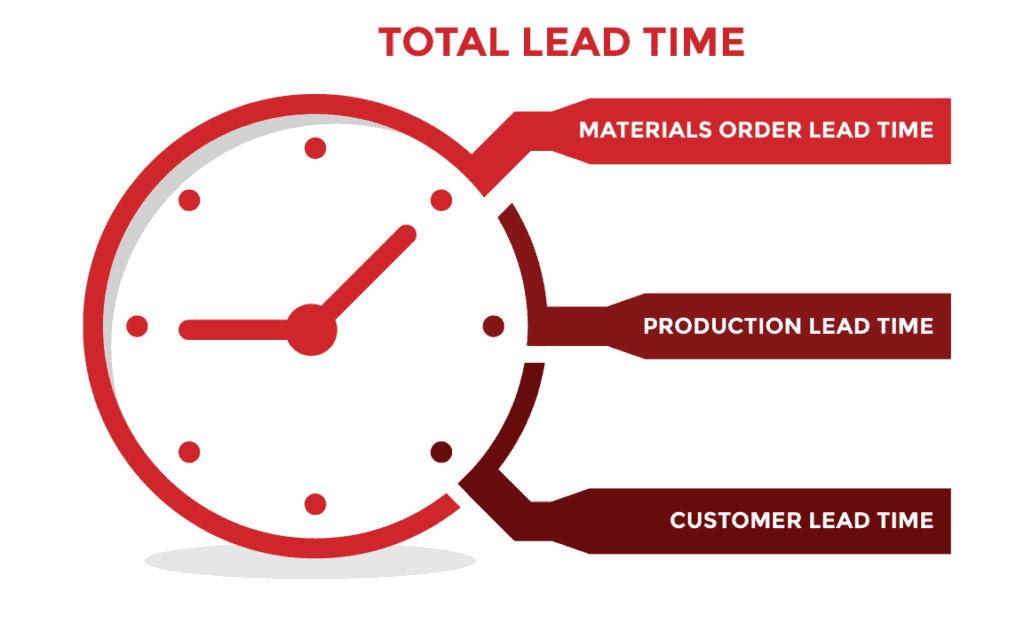
Lead time is a crucial factor for businesses looking to source kitchenware products wholesale. It refers to the amount of time between placing an order and receiving the products. In the fast-paced world of B2B transactions, understanding the lead times involved in kitchenware manufacturing and delivery can help businesses plan their inventory and avoid delays. For kitchenware suppliers, offering reliable and predictable lead times is vital to maintaining strong relationships with customers and ensuring smooth operations.
Factors Influencing Lead Times
Several factors influence lead times in the kitchenware manufacturing process, starting with the complexity of the products. Kitchenware manufacturers often have different production times depending on the type of items being produced. Simple products, such as plastic kitchenware products like cutting boards or spatulas, generally have shorter production times. In contrast, more complex items, such as high-end stainless steel cookware or customized kitchen tools, may take longer due to the intricacy of design, material processing, and assembly.
The volume of the order is another critical factor. Smaller orders may have a shorter lead time because they don’t require as much production capacity or resources. However, larger orders often require more time to produce and process, as manufacturers must allocate additional labor, machinery, and material resources. For businesses looking to order in bulk, it’s important to account for potential lead time extensions and communicate this with kitchenware manufacturers.
Production Capacity and Availability
Kitchenware manufacturers with higher production capacity can typically handle larger orders with shorter lead times. However, for companies that manufacture in smaller batches or work on a make-to-order basis, the lead time might be longer. For example, stainless steel kitchenware manufacturers that rely on heavy-duty machinery or custom molds may need more time to prepare for large orders, especially if specialized production is involved.
Additionally, the availability of raw materials plays a significant role in determining lead times. If a manufacturer experiences a shortage in key materials such as high-quality stainless steel or plastic polymers, it can lead to delays in the production process. Supply chain disruptions, such as those caused by geopolitical events, natural disasters, or logistical issues, can also contribute to extended lead times.
Shipping and Delivery Considerations
Once the kitchenware products are manufactured, they must be shipped to the buyer. Shipping times depend on the distance between the manufacturer and the destination, as well as the method of transportation. Air freight is typically faster but more expensive, while ocean freight is more economical but takes longer. For businesses looking to source kitchenware products wholesale from overseas suppliers, it’s crucial to factor in both production and shipping times to ensure timely delivery.
Many kitchenware suppliers offer tracking systems or updates on the shipping process, allowing businesses to plan for when products will arrive. Businesses can also choose to work with freight forwarders or third-party logistics providers to streamline the shipping process and manage delivery schedules more effectively.
Improving Lead Times with Strong Relationships
Establishing a strong relationship with kitchenware manufacturers can also lead to improved lead times. When manufacturers understand a business’s needs and production schedule, they may prioritize orders and provide more accurate lead-time estimates. Long-term relationships with kitchenware products manufacturers can lead to smoother communication and greater reliability in meeting deadlines.
In conclusion, lead times are an essential aspect of sourcing kitchenware products wholesale, and businesses must consider various factors such as product complexity, order volume, production capacity, and shipping logistics. By maintaining clear communication with kitchenware suppliers and understanding the potential for delays, businesses can plan more effectively and ensure that their customers receive the products they need on time.
6. Can Kitchenware Manufacturers Customize Products with My Brand Logo?

Branding is a powerful tool in the competitive world of kitchenware. For B2B companies, partnering with kitchenware manufacturers that offer customization options can help differentiate their products and build brand recognition. Customization can take many forms, from simple logo engraving to more complex alterations such as color choices, design modifications, or unique packaging. Understanding how customization works and how it impacts manufacturing timelines and costs is crucial for businesses looking to offer branded kitchenware products.
Logo Customization
One of the most common forms of customization is logo printing or engraving. Kitchenware manufacturers are increasingly offering branding options for their clients, allowing businesses to incorporate their logos or brand names on products such as cookware, utensils, and storage containers. This customization is an effective way for businesses to build brand identity and create a unique product offering.
For stainless steel kitchenware manufacturers, laser engraving technology is often used to add logos or designs onto products. This process ensures that the engraving is precise, durable, and visually appealing. For plastic kitchenware products, screen printing or pad printing techniques may be used to apply logos or labels, depending on the material and design complexity. Custom branding is typically an added service, and manufacturers may charge a fee depending on the complexity of the design and the number of products being customized.
Product Modifications
In addition to logo customization, some kitchenware manufacturers offer modifications to product designs. For instance, businesses may want to adjust the handle design of a pot, the shape of a cutting board, or the color of a spatula. Many kitchenware products manufacturers are capable of producing products with customized features, such as different finishes, colors, or ergonomics. This level of customization can allow businesses to create unique products that cater to specific consumer preferences or fit within a particular product line.
Product modifications often require more time and resources, as the manufacturer may need to adjust molds, machinery, or production processes. For B2B businesses, it’s important to discuss customization requirements upfront with kitchenware suppliers to ensure that expectations are aligned, and to understand how customization may affect both lead times and costs.
Персонализация упаковки
Packaging plays a significant role in branding, as it is the first thing consumers see when purchasing kitchenware products. Many kitchenware manufacturers offer customized packaging options, such as branded boxes, labels, and inserts. Custom packaging can enhance the perceived value of a product and create a more professional and cohesive brand experience. For kitchenware suppliers, this adds another layer of customization that can make products stand out on retail shelves or in e-commerce listings.
Customization Costs and Lead Times
While customization adds value to products, it can also affect both the cost and the lead time. Customization services often come with additional fees for the design work, machinery adjustments, and production time. Depending on the complexity of the customization, it may take additional time to prepare the production process and produce the final products. Therefore, businesses should plan for longer lead times and higher costs when requesting customized kitchenware products.
In conclusion, working with kitchenware manufacturers that offer customization options provides businesses with the opportunity to build unique product lines and enhance brand visibility. Whether it’s adding a logo, altering product designs, or customizing packaging, these options can help companies differentiate themselves in the competitive kitchenware market. By understanding the costs and lead times associated with customization, businesses can make informed decisions and plan accordingly to ensure the successful launch of their branded products.
7. How Kitchenware Manufacturers Ensure Product Quality and Consistency?

Product quality is paramount in the kitchenware industry. Whether you are sourcing kitchenware products wholesale or customizing items for your brand, ensuring that the products meet high standards of quality and consistency is essential. For kitchenware manufacturers, maintaining these standards involves a combination of advanced technologies, rigorous testing, and strict quality control processes.
Quality Control During Production
Kitchenware manufacturers employ stringent quality control measures throughout the production process to ensure that products are free from defects and meet the required standards. From the initial material inspection to the final product check, each step is closely monitored to identify any potential issues. For example, when working with stainless steel kitchenware manufacturers, it is essential to ensure that the raw materials are of high quality, free from impurities, and meet industry specifications. Likewise, plastic kitchenware products are subject to checks for safety and material integrity before they are molded and shaped into the final product.
In the production stage, manufacturers may use automated systems to monitor key variables such as temperature, pressure, and material flow, ensuring that products are consistently produced to specifications. These automated systems minimize human error and improve the overall precision of the manufacturing process.
Testing for Durability and Safety
Kitchenware manufacturers routinely test products for durability, safety, and functionality. Stainless steel cookware, for example, undergoes tests for heat resistance, corrosion resistance, and structural integrity. Plastic kitchenware products are tested for food safety, chemical resistance, and overall performance under typical kitchen conditions. Manufacturers often conduct strength tests, including drop tests, stress tests, and heat cycle tests, to assess how well products will perform over time.
Products are also tested for compliance with international safety standards. Many kitchenware manufacturers are certified to meet FDA, LFGB (Germany), or NSF (National Sanitation Foundation) standards, ensuring that products are safe for food contact and use in kitchens. These certifications reassure businesses sourcing kitchenware products wholesale that they are offering safe, high-quality products to their customers.
Consistency Across Batches
Ensuring consistency across batches is a critical factor in maintaining quality. Kitchenware suppliers rely on repeatable manufacturing processes and quality checks to ensure that each batch of products meets the same high standards. For instance, manufacturers may use batch testing, where products from different production runs are tested against the same criteria to ensure uniformity. This process ensures that no matter how large the order, each product will meet the same quality expectations.
In conclusion, kitchenware manufacturers employ a variety of strategies to maintain high product quality and consistency. Through careful material selection, strict quality control, testing, and ongoing monitoring, manufacturers ensure that businesses sourcing kitchenware products wholesale receive products that are safe, durable, and reliable. For B2B companies, partnering with manufacturers that prioritize quality control guarantees that the products they offer to their customers will meet their needs and exceed their expectations.
Заключение
As the kitchenware market continues to grow, embracing the latest innovations in manufacturing technology is vital for businesses aiming to offer high-quality products that meet consumer demands. From material selection to customized branding and streamlined lead times, kitchenware manufacturers are playing a pivotal role in shaping the future of kitchen products. By understanding the different materials, production processes, and customization options available, businesses can make informed decisions that will enhance their product offerings and strengthen their position in the market.
If you’re looking to source premium kitchenware products that are tailored to your brand’s needs, our expert team at [Your Company Name] is here to assist you. Contact us today to discuss your requirements and discover how we can help you elevate your kitchenware collection. Let’s build the future of kitchen products together!

Iris is a seasoned sourcing expert in the cookware industry with years of experience. She specializes in product development, quality assurance, and international compliance, providing trusted insights and practical solutions for buyers and professionals.