Введение
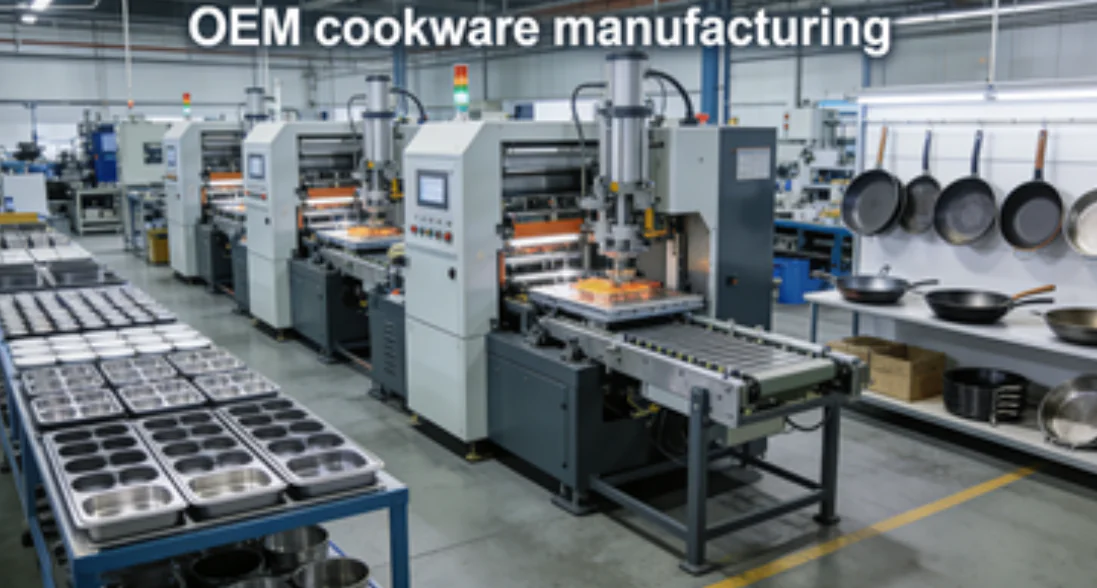
The global kitchenware industry is undergoing structural transformation driven by e-commerce expansion, direct-to-consumer brands, and evolving consumer expectations around quality and design. Entrepreneurs exploring how to start a cookware brand are no longer required to invest in heavy industrial infrastructure. Instead, private label cookware has become the dominant pathway for launching scalable, competitive kitchenware businesses. By working with a qualified label kitchenware factory, brands can leverage established cookware brand manufacture systems while focusing on branding, distribution, and margin optimization.
1. What Is Private Label Cookware and Why Is It the Foundation of Modern Cookware Brand Manufacturing?
1.1 What Are Private Label Cookware Products?
Private label cookware refers to cookware products manufactured by an established production facility but marketed under your own registered trademark. The label kitchenware factory manages raw material procurement, forming, bonding, coating, polishing, assembly, and quality control. The brand owner controls positioning, pricing, branding, packaging, and channel strategy. For entrepreneurs researching how to start a cookware brand, this structure minimizes capital expenditure while retaining full brand ownership. Instead of building forging lines, coating tunnels, or polishing workshops, you integrate into an existing cookware brand manufacturing ecosystem. When starting a cookware line, this approach allows rapid product development while maintaining strategic control. Private-label cookware enables scale without asset burden, making it the preferred method in modern manufacturing of branded cookware .
1.2 Private Label Cookware vs White Label Cookware Supplier
A label cookware supplier typically provides ready-made models with limited modification options. Branding may be restricted to logo printing and packaging changes. In contrast, brand cookware allows deeper engineering collaboration, including structural changes, handle design adjustments, coating upgrades, and exclusive packaging formats. Entrepreneurs learning how to start a brand must decide between low-complexity sourcing through a label cookware supplier or higher-differentiation custom manufacturing of branded cookware. While a white label cookware supplier may offer lower MOQ and faster lead times, brand cookware enables stronger defensibility and premium positioning. The decision depends on capital availability, long-term vision, and whether you are testing demand or building a long-term cookware brand manufacturing platform.
1.3 Why Private Label Cookware Dominates When Starting a Cookware Line
Several macroeconomic factors explain why label cookware is increasingly adopted. Supply chain maturity in major manufacturing regions ensures that a capable kitchenware factory can manage multi-layer cladding, forged aluminum shaping, nonstick coating systems, induction base bonding, and compliance testing in-house. E-commerce growth rewards brand differentiation rather than factory ownership. Label cookware allows founders focused on how to start a brand to prioritize storytelling, design identity, and customer experience. Adjustable MOQ structures also allow inventory management aligned with realistic demand forecasts. Compared to traditional manufacturing of branded cookware investment models, private label cookware significantly reduces financial exposure.
2. How to Start a Cookware Brand Using Private Label Manufacturing
2.1 Understanding the Technical Complexity Behind Cookware Brand Manufacturing
Manufacturing of branded cookware involves advanced metallurgical and thermal engineering principles. Aluminum thickness affects heat distribution, stainless steel cladding influences thermal retention, coating adhesion depends on surface treatment precision, and rivet stability impacts product durability. A professional kitchenware factory manages these processes systematically. For founders studying how to make a cookware brand, leveraging existing industrial expertise reduces operational risk. Own brand cookware provides access to laboratory testing, impact bonding technology, automated polishing, and coating curing ovens without requiring ownership of these assets. Starting a cookware line becomes more feasible when technical complexity is handled by experienced manufacturing partners.
2.2 Selecting the Right Private Label Kitchenware Factory
Choosing a private label kitchenware factory is one of the most critical decisions in launching own label cookware. Evaluation criteria should include production capacity, certification documentation, in-house engineering capability, coating technology, and export experience. Brands relying solely on a supplier may face limited flexibility in customization or structural upgrades. In contrast, deeper cooperation in customization allows mold development, proprietary color systems, and engineered product adjustments. Entrepreneurs planning how to start a cookware brand must assess whether they require rapid entry through white label cookware supplier channels or long-term differentiation via own brand cookware engineering collaboration.
2.3 Structuring Your Business Model Around Private Label Cookware
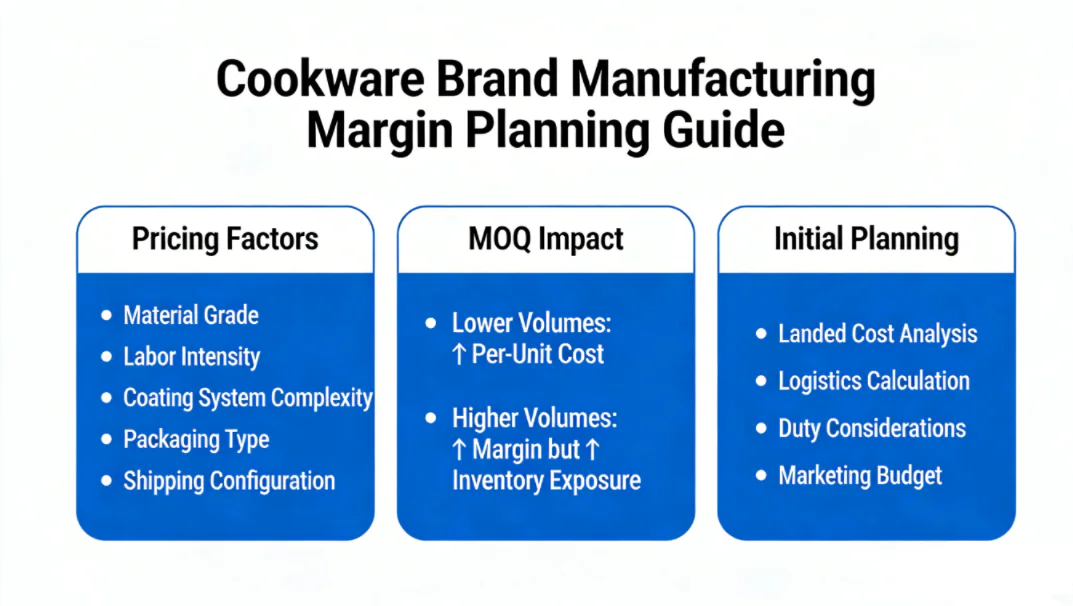
Successful cookware brand manufacturing requires margin planning before production begins. Private brand cookware pricing depends on material grade, labor intensity, coating system complexity, packaging type, and shipping configuration. Private brand cookware MOQ directly impacts unit economics. Lower volumes may increase per-unit cost, while higher volumes improve margin but increase inventory exposure. When starting a cookware line, balancing MOQ with realistic sales projections protects cash flow. Founders exploring how to do a cookware brand should integrate landed cost analysis, logistics calculation, duty considerations, and marketing budget into their initial planning.
3. What Materials Are Available for Private Label Cookware?
3.1 Aluminum Options in Private Label Cookware
Aluminum remains one of the most common materials in private brand cookware due to its high heat conductivity and relatively low weight. Stamped aluminum models are typically offered by a label cookware supplier for budget-oriented brands. Forged aluminum construction, often coordinated through a kitchenware factory, provides improved structural integrity and premium perception. Thickness options ranging from 2.3mm to over 4mm significantly impact performance and cost. When starting a cookware line, aluminum-based own label cookware often represents the most accessible entry tier.
3.2 Stainless Steel Structures in Cookware Brand Manufacturing
Stainless steel cookware represents a higher-tier option in manufacturing of branded cookware . Multi-ply construction integrates aluminum or copper cores between stainless steel layers to improve thermal efficiency. A qualified factory may offer impact-bonded base structures or fully clad sidewall configurations. Entrepreneurs examining how to start a cookware brand targeting mid- to premium-level consumers frequently select stainless steel private brand cookware due to durability and professional aesthetics. However, stainless steel usually requires higher MOQ compared to entry-level aluminum products.
3.3 Nonstick and Coating Systems
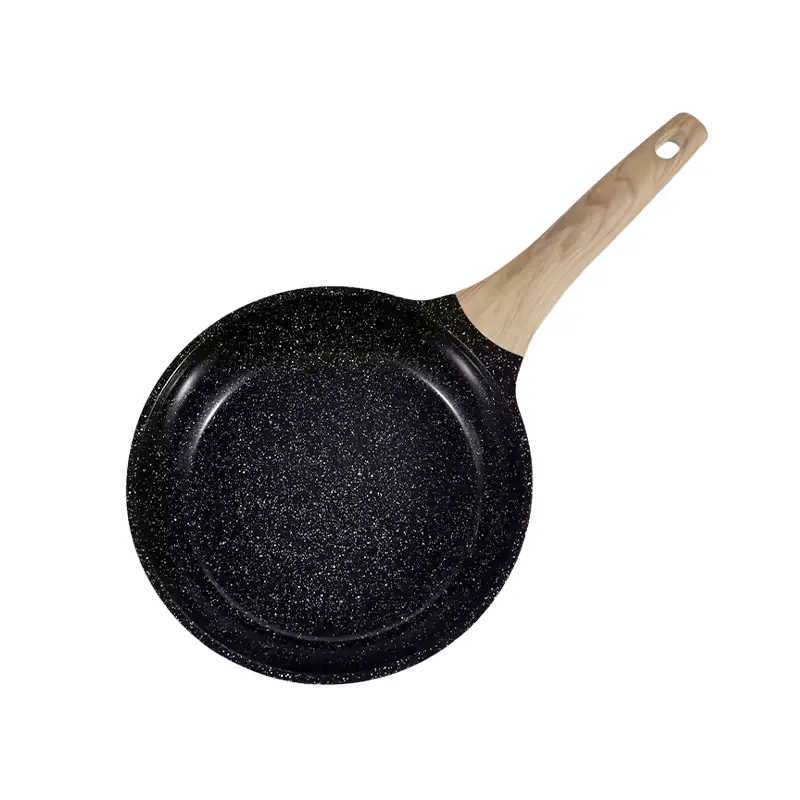
Nonstick custom label cookware depends heavily on coating technology. Multi-layer PTFE systems or ceramic-based coatings are common. Custom manufacturing of branded cookware may include enhanced scratch resistance or reinforced primer layers. Compliance with EU, US, and CA food-contact standards must be validated. When working with a label kitchenware factory, request abrasion testing, adhesion testing, and chemical safety documentation. Brands relying solely on a label cookware supplier may have fewer options for coating upgrades. When starting a good cookware line, coating performance directly influences customer reviews and long-term brand credibility.
3.4 Specialty Materials in Private Label Cookware
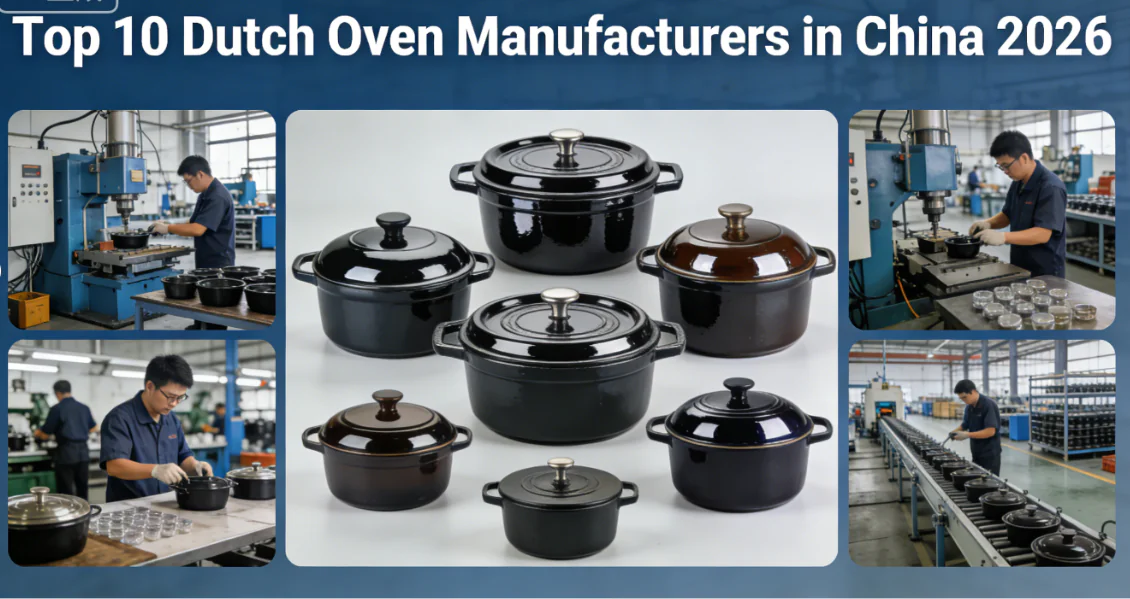
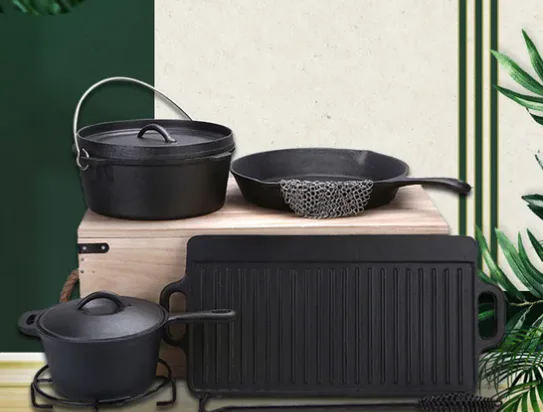
Cast iron, carbon steel, and copper-core constructions serve niche segments. While these materials elevate brand identity, they increase complexity in manufacturing of branded cookware and may raise MOQ thresholds. Entrepreneurs learning how to do a cookware brand often expand into specialty materials after establishing a successful core line of aluminum or stainless steel cookware.
4. What Private Label Customization Options Are Available in Modern Cookware Brand Manufacturing?
Customization is the defining factor that separates basic sourcing from true cookware strategy. When entrepreneurs explore how to make a cookware brand, they often assume customization only means adding a logo. In reality, custom manufacturing of branded cookware operates at multiple technical and aesthetic levels. A capable label kitchenware factory offers structural engineering adjustments, coating systems, handle design, packaging architecture, and brand-specific finishing solutions. Understanding these layers is critical when starting a good cookware line that can compete beyond commodity pricing.
4.1 Structural Engineering Customization in Private Label Cookware
Structural customization is the core of differentiated Manufacturing of branded cookware. This includes adjusting body thickness, wall angle, bottom diameter, and induction base structure. For aluminum private brand cookware, thickness selection directly affects heat distribution and weight perception. A label cookware supplier may limit you to existing mold dimensions, while a factory engaged in custom manufacturing of branded cookware can develop new tooling to achieve proprietary structure. Although structural changes may increase own label cookware MOQ due to tooling amortization, they create long-term brand defensibility. Entrepreneurs serious about brand with premium positioning often invest in at least one structurally unique hero product.
4.2 Handle Systems and Ergonomic Differentiation
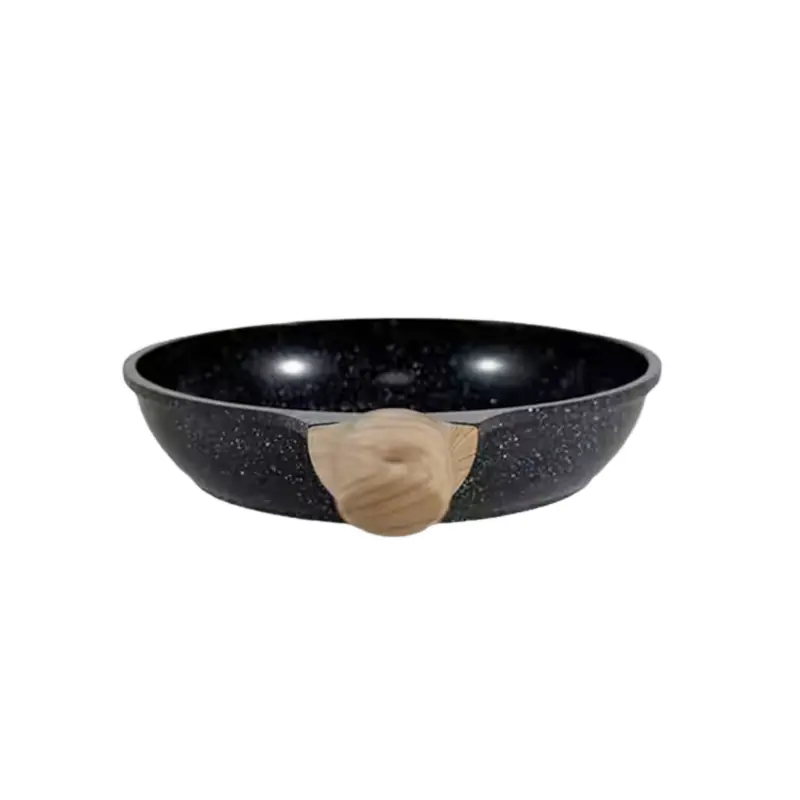
Handles influence safety, durability, and visual identity. Private brand cookware can incorporate riveted stainless handles, welded hollow handles, cast handles, or bakelite ergonomic grips. Heat resistance testing and weight balance analysis are important components of cookware OEM manufacturing. A label cookware supplier may offer limited handle molds, while deeper collaboration with a factory enables exclusive tooling. For brands starting a cookware in competitive online marketplaces, unique handle shape often enhances product recognition and perceived value. In custom cookware OEM manufacturing, handle design becomes both a functional and branding element.
4.3 Lid Construction and Material Options
Lids in own label cookware may include tempered glass, stainless steel, or hybrid constructions. Vent placement, knob material, rim reinforcement, and thickness contribute to overall durability. Premium cookware OEM manufacturing often integrates precision-fit lids to improve heat retention. When considering how to start a cookware brand, founders should evaluate whether standard lids from a label cookware supplier meet performance goals or whether customized lid engineering through a private label factory is necessary. Lid customization can slightly increase MOQ, but it enhances the professional appearance of a complete cookware collection.
4.4 Surface Finishing and Exterior Treatments
Surface finishing significantly affects brand aesthetics. Options include mirror polishing, satin brushing, sandblasting, powder coating, and color spraying. In aluminum private label cookware, exterior color differentiation is common in e-commerce branding strategies. A white label cookware supplier may provide limited color palettes, whereas custom cookware OEM manufacturing allows bespoke color systems consistent with brand identity. Surface treatment consistency also influences perceived manufacturing quality. During cookware OEM manufacturing evaluation, reviewing surface finish samples under consistent lighting is essential.
4.5 Packaging Architecture and Brand Presentation
Packaging is frequently underestimated when entrepreneurs research how to start a cookware goal. Private label cookware can be packed in color boxes, gift sets, eco-friendly cardboard wraps, or premium magnetic lid boxes. A professional private label factory often coordinates with packaging suppliers to ensure structural strength for international shipping. Packaging complexity impacts MOQ and logistics cost. Label cookware supplier programs may include generic packaging, but custom cookware OEM manufacturing enables brand storytelling through high-quality print design and instructional inserts. When begining a cookware line for retail shelves or premium online channels, packaging becomes part of product differentiation.
5. What Certifications Must Private Label Cookware Meet for EU, US, and CA Markets?
Compliance is a non-negotiable component of cookware OEM manufacturing. Private label cookware entering regulated markets must meet food-contact and chemical safety standards. Entrepreneurs learning to start a cookware brand must plan for certification documentation early in development.
5.1 United States Requirements
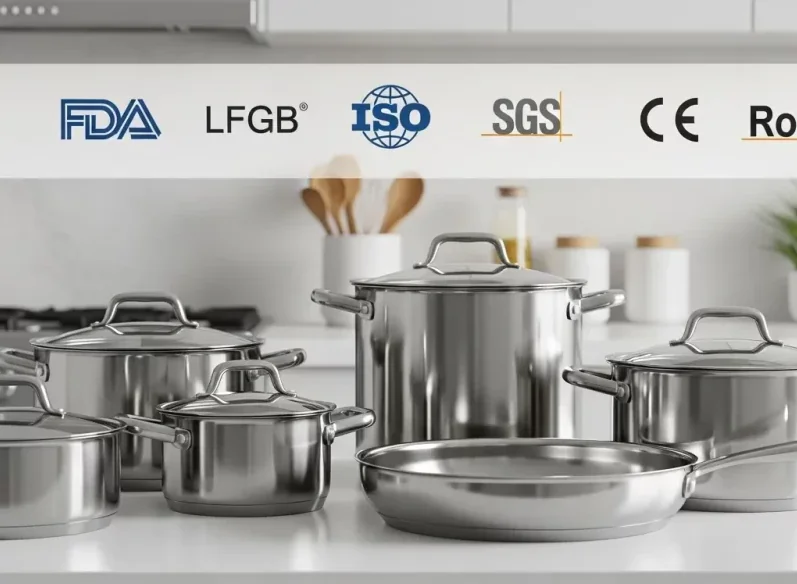
In the US market, private label cookware must comply with FDA food-contact regulations. Coating materials must meet safety limits for migration. California Proposition 65 may require heavy metal disclosure or compliance verification. A reliable private label factory should provide testing reports from accredited laboratories. White label cookware supplier sourcing without proper documentation can expose brands to liability risk. During custom branded cookware manufacturing, chemical composition declarations and heavy metal testing should be verified before production approval.

5.2 European Union Standards
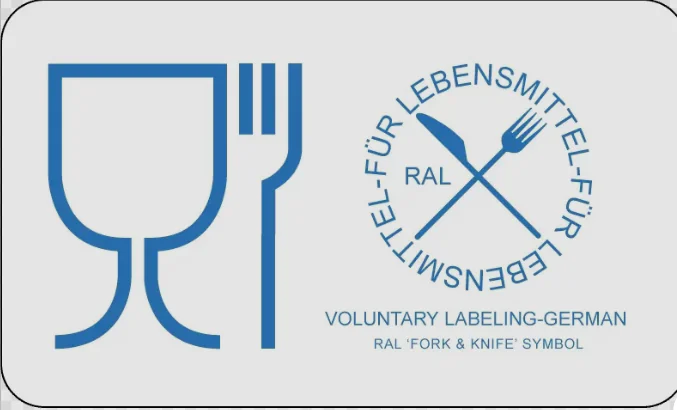
In the EU, food-contact materials must comply with Regulation (EC) No. 1935/2004 and related directives. Migration limits for metals and coating chemicals are strictly regulated. Private label cookware sold in Europe must pass LFGB or equivalent testing, depending on target markets. A professional kitchenware factory experienced in cookware brand production for Europe will already understand testing requirements. Entrepreneurs starting a cookware for EU distribution should request updated certificates and batch test reports for every production cycle.
5.3 Canadian Compliance Requirements
Canada enforces food safety under Health Canada regulations similar to FDA standards. Migration testing and heavy metal compliance documentation are mandatory. Private label cookware exported to Canada must meet labeling and bilingual packaging standards as applicable. When exploring how to begin a cookware brand targeting North America broadly, harmonizing compliance strategy across US and CA markets simplifies cookware brand production workflows.
5.4 Quality Management Systems
Beyond food safety, many retailers require factory-level certifications such as ISO quality management systems or social compliance audits. A reputable private label factory engaged in long-term custom cookware brand production will maintain updated quality documentation. Brands working only through a label cookware supplier should verify the original production facility credentials rather than relying solely on trading company assurances.
6. Understanding Private Label Cookware MOQ, Pricing Structure, and Cost Engineering
Financial modeling is essential when beginning a cookware line. MOQ impacts tooling cost allocation, inventory risk, and cash flow management.
6.1 What Determines Private Label Cookware MOQ?
MOQ depends on material type, mold configuration, coating color variation, and packaging complexity. Standard products from a label cookware supplier may have lower MOQs because molds already exist. Fully custom cookware brand production requiring new tooling generally increases label cookware MOQ. When learning to start a cookware brand, founders should distinguish between mold MOQ and production MOQ. Negotiation with the private label factory can sometimes reduce initial minimums in exchange for long-term purchase commitments.
6.2 Tooling and Development Costs
Tooling investment is often required for custom handles, lid molds, or unique body shapes. In cookware brand manufacturing, tooling costs are amortized over projected order volumes. Private label cookware development agreements may include partial tooling payment upfront with balance allocation across future orders. White label cookware supplier programs typically avoid tooling cost but sacrifice exclusivity.
6.3 Unit Cost Composition
Private label cookware unit cost includes raw materials, labor, coating application, packaging materials, inland transportation, and export fees. Freight and import duties must be incorporated into landed cost calculations. Entrepreneurs studying how to make a cookware brand should calculate target retail pricing backward from expected margin to define acceptable manufacturing cost during negotiations with a private label kitchenware factory.
6.4 Negotiation Strategy with a Private Label Kitchenware Factory
Transparent communication and forecast planning strengthen partnership stability. Sharing projected annual volume helps factories optimize production planning and may reduce MOQ requirements. Brands transitioning from label cookware supplier sourcing to deeper custom cookware brand production should establish long-term collaboration agreements to secure pricing consistency.
7. Strategic Positioning: Building a Competitive Private Label Cookware Brand
Launching private label cookware successfully requires more than sourcing and compliance. Entrepreneurs exploring how to do a cookware brand must develop a clear market position before scaling production. Without differentiation, even high-quality cookware brand production cannot guarantee long-term profitability. Strategic positioning defines pricing power, channel selection, and long-term expansion potential.
7.1 Defining Your Target Market Before Production
Before confirming private label cookware specifications, identify your primary customer segment. Are you targeting entry-level home cooks, professional chefs, eco-conscious consumers, or premium design-focused buyers? Each segment requires different material choices, packaging strategy, and communication style. For example, aluminum-based private label cookware may suit value-oriented e-commerce buyers, while multi-ply stainless steel structures appeal to premium audiences. A private label factory can provide engineering options, but brand positioning decisions must be defined first. Founders studying how to launch a cookware brand often make the mistake of choosing materials before identifying their audience.
7.2 Pricing Strategy and Margin Architecture
Cookware brand manufacturing costs must align with retail pricing strategy. If selling through Amazon, you must consider platform fees, advertising expenditure, and fulfillment costs. If distributing through retail stores, wholesale pricing structures require sufficient margin for intermediaries. MOQ influences early cash flow; excessive production volumes may strain liquidity. Working with a private label factory to optimize packaging density can reduce freight cost per unit. White label cookware supplier sourcing may offer lower initial development cost, but custom cookware brand production often allows higher retail price due to exclusivity. When launching a cookware line, backward pricing analysis ensures sustainability.
7.3 Brand Identity and Product Line Architecture
Product consistency across collections strengthens recognition. Private label cookware can be launched as a single hero product or as a coordinated set. Color systems, handle design language, and logo placement should remain consistent. A label cookware supplier may restrict aesthetic flexibility, whereas deeper custom cookware brand production enables unified brand identity. Entrepreneurs focused on how to start a cookware brand with long-term ambitions often design modular collections that can expand over time. A private label factory capable of handling multiple product categories ensures scalability.
8. Sales Channels and Distribution Models for Private Label Cookware
Distribution strategy determines how private label cookware reaches consumers and affects cookware brand manufacturing decisions. Beginning a cookware line for online channels differs from retail-oriented launches.
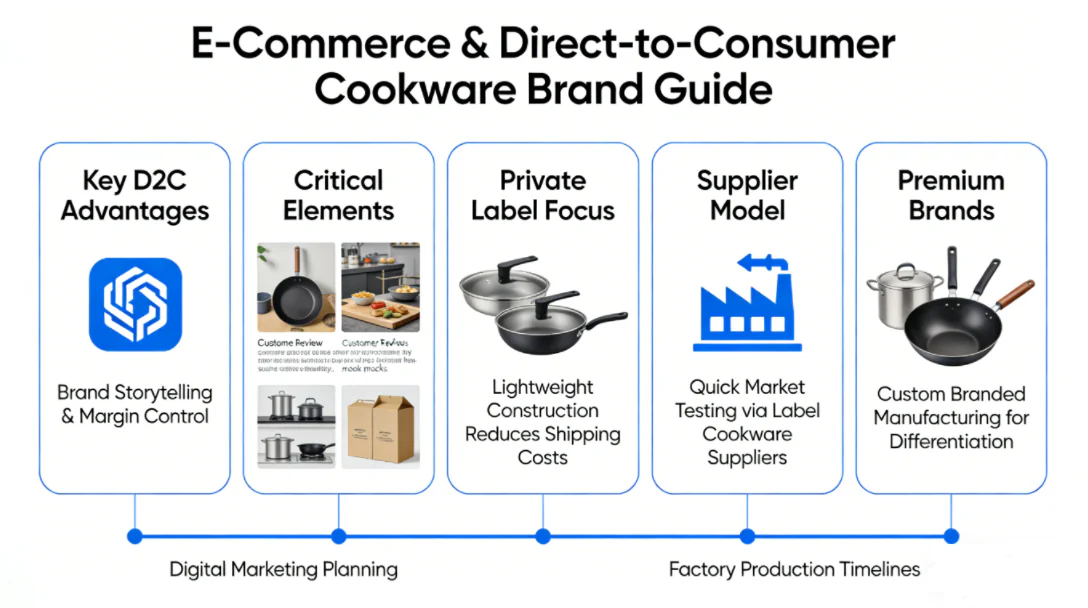
8.1 E-Commerce and Direct-to-Consumer
Direct-to-consumer models allow stronger brand storytelling and margin control. Product photography, reviews, and packaging become critical elements. Private label cookware optimized for e-commerce may prioritize lightweight construction to reduce shipping cost. A label cookware supplier model can facilitate quick market testing, but premium online brands often migrate to custom branded cookware manufacturing for differentiation. When exploring how to start a cookware brand online, digital marketing planning should align with production timelines at the label kitchenware factory.
8.2 Wholesale and Retail Distribution
Retail distribution requires compliance documentation, barcode integration, and sometimes factory audits. Private label cookware entering retail chains must maintain consistent production quality. Cookware brand manufacture processes should include detailed quality control checkpoints. Private label cookware MOQ planning must consider store rollout schedules. While a label cookware supplier may simplify entry into smaller retailers, custom branded cookware manufacture allows exclusive retail SKUs, strengthening negotiation leverage.
8.3 International Expansion Strategy
Brands planning cross-border sales must coordinate certification testing across jurisdictions. A private label factory experienced in export documentation simplifies regulatory alignment. When starting up a cookware line internationally, freight consolidation and packaging durability become critical. Private label cookware engineered for global distribution requires attention to drop testing and moisture protection.
9. Quality Control Systems in Cookware Brand Manufacturing
Quality consistency protects brand reputation. Even well-designed private label cookware can fail commercially if defect rates rise. Entrepreneurs learning how to start up a cookware brand should implement structured inspection protocols.
9.1 Pre-Production Sample Approval
Before mass production begins, private label cookware prototypes must be evaluated for surface finish, weight balance, rivet stability, and coating adhesion. A reputable label kitchenware factory provides engineering drawings and approval samples. White label cookware supplier sampling may be quicker, but detailed inspection ensures durability in custom branded cookware manufacture.
9.2 In-Process Inspection During Production
Cookware brand manufacture typically includes stamping or forging, polishing, coating, curing, assembly, and packaging stages. Random inspections at each phase reduce defect rates. Private label cookware projects with larger MOQ volumes benefit from third-party inspections before shipment.
9.3 Post-Production Performance Testing
Heat distribution testing, handle load testing, coating abrasion testing, and corrosion resistance evaluation should be conducted systematically. Entrepreneurs starting up a cookware line must maintain quality records to protect brand credibility.
10. Scaling Your Private Label Cookware Business
Growth planning transforms initial product success into a sustainable enterprise. Cookware brand manufacture scalability relies on capacity alignment and product diversification.
10.1 Expanding Product Categories
Once the initial private label cookware collection achieves traction, brands can expand into saucepans, stock pots, grill pans, or specialty cookware. Coordination with the same kitchenware factory ensures design continuity. Label cookware supplier transitions to deeper custom branded cookware manufacturing often occur during expansion phases.
10.2 Managing Inventory and Forecast Accuracy
MOQ planning becomes more complex as SKU count increases. Accurate sales forecasting reduces overstock risk. When learning how to start up a cookware brand, founders often underestimate seasonal fluctuation. Collaboration with a private label factory to stagger production runs helps balance supply and demand.
10.3 Protecting Intellectual Property
Custom cookware manufacture may involve proprietary mold development. Registering design patents or trademarks strengthens long-term security. Unlike sourcing generically from a label cookware supplier, unique private label cookware structures provide competitive insulation.
Заключение
Private label cookware offers a strategic, scalable, and capital-efficient path for entrepreneurs seeking how to start a cookware career. By leveraging the expertise of a reliable private label factory, founders gain access to advanced cookware brand manufacture capabilities without investing in heavy industrial infrastructure. Entrepreneurs who approach private label cookware as a structured business model rather than a simple procurement strategy are best positioned to build sustainable and competitive kitchenware brands in today’s dynamic global market.

Дженис имеет многолетний опыт работы в индустрии кухонной посуды и занимается решением проблем закупок для покупателей. Она также управляет соблюдением всех требований, чтобы покупатели могли избежать задержек. Ее цель - быть вашим надежным союзником в области кухонной утвари, доставляя качественную продукцию вовремя и без головной боли.