Non-stick cookware has revolutionized home cooking, making meal preparation easier and cleanup faster. Whether you’re a beginner cook or an experienced home chef, understanding non-stick pans and how to use them properly can dramatically improve your cooking experience. This comprehensive guide covers everything you need to know about non-stick cookware.
What is Non-Stick Cookware?
Non-stick cookware refers to pots and pans coated with a special surface that prevents food from adhering during cooking. The most common coating is polytetrafluoroethylene (PTFE), commonly known as Teflon, though ceramic and other alternatives have gained popularity in recent years.
The primary advantage of non-stick pans is their ability to cook food with minimal oil or butter, making them ideal for health-conscious cooking. They’re particularly useful for cooking delicate foods like eggs, fish, and pancakes that tend to stick to traditional cookware.
Types of Non-Stick Cookware
PTFE (Teflon) Non-Stick Pans
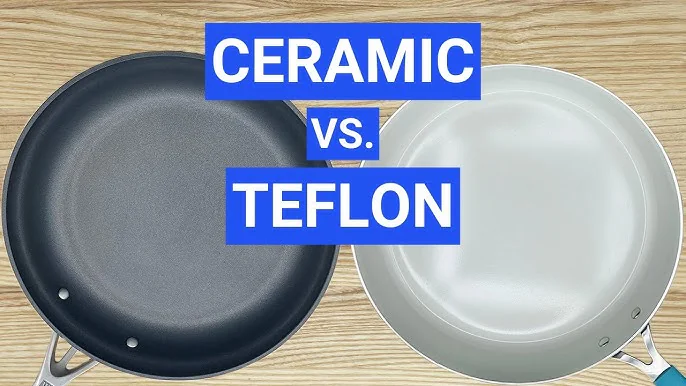
Traditional PTFE-coated pans remain the most popular choice for non-stick cookware. Modern formulations are PFOA-free and safe when used correctly. These pans offer excellent food release and are typically more affordable than ceramic alternatives.
Ceramic Non-Stick Cookware
Ceramic-coated pans have emerged as a popular alternative, appealing to those seeking PTFE-free options. While they perform well initially, ceramic coatings may lose their non-stick properties faster than PTFE coatings.
Hard-Anodized Non-Stick Cookware
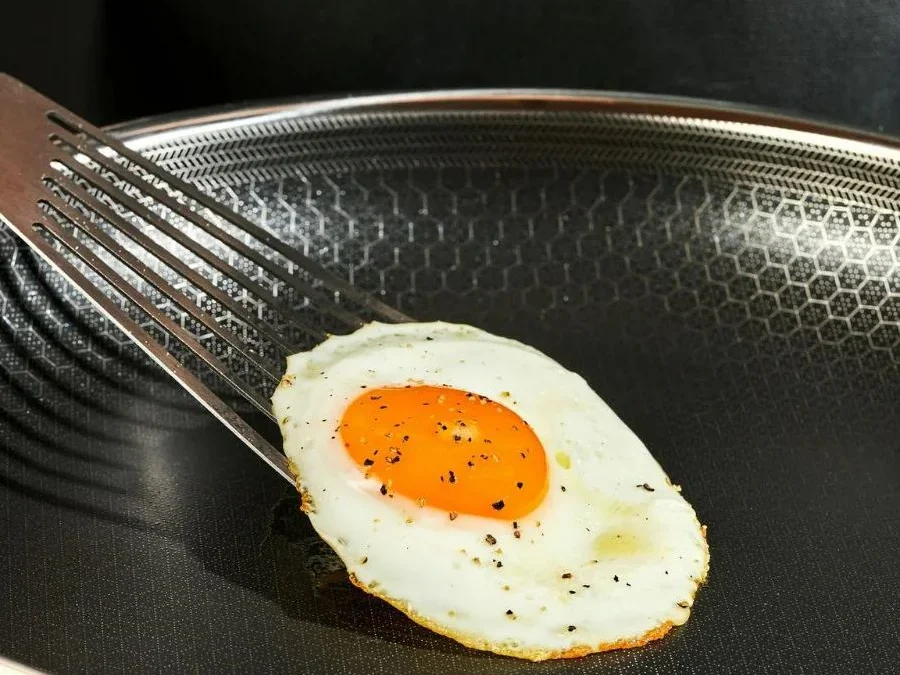
These pans feature an aluminum base that’s been electrochemically hardened, then coated with non-stick material. They offer excellent durability and heat distribution while maintaining non-stick properties.
Choosing the Best Non-Stick Frying Pan
When selecting the best non-stick frying pan for your kitchen, consider these essential factors:
Size and Weight
Choose a size that matches your cooking needs. A 25-30cm (10-12 inch) pan is versatile for most households. Consider the weight as well—heavier pans distribute heat more evenly but may be harder to maneuver.
Handle Design
Look for ergonomic, heat-resistant handles that stay cool during cooking. Riveted handles tend to be more durable than welded ones.
Base Construction
A thick, heavy base prevents warping and ensures even heat distribution. Multi-layer bases work well on all cooktop types, including induction.
Coating Quality
Higher-quality coatings last longer and perform better. Look for multiple-layer coatings and reinforced surfaces for enhanced durability.
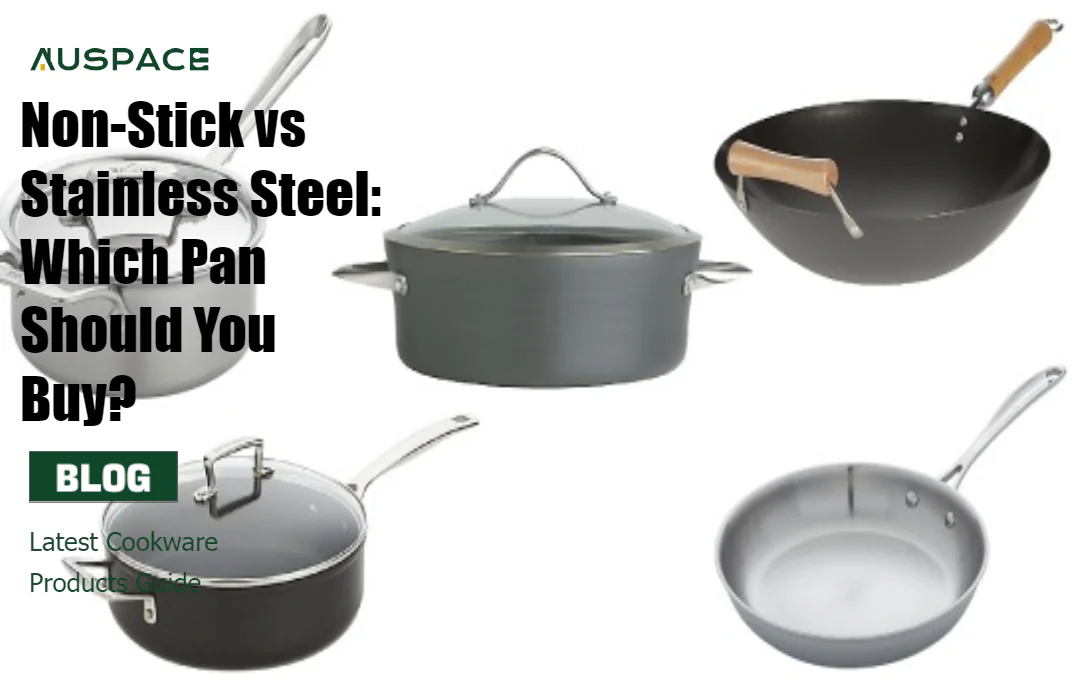
Non-Stick vs Stainless Steel: Which Should You Choose?
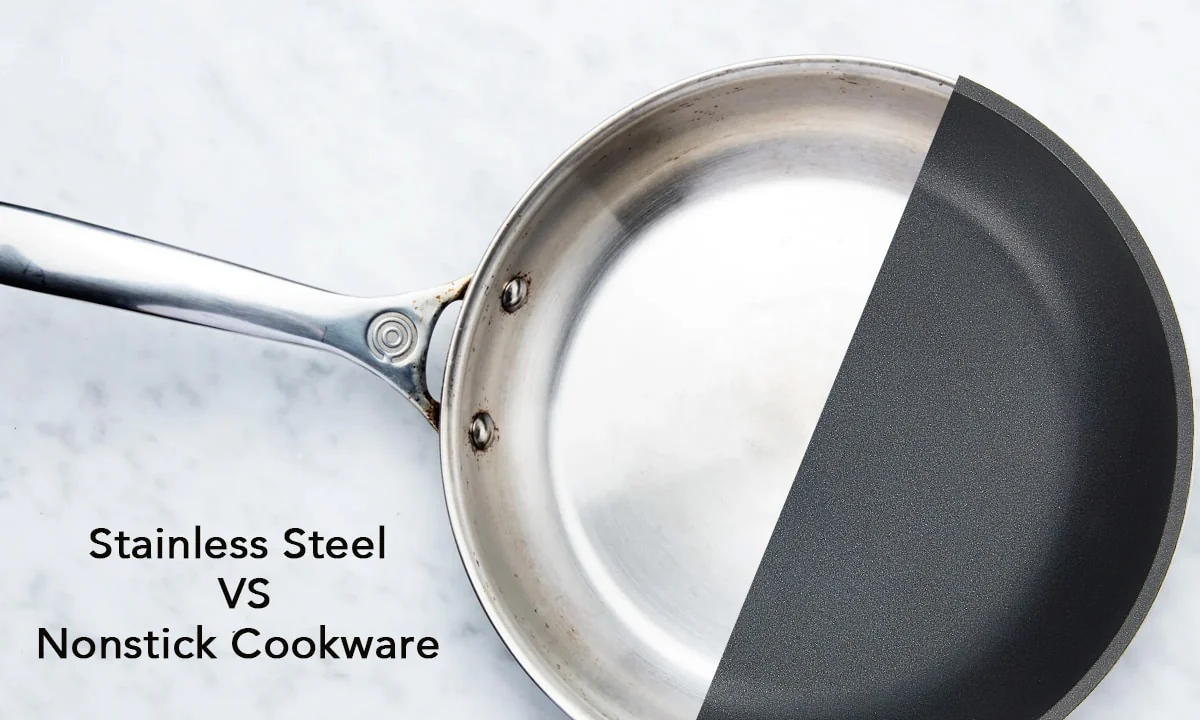
One of the most common dilemmas home cooks face is deciding between non-stick and stainless steel cookware. Each has distinct advantages:
Non-Stick Pans Excel At:
- Cooking delicate foods like eggs and fish
- Low-fat cooking with minimal oil
- Easy cleanup and maintenance
- Quick weeknight meals
Stainless Steel Pans Excel At:
- High-heat searing and browning
- Creating fond for sauces
- Metal utensil compatibility
- Oven-safe cooking at any temperature
For a detailed comparison of these two popular options, read our comprehensive guide on non-stick vs stainless steel cookware, which will help you decide which is the better investment for your cooking style.
Most well-equipped kitchens benefit from having both types of cookware to handle different cooking tasks effectively.
Essential Non-Stick Cookware for Your Kitchen
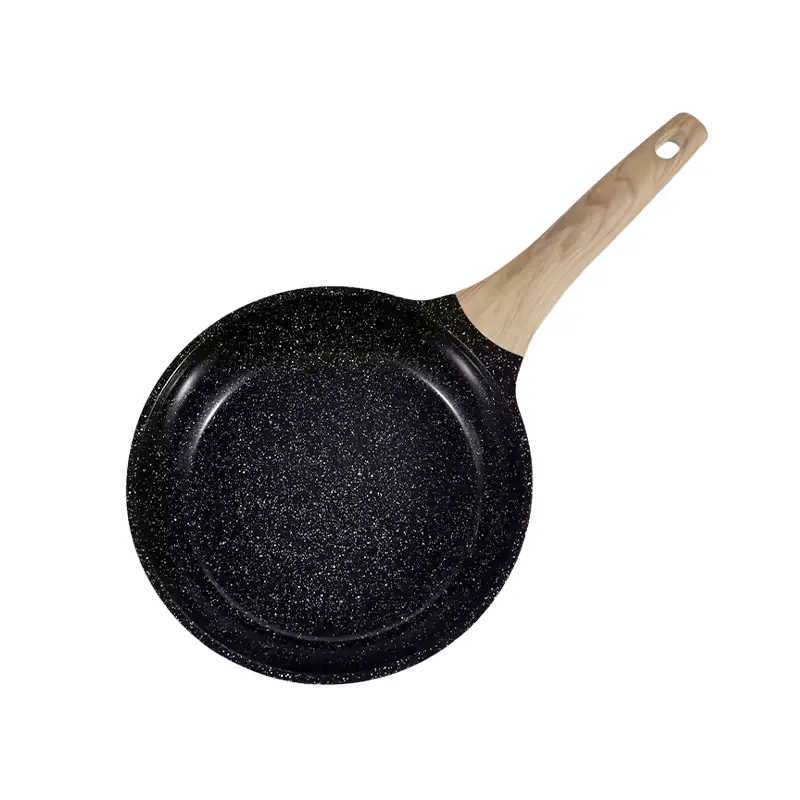
Non-Stick Frying Pan (Skillet)
The workhorse of any kitchen, perfect for eggs, pancakes, and everyday cooking. A 25cm and 30cm pair covers most cooking needs.
Non-Stick Sauté Pan
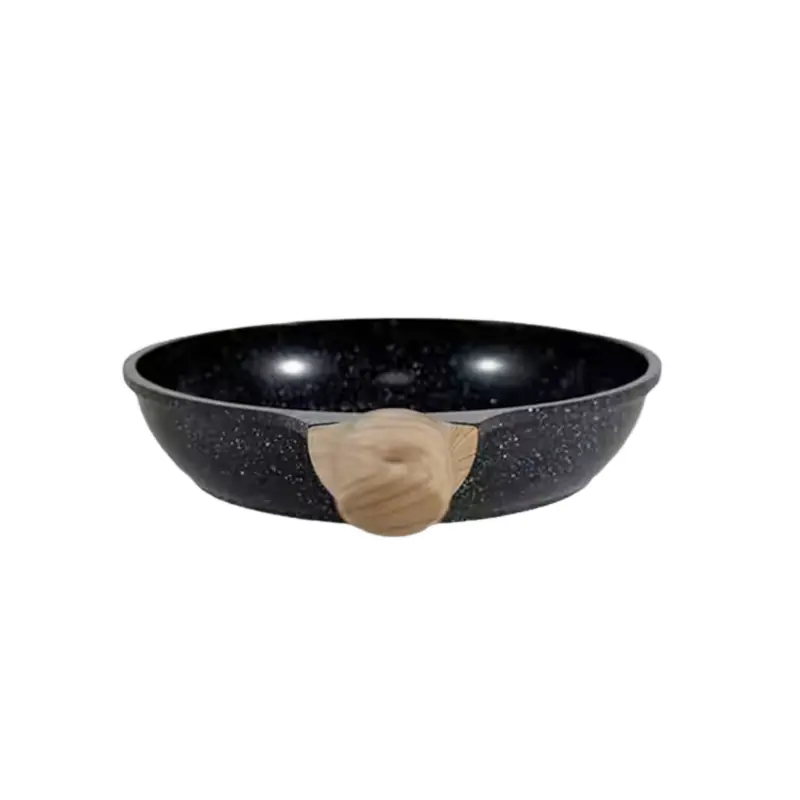
A sauté pan features higher, straight sides compared to a traditional frying pan, making it ideal for dishes with sauces or liquids. The increased depth prevents splattering while still providing the wide cooking surface needed for sautéing vegetables, browning meat, or preparing one-pan meals.
Non-Stick Saucepan
Essential for cooking grains, sauces, and reheating leftovers. The non-stick coating makes cleanup effortless.
Non-Stick Casserole Dish
For those who enjoy one-pot meals and baked dishes, a non-stick casserole dish is invaluable. These versatile vessels are perfect for slow-cooked meals, baked pasta dishes, and family-sized portions. The non-stick coating ensures easy serving and cleaning, even with cheese-heavy or sticky recipes.
How to Season Your Non-Stick Pan
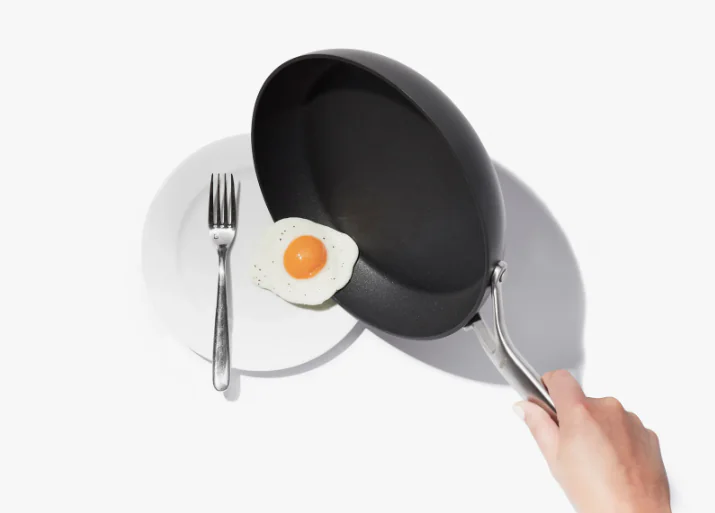
While many people assume non-stick pans don’t require seasoning, properly seasoning them can actually extend their lifespan and improve performance.
Basic Seasoning Steps:
- Wash the new pan with warm, soapy water and dry completely
- Apply a thin layer of cooking oil (vegetable, canola, or coconut oil work well)
- Heat the pan on low-medium heat for 1-2 minutes
- Remove from heat and wipe away excess oil with a paper towel
- Allow to cool completely before storing
For a detailed, step-by-step process, check out our guide on how to season a non-stick pan. Seasoning creates an additional protective layer that enhances the pan’s non-stick properties and helps prevent premature wear.
Recommended Reading: Learn the complete seasoning process with our detailed guide on how to season non-stick pans.
Are Non-Stick Pans Safe?
Safety is a primary concern for many when considering non-stick cookware. The good news is that modern non-stick pans are safe when used properly.
Key Safety Points:
- Modern non-stick cookware is PFOA-free
- Safe at temperatures below 260°C (500°F)
- Toxic fumes only release at extremely high temperatures
- Not recommended for high-heat cooking methods like searing
- Replace pans when coating becomes damaged or starts flaking
If you’re concerned about the safety of non-stick cookware, our comprehensive article on are non-stick pans safe in Australia addresses all your questions with evidence-based information and expert recommendations.
The key to safe use is never overheating your non-stick pans and replacing them when the coating shows signs of damage.
Proper Care and Maintenance
Daily Cleaning
- Allow pans to cool before washing
- Use soft sponges or cloths—never abrasive scrubbers
- Wash with warm, soapy water
- Dry immediately to prevent water spots
- Avoid dishwashers, even if labeled dishwasher-safe
Storage Tips
- Stack pans with protective liners or cloth between them
- Hang pans if possible to prevent scratching
- Store in a dry location to prevent moisture damage
Utensil Selection
- Use silicone, wood, or plastic utensils
- Avoid metal utensils that can scratch the coating
- Never cut food directly in the pan
Troubleshooting: Why Is My Non-Stick Pan Sticking?
Even the best non-stick frying pan can start to lose its non-stick properties over time. Common causes include:
- Overheating that damages the coating
- Using cooking sprays that create buildup
- Scratches from metal utensils or abrasive cleaning
- Natural wear from extended use
- Improper cleaning leaving residue behind
If your non-stick pan is no longer performing as it should, our troubleshooting guide on why your non-stick pan is sticking provides solutions to restore its performance or help you determine if it’s time for a replacement.
Recommended Reading: If your pan has lost its non-stick qualities, check out our comprehensive troubleshooting guide: Why Is My Non-Stick Pan Sticking?
When to Replace Non-Stick Cookware
Even with proper care, non-stick pans don’t last forever. Replace your non-stick cookware when:
- The coating shows visible peeling or flaking
- Deep scratches expose the base material
- Food consistently sticks despite proper use and cleaning
- The pan shows warping or uneven heating
- You notice any discoloration or damage to the coating
Most quality non-stick pans last 3-5 years with regular use and proper care.
Cooking Tips for Non-Stick Cookware
Temperature Control
- Preheat on low to medium heat only
- Never use high heat settings
- Add food when the pan is adequately heated
- Adjust heat down if food begins to stick
Oil Usage
While non-stick pans require less oil than traditional cookware, a small amount still improves cooking results:
- Use a thin layer of oil or butter
- Avoid cooking sprays which can create sticky buildup
- Apply oil before heating for even distribution
Best Foods for Non-Stick Pans
Non-stick cookware excels with:
- Eggs in any style (scrambled, fried, omelets)
- Delicate fish fillets
- Pancakes and French toast
- Vegetables for stir-frying
- Sticky sauces and glazes
- Crepes and thin flatbreads
Foods to Avoid
Not ideal for non-stick pans:
- High-heat searing of steaks
- Foods that benefit from browning and fond development
- Acidic foods over extended cooking periods (can damage coating)
Environmental and Health Considerations
As we move through 2026, environmental consciousness plays an increasingly important role in cookware selection.
Экологически чистые варианты
- Look for cookware from manufacturers committed to sustainable practices
- Consider ceramic alternatives made from natural materials
- Choose brands that offer recycling programs for old cookware
- Invest in higher-quality pans that last longer, reducing waste
Health-Conscious Choices
- Verify PFOA-free and PTFE-free certifications if desired
- Research manufacturer safety testing and certifications
- Choose products from reputable brands with transparent manufacturing processes
- Consider your cooking style when selecting coating types
Building Your Non-Stick Cookware Collection
For those starting fresh or upgrading their kitchen, here’s a recommended approach:
Essential Starter Set
- 25cm (10-inch) non-stick frying pan
- 30cm (12-inch) non-stick frying pan
- 2-3 liter non-stick saucepan with lid
Expanded Collection
Add these as your needs and budget allow:
- Non-stick sauté pan with lid
- Small non-stick pan for single servings
- Non-stick wok for Asian-inspired cooking
- Non-stick griddle for pancakes and sandwiches
Professional-Level Collection
- Multiple sizes of each type
- Specialty pans (crepe pan, egg pan)
- Complete non-stick cookware set with various pieces
Budget Considerations
Non-stick cookware is available at various price points:
Budget-Friendly ($20-50 per piece)
- Good for occasional use
- May need replacement more frequently
- Suitable for beginners or those cooking infrequently
Mid-Range ($50-150 per piece)
- Better durability and coating quality
- Good balance of performance and value
- Ideal for regular home cooking
Premium ($150+ per piece)
- Professional-grade construction
- Superior non-stick performance
- Longest lifespan with proper care
- Often includes lifetime warranties
Remember, a quality mid-range pan that lasts 5 years offers better value than a cheap pan replaced annually.
The Future of Non-Stick Cookware
Innovation continues in the non-stick cookware industry:
Emerging Technologies
- Sol-gel ceramic coatings offering improved durability
- Titanium-reinforced non-stick surfaces
- Diamond-particle enhanced coatings
- Eco-friendly, plant-based coating alternatives
Smart Features
- Temperature-indicating handles
- Cookware compatible with induction technology
- Improved heat distribution through advanced base construction
Заключение
Non-stick cookware remains an essential part of modern kitchens in 2026, offering convenience, versatility, and healthier cooking options. By understanding how to select, use, and maintain your non-stick pans properly, you’ll enjoy years of excellent cooking performance.
Remember these key points:
- Choose quality cookware suited to your cooking style
- Use proper heat settings and utensils to protect the coating
- Clean gently and store carefully
- Replace pans when the coating becomes damaged
- Consider both non-stick and stainless steel for a complete kitchen setup
Whether you’re cooking a quick weekday breakfast or preparing an elaborate dinner, the best non-stick frying pan and complementary non-stick cookware pieces will serve you well for years to come. Invest wisely, care for your pans properly, and enjoy the ease and efficiency that quality non-stick cookware brings to your culinary adventures.
Frequently Asked Questions
How long do non-stick pans last? With proper care, quality non-stick pans typically last 3-5 years. Premium brands may last even longer, while budget options might need replacement sooner.
Can I use metal utensils on non-stick pans? No, metal utensils can scratch and damage the non-stick coating. Always use silicone, wood, or plastic utensils.
Are non-stick pans dishwasher safe? Even if labeled dishwasher-safe, hand washing is recommended to extend the pan’s lifespan. Dishwasher detergents can be harsh on non-stick coatings.
What’s the maximum safe temperature for non-stick pans? Keep temperatures below 260°C (500°F). Most stovetop cooking occurs well below this threshold when using low to medium heat.
Can I use cooking spray on non-stick pans? Avoid cooking sprays as they create a sticky buildup that’s difficult to remove. Use a small amount of oil or butter instead.
Why does food stick to my non-stick pan? Common reasons include overheating, coating damage, residue buildup, or natural wear over time. For solutions, see our guide on why non-stick pans stick.
Is ceramic better than PTFE non-stick? Both have advantages. PTFE typically lasts longer, while ceramic appeals to those preferring PTFE-free options. Choose based on your preferences and cooking style.

Kelsey Sun is a product specialist at Auspace Kitchenware, experienced in both cookware and drinkware manufacturing. With a strong background in foreign trade and sourcing, she guides global buyers on product selection, certification requirements, and private-label customization. Kelsey writes practical insights on wholesale trends and manufacturing processes for importers and distributors worldwide.