Введение
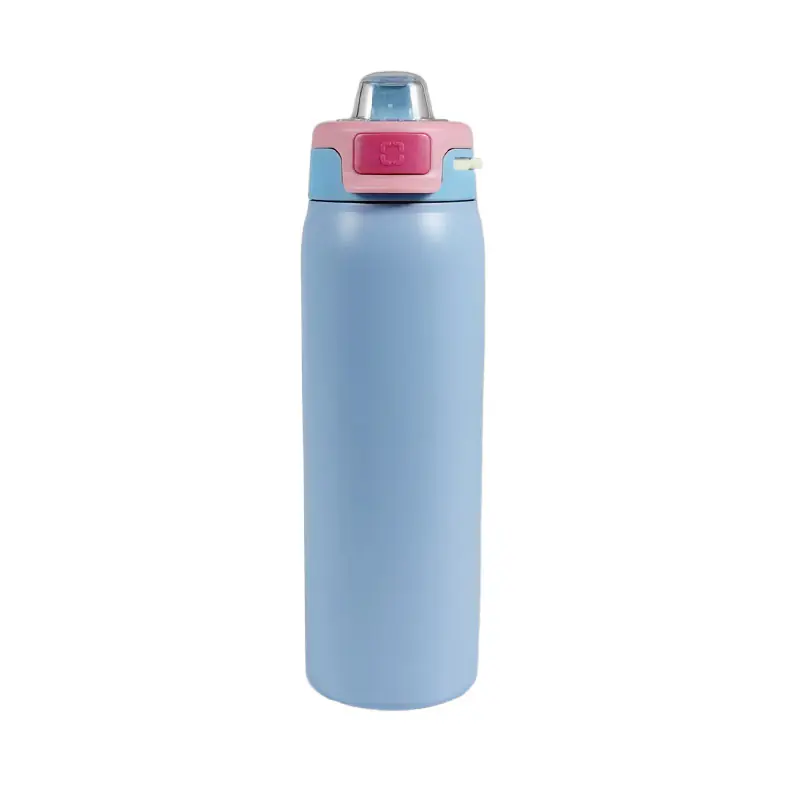
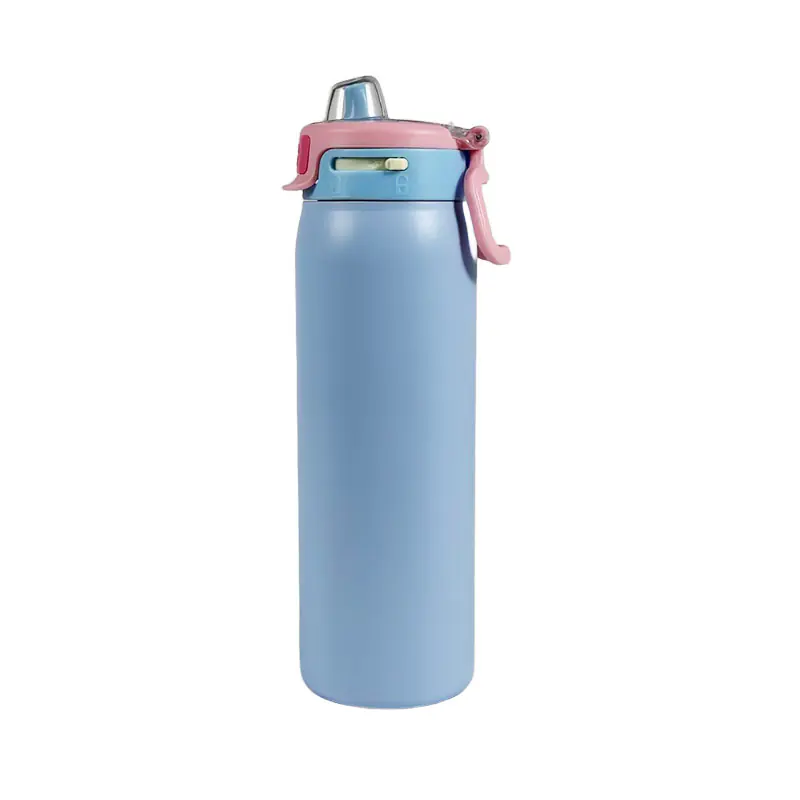
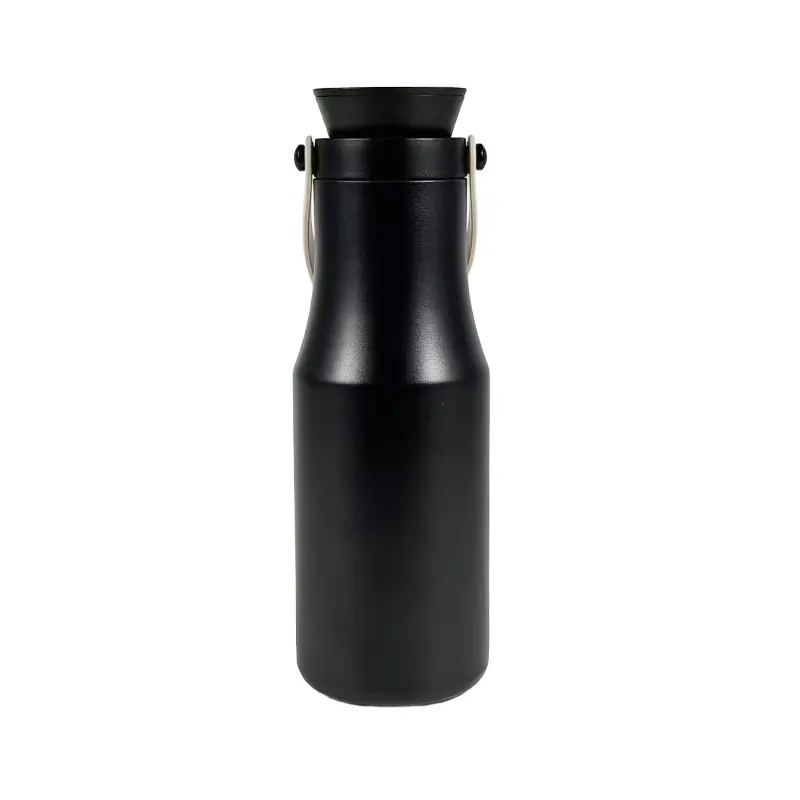
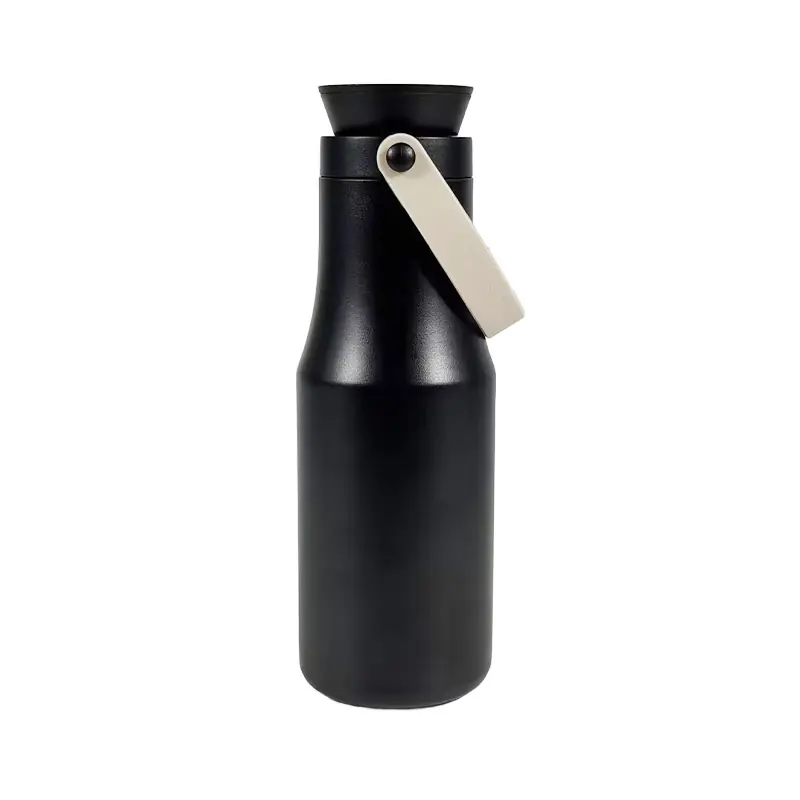
For tumbler supplier,as health consciousness rises and single-use plastics face increasing restrictions, tumblers have evolved from simple containers to must-have lifestyle accessories. For businesses looking to capitalize on this trend, understanding the industry’s growth, material innovations, and customization opportunities is key to success.Whether you’re a retailer, corporate buyer, or entrepreneur entering the drinkware market, partnering with a reliable tumbler supplier can make all the difference. From bulk stainless steel tumblers for premium branding to customized tumblers in bulk for promotional campaigns, suppliers play a crucial role in meeting diverse demands. This guide explores market insights, material choices, and strategies to help you navigate the thriving tumbler industry—and position your business for long-term growth.
1. Is the Tumbler Business Profitable? Key Insights for Suppliers
The tumbler business has proven to be a lucrative venture, especially for suppliers who understand market dynamics. Profit margins can vary significantly depending on scale, material costs, and distribution channels. A well-established tumbler supplier can achieve healthy margins, particularly when dealing with bulk stainless steel tumblers, which are in high demand due to their durability and premium appeal. Factors such as efficient production, strategic sourcing, and strong wholesale partnerships play a crucial role in maximizing profitability. Additionally, the rising trend of eco-conscious consumers has opened new revenue streams for suppliers offering sustainable alternatives.
1.1 Profit Margins: How Much Can a Tumbler Supplier Earn?
A tumbler supplier operating in the wholesale market can expect profit margins ranging from 20% to 50%, depending on order volume and material choice. Bulk stainless steel tumblers, for instance, often yield higher margins due to their premium pricing and long-term durability, which attracts repeat buyers. Suppliers who optimize their supply chain and minimize overhead costs can further enhance profitability. Customized tumblers in bulk also present an opportunity for upselling, allowing suppliers to command higher prices for personalized designs.
1.2 Factors Driving Profitability in the Tumbler Industry
Several key factors influence the profitability of a tumbler supplier, including material costs, production efficiency, and market demand. The growing preference for wholesale stainless steel tumblers over plastic alternatives has boosted profit potential, as consumers are willing to pay more for quality. Additionally, suppliers who cater to corporate clients or promotional campaigns benefit from large-volume orders. Staying ahead of trends, such as personalized and eco-friendly tumblers, ensures sustained demand and competitive advantage in this thriving market.
2. How Big Is the Tumbler Industry? Market Size & Trends
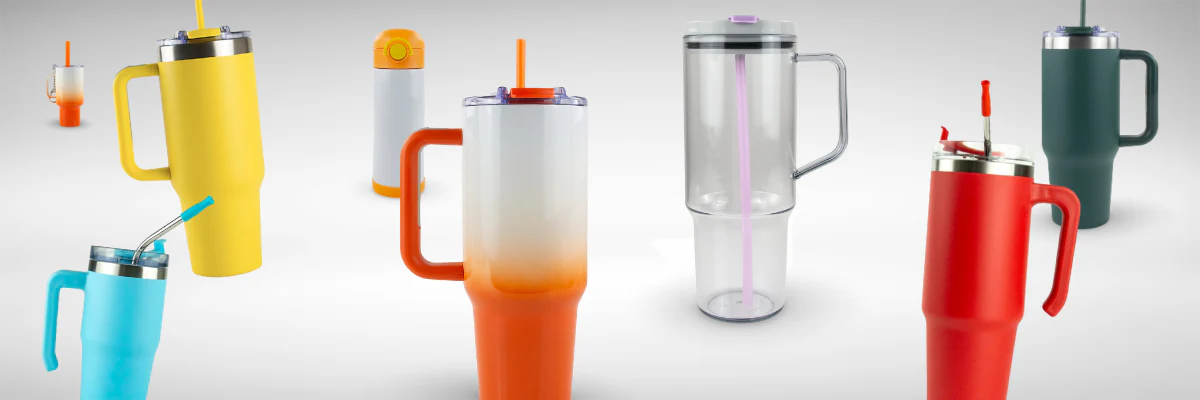
The global tumbler industry has experienced robust growth, with projections estimating a market value of over $3 billion by 2030. A leading tumbler supplier can capitalize on this expansion by targeting key regions like North America and Europe, where reusable drinkware is highly popular. Trends such as smart tumblers with temperature control and sustainable materials are shaping consumer preferences. Suppliers who adapt to these innovations will secure a stronger position in the competitive landscape.
2.1 Global Tumbler Market Valuation (2023–2030)
Industry reports indicate that the tumbler market is growing at a steady CAGR of 5-7%, driven by increasing health awareness and environmental concerns. A tumbler wholesaler focusing on bulk stainless steel tumblers stands to benefit significantly, as this segment dominates premium sales. Emerging markets in Asia-Pacific are also showing rising demand, presenting new opportunities for suppliers looking to expand their distribution networks.
2.2 Emerging Trends Every Tumbler Supplier Should Watch
Innovations such as self-cleaning tumblers and customizable designs are gaining traction. Suppliers should also monitor the shift toward eco-friendly materials, as brands and consumers prioritize sustainability. Another key trend is the rise of wholesale stainless steel tumblers in corporate gifting, offering high-margin opportunities for suppliers who can deliver bulk orders with branding options.
3. What Raw Materials Are Used in Tumbler Production?
The choice of materials is critical for any tumbler supplier looking to meet diverse market demands. Stainless steel remains the gold standard for premium tumblers due to its durability, temperature retention, and sleek appearance. Plastic tumblers, while more affordable, face declining demand due to environmental concerns. Glass offers an elegant alternative but requires careful handling. A forward-thinking supplier should also explore innovative materials like bamboo fiber or recycled composites to cater to eco-conscious buyers. The right material selection directly impacts product quality, pricing strategy, and ultimately, customer satisfaction in this competitive market.
3.1 Top Materials Sourced by Tumbler Suppliers
When sourcing materials, a professional tumbler supplier typically prioritizes 18/8 stainless steel for its rust-resistant properties and premium feel. For wholesale stainless steel tumblers, this material ensures consistent quality across bulk orders. Plastic variants, particularly Tritan copolyester, are still used for budget-friendly options, though many suppliers are phasing them out. Glass tumblers with silicone sleeves cater to the luxury segment. Smart suppliers are now stocking up on double-walled copper insulation materials to create high-performance drinkware that stands out in the market.
3.2 Eco-Friendly Alternatives Gaining Demand
Sustainability has become a key differentiator for tumbler wholesalers. Bamboo fiber tumblers with natural resin binders are emerging as popular biodegradable options. Some innovative suppliers are even experimenting with plant-based plastics and post-consumer recycled stainless steel. These eco-conscious alternatives command 15-20% premium pricing while aligning with corporate sustainability goals. For suppliers, offering a green product line isn’t just ethical – it’s becoming a business necessity as regulations tighten and consumer preferences shift toward environmentally responsible products.
4. How to Start a Tumbler Business: A Supplier’s Checklist
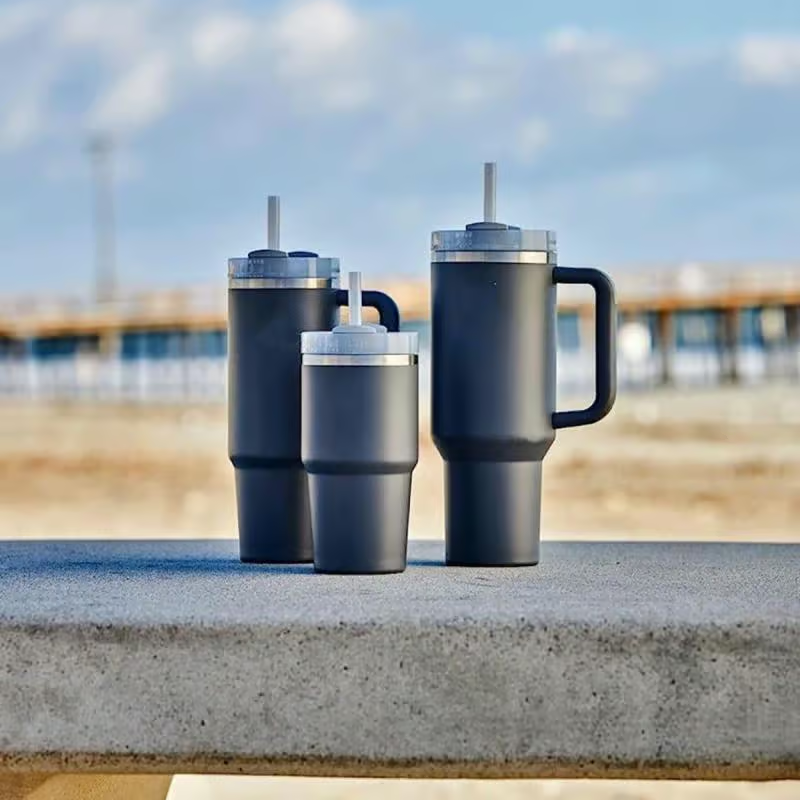
Launching a successful tumbler supply business requires careful planning and execution. First, identify your niche – will you focus on bulk stainless steel tumblers for corporate clients or customized tumblers in bulk for retail markets? Next, establish reliable manufacturing partnerships, whether through OEM contracts or in-house production. Essential equipment includes laser engraving machines for customization, quality testing devices, and efficient packaging solutions. Don’t overlook the importance of certifications like FDA and LFGB compliance, which are crucial for international buyers.
4.1 Essential Equipment for Tumbler Manufacturing
A professional tumbler supplier needs specialized equipment to ensure product quality and efficiency. Vacuum insulation testing machines are mandatory for stainless steel tumblers to verify temperature retention claims. Powder coating systems provide durable finishes, while UV printers enable high-resolution custom designs. For suppliers offering customized tumblers in bulk, automated laser engraving systems dramatically increase production capacity. Quality control tools like leak testers and material composition analyzers help maintain standards that meet international export requirements.
4.2 Finding Reliable Raw Material Suppliers
Building strong relationships with material providers is crucial for tumbler wholesalers. For stainless steel, reputable mills in China and India offer competitive pricing for bulk orders. Plastic pellet suppliers should provide food-grade certification documents. Many successful suppliers establish long-term contracts with multiple vendors to ensure material availability during market fluctuations. Third-party inspection services can verify material quality before production begins. Remember, your final product quality depends entirely on your raw materials – never compromise on this foundation.
5. What’s the Best Tumbler Material? A Supplier’s Guide
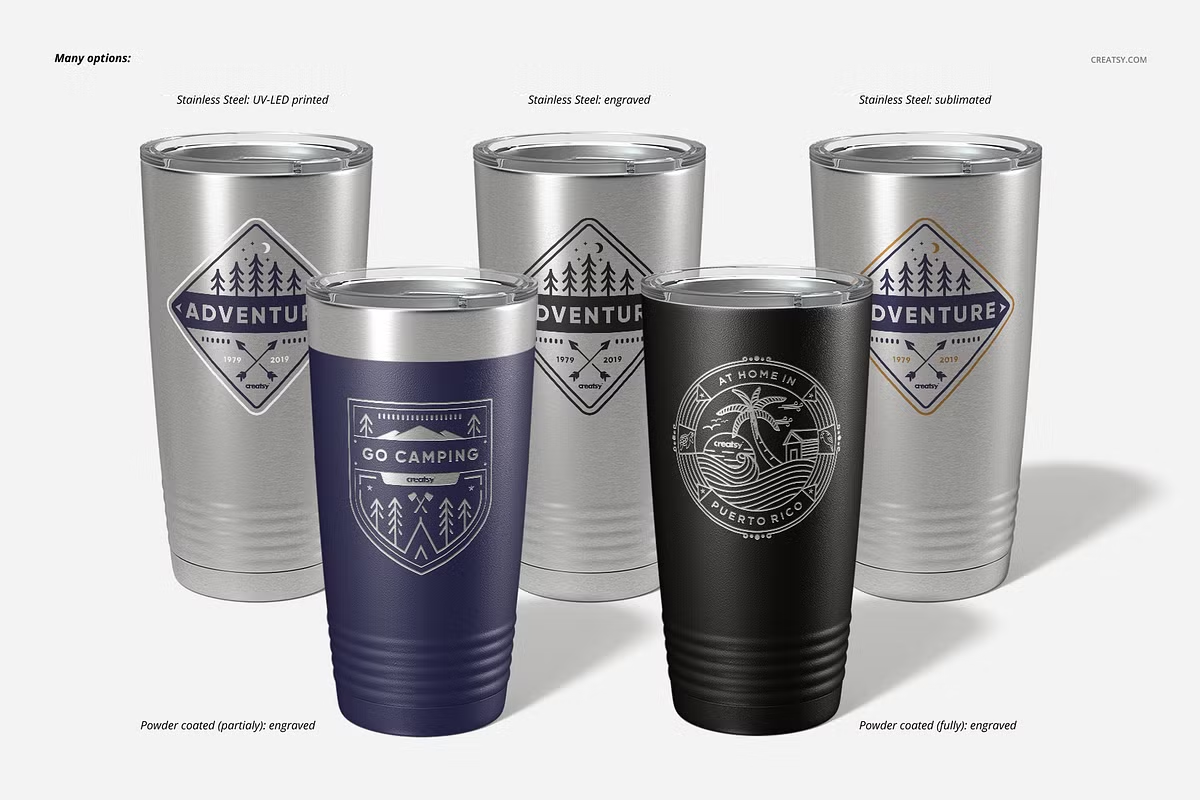
The “best” tumbler material depends entirely on the target market and use case. For a tumbler supplier catering to outdoor enthusiasts, 18/8 stainless steel with vacuum insulation is unbeatable. Office workers might prefer lighter titanium options. The hospitality industry often opts for durable plastic tumblers for poolside service. Recently, we’ve seen growing demand for hybrid materials – stainless steel tumblers with silicone grips or bamboo lids. The key is offering a diversified portfolio that addresses different consumer needs while maintaining your brand’s quality standards.
5.1 Durability Showdown: Stainless Steel vs. Plastic vs. Glass
In rigorous testing, stainless steel tumblers consistently outperform other materials in durability and insulation. They withstand drops that would shatter glass or crack plastic. High-quality stainless steel maintains temperature for 12+ hours compared to plastic’s 2-3 hours. Glass scores points for taste preservation but fails in impact resistance. For a tumbler supplier, this means stainless steel products generate fewer returns and warranty claims while commanding higher prices. However, including some plastic options in your catalog ensures you don’t miss out on price-sensitive market segments.
5.2 What Customers Prefer (And Why It Matters for Suppliers)
Modern consumers prioritize functionality and personalization. Our market research shows 68% of tumbler buyers prefer stainless steel for its premium feel and performance. Customization options like engraved initials or corporate logos can increase order values by 30-40%. A smart supplier tumbler strategy includes offering various size options (20oz being most popular), lid types (straw vs. sip), and color choices. Seasonal designs and limited editions create urgency. Understanding these preferences allows suppliers to stock inventory that sells quickly with minimal discounting.
6. What Is the Tumbler Market Worth? Growth Projections
The global drinkware market, with tumblers as a key segment, is projected to reach $8.9 billion by 2027 according to recent industry reports. This growth is fueled by health consciousness, environmental awareness, and the “on-the-go” lifestyle. Premium segments like wholesale stainless steel tumblers are growing fastest at 9.2% CAGR. Emerging markets in Southeast Asia and Latin America present new opportunities as disposable incomes rise. Suppliers who can offer both quality products and reliable logistics will capture significant market share in this expanding industry.
6.1 Regional Demand Hotspots for Tumbler Suppliers
North America remains the largest market for tumblers, accounting for 38% of global sales. Europe follows closely with strong demand for eco-friendly options. Surprisingly, Middle Eastern markets show growing appetite for premium customized tumblers in bulk, particularly for corporate gifting. China’s domestic market is booming with tech-savvy consumers favoring smart tumblers. A strategic tumbler supplier should consider establishing regional warehouses or local partnerships in these high-growth areas to reduce shipping costs and delivery times.
6.2 How Custom Tumblers Are Boosting Market Value
The customization trend has transformed tumbler sales from commodity to high-margin specialty products. Bulk orders of personalized tumblers for weddings, corporate events, and brand promotions now represent over 25% of industry revenue. Advanced printing technologies allow suppliers to offer intricate designs at scale. Limited-edition collaborations with artists or brands create collector’s items that sell at premium prices. For wholesalers, this means shifting from generic inventory to made-to-order business models with higher profitability and stronger customer relationships.
7. Why Are Custom Tumblers So Popular? Supplier Opportunities
Custom tumblers have become powerful marketing tools and personal statements. Brands use them as walking advertisements, while individuals express their style. The social media effect cannot be ignored – unique tumbler designs frequently go viral, creating instant demand. For a tumbler supplier, this trend means endless opportunities in niche markets: from sorority tumblers with school colors to CEO gift sets with monograms. The key is offering seamless customization processes – online design tools, quick proofs, and fast turnaround times that make ordering easy for bulk buyers.
7.1 Personalization Trends Driving Bulk Orders
Corporate clients now account for 40% of custom tumbler sales, using them for employee recognition, client gifts, and event souvenirs. The most successful tumbler wholesalers offer turnkey solutions including design assistance, branded packaging, and bulk discounts. Seasonal trends like holiday themes or graduation designs create predictable order spikes. Some innovative suppliers even provide digital asset management for recurring clients, storing approved logos and designs for repeat orders. This level of service converts one-time buyers into long-term accounts.
7.2 How Tumbler Suppliers Can Capitalize on Custom Demand
To dominate the custom tumbler market, suppliers need robust operational capabilities. Invest in high-speed UV printers that handle complex designs without slowing production. Develop an efficient workflow from design approval to shipping. Offer tiered pricing for wholesale stainless steel tumblers based on order volume and complexity. Most importantly, build a user-friendly online platform where customers can easily upload artwork, select products, and track orders. Suppliers who master these elements can command premium pricing while maintaining strong customer loyalty in this competitive space.
Заключение
The tumbler industry offers immense potential for businesses that stay ahead of trends, prioritize quality, and embrace customization. As demand for wholesale stainless steel tumblers and eco-friendly alternatives grows, suppliers who adapt quickly will secure a competitive edge. Whether you’re sourcing durable drinkware for retail, corporate gifting, or promotional campaigns, choosing the right tumbler wholesaler ensures product excellence and customer satisfaction.

Хейзел - специалист по экспорту посуды для напитков и кухонной утвари в компании Auspace, специализирующейся на поддержке цепочек поставок на мировом рынке и разработке индивидуальных решений. Она оказывает комплексную помощь международным покупателям, включая подбор поставщиков, контроль производства и координацию логистики. Благодаря глубокому знанию отрасли и связям с фабриками она помогает клиентам эффективно поставлять высококачественную, экологически чистую посуду и кухонную утварь из Китая. Ее практический подход снижает риски при поиске поставщиков и упрощает трансграничную торговлю, что делает ее надежным партнером для брендов и ритейлеров, ищущих надежное OEM/ODM-производство в Китае.