


Introducción
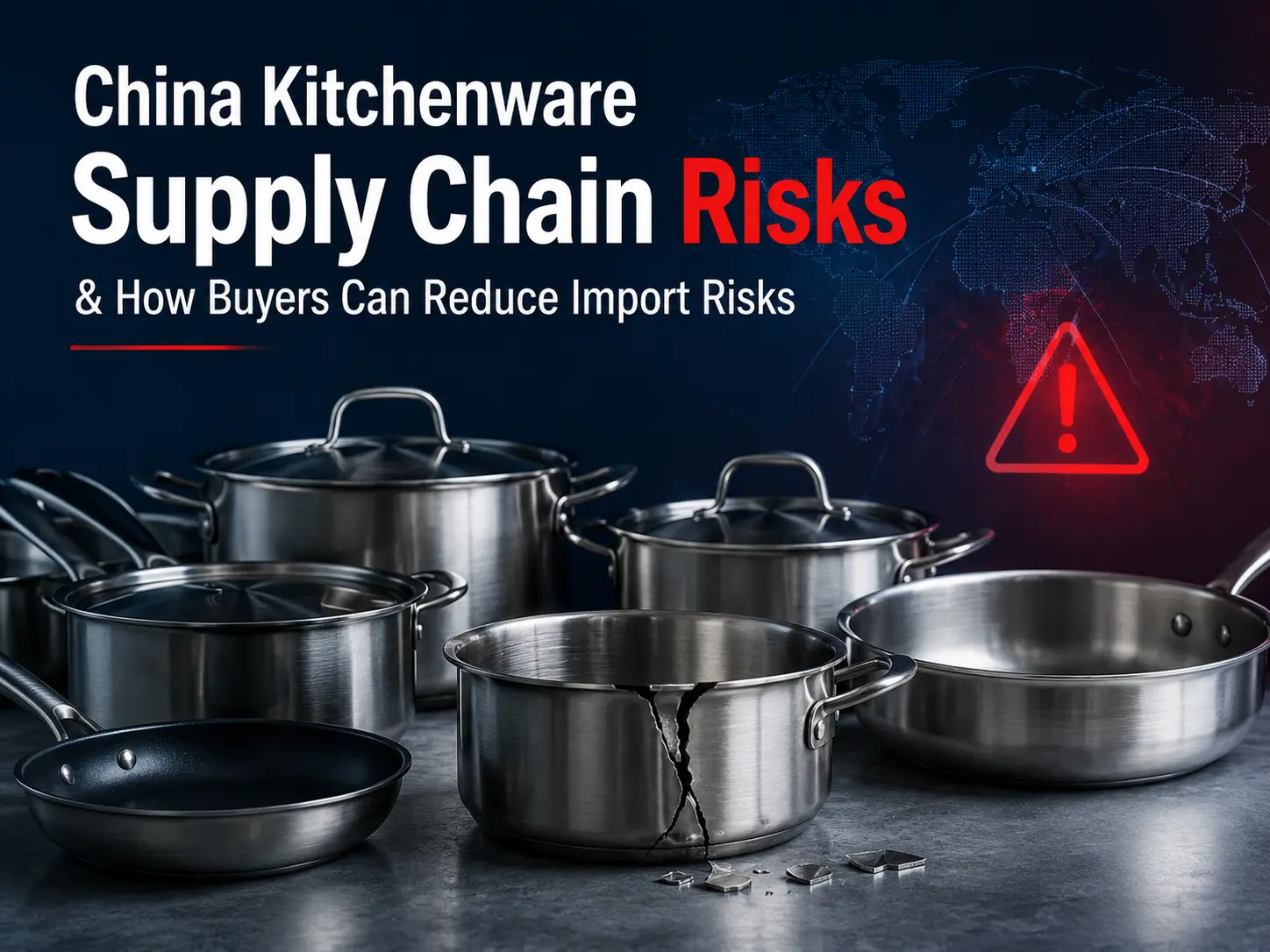
The best kitchenware materials for global commercial sourcing must perfectly balance high thermal performance, strict food contact materials safety compliance (such as Administración de Alimentos y Medicamentos and LFGB), and cost-efficiency. Choosing food-grade stainless steel, die-cast aluminum, or certified silicone ensures a reliable supply chain.
Are you a global buyer struggling to balance strict import regulations with competitive prices? Many wholesale distributors face customs risks or quality complaints simply due to choosing the wrong cookware materials guide specifications.
In this comprehensive guide, you will learn how to evaluate cookware safety, verify kitchenware compliance, and master a clear material comparison. This insight will streamline your next project and secure safe, food-grade materials for your target market.

Key Takeaways
- Compliance First: Always verify LFGB or FDA certification for all food contact materials to eliminate international customs seizure risks.
- Kitchenware Material Synergy: Stainless steel offers premium durability, while die-cast aluminum provides superior heat conductivity at an optimized production cost.
- Eco-Friendly Sourcing: Modern non-stick coating technology is shifting fast toward PFAS-free and ceramic solutions to meet changing consumer demands.
- Risk Mitigation: Partnering with an experienced Chinese kitchenware supplier that provides standardized testing reports is critical for your supply chain safety.
Understanding Food Contact Materials: Why Composition Matters for Global Buyers
Global commercial buyers must prioritize chemical composition when sourcing goods. Food contact materials include any substance intended to touch food. If these materials contain low-quality components, toxic chemicals can migrate into meals during cooking. This chemical migration poses severe health risks and can lead to expensive customs rejections.
Different global markets enforce unique legal limits on substance migration. For example, the United States and the European Union have different entry laws for incoming freight. If you buy from an unverified source, you risk your entire brand reputation. Therefore, deep professional knowledge of material purity is a critical asset for your procurement team.
Understanding these technical details helps you make safe purchasing choices. When you run a wholesale business, your profit depends on product safety. Carefully selecting your production stock ensures long-term success. For a complete look at wholesale market trends and pricing, you can read our The Ultimate Guide to Kitchenware Materials: Performance, Safety and Compliance for Global Buyers.
Stainless Steel: The Premium Choice for Durability and Cookware Performance
The Difference Between 304 and 316 Stainless Steel
Stainless steel is a leading material for commercial kitchens worldwide. Most buyers choose between 304 and 316 grades because of their strong structural properties. Grade 304 contains 18% chromium and 8% nickel, which provides excellent rust protection for standard daily cooking.
Grade 316 adds molybdenum to its formula, which significantly increases resistance to salt and food acids. While 304 is the cost-effective standard for mass production, 316 serves the luxury marine and high-acid food industries. To discover the exact chemical breakdowns, manufacturing costs, and grade specifications, check out our Food-Grade Stainless Steel in Kitchenware: What Importers Need to Know About 304 and 316 Grades.
Corrosion Resistance and Professional Kitchen Applications
Purity directly determines the lifespan of high-end pots and pans. Premium metal mixes prevent pitting and surface wear over years of heavy commercial dishwashing. This reliable cookware performance reduces replacement costs for restaurant owners and hotel chains.
Investing in top-tier raw materials gives wholesale distributors a strong market advantage. High corrosion resistance justifies premium retail pricing. Buyers can confidently market these items to professional chefs who require durable tools for intense cooking environments.
Modern Non-Stick Coating Technology: Trends Beyond Traditional PTFE
Ceramic vs. Traditional PTFE Coatings
The non-stick market is shifting fast due to new consumer lifestyle habits. Traditional PTFE coatings provide excellent food release but degrade under extreme temperatures. In contrast, ceramic coatings use a silicon-based gel that tolerates much higher heat levels without peeling.
Ceramic alternatives also offer diverse aesthetic color options for modern home decor brands. However, PTFE coatings still offer a slightly longer non-stick lifespan under normal usage. Wholesale buyers must weigh these functional benefits against target manufacturing budgets before mass production.
Navigating the Demand for PFAS-Free Cookware Materials
Global health regulations are driving a massive market demand for non-toxic products. Modern buyers actively seek verified cookware safety guarantees like PFOA-free and PFAS-free labels. Offering clean coating alternatives helps brands capture the growing eco-conscious consumer segment.
This market shift requires close collaboration with factory engineers to monitor coating adhesion quality. To explore these new technologies, read our deep dive into Modern Non-Stick Cookware Materials: Trends Beyond Traditional Coatings.
Aluminum Cookware: Maximizing Heat Conductivity and Cost-Efficiency
Die-Cast Aluminum vs. Hard Anodized Surfaces
Aluminum is a premier metal for fast heat distribution. Factories use different manufacturing methods like die-casting or hard anodizing to alter the metal’s performance. Die-cast aluminum allows for thick bases and variable wall shapes, which prevents hot spots and warping.
Hard anodization uses an electrochemical process to turn the aluminum surface into a dark, ultra-hard layer. This treated surface is twice as hard as stainless steel and will not react with acidic ingredients. For a complete engineering breakdown of these two methods, read our post on the Why Aluminum Cookware Remains Popular: Performance, Durability and Compliance.
Balancing Lightweight Design with Structural Durability
Excellent thermal control directly saves energy and shortens cooking times for home chefs. Aluminum is much lighter than iron or steel, which makes it easy to handle and lowers shipping costs. This balance of weight and durability makes it ideal for large commercial orders.
Furthermore, aluminum serves as an excellent base for various non-stick coatings. Combining a die-cast aluminum core with a clean ceramic coating creates a high-performance product that sells well in any retail market.
Flexible Polymers in Modern Kitchens: Silicone and Plastic Materials
Food-Grade Silicone: LFGB Standards vs. Regular Platinum Silicone
Silicone is a highly flexible polymer that has transformed modern baking and tool design. High-quality silicone is heat-resistant, dishwasher safe, and gentle on delicate pan coatings. However, raw silicone quality varies greatly between different global supply chains.
European markets require strict LFGB testing, which involves rigorous chemical extraction checks. US markets follow FDA rules, which have slightly different testing criteria. To protect your business from compliance risks, read our Food-Grade Silicone Kitchenware: Key Benefits and Safety Standards Explained report.
Understanding Safe Plastics: Tritan, PP, and BPA-Free Options
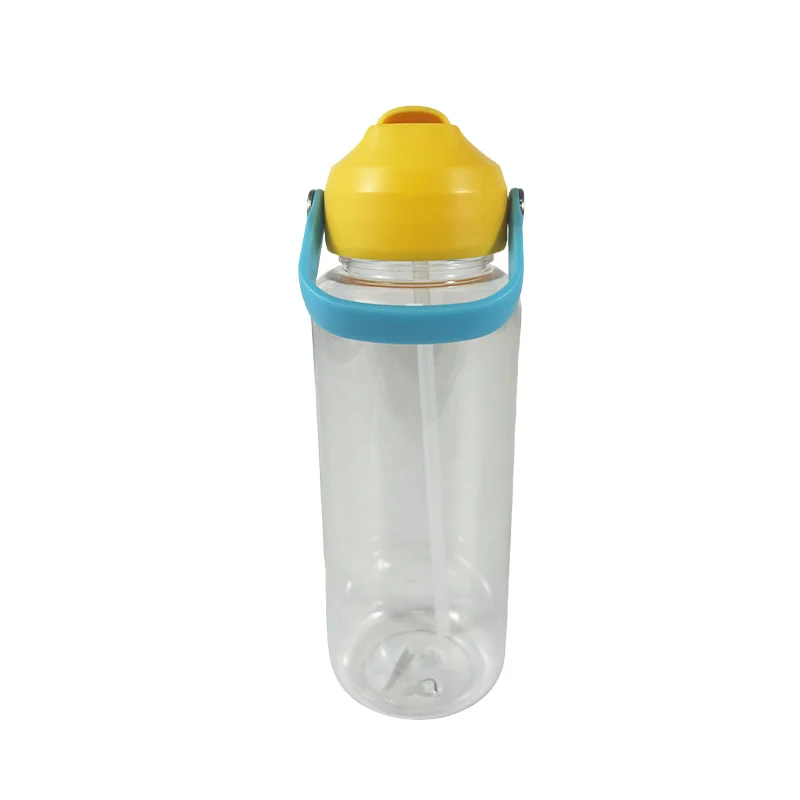
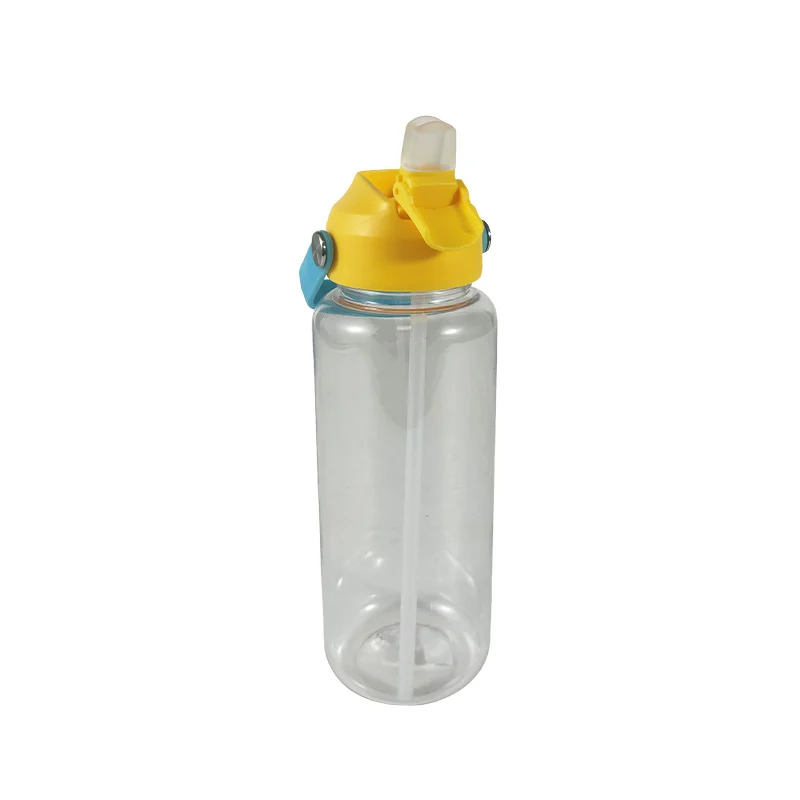
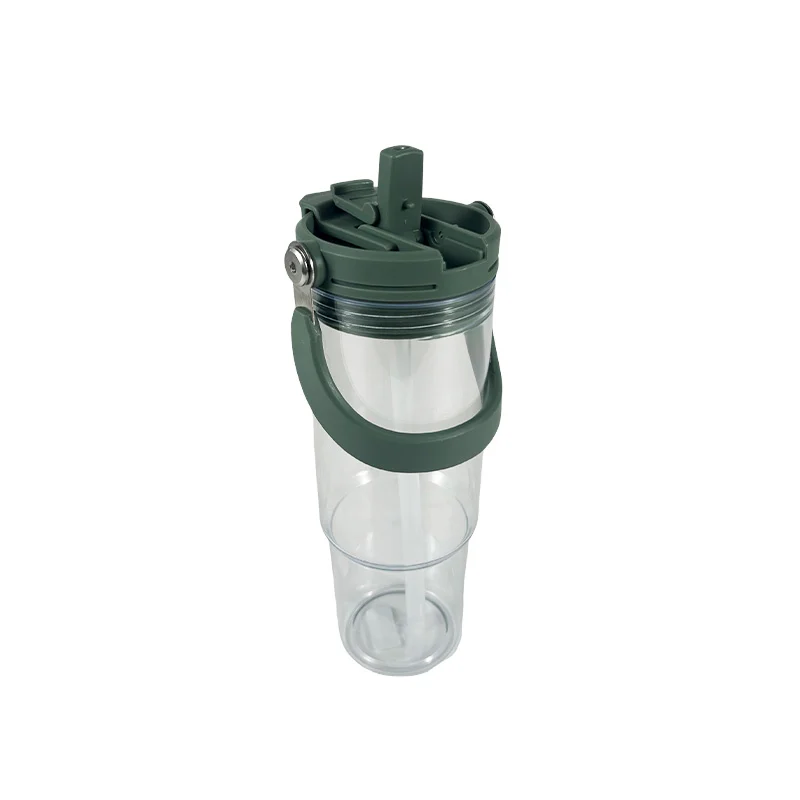
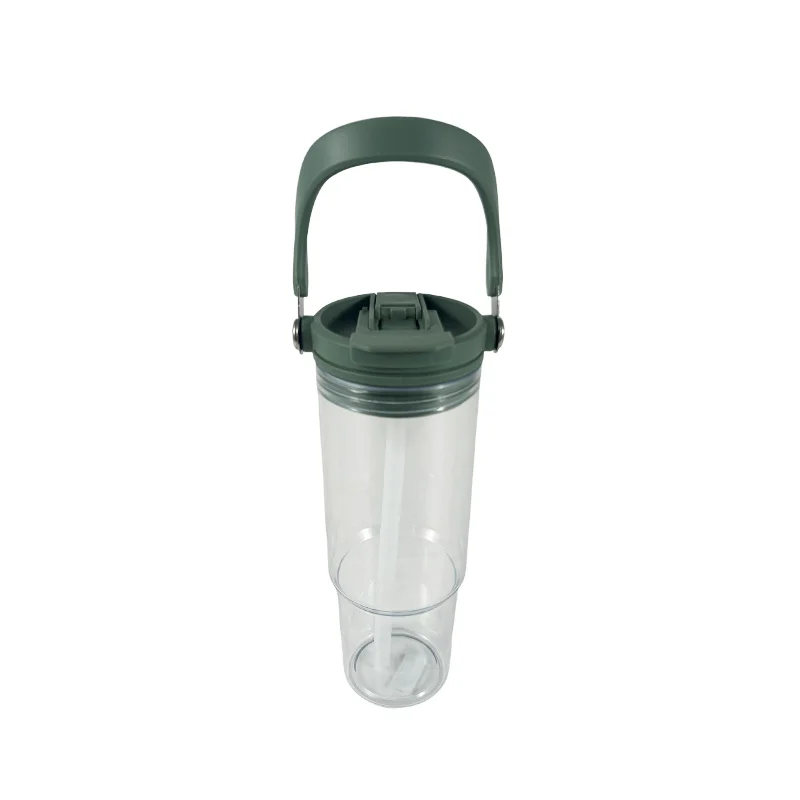
Rigid plastics are essential for food storage boxes, travel mugs, and lightweight mixing bowls. Polypropylene (PP) is a durable, heat-safe option commonly used for microwave-safe lunch containers. For premium drinkware, Eastman Tritan is an excellent choice because it mimics glass clarity without breaking.
Every commercial buyer must ensure all plastic orders use certified food-grade materials. Plastic products must carry clear BPA-free stamps to clear customs smoothly and earn consumer trust. For more detailed material properties, see our Understanding Plastic Kitchenware Materials: Tritan, PP and BPA-Free Options.
Kitchenware Compliance and Material Testing: Mitigating Sourcing Risks
Critical Regulations: US FDA vs. European LFGB Guidelines
Navigating international trade laws requires strict attention to detail. The US FDA and European LFGB set the legal safety limits for all goods that touch food. LFGB rules are generally stricter and include sensory odor tests that FDA regulations do not require.
Failing a single customs inspection can lead to destroyed freight and severe financial losses. Buyers must match their material choices to regional laws before signing production contracts. This proactive approach saves time and keeps your supply chain running smoothly.
Why Third-Party SGS Reports and Migration Testing Protect Your Business
Verifying factory claims through independent laboratories is a vital safeguard. Standardized migration testing measures exactly how many milligrams of chemical substances leave a product under high heat. Reliable suppliers always provide accessible third-party reports from firms like SGS or TÜV.
Working with an experienced partner makes this validation process much easier. As an established Chinese kitchenware supplier with 11 years of experience, AUSPACE delivers standardized inspection services and transparent reports for every order. Discover how we manage these safety steps in our overview of How Material Testing Helps Ensure Safe and Compliant Kitchenware Products.
Strategic Sourcing: Matching Kitchenware Materials to Your Consumer Market
Sourcing Strategies for the European Premium Cookware Market
Sourcing the right stock requires a deep understanding of your regional audience. High-income regions like Western Europe prioritize luxury finishes, eco-friendly certifications, and long-term durability. For these markets, importers should focus on 3-ply stainless steel or heavy hard-anodized items.
These premium products command higher retail prices but demand flawless manufacturing quality. Partnering with a supplier that offers flexible customization options helps you tailor goods for specific elite buyer groups.
Mass Market vs. Eco-Conscious Brand Positioning
Mass retail markets focus heavily on competitive pricing and bright, attractive packaging. Lightweight aluminum pans and colorful silicone utensils work best for these high-volume sectors. Balancing low production costs with reliable safety metrics is the key to maintaining healthy profit margins.
Conversely, green brands must prioritize renewable substrates and PFAS-free coatings. For a complete analysis of consumer trends and product positioning, view our strategic guide on Choosing the Right Kitchenware Material for Different Consumer Markets.
Preguntas frecuentes
What is the safest material for wholesale commercial cookware?
High-grade 304 or 316 stainless steel and certified ceramic-coated aluminum are the safest materials for commercial cookware. They possess excellent chemical stability and ensure zero toxic chemical migration under high temperatures. These substrates will not react with acidic ingredients, making them ideal for long-term food contact safety.
How can an importer verify if a Chinese kitchenware supplier uses genuine food-grade materials?
Importers must request valid third-party laboratory testing reports from independent authorities like SGS, TÜV, or Intertek. These documents must show clear compliance with FDA or LFGB migration limits for your specific production batch. A professional supplier will always share traceable, standardized reports before you arrange mass production.
What is the main difference between FDA and LFGB compliance for kitchenware?
LFGB compliance (Europe) enforces much stricter chemical migration testing thresholds and includes unique sensory odor checks that FDA regulations (USA) do not require. Therefore, LFGB-certified kitchenware represents a more premium product tier. Knowing this difference helps you clear regional customs without any seizure risks.
Why is Tritan preferred over standard plastic for reusable water bottles?
Tritan is an advanced co-polyester that is 100% BPA-free and contains zero estrogenic activity. It mimics glass clarity and offers extreme shatter resistance under heavy daily usage. Unlike standard polypropylene (PP) or polycarbonate, Tritan does not retain odors or warp in commercial dishwashers.
Conclusión
Selecting the right kitchenware materials requires a balanced understanding of cookware performance, consumer preferences, and international kitchenware compliance. Importers must carefully weigh factors like heat conductivity, material durability, and chemical safety limits before launching new production lines. Making informed decisions at this stage eliminates global supply chain risks and secures stable business profits.
However, navigating these production technicalities and testing standards alone can be highly risky. As an established One-Stop Services Kitchenware Supplier with 11 years of industry experience, AUSPACE streamlines your entire importing process. We manage everything from initial market trend analysis and product design to rigorous material testing and final mixed container shipping.
Our unique service offers flexible, negotiable payment terms tailored specifically to your business cash flow needs. Furthermore, we provide detailed inspection services and standardized reports for every single order. This professional validation ensures absolute product quality and 100% legal compliance for your target marketplace, all backed by our efficient Plazo de producción estándar de 25 días..