


مقدمة
In the competitive landscape of the cookware industry, establishing and nurturing strong relationships with suppliers is paramount to success. Whether you are sourcing high-quality materials for your restaurant or retail business, or seeking reliable partnerships for OEM cookware manufacturers, the dynamics of supplier relationships significantly influence your operational efficiency and product quality. This article explores essential tips for developing successful relationships with your cookware suppliers, focusing on effective communication strategies and methods to build long-term partnerships. By implementing these strategies, you can create a solid foundation that not only enhances your procurement process but also fosters a collaborative environment ripe for mutual growth.
1. What Makes a Great Cookware Supplier?
Finding the right cookware supplier is crucial for ensuring that your restaurant or retail operation thrives. A great supplier does not merely provide products; they become a valuable partner in your business success. So, what makes a cookware supplier stand out from the competition?
1.1 Key Attributes to Consider
When evaluating cookware suppliers, there are several key attributes to consider. Firstly, a dependable supplier will have a well-established reputation in the industry. Research online reviews and testimonials to verify their credibility. A supplier with consistent positive feedback indicates reliability in product quality and delivery timelines.
Secondly, consider the range of products available. A versatile inventory is essential for sourcing different types of cookware, from pots and pans to specialty tools. Look for suppliers that offer various materials, such as stainless steel, non-stick, and cast iron, allowing you to cater to diverse culinary preferences.
Flexibility is another critical attribute. A good supplier should accommodate sudden changes in order quantities or quick deliveries in response to market demands. This adaptability can significantly enhance your business operations, especially during peak seasons.
Lastly, assess their customer service. A responsive supplier who communicates effectively will make your ordering process smoother. Strong relationships with your cookware suppliers can lead to better support, faster resolution of issues, and ultimately, a more efficient supply chain.
1.2 Importance of Quality and Reliability
Quality and reliability are essential aspects that can make or break your business in the competitive food service sector. High-quality cookware ensures that your kitchen operates smoothly and efficiently. When utilizing reliable cookware, chefs can focus on crafting exceptional dishes without worrying about equipment failures.
Reliable suppliers understand the importance of product quality, often adhering to rigorous manufacturing standards. When researching cookware suppliers, inquire about their quality control processes and certifications. A reputable supplier will proudly share information about their quality assurance measures, including materials sourced from trusted manufacturers.
Moreover, investing in quality cookware pays off in terms of durability and performance. Low-quality options may seem attractive due to their price point, but they can lead to frequent replacements, impacting your overall costs. High-quality cookware, on the other hand, can withstand the rigors of a bustling kitchen, ultimately saving you money in the long run.
In conclusion, seeking out reputable cookware suppliers with a proven track record of quality and reliability will significantly contribute to the success of your restaurant or retail store. By doing so, you align yourself with partners who can support your culinary ambitions and enhance your overall brand reputation.
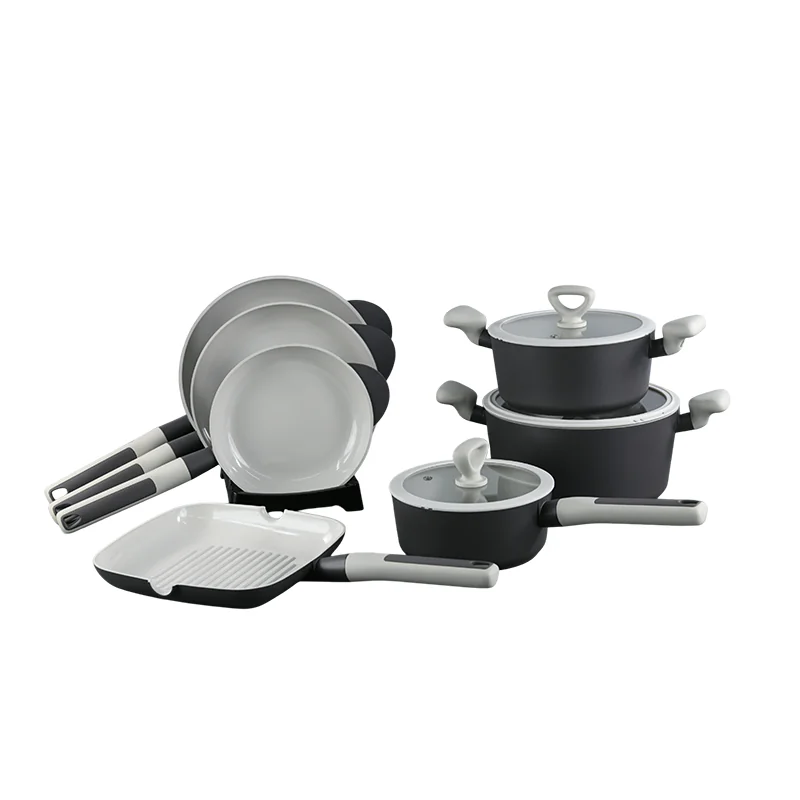
2. Can Suppliers Provide Custom Cookware Designs?
Customization in cookware can be a game-changer, especially for businesses looking to differentiate themselves in a crowded market. But can suppliers provide such tailored solutions?
2.1 Benefits of Customization for Your Brand
Working with suppliers who offer custom cookware designs allows you to put your unique stamp on your kitchen equipment. This capability means that your restaurant can have signature cookware that reflects your brand identity, from logos to specific functionality tailored to your menu. Customized cookware can also enhance the customer experience, as well-designed pieces can be visually appealing and functional, fostering a memorable dining ambiance.
Additionally, customization can play a pivotal role in marketing. Branded cookware not only serves its purpose in food preparation but can also be utilized in promotional campaigns or even sold directly to customers. By showcasing your unique designs, you effectively promote brand awareness and build a loyal following.
Moreover, custom cookware can be designed with specific culinary techniques or applications in mind, ensuring optimal performance in your kitchen. For example, Commercial cookware wholesalers might offer options tailored to specific cooking methods, enhancing both efficiency and dish quality.
Finally, cooperating with suppliers who provide customization options can lead to ongoing partnerships, as it often requires a deeper relationship. This connection can result in better cooperation and more attractive deals, as suppliers appreciate clients investing time and resources in bespoke product development.
2.2 How to Communicate Your Design Ideas
Effective communication with cookware suppliers about your design ideas is critical for bringing your vision to life. Before initiating discussions, gather all relevant details regarding your requirements. Create sketches or prototypes that represent your ideas, helping suppliers understand your expectations clearly.
Schedule a collaborative meeting with potential suppliers, emphasizing your goals and desired outcomes. Discuss the key features you want – whether it’s the shape, size, materials used, or specific design aspects. Here, it’s important to be open-minded; sometimes suppliers may offer suggestions based on their expertise that could enhance your original concepts.
Using industry terminology can facilitate clearer conversation. For example, references to common materials (stainless steel, ceramic, non-stick finishes) or styles (modern, traditional, functional) allow for a more productive dialogue.
Lastly, remember to establish a timeline for development, emphasizing the importance of meeting your deadlines. Timely communication is key throughout the process, making sure both parties remain aligned on goals and expectations.
By focusing on customization and effectively communicating your design ideas, you can successfully partner with suppliers to create exceptional cookware that meets your brand’s needs and elevates the dining experience.
3. Understanding Minimum Order Quantities for Cookware
When sourcing cookware for your restaurant or retail operation, understanding Minimum Order Quantities (MOQs) is crucial. MOQs represent the smallest quantity of a product that a supplier is willing to sell, significantly impacting inventory strategy and budget management.
3.1 Typical MOQ Standards in the Industry
In the cookware industry, MOQs can vary considerably based on a variety of factors, including the type of cookware, the manufacturer’s location, and the specific supplier’s policies. Typically, you might find that many suppliers, especially stainless steel cookware suppliers, set their MOQs ranging from 100 to 500 units per item. However, some suppliers might have higher thresholds, especially for custom orders or specialized items, with MOQs climbing into the thousands.
Understanding these standards can help you align your purchasing strategy with suppliers’ expectations. For instance, if you are sourcing standard restaurant cookware sets from OEM cookware manufacturers, your MOQ may be influenced by the production costs and the materials used. It’s essential to evaluate your sales projections and determine if you can meet these quantities without overextending your budget or inventory capacity.
Furthermore, different categories of cookware can attract different MOQs. For instance, more specialized or high-end products may carry higher MOQs due to lower production rates or increased manufacturing complexity. Conversely, general-purpose items that are widely used may have more lenient MOQs.
When seeking suppliers, always inquire about their MOQ policies early in negotiations to avoid misunderstandings later. Additionally, be aware that certain suppliers may be willing to negotiate their MOQs, especially if you demonstrate a potential for long-term partnership and growth.
3.2 How to Negotiate MOQs with Suppliers
When negotiating MOQs with cookware suppliers, preparedness and clarity are key. Here are some effective strategies to keep in mind:
Demonstrate Your Value: Suppliers often appreciate long-term partnerships. Share your business plan, showcasing your existing customers and anticipated growth. If suppliers see that you can generate a significant volume in the future, they may be more inclined to relax their MOQ requirements initially.
Leverage Existing Relationships: If you’ve previously sourced products from a supplier or have connections with them, leverage these relationships. Trust and familiarity can go a long way in negotiations, allowing for more favorable terms.
Consider Alternatives: If a supplier’s MOQ is too high, don’t hesitate to explore other options. Engage with multiple commercial cookware wholesalers to benchmark standards. If one supplier has a prohibitively high MOQ, another may provide a more suitable alternative.
Group Orders: Consider combining your order with that of another local business. By pooling resources, you can meet MOQs while diversifying your product range. This collaboration not only minimizes risk but also strengthens community ties.
Suggest Tiered Ordering: If negotiating seems challenging, propose a tiered ordering strategy. Start with a lower initial order to test the market, and then agree to purchase larger quantities over time based on sales performance. This approach can ease suppliers’ concerns while allowing you to gauge market demand.
In summary, understanding and negotiating MOQs are critical components of sourcing cookware effectively. By employing these strategies, you can strike a balance between supplier requirements and your business needs, ensuring a successful procurement process.
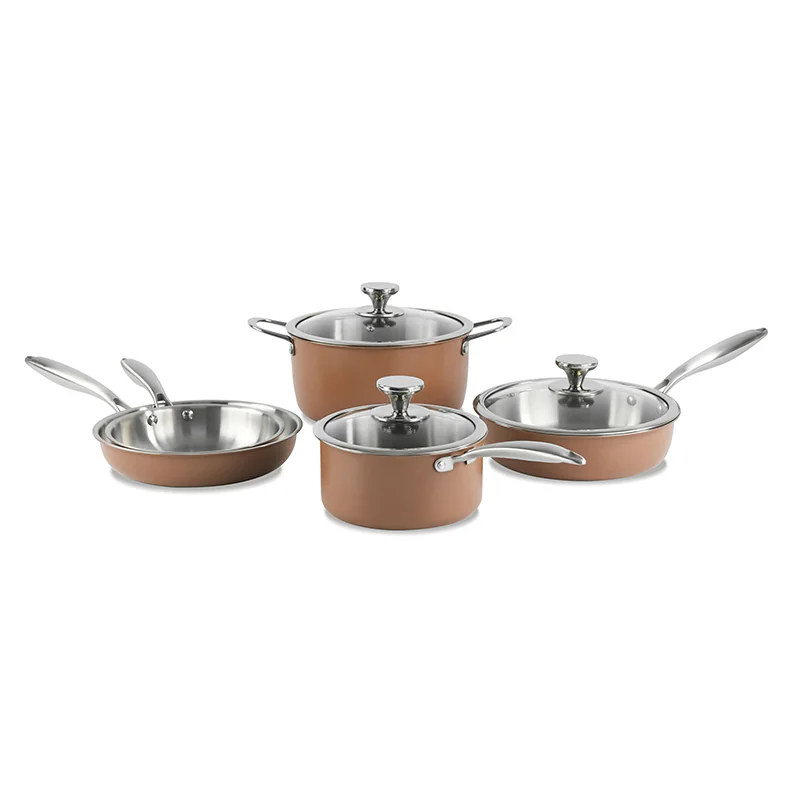
4. Are There Cookware Suppliers That Offer Drop Shipping?
Drop shipping has revolutionized the retail landscape, allowing entrepreneurs and small businesses to operate with less overhead. The cookware industry is no exception, and knowing how to navigate drop shipping can give you a competitive edge.
4.1 Advantages of Drop Shipping for Retailers
Drop shipping offers numerous advantages to retailers in the cookware space. One of its most significant benefits is that it minimizes upfront inventory costs. Instead of purchasing large quantities of cookware upfront, retailers can list items in their online store and only pay suppliers once a sale is made. This setup reduces financial risk, making it an attractive option for startups and businesses with limited capital.
Additionally, drop shipping allows retailers to offer a broader product selection without the limitations of physical storage. Retailers can showcase various cookware brands—from high-quality stainless steel cookware suppliers to unique kitchen gadgets—without needing to stock each item. This flexibility can attract a wider customer base and cater to diverse culinary needs.
Moreover, drop shipping often simplifies logistics for retailers. Suppliers handle inventory management, packing, and shipping. This allows businesses to focus on marketing, customer service, and sales strategies rather than fulfillment complexities. In an era where efficient customer service is paramount, this can be a significant advantage.
Lastly, drop shipping helps retailers adapt to market trends quickly. As customer preferences change, retailers can update their offerings more rapidly without the risk of unsold inventory, thereby maintaining a competitive edge in the ever-evolving culinary market.
4.2 Finding Trustworthy Drop Shipping Partners
Identifying reliable drop shipping partners is critical to successful sourcing in the cookware sector. Start by conducting thorough research on potential drop shipping suppliers. Look for established kitchen equipment suppliers with a solid track record of delivering quality products and exceptional customer service.
A reliable drop shipping supplier should provide comprehensive product information, images, and descriptions to ensure you can effectively market their items. Review their shipping policies, turnaround times, and return procedures to ensure they align with your business standards.
Engaging with supplier directories or industry-specific platforms can also help streamline your search for trustworthy partners. Networking at trade shows or industry events can yield valuable connections and insights into potential drop shipping suppliers.
Don’t hesitate to reach out to suppliers for samples before finalizing partnerships. Testing their products firsthand allows you to assess quality and reliability, ensuring that you present your customers with the best options available.
Lastly, consider the compatibility of their products with your current inventory and brand image. Collaborate with suppliers who understand your target market and share your commitment to quality.
By effectively leveraging drop shipping and working with dependable suppliers, you can expand your cookware offerings while minimizing financial risk. This approach not only enhances your product lineup but also positions your business for sustained growth in a competitive market.
5. How to Evaluate the Quality of Cookware Products
Evaluating the quality of cookware is essential for anyone looking to source reliable products for a restaurant or retail environment. The quality of your cookware not only impacts cooking performance but also affects the overall dining experience and customer satisfaction.
5.1 Key Factors to Assess Before Ordering
When assessing cookware quality, several key factors should be considered to ensure you make informed purchasing decisions.
Firstly, materials play a significant role in determining the performance and durability of cookware. Common materials include stainless steel, cast iron, and non-stick coatings. For instance, stainless steel cookware suppliers often provide products known for their resistance to rust and corrosion, making them excellent for long-term use in high-heat environments. Be sure to evaluate the thickness and gauge of the material; thicker bases typically offer better heat distribution and reduced warping over time.
Secondly, check for construction methods. Cookware that is forged or made using heavy-duty manufacturing processes is usually more durable compared to those that are merely stamped. Look for evidence of significant craftsmanship, including reinforced handles, even surface finishes, and smooth edges. During your interactions with cookware suppliers, inquire about how the cookware is manufactured and any quality control measures in place.
Another critical factor is the cookware’s compatibility with different cooking methods. If your operations involve induction cooking, for example, you’ll need cookware specifically designed for that purpose. Evaluate whether the supplier provides a clear specification outlining the ranges of cooking methods their products can accommodate.
Moreover, ensure that the supplier offers a warranty or guarantee on their products. This not only adds a layer of protection for your investment but also indicates the supplier’s confidence in the quality of their cookware. Brands that stand behind their products often have stringent manufacturing standards.
Lastly, user reviews and testimonials are invaluable in assessing product quality. Leverage online platforms to gauge customer feedback and satisfaction, allowing you to identify successful products and potential red flags.
By taking these key factors into account, you can ensure that the cookware you source will meet the demands of your culinary environment and enhance your brand’s reputation for quality.
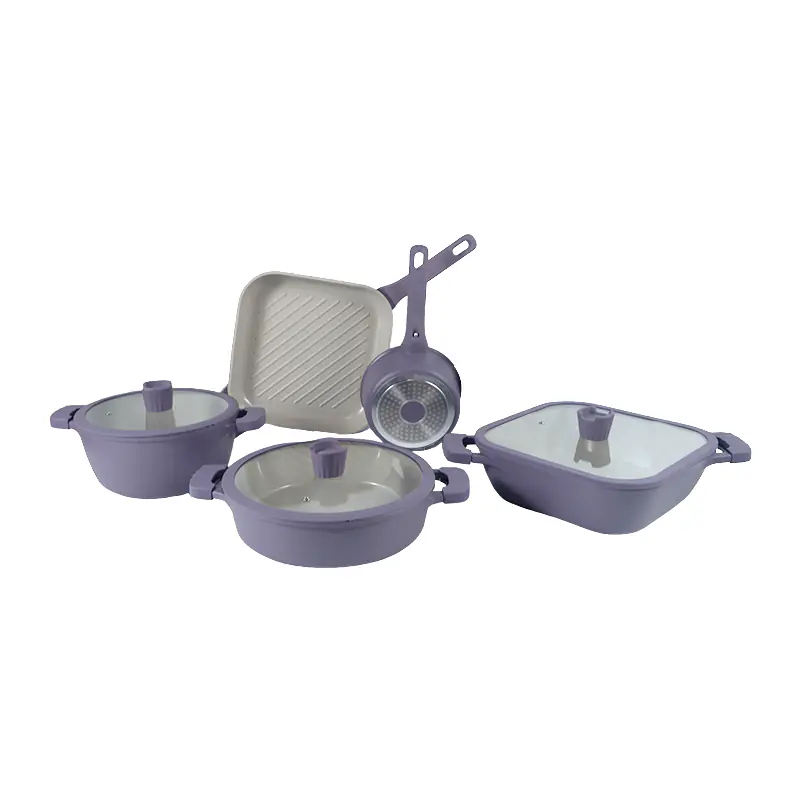
5.2 Importance of Material and Safety Standards
The choice of materials used in cookware is paramount, impacting both functionality and safety. In the current marketplace, safety standards have become increasingly stringent, ensuring that cookware products do not pose health risks to consumers or environments.
When evaluating materials, prioritize cookware that meets international safety and health standards. Look for certifications from recognized organizations, such as the FDA in the United States or the European Food Safety Authority (EFSA). Cookware that complies with such standards ensures that no harmful substances are leached during cooking, which is vital for food safety.
For example, ceramic or certain non-stick coatings may carry concerns regarding longevity and chemical safety. It’s essential to verify that any non-stick options are free from harmful chemicals, such as PFOA and PTFE. Engage with suppliers, particularly OEM cookware manufacturers, to inquire about material sourcing and any certifications they possess.
In terms of durability, high-quality materials can significantly extend the lifespan of your cookware, reducing the need for frequent replacements. Cookware made from premium stainless steel or heavy-duty cast iron not only withstands daily kitchen demands but also retains its aesthetic appeal. A well-maintained, visually appealing cookware set adds to the overall dining experience, making it a worthwhile investment.
Moreover, safety standards extend to ergonomic design and usability. Cookware should have handles that remain cool to the touch and lids that fit securely. Evaluate these aspects to prevent accidents in fast-paced kitchen environments, which could lead to injury.
By ensuring that the cookware you procure adheres to high material and safety standards, you contribute to a safer and more efficient culinary environment, all while reinforcing your commitment to quality in product offerings.
6. Where to Find Reputable Cookware Suppliers
Locating reputable cookware suppliers is crucial for sourcing quality products, whether for a restaurant or a retail outlet. The marketplaces where you choose to seek suppliers can significantly influence the quality and reliability of your procurement strategy.
6.1 Online Marketplaces vs. Local Vendors
When it comes to sourcing cookware, both online marketplaces and local vendors offer distinct advantages. Online platforms provide unparalleled access to a wide array of commercial cookware wholesalers, enabling streamlined comparisons of product offerings and prices. Websites like Alibaba, Global Sources, and ThomasNet are excellent resources where you can find a diverse range of suppliers, from mass producers to niche operators that specialize in high-end or unique cookware.
One significant advantage of online marketplaces is that they facilitate easy communication with kitchen equipment suppliers across the globe. You can quickly compare different products, read reviews, and even negotiate pricing, all from the comfort of your workspace.
However, while online sourcing can save time and give you access to various options, you may also encounter challenges with quality assurance and supplier reliability. It is crucial to conduct due diligence, including verifying supplier credentials and obtaining customer testimonials, before finalizing any orders.
On the other hand, local vendors can provide tangible benefits that online marketplaces sometimes lack. Establishing relationships with local suppliers allows for in-person visits to inspect products directly. This firsthand experience can inform better purchasing decisions, particularly regarding quality testing and material evaluations.
Moreover, local suppliers often possess regional knowledge that can be advantageous, providing insights into trends in culinary preferences specific to your market. They can also offer more personalized service, with the ability to respond swiftly to concerns or resolve issues more effectively than an international supplier might.
Ultimately, selecting between online marketplaces and local vendors will depend on your specific business needs, budget, and willingness to manage supplier relationships.
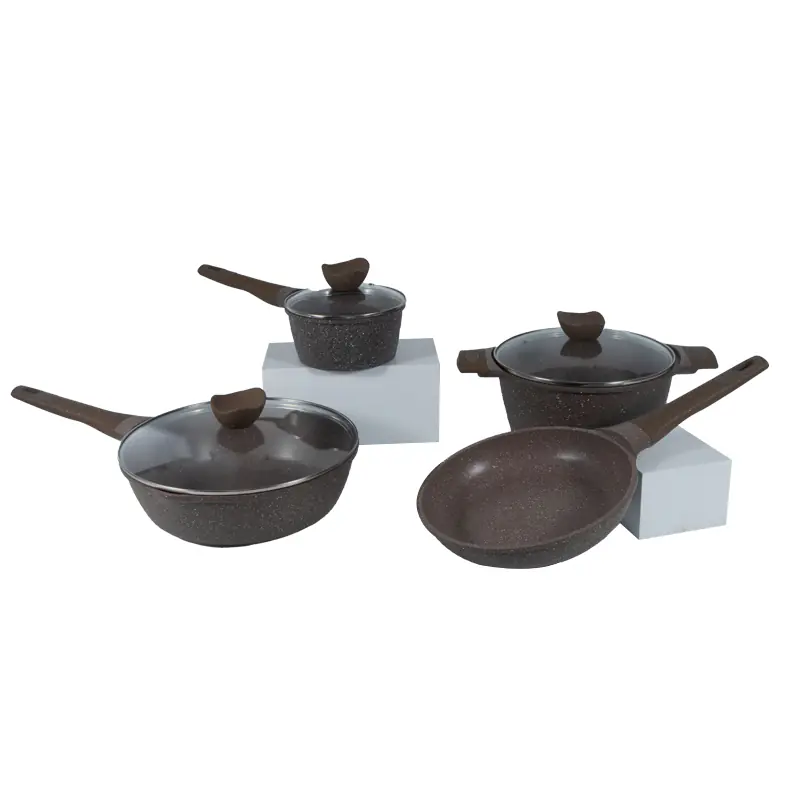
6.2 Trade Shows and Networking Opportunities
Engaging in trade shows and networking opportunities presents a powerful platform for sourcing reputable cookware suppliers. Industry events, such as the International Housewares Show or the Specialty Coffee Association Expo, feature numerous exhibitors representing leading and emerging cookware brands.
Attending these events gives you the chance to connect directly with manufacturers and suppliers. You can assess product quality in person, allowing for a more informed evaluation compared to online browsing. Furthermore, these events often feature workshops, demonstrations, and panels where you can learn about the latest industry trends, innovations, and customer preferences.
Networking at these shows can lead to long-lasting partnerships. Establish relationships with suppliers and fellow retailers, as they can provide insights and referrals to other reputable suppliers. Building a strong network within the cookware industry can be invaluable for gaining inside information on market trends and supplier performance.
Additionally, trade shows often offer exclusive deals and promotions for attendees. This could lead to considerable savings on cookware purchases, especially when placing larger orders or seeking unique items.
In summary, leveraging trade shows and networking not only opens up avenues for sourcing reputable cookware suppliers but also enriches your understanding of the industry. A proactive approach in these settings can significantly enhance your procurement strategy, strengthening your business’s competitive position.
7. Tips for Developing a Successful Relationship with Your Supplier
A successful relationship with your cookware supplier is essential for ensuring a steady flow of quality products, minimizing disruptions, and fostering mutual growth. Establishing trust and understanding between you and your suppliers can significantly impact your overall business success.
7.1 Effective Communication Strategies
Communication is the cornerstone of any successful supplier relationship. To begin, establish clear lines of communication right from the start. Ensure that both parties understand the primary points of contact and preferred communication channels, whether it’s through email, phone calls, or direct messaging platforms.
Regular check-ins are vital. Don’t wait until issues arise to engage with your cookware suppliers. Proactively reaching out allows you to discuss upcoming orders, address any concerns, and build rapport. This habit not only strengthens your relationship but also instills a sense of collaboration. Ensure that your communication reflects professionalism and respect, which lays the groundwork for long-term partnerships.
Be transparent with your suppliers about your needs and expectations. If you prioritize specific qualities in your products, such as finding reputable stainless steel cookware suppliers, share this information early on. Understanding your quality standards helps suppliers align their production processes with your requirements.
Equally important is the need for active listening. When suppliers share feedback or recommendations, particularly regarding new products or industry trends, make it a point to consider their insights seriously. Valuing their expertise fosters a more collaborative atmosphere, where both parties feel invested in the relationship.
Additionally, employing technology can enhance communication efficiency. Utilize project management tools and communication platforms that allow for real-time updates and shared documentation. This reduces delays and misunderstandings, streamlining the ordering and fulfillment processes.
Lastly, address issues without delay when they arise. Approach conflicts or discrepancies calmly and constructively. A solution-focused mindset not only resolves issues quickly but also demonstrates your commitment to maintaining a strong partnership.
By implementing effective communication strategies, you ensure a smoother operational flow and cultivate a relationship built on trust and collaboration.
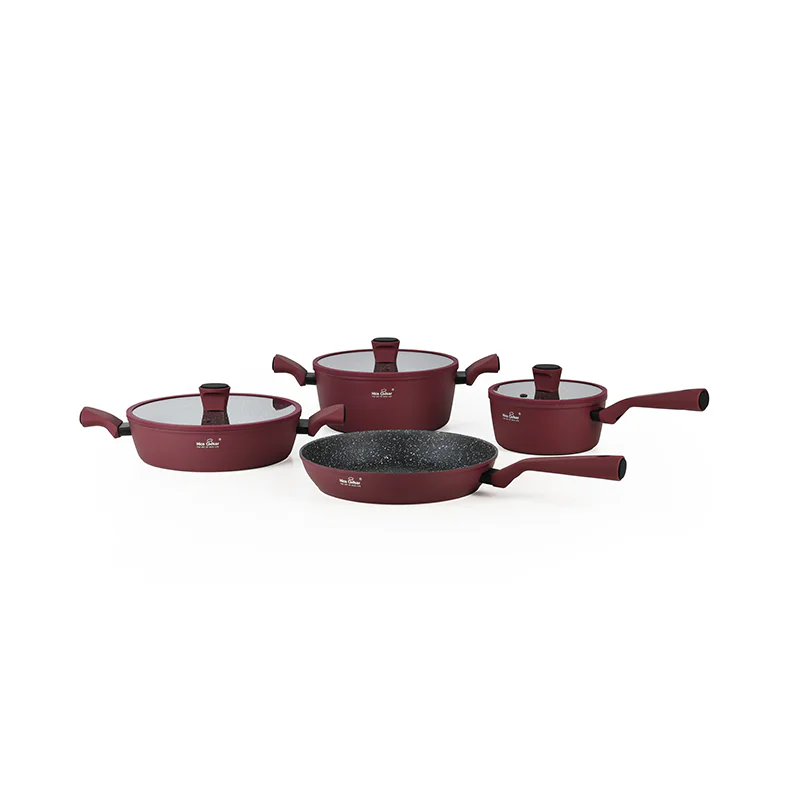
7.2 Building Long-Term Partnerships
Fostering long-term partnerships with your suppliers goes beyond the transactional aspect of business. It involves nurturing a collaborative environment that encourages growth and support. Here are some strategies to build effective, enduring relationships with suppliers in the cookware sector.
First and foremost, demonstrate your commitment. Regularly affirm that you value the supplier’s role in your business. Acknowledging their contributions, whether through positive feedback on the products or public recognition in marketing materials, can solidify the partnership. This recognition not only boosts supplier morale but also encourages them to give their best in terms of service and product quality.
Offering consistent orders is another excellent way to foster loyalty. Unpredictable ordering habits can create instability for suppliers, leading to frustration and potential disengagement. By analyzing your business needs and forecasting demand, you can provide suppliers with a clearer picture of your purchasing patterns. This predictability enables suppliers, particularly kitchen equipment suppliers, to manage inventory and production more effectively, contributing to a win-win situation.
Moreover, consider addressing their challenges as well. Engage in discussions about what suppliers may need from you for them to better serve your business. Perhaps they require longer lead times, or maybe they appreciate advance notice for larger orders. Showing a willingness to accommodate their needs demonstrates that you regard the relationship as mutual rather than merely transactional.
Building trust is essential for long-term partnerships. Be authentic and uphold your commitments. If a delay occurs on your end, communicate proactively and seek to rectify it. Likewise, expect transparency from your cookware suppliers. If issues arise on their side, a strong partnership encourages open dialogue about challenges and solutions.
Finally, continuously evaluate the partnership. Set milestones or goals and assess progress regularly. This strategy allows both parties to adapt to changing market dynamics, ensuring that the partnership remains beneficial for years to come.
In conclusion, developing a successful, long-term relationship with your suppliers hinges on effective communication and mutual commitment. By implementing these strategies, especially in sourcing from commercial cookware wholesalers, you can build solid partnerships that enhance your business operations while promoting growth and collaboration.
الخاتمة
In summary, cultivating successful relationships with your cookware suppliers is an ongoing process that hinges on effective communication and mutual support. By being proactive, transparent, and committed to your suppliers’ success, you empower both your business and your partners to thrive. Whether you’re working with stainless steel cookware suppliers, commercial cookware wholesalers, or kitchen equipment suppliers, the strength of these relationships can transform your procurement strategy into a competitive advantage.
If you’re ready to take the next step in forming valuable partnerships that elevate your business, we invite you to contact us. Our expertise in the cookware market and supplier relationships can provide you with the insights and strategies necessary for success. Let’s work together to achieve your goals!

لولا تشانغ هي أخصائية توريد أدوات المطبخ والسوق في أوسبيس لأدوات المطبخ، ولديها سنوات في مجال توريد أدوات المطبخ بالجملة في الصين. وهي تساعد المشترين على اكتشاف المنتجات الرائجة، وتحسين المشتريات، والتعامل مع مشكلات ما بعد الشراء، وبفضل خبرتها العميقة في هذا المجال، تقدم نصائح حول مطابقة السوق وسلاسة التوريد. تربط خبرتها بين المشترين والمصنعين الصينيين الموثوقين، مما يجعلها شريكًا موثوقًا به لتوريد أدوات المطبخ بكفاءة.