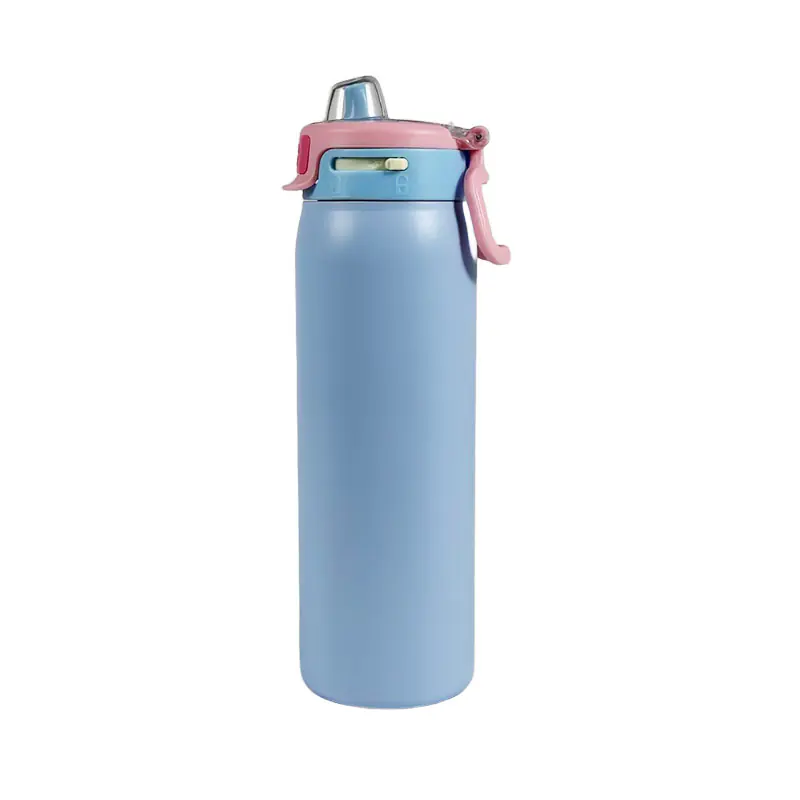
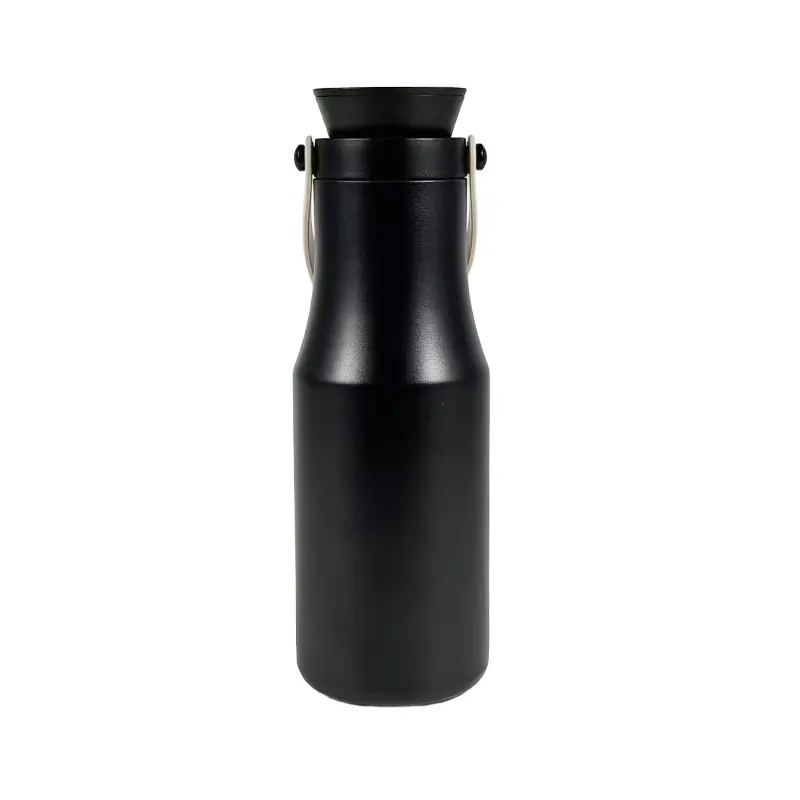
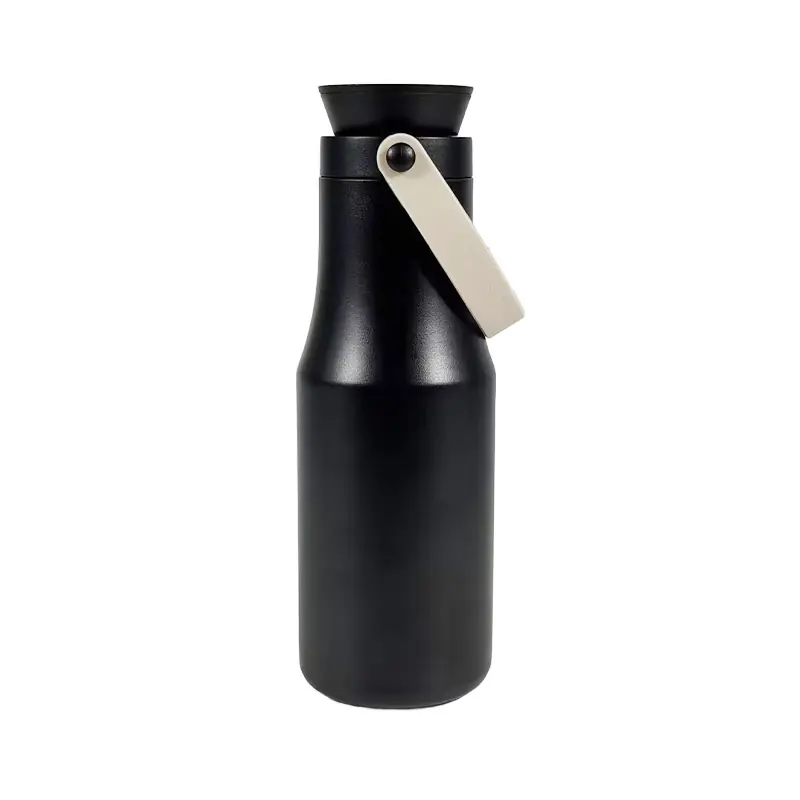
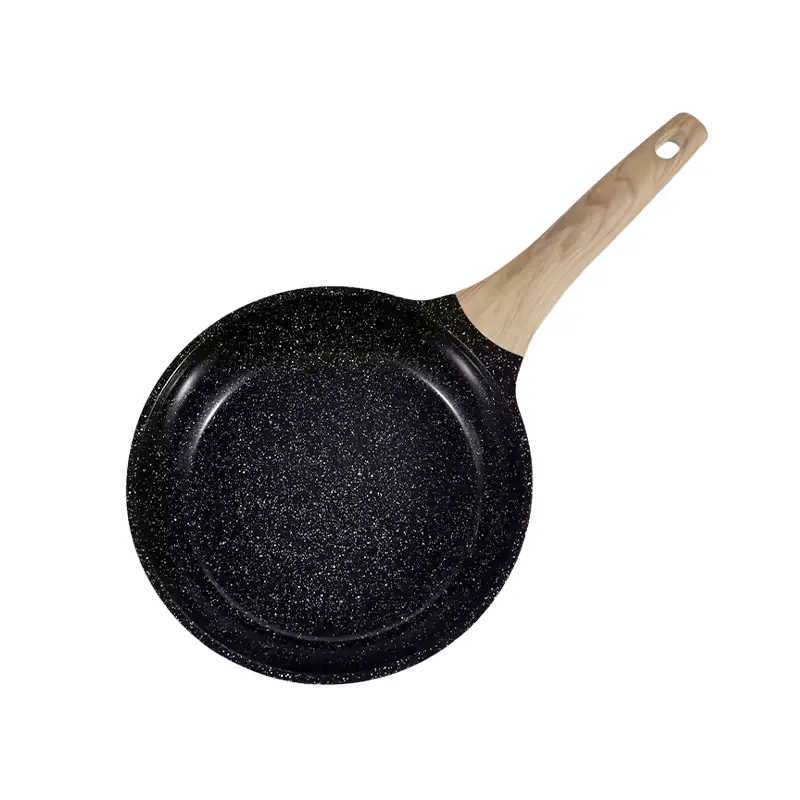
Sourcing bulk kitchen supplies can offer significant cost savings and operational efficiency—especially for restaurants, retailers, and hospitality businesses that depend on consistent inventory and large-scale purchasing. However, bulk buying also comes with challenges that, if overlooked, can lead to product quality issues, hidden costs, and long-term supplier frustrations. Many first-time or even seasoned buyers assume that bulk sourcing is just about finding the lowest unit price, but that’s only part of the equation.
In reality, success in sourcing bulk kitchen supplies depends on understanding the full scope of the purchasing process—from verifying product quality and selecting the right suppliers to managing logistics and ensuring clear communication. Without proper planning and attention to detail, businesses can easily fall into common traps that cost both time and money. At Auspace, our experience in global sourcing helps clients avoid these mistakes.
This guide breaks down the five most frequent mistakes made when sourcing in bulk and provides practical tips to avoid them, helping you make smarter, safer, and more profitable procurement decisions.

1. Not Verifying the Quality of Bulk Kitchen Supplies
1.1 Assuming Orders Meet the Same Standards
Many businesses make the mistake of assuming that products sourced from different suppliers or manufacturers are up to the same standards. However, even seemingly identical products may differ in material, durability, and performance. For example, different brands of non-stick pans might look the same but vary in coating quality. It’s important to perform due diligence and check product details thoroughly before placing a bulk order.
If your restaurant depends on kitchen equipment working under heavy-duty conditions, one supplier’s product might fail faster than another’s. Verifying that the quality aligns with your expectations will prevent the frustration of receiving low-quality supplies that don’t hold up in the long run.
1.2 Ignoring Certifications and Safety Compliance
Quality isn’t just about durability; it’s also about meeting safety standards. Depending on the product, certain supplies need to meet specific regulations. Items like food storage containers, knives, and even kitchen appliances often require compliance with health and safety certifications. For example, NSF-certified items are essential for restaurants that need to meet food safety standards.
Failing to check these certifications can not only jeopardize your business’s safety but also expose you to fines or legal trouble. Always confirm that the bulk kitchen supplies you’re purchasing are compliant with relevant safety and quality regulations.
1.3 Skipping Sample Orders or Quality Inspection
A great way to verify quality is by ordering samples before making a bulk purchase. Many suppliers are willing to provide samples so you can evaluate the product in your working environment. Without reviewing samples, you risk receiving supplies that may not be as durable or functional as they appear online.
For instance, if you’re ordering a bulk quantity of kitchen knives, getting a few samples allows you to test their sharpness, comfort, and reliability. Additionally, inspecting items for defects, such as scratches, chips, or broken seals, can save you from receiving faulty goods in large quantities.
2. Overlooking the True Cost of Bulk Kitchen Supplies
2.1 Focusing Only on Unit Price Instead of Total Cost
Many businesses make the mistake of focusing solely on the unit price when purchasing bulk kitchen supplies. While a lower unit price may seem like a bargain, it doesn’t tell the full story. Shipping costs, storage fees, handling charges, and even potential damage during transport can all drive up the total cost of the purchase.
You need to calculate the overall cost by factoring in all these extra expenses. For example, a supplier offering a lower unit price may charge you higher shipping fees or may have a longer delivery time, which can disrupt your operations.
2.2 Not Accounting for Shipping, Tariffs, and Hidden Fees
One of the most commonly overlooked costs in bulk purchases is the cost of shipping. Importing kitchen supplies from overseas can involve additional expenses, such as tariffs, duties, and taxes. These hidden fees can add a significant amount to the cost of your order.
For instance, a shipment that looks inexpensive might come with hefty customs fees that weren’t clearly communicated upfront. It’s always a good idea to inquire about these potential costs before placing an order. Factor them into your budget to get a more accurate understanding of your total investment. See how our sourcing and fulfillment services simplify this process.
2.3 Underestimating Storage and Inventory Costs
When you buy in bulk, you need adequate storage space to house the products. Depending on the size and quantity of your supplies, this could mean renting additional warehouse space or reorganizing your existing storage facilities.
Additionally, there are costs associated with inventory management, such as monitoring stock levels, rotating products, and tracking expiration dates (if applicable). Failing to plan for these factors can lead to overstocking, waste, or even a shortage of essential items during peak business hours.
3. Choosing the Wrong Supplier for Bulk Kitchen Supplies
3.1 Working with Inexperienced or Unverified Suppliers
While new suppliers may offer attractive pricing or deals, they often lack the experience to handle bulk orders efficiently. Inexperienced suppliers may struggle with quality control, delivery schedules, or communication. It’s essential to vet suppliers thoroughly before working with them. Look for reviews, testimonials, or any verifiable track record that indicates reliability.

3.2 Ignoring Supplier Communication and Responsiveness
One of the key indicators of a reliable supplier is their communication style. If your supplier is difficult to contact or slow to respond to inquiries, that could signal potential issues with order fulfillment. Poor communication can lead to delays, misunderstandings, and missed deadlines, all of which can affect your business’s operations.
A supplier should be responsive and easy to reach through various communication channels. You should feel confident that your questions or concerns will be addressed in a timely and professional manner.
4. Failing to Clarify Product Specifications Early
4.1 Being Vague About Material, Size, and Packaging
Vagueness about product specifications can result in receiving items that don’t meet your needs. Similarly, if packaging isn’t clearly discussed, you might end up with products that are not ready for immediate use in your kitchen, adding extra work to your setup.
Being as specific as possible about your requirements—such as the exact dimensions, materials, and packaging formats—ensures you get exactly what you need without surprises.
4.2 Miscommunication Due to Language or Cultural Barriers
If you’re sourcing supplies internationally, language or cultural barriers can often lead to misunderstandings. A supplier may have different terms, measurements, or even interpretations of what you’re requesting. This miscommunication can lead to receiving products that are incompatible with your operations or that don’t meet your expectations.
To avoid this, make sure to work with suppliers who are familiar with your market and can provide you with clear and accurate translations, product specifications, and even visual aids when necessary.
4.3 Not Using a Clear Purchase Agreement
A clear, detailed purchase agreement is essential when dealing with bulk orders. It should outline key details such as the price, delivery dates, payment terms, and penalties for missed deadlines or defects. Without this formality, you leave room for disputes and misunderstandings, which can delay your kitchen setup or disrupt your operations.
Always ensure both you and your supplier are on the same page with a solid agreement in place.
5. Poor Planning for Bulk Kitchen Supplies Logistics
5.1 Relying on Unreliable Freight Forwarders
The reliability of your freight forwarder is critical. If you’re working with a third-party logistics company, make sure they have a strong track record of delivering on time and handling your items with care. Choosing a low-cost but unreliable freight forwarder can result in delayed shipments or damaged goods.
Partner with a logistics provider who understands your needs and has experience handling bulk kitchen supplies. They should be able to offer tracking and insurance options for peace of mind.
5.2 Not Preparing for Delays During Peak Seasons
Certain times of the year, such as holidays or seasonal sales, can cause a surge in demand for kitchen supplies. Suppliers may experience delays, and freight services might take longer than usual to deliver.
To avoid this, plan ahead. Order supplies well in advance of busy seasons, and ensure that your logistics team is prepared for any delays. This way, you can avoid being caught off guard during peak times.

5.3 Skipping Insurance for High-Value Shipments
If you’re ordering high-value products, don’t skip on insurance. Even if the supplier is reputable, accidents can happen during transit. Opt for insurance to cover any damage or loss during shipping. If you’re not familiar with how responsibilities and risks are distributed, refer to the latest Incoterms 2020 by ICC to understand how terms like FOB or CIF affect your liability. It’s a small price to pay for the peace of mind that your valuable supplies are protected.
Conclusión
Avoiding common mistakes when sourcing bulk kitchen supplies can save your business from costly setbacks and ensure a smooth, reliable supply chain. From verifying product quality and understanding true costs to choosing the right supplier and planning logistics, every step plays a critical role in your long-term success. By taking a strategic, detail-oriented approach, you can avoid unnecessary risks and build stronger supplier relationships.
If you’re looking for a trusted partner to help streamline your bulk sourcing process, Utensilios de cocina Auspace offers high-quality kitchenware products, reliable fulfillment, and personalized support for B2B buyers. With deep manufacturing experience and global shipping capabilities, Auspace makes it easier to source with confidence—no shortcuts, no surprises.

Berry Bian es especialista en abastecimiento de menaje de cocina y asistencia al comprador en Auspace Kitchenware, con años de experiencia en el abastecimiento mayorista de menaje de cocina en China. Ayuda a los compradores internacionales con el seguimiento de pedidos, la comunicación con las fábricas y la selección de productos a medida.
Con su experiencia práctica en el sector, ofrece consejos útiles para agilizar los procesos de abastecimiento y resolver los puntos débiles de la cadena de suministro. Su apoyo conecta a los compradores extranjeros con fabricantes chinos de confianza, lo que la convierte en la persona ideal para abastecerse de menaje de cocina sin complicaciones.