


Wholesale Kitchenware Manufacturing: Cut B2B Costs

Cookware supplier

The manufacturing process of 3 types of aluminum pots – Aluminum pot supplier

At present, the mainstream aluminum pots on the market are made by three processes, namely Die-cast aluminum pot, forged aluminum pot and Stretching aluminum pot . This article provides a detailed introduction to these three processes. Manufacturing Method Raw Material Forming Process Typical Products Advantages Notes Die-cast Aluminum Pot Aluminum alloy ingots (Al-Si series) High-pressure molten alloy injection Non-stick or decorative pots High precision, thin walls, complex shapes Best for mass production of intricate designs Forged Aluminum Pot Pure aluminum / Aluminum alloy sheet Stamping and stretching Medium- to deep-sized pots, soup pots Durable, uniform thickness, lightweight Suitable for regular-shaped pots Stretching Aluminum Pot Aluminum blank (coil or plate) Incremental deep drawing with annealing Deep, seamless pots like milk pans, soup pots Seamless body, smooth surface, structural stability Ideal for deep or regular-shaped cookware 1. Die-cast Aluminum Pot Manufacturing Process Die-cast aluminum pot is a kind of kitchenware obtained by die-casting process, which melts the aluminum alloy liquid into the mold cavity under high pressure and then forms after cooling. Its process is rigorous and interlinked 1.1 Selection of Aluminum Alloy Materials Aluminum cast aluminum pot commonly uses Al-Si series alloys (such as ADC12, A380), which have good fluidity, good
Kitchenware Material Testing

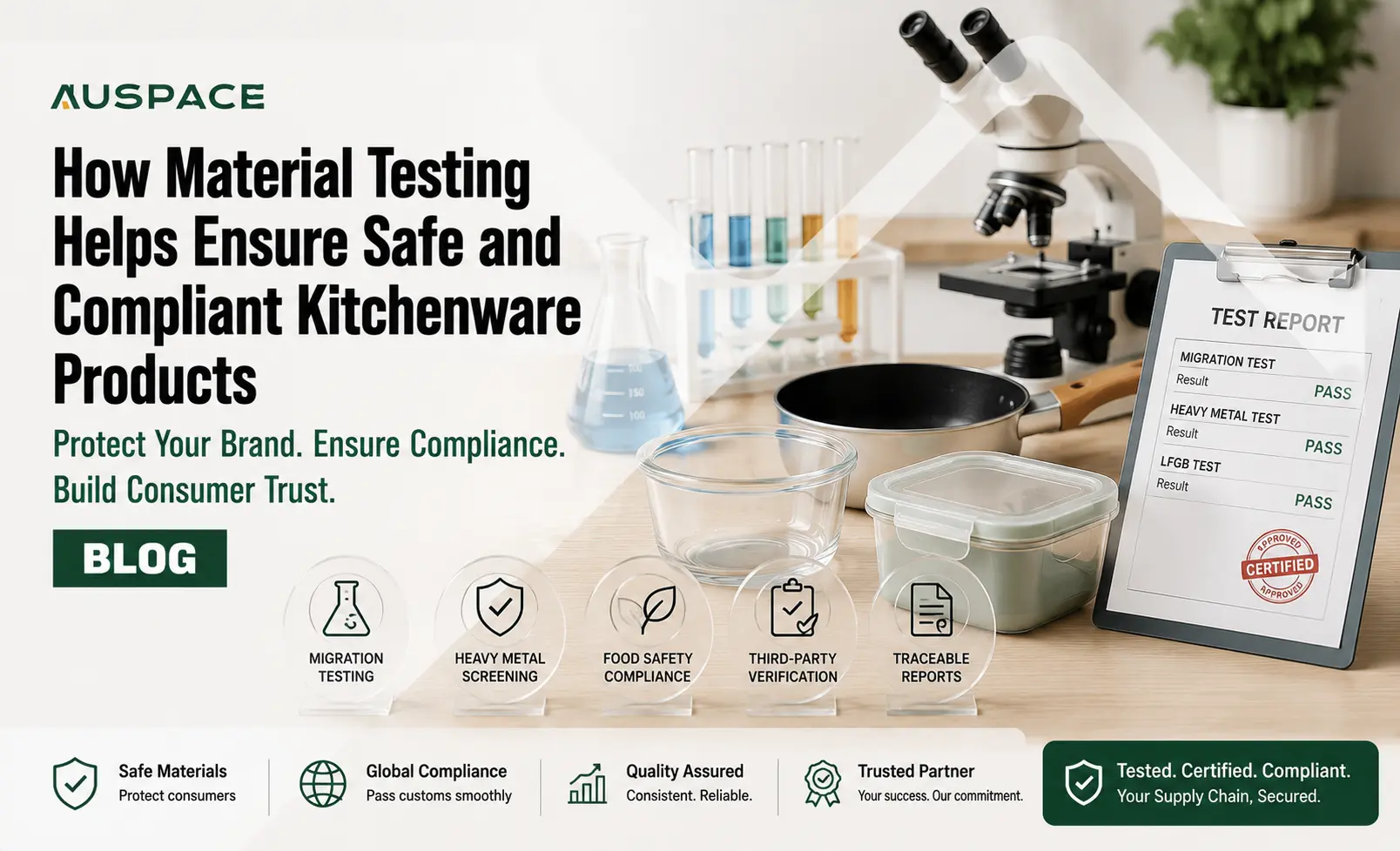
How Material Testing Helps Ensure Safe and Compliant Kitchenware Products

Introduction Sourcing massive commercial inventories requires deep operational attention to international trade rules. Implementing a strict Kitchenware Material Testing protocol is the single most efficient way to protect your brand from global product liabilities. Without verifiable raw substrate verification, global wholesale distributors face major financial risks. Are you an international commercial buyer wondering how to eliminate customs seizure risks for your upcoming production batches? Importing unverified materials can lead to dangerous substance leaching, product recalls, and severe trade penalties. In this comprehensive guide, you will discover how professional chemical verification protects your international supply chain and builds marketplace trust. For a macro view of all performance standards, read The Ultimate Guide to Kitchenware Materials. Key Takeaways The Critical Importance of Professional Product Verification Global B2B procurement teams must treat corporate legal compliance as a primary operational benchmark. Utilizing advanced product verification methodologies ensures that bulk consumer goods perform safely under high temperature exposure. This preventive practice eliminates the hidden risk of chemical cross-contamination before your freight leaves the factory floor. Furthermore, conducting consistent quality inspection routines builds deep consumer confidence for your retail brand. Modern retail distribution chains refuse to accept inventory without traceable safety certifications. Investing in standardized material

Silicone Kitchenware

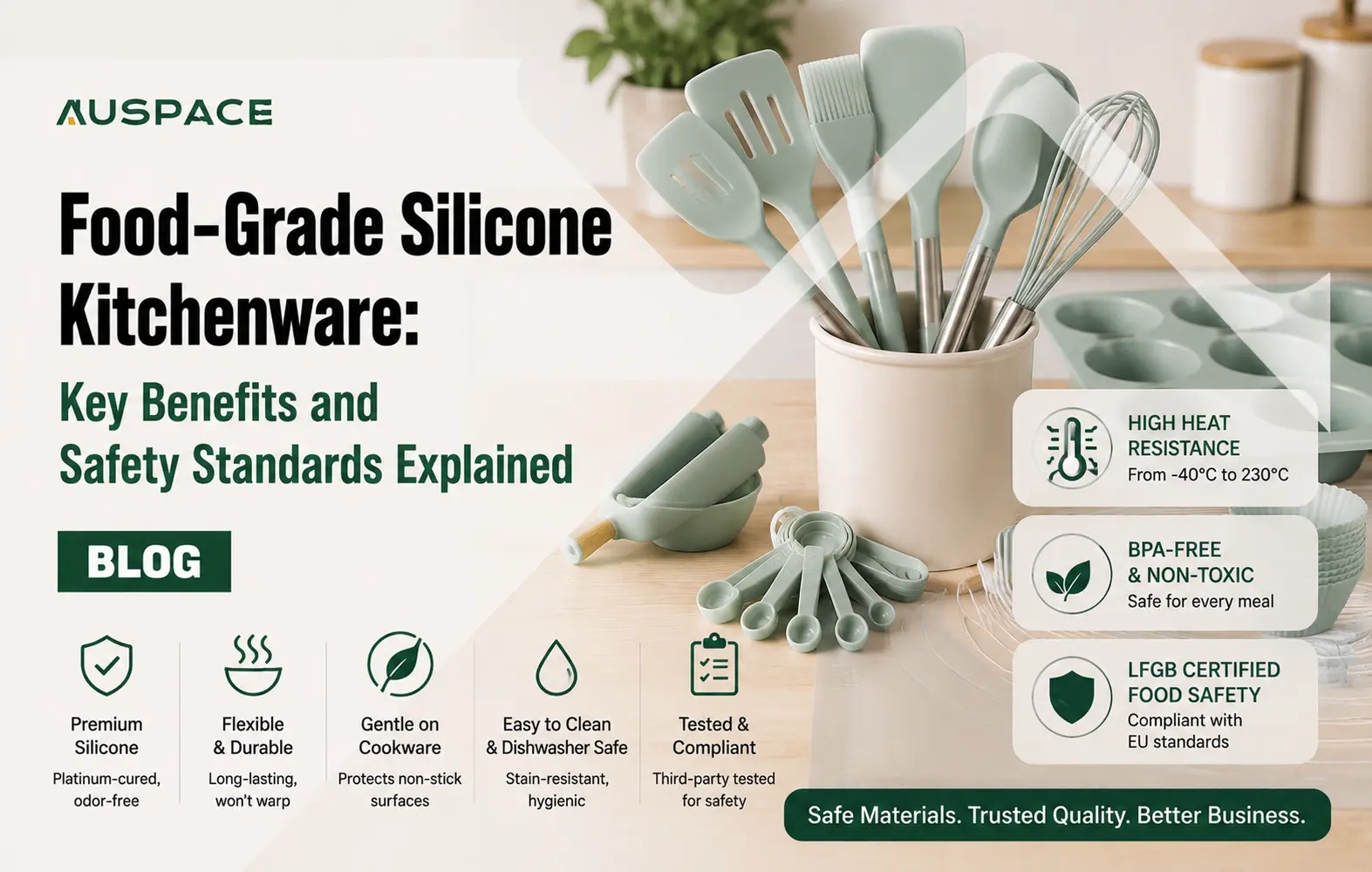
Food-Grade Silicone Kitchenware: Key Benefits and Safety Standards Explained

Introduction The global demand for flexible, high-performance cooking tools is expanding rapidly across modern consumer markets. Sourcing certified Silicone Kitchenware has become a highly profitable strategy for international commercial buyers. However, understanding the strict chemical parameters of these polymers is essential to avoid global trade liabilities. Are you a wholesale distributor trying to find durable kitchen products that will not scratch premium non-stick pan coatings? Sourcing low-grade rubber alternatives can lead to product warping and severe customs compliance issues. In this guide, you will learn the functional benefits and international testing criteria that govern modern flexible tools. This information ensures you secure safe, premium stock for your brand. For a comprehensive analysis of all major manufacturing options, read The Ultimate Guide to Kitchenware Materials. Key Takeaways The Core Advantages of Flexible Kitchen Gadget Materials Modern culinary brands heavily prioritize advanced kitchen gadget materials that combine high flexibility with operational longevity. Premium Silicone Kitchenware has revolutionized the baking and food preparation industries. Unlike old rigid plastics, these modern polymers are naturally non-stick, entirely stain-resistant, and do not harbor harmful bacteria. Furthermore, these specialized items serve as highly practical, reusable kitchen accessories that replace single-use parchment papers and foil wraps. They offer

Utensilios de cocina de aluminio

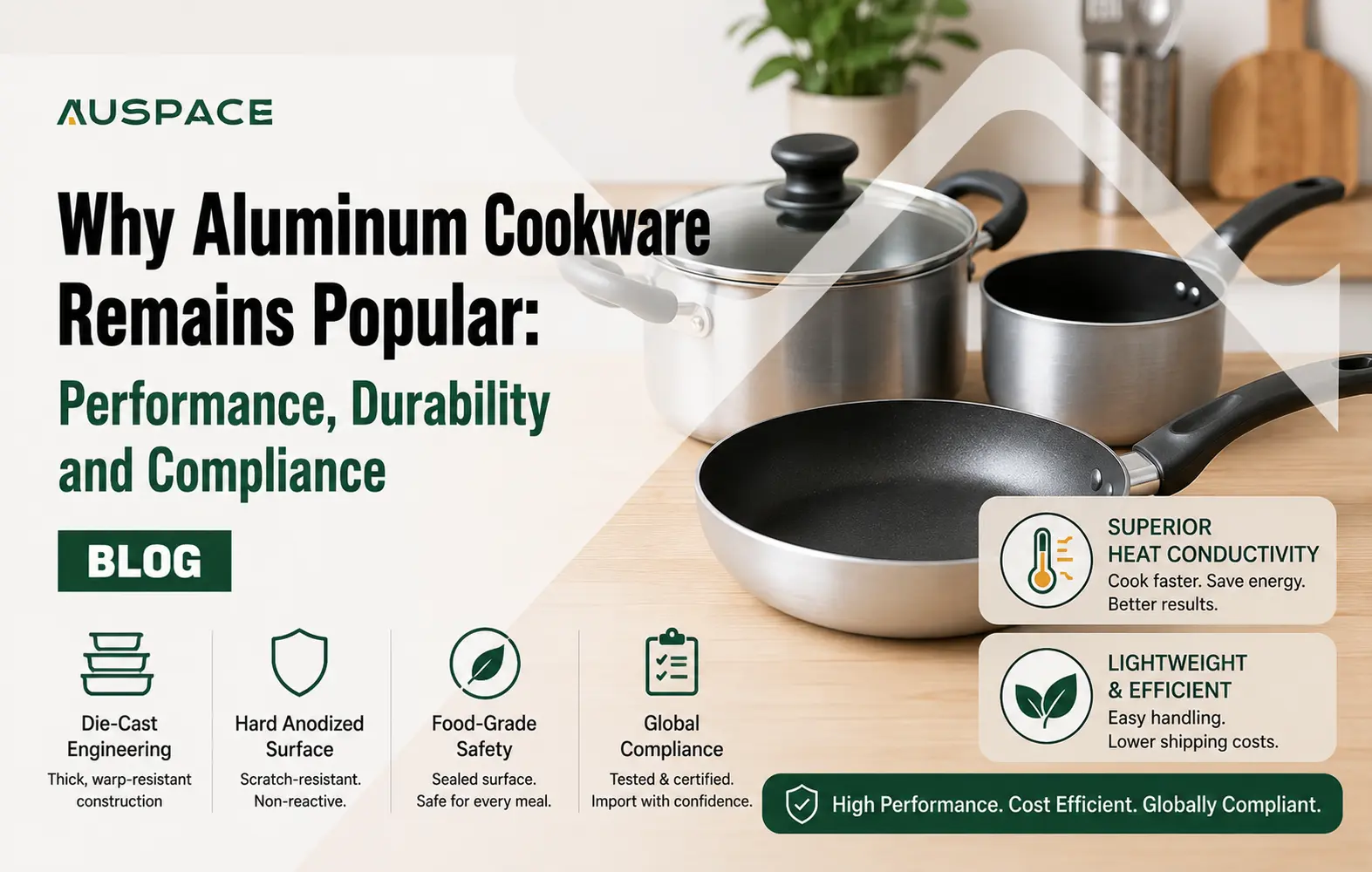
Why Aluminum Cookware Remains Popular: Performance, Durability and Compliance

Introduction In the global culinary manufacturing sector, selecting metals with top-tier thermal efficiency is a necessity. Aluminum Cookware continues to capture a massive market share among commercial kitchenware distributors worldwide. Understanding the scientific benefits of this substrate helps wholesale buyers make highly profitable purchasing decisions. Are you a global commercial buyer trying to find an ideal balance between rapid cooking speeds and affordable production costs? Sourcing heavy metals can increase your shipping fees and slow down kitchen operations. In this guide, you will explore how modern manufacturing methods turn raw elements into high-performance culinary tools. This technical analysis ensures you secure durable, safe inventory for your brand. For a complete look at all major manufacturing substrates, read The Ultimate Guide to Kitchenware Materials. Key Takeaways The Core Advantages: Heat Conductivity and Weight The main reason global distributors prioritize Aluminum Cookware is its unmatched heat conductivity. This specialized metal distributes thermal energy sixteen times faster than stainless steel. This rapid transmission eliminates hot spots, prevents food from burning, and optimizes overall energy efficiency during high-volume meal preparation. Additionally, this material provides exceptionally lightweight cookware options for modern home chefs and busy restaurant staff. Lower product weight reduces physical fatigue in heavy-duty

Non-Stick Cookware Materials

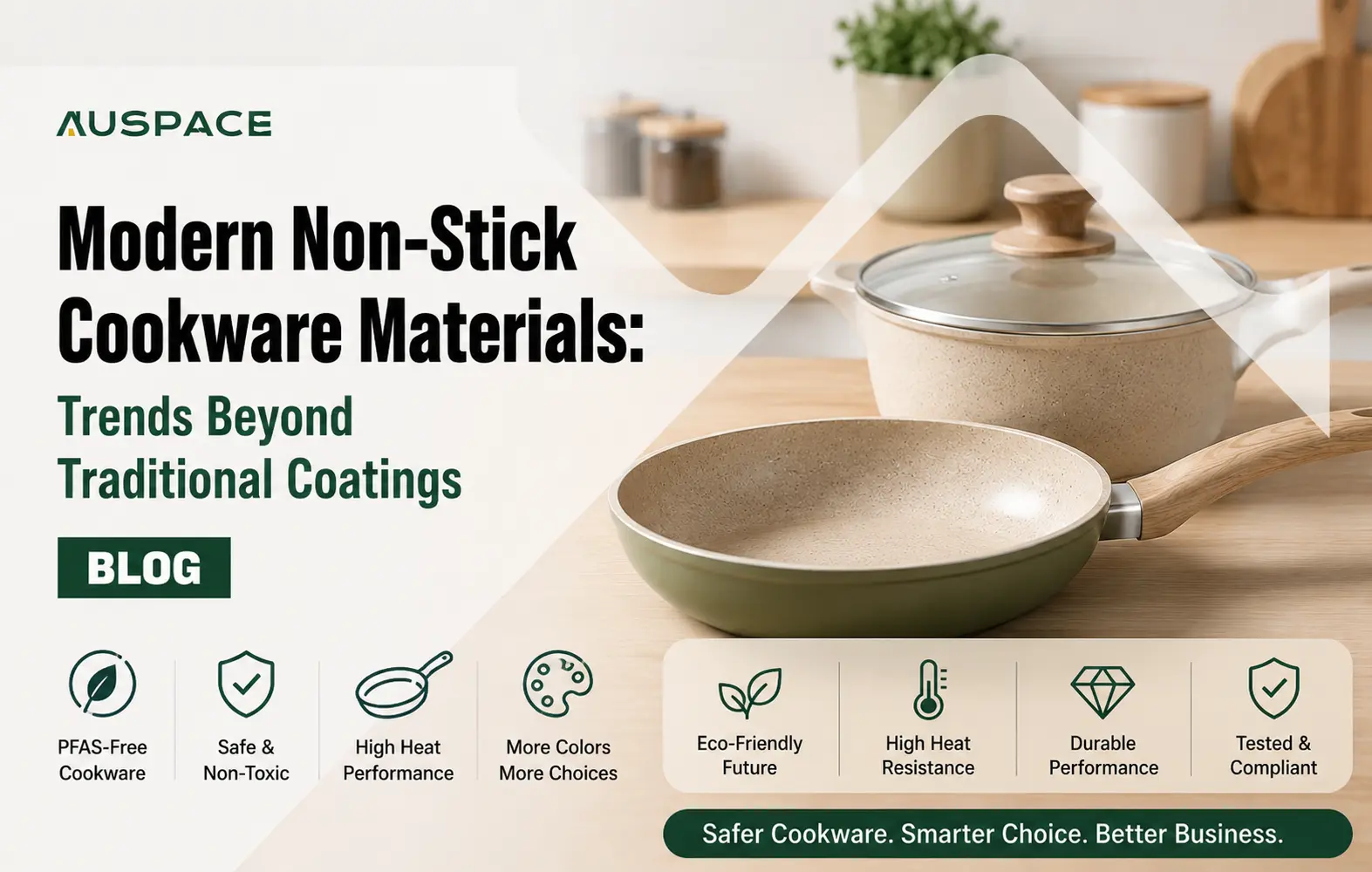
Modern Non-Stick Cookware Materials: Trends Beyond Traditional Coatings

Introduction The global kitchenware market is changing fast due to shifting consumer lifestyle habits. Choosing the right Non-Stick Cookware Materials has become a critical decision for commercial wholesale buyers. Today, professional distributors must look beyond old manufacturing methods to stay competitive. Are you a global importer trying to balance cost-efficiency with new environmental standards? Sourcing outdated coating options can lead to severe custom import risks and negative customer reviews. In this comprehensive guide, you will discover the latest shifts in modern manufacturing technology. This insight helps you choose safe, high-performance goods that match current market preferences. For a complete overview of manufacturing choices, read The Ultimate Guide to Kitchenware Materials. Key Takeaways The Evolution of Non-Stick Coating Technology For decades, traditional Non-Stick Cookware Materials relied heavily on a standard PTFE coating. This polymer became incredibly popular because it offers an exceptionally slick surface for effortless food release. However, this classic manufacturing style faces serious challenges in the modern commercial market. When exposed to extreme heat, old formulas can degrade and release harmful chemical fumes. This functional limitation has forced factories to pioneer advanced non-stick coating technology. Modern commercial buyers now look for updated substrates that offer long-term stability and support

Food-Grade Stainless Steel

Food-Grade Stainless Steel in Kitchenware: What Importers Need to Know About 304 and 316 Grades

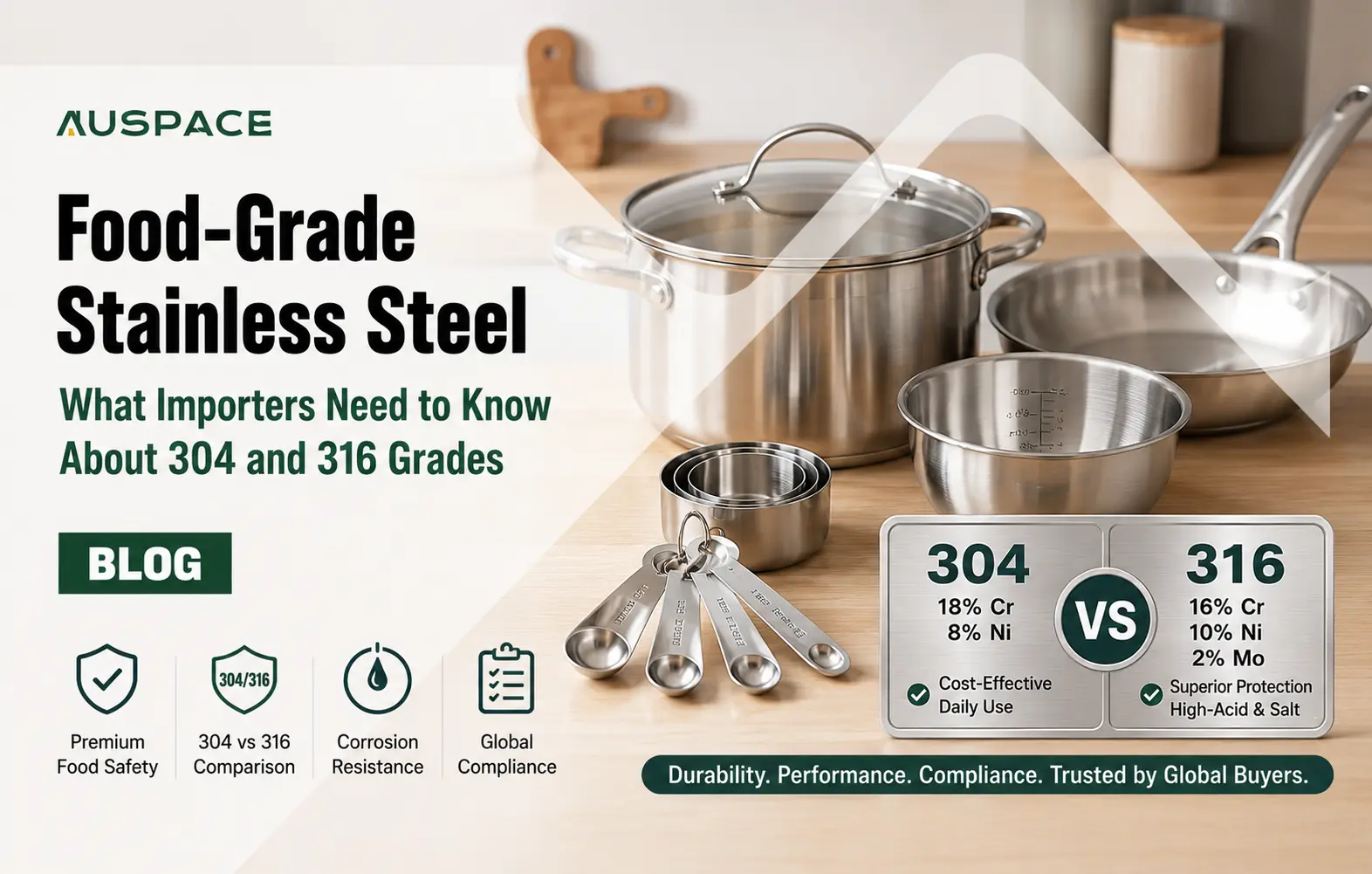
Introduction Selecting the right raw substrates is the single most important decision for global commercial buyers. Food-Grade Stainless Steel remains the absolute gold standard for manufacturing professional culinary tools. However, importing bulk inventory without knowing specific metal compositions can lead to severe compliance issues. Are you currently struggling to choose between different metal grades for your next production order? Selecting the wrong material can lead to low durability, customer complaints, and serious customs rejections. In this guide, you will discover the technical differences between 304 and 316 metal compositions. This knowledge ensures you source high-quality products that meet global safety laws. For a broad look at all available manufacturing substrates, read our Ultimate Guide to Kitchenware Materials. Key Takeaways Understanding Food-Grade Stainless Steel: The Foundation of Safe Sourcing Global B2B buyers must understand why Food-Grade Stainless Steel dominates the international commercial market. This specialized alloy resists chemical migration, meaning it will not leach harmful metallic toxins into meals during high-heat cooking. It provides a non-reactive cooking surface that perfectly preserves natural food flavors. Furthermore, this premium food-grade metal is exceptionally strong, scratch-resistant, and entirely non-porous. It withstands intense daily usage and harsh chemical cleaning in commercial dishwashers without degrading. For

kitchenware-material

The Ultimate Guide to Kitchenware Materials: Performance, Safety and Compliance for Global Buyers

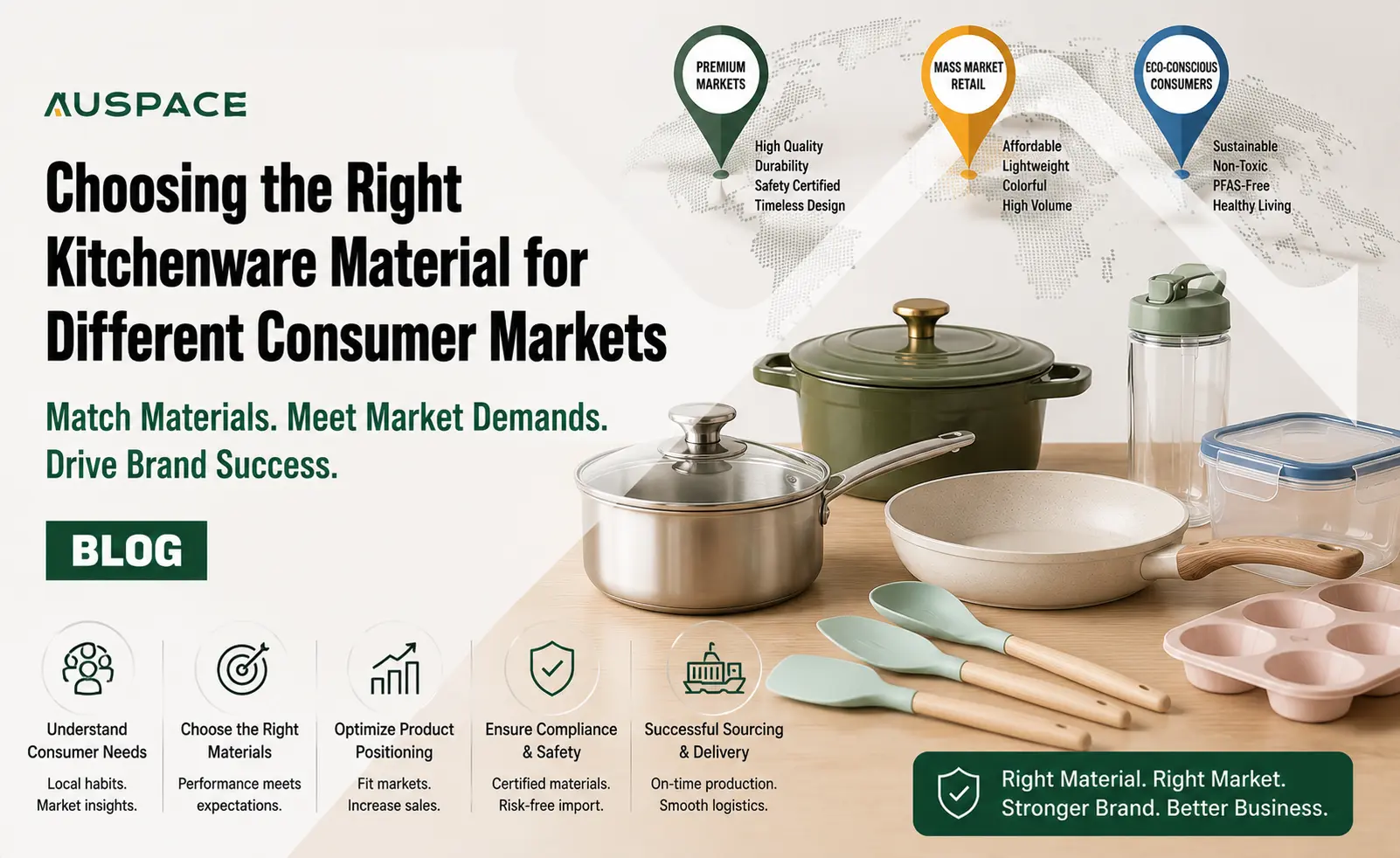
Introduction The best kitchenware materials for global commercial sourcing must perfectly balance high thermal performance, strict food contact materials safety compliance (such as FDA and LFGB), and cost-efficiency. Choosing food-grade stainless steel, die-cast aluminum, or certified silicone ensures a reliable supply chain. Are you a global buyer struggling to balance strict import regulations with competitive prices? Many wholesale distributors face customs risks or quality complaints simply due to choosing the wrong cookware materials guide specifications. In this comprehensive guide, you will learn how to evaluate cookware safety, verify kitchenware compliance, and master a clear material comparison. This insight will streamline your next project and secure safe, food-grade materials for your target market. Key Takeaways Understanding Food Contact Materials: Why Composition Matters for Global Buyers Global commercial buyers must prioritize chemical composition when sourcing goods. Food contact materials include any substance intended to touch food. If these materials contain low-quality components, toxic chemicals can migrate into meals during cooking. This chemical migration poses severe health risks and can lead to expensive customs rejections. Different global markets enforce unique legal limits on substance migration. For example, the United States and the European Union have different entry laws for incoming freight. If you

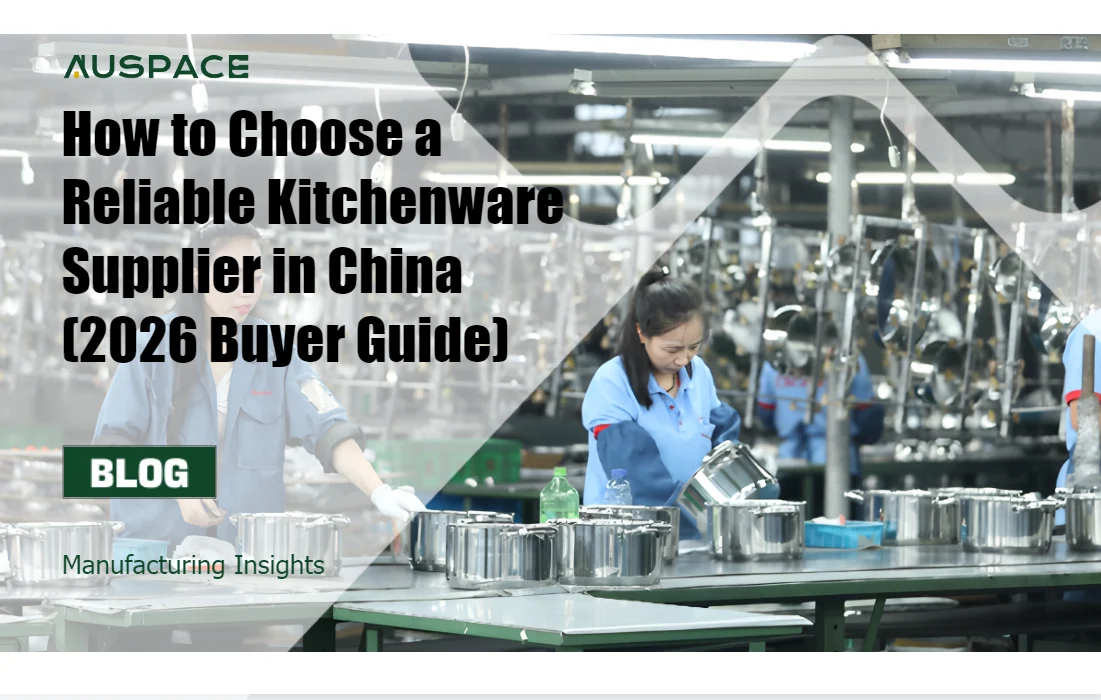
How Kitchenware Quality Control Works in China: Inspection & Risk Reduction Guide

China is the world’s largest producer of cookware and kitchenware. For international buyers, the challenge is ensuring that what leaves the factory matches the approved sample in quality, safety, and durability. This guide explains how kitchenware quality control China, from factory floor processes to third-party inspection and practical defect reduction tools. Factory Quality Control Process: Three-Layer Model Many buyers rely solely on final inspection, but that rarely solves consistency problems. Cookware production involves casting, stamping, grinding, coating, firing, assembly, and packaging. A quality failure at any stage can ruin a batch. An end-to-end framework is required, organized into three phases: IQC (Incoming Quality Control), IPQC (In-Process Quality Control), and OQC (Outgoing Quality Control). Incoming Quality Control (IQC). Cookware quality begins with materials: cast iron, stainless steel, enamel frit, non-stick coatings, handles, rivets, lids. If any component is off-spec, later process control cannot fully compensate. In a well-run IQC, materials are screened before regular supply begins. High-risk materials receive stricter controls. For cast iron, inspectors check composition, wall thickness, and surface defects (porosity, sand inclusions). For stainless steel, they verify material certificates, thickness tolerance, and surface condition. Accessories are checked for dimensional fit and finishing. Nonconforming materials are quarantined, documented, and

china-kitchenware-supply-chain-risks

China Kitchenware Supply Chain Risks & How Buyers Can Beware Import Risks in 2026

Introduction Let‘s cut straight to it. The biggest china kitchenware supply chain risks in 2026 are simple: factories that let you down, quality that changes from batch to batch, slow deliveries, and trade rules that move the goalposts. Why? Here’s what you need to know. You buy from China because the quality is good and the price works. Fair enough. But the old playbook doesn‘t work anymore. Pick a cheap supplier and cross your fingers? Not a good idea. Containers get stuck at ports. Products show up with the wrong coating. Lead times double out of nowhere. These problems cost you real money. They annoy your customers. And they happen more often than most buyers think. This guide walks you through five big china kitchenware supply chain risks. More importantly, I’ll show you how to dodge them. You‘ll learn about using more than one supplier, doing inspections before shipping, and setting up payment terms that don’t leave you exposed. Same rules apply whether you buy stainless steel pots, non-stick pans, or full cookware sets. A smarter sourcing plan saves you time, money, and headaches. China Kitchenware Supply Chain Risks Key Takeaways Why China Still Makes Most of the World’s Kitchenware

EU-Food-Contact-Materials-Compliance

EU Food Contact Materials Regulation 2026: What Kitchenware Importers Must Know

Introduction EU rules for food contact materials are getting tighter in 2026. No surprise there. If you’re importing kitchenware into Europe, this is something you can’t ignore anymore. In simple terms, EU food contact materials compliance means your products must be safe when they touch food. No nasty chemicals, no risky migration, no shortcuts. If something goes wrong here, your shipment can get stopped at customs. Or worse, pulled from the market. And yes, this is happening more often now. EU checks are getting stricter, especially for imported cookware and kitchen tools. So if you’re sourcing or selling in Europe, you need to understand the rules. Not just on paper, but in real practice. In this guide, we’ll break it down: Let’s get into it. Key Takeaways Key Takeaways What Is EU Food Contact Materials Compliance in 2026? Definition and Legal Framework Let’s keep it simple. EU food contact materials compliance means anything that touches food must be safe. That includes cookware, utensils, containers, and even coatings. The main rule behind it is Regulation (EC) No 1935/2004. This is the “big umbrella” law in the EU. It basically says: This covers things like: If it touches food, it’s in the scope. Why

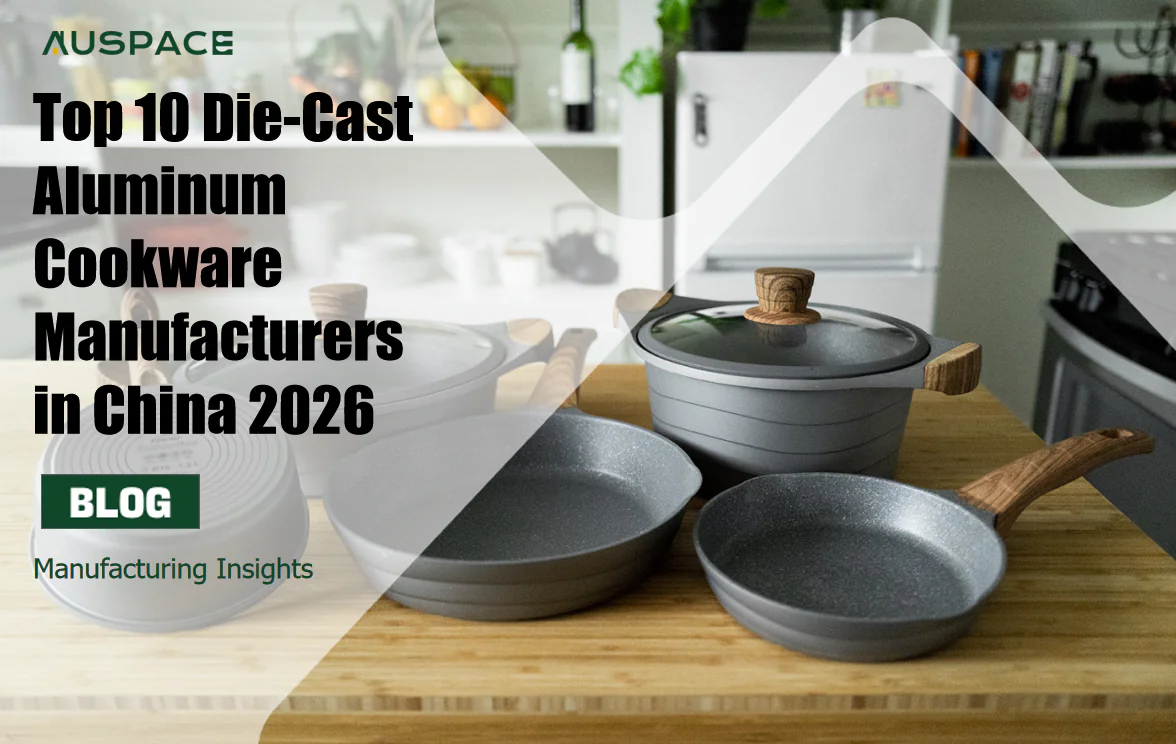
Top 10 Die-Cast Aluminum Cookware Manufacturers in China 2026

Top 10 Die-Cast Aluminum Cookware Manufacturers in China 2026

Die-cast aluminum cookware has become a preferred choice for both home cooks and professional kitchens. Unlike stamped aluminum, die-cast construction involves pouring molten aluminum into a mold under high pressure, creating cookware with uniform thickness, superior heat retention, and excellent structural integrity. The result is pans that heat evenly, resist warping, and deliver consistent cooking performance year after year. China has emerged as the global hub for die cast aluminum cookware manufacturer. Production clusters in Zhejiang, Guangdong, and Jiangmen specialize in this category, combining advanced die-casting machinery, automated coating lines, and decades of manufacturing expertise. For international buyers—whether retailers, distributors, or commercial kitchen operators—partnering with the right die cast cookware factory China is essential to securing quality products at competitive prices. This guide profiles ten of the most notable die-cast aluminum cookware manufacturers in China for 2026. Each profile is based on verifiable operational data, industry reputation, and manufacturing capabilities. 1. Auspace Kitchenware Auspace is the dedicated kitchenware brand under Ningbo Morgiana International Trade Co., Ltd., established in 2014. The company operates from a 2,000-square-meter showroom in Ningbo showcasing over 10,000 products, supported by a network of more than 500 kitchen trade suppliers. Auspace serves over 1,000 customers globally and

camping pots and pans factory

Top 10 Camping Cookware Manufacturers in China 2026

Introduction As outdoor lifestyles continue to gain popularity worldwide, the demand for high-quality camping cookware has grown significantly. From weekend campers to professional outdoor explorers, consumers are increasingly looking for lightweight, durable, and compact cooking solutions that can withstand harsh environments while delivering reliable performance. This trend has driven rapid expansion in the global camping cookware industry. China has become the leading production base for outdoor cookware due to its mature manufacturing ecosystem, cost efficiency, and strong supply chain integration. Many international brands and distributors rely on a professional camping cookware manufacturer China to develop and produce outdoor cooking equipment, including camping pots, pans, kettles, and multi-functional cookware sets. This article presents the Top 10 Camping Cookware Manufacturers in China 2026, selected based on manufacturing capability, product innovation, export experience, and reliability. These companies represent some of the most trusted outdoor cookware wholesale suppliers and camping pots and pans factory partners in the global market. Top 10 Camping Cookware Manufacturers in China 2026 No. Manufacturer Location Specialization 1 Auspace Zhejiang Aluminum & multi-material outdoor cookware 2 Ningbo Xianghai Kitchenware Co., Ltd. Zhejiang Camping cookware sets & outdoor kitchen solutions 3 OutdoorSAC Zhejiang Cast iron and camping stove cookware 4 PRONEO

Composition of Stainless Steel Cookware: What’s Actually Inside Your Pots and Pans

I work at Auspace Kitchenware, where we manufacture and supply cookware to retailers and brands around the world. Part of my job involves working directly with stainless steel specifications, grade certifications, and factory quality standards on a daily basis. So when I say I know what goes into a stainless steel pot — I mean that literally. Most people pick up a pan, see “18/10 stainless steel” stamped on the bottom, and assume that tells them everything they need to know. It doesn’t. And some of what’s on that label might not even be entirely accurate — more on that in a minute. This guide is going to break down exactly what stainless steel cookware is made of, what those numbers and grades actually mean, and — most importantly — what to look out for when you’re shopping so you don’t end up with something that looks great on the shelf but disappoints in the kitchen. What Is Stainless Steel, Actually? Let’s start from the beginning. Regular steel is an alloy of iron and a small amount of carbon (usually around 1%). Carbon makes it stronger than pure iron, but steel on its own will rust — fast. Stainless steel

Envíe su solicitud de abastecimiento

Si tiene una lista de compras, suba el archivo (tamaño inferior a 5 MB).