
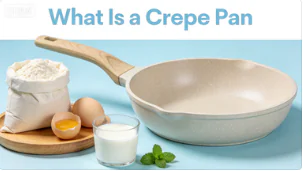
What Is a Crepe Pan? Definition, Features, and Best Uses Explained
Crepes are delicate, thin pancakes enjoyed worldwide, and making them perfectly requires the right cookware. While regular frying pans can do the job, a crepe pan is designed specifically to produce evenly thin, golden crepes with minimal effort. But what exactly is a crepe pan? How is it different from a standard skillet? And can you use it for other cooking tasks like making pancakes or heating tortillas? This guide dives deep into the definition, features, materials, usage tips, seasoning requirements, oven safety, induction compatibility, and more. Whether you’re a beginner home cook or a professional chef, this complete resource will help you understand everything about crepe pans—and how to choose the best one for your kitchen. 1)What Is a Crepe Pan? A Clear Definition and Key Characteristics A crepe pan is a flat, round cooking pan with very shallow or nearly non-existent sides, designed to help spread batter thinly and flip crepes easily. The shape is optimized for speed, control, and smooth release of delicate batter. 1. Low Sides: Why Do Crepe Pans Have Low Sides? The most recognizable characteristic of a crepe pan is its low sides, typically 1–2 cm tall. Low sides offer three major benefits: 1.1 Easy spreading –

Los 10 principales fabricantes de utensilios de cocina en China en 2026: la guía definitiva para mayoristas
Introducción Como uno de los 10 principales fabricantes de utensilios de cocina de China en 2026, Cooker King y Kobach lideran la vanguardia en el mundo en constante evolución de la innovación culinaria. La industria de los utensilios de cocina ha experimentado transformaciones notables, con marcas que se esfuerzan por satisfacer las demandas de los consumidores modernos. Tanto Cooker King como Kobach se destacan como actores ejemplares en el mercado, cada uno de los cuales ofrece una combinación única de asequibilidad, estilo y funcionalidad. Estas marcas, que satisfacen las necesidades de los cocineros aficionados, inspiran la creatividad culinaria en las cocinas de todo el mundo. En este artículo, profundizamos en los modelos de negocio, las categorías de productos más populares, el desarrollo de la marca y los logros de Cooker King y Kobach, mostrando cómo se han labrado su nicho en un panorama competitivo. 1. ¿Cuáles son los principales fabricantes de utensilios de cocina en China en 2026? A medida que la demanda mundial de utensilios de cocina de alta calidad sigue aumentando, China se mantiene a la vanguardia de la industria de fabricación de utensilios de cocina. En 2026, nuestro análisis identifica a diez destacados fabricantes de utensilios de cocina que lideran la innovación y establecen estándares de calidad. Estas empresas varían en su especialización, desde fábricas de utensilios de cocina antiadherentes hasta proveedores de utensilios de cocina de acero inoxidable, satisfaciendo las diversas necesidades de los consumidores. Comprender a estos fabricantes proporciona una visión de la dinámica del mercado de los utensilios de cocina y del potencial de asociaciones exitosas en la distribución mayorista de utensilios de cocina. 1.1
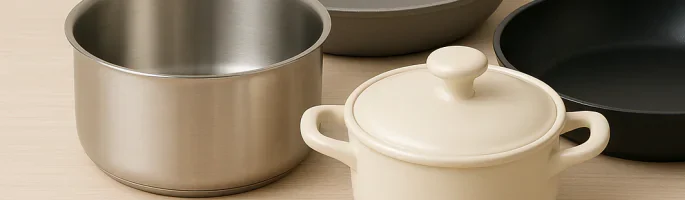
7 datos esenciales y fiables sobre la certificación de utensilios de cocina por material para un comercio más seguro, confiable y global
Introducción En el mercado global actual de utensilios de cocina, la certificación de los utensilios según su material es más importante que nunca. Tanto si es importador, distribuidor o consumidor, es esencial garantizar que los utensilios de cocina sean seguros y cumplan con la normativa. Los utensilios de cocina certificados protegen la salud, garantizan la durabilidad y cumplen con las normas internacionales de calidad y rendimiento. Desde el acero inoxidable hasta el aluminio y los utensilios de cocina con revestimiento cerámico, cada material tiene sus propios requisitos. Por ejemplo, la certificación de los utensilios de cocina de acero inoxidable (como la certificación de acero inoxidable 304 para contacto con alimentos) garantiza la resistencia a la corrosión y la seguridad frente a metales nocivos. Los utensilios de cocina de aluminio deben cumplir con las normas de aluminio anodizado para evitar la reactividad, mientras que los de cerámica requieren la certificación de utensilios de cocina de cerámica sin plomo para confirmar su no toxicidad y durabilidad a altas temperaturas. Esta guía desglosa los aspectos esenciales de la certificación de los utensilios de cocina por material, explica cómo identificar los productos certificados tanto en línea como en las tiendas y ofrece consejos prácticos para adquirir utensilios de cocina seguros y de alta calidad en el sector del comercio internacional. Al final, tendrá una hoja de ruta clara para elegir utensilios de cocina que cumplan con las normas de seguridad globales y las expectativas de los consumidores. 1. Por qué es importante la certificación de los utensilios de cocina por material 1.1 ¿Qué es la certificación de los utensilios de cocina? La certificación de los utensilios de cocina es la validación oficial de que un utensilio de cocina cumple con las normas reglamentarias y de seguridad en cuanto a composición, durabilidad y seguridad en contacto con los alimentos.

Una excelente guía sobre las principales certificaciones mundiales para utensilios de cocina: desde la FDA y la NSF hasta la LFGB
Introducción A medida que la industria de los utensilios de cocina sigue evolucionando, la importancia de la certificación se vuelve cada vez más primordial. La certificación de los utensilios de cocina no solo garantiza el cumplimiento de las normas de seguridad, sino que también sirve como prueba de la calidad y fiabilidad de los productos en un mercado competitivo. Con la creciente concienciación de los consumidores sobre la salud, la seguridad y la sostenibilidad, los fabricantes de utensilios de cocina se enfrentan ahora más que nunca al reto de cumplir diversos requisitos de certificación. Este artículo explora las tendencias futuras en la certificación de utensilios de cocina, incluidas las certificaciones emergentes y el panorama cambiante de las expectativas de los consumidores, y ofrece información valiosa para los fabricantes que desean mantenerse a la vanguardia en este sector tan dinámico. 1. ¿Cuáles son las certificaciones clave que los fabricantes de utensilios de cocina deben conocer? El panorama de la fabricación de utensilios de cocina está en continua evolución, con normas y certificaciones a la vanguardia para garantizar la seguridad y la calidad de los productos. Los fabricantes que deseen tener éxito en los mercados globales deben estar informados sobre las certificaciones esenciales de los utensilios de cocina que validan el cumplimiento de sus productos con los estándares de seguridad y rendimiento. 1.1 Comprensión de las normas de certificación de la FDA La Administración de Alimentos y Medicamentos de los Estados Unidos (FDA) desempeña un papel fundamental en la regulación de las sustancias en contacto con los alimentos, incluidos los utensilios de cocina. Los utensilios de cocina aprobados por la FDA significan que los materiales utilizados en los mismos han sido probados y verificados para cumplir con las normas de seguridad. Esta certificación es crucial, ya que garantiza a los consumidores y

Mega Show Hong Kong 2025: Guía definitiva de utensilios de cocina
Introduction The Mega Show Hong Kong 2025 is set to be a event , bringing together innovators, manufacturers, and buyers from every corner of the world. As the premier sourcing platform in Asia, this exhibition offers an unparalleled opportunity to discover cutting-edge products, connect with industry leaders, and gain insights into the future of kitchenware. Whether you’re a seasoned importer, a retail buyer, or a brand looking to stay ahead of trends, the Mega Show Hong Kong provides the perfect environment to explore everything from smart kitchen technologies to sustainable materials. With its strategic timing and world-class venue, the event is designed to help you navigate the evolving landscape of cookware manufacturing and consumer preferences. This guide will walk you through the must-see highlights, practical tips, and strategies to maximize your experience at Mega Show Hong Kong 2025. 1. Why Should You Attend Mega Show Hong Kong 2025? The mega show hong kong represents Asia’s premier sourcing event for the cookware industry, offering unparalleled access to global innovations and manufacturing trends. This October 2025, the mega show hong kong 2025 edition will gather over 2,000 exhibitors from more than 50 countries, making it an essential destination for importers, distributors, and retailers seeking competitive advantages. Attending

Iron Cookware Manufacturing in China: What Global Buyers Need to Know
Introduction As the culinary world increasingly embraces traditional cooking methods, iron cookware manufacturing, particularly in the form of woks, has gained prominence. Renowned for their durability and exceptional cooking properties, iron woks have become a staple in kitchens worldwide. This article delves into the intricacies of iron cookware manufacturing in China, offering global buyers insights into the production processes, quality control measures, and customization options available. Understanding these elements is essential for organizations looking to source high-quality iron woks and navigate the evolving landscape of sustainable cookware. 1. What is Iron Cookware Manufacturing? Understanding the Basics Iron cookware manufacturing refers to the production process that brings various types of iron cookware, most notably woks, to the market. This process involves several stages, including material selection, casting, finishing, and quality control. Iron cookware is renowned for its durability, heat retention, and healthy cooking properties, making it a popular choice among chefs and home cooks alike. At its core, iron cookware manufacturing leverages the inherent properties of iron, allowing for optimal heat distribution and the ability to withstand high cooking temperatures. This sector has gained immense popularity, particularly in regions where traditional cooking methods are favored. With increasing globalization, countries like China
-2025082606453838.webp)
The manufacturing process of 3 types of aluminum pots – Aluminum pot supplier
At present, the mainstream aluminum pots on the market are made by three processes, namely Die-cast aluminum pot, forged aluminum pot and Stretching aluminum pot . This article provides a detailed introduction to these three processes. Manufacturing Method Raw Material Forming Process Typical Products Advantages Notes Die-cast Aluminum Pot Aluminum alloy ingots (Al-Si series) High-pressure molten alloy injection Non-stick or decorative pots High precision, thin walls, complex shapes Best for mass production of intricate designs Forged Aluminum Pot Pure aluminum / Aluminum alloy sheet Stamping and stretching Medium- to deep-sized pots, soup pots Durable, uniform thickness, lightweight Suitable for regular-shaped pots Stretching Aluminum Pot Aluminum blank (coil or plate) Incremental deep drawing with annealing Deep, seamless pots like milk pans, soup pots Seamless body, smooth surface, structural stability Ideal for deep or regular-shaped cookware 1. Die-cast Aluminum Pot Manufacturing Process Die-cast aluminum pot is a kind of kitchenware obtained by die-casting process, which melts the aluminum alloy liquid into the mold cavity under high pressure and then forms after cooling. Its process is rigorous and interlinked 1.1 Selection of Aluminum Alloy Materials Aluminum cast aluminum pot commonly uses Al-Si series alloys (such as ADC12, A380), which have good fluidity, good
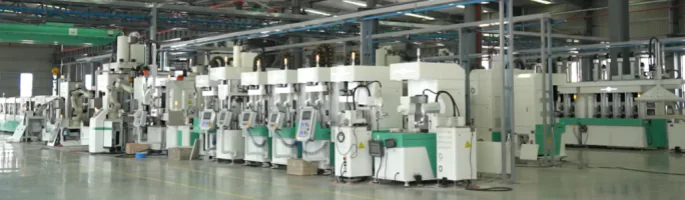
From Raw Steel to Perfect Tumbler — Stainless Steel Tumbler Manufacturing
Introduction At our integrated manufacturing facility, we believe transparent production is the foundation of trust. This post will take you behind the scenes to show how a high-quality stainless steel tumbler manufacturing process works—from raw material to finished product—and how your everyday reliable, high-performance cup comes to 1.Why Choose a Stainless Steel Tumbler for Daily Hydration? When it comes to picking your go-to drink container, a stainless steel tumbler is the smartest choice—and here’s why. First off, it’s all about safety and taste. Unlike plastic, stainless steel won’t leak weird chemicals into your drink. No matter if you’re sipping hot coffee or cold lemon water, your beverage stays pure and fresh-tasting. That’s why stainless steel tumbler manufacturing always uses high-quality food-grade materials like 304 stainless steel—it’s clean and reliable. Then there’s performance. Thanks to vacuum insulated cup production, these tumblers are experts at temperature control. They keep your drinks hot or cold for hours, not just minutes. No more lukewarm coffee or melted ice water. It’s like a thermostat for your hand. Durability? Absolutely. Stainless steel doesn’t break, rust, or hold onto odors. It stands up to daily use—and looks good doing it. Plus, it’s planet-friendly. One steel cup can replace hundreds of disposable bottles.
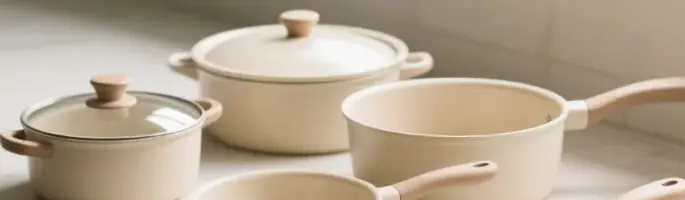
The Complete B2B Guide to Choosing and Sourcing Wholesale Cookware
In the competitive kitchenware market, offering the right cookware range can set your business apart. Whether you’re an importer, wholesaler, or retailer, understanding cookware types, their uses, and sourcing strategies is key to meeting customer demand. This guide will help you identify the right wholesale cookware options and make informed procurement decisions. 1. Why Cookware Variety Matters in Wholesale When it comes to wholesale cookware sourcing, offering a diverse product range is essential for meeting the varied needs of your customers. Different buyers—from retail stores and restaurants to catering services—require different types of cookware. By stocking a wide selection, including cookware sets, stockpots, frypans, and specialty items like woks and grill pans, you ensure your bulk cookware supply can serve multiple market segments effectively. A well-rounded inventory not only attracts more buyers but also reduces the risk of relying on a single product line. This variety gives you the flexibility to respond quickly to changing market trends and customer preferences, making your sourcing strategy more resilient and profitable. In short, focusing on cookware sourcing with variety at its core positions your business to capture a broader share of the wholesale kitchenware market. 2. Main Types of Cookware Choosing the right

Tumbler Supplier: Finding the Right Source for Bulk Orders of Quality Drinkware1
In the ever – expanding market of drinkware, finding a reliable tumbler supplier for bulk orders is a In the dynamic and ever – evolving world of drinkware, securing a dependable tumbler supplier for bulk orders is a pivotal move for businesses spanning the retail, corporate gifting, and hospitality sectors. The ideal tumbler supplier can guarantee the quality, prompt delivery, and cost – effectiveness of your orders. This article will delve into the crucial aspects you need to weigh when selecting a tumbler supplier, including the types of tumblers they offer, the pricing for bulk orders, their sample policies, and their specialization in eco – friendly materials. Water Bottles Wholesale | Auspace 1.What Types of Tumblers Do Tumbler Suppliers Offer? Tumbler suppliers cater to diverse demands with an extensive range of products, each designed for specific uses and preferences. 2.What’s the Average Price for Bulk Tumbler Orders from Tumbler Suppliers? Pricing for bulk orders varies based on material, design, and order size, but most tumbler suppliers follow a consistent range to accommodate different budgets. Most suppliers offer tiered discounts: ordering 1,000 units might lower the per-unit cost by 10–15% compared to 500 units. It’s wise to request quotes from multiple tumbler suppliers to compare value—cheaper
Cookware Manufacturers: Key Factors to Consider When Partnering for Bulk Production
In the competitive landscape of the cookware industry, partnering with the right cookware manufacturers for bulk production is a critical decision that can significantly impact the success of your business. Whether you are a new entrant or an established brand, understanding the key factors involved in this partnership is essential. This article delves into the various aspects you need to consider, including manufacturing processes, certifications, quality control, lead times, and other relevant factors. What Manufacturing Processes Are Used by Cookware Manufacturers? Cookware manufacturers employ a diverse range of processes, each tailored to the type of cookware and the materials used. The choice of manufacturing process affects the quality, durability, and performance of the final product. Can Cookware Manufacturers Produce Cookware with Specific Certifications? Yes, reputable cookware manufacturers can produce cookware with a variety of specific certifications, which are essential for meeting industry standards, ensuring product safety, and gaining consumer trust. When selecting cookware manufacturers, it is important to inquire about their ability to obtain and maintain these certifications. A manufacturer with a proven track record of producing certified cookware is more likely to deliver products that meet your requirements and comply with relevant regulations. How Do I Ensure Quality Control with Cookware Manufacturers? Ensuring quality control
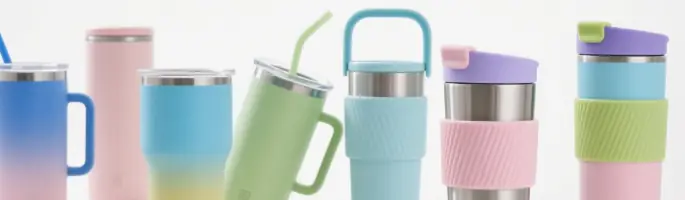
How to Avoid Hidden Costs When wholesale Stainless Steel Tumblers in Bulk
When sourcing wholesale stainless steel tumblers in bulk, many businesses expect straightforward pricing. However, hidden costs can significantly increase your total expenses without warning. From customization fees to shipping charges, understanding where these hidden costs appear is essential to maintaining profitability. Wholesale stainless steel tumblers offer great profit potential, but only if you manage your costs wisely. This guide will help you identify common hidden fees and teach you how to avoid them at every stage of the buying process. Whether you’re a new importer or an experienced distributor, learning these tips can protect your business from unexpected expenses. 1. Understand Product Pricing in Wholesale Stainless Steel Tumblers 1.1 What’s Included in Quoted Stainless Steel Tumblers Prices When you request a price from a wholesale stainless steel tumblers supplier, the first price you receive often covers only the basic product. Many suppliers provide quotes based on standard designs without including customization, logo printing, or special packaging. Understanding what is covered in the quoted price is the first step to avoiding hidden costs. Always confirm whether the quoted price includes basic packaging like individual boxes or bulk cartons. If not, you may face additional charges later. Make sure you ask your

How MOQ and Lead Time Impact Your Choice of Water Bottle Supplier
Choosing the right water bottle supplier is not just about price. For many importers, understanding how MOQ (Minimum Order Quantity) and lead time impact your supply chain is critical. Whether you’re a small buyer or an established wholesaler, knowing how these two factors affect your costs and delivery schedules can help you avoid common sourcing mistakes and select a supplier who meets your business needs. Many businesses struggle with suppliers who demand high MOQ or have long production cycles. If you’re looking for a reliable water bottle supplier for your next bulk order, this guide will help you evaluate supplier offers more clearly. By understanding MOQ limits and lead time risks, you can make smarter purchasing decisions and build a stronger, more efficient supply chain. How to Evaluate MOQ When Selecting a Water Bottle Supplier 1.1 What MOQ Level Is Reasonable for Your Water Bottle Orders MOQ, or Minimum Order Quantity, is one of the first things buyers need to consider when choosing a water bottle supplier. For most small to mid-sized businesses, MOQ directly affects how much they need to invest upfront. A typical MOQ for water bottles from Chinese suppliers ranges from 500 to 3000 pieces per order.

Cookware Suppliers: How to Source High-Quality Products for Your Restaurant or Retail Store
Introduction In the competitive landscape of the cookware industry, establishing and nurturing strong relationships with suppliers is paramount to success. Whether you are sourcing high-quality materials for your restaurant or retail business, or seeking reliable partnerships for OEM cookware manufacturers, the dynamics of supplier relationships significantly influence your operational efficiency and product quality. This article explores essential tips for developing successful relationships with your cookware suppliers, focusing on effective communication strategies and methods to build long-term partnerships. By implementing these strategies, you can create a solid foundation that not only enhances your procurement process but also fosters a collaborative environment ripe for mutual growth. 1. What Makes a Great Cookware Supplier? Finding the right cookware supplier is crucial for ensuring that your restaurant or retail operation thrives. A great supplier does not merely provide products; they become a valuable partner in your business success. So, what makes a cookware supplier stand out from the competition? 1.1 Key Attributes to Consider When evaluating cookware suppliers, there are several key attributes to consider. Firstly, a dependable supplier will have a well-established reputation in the industry. Research online reviews and testimonials to verify their credibility. A supplier with consistent positive feedback indicates reliability
