Introducción
In the bustling environment of a professional kitchen, the reliability of baking tools can make all the difference in achieving culinary excellence. Among these tools, high-quality commercial baking sheets stand out as essential equipment, facilitating the perfect bake for a wide range of delectable treats—from flaky pastries to perfectly roasted vegetables. However, sourcing these crucial items effectively involves navigating an array of brands and retailers while ensuring you receive value without compromising on quality. This guide aims to equip you with insights into trusted brands, effective purchasing tips, and strategies for securing the best deals on commercial baking sheets tailored to your kitchen’s specific needs. Whether you’re running a busy restaurant, bakery, or catering business, making informed choices in this area can significantly impact your culinary success.
What Are Commercial Baking Sheets?
Commercial baking sheets are essential tools in professional kitchens, designed to withstand the rigors of daily baking and food preparation. These sheets, often referred to as restaurant-grade baking sheets or heavy-duty baking pans, are built for superior performance and durability in high-volume settings. Unlike standard home baking sheets, commercial baking sheets are optimized for functionality, allowing chefs to achieve consistent results.
1.1 Definition and Purpose of Commercial Baking Sheets
Commercial baking sheets are flat, rectangular pans made primarily for baking various food items, including cookies, pastries, and pizzas, in a restaurant or catering environment. They are engineered to distribute heat evenly, ensuring that food is cooked perfectly each time. Their larger dimensions, often referred to as full-size commercial baking sheets, allow for greater efficiency, as they can accommodate multiple items simultaneously, helping to streamline food preparation processes.
The purpose of these sheets extends beyond simple baking. They are also used for roasting vegetables and meats, cooling baked goods, and even as surfaces for assembling dishes. This versatility makes them invaluable in a commercial kitchen, as chefs rely on them for numerous tasks throughout the cooking process.
1.2 Key Differences Between Commercial and Home Baking Sheets
The key differences between commercial and home baking sheets lie in their construction, size, and functionality. Home baking sheets typically have a lighter gauge, which may not withstand high temperatures or extended use. In contrast, commercial baking sheets are constructed from heavier materials, often aluminum or stainless steel, allowing them to endure intense baking conditions without warping.
Another significant difference is the size. Home baking sheets usually measure around 13 x 18 inches, which may suffice for family-sized meals, but professional chefs often require larger full-size commercial baking sheets, typically measuring 18 x 26 inches. This size not only fits standard ovens but also provides ample space for multiple trays of food, catering to the demands of busy restaurants.
Moreover, commercial baking sheets often feature special coatings or finishes that enhance their durability and performance. Non-stick baking sheets, available in bulk, allow food to release easily and simplify the cleaning process. Conversely, home baking sheets may not have such robust finishes and can often require more effort to maintain.
In summary, commercial baking sheets are critical in ensuring the efficiency and effectiveness of a professional kitchen environment. Their durable design and larger size make them essential tools for chefs aiming for excellence in food preparation and service.
What Materials Are Best for Commercial Baking Sheets?
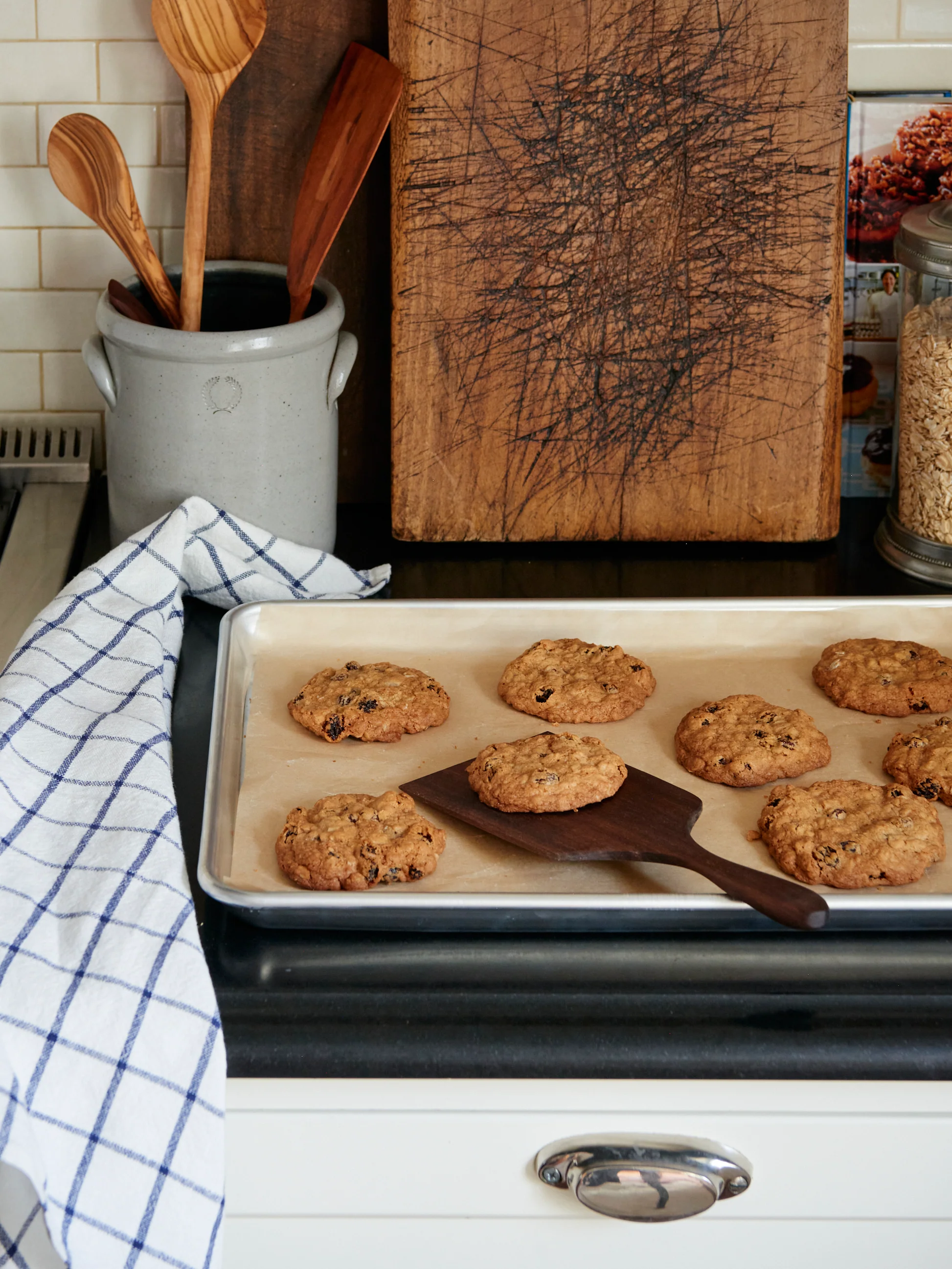
Choosing the right material for commercial baking sheets is crucial for achieving optimal results in a professional kitchen. Various materials offer unique benefits and considerations that can impact the performance and longevity of the sheets.
2.1 An Overview of Popular Materials: Aluminum, Steel, and Non-Stick
The three most common materials for commercial baking sheets are aluminum, steel, and non-stick coatings. Aluminum is favored for its excellent heat conductivity, allowing for even baking and browning. Aluminum commercial baking sheets are lightweight, which makes them easy to handle, and they resist warping under high temperatures. However, they can react with acidic foods, so a protective coating may be necessary in certain applications.
Steel baking sheets offer increased durability, making them perfect for heavy-duty use in a bustling kitchen. They tend to weigh more than aluminum, providing stability during use. Although they heat evenly, they can take longer to reach the desired temperature, so it’s important to pre-heat them adequately before placing food on them.
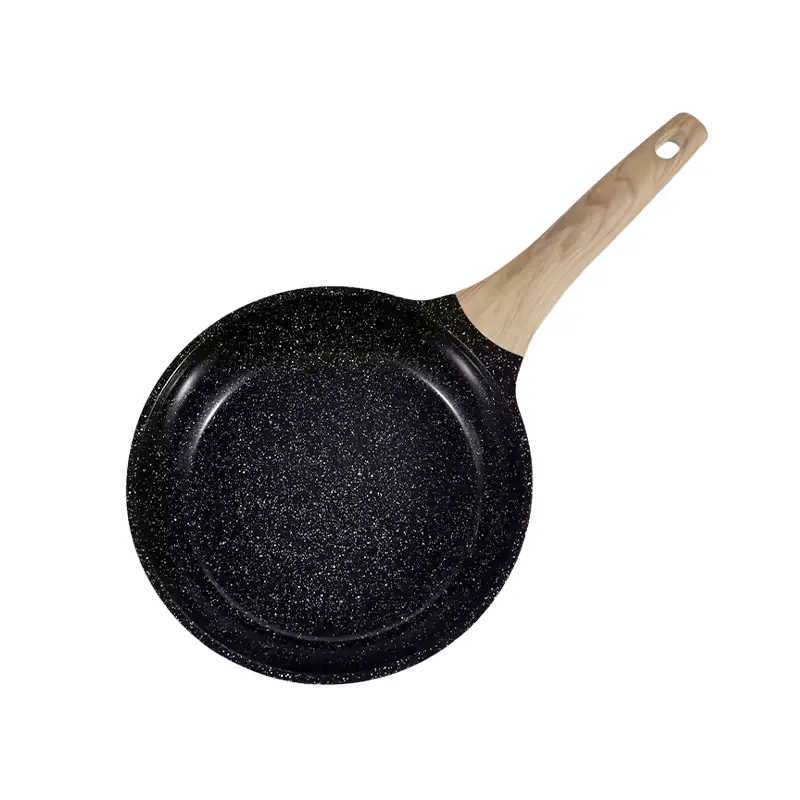
Non-stick baking sheets are increasingly popular due to their convenience and ease of cleaning. These sheets are often coated with a non-stick layer, allowing baked goods to release effortlessly. For operations looking to buy non-stick baking sheets in bulk, it’s vital to choose high-quality options that can withstand frequent use without losing their non-stick properties.
2.2 Pros and Cons of Each Material
When it comes to selecting commercial baking sheet materials, each option has its strengths and weaknesses. Aluminum baking sheets are generally lightweight and can provide excellent heat distribution. However, they may not be compatible with certain acidic foods unless they are anodized or coated. The pros of aluminum include affordability and ease of use, while the cons involve potential reactivity with specific ingredients.
Steel baking sheets, while heavier, offer unparalleled durability and heat retention. This makes them particularly well-suited for heavy-duty applications where longevity is a priority. However, they are often more expensive and may require more maintenance to prevent rust.
Lastly, non-stick baking sheets present an array of advantages, including effortless food release and simplified cleaning. Their downside, however, may include potential wear and tear on the non-stick surface, requiring care in usage and cleaning practices.
In conclusion, when considering materials for commercial baking sheets, weighing the pros and cons is essential in selecting the right fit for your kitchen’s specific needs, ensuring durability, performance, and safety.
Are Aluminum Baking Sheets Safe for Commercial Use?
Aluminum baking sheets are a staple in many professional kitchens due to their lightweight design and excellent heat conductivity. However, concerns regarding their safety for commercial use have arisen over the years, which warrants an in-depth exploration.
3.1 Understanding Aluminum and Health Safety Concerns
Aluminum is a versatile material widely used in kitchenware, including commercial baking sheets. As a conductor of heat, aluminum ensures even baking and browning, making it a preferred choice among chefs. Despite its practical advantages, there are ongoing health discussions surrounding aluminum exposure.
Research has suggested a potential link between aluminum exposure and health concerns, including neurotoxicity. However, it’s essential to note that the vast majority of studies investigating these links have not conclusively proven that aluminum cookware, including commercial baking sheets, poses a significant risk when used appropriately. The American Cancer Society states that the kidneys effectively eliminate aluminum from the body and that it does not appear to accumulate in excess through normal use.
In commercial kitchens, the practical aspect of using aluminum baking sheets involves recognizing their reaction with acidic foods, such as tomatoes and citrus. This reaction can lead to leaching, which may alter the flavor of the food and raises health-related questions. For kitchens that frequently bake with acidic ingredients, opting for anodized aluminum options or coated surfaces may mitigate these risks. These treatments create a barrier between the food and the aluminum, reducing the potential for reaction and ensuring safety for food preparation.
Furthermore, using restaurant-grade baking sheets that adhere to industry regulations can further assure safety. When purchasing aluminum baking sheets, it is advisable to seek those produced by reputable manufacturers that comply with food safety standards.
3.2 Regulations and Safety Standards for Commercial Use
In the realm of commercial food preparation, adherence to safety regulations and industry standards is paramount. The Food and Drug Administration (FDA) oversees food safety practices in the U.S., including guidelines pertaining to food contact surfaces and materials such as aluminum.
Aluminum commercial baking sheets must meet specific safety benchmarks to be deemed safe for use in a professional setting. This includes ensuring they are fabricated from food-grade aluminum, which is designed for direct contact with food substances without imparting harmful substances. Commercial-grade products are often tested to verify their safety and functionality, especially under varying temperatures and types of food.
Additionally, many municipalities and local health departments have their own regulations regarding food safety. These regulations may dictate how materials like aluminum can be used and what types of coatings are permissible. Kitchens should regularly consult local guidelines and comply with safety standards to ensure that all baking tools, including heavy-duty baking pans and non-stick baking sheets, bulk purchases, meet the necessary requirements.
In summary, while aluminum baking sheets are generally safe for commercial use, it is critical to be informed about material properties, potential health implications, and applicable regulations. By selecting high-quality, food-grade materials and abiding by industry standards, establishments can ensure safe food preparation and serve their clientele confidently.
What Size Commercial Baking Sheets Do Restaurants Use?
The size of commercial baking sheets plays a crucial role in their effectiveness and efficiency in professional kitchens. Understanding the common dimensions and determining the best fit for specific cooking needs are essential for optimizing kitchen operations.
4.1 Standard Sizes and Their Applications in Professional Kitchens
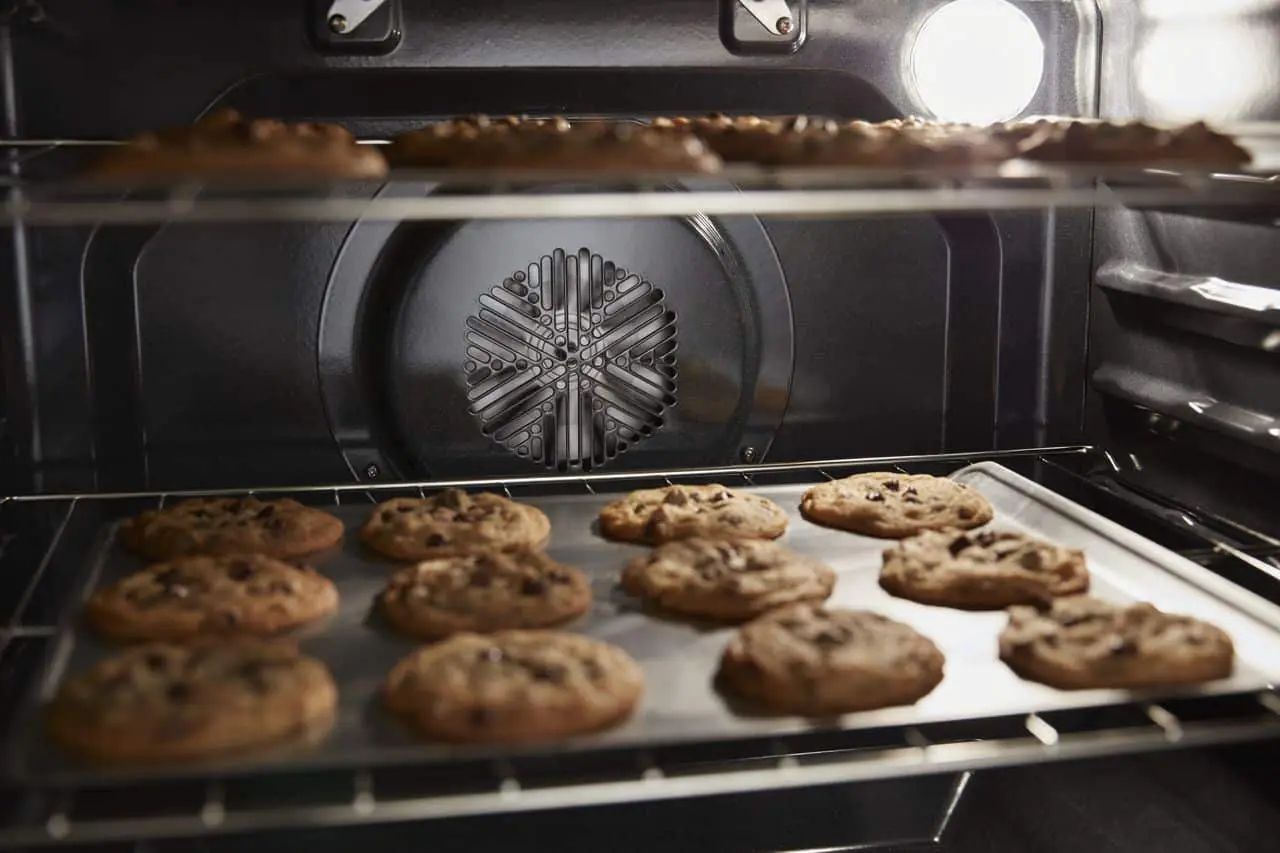
Commercial baking sheets come in various sizes, with standard dimensions varying by region and intended use. In North America, the most common standard size is the full-size commercial baking sheet, which typically measures 18 x 26 inches. This dimensions are particularly advantageous for restaurants and catering businesses that require large-sheet capacity for baking multiple items at once. This size can fit most commercial ovens and is ideal for preparing large batches of cookies, pastries, and even sheet cakes.
Additionally, there are half-size and quarter-size baking sheets, measuring approximately 13 x 18 inches and 9 x 13 inches, respectively. Half-size sheets are excellent for smaller batches or when space in the oven is limited, allowing chefs to execute various tasks without overcrowding. Quarter-size baking sheets, meanwhile, are best suited for specialized tasks, such as roasting or when preparing appetizers or sides for smaller services.
Professional kitchens may also utilize perforated baking sheets, which are specially designed with holes to improve air circulation. These sheets are ideal for items such as bread and pizza, allowing for even baking and a crispier finish, making them indispensable in environments that prioritize quality and consistency.
4.2 Choosing the Right Size for Your Baking Needs
When selecting the appropriate size for commercial baking sheets, several factors need to be considered, including oven dimensions, the volume of food production, and the types of items being baked. For instance, if a restaurant frequently bakes large volumes of cookies or pastries, investing in full-size commercial baking sheets will provide the needed capacity to streamline operations.
Conversely, establishments focusing on fine dining or those with limited kitchen space may prefer smaller baking sheets. In such cases, heavy-duty baking pans in half or quarter sizes can efficiently manage limited resources while still yielding high-quality results.
Moreover, understanding the specific needs of the menu items being prepared is crucial. Restaurants that specialize in delicate or airy pastries may benefit from using perforated baking sheets, as these allow air circulation and contribute to the perfect texture and appearance of the final product.
Ultimately, the decision on the size of commercial baking sheets should reflect the operational needs of the kitchen while ensuring that high standards of food quality and safety are maintained. By choosing the right size, restaurants can enhance productivity and improve overall baking outcomes, ultimately leading to satisfied diners and successful culinary operations.
How to Clean and Maintain Commercial Baking Sheets?
Cleaning and maintaining commercial baking sheets is vital to uphold their performance and longevity. In the fast-paced environment of a professional kitchen, ensuring that these essential tools remain in excellent condition can significantly affect the quality of the baked goods produced.
5.1 Best Practices for Cleaning Different Materials
The cleaning process for commercial baking sheets often varies based on the material used. Understanding the best practices for each type will help maintain their integrity and usability.
Aluminum Baking Sheets
Aluminum baking sheets are popular due to their lightweight and efficient heat distribution. However, they can easily stain or become discolored. For routine cleaning, it is advisable to wash them by hand using a mild detergent and a soft scrub sponge. Avoid using harsh steel wool or abrasive pads, as these can scratch the surface. If stains persist, a mixture of baking soda and water can be applied to the stained area, left for about an hour, and then rinsed off.
It’s important to dry aluminum sheets immediately after washing to prevent water spots and ensure they don’t oxidize.
Steel Baking Sheets
Heavy-duty steel baking sheets require a little extra care. After each use, they should be allowed to cool completely before washing. Soaking them in hot water with mild detergent is effective, followed by scrubbing with a non-abrasive sponge. If grease or residue accumulates over time, a paste of baking soda and water can help remove tough spots.
Unlike aluminum, steel baking sheets may rust if they are not dried properly. It’s crucial to ensure they are thoroughly dried after cleaning, and if rust occurs, it can often be removed with fine steel wool followed by seasoning the pan with a light coat of cooking oil.
Non-Stick Baking Sheets
For non-stick baking sheets, maintain the coating by avoiding high heat (typically above 500°F) and not using metal utensils that could scratch the surface. After use, allow cooling, then wash gently with warm, soapy water and a soft sponge, avoiding abrasive cleaners. For deeper cleaning, a solution of vinegar and baking soda can effectively remove build-up without risking damage to the non-stick coating.
Regular maintenance, depending on the materials, will help ensure that commercial baking sheets continue to perform efficiently, whether they are full-size commercial baking sheets or smaller varieties.
5.2 Tips for Longevity and Performance Maintenance
The longevity and performance of commercial baking sheets can be significantly enhanced through several maintenance tips:
Avoid Extreme Temperature Changes: Subjecting baking sheets to sudden temperature changes—such as placing a hot sheet into cold water—can warp them. Instead, allow sheets to cool gradually before washing.
Seasoning: For steel and aluminum baking sheets, a light seasoning can provide a protective layer that helps prevent food from sticking. This process involves applying a thin layer of oil and heating the sheet in the oven for about an hour. This maintains the integrity and performance of the sheet, especially for heavy-duty baking pans.
Regular Inspection: Regularly check for signs of wear, rust, or warping. By catching these issues early, corrective measures can be taken, extending the lifespan of your commercial baking sheets.
Storage Practices: Proper storage of baking sheets is crucial. Avoid stacking them on top of each other without some form of separator to prevent scratches and warping. Using racks or holders specifically designed for baking sheets can be beneficial.
Purchase Quality Products: Investing in high-quality restaurant-grade baking sheets from reputable perforated baking sheets suppliers can provide better performance and durability. Cheaper alternatives may not withstand the rigors of commercial use effectively.
By incorporating these cleaning practices and maintenance tips, restaurants and bakeries can maximize the lifespan and efficiency of their commercial baking sheets, ensuring they remain reliable tools in any culinary operation.
Which Features Should You Look for in Durable Commercial Baking Sheets?
When selecting commercial baking sheets, identifying the right features is essential for ensuring durability and performance. The right characteristics will enable these tools to withstand the demands of a professional kitchen, ensuring optimal baking and cooking results.
6.1 Heat Resistance and Durability Insights
Durability in commercial baking sheets often starts with their heat resistance. Ideal baking sheets should withstand high temperatures without warping, staining, or degrading. This is particularly important in busy kitchens where sheets may regularly experience extreme heat conditions.
Aluminum baking sheets are known for their excellent conductivity and can typically endure high temperatures up to 500°F. Moreover, heavier gauge aluminum sheets provide better durability and resistance against bending. Steel baking sheets, on the other hand, offer exceptional strength and can withstand even more intense baking cycles.
When evaluating heat resistance, consider full-size commercial baking sheets that are made from materials reinforced to endure frequent and prolonged exposure to heat. Investing in high-quality, heavy-duty baking pans can prevent mishaps during the cooking process, ensuring that the sheets continue to function optimally over time.
6.2 Non-Stick Coatings and Their Advantages
Non-stick coatings have become increasingly popular in commercial baking sheets for their convenience. A non-stick surface allows bakers to easily release baked goods without the need for excessive oiling or flouring, thus streamlining the baking process and minimizing cleanup time.
When selecting non-stick baking sheets, it’s vital to choose options that use PFOA-free coatings to ensure health safety standards are met. High-quality non-stick coatings can endure repeated use without peeling or degrading, making them valuable in fast-paced cooking environments.
One key advantage of non-stick baking sheets is their ability to reduce the amount of oil or fat needed in baking, resulting in healthier food options. Furthermore, the cleaning process is greatly simplified, as these sheets typically require just hot water and a sponge for maintenance.
In summary, when looking for durable commercial baking sheets, focus on heat resistance, material quality, and beneficial features such as non-stick coatings. Both the safety and efficiency provided by these features enhance the utility of baking sheets, promoting successful culinary outcomes in any professional kitchen environment.
Where to Buy High-Quality Commercial Baking Sheets?
Purchasing high-quality commercial baking sheets is essential for any professional kitchen, whether it be a bustling restaurant, a bakery, or a catering service. The right sheets can significantly influence the quality of the baked goods, and investing in durable, reliable products is paramount. As such, it’s important to consider trusted sources and effective strategies when seeking out these critical kitchen tools.
7.1 Trusted Brands and Retailers to Consider
When it comes to acquiring commercial baking sheets, opting for reputable brands and retailers ensures that you receive quality products that can withstand the demands of professional kitchen environments. Some trusted brands known for their exceptional baking sheets include:
Nordic Ware: This company is renowned for its heavy-duty baking pans that ensure even baking and long-lasting performance. Their products are made in the USA and often come with a warranty, providing assurance of quality. Nordic Ware is also known for its innovative designs and commitment to using safe materials.
USA Pan: Known for their restaurant-grade baking sheets, USA Pan combines commercial-grade aluminum construction with a non-stick coating to offer durability and ease of use. Their products are made with an emphasis on high performance and durability.
Wilton: As a long-standing company in the baking industry, Wilton offers a range of non-stick baking sheets that are particularly suitable for all types of baking. They are user-friendly and ideal for both novice and professional bakers.
Chicago Metallic: This brand is synonymous with high-quality baking equipment. Their heavy-duty and perforated baking sheets are especially popular among chefs and culinary professionals due to their excellent heat distribution and non-stick coatings.
In addition to these established brands, it’s wise to consider purchasing from specific retailers that specialize in culinary equipment. Suppliers like WebstaurantStore, Restaurant Depot, and KaTom often provide bulk purchasing options for commercial baking sheets, catering specifically to the needs of foodservice businesses.
Local restaurant supply stores may also offer a selection of high-quality commercial baking sheets, providing the advantage of inspecting products before buying.
7.2 Tips for Finding Best Deals and Quality Products
Finding competitive pricing without sacrificing quality is essential when purchasing commercial baking sheets in bulk or for a professional kitchen. Here are several tips to help you navigate the purchasing process successfully:
Compare Prices Online: Utilize online platforms to compare prices among different retailers and brands. Websites such as Amazon, eBay, and specialized culinary equipment websites can provide valuable price comparisons. Always check for customer reviews, as they can indicate the quality and performance of specific products.
Look for Bulk Discounts: Purchasing non-stick baking sheets in bulk or selecting larger quantities of full-size commercial baking sheets can often yield better pricing. Many retailers and suppliers offer bulk discounts for restaurants and establishments, which can lead to substantial savings over time.
Seasonal Sales and Promotions: Pay attention to sales events, especially during holiday seasons or clearance sales. Retailers frequently offer promotions on culinary tools, making it a perfect opportunity to acquire high-quality baking sheets at reduced prices.
Join Loyalty Programs: Many culinary suppliers have loyalty programs that can provide additional savings and exclusive deals for repeat customers. Signing up may grant access to discounts, early notifications on sales, and rewards for frequent purchases.
Network with Other Professionals: Engaging with peers in the culinary industry can yield recommendations on where to find the best products at competitive prices. Networking can also lead to opportunities for bulk purchasing or group buys, reducing individual costs.
In conclusion, sourcing high-quality commercial baking sheets requires diligence and consideration of factors like brand reputation, retail sources, and pricing strategies. By focusing on trusted suppliers and taking advantage of promotional opportunities, restaurateurs and bakers can ensure they are equipped with the best tools for crafting exceptional baked goods, all while managing costs effectively. With this approach, establishments can thrive in an increasingly competitive market.
Conclusion:
Ultimately, investing in high-quality commercial baking sheets is a crucial step towards elevating your culinary creations and ensuring consistency in your baking results. By focusing on reputable brands, exploring various retail avenues, and utilizing effective purchasing strategies, you can secure the best products for your needs while managing costs efficiently. If you’re ready to enhance your kitchen’s efficiency and quality, don’t hesitate to reach out to us for personalized recommendations or assistance in selecting the perfect baking sheets for your operation. Together, we can help you achieve baking excellence! Contact us today to learn more about our range of products and how we can support your culinary journey.

Lola Zhang es especialista en abastecimiento y mercado de menaje de cocina en Auspace Kitchenware, con años de experiencia en el abastecimiento mayorista de menaje de cocina en China. Ayuda a los compradores a identificar los productos de tendencia, optimizar las compras y gestionar los problemas posteriores a la compra. Con una amplia experiencia en el sector, ofrece consejos sobre cómo adaptarse al mercado y facilitar el abastecimiento. Su experiencia conecta a los compradores con fabricantes chinos de confianza, lo que la convierte en una socia fiable para el abastecimiento eficiente de menaje de cocina.