Selecting the right frying pan size is an essential aspect of cooking that can significantly affect the quality of your meals and your overall cooking experience. Frying pans come in various sizes, each serving unique culinary purposes. Whether you’re a novice cook or a seasoned chef, understanding frying pan sizes can help you choose the perfect one for your cooking needs. In this comprehensive guide, we will explore everything you need to know about frying pan sizes, including a detailed frying pan size guide, measurement techniques, pros and cons of different sizes, and tips for making the best choice.
1.Understanding Frying Pan Sizes
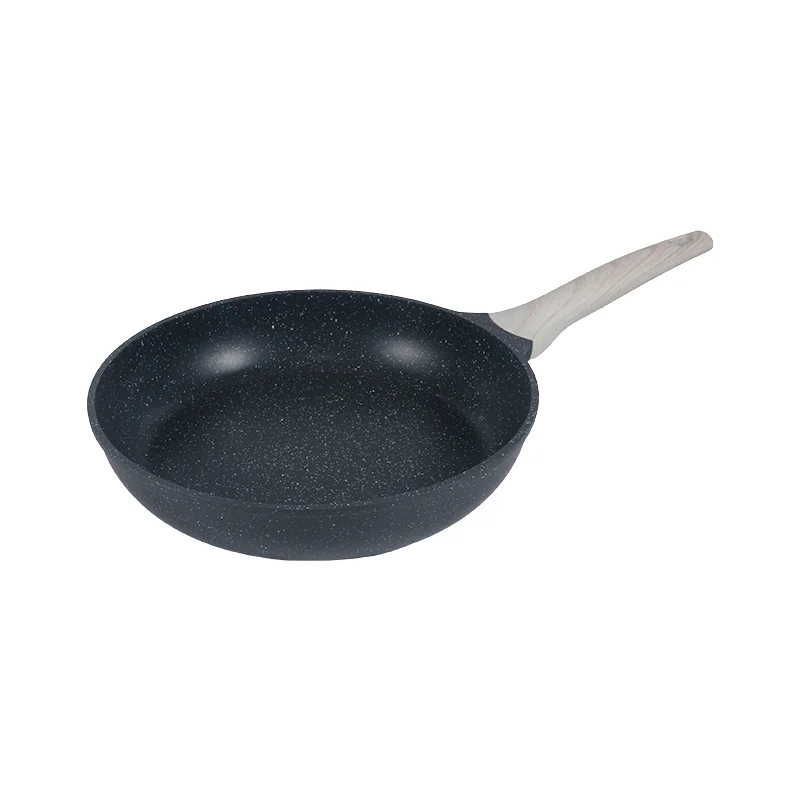
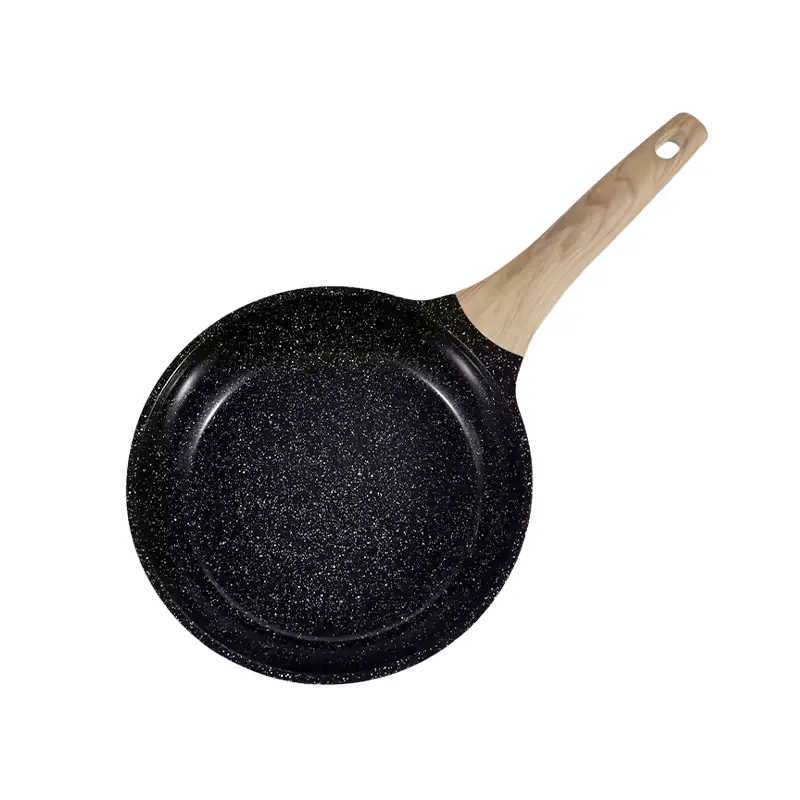
Frying pans, also known as skillets, are versatile kitchen tools used for various cooking techniques, including frying, sautéing, and browning. The size of a frying pan typically refers to its diameter, which can range from small (about 8 inches) to large (14 inches or more). This diameter significantly influences how much food you can cook at once and how effectively you can perform certain cooking techniques.
Importance of Frying Pan Size
Choosing the right frying pan size is crucial for several reasons:
- Cooking Efficiency: A pan that is too small can crowd the food, leading to steaming, while a pan that is too large may cause food to cook unevenly.
- Portion Control: The size of the frying pan directly impacts the number of servings you can prepare. Knowing the correct size helps in meal prepping for families or gatherings.
- Technique Application: Certain cooking techniques, such as searing or sautéing, require specific pan sizes for optimal results.
By understanding how frying pan sizes affect cooking, you can enhance both your culinary skills and your enjoyment of the cooking process.
2.Frying Pan Size Guide: Common Options
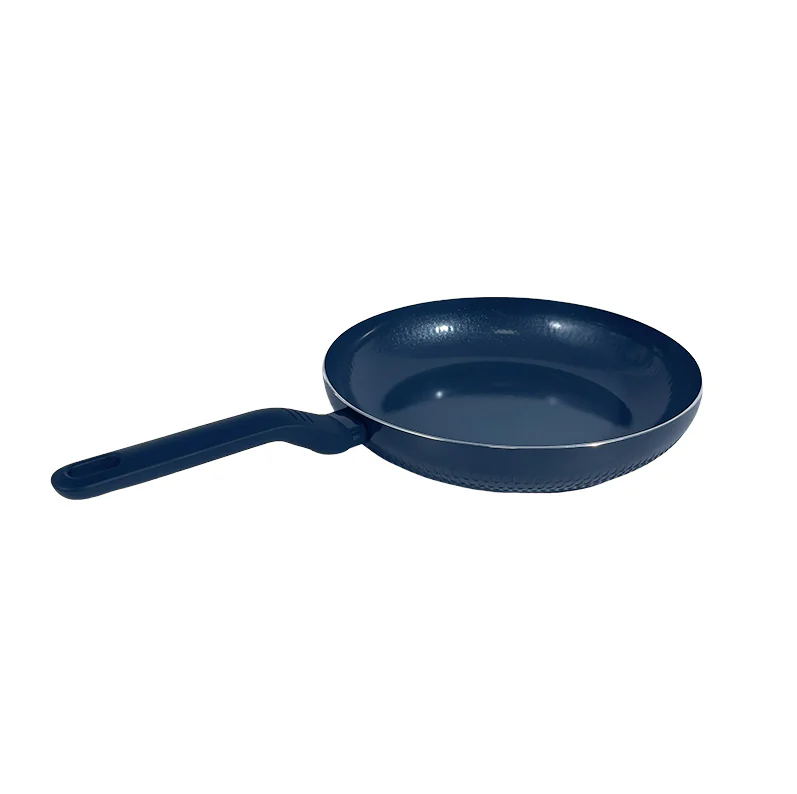
When it comes to frying pan sizes, there are several standard options available. The most common sizes are 8 inches, 10 inches, and 12 inches. Each size serves different cooking needs and purposes, making it essential to choose carefully based on your culinary requirements.
2.1:8-Inch Frying Pan
An 8-inch frying pan is perfect for cooking smaller meals, such as a couple of eggs or individual servings of sautéed vegetables. Here are some characteristics of the 8-inch frying pan:
- Ideal for: Single servings, eggs, and small portions of sautéed veggies.
- Ventajas:
- Takes up less storage space.
- Heats up quickly, making it ideal for quick cooking tasks.
- Contras:
- Limited cooking capacity; not suitable for bigger meals or batch cooking.
10-Inch Frying Pan
A 10-inch frying pan is one of the most versatile sizes and is a popular choice for many home cooks. It offers more cooking space without being overly large, which can be perfect for various tasks.
- Ideal for: Cooking for one or two people, sautéing, and making one-pan meals.
- Ventajas:
- Provides flexibility to cook a variety of meals.
- Suitable for basic frying, sautéing, and pan-searing.
- Contras:
- May still be too small for larger gatherings.
12-Inch Frying Pan
The 12-inch frying pan is a favorite among families and those who enjoy cooking larger portions, featuring ample space for cooking multiple ingredients simultaneously.
- Ideal for: Family meals, stir-fries, and preparing larger quantities of food.
- Ventajas:
- Can accommodate larger batches, perfect for families or meal prepping.
- Excellent for cooking techniques like pan-frying and searing.
- Contras:
- Requires more storage space and is heavier, making it less convenient for some users.
Comparison of Frying Pan Sizes
| Pan Size | Ideal para | Ventajas | Contras |
|---|---|---|---|
| 8 inches | Small meals, single servings | Compact, heats quickly | Limited capacity |
| 10 inches | Versatile cooking for 1-2 | Flexible, suitable for various meals | Can be tight for larger portions |
| 12 inches | Family-sized meals or batch cooking | Ample cooking space | Heavier, larger storage requirement |
Understanding these frying pan sizes helps in choosing the one that best fits your cooking needs and preferences.
How to Choose Frying Pan Size
When deciding on frying pan sizes, several factors come into play. Here are some key considerations that will help you make the right choice:
1. Number of Servings
The number of servings you typically prepare is one of the most important factors in determining the appropriate frying pan size.
- For Singles or Couples: If you cook for yourself or a partner, an 8-inch or 10-inch frying pan should suffice.
- For Families: If you often cook for a group, opt for a 12-inch or larger frying pan to accommodate bulk cooking.
2. Types of Food
The type of food you commonly prepare can also guide your choice in frying pan sizes.
- Small Items: If you frequently cook eggs, pancakes, or sandwiches, smaller pans work well.
- Larger Dishes: If you enjoy making stir-fries, casseroles, or roasted vegetables, a larger size will help you cook everything evenly without overcrowding.
3. Cooking Techniques
Certain techniques work best with specific frying pan sizes. For instance:
- Sautéing: A pan that is too small can lead to steaming your food rather than sautéing. A 10- or 12-inch pan allows for better heat distribution.
- Searing: A larger pan enables the proper searing of meat without overcrowding, which could prevent proper browning.
Tips for Decision Making
- Experiment: Don’t hesitate to try different sizes to see what works best for your cooking style.
- Consider Storage: Make sure you have enough cabinet or drawer space for the frying pan you choose.
By carefully considering these factors, you can choose the frying pan size that is best suited to your cooking habits.
Family-Sized Frying Pan Options
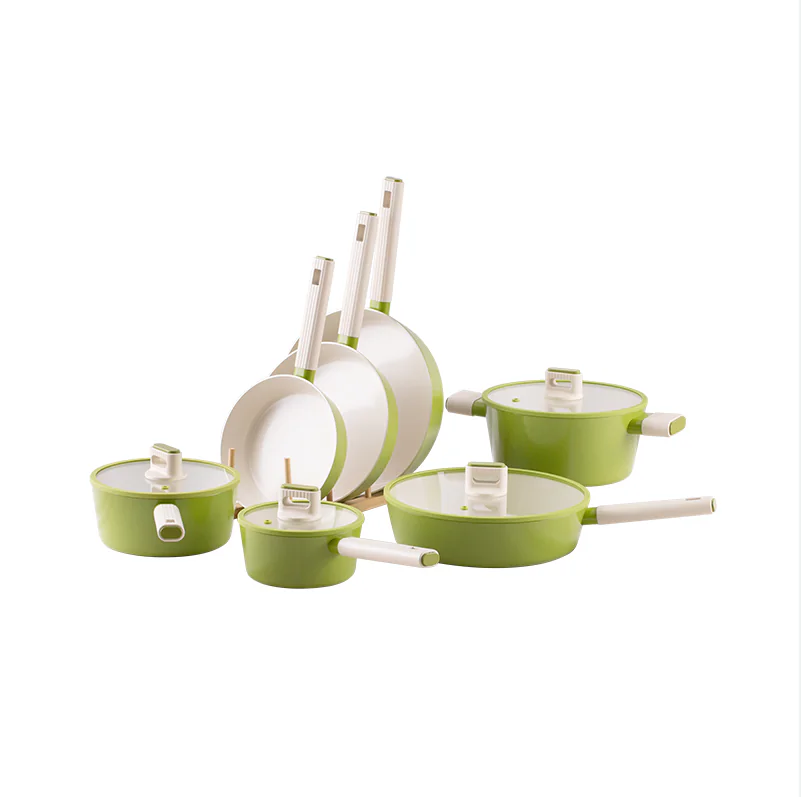
Family-sized frying pans are typically larger, usually ranging from 12 inches to 16 inches in diameter. These pans are designed for cooking larger meals or meal prepping, making them an ideal choice for families. Here are some tips on choosing and utilizing family-sized frying pans:
Benefits of Family-Sized Frying Pans
- Batch Cooking: Great for preparing meals in advance, such as stir-fries or frittatas.
- Feeding Larger Groups: Ideal for family gatherings, ensuring everyone gets served without needing to prepare multiple batches.
- Versatile Use: Suitable for various cooking techniques, including frying large cuts of meat or multiple servings of vegetables.
Choosing the Right Family-Sized Frying Pan
- Material Matters: Consider materials such as stainless steel or cast iron, which provide even heat distribution and durability, especially for larger pans.
- Handle Design: Ensure the frying pan has a sturdy handle that provides balance when lifting and moving.
- Weight: A heavier pan may be more durable, but make sure it’s manageable for you.
Recommended Sizes for Families
For families, a 12-inch frying pan is a practical choice, providing ample cooking space. If you often entertain or cook large meals, consider a 14-inch or even a 16-inch frying pan to accommodate larger batches and a variety of ingredients.
Pan Diameter Measurement: How to Know Your Size
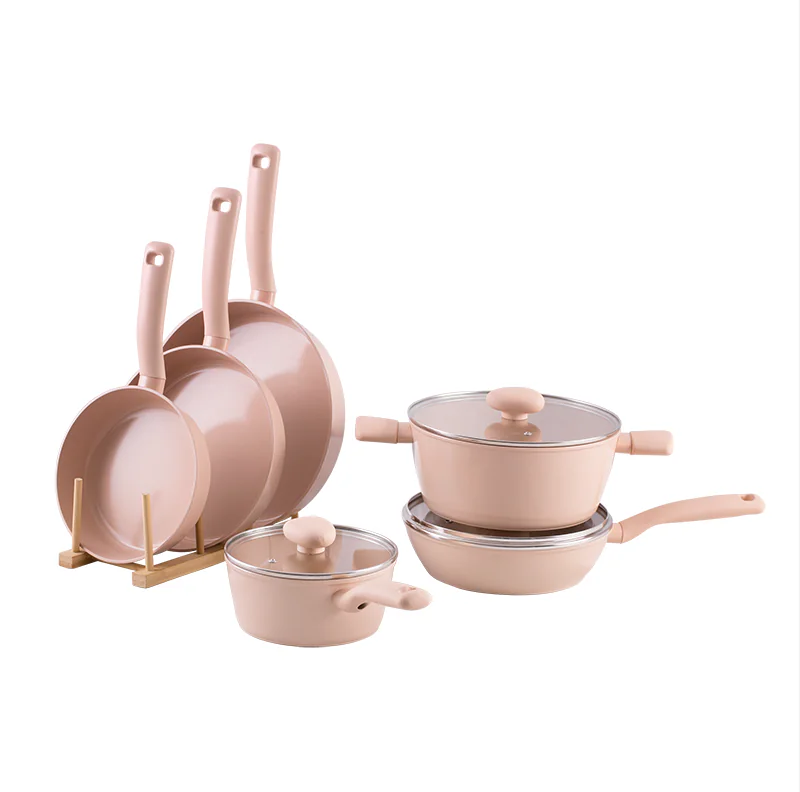
Knowing how to measure frying pan sizes correctly is crucial for understanding what you need for your kitchen. Here’s a step-by-step guide on how to measure frying pan size accurately:
Step 1: Gather Your Tools
You will need a measuring tape or a ruler for this process.
Step 2: Measure the Diameter
- Place your frying pan upside down on a flat surface.
- Use the measuring tape or ruler to measure the distance between the edges of the pan, crossing through the center.
- Make sure you’re measuring from the outer edge to outer edge for accurate size.
Step 3: Record the Size
- Write down the measurement in inches. This will help you compare with manufacturer specifications for frying pan sizes.
Considerations for Accurate Measurement
- Check the Manufacturer’s Specs: Often, manufacturers will provide size specifications on the packaging or online product listings.
- Distinguish Between Usable Surface and Total Diameter: Remember that the usable cooking surface may be slightly smaller than the total diameter, especially if the pan has high sides.
Comprensión pan diameter measurement ensures that you choose the right frying pan sizes that meet your cooking needs.
Pros and Cons of Different Frying Pan Sizes
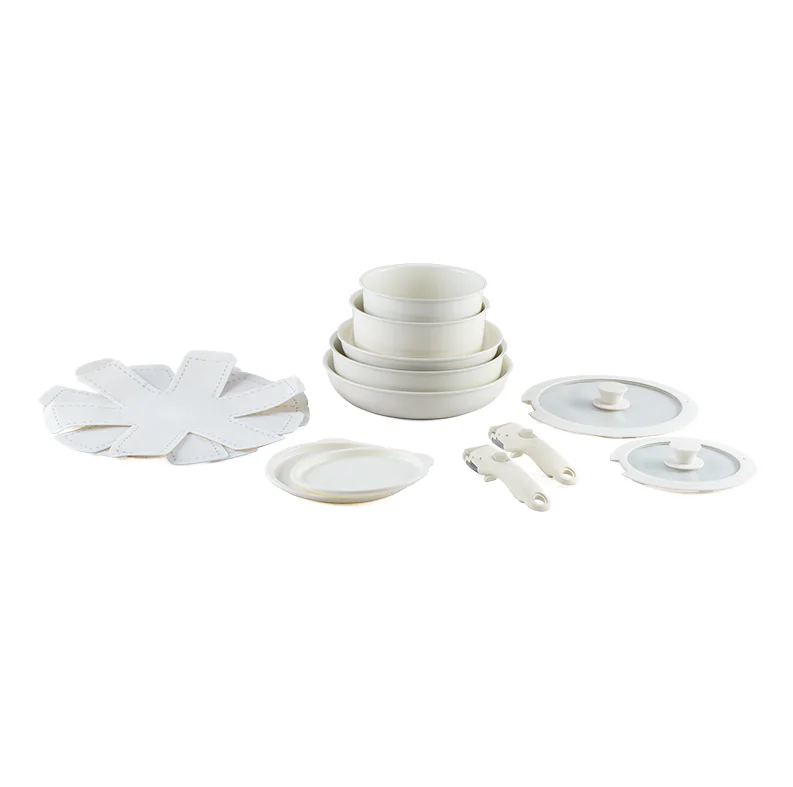
Each frying pan size has its unique advantages and disadvantages. Analyzing the frying pan size pros and cons will help guide your purchasing decision.
8-Inch Frying Pan Pros and Cons
- Ventajas:
- Perfect for small tasks like scrambling eggs or frying a single pancake.
- Lightweight and easy to maneuver.
- Contras:
- Limited cooking capacity may require multiple batches for larger meals.
- Not ideal for certain cooking techniques that require more surface area.
10-Inch Frying Pan Pros and Cons
- Ventajas:
- Versatile for different cooking styles, ideal for one-pot meals.
- Good balance of size and usability—great for various recipes.
- Contras:
- May not be large enough for cooking large portions or entertaining.
- Can feel confined for certain dishes, like stir-fries.
12-Inch Frying Pan Pros and Cons
- Ventajas:
- Excellent for cooking a variety of foods, making it a staple in many kitchens.
- Suitable for family-sized meals and large gatherings.
- Contras:
- Heavier and may require more storage space.
- Potentially excessive for simple, single-serving meals.
Key Takeaways on Frying Pan Sizes
- Choose Based on Needs: Selecting a frying pan size should be dictated by your cooking habits and the types of meals you prepare most often.
- Balance Size and Versatility: Consider how versatile the frying pan will be across different cooking styles, ensuring it meets multiple needs.
- Invest in Quality: Prioritize quality materials and construction, especially for larger pans that will likely see heavy use.
Conclusión
Choosing the right frying pan size is not just about aesthetics; it directly impacts your cooking experience and meal quality. Understanding the differences among frying pan sizes—looking closely at 8-inch, 10-inch, and 12-inch pans—empowers you to select the right tool for your culinary needs.
This guide has provided insights into evaluating frying pan sizes, understanding their pros and cons, measuring accurately, and making informed choices. Whether you’re cooking for yourself, a partner, or a family, taking the time to choose the right frying pan will enhance your kitchens and delight those you cook for.
Investing in the right frying pan supports your culinary adventures, allowing you to explore new recipes and cooking techniques confidently. Embrace the journey of selecting the right frying pan size, and you’ll soon discover its impact on your culinary creations!

Nathan is a Kitchenware Compliance & Sourcing Advisor at Auspace Kitchenware, with years in China’s kitchenware sourcing and global market fit. He works with Chinese factories to ensure quality, FDA/CE compliance, and alignment with buyers’ needs.With cross-border trade background, he guides on certification, quality checks, and cost-optimized sourcing. His expertise connects buyers to China’s manufacturers, making him a trusted resource for compliant kitchenware.