Cookware terminology can be confusing for home cooks and even more so for beginners who just want to know which pan to use and why. Among these often-misunderstood pieces is the sauteuse pan—a versatile, rounded cooking vessel used by both professional chefs and enthusiastic home cooks. If you’ve heard the term but aren’t quite sure what makes it different from a sauté pan, Dutch oven, frying pan, or saucepan, this guide will give you a clear and complete understanding.
This article explains what a sauteuse pan is, what it is used for, what you can cook in it, y how it compares to other cookware. By the end, you will know whether you truly need a sauteuse pan in your kitchen and how to choose the right one.
What Is a Sauteuse Pan? Definition, Shape, and Key Characteristics
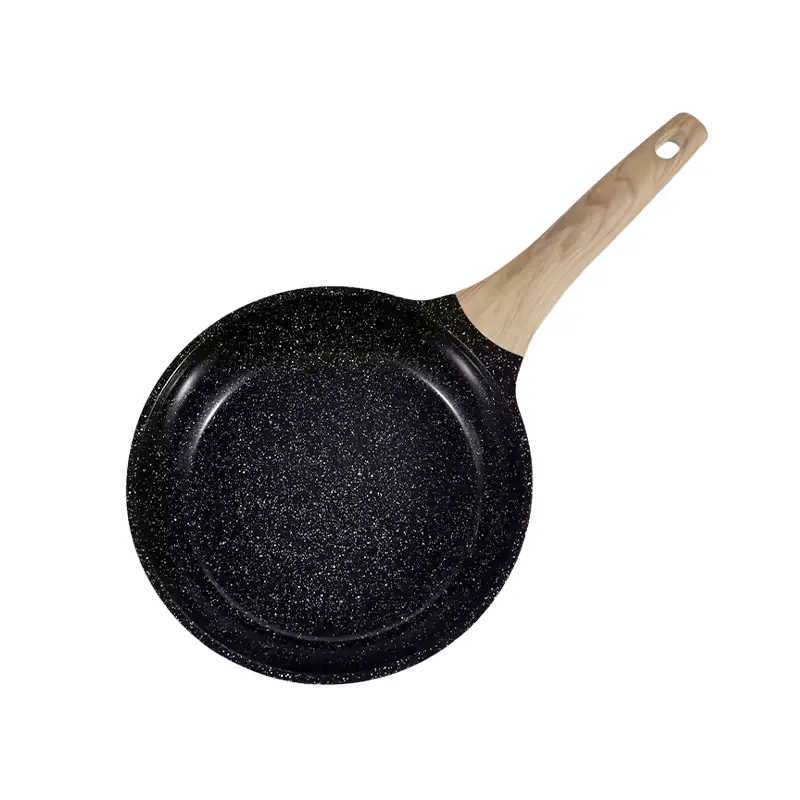
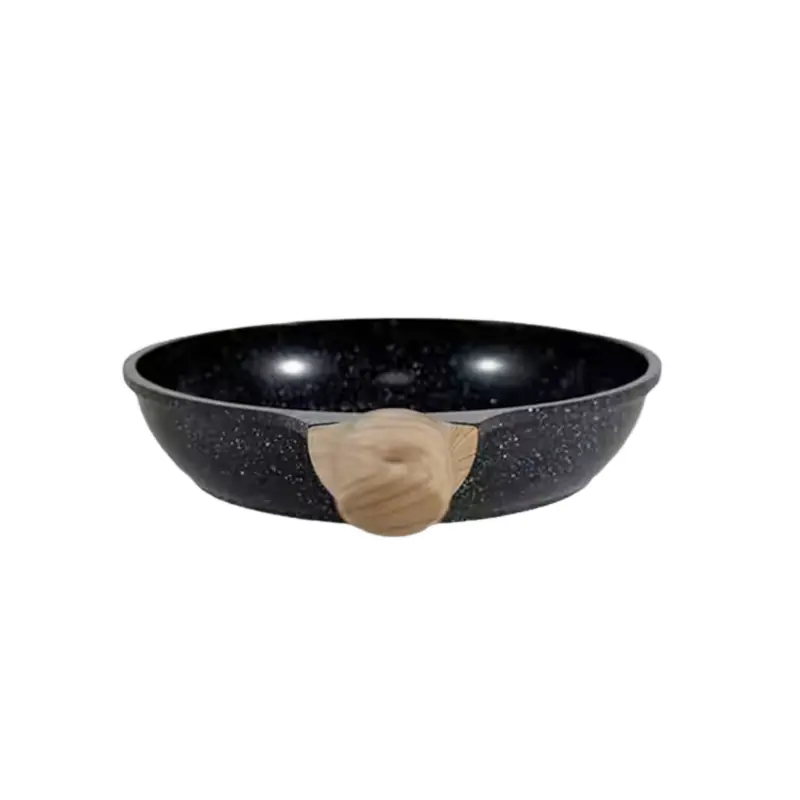
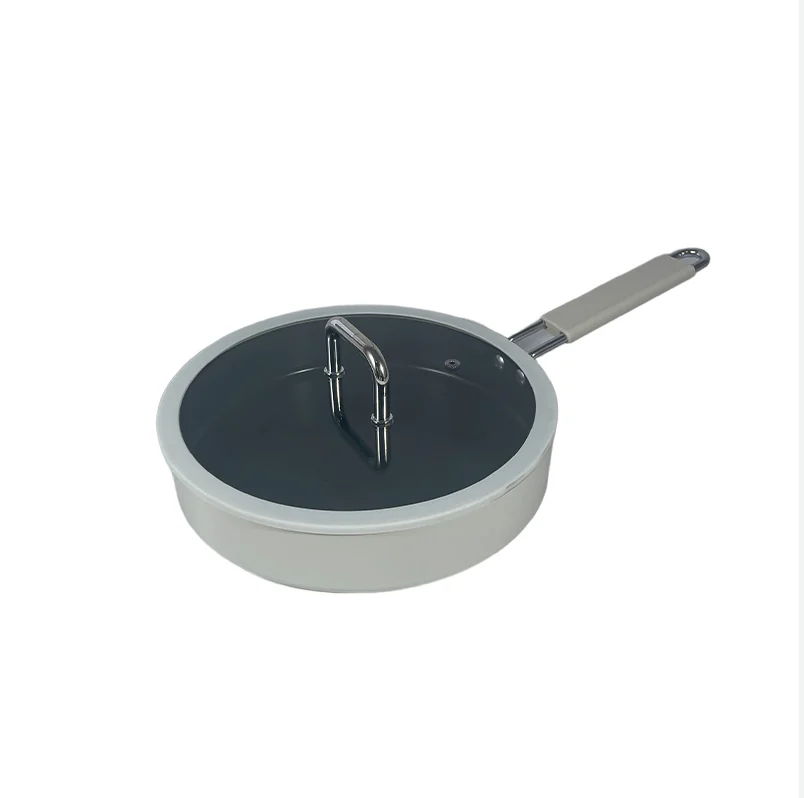
A sauteuse pan is a wide, moderately deep pan with sloped, rounded sides and a broad cooking surface, usually paired with a tight-fitting lid. Its shape sits somewhere between a saucepan, a sauté pan, and a shallow Dutch oven—giving it exceptional versatility for wet and dry cooking methods.
1. Core Characteristics
1.1 Rounded, curved interior for smooth stirring
1.2 Medium-deep walls that prevent splashing
1.3 Wide opening for evaporation and sauce reduction
1.4 Two loop handles or one long handle plus a helper handle
1.5 Made from stainless steel, tri-ply, cast iron, or nonstick materials
1.6 Common sizes: 2.5 to 5 quarts (2.4L–4.7L)
The rounded sides are particularly important. Unlike a sauté pan with straight sides, the sauteuse encourages continuous stirring and helps liquids move and reduce evenly. This shape makes it ideal for risotto, sauces, curries, braises, and one-pan meals.
1) What Is a Sauteuse Pan For? Understanding Its Main Cooking Purpose
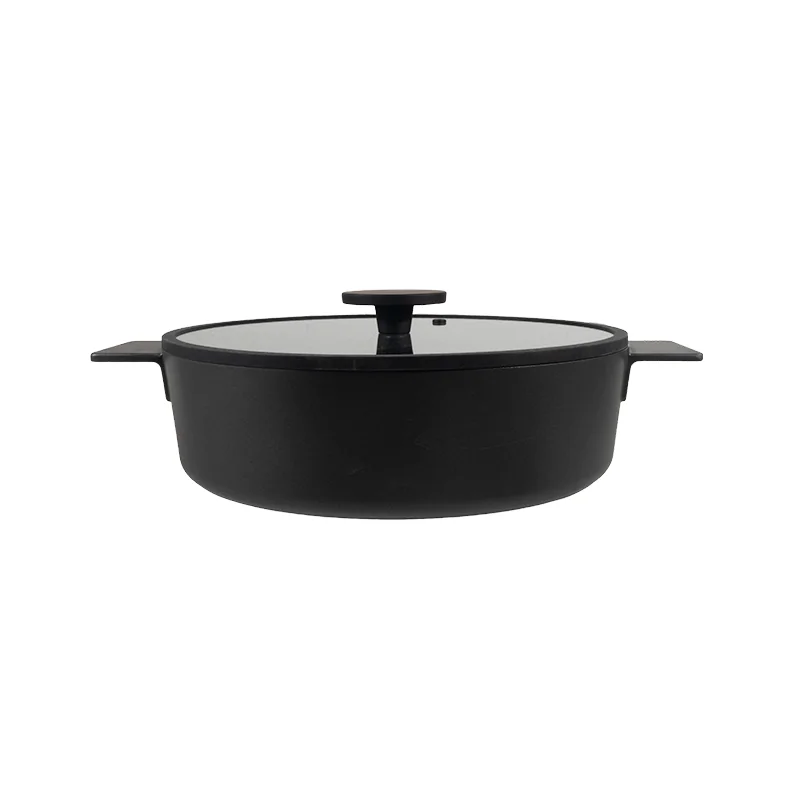
The sauteuse pan’s geometry directly defines its purpose. Its rounded sides and wide surface allow for both gentle simmering and vigorous stirring, making it an excellent hybrid pan for dishes that transition from browning to simmering.
1. Why the Shape Matters
1.1 The curved bowl-like interior is excellent for stirring creamy dishes like risotto without ingredients getting stuck in corners.
1.2 The wide mouth encourages evaporation, helping sauces thicken faster.
1.3 The moderate depth is perfect for dishes featuring both liquids and solids, such as braises or stews.
2. Primary Functions
2.1 Sautéing vegetables and aromatics
2.2 Simmering sauces and reducing liquids
2.3 Braising meats before slow cooking
2.4 Cooking rice-based and one-pot dishes
2.5 Making custards, creams, and roux-based sauces
Its flexibility makes it a favorite among cooks who want one pan that can perform dozens of different cooking tasks.
2) What Can You Cook in a Sauteuse Pan? Versatile Everyday Uses
One of the main advantages of a sauteuse pan is how many dishes it can handle. It overlaps with the roles of a skillet, saucepan, stockpot, and braiser, often replacing all of them for small to medium batches.
1. Popular Dishes Made in a Sauteuse
1.1 Risotto: The rounded bottom is ideal for stirring continuously.
1.2 Stews & soups: Its depth makes it suitable for small batches.
1.3 Curries & chili: Spices can be sautéed first, then liquids added.
1.4 Pasta dishes: Make sauce and toss pasta in one vessel.
1.5 Paella or pilaf: Even heating and evaporation help create texture.
1.6 Creamy sauces: Alfredo, béchamel, and cheese sauces benefit from its rounded surface.
1.7 Braising chicken: Sear first, then simmer with the lid on.
2. Unexpected Uses
2.1 Baking bread (with cast iron or oven-safe models)
2.2 Shallow frying small amounts of food
2.3 Searing steaks or pork chops
2.4 Deglazing and reducing wine sauces
Few pans are this adaptable while still easy to maneuver and clean.
3) Do I Need a Sauteuse Pan? Should You Add One to Your Kitchen?
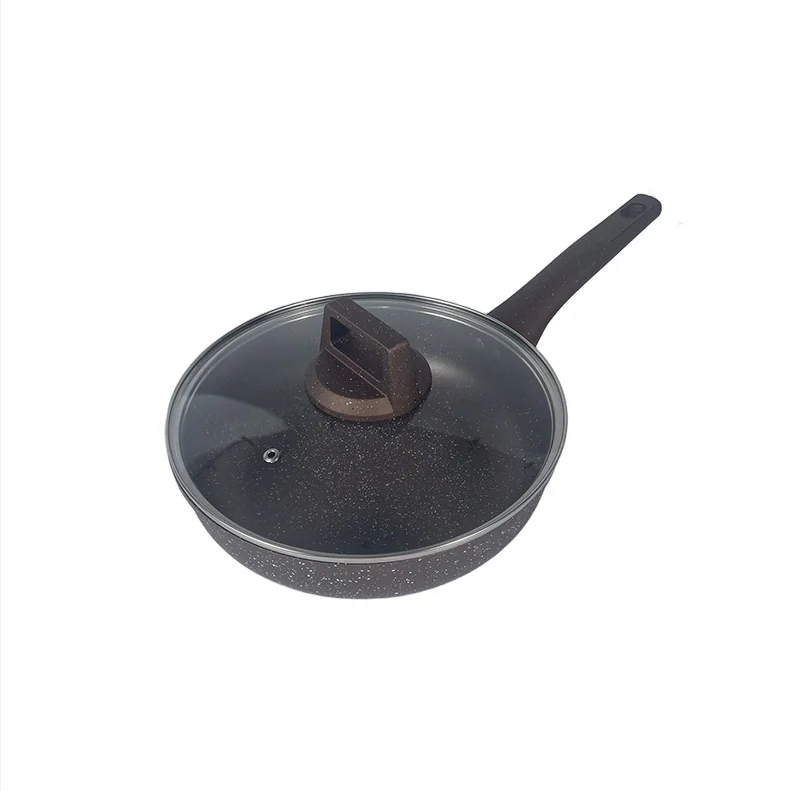
Not everyone needs a sauteuse pan, but most cooks who buy one discover it becomes one of the most-used items in their kitchen.
1. You Need a Sauteuse Pan If:
1.1 You enjoy one-pot meals.
1.2 You frequently make sauces, stews, or risotto.
1.3 You want a pan that can go from stovetop to oven (depending on material).
1.4 You want to replace multiple pans with a single, flexible tool.
2. You Might Not Need One If:
2.1 You already own a sauté pan, Dutch oven, and deep skillet and use them regularly.
2.2 You rarely cook anything involving simmering or sauce reduction.
Most home cooks find the sauteuse pan occupies a perfect middle ground—neither as heavy as a Dutch oven nor as shallow as a skillet, but capable of performing many of the same tasks.
4) What Is the Difference Between a Dutch Oven and a Sauteuse Pan?
Though they share similarities, these two pieces of cookware behave very differently.
Dutch Oven vs. Sauteuse Pan: Key Differences
1. Shape & Structure
Dutch Oven: Very deep, straight sides, narrow opening.
Sauteuse: Moderate depth, sloped sides, wide opening.
2. Heat Retention
Dutch ovens (especially cast iron) retain heat longer, making them ideal for slow braises, stews, and baking.
Sauteuse pans heat more quickly and cool more easily, giving better control for sautéing and reducing.
3. Cooking Techniques
A Dutch oven shines in high-moisture, long-duration cooking.
A sauteuse is designed for combining sautéing with simmering, especially dishes requiring frequent stirring.
Which Should You Choose?
Choose a Dutch oven para:
Large stews, roasts, bread baking, slow-cooked meals
Choose a sauteuse pan para:
Risotto, creamy dishes, pan sauces, quick braises, weeknight cooking
Many kitchens benefit from having both, but if you cook more frequently on weekdays, the sauteuse may be more practical.
5) What Is the Difference Between a Frying Pan and a Sauteuse Pan?
Home cooks most often confuse these two because both can sauté food, but the differences are significant.
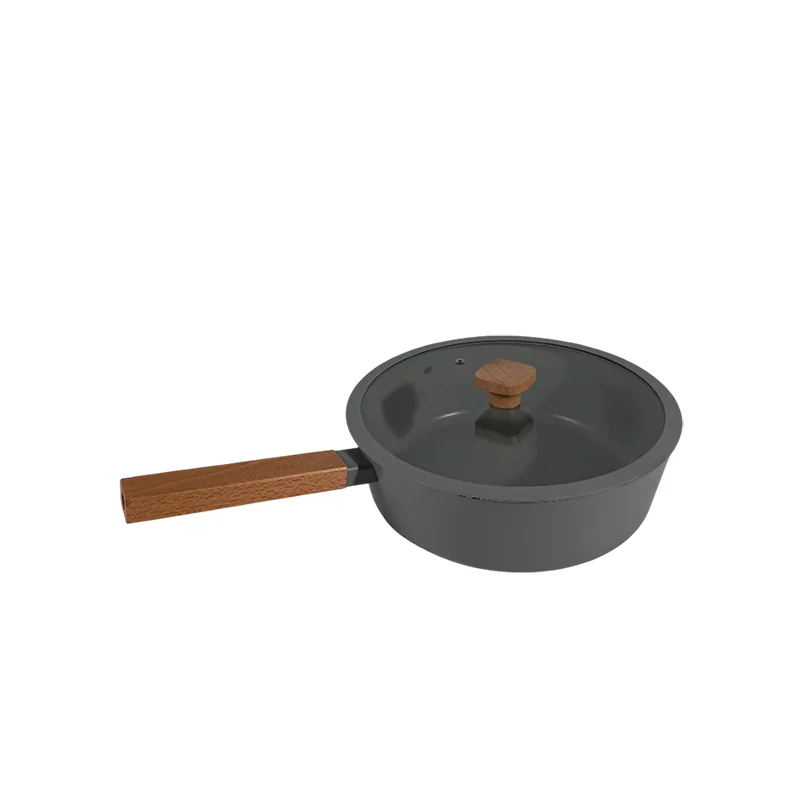
1. Frying Pan (Skillet) Characteristics
1.1 Shallow with sloped sides
1.2 Optimized for high-heat cooking and browning
1.3 Excellent for dry-heat methods like searing or frying
2. Sauteuse Pan Characteristics
2.1 Deeper with rounded sides
2.2 Better for containing liquids and stirring
2.3 Suitable for both wet and dry cooking
3.Key Differences
3.1 Depth: A frying pan is shallow; a sauteuse is moderately deep.
3.2 Stirring: The sauteuse’s curved bowl is better for stirring sauces.
3.3 Liquid Cooking: The sauteuse excels in recipes requiring simmering or reduction.
3.4 When a Frying Pan Isn’t Enough
If you try to make risotto, stew, or curry in a frying pan, ingredients will spill easily and liquids won’t reduce evenly. This is exactly when a sauteuse pan takes over.
6) Sauteuse Pan vs. Sauté Pan: Common Confusion Explained
Another common misunderstanding is between the sauteuse pan and the sauté pan.
Sauté Pan: Straight, vertical sides; Larger cooking surface; Excellent for browning and searing
Sauteuse Pan: Sloped, rounded sides; Ideal for stirring and simmering; Better for saucy dishes or reductions
Which Is Better for What?
Choose a sauté pan for tasks requiring max browning (cutlets, stir-fries).
Choose a sauteuse pan for cream-based dishes, rice dishes, and reductions.
They complement each other, but the sauteuse is usually easier for everyday cooking.
7) Best Materials and Features to Consider When Buying a Sauteuse Pan
Not all sauteuse pans are created equal. Depending on your cooking style, the material you choose will change the pan’s performance.
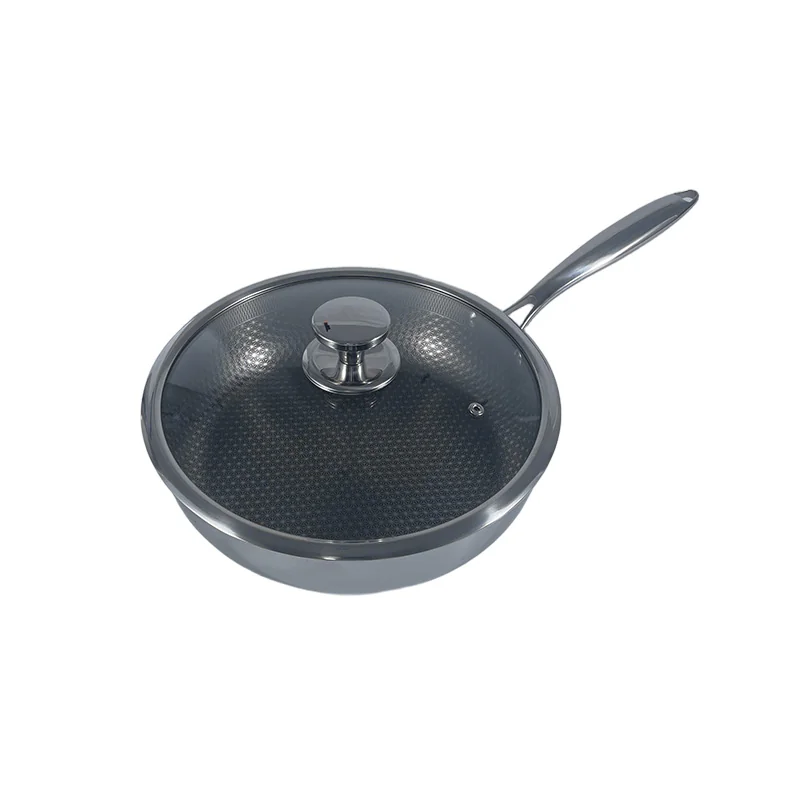
1. Stainless Steel (Tri-Ply or Multi-Ply)
1.1 Even heating
1.2 Great for browning + simmering
1.3 Durable and dishwasher-safe
1.4 Perfect for versatile home cooking.
2. Enameled Cast Iron
2.1 Excellent heat retention
2.2 Oven-safe for baking and braising
2.3 Works beautifully for bread and stews
2.4 Heavier but extremely reliable.
3. Nonstick
3.1 Easy to clean
3.2 Requires low to medium heat
3.3 Best for eggs, delicate dishes, and low-fat cooking
3.4 Not ideal for high-heat browning.
4. Hard-Anodized Aluminum
4.1 Lightweight
4.2 Consistent heating
4.3 Often combined with nonstick coatings
4.4 Great for everyday cooking with minimal sticking.
8) How to Use a Sauteuse Pan Properly: Cooking Tips & Techniques
To get the best performance from your sauteuse, follow these simple guidelines.
1. Preheat the Pan
Let the pan heat gradually before adding oil. This prevents sticking and promotes even cooking.
2. Avoid Overfilling
Overcrowding prevents browning and slows evaporation—especially important for risotto and sauces.
3. Stir Frequently
The rounded bottom makes continuous stirring easy, which is why the sauteuse excels at creamy dishes.
4. Use the Lid Wisely
4.1 Lid on: Retains moisture for braising, simmering, or steaming.
4.2 Lid off: Encourages reduction for sauces or risotto.
5. Transition With Care
If your sauteuse pan is oven-safe, always check the handle material before transferring it.
9) Cleaning and Maintenance Guide for Sauteuse Pans
Different materials require specific care to maintain performance and longevity.
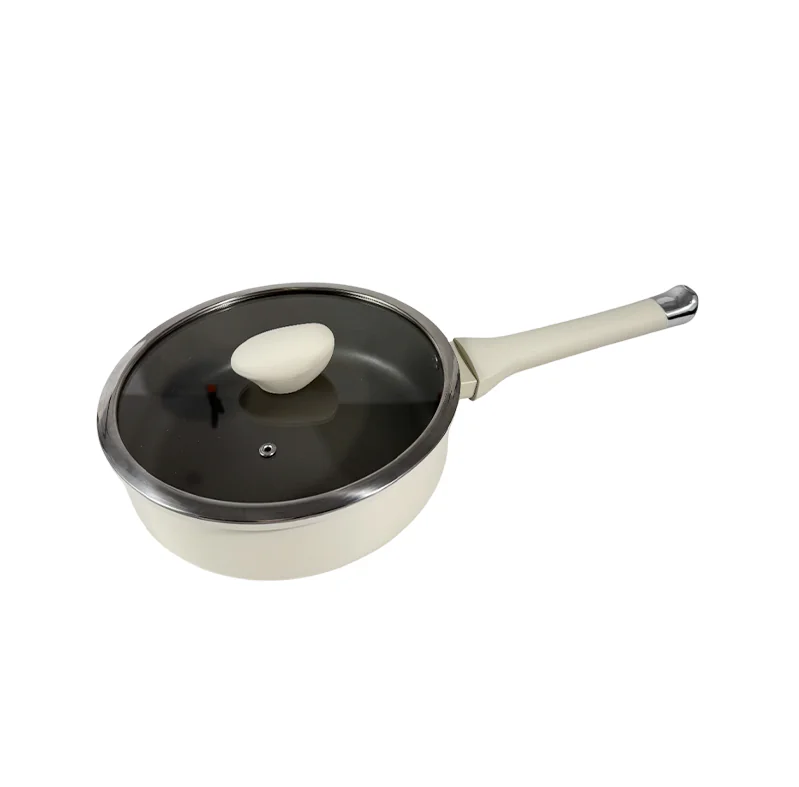
1. Acero inoxidable
1.1 Use hot water and dishwasher detergent or baking soda.
1.2 For stubborn marks, simmer water with vinegar.
2. Enameled Cast Iron
2.1 Avoid metal utensils.
2.2 Do not use thermal shock (cold water on a hot pan).
3. Nonstick
3.1 Avoid high heat and metal tools.
3.2 Hand wash to extend lifespan.
4. Cast Iron
4.1 Keep it seasoned.
4.2 Never soak in water; dry immediately.
Proper maintenance ensures your sauteuse pan lasts for years.
Conclusion: Is a Sauteuse Pan Worth It for Your Kitchen?
A sauteuse pan is one of the most versatile cookware pieces you can own. It combines the sautéing ability of a skillet, the simmering power of a saucepan, and the gentle cooking control of a Dutch oven—all in one beautifully rounded pan. If you frequently cook sauces, risotto, curries, braises, or one-pot meals, a sauteuse pan will quickly become a favorite tool.
Understanding the major differences between a Dutch oven, frying pan, sauté pan, and sauteuse pan helps you choose the right cookware for your cooking style. And for most households, the sauteuse pan hits the sweet spot: lightweight enough for everyday meals, but powerful enough to tackle more advanced recipes.
Whether you’re a casual home cook or someone building a professional-grade cookware collection, a sauteuse pan is a practical, multifunctional, and worthwhile addition to your kitchen.

Nathan is a Kitchenware Compliance & Sourcing Advisor at Auspace Kitchenware, with years in China’s kitchenware sourcing and global market fit. He works with Chinese factories to ensure quality, FDA/CE compliance, and alignment with buyers’ needs.With cross-border trade background, he guides on certification, quality checks, and cost-optimized sourcing. His expertise connects buyers to China’s manufacturers, making him a trusted resource for compliant kitchenware.