





What Is a Crepe Pan? Definition, Features, and Best Uses Explained
Crepes are delicate, thin pancakes enjoyed worldwide, and making them perfectly requires the right cookware. While regular frying pans can do the job, a crepe pan is designed specifically to produce evenly thin, golden crepes with minimal effort. But what exactly is a crepe pan? How is it different from a standard skillet? And can you use it for other cooking tasks like making pancakes or heating tortillas? This guide dives deep into the definition, features, materials, usage tips, seasoning requirements, oven safety, induction compatibility, and more. Whether you’re a beginner home cook or a professional chef, this complete resource will help you understand everything about crepe pans—and how to choose the best one for your kitchen. 1)What Is a Crepe Pan? A Clear Definition and Key Characteristics A crepe pan is a flat, round cooking pan with very shallow or nearly non-existent sides, designed to help spread batter thinly and flip crepes easily. The shape is optimized for speed, control, and smooth release of delicate batter. 1. Low Sides: Why Do Crepe Pans Have Low Sides? The most recognizable characteristic of a crepe pan is its low sides, typically 1–2 cm tall. Low sides offer three major benefits: 1.1 Easy spreading –

Топ 10 производителей посуды в Китае 2026 - справочник оптовых продаж
Введение Входя в десятку лучших производителей посуды в Китае 2026 года, компании Cooker King и Kobach занимают лидирующие позиции в постоянно развивающемся мире кулинарных инноваций. Индустрия посуды переживает значительные преобразования, а бренды стремятся соответствовать требованиям современных потребителей. И Cooker King, и Kobach выделяются на рынке как образцовые игроки, каждый из которых предлагает уникальное сочетание доступности, стиля и функциональности. Удовлетворяя потребности домашних поваров, эти бренды вдохновляют кулинарное творчество на кухнях по всему миру. В этой статье мы рассмотрим бизнес-модели, популярные категории товаров, развитие брендов и достижения Cooker King и Kobach, чтобы показать, как они заняли свои ниши в конкурентной среде. 1.Что представляют собой ведущие производители посуды в Китае в 2026 году? Поскольку мировой спрос на высококачественную посуду продолжает расти, Китай остается в авангарде индустрии производства посуды. В 2026 году мы определили десять ведущих производителей посуды, которые являются лидерами инноваций и устанавливают стандарты качества. Эти компании различаются по специализации - от заводов по производству посуды с антипригарным покрытием до поставщиков посуды из нержавеющей стали - и удовлетворяют самые разные запросы потребителей. Понимание этих производителей дает представление о динамике рынка посуды и потенциале успешного партнерства в оптовой торговле посудой. 1.1
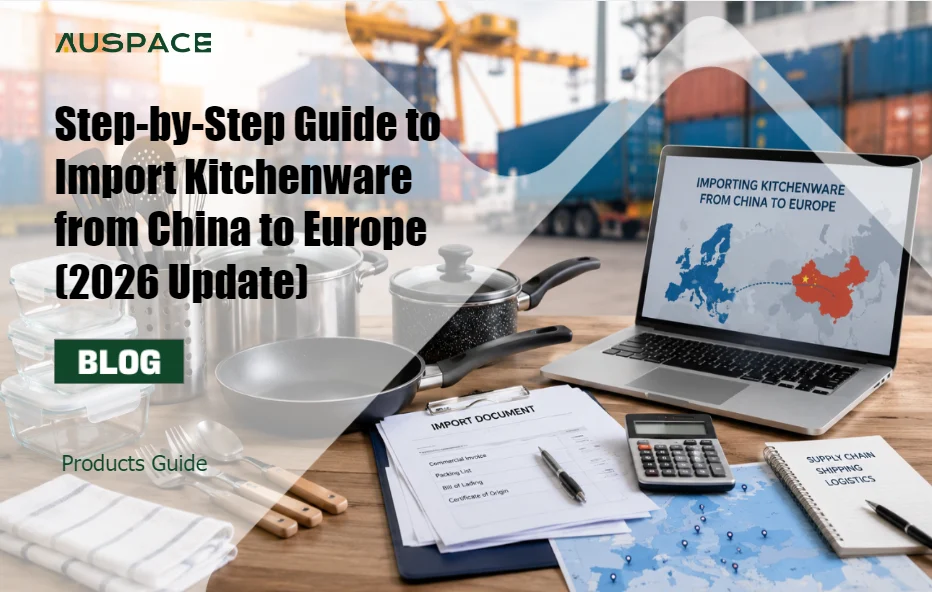
Step-by-Step Guide to Import Kitchenware from China to Europe (2026 Update)
Introduction Importing kitchenware is not just about finding a factory and booking a container. A smooth Kitchenware Import from China project needs the right supplier, correct documents, product compliance, freight planning, and a realistic landed cost calculation. For European buyers, the process is even more detail-driven because kitchenware often touches food, uses mixed materials, and may fall under different customs codes. This guide explains the full import process from Europe to China step by step. It is written for new importers, Amazon sellers, retail buyers, private-label brands, and wholesalers who want a practical view of how Kitchenware Import from China works in 2026. 1. Define the Product Before You Contact Suppliers The first step in Kitchenware Import from China is not searching for the cheapest quote. It is defining what you are importing. “Kitchenware” is a broad category. It can include stainless steel cookware, aluminum pans, plastic lunch boxes, silicone utensils, glass storage jars, ceramic mugs, bamboo cutting boards, electric kettles, and mixed-material kitchen gadgets. Each product may have a different HS code, testing requirement, packaging rule, and import duty. For example, a stainless steel pot, a ceramic bowl, and a plastic food container may look like simple household goods,
Sustainable Kitchenware Trends in Europe 2026: What Buyers Are Importing Now
Sustainability is no longer a niche selling point in the European kitchenware market—it has become a major purchasing requirement. Across Germany, France, the Netherlands, Scandinavia, Italy, and the United Kingdom, consumers are increasingly choosing products that align with their environmental values. At the same time, retailers, wholesalers, and importers are facing growing pressure from regulations, ESG commitments, and consumer expectations. As a result, Sustainable Kitchenware Trends are reshaping sourcing strategies throughout Europe. Buyers are no longer focused solely on price and functionality. They are now evaluating material origins, manufacturing practices, packaging sustainability, and product lifecycle impacts before making purchasing decisions. For manufacturers and exporters, understanding these trends is essential to remain competitive in one of the world’s most important kitchenware markets. This article explores the key sustainable kitchenware trends influencing European imports in 2026 and highlights the products, materials, and sourcing practices buyers are prioritizing today. The Rise of Eco Friendly Kitchenware Europe Buyers Are Demanding The demand for eco friendly kitchenware Europe retailers and consumers seek has grown dramatically over the past five years. Sustainability concerns have moved from environmental organizations into mainstream purchasing behavior. Several factors are driving this shift: 1. Increased awareness of climate change 2. Growing concerns about
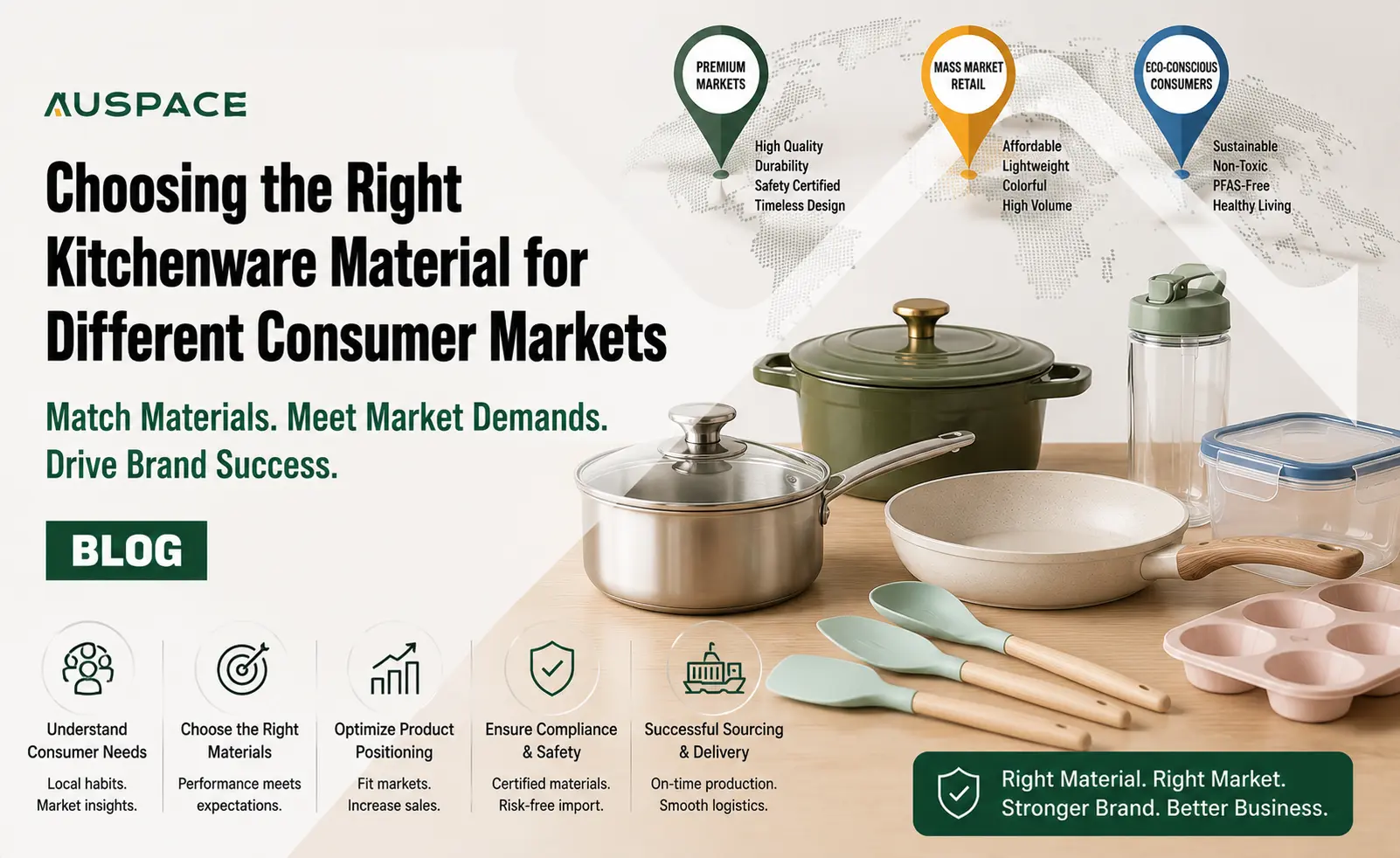
Choosing the Right Kitchenware Material for Different Consumer Markets
Introduction For global commercial buyers, mastering strategic Kitchenware Material Selection is the ultimate key to retail success. Sourcing products without analyzing regional demographic demands can lead to slow inventory turnover and wasted manufacturing budgets. Importers must align their product development pipelines with specific regional trends to secure healthy profit margins. Are you an international wholesale distributor trying to position your brand effectively across diverse consumer groups? Sourcing mismatched materials can harm your localized retail product positioning and lead to low sales. In this guide, you will learn how to target different segments by matching the right substrates to specific consumer expectations. This strategic insight ensures you build an optimized sourcing strategy for your brand. For a broad technical breakdown of all manufacturing materials, read our foundational text: The Ultimate Guide to Kitchenware Materials: Performance, Safety and Compliance for Global Buyers. Key Takeaways Aligning Kitchenware Material Selection with Regional Consumer Preferences Building a highly profitable international brand requires a deep understanding of localized consumer preferences. Buyers in different regions evaluate cooking tools based on distinct culinary habits, household sizes, and lifestyle values. A material that dominates one economic territory might fail to attract attention in another due to varying cultural expectations.

How Material Testing Helps Ensure Safe and Compliant Kitchenware Products
Introduction Sourcing massive commercial inventories requires deep operational attention to international trade rules. Implementing a strict Kitchenware Material Testing protocol is the single most efficient way to protect your brand from global product liabilities. Without verifiable raw substrate verification, global wholesale distributors face major financial risks. Are you an international commercial buyer wondering how to eliminate customs seizure risks for your upcoming production batches? Importing unverified materials can lead to dangerous substance leaching, product recalls, and severe trade penalties. In this comprehensive guide, you will discover how professional chemical verification protects your international supply chain and builds marketplace trust. For a macro view of all performance standards, read The Ultimate Guide to Kitchenware Materials. Key Takeaways The Critical Importance of Professional Product Verification Global B2B procurement teams must treat corporate legal compliance as a primary operational benchmark. Utilizing advanced product verification methodologies ensures that bulk consumer goods perform safely under high temperature exposure. This preventive practice eliminates the hidden risk of chemical cross-contamination before your freight leaves the factory floor. Furthermore, conducting consistent quality inspection routines builds deep consumer confidence for your retail brand. Modern retail distribution chains refuse to accept inventory without traceable safety certifications. Investing in standardized material
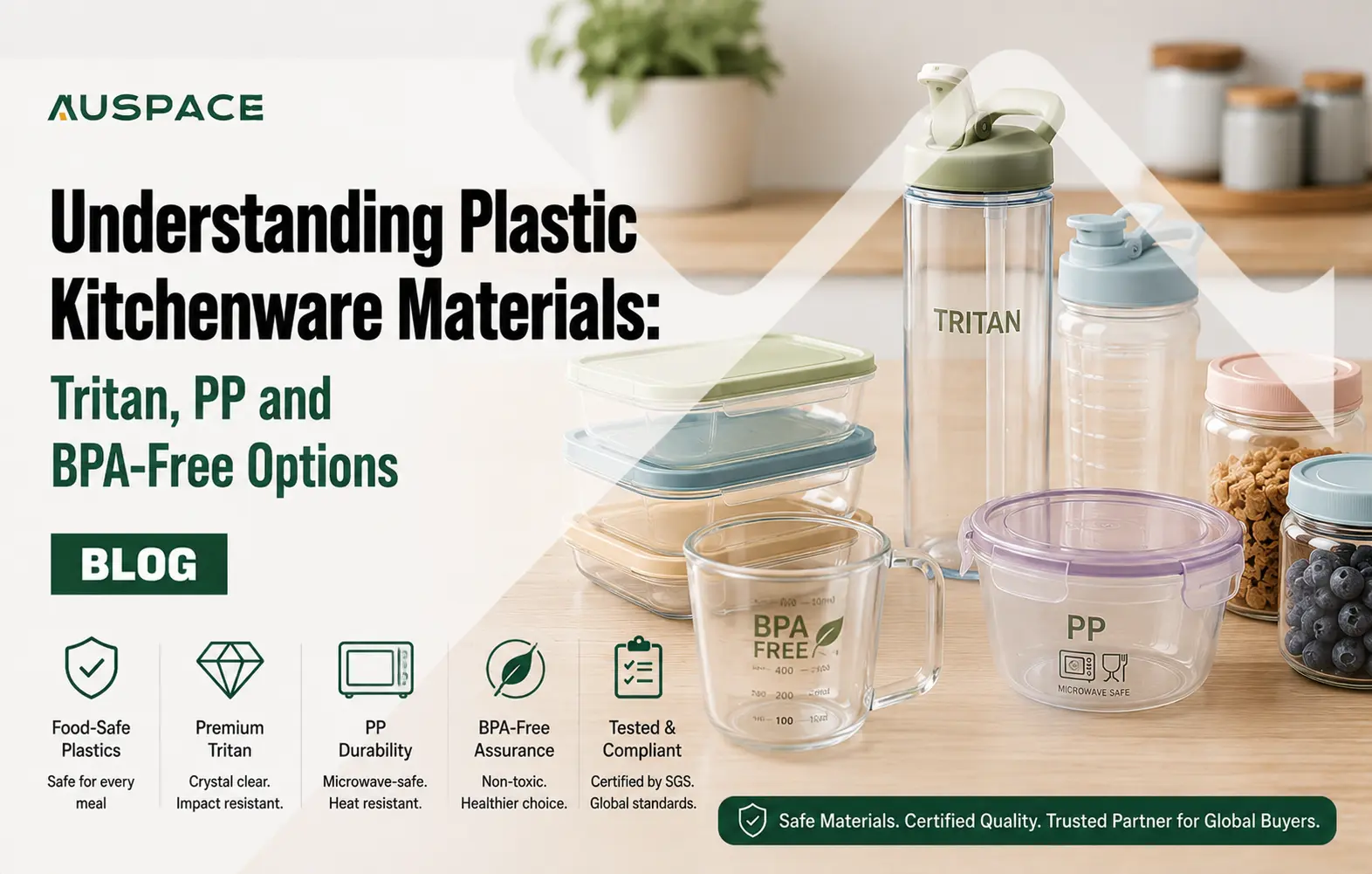
Understanding Plastic Kitchenware Materials: Tritan, PP and BPA-Free Options
Introduction In the global culinary manufacturing sector, rigid polymers are absolutely essential for designing lightweight, shatterproof items. Selecting the right Plastic Kitchenware Materials represents a vital strategy for high-volume commercial wholesale buyers. However, importers must navigate strict international chemical regulations to secure safe inventory. Global trade laws are continuously becoming more rigorous. Are you a wholesale distributor struggling to find the perfect balance between premium glass-like clarity and impact durability for your brand? Sourcing unverified polymers can result in toxic chemical migration and severe customs delays. In this guide, you will learn the distinct material characteristics of modern polymers used in consumer markets. This insight ensures you source high-quality goods that build consumer confidence. For a full breakdown of all major manufacturing options, read The Ultimate Guide to Kitchenware Materials. Key Takeaways The Critical Importance of Sourcing Food-Safe Plastics Global B2B buyers must prioritize chemical composition when importing any high-volume polymer collection. Utilizing certified food-safe plastics ensures that everyday culinary tools will not leach harmful synthetic chemicals into food. These advanced materials provide excellent structural durability while remaining lightweight and highly affordable. Modern retail markets are actively moving away from low-quality single-use items. Consumers now demand robust, reusable food containers
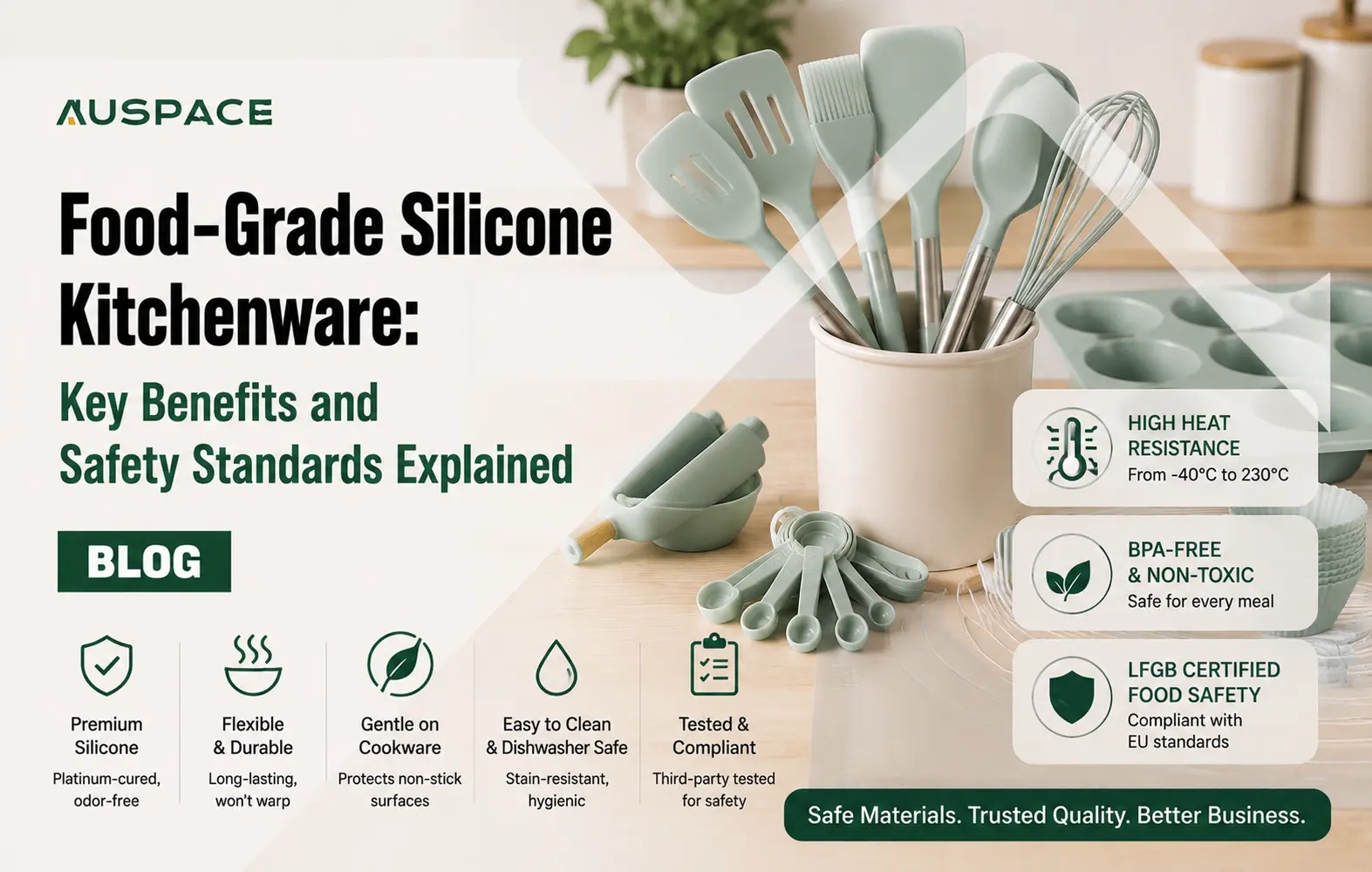
Food-Grade Silicone Kitchenware: Key Benefits and Safety Standards Explained
Introduction The global demand for flexible, high-performance cooking tools is expanding rapidly across modern consumer markets. Sourcing certified Silicone Kitchenware has become a highly profitable strategy for international commercial buyers. However, understanding the strict chemical parameters of these polymers is essential to avoid global trade liabilities. Are you a wholesale distributor trying to find durable kitchen products that will not scratch premium non-stick pan coatings? Sourcing low-grade rubber alternatives can lead to product warping and severe customs compliance issues. In this guide, you will learn the functional benefits and international testing criteria that govern modern flexible tools. This information ensures you secure safe, premium stock for your brand. For a comprehensive analysis of all major manufacturing options, read The Ultimate Guide to Kitchenware Materials. Key Takeaways The Core Advantages of Flexible Kitchen Gadget Materials Modern culinary brands heavily prioritize advanced kitchen gadget materials that combine high flexibility with operational longevity. Premium Silicone Kitchenware has revolutionized the baking and food preparation industries. Unlike old rigid plastics, these modern polymers are naturally non-stick, entirely stain-resistant, and do not harbor harmful bacteria. Furthermore, these specialized items serve as highly practical, reusable kitchen accessories that replace single-use parchment papers and foil wraps. They offer
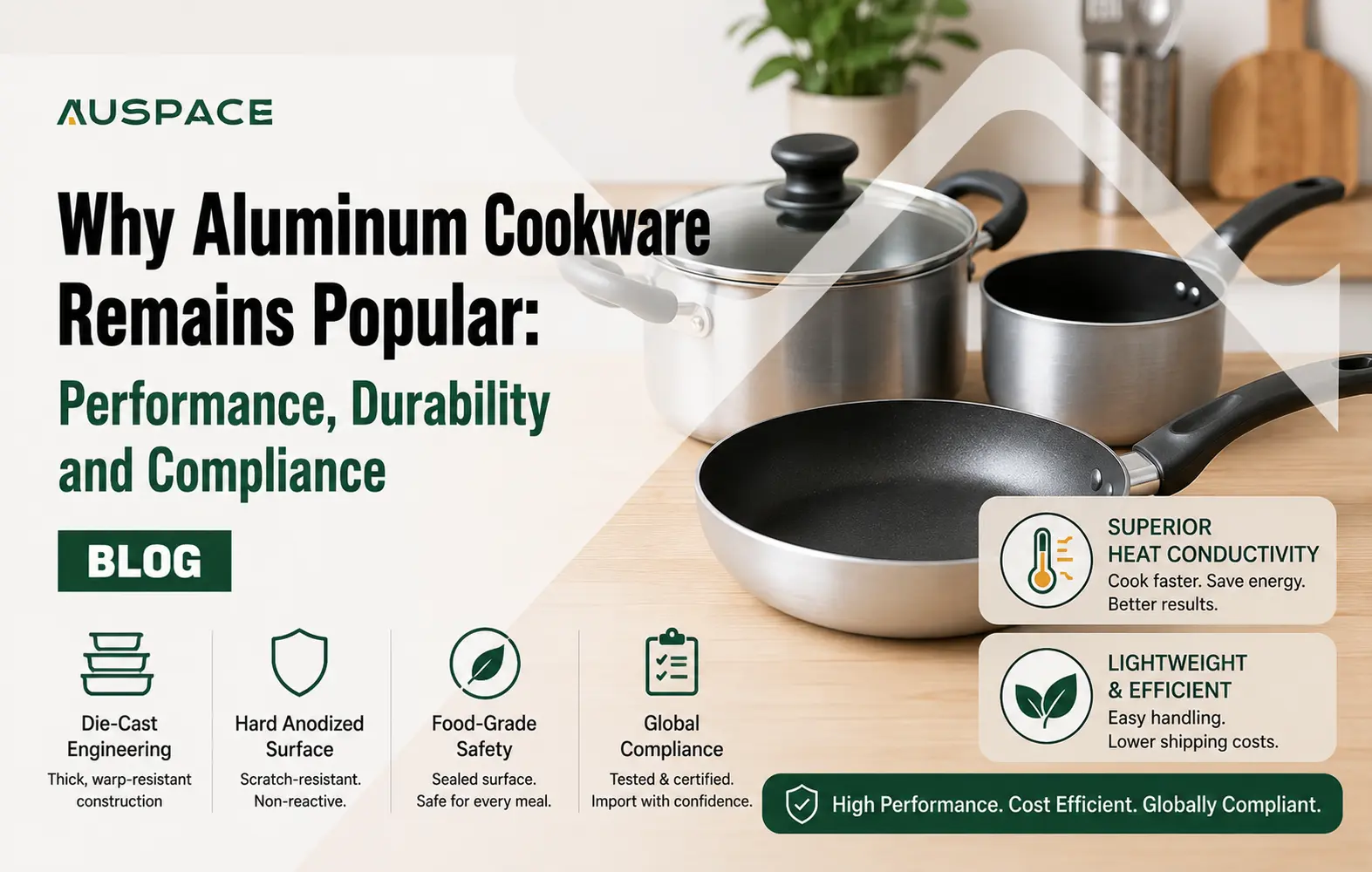
Why Aluminum Cookware Remains Popular: Performance, Durability and Compliance
Introduction In the global culinary manufacturing sector, selecting metals with top-tier thermal efficiency is a necessity. Aluminum Cookware continues to capture a massive market share among commercial kitchenware distributors worldwide. Understanding the scientific benefits of this substrate helps wholesale buyers make highly profitable purchasing decisions. Are you a global commercial buyer trying to find an ideal balance between rapid cooking speeds and affordable production costs? Sourcing heavy metals can increase your shipping fees and slow down kitchen operations. In this guide, you will explore how modern manufacturing methods turn raw elements into high-performance culinary tools. This technical analysis ensures you secure durable, safe inventory for your brand. For a complete look at all major manufacturing substrates, read The Ultimate Guide to Kitchenware Materials. Key Takeaways The Core Advantages: Heat Conductivity and Weight The main reason global distributors prioritize Aluminum Cookware is its unmatched heat conductivity. This specialized metal distributes thermal energy sixteen times faster than stainless steel. This rapid transmission eliminates hot spots, prevents food from burning, and optimizes overall energy efficiency during high-volume meal preparation. Additionally, this material provides exceptionally lightweight cookware options for modern home chefs and busy restaurant staff. Lower product weight reduces physical fatigue in heavy-duty
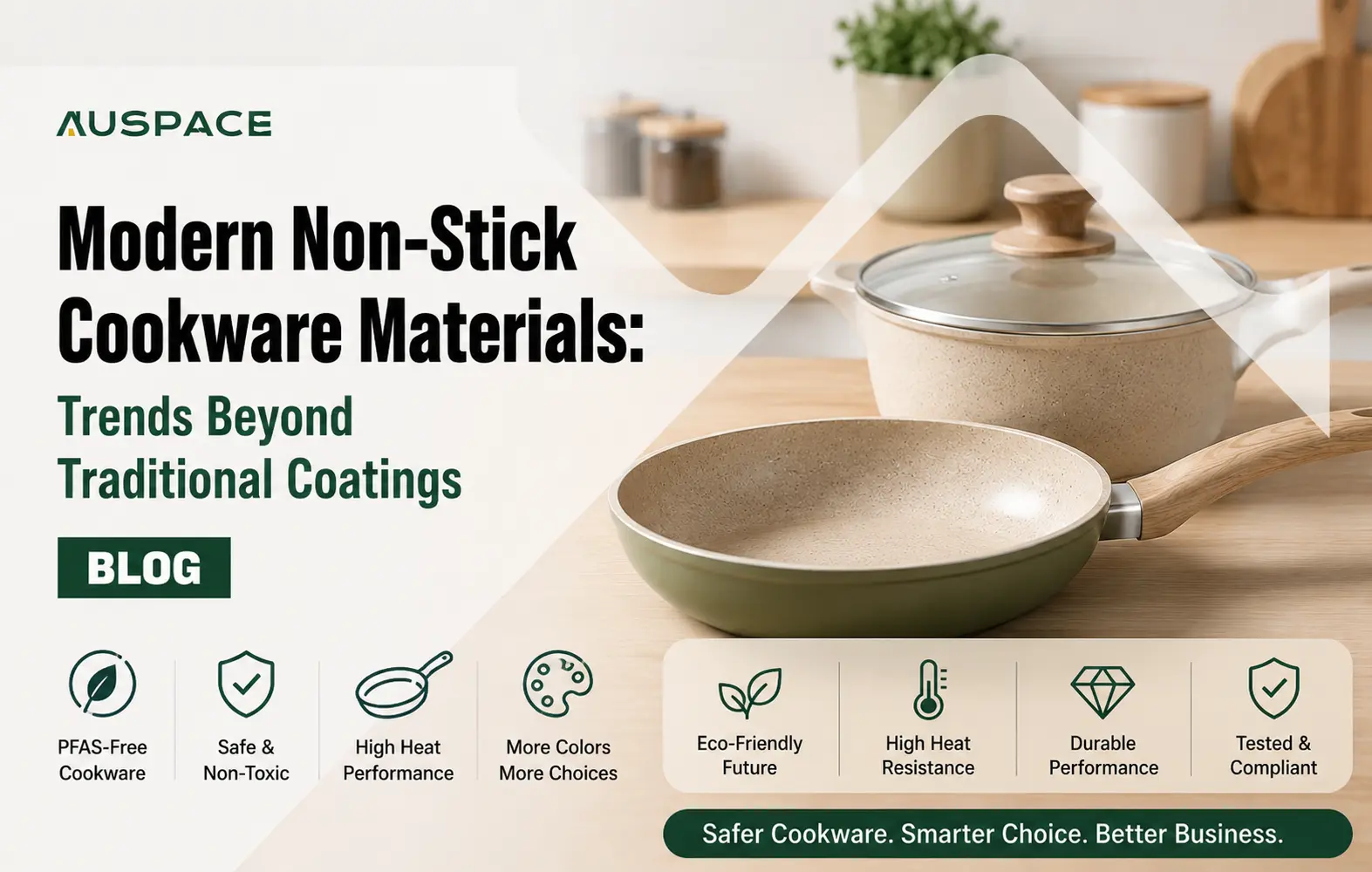
Modern Non-Stick Cookware Materials: Trends Beyond Traditional Coatings
Introduction The global kitchenware market is changing fast due to shifting consumer lifestyle habits. Choosing the right Non-Stick Cookware Materials has become a critical decision for commercial wholesale buyers. Today, professional distributors must look beyond old manufacturing methods to stay competitive. Are you a global importer trying to balance cost-efficiency with new environmental standards? Sourcing outdated coating options can lead to severe custom import risks and negative customer reviews. In this comprehensive guide, you will discover the latest shifts in modern manufacturing technology. This insight helps you choose safe, high-performance goods that match current market preferences. For a complete overview of manufacturing choices, read The Ultimate Guide to Kitchenware Materials. Key Takeaways The Evolution of Non-Stick Coating Technology For decades, traditional Non-Stick Cookware Materials relied heavily on a standard PTFE coating. This polymer became incredibly popular because it offers an exceptionally slick surface for effortless food release. However, this classic manufacturing style faces serious challenges in the modern commercial market. When exposed to extreme heat, old formulas can degrade and release harmful chemical fumes. This functional limitation has forced factories to pioneer advanced non-stick coating technology. Modern commercial buyers now look for updated substrates that offer long-term stability and support
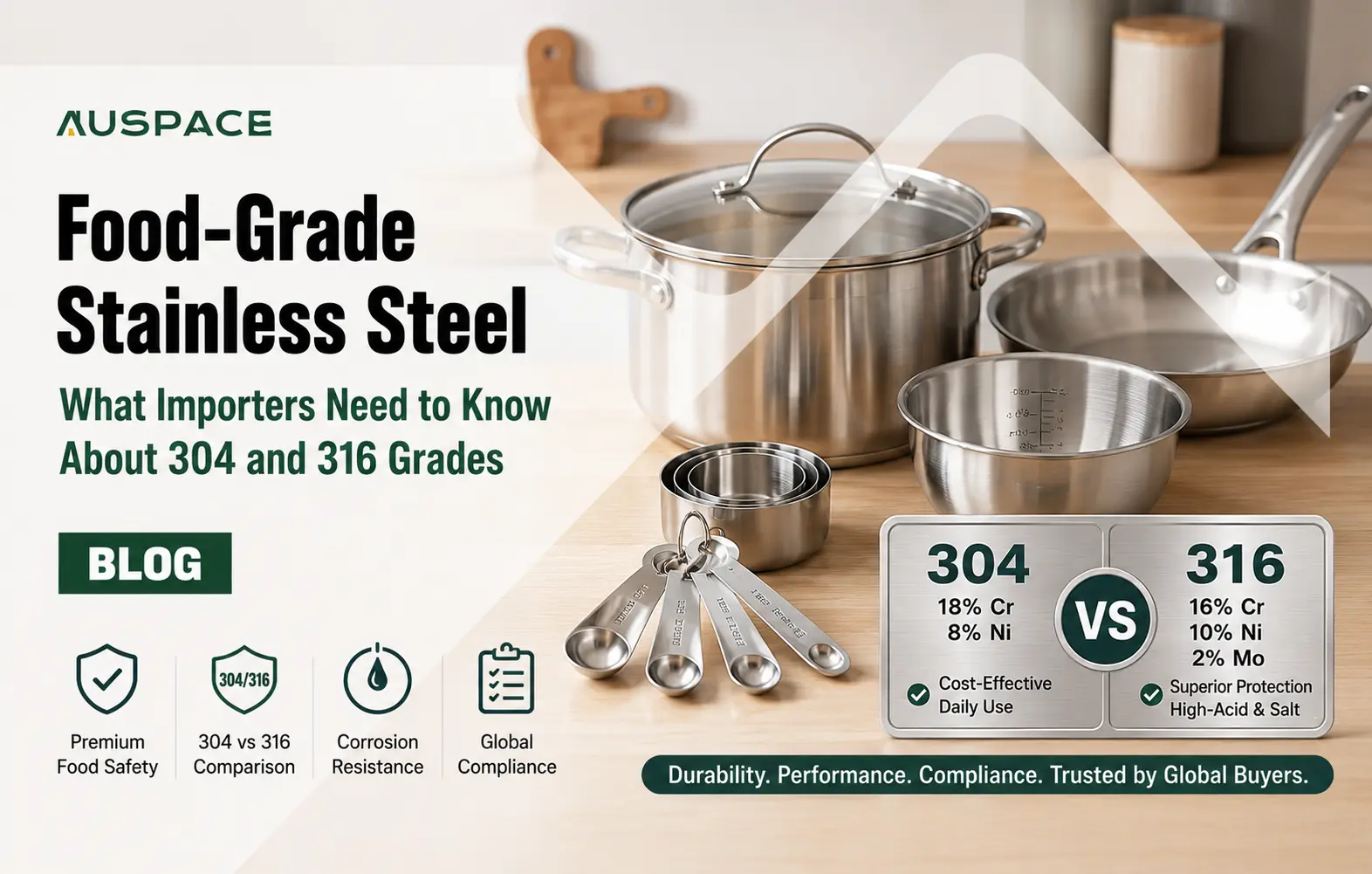
Food-Grade Stainless Steel in Kitchenware: What Importers Need to Know About 304 and 316 Grades
Introduction Selecting the right raw substrates is the single most important decision for global commercial buyers. Food-Grade Stainless Steel remains the absolute gold standard for manufacturing professional culinary tools. However, importing bulk inventory without knowing specific metal compositions can lead to severe compliance issues. Are you currently struggling to choose between different metal grades for your next production order? Selecting the wrong material can lead to low durability, customer complaints, and serious customs rejections. In this guide, you will discover the technical differences between 304 and 316 metal compositions. This knowledge ensures you source high-quality products that meet global safety laws. For a broad look at all available manufacturing substrates, read our Ultimate Guide to Kitchenware Materials. Key Takeaways Understanding Food-Grade Stainless Steel: The Foundation of Safe Sourcing Global B2B buyers must understand why Food-Grade Stainless Steel dominates the international commercial market. This specialized alloy resists chemical migration, meaning it will not leach harmful metallic toxins into meals during high-heat cooking. It provides a non-reactive cooking surface that perfectly preserves natural food flavors. Furthermore, this premium food-grade metal is exceptionally strong, scratch-resistant, and entirely non-porous. It withstands intense daily usage and harsh chemical cleaning in commercial dishwashers without degrading. For

The Ultimate Guide to Kitchenware Materials: Performance, Safety and Compliance for Global Buyers
Introduction The best kitchenware materials for global commercial sourcing must perfectly balance high thermal performance, strict food contact materials safety compliance (such as FDA and LFGB), and cost-efficiency. Choosing food-grade stainless steel, die-cast aluminum, or certified silicone ensures a reliable supply chain. Are you a global buyer struggling to balance strict import regulations with competitive prices? Many wholesale distributors face customs risks or quality complaints simply due to choosing the wrong cookware materials guide specifications. In this comprehensive guide, you will learn how to evaluate cookware safety, verify kitchenware compliance, and master a clear material comparison. This insight will streamline your next project and secure safe, food-grade materials for your target market. Key Takeaways Understanding Food Contact Materials: Why Composition Matters for Global Buyers Global commercial buyers must prioritize chemical composition when sourcing goods. Food contact materials include any substance intended to touch food. If these materials contain low-quality components, toxic chemicals can migrate into meals during cooking. This chemical migration poses severe health risks and can lead to expensive customs rejections. Different global markets enforce unique legal limits on substance migration. For example, the United States and the European Union have different entry laws for incoming freight. If you
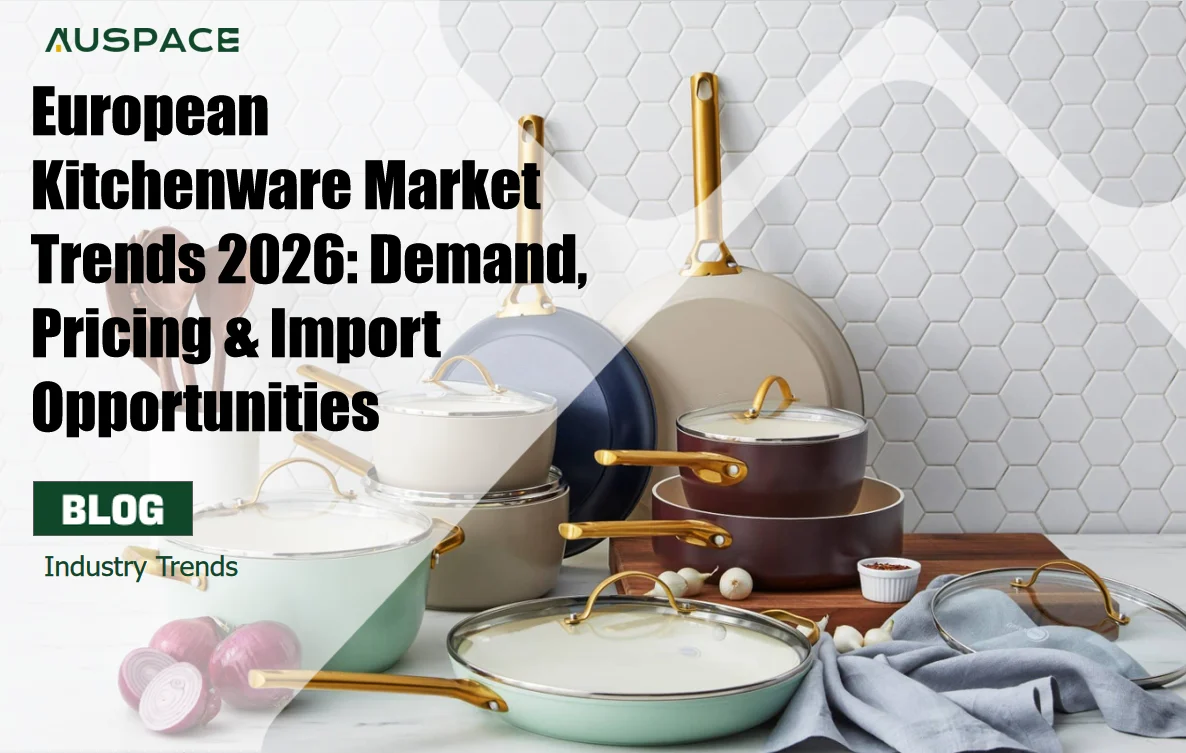
European Kitchenware Market Trends 2026: Demand, Pricing & Import Opportunities
The Kitchenware Market Europe is one of the world’s largest and most sophisticated consumer goods sectors, shaped by deep culinary traditions, rising health awareness, and evolving household spending patterns. As 2026 unfolds, the market presents a complex picture: steady demand growth driven by continued home-cooking habits and premiumization, counterbalanced by macroeconomic headwinds, rising raw material costs, and escalating trade barriers on key imported products. This guide examines the European kitchenware market in 2026, covering demand drivers, pricing trends, product category growth, and sourcing opportunities for international suppliers. Market Size and Growth Trajectory Multiple research sources converge on a clear direction: the European kitchenware market is growing steadily, though forecasts vary depending on scope and definition. The Europe kitchenware market as a whole generated revenue of approximately USD 21.28 billion in 2025 and is expected to reach USD 34.26 billion by 2033, representing a compound annual growth rate of 6.2% from 2026 to 2033. Within this broader category, the cookware subsegment—covering pots, pans, pressure cookers, bakeware, and cooking tools—reached roughly USD 5.23 billion in 2025 and is projected to grow at a CAGR of 5.0% through 2035, reaching nearly USD 8.52 billion. Other estimates place the European cookware market at USD

How Kitchenware Quality Control Works in China: Inspection & Risk Reduction Guide
China is the world’s largest producer of cookware and kitchenware. For international buyers, the challenge is ensuring that what leaves the factory matches the approved sample in quality, safety, and durability. This guide explains how kitchenware quality control China, from factory floor processes to third-party inspection and practical defect reduction tools. Factory Quality Control Process: Three-Layer Model Many buyers rely solely on final inspection, but that rarely solves consistency problems. Cookware production involves casting, stamping, grinding, coating, firing, assembly, and packaging. A quality failure at any stage can ruin a batch. An end-to-end framework is required, organized into three phases: IQC (Incoming Quality Control), IPQC (In-Process Quality Control), and OQC (Outgoing Quality Control). Incoming Quality Control (IQC). Cookware quality begins with materials: cast iron, stainless steel, enamel frit, non-stick coatings, handles, rivets, lids. If any component is off-spec, later process control cannot fully compensate. In a well-run IQC, materials are screened before regular supply begins. High-risk materials receive stricter controls. For cast iron, inspectors check composition, wall thickness, and surface defects (porosity, sand inclusions). For stainless steel, they verify material certificates, thickness tolerance, and surface condition. Accessories are checked for dimensional fit and finishing. Nonconforming materials are quarantined, documented, and
