


Introduction
The cookware industry offers immense opportunities for brands ready to launch their own product lines—but success hinges on one critical decision: choosing the right manufacturing partner. With thousands of factories across China, Vietnam, and beyond, how do you separate world-class producers from unreliable suppliers who waste your time and money?
This comprehensive guide walks you through every stage of the sourcing journey. From understanding why reliability beats rock-bottom pricing, to navigating supplier directories, vetting manufacturers, and managing quality control, you’ll gain actionable strategies used by professional importers. Whether you’re launching your first private-label collection or scaling an existing cookware brand, this cookware factory sourcing guide equips you with the knowledge to make confident, profitable decisions.
1. Why “Reliable” Matters More Than “Cheap” in Cookware Sourcing
1.1 The Hidden Costs of Choosing the Wrong Supplier
The lowest quote rarely delivers the lowest total cost. When you partner with an unreliable cookware manufacturer, hidden expenses multiply quickly—substandard materials cause coating failures, warped bases trigger customer returns, and production delays force expensive air freight to meet retail deadlines . Compliance failures are even costlier; cookware that fails FDA or LFGB food contact standards can trigger product recalls and lasting brand damage . When you calculate total landed cost including inspection fees, rush charges, and customer service burdens, the “cheap” option consistently proves more expensive than partnering with verified suppliers from the start.
1.2 Defining a “Reliable Cookware Manufacturer”
A truly reliable cookware manufacturer rests on four pillars. First, production capability—they own manufacturing lines rather than outsourcing critical stages. Second, quality infrastructure—they implement systematic testing for material composition, coating adhesion, and thermal shock resistance throughout production . Third, operational transparency—they respond within hours and share factory videos without hesitation. Fourth, verifiable metrics—on-time delivery rates exceeding 95% and reorder rates above 25% signal genuine customer satisfaction . When these elements align, you’ve found a strategic partner capable of supporting your brand’s growth.
2. Cookware Factory Sourcing Guide: Where to Start Your Search
2.1 Top Global Sourcing Hubs: China and Beyond
China dominates global cookware production through specialized regional clusters. Zhejiang Province’s Yongkang City leads in aluminum die-casting and non-stick coating, with MOQs typically ranging from 1,000–2,000 units . Guangdong Province excels in stainless steel and complex OEM projects, leveraging Shenzhen’s port advantages for efficient logistics. Shandong Province offers cost advantages through steel mill proximity, ideal for volume orders. Beyond China, Vietnam and Indonesia provide emerging alternatives with less mature supplier ecosystems, while India’s Moradabad cluster specializes in metalware for buyers seeking geographic diversification . Following this cookware factory sourcing guide ensures you target regions aligned with your product needs.
2.2 How to Use a Cookware Factory Directory Effectively
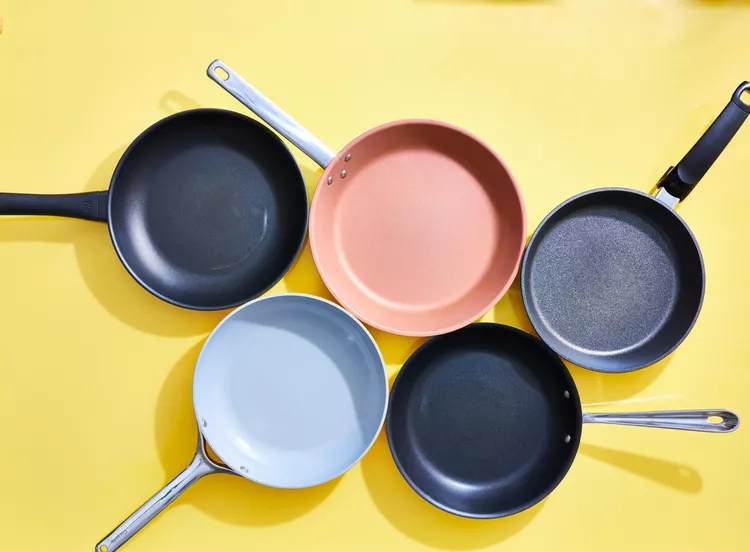
B2B platforms require strategic filtering to separate genuine manufacturers from trading companies. Start with verification tools—examine transaction histories, dispute records, and response times under four hours. Analyze product listings critically; detailed specifications about material grades and coating types signal production knowledge . Request documentation early: business licenses, factory floor videos, and third-party audit reports. Create a shortlist of 5–10 candidates and request targeted quotes for specific SKUs. This comparison reveals pricing consistency and responsiveness that distinguish serious suppliers. For finding kitchenware manufacturers efficiently, focus directory searches on industrial clusters matching your product category.
3. Cookware Supplier vs. Manufacturer: Why the Distinction Matters
3.1 Defining the Players: Factory, OEM, and Trading Company
Direct manufacturers own production facilities and control the entire process from raw materials to assembly, offering lowest pricing but requiring higher MOQs. OEM suppliers produce to your specifications but may outsource components like handles, requiring strong subcontractor management. Trading companies aggregate products from multiple factories, offering convenience and mixed container flexibility but adding 15–30% markup and reducing production visibility . Hybrid exporters maintain partial production while sourcing complementary items, offering one-stop convenience with some quality control. Understanding the cookware supplier vs manufacturer distinction is essential for effective sourcing.
3.2 Why Verifying the “Actual Maker” is Crucial
Confirming your partner’s true identity affects every aspect of your sourcing outcome. Genuine manufacturers can directly address quality issues—adjusting raw materials, recalibrating machinery, retraining staff. Trading companies must relay problems through intermediaries, creating delays and diluted accountability . For vetting cookware manufacturers, request video calls showing active production lines, not just showrooms. Verify business licenses against factory locations. Check whether the company name appears on facility signage in provided photos. These verification steps prevent the costly mistake of paying manufacturer prices to a middleman with limited quality control authority.
4. How to Source Cookware from a Factory: A Step-by-Step Process
Step 1: Shortlisting Candidates
Begin with 20–30 potential suppliers from directories, then filter systematically. Prioritize manufacturers with transaction histories showing consistent on-time delivery above 98% . Examine product specialization—suppliers focused on your specific cookware category typically deliver better quality than generalists. Review response quality: detailed answers with technical specifications indicate genuine manufacturing knowledge. Remove candidates with vague communications or reluctance to share facility information. This initial filtering creates a manageable shortlist of 5–7 promising partners for deeper evaluation.
Step 2: The Art of the RFQ
Your Request for Quotation determines response quality you’ll receive. Include detailed specifications: material grade (e.g., 304 stainless steel with 18/8 composition), dimensions with tolerance ranges, coating type with temperature ratings, packaging requirements, and target pricing . Request MOQ breakdowns for standard versus custom designs. Ask about lead times for sampling, production, and shipping. Specify Incoterms preference to enable apples-to-apples comparison. Professional RFQs signal serious buyer intent, attracting responses from reliable cookware manufacturer candidates while filtering out unprepared suppliers.
Step 3: Samples and Prototypes
Never commit to production without physical samples. Order pre-production samples representing your exact specifications, not “similar” items from inventory. Test thoroughly: verify dimensions against drawings, check coating adhesion through scratch testing, assess handle durability and heat resistance . For non-stick cookware, conduct egg frying tests to evaluate release properties. Document sample quality with photos and share findings before proceeding. While sampling involves upfront costs, it’s the most cost-effective investment in your sourcing journey—far cheaper than discovering quality issues after container arrival.
5. Vetting Cookware Manufacturers: The Due Diligence Checklist
5.1 Conducting Virtual or On-Site Factory Audits
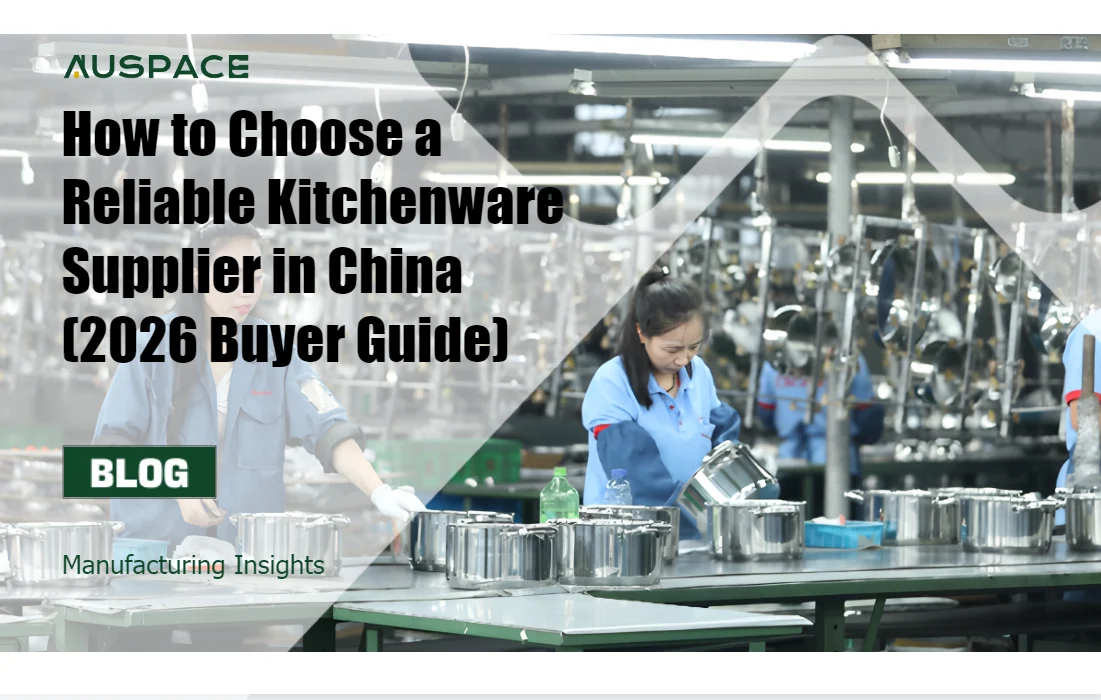
Physical verification remains the gold standard for supplier evaluation. During audits, inspect raw material storage—304 stainless steel should be segregated from lower grades to prevent mix-ups. Examine production lines for organized workflows and maintained equipment. Review quality control documentation: batch records, test results, and defect tracking logs . For remote vetting, request live video tours showing specific areas: coating lines, inspection stations, and packaging departments. Third-party audit reports from SGS or BV provide unbiased assessments when travel isn’t possible.
5.2 Certifications That Count: FDA, LFGB, ISO, BSCI
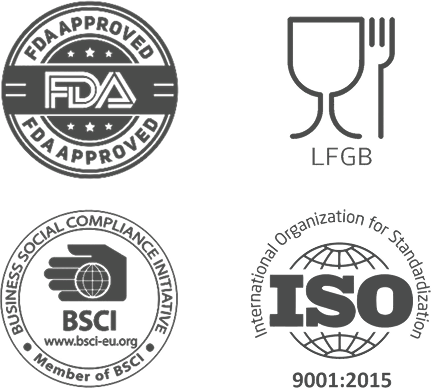
Different markets require specific certifications. For U.S. exports, FDA compliance for food contact materials is mandatory. European markets demand LFGB certification with migration testing for heavy metals . ISO 9001 indicates formal quality management systems. BSCI certification demonstrates ethical labor practices, increasingly required by global retailers . Request current certificates and verify them through issuing bodies. Certifications alone don’t guarantee quality, but their absence should raise immediate concerns about a supplier’s export readiness.
5.3 Red Flags in Supplier Communication
Communication patterns reveal operational realities. Suppliers who respond within 2–4 hours typically maintain dedicated export teams and streamlined processes . Red flags include vague answers about production capabilities, reluctance to share facility photos, or pressure for full payment before sample approval. Be wary of suppliers claiming capabilities beyond their apparent scale—a small factory claiming 10,000-unit monthly capacity for complex cookware deserves scrutiny. Trust your instincts: if communication feels difficult during sampling, it will only worsen during production crises.
6. Understanding the Numbers: MOQ, Pricing, and Lead Times
6.1 What is the Minimum Order Quantity (MOQ)?
MOQs vary dramatically based on product complexity and supplier type. Standard aluminum non-stick pans typically require 1,000–2,000 units per design . Stainless steel cookware often starts at 500–1,000 pieces. Some suppliers offer flexibility: Yongkang Gcook accepts orders as small as two sets for market testing, while premium enameled cast iron may require 1,200+ units due to tooling investments . Negotiate MOQs by offering slightly higher per-unit pricing for trial runs, with commitments to scale after validation.
6.2 Price Comparison and Total Landed Cost
Unit price tells only part of the story. Calculate total landed cost including: factory price, ocean freight, insurance, import duties, customs brokerage, and inland transportation. A $5 pan with $2 shipping costs $7 landed—but if it arrives with 10% defects requiring replacement, effective cost jumps to $7.70 plus handling. Suppliers with 100% on-time delivery and single-digit defect rates justify higher unit prices through lower total risk . Always compare FOB quotes from multiple suppliers to standardize pricing before final decisions.
6.3 What Are the Lead Times for Cookware Production?
Standard cookware production requires 30–45 days after sample approval. Complex items with forging or enamel finishes may need 50–60 days . Customization adds 7–14 days for tooling and artwork approval. Ocean freight from China to Western ports takes 14–21 days. Expedited production (20–25 days) is possible at select factories with surcharges . Build buffers into your timeline: add two weeks for unexpected delays, especially during peak seasons before Chinese New Year when factories run at capacity.
7. Ensuring Quality: Materials, Testing, and Compliance
7.1 What Materials Are Commonly Used by Kitchenware Manufacturers?
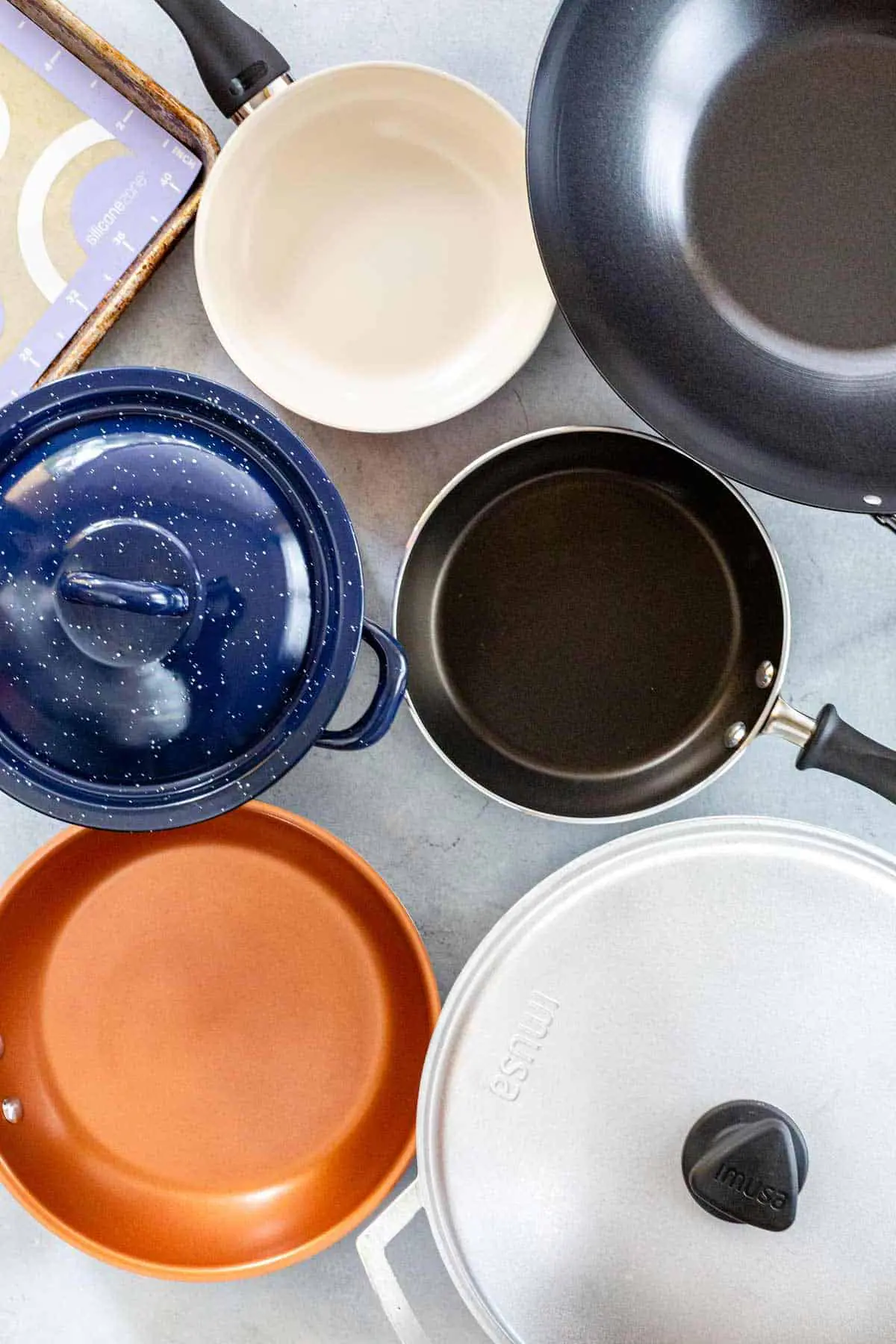
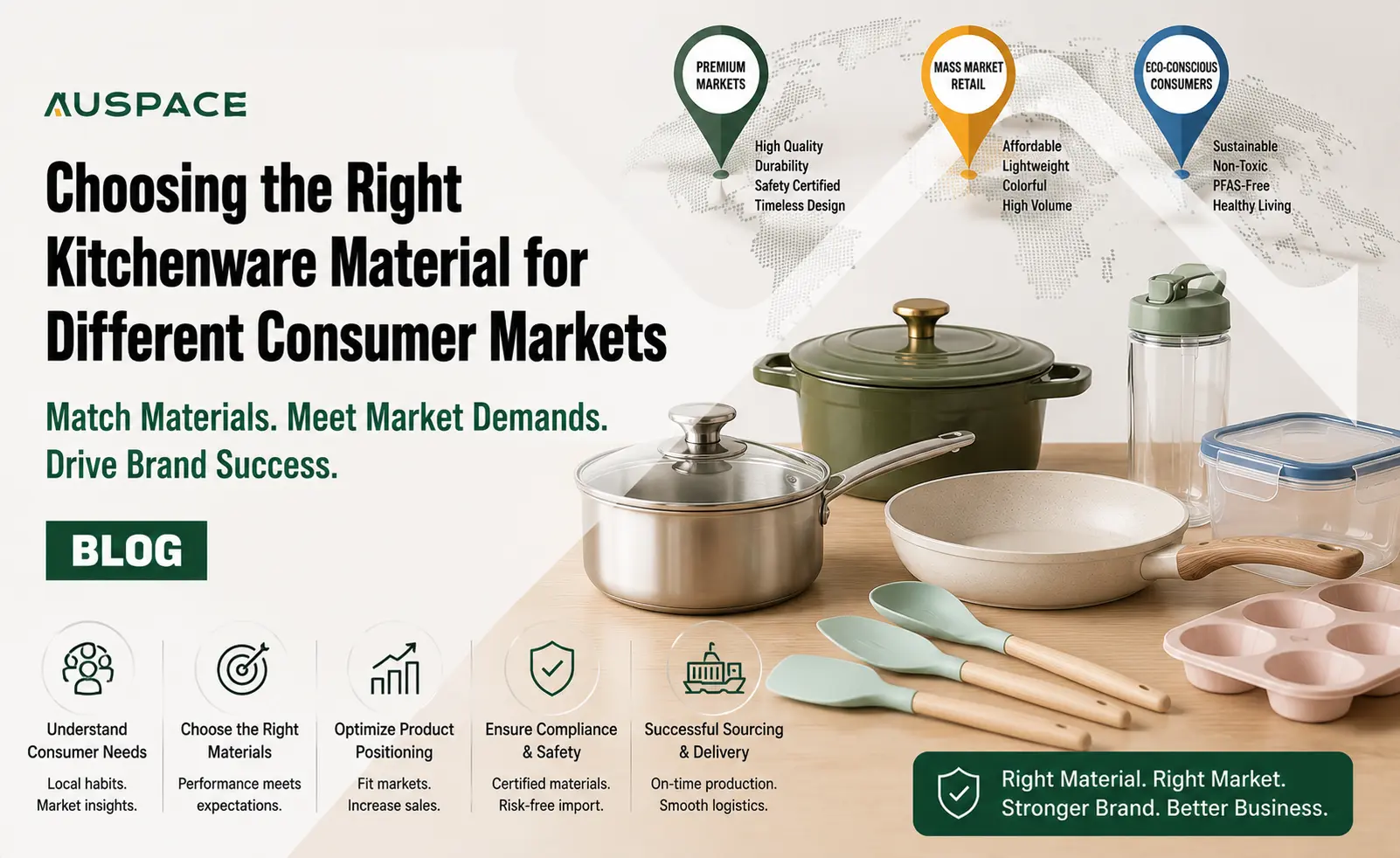
Stainless steel cookware typically uses 304 grade (18/8 chromium-nickel) for corrosion resistance and durability. Lower-grade 430 steel may be used for magnetic properties but offers less rust protection . Aluminum cookware requires anodization with oxide film thickness ≥10μm to prevent leaching . Non-stick coatings range from standard PTFE to ceramic and granite composites; verify PFOA-free documentation regardless of coating type. Handle materials include phenolic (heat-resistant up to 180°C), silicone, and stainless steel—each affecting overall product safety and user experience.
7.2 How Do Manufacturers Ensure Product Quality?
Reliable manufacturers implement full-cycle quality control spanning three phases. Raw material verification uses spectrometers to confirm metal composition before production begins . In-process monitoring checks dimensions every 20–50 units and tracks coating parameters (temperature, thickness) continuously. Finished product testing includes handle pull tests (≥500N force), impact resistance (500g steel ball from 1m), and thermal shock cycling -1. Statistical process control with CPK ≥1.33 ensures consistency across production batches.
7.3 When to Use Third-Party Inspections
Third-party inspections provide unbiased verification before shipment commitment. Pre-production inspections confirm raw materials and production readiness. During-production checks (DPI) catch defects early when correction is still possible. Pre-shipment inspections (PSI) using AQL 2.5 sampling are most common, verifying finished goods against specifications . Companies that integrate pre-shipment testing experience up to 35% fewer returns compared to those relying solely on post-arrival checks . For first-time orders or new suppliers, third-party inspection is non-negotiable insurance.
Conclusion
Finding a reliable cookware manufacturer isn’t just about securing production—it’s about building a partnership that grows with your business. The right manufacturer delivers consistent quality, meets deadlines, and helps you navigate the complexities of materials, certifications, and compliance. They become an extension of your team, enabling you to focus on what matters most: building your brand and serving your customers.
Remember that thorough vetting, clear communication, and proper quality control systems are investments that pay dividends across every order. The time you spend evaluating candidates today prevents costly problems tomorrow.
Ready to find your ideal manufacturing partner? Contact our team for personalized supplier matching, factory audit coordination, and end-to-end sourcing support. We’ll help you connect with vetted manufacturers who meet your quality standards and business goals. [Contact Us Today] for a free consultation about your cookware project.

Hazel is a Drinkware and Kitchenware Export Specialist at Auspace, focusing on global market supply chain support and custom product solutions. She provides end-to-end assistance for international buyers, including supplier matching, production follow-up, and logistics coordination. With deep industry knowledge and factory relationships, she helps clients efficiently source high-quality, eco-friendly drinkware and kitchen products from China.Her practical approach reduces sourcing risks and simplifies cross-border trade, making her a reliable partner for brands and retailers seeking dependable OEM/ODM manufacturing in China.