

B2B Kitchenware Trends: Lead Wholesale Market

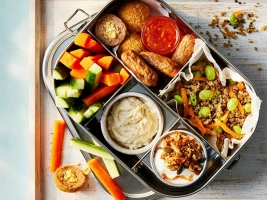
Why Custom Bento Boxes Are Gaining Popularity Among Global Retailers

Introduction In today’s competitive food packaging landscape, the choice of lunch boxes has evolved beyond mere functionality; it has become an essential part of branding and customer experience. Among these options, custom bento boxes have ascended in popularity due to their unique designs and practical features. These specialized containers not only cater to diverse consumer preferences but also provide retailers the opportunity to differentiate their products in a crowded marketplace. In this article, we will explore the numerous benefits of using custom bento boxes for retailers, such as attracting customers with unique designs and enhancing brand identity through custom packaging. Additionally, we will provide guidance on how to choose the right supplier for your custom bento box needs, ensuring that you make informed decisions to elevate your business. What Makes Custom Bento Boxes So Popular Among Retailers? In recent years, the demand for custom bento boxes has surged among retailers globally. The shift towards personalization and customization reflects a broader trend in consumer preferences, indicating a significant evolution in how food packaging is conceptualized and marketed. Retailers are increasingly recognizing the importance of unique, tailored products that resonate with their target audiences. Custom bento boxes meet this need, providing not
wholesale lunch boxes

Wholesale Lunch Boxes Trends in 2026 and How to Stay Ahead

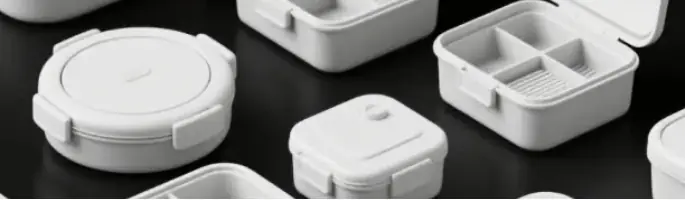
As more consumers shift toward healthier eating habits and eco-conscious lifestyles, the demand for wholesale lunch boxes is on the rise. Whether for school, office, or daily meal prep, lunch boxes are now everyday essentials rather than occasional buys. This growing demand presents a strong opportunity for small and medium-sized retailers. But to stay ahead in 2026, it’s not enough to offer any lunch box. Buyers are looking for sustainable materials, functional designs, and value-added features. In this guide, we’ll break down the key trends shaping the wholesale lunch box market and offer tips on how to choose the right products, suppliers, and strategies for long-term growth. 1. Why the Wholesale Lunch Boxes Market Keeps Growing 1.1 Shifts in Consumer Habits and Sustainability The way people eat is changing. More consumers are preparing meals at home and bringing them to work, school, or on-the-go. This shift is driven by rising food costs, health awareness, and convenience. As a result, reusable lunch containers have become daily-use items. Sustainability is also a growing priority. Many buyers now reject disposable packaging in favor of eco-friendly, reusable solutions. This has led to strong demand for wholesale lunch boxes made from safe, durable materials like stainless steel, silicone,

How to Choose the Perfect Stockpot

How to Choose the Perfect Stockpot: Size, Material, and Budget Guide

A stockpot is the workhorse of any kitchen — the pot behind Sunday soups, weekend bone broth, pasta night for a crowd, and the seafood boil that feeds the whole table. Yet it is also one of the most commonly mis-purchased pieces of cookware: too small for the job, made from the wrong material, or priced far above the value it delivers. Choosing well comes down to three decisions: the right size for your cooking volume, the right material for your cooking style, and a budget that reflects how the pot will actually be used. This guide walks through each decision in practical terms — whether you are buying one pot for a home kitchen or stocking a product line for retail, catering, or restaurant supply. How to Choose the Right Stockpot Size Size is the first spec to lock down, because it determines what the pot can physically do. A stockpot that is too small boils over; one that is too large wastes energy and takes up storage. Quick Size Chart Capacity Best For Typical Users 6–8 qt (5.7–7.6 L) Daily soups, pasta, blanching 1–4-person households 8–12 qt (7.6–11.4 L) Batch cooking, meal prep, family stock 4–6-person households, meal

Heavy-Duty Stockpots

Why Aluminum vs. Stainless Steel Matters for Heavy-Duty Stockpots

If you are a distributor filling a container, a retailer building a house brand, or a procurement manager stocking a restaurant chain, you have asked this question more than once: aluminum or stainless steel? You know the price difference. You have seen both sell. But when a buyer asks you which material actually belongs in their kitchen — and why — the answer is never as clean as a catalog page makes it look. This article is for the people whose margins and reputations depend on getting that answer right. No brand fluff. No “it depends” and walk away. Just the physics, the trade-offs, and the sourcing logic that separates a stockpot your customers love from one they return. Aluminum vs. Stainless Steel: The Core Physics That Drive Performance Before we talk about cost or durability, we need to talk about what happens when you put a stockpot on a burner. The two materials behave fundamentally differently — and that difference starts at the atomic level. Thermal Conductivity: Why Aluminum Heats Faster Aluminum has a thermal conductivity of approximately 237 W/m·K. Stainless steel? Roughly 15 W/m·K — about fifteen times lower. In practical terms, this means an aluminum stockpot transmits

Stainless Steel Tri-Ply Stock Pots

Stainless Steel Tri-Ply Stock Pots: The Ultimate Sourcing Guide for Catering Brands

Whether you’re sourcing cookware for a catering brand, restaurant supply business, or private-label collection, choosing the right stock pot can have a lasting impact on product quality and customer satisfaction. With so many materials and constructions available, finding the best balance of performance, durability, and value isn’t always straightforward. This guide explores everything you need to know about stainless steel tri-ply stock pots—from materials and manufacturing to OEM options and sourcing tips—helping you make confident purchasing decisions for your business. Why Catering Brands Choose Tri-Ply Stock Pots In commercial kitchens, cookware is used for hours every day under high temperatures and heavy workloads. A stock pot that heats unevenly, warps over time, or consumes excessive energy can slow kitchen operations and increase costs. That’s why many catering brands and professional chefs prefer stainless steel tri-ply stock pots, which combine excellent thermal performance with long-lasting durability. Faster and More Even Heat Distribution The biggest advantage of tri-ply construction is its ability to distribute heat evenly across the entire cooking surface and sidewalls. A layer of aluminum is bonded between two layers of stainless steel, allowing heat to spread quickly instead of concentrating in one area. This even heat distribution helps: For

How to Clean a Burnt Casserole Dish Without Ruining the Enamel

How to Clean a Burnt Casserole Dish Without Ruining the Enamel

Whether you’re a home cook trying to rescue your favorite casserole dish or a cookware retailer looking to share expert care tips with customers, burnt-on food doesn’t have to mean permanent damage. Enamel casserole dishes are built to last, but using the wrong cleaning method can scratch or chip their beautiful finish. In this guide, you’ll learn safe, effective ways to remove burnt residue, prevent future stains, and keep your enamel cookware looking like new for years to come. Can You Safely Clean a Burnt Enamel Casserole Dish? Yes. A burnt enamel casserole dish can usually be cleaned safely without damaging the enamel, provided you use gentle cleaning methods. Enamel is a durable, non-porous coating, but it can be scratched or chipped by abrasive tools and harsh chemicals. Step-by-Step: How to Clean a Burnt Enamel Casserole Dish Burnt food doesn’t have to mean a ruined casserole dish. Follow these simple steps to remove stubborn residue while protecting the enamel finish. Step 1: Let the Casserole Dish Cool Allow the casserole dish to cool completely before cleaning. Never pour cold water into a hot enamel dish, as the sudden temperature change can cause thermal shock and may crack or chip the

Top Casserole Pot Manufacturers in the World

Top 10 Casserole Pot Manufacturers in the World 2026

Whether you’re a cookware brand, importer, wholesaler, retailer, or private-label business, choosing the right casserole pot manufacturer is essential for delivering quality products and staying competitive. With growing demand for durable, stylish, and high-performance cookware, partnering with a trusted manufacturer can significantly impact your product quality, customer satisfaction, and long-term business success. To help you make an informed decision, we’ve compiled this list of the Top 10 Casserole Pot Manufacturers in the World 2026. From world-famous heritage brands to experienced OEM and ODM manufacturers, this guide highlights each company’s strengths, product offerings, and manufacturing expertise, making it easier to find the ideal partner for your cookware business. 1.  Le Creuset Company Profile: Founded in 1925, Le Creuset is one of the world’s most iconic cookware brands, renowned for its premium enameled cast iron cookware. Headquartered in France, the company has built a century-long reputation for combining traditional craftsmanship with modern innovation. Its products are sold in more than 60 countries and are trusted by home cooks, professional chefs, and culinary enthusiasts alike. With its signature colorful enamel finishes and exceptional durability, Le Creuset has become a benchmark for high-quality cookware worldwide. Le Creuset’s casserole pots, often referred to as French

EU Kitchenware Compliance Explained: REACH, LFGB & Food Contact Safety

Introduction As the European Union continues to strengthen consumer protection and product safety regulations, ensuring EU Kitchenware Compliance has become a top priority for manufacturers, exporters, importers, and private-label brands. Whether producing cookware, bakeware, kitchen utensils, food storage containers, or drinkware, companies entering the European market must comply with a comprehensive legal framework designed to protect human health and ensure that food contact products are safe for everyday use. For many businesses outside Europe, navigating these regulations can be challenging. Requirements often extend beyond basic product quality and include restrictions on chemical substances, migration limits, manufacturing practices, technical documentation, and product traceability. Failure to meet these standards may lead to customs delays, product recalls, financial penalties, or permanent damage to a company’s reputation. As a result, understanding EU Kitchenware Compliance is no longer optional—it has become an essential part of international business strategy. Among the numerous regulations governing kitchenware products, REACH, LFGB, and food contact safety are three of the most frequently discussed topics. Although they are closely related, each serves a different purpose within the European regulatory system. REACH focuses on the registration and control of chemical substances, LFGB establishes one of the strictest food safety testing standards in

Plastic Kitchenware Materials

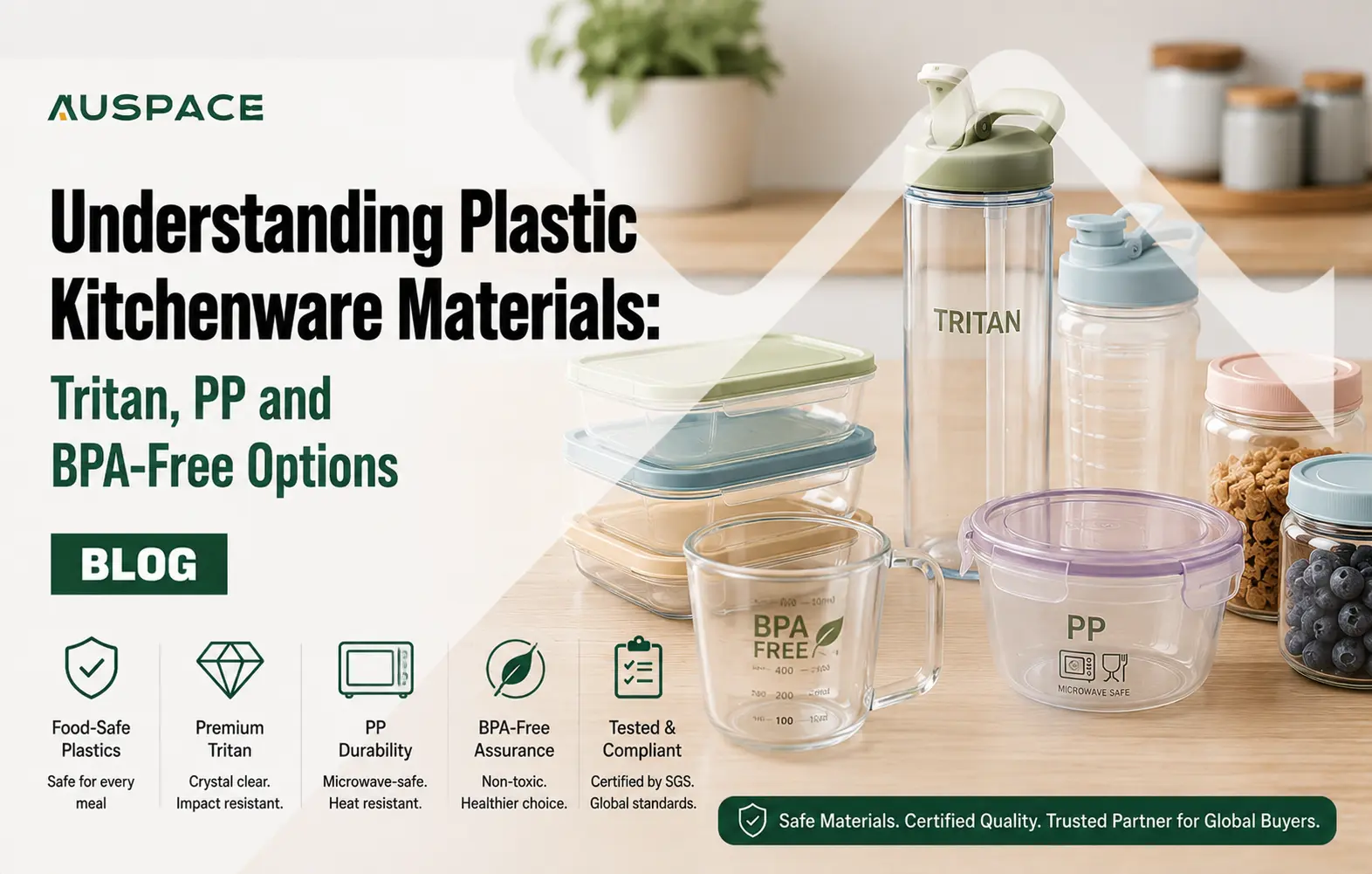
Understanding Plastic Kitchenware Materials: Tritan, PP and BPA-Free Options

Introduction In the global culinary manufacturing sector, rigid polymers are absolutely essential for designing lightweight, shatterproof items. Selecting the right Plastic Kitchenware Materials represents a vital strategy for high-volume commercial wholesale buyers. However, importers must navigate strict international chemical regulations to secure safe inventory. Global trade laws are continuously becoming more rigorous. Are you a wholesale distributor struggling to find the perfect balance between premium glass-like clarity and impact durability for your brand? Sourcing unverified polymers can result in toxic chemical migration and severe customs delays. In this guide, you will learn the distinct material characteristics of modern polymers used in consumer markets. This insight ensures you source high-quality goods that build consumer confidence. For a full breakdown of all major manufacturing options, read The Ultimate Guide to Kitchenware Materials. Key Takeaways The Critical Importance of Sourcing Food-Safe Plastics Global B2B buyers must prioritize chemical composition when importing any high-volume polymer collection. Utilizing certified food-safe plastics ensures that everyday culinary tools will not leach harmful synthetic chemicals into food. These advanced materials provide excellent structural durability while remaining lightweight and highly affordable. Modern retail markets are actively moving away from low-quality single-use items. Consumers now demand robust, reusable food containers

Kitchenware Market Europe

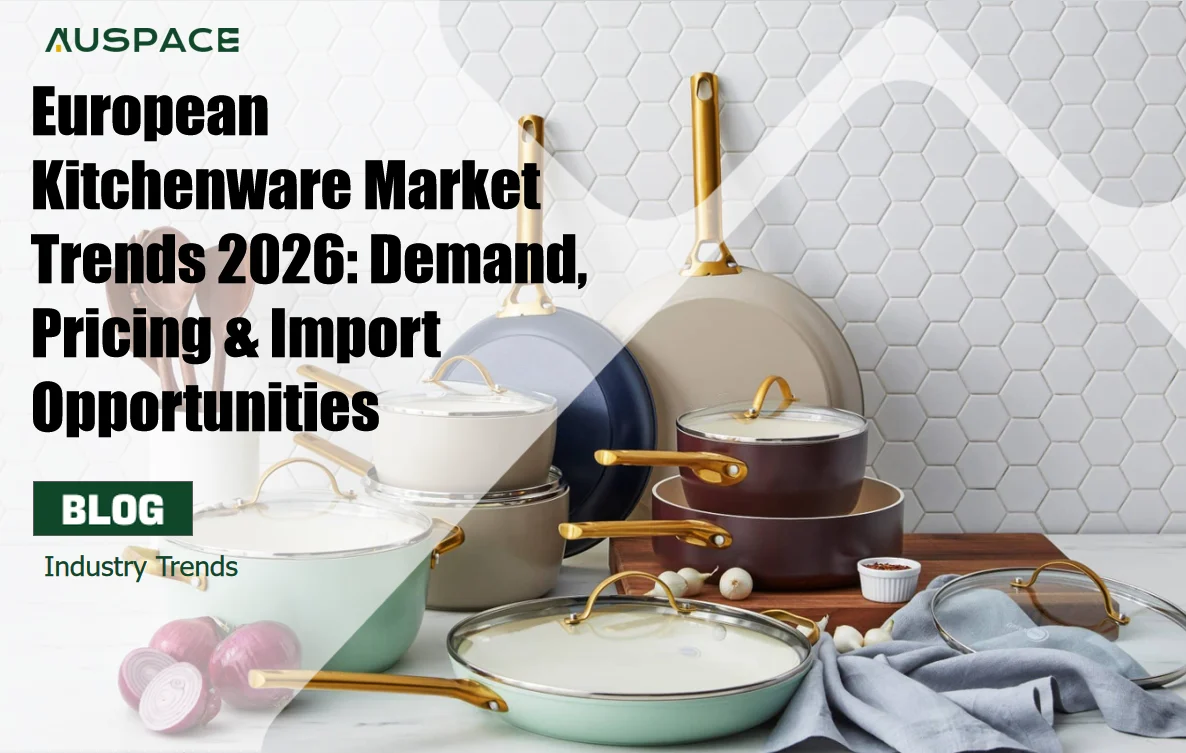
European Kitchenware Market Trends 2026: Demand, Pricing & Import Opportunities

The Kitchenware Market Europe is one of the world’s largest and most sophisticated consumer goods sectors, shaped by deep culinary traditions, rising health awareness, and evolving household spending patterns. As 2026 unfolds, the market presents a complex picture: steady demand growth driven by continued home-cooking habits and premiumization, counterbalanced by macroeconomic headwinds, rising raw material costs, and escalating trade barriers on key imported products. This guide examines the European kitchenware market in 2026, covering demand drivers, pricing trends, product category growth, and sourcing opportunities for international suppliers. Market Size and Growth Trajectory Multiple research sources converge on a clear direction: the European kitchenware market is growing steadily, though forecasts vary depending on scope and definition. The Europe kitchenware market as a whole generated revenue of approximately USD 21.28 billion in 2025 and is expected to reach USD 34.26 billion by 2033, representing a compound annual growth rate of 6.2% from 2026 to 2033. Within this broader category, the cookware subsegment—covering pots, pans, pressure cookers, bakeware, and cooking tools—reached roughly USD 5.23 billion in 2025 and is projected to grow at a CAGR of 5.0% through 2035, reaching nearly USD 8.52 billion. Other estimates place the European cookware market at USD

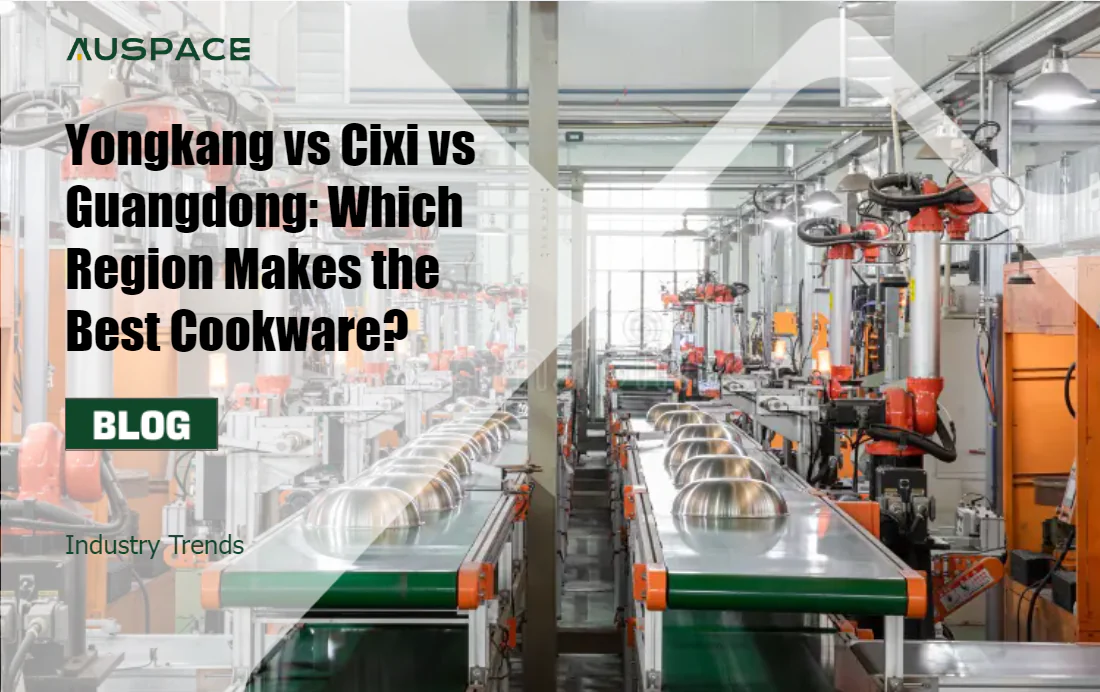
Yongkang vs Cixi vs Guangdong: Which Region Makes the Best Cookware?

Introduction: Understanding China’s Cookware Manufacturing Landscape China’s dominance in global cookware production stems from decades of specialized industrial development across distinct geographic clusters. For international buyers, understanding the differences between these regions is essential for making informed sourcing decisions that impact product quality, pricing, lead times, and customization capabilities. This comprehensive guide compares the three most important cookware manufacturing regions in China—Yongkang, Cixi, and Guangdong—to help you determine which location offers the best manufacturing partner for your specific business needs. Each region has developed unique strengths based on historical industrial development, available resources, and specialized expertise. By understanding the distinct characteristics of a Yongkang cookware manufacturer, a Cixi cookware factory, and Guangdong-based producers, you can align your sourcing strategy with the manufacturing ecosystem best equipped to deliver your desired products. 1. Yongkang: The World’s Hardware Capital 1.1 Regional Overview and Industrial Heritage Yongkang, located in Zhejiang Province, has earned its reputation as the “World’s Hardware Capital” through centuries of metalworking tradition passed down through generations. This city of approximately 750,000 people is home to thousands of hardware and yongkang cookware manufacturers, ranging from small family workshops employing traditional techniques to large industrial enterprises with fully automated production lines. The region’s manufacturing ecosystem

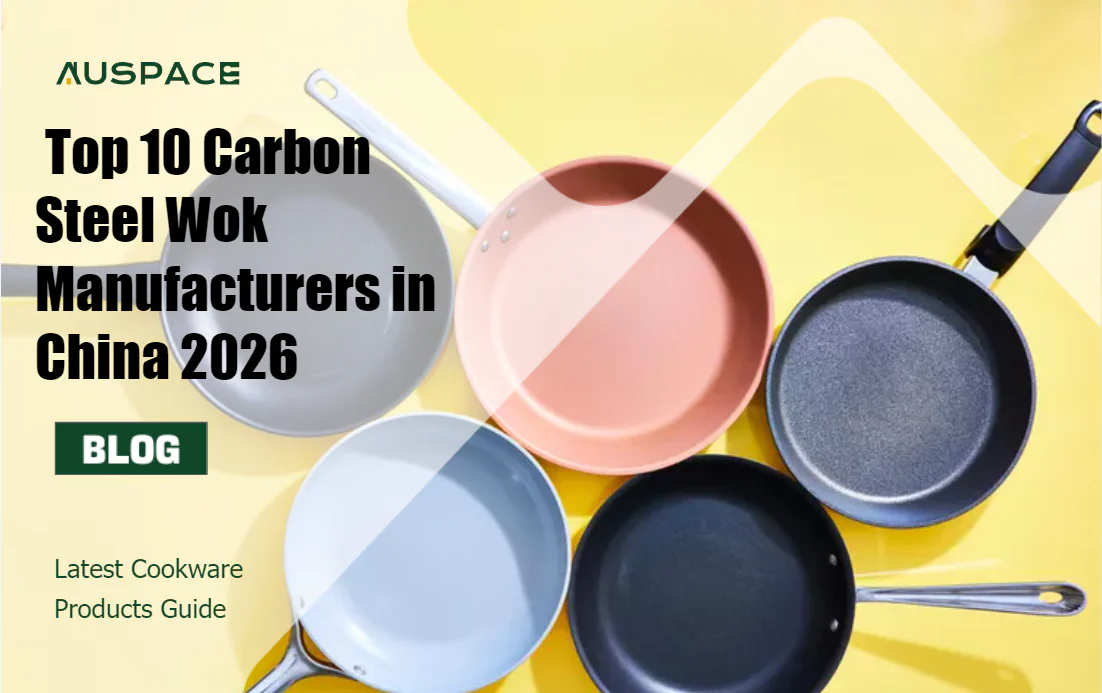
Top 10 Carbon Steel Wok Manufacturers in China 2026

Introduction: Why China Dominates Global Carbon Steel Wok Manufacturing China produces over 80% of the world’s carbon steel woks, establishing itself as the undisputed global hub for cookware sourcing. The country’s manufacturing dominance stems from centuries of metalworking tradition combined with modern industrial infrastructure, particularly concentrated in Guangdong and Zhejiang provinces. For international buyers, finding a reliable carbon steel wok manufacturer China partner is essential to securing competitive pricing, consistent quality, and scalable production capacity. The Chinese carbon steel wok industry has evolved significantly over the past two decades. Today’s manufacturers utilize advanced stamping, forging, and surface treatment technologies while preserving traditional craftsmanship techniques that have been passed down through generations. This unique combination allows buyers to source everything from hand-hammered artisan woks to mass-produced commercial-grade cookware from the same manufacturing ecosystem. However, navigating the thousands of suppliers listed on platforms like Alibaba presents significant challenges. Many intermediaries present themselves as a legitimate carbon steel wok manufacturer China but are merely trading companies adding 15-25% markups without any manufacturing capabilities. Distinguishing between genuine manufacturers and trading agents requires careful due diligence and industry knowledge. This comprehensive guide identifies 10 verified manufacturers, each rigorously evaluated based on production capacity, quality control systems, export experience, and

Top 10 Cookware Brands of 2026: A Professional Manufacturer’s Perspective

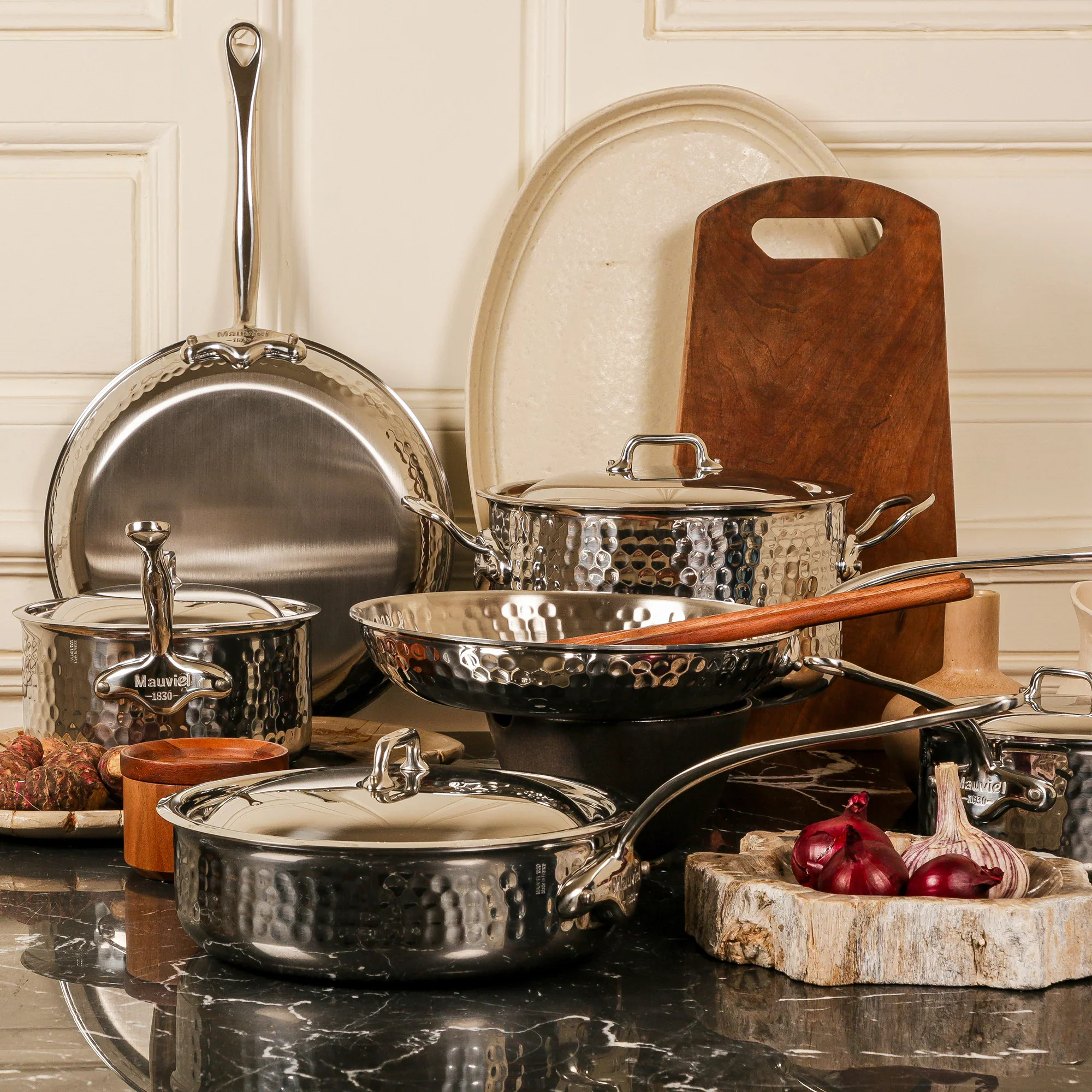
As a professional cookware manufacturing factory deeply rooted in China for over a decade, I understand the critical importance of quality cookware in the culinary experience. Since our establishment in 2014, Auspace has been committed to providing high-quality kitchenware wholesale services to global clients. We operate a 2,000 square meter showroom displaying over 10,000 products, serve 1,000+ customers worldwide, and achieve an annual turnover of $100 million. With deep understanding of cookware manufacturing craftsmanship, I’d like to share the ten most noteworthy luxury cookware brands of 2026. These brands represent the pinnacle of the cookware industry today, excelling in material selection, manufacturing craftsmanship, and design aesthetics. 1. Mauviel 1830 – French Copper Cookware Royalty When it comes to copper cookware, Mauviel is the first name that springs to mind. This Normandy-based atelier has been crafting cookware for nearly 200 years, and their pieces feel as exceptional in hand as they perform on the stovetop. Core Advantages: From a manufacturer’s perspective, Mauviel’s success lies in its unwavering commitment to traditional craftsmanship and the relentless pursuit of material excellence. 2. All-Clad – The American Benchmark in Bonded Metal All-Clad represents one of the greatest American design stories in the kitchen. This brand

Top 15 Vacuum Flask Manufacturers in China

Top 15 Vacuum Flask Manufacturers in China (Updated)

Discover the top 15 verified vacuum flask manufacturers in China for 2026. From publicly listed giants like Haers and Fuguang to specialized OEM exporters – complete guide with factory capabilities, MOQ requirements, and best-for scenarios for importers and brand owners.

Submit Your Sourcing Request

If you have a procurement list, please upload the file (size under 5MB).