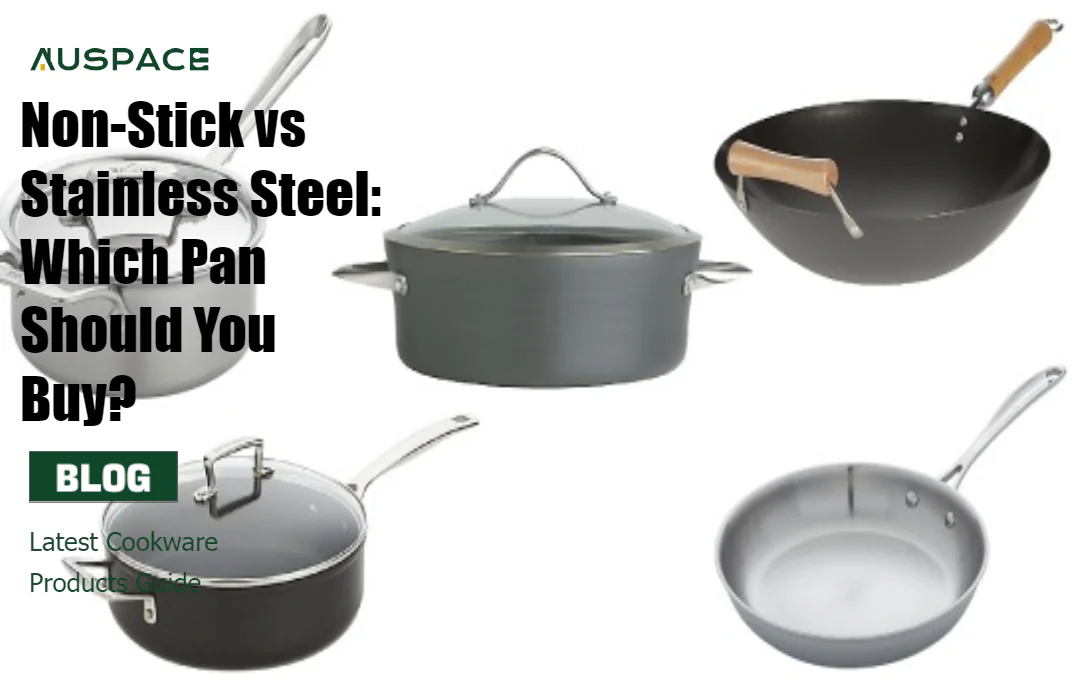
Baking is both an art and a science, and having the right baking equipment list is essential for achieving consistent, professional-quality results. Whether you are a beginner or an experienced baker, a complete baking equipment list ensures you have all the tools needed to create perfect cakes, breads, and pastries every time. This guide includes a carefully curated selection of essential baking tools, covering everything from measuring instruments and prep tools to bakeware, decorating tools, and bread-making essentials. Following this baking equipment list will save time, prevent mistakes, and make baking more enjoyable.
Understanding how to use baking tools correctly can improve precision and efficiency at every stage, from mixing ingredients to decorating the final product. This baking equipment list is designed to help beginners and seasoned bakers alike build a fully equipped kitchen, enabling consistent, bakery-quality results at home.
1. Preparatory Tools & Large Equipment in the Baking Equipment List
Digital Kitchen Scale
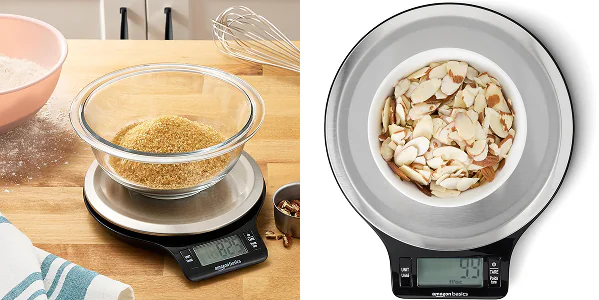
A digital kitchen scale is an indispensable item in any baking equipment list. It provides precise measurement of ingredients such as flour, sugar, butter, and liquids, which is critical for consistent results in delicate recipes like macarons, puff pastry, and artisan breads. Accurate weighing helps avoid common mistakes, ensuring that baked goods turn out perfectly every time. Including a digital kitchen scale in your baking equipment list is essential for both professional bakers and tools for beginners.
How to use: Place an empty bowl on the scale, press the tare button to zero it out, and slowly add ingredients until reaching the desired weight. Using a digital kitchen scale in your baking equipment list guarantees precision and consistency.
Pastry Blender
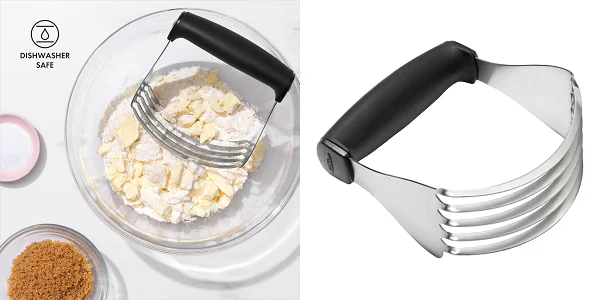
The pastry blender is a key tool in your baking equipment list, used to cut cold butter or shortening into flour for pastries, scones, and biscuits. Proper use ensures a light, flaky texture by distributing fat evenly throughout the dough. A pastry blender is one of the most recognized essential baking tools for creating high-quality baked items.
How to use: Press the curved wires into cold butter and flour until the mixture resembles coarse crumbs. Learning how to use baking tools like a pastry blender helps bakers maintain delicate dough structure.
Rolling Pin
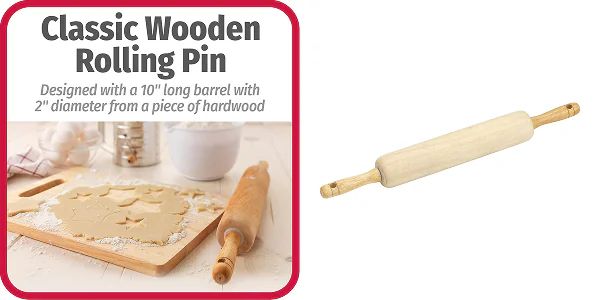
A rolling pin is a fundamental item in the list, used to flatten dough for cookies, pastries, bread, and pizza. Rolling pins allow for even thickness and consistent baking, which is critical for professional results. Every Baking essentials checklist should include a rolling pin to handle a variety of dough types.
How to use: Lightly flour the surface and roll the dough from the center outward, turning for uniform thickness. Proper knowledge of how to use tools ensures even dough and flawless baked goods.
Dutch Oven
A Dutch oven is a versatile, heavy-duty tool included in every complete list. It traps steam during baking, creating a crisp, golden crust for artisan breads while ensuring even heat distribution. Dutch ovens are a staple in any professional baking tools and equipment collection.
How to use: Preheat the Dutch oven, place shaped dough inside on parchment, cover, and bake. Remove the lid toward the end to allow browning. Including a Dutch oven in your list ensures high-quality bread baking at home.

Baking Stone
A baking stone is an essential component of the list, providing a stable, evenly heated surface for bread, pizza, and pastries. It promotes even baking and crisp crusts, making it a must-have in any serious baker’s collection of tools for bread.
How to use: Preheat the stone for at least 30 minutes in the oven. Slide dough directly onto the stone using parchment or a peel. Using a baking stone in your baking equipment list achieves bakery-quality results with a professional crust.
Bannetons
Bannetons, or proofing baskets, help maintain the shape of bread dough during its final rise. They allow airflow around the dough and prevent sticking, creating a crisp crust and beautiful patterns. Including bannetons in your baking equipment list ensures professional bread presentation.
How to use: Dust the basket with flour to prevent sticking. Place the dough inside and let it rise. Invert onto a baking tray for baking. This tool is essential in any baking equipment list for artisan bread.
2. Measuring Tools in Baking
Measuring Cups and Spoons
Measuring cups and spoons are crucial items in a baking equipment list, providing accurate portions for dry and liquid ingredients. Sets usually come in Stainless Steel or durable plastic, with clear markings for volume. Using precise measurements ensures consistent outcomes in every recipe.
How to use: Fill cups or spoons to the designated measurement. Level dry ingredients with a flat edge. For liquids, check measurements at eye level. This is an essential step in any equipment list.
Liquid Measuring Cup
A liquid measuring cup is designed to measure water, milk, oil, or other liquids accurately. Glass or heat-resistant plastic cups often have spouts for easy pouring and clear side markings. Every baking equipment list should include a liquid measuring cup for precision.
How to use: Place the cup on a flat surface and pour the liquid slowly until reaching the desired line. Avoid tilting. Using a liquid measuring cup in your list ensures recipe accuracy.
Measuring Jug
A measuring jug is larger than standard cups and used for bulk liquids or ingredient mixing. It’s an indispensable part of your Kitchenware.
How to use: Pour liquid or ingredients into the jug, reading measurements at eye level. Mix directly in the jug if needed. Including a measuring jug allows for efficiency and convenience.
Oven Thermometer
An oven thermometer monitors the exact temperature inside the oven, ensuring correct baking conditions. It is essential, used for cakes, breads, and delicate desserts.
How to use: Place the thermometer in the oven and adjust temperature as needed. Using an oven thermometer in your baking equipment list ensures consistent, reliable baking results.
3. Mixing Tools in Baking
Mixing Bowls
Mixing bowls are fundamental in any list, used for combining ingredients, marinating, and mixing batters. They come in stainless steel, glass, or plastic, and various sizes make them versatile for both small and large recipes. Including mixing bowls in your baking equipment list ensures convenience and flexibility in all baking tasks.
How to use: Select a bowl of appropriate size, combine ingredients, and mix using a whisk, spoon, or dough hook. Properly using mixing bowls is a key skill in how to use baking tools efficiently.
Whisks
Whisks are essential in your list for aerating eggs, cream, or batter. Balloon whisks are perfect for whipping, while flat whisks help blend sauces or batters smoothly. Whisks are among the most versatile essential baking tools.
How to use: Hold the handle and whisk in a circular or figure-eight motion until achieving the desired consistency. Mastering how to use baking tools like whisks improves texture in cakes and meringues.
Stand Mixer
A stand mixer is a professional-grade tool in the list, ideal for mixing, whipping, and kneading large batches of dough or batter. It reduces manual effort and allows consistent results in bread, cakes, and pastries.
How to use: Attach the appropriate mixing attachment, add ingredients, and mix on the recommended speed. Using a stand mixer ensures efficiency and uniform results.
Hand Mixer
A hand mixer is a portable version of a stand mixer, included in every modern baking equipment list. It is perfect for quick mixing of batters, whipping cream, and smaller doughs.
How to use: Plug in, attach beaters, and mix ingredients in a bowl until smooth. Learning how to use baking tools like a hand mixer allows precision and control in smaller baking tasks.
Dough Whisk
A dough whisk is a specialized tool in the list, designed for mixing heavy bread doughs without overworking gluten. Its looped wire design prevents sticking and reduces effort, making it an indispensable baking tools for bread item.
How to use: Insert into flour and liquid mixture and stir in circular motions until combined. Proper use helps maintain dough structure.
Dough Scraper / Bench Scraper
A dough scraper, or bench scraper, is a versatile tool in the baking equipment list, ideal for dividing dough, lifting sticky dough, and cleaning surfaces. It is one of the most practical for beginners.
How to use: Cut dough into portions or lift from surfaces. Scrape leftover flour to keep the workspace clean. Including a dough scraper in your baking equipment list improves efficiency.
4. Bakeware Essentials
Round Cake Pans
Round cake pans are a staple in the list, used for layer cakes, sponge cakes, and cheesecakes. They come in nonstick metal, aluminum, or silicone, providing even heat distribution for professional results.
How to use: Grease and flour or line with parchment. Pour batter evenly and bake according to recipe instructions. Using round cake pans is essential in any baking tools for cakes collection.
Square and Rectangular Pans
Square and rectangular pans belong in every baking equipment list, suitable for brownies, sheet cakes, and bars. Material affects baking time and crust texture.
How to use: Grease or line with parchment. Pour batter evenly and bake until a tester comes out clean. Correct use ensures consistent results.
Muffin and Cupcake Trays
Muffin trays are included for portioned baking. They hold batter for cupcakes and muffins uniformly, with liners preventing sticking.
How to use: Fill cups to two-thirds full, bake as directed, and cool on racks. Mastering how to use baking tools like muffin trays improves presentation and texture.
Loaf Pans
Loaf pans are essential for bread, pound cakes, and quick breads. Proper pan choice affects shape, crust, and baking results.
How to use: Grease or line with parchment. Pour batter evenly, tap to remove air bubbles, and bake. Loaf pans are a must-have in your list for bread and cakes.
Baking Sheets
Baking sheets, or cookie sheets, are a key component of the list, used for cookies, pastries, and roasting. They ensure even baking and stability for baked items.
How to use: Line with parchment or silicone mat, place items evenly spaced, and rotate mid-bake if needed. Correct use in your baking equipment list ensures uniform results.
Cooling Racks
Cooling racks are included in the baking equipment list to prevent soggy bottoms and allow even cooling of baked goods. They are essential baking tools and equipment for cakes, bread, and pastries.
How to use: Place baked items directly on racks. Avoid stacking to allow airflow. Using cooling racks in your baking equipment list ensures proper texture and shape.
Pie Weights
Pie weights are an important tool in the baking equipment list, preventing pie crusts from puffing or shrinking during blind baking.
How to use: Line the crust with parchment, fill with weights, bake partially, then remove weights before finishing. Including pie weights in your baking equipment list ensures perfect crusts.
Pastry Mats
Pastry mats are included in the baking equipment list to provide a non-stick surface for rolling dough evenly. Many have measurement guides for precision.
How to use: Lightly flour the mat, roll dough to desired thickness, and transfer carefully. Pastry mats are among the essential baking tools for beginners in your baking equipment list.
5. Decorating Tools
Piping Bags and Tips
Piping bags and tips are crucial in any baking equipment list, allowing precise decoration and filling. They can be disposable, reusable, or silicone, and the tips come in various shapes for creating flowers, borders, lettering, or textures. These tools are considered essential baking tools for cakes for achieving professional-looking decorations.
How to use: Fit the desired tip onto the piping bag, fill with frosting or cream, and twist the top to prevent spills. Squeeze gently while moving in your desired pattern. Practicing on parchment before decorating final cakes is recommended.
Offset Spatulas
Offset spatulas are included in the baking equipment list for spreading frosting, ganache, or buttercream evenly. Their angled handle prevents touching the cake surface and allows smooth finishes, making them one of the most practical tools for cakes.
How to use: Hold the spatula at an angle and glide it over the cake or pastry surface. Rotate the cake on a turntable for smooth, consistent coverage. Proper use in your baking equipment list ensures professional finishes.
Cake Turntable
A cake turntable is essential in the baking equipment list for smooth decorating and even frosting. Rotating the cake during decoration allows precise piping and leveling. This is a key item among essential baking tools.
How to use: Place the cake on the turntable and rotate slowly while decorating with a spatula or piping bag. Turntables help maintain steady, clean lines in your equipment list.
Fondant Tools
Fondant tools, including smoothers, cutters, and embossers, are a must in the baking equipment list for shaping and decorating fondant on cakes and pastries. They allow intricate designs and smooth finishes.
How to use: Roll fondant to the desired thickness. Shape or cut using the tools, smooth surfaces with fondant smoothers, and emboss patterns as needed. Proper use in your baking equipment list enhances cake presentation.
Cake Scrapers
Cake scrapers are flat or serrated tools included in the baking equipment list to level and smooth frosting on cakes, ensuring even surfaces and clean edges.
How to use: Hold the scraper against the cake and rotate or move steadily to remove excess frosting. Mastering this tool ensures precise and professional cake finishes.
Sugar Thermometer
A sugar thermometer is a key tool in the baking equipment list, measuring temperatures for sugar syrups, caramel, and candy-making. Accuracy prevents overcooking or burning sugar, making it essential baking tools and equipment.
How to use: Immerse the thermometer in the sugar mixture and monitor the temperature until the desired stage (soft ball, hard crack, etc.) is reached. Proper use in your baking equipment list ensures consistent results.
Pastry Brushes
Pastry brushes are included in the baking equipment list for applying glazes, egg washes, or butter to pastries. They provide smooth, even finishes on bread, pastries, or baked goods.
How to use: Dip the brush into the glaze or egg wash and apply evenly to the surface. Avoid overloading the brush to prevent dripping. Proper use in your baking equipment list ensures uniform results.
Pastry Cutters
Pastry cutters, found in every baking equipment list, cut dough into uniform shapes for pies, tarts, or cookies. They come in circles, squares, and fluted edges, making them essential baking tools for beginners.
How to use: Press firmly into rolled dough, lift carefully, and arrange shapes on baking trays. Proper use in your baking equipment list ensures even baking.
Lattice Roller
Lattice rollers are included in the baking equipment list for creating decorative pie tops quickly and evenly. They help achieve professional finishes on pastries and tarts.
How to use: Roll gently over dough to imprint lattice patterns. Lift and place over pies, pressing edges lightly to seal. Using lattice rollers in your baking equipment list enhances presentation.
6. Bread & Dough Tools
Bread Lame
A bread lame is an essential tool in the baking equipment list, used to score dough before baking. Scoring controls expansion and adds decorative patterns to crusty breads.
How to use: Hold the blade at a shallow angle and make swift, precise cuts on the dough before baking. Mastering how to use baking tools like a lame is critical in artisan bread preparation.
Dough Cutters / Scrapers
Dough cutters are versatile tools in the baking equipment list, ideal for dividing, shaping, and lifting dough. They are especially useful in baking tools for bread preparation.
How to use: Use the flat edge to divide dough into portions or lift from work surfaces. Clean benches and tools after use. Proper use improves workflow.
7. Safety, Storage & Beginner Essentials
Heat-Resistant Gloves
Heat-resistant gloves protect hands from burns while handling hot pans, trays, and baking sheets. They are essential baking tools for beginners in the baking equipment list.
How to use: Wear snug gloves when transferring hot bakeware in and out of ovens. Proper use in your baking equipment list ensures safety and confidence.
Timers
Timers are included in the baking equipment list to track baking times accurately and prevent overbaking or underbaking.
How to use: Set according to recipe, and monitor alongside oven thermometer readings. Timers are essential baking tools and equipment for precise baking.
Cleaning Brushes
Cleaning brushes are part of a complete list, used for cleaning corners, utensils, and bakeware.
How to use: Scrub residual flour, dough, or frosting from tools and surfaces, rinse, and dry. Using cleaning brushes maintains hygiene in your baking equipment list.
Storage Containers
Storage containers are essential in the baking equipment list, keeping ingredients like flour, sugar, and nuts fresh.
How to use: Label containers, fill, and seal tightly. Storage containers are one of the most practical essential baking tools in any kitchen.
Aprons
Aprons protect clothing from spills and flour. Many aprons have pockets for small tools, making them part of your baking equipment list.
How to use: Wear before baking, and use pockets for thermometers, spatulas, or piping tips. Proper use in your baking equipment list improves efficiency and hygiene.
Conclusion
This 40 Must-Have Tools for Baking Equipment List covers every essential item for a successful baking experience. From preparatory tools, measuring instruments, mixing equipment, to bakeware, decorating tools, and bread-making essentials, each tool plays a critical role in achieving professional-quality results. Proper understanding of how to use baking tools ensures consistent, precise, and beautifully finished baked goods.
Equipping your kitchen with these tools allows both beginners and seasoned bakers to streamline workflows, maintain accuracy, and produce bakery-level results at home. By following this comprehensive baking equipment list and incorporating baking tools for cakes, baking tools for bread, and other essential baking tools, every baking session becomes efficient, safe, and enjoyable.

Janice brings years of dedicated experience in the kitchenware industry, focusing on solving buyers’ procurement challenges. She also manages end-to-end compliance so buyers can avoid delays. Her goal is to be your reliable kitchenware ally—delivering quality products on time, no headaches.