Introduction
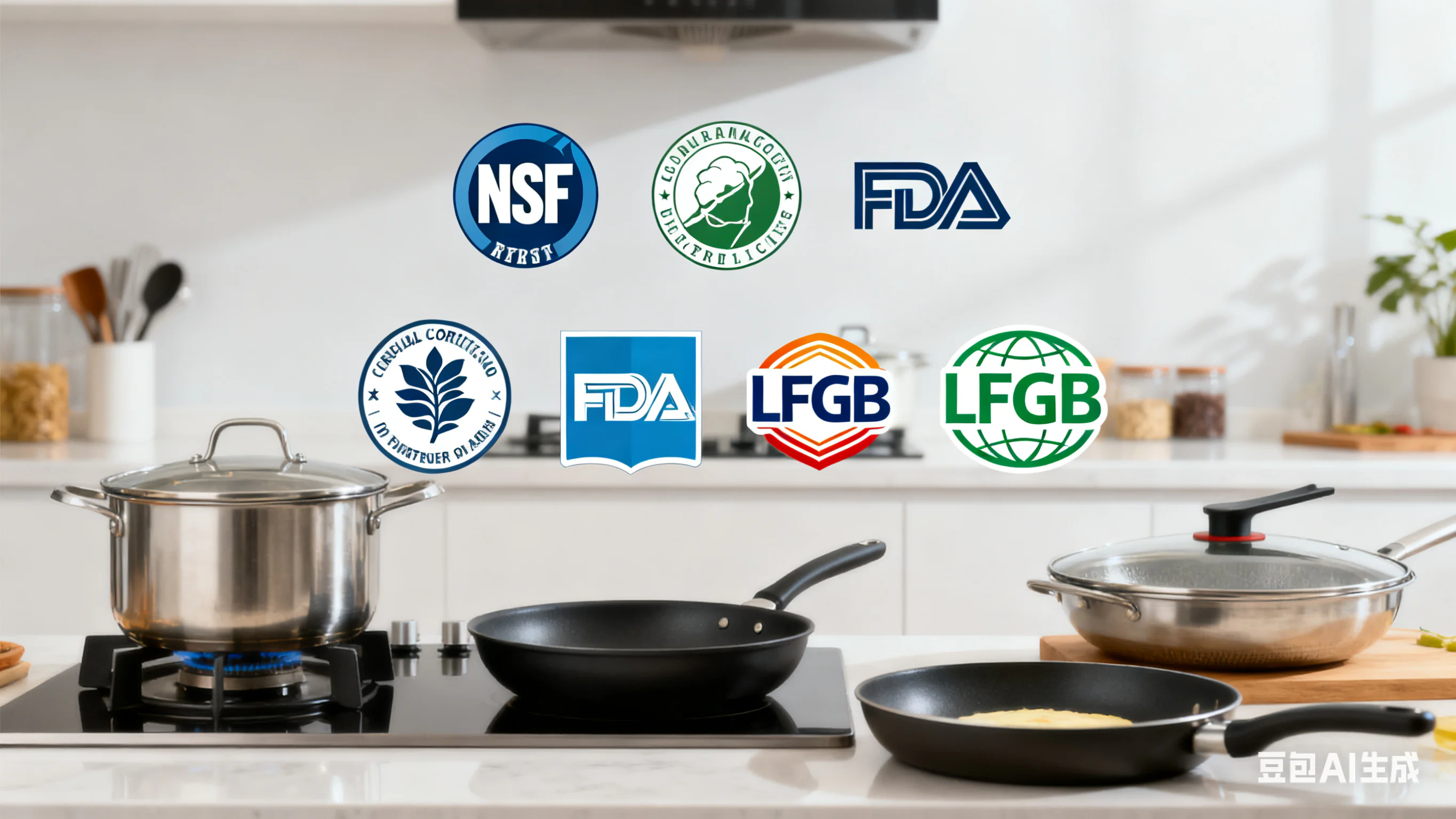
In today’s health-conscious world, the cookware we use plays a crucial role in our culinary experiences. With numerous options available on the market, understanding the significance of certified cookware has never been more important. Cookware certification logos not only symbolize adherence to safety and quality standards but also provide consumers with the assurance they need to make informed choices. From the FDA logo on cookware to the NSF certified cookware logo, these labels offer insights into the product’s safety and longevity. This article will explore the numerous benefits of buying certified cookware, highlighting its long-term value and the consumer confidence that comes with authentic cookware certification marks.
1 What Are Cookware Certification Logos and Why Do They Matter?
In the ever-evolving cookware industry, cookware certification logos serve as crucial indicators of product quality, safety, and compliance with regulatory standards. These logos are emblematic of the rigorous testing and evaluation processes that cookware undergoes to ensure it meets specific safety and performance criteria. Understanding the significance of these certification logos not only empowers consumers to make informed purchasing decisions but also enhances manufacturers’ credibility in a competitive market.
1.1 Understanding the Significance of Certification Logos
Certification logos on cookware act as visible symbols of assurance and quality. They indicate that a product has been evaluated by recognized third-party organizations against established industry standards. For instance, logos such as the NSF certified cookware logo denote that the cookware has passed stringent tests for safety, sanitation, and performance, assuring consumers that they can trust the materials used in their kitchen.
The significance of these logos extends beyond mere compliance; they represent a commitment to quality assurance. For manufacturers, having their products bear official certification logos can unlock additional market opportunities, build brand reputation, and foster consumer trust. This is particularly crucial in the global marketplace, where consumers are increasingly vigilant about food safety and the environmental impact of their cookware choices.
In addition, knowing what cookware certification logos mean can help consumers avoid potential health risks associated with non-compliant products. For example, products lacking certification logos may contain harmful chemicals or materials that could leach into food during cooking. By prioritizing certified cookware, consumers hedge against such risks, promoting healthier cooking practices and peace of mind.
1.2 The Role of Cookware Certification in Consumer Safety
Cookware certification plays a pivotal role in ensuring consumer safety. It serves as a mechanism for regulatory bodies and third-party organizations to assess and validate the safety measures in cookware manufacturing. For example, certifications from reputable organizations are critical in ensuring that products do not contain toxic substances such as heavy metals or harmful chemicals. This is especially important for items like non-stick cookware, where concerns about the FDA logo on cookware materials may arise.
Moreover, certification logos signal that a manufacturer adheres to established safety protocols throughout the production process. For instance, LFGB certification means that the product complies with strict food safety standards in the European market. Understanding the LFGB certification logo meaning helps consumers choose products that prioritize safety and comply with stringent regulations.
In essence, cookware certification logos enable consumers to make choices that align with safety standards, providing a safeguard against substandard products. The presence of such logos not only reassures consumers but also drives manufacturers to uphold quality during production, thereby raising the overall industry standards.
2 What Do the FDA Logo on Cookware and Other Certification Logos Mean?
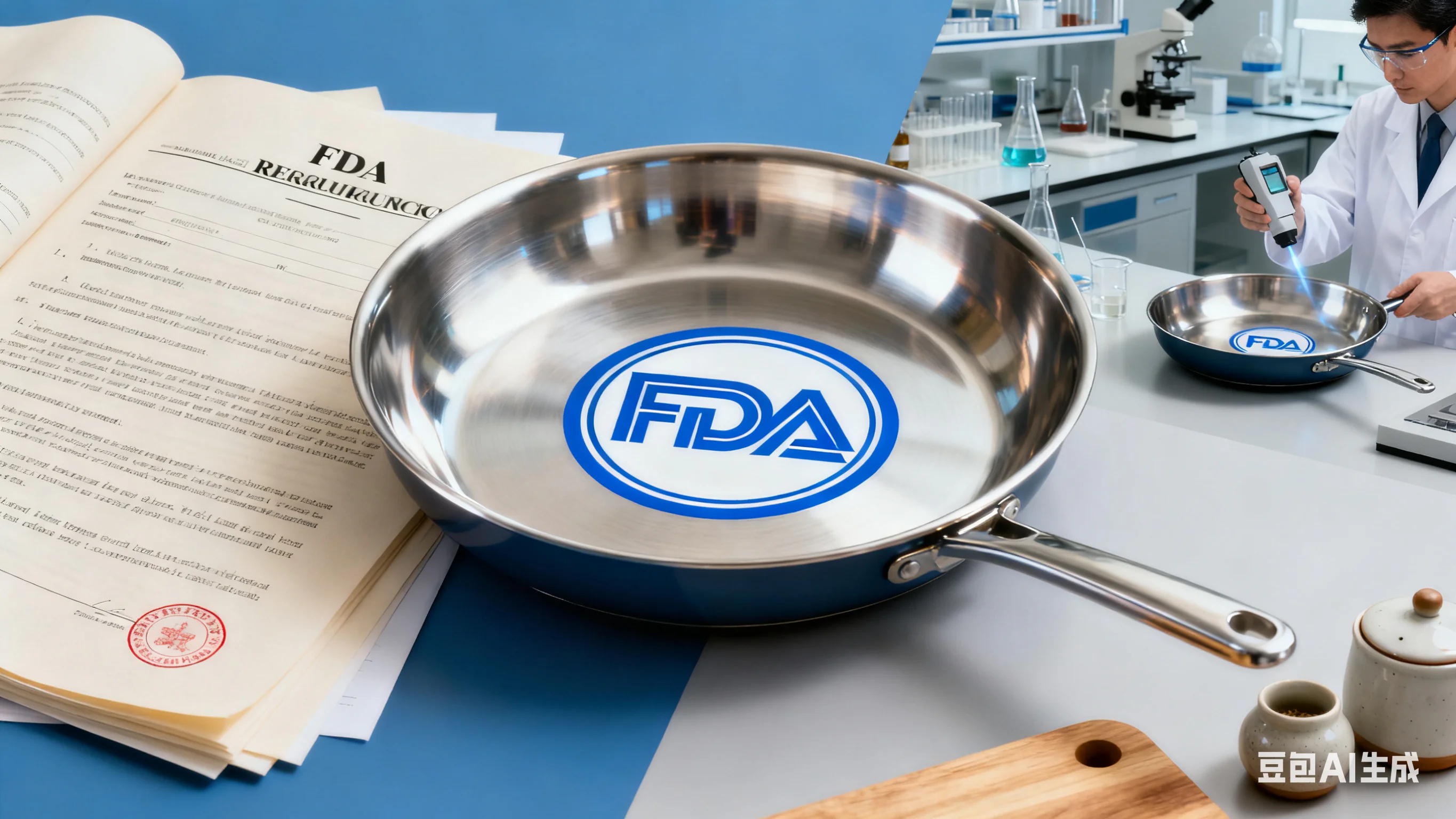
The presence of the FDA logo on cookware signifies adherence to rigorous safety standards set by the Food and Drug Administration, a crucial element for consumer protection. As consumers become more discerning about the quality of products they purchase, understanding what these logos signify is essential for making educated decisions about kitchenware.
2.1 Overview of FDA Regulations in Cookware
The FDA plays a critical role in ensuring that cookware is safe for consumer use. Regulations detailed by the FDA govern materials and manufacturing processes, particularly concerning any components that may come into contact with food. For instance, cookware that bears the FDA logo has been assessed for safety in regards to chemical composition and leaching.
Under FDA regulations, manufacturers must ensure that their products do not contain harmful substances, and any materials used can withstand high temperatures typical in cooking scenarios without degrading or releasing toxins. This is particularly important for materials like metals, plastics, and non-stick coatings. Consumers should be aware that simply having an FDA logo is not a blanket safety endorsement; rather, it indicates that the cookware complies with essential safety guidelines.
Understanding what the FDA logo on cookware denotes not only informs consumers about product safety but also empowers them to make choices that enhance their health and wellbeing. For instance, products with the FDA logo are often viewed as safer alternatives, reassuring consumers about the integrity of their cookware.
2.2 Implications of the FDA Logo for Consumers
For consumers, the implications of purchasing cookware with the FDA logo are multifaceted. Firstly, it instills confidence in the quality and safety of the product, reducing concerns about harmful contaminants. When shopping for cookware, seeing the FDA logo can signal that the product has undergone thorough evaluation and adheres to regulatory safety mandates.
Moreover, the presence of certification logos like the FDA emblem may also influence purchase decisions by enhancing brand credibility. Manufacturers that prioritize compliance with FDA regulations can effectively market their products to health-conscious consumers who seek reliable kitchenware options. As such, consumers can look for these logos as indicators of quality assurance, knowing that they reflect not just adherence to safety but also a commitment to transparency and consumer trust.
However, consumers must also remain vigilant and informed. While the FDA logo provides assurance, it remains essential to know how to spot fake cookware certifications. Being aware of what constitutes authentic cookware certification marks will further empower consumers to avoid subpar products and maintain a safe cooking environment.
In summary, understanding the meaning and implications of the FDA logo and other cookware certification logos equips consumers with the insights necessary for making informed choices, promoting safety, and encouraging manufacturers to adhere to high-quality standards in production.
3 What Does the LFGB Certification Logo Mean and Why Is It Important?
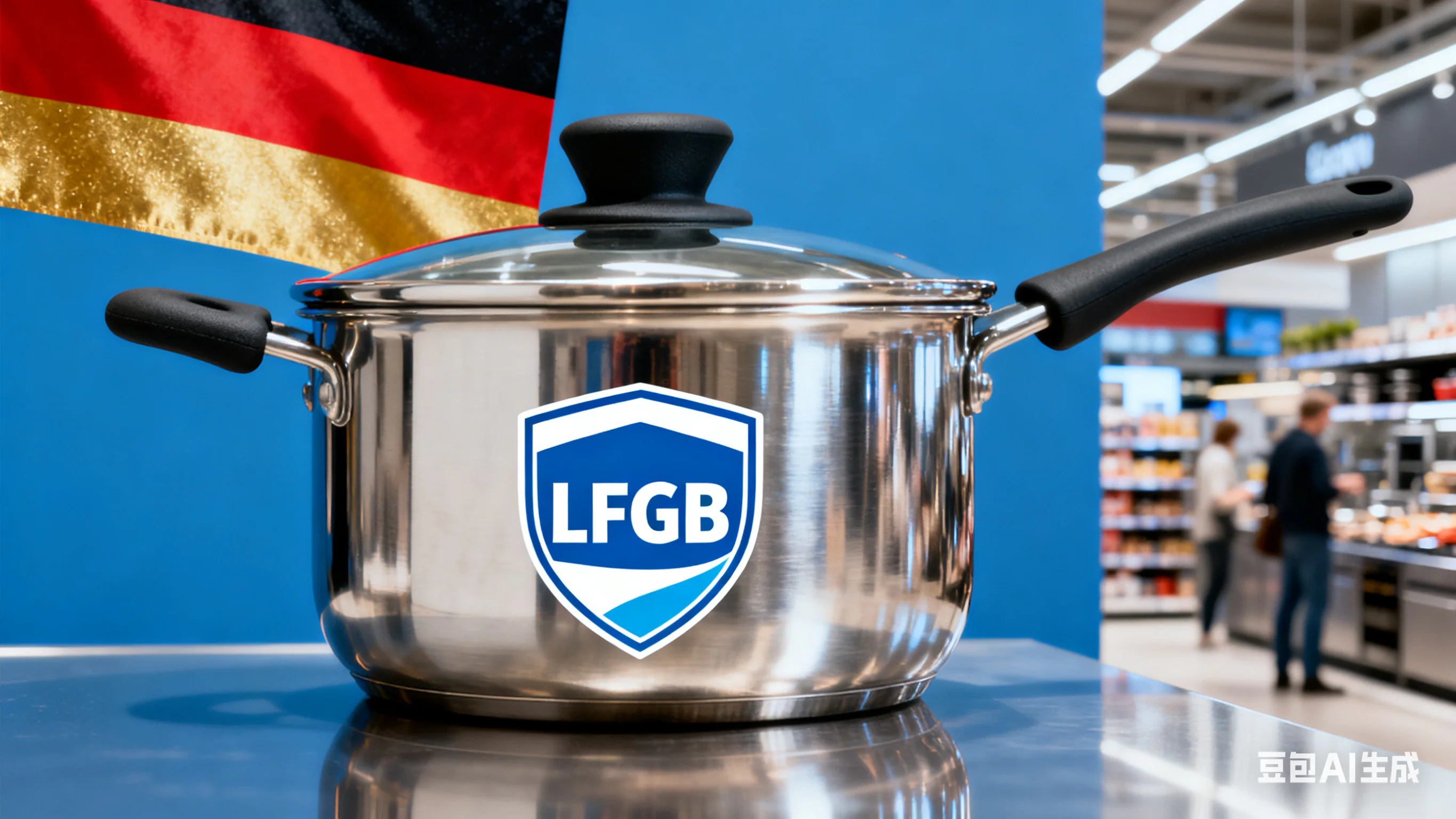
The LFGB certification logo is an important marker of quality and safety in the cookware industry, particularly within European markets. Understanding this certification helps both consumers and manufacturers navigate the complexities of cookware safety and compliance.
3.1 Insights into LFGB Standards
LFGB stands for “Lebensmittel- und Futtermittelgesetzbuch,” which translates to the German Food and Feed Code. This legislation establishes comprehensive safety standards for materials intended to come into contact with food, including cookware. The LFGB certification logo indicates that the cookware has been rigorously tested and complies with the high safety standards laid down by the law.
The LFGB standards focus on various factors related to food safety. Products bearing this certification must demonstrate that they do not emit harmful substances when heated, do not contaminate food with toxins, and maintain integrity over time. These standards cover multiple materials, including metals, plastics, ceramics, and non-stick coatings, ensuring that they are suitable for cooking.
One crucial aspect of LFGB testing involves migration tests. These tests check whether any substances migrate from the cookware to food when exposed to heat. The LFGB ensures that any such migration levels fall well below established safety thresholds, which aids in preventing potential health risks associated with cooking.
Moreover, the LFGB logo signifies transparency in the manufacturing process, encouraging consumers to choose products that prioritize health and safety. In an age of increased consumer awareness regarding food safety, cookware with LFGB certification stands as a reliable choice.
3.2 The Value of LFGB Certification for European Markets
For manufacturers, obtaining LFGB certification can significantly enhance product credibility and marketability in Europe. The LFGB certification logo is recognized not just as a safety measure but also as an endorsement of quality. This certification can be a decisive factor for consumers, particularly in competitive markets where trust is paramount.
In European nations, many consumers actively seek out cookware with the LFGB certification logo due to its strong association with safety and quality. Therefore, for producers aiming to capture the European market, having LFGB certification can differentiate their products in a crowded marketplace. It aligns with the growing consumer demand for transparency, safety, and sustainability in cookware.
Additionally, LFGB-certified cookware can facilitate smoother access to retail and distribution channels throughout Europe. Retailers often prefer stocking products with reputable certifications, as they can reassure consumers about the safety and quality of the cookware being sold.
In summary, the LFGB certification logo is an essential marker, especially for any cookware aimed at the European market. It provides both consumers and producers with assurance regarding safety and quality, making it a valuable aspect of cookware certification logos that significantly impacts purchasing decisions.
4 How to Interpret the NSF Certified Cookware Logo?
The NSF certification logo is another key indicator of safety and quality in the cookware landscape. As a recognized symbol, it signifies that cookware has passed rigorous testing for safety, performance, and sanitary conditions.
4.1 NSF Certification Standards Explained
The NSF, or National Sanitation Foundation, outlines specific standards focused on ensuring that products meet health and safety requirements. When a cookware product bears the NSF certified cookware logo, it indicates that the item has been evaluated through comprehensive testing processes that assess its suitability for food preparation.
NSF standards for cookware include testing for durability, resistance to corrosion, and leaching of harmful substances. For instance, materials used in the manufacturing of non-stick cookware must undergo extensive scrutiny to ascertain that they do not release toxic compounds, especially at high cooking temperatures. This aligns with broader consumer concerns regarding the safety of non-stick coatings, similar to those raised in discussions about what do cookware certification logos mean.
The NSF certification involves checking manufacturing processes for adherence to hygiene standards, ensuring that the cookware can withstand the rigors of regular use without compromising food safety. This level of scrutiny is essential for building consumer confidence in the product.
4.2 Benefits of Choosing NSF Certified Cookware
Choosing NSF certified cookware offers numerous benefits for consumers. Primarily, it provides peace of mind regarding health and safety. The rigorous NSF standards mean that consumers can trust that the cookware they purchase is free from harmful substances and safe for food preparation.
Additionally, the NSF certification logo serves as a benchmark for quality. Many consumers actively seek NSF certified products as part of their commitment to healthy living and ethical consumerism. Consequently, manufacturers that hold NSF certification can leverage this credibility to appeal to health-conscious consumers, gaining a competitive edge in the market.
Another benefit of NSF certified cookware is its reliability in terms of performance. Products that meet NSF standards are designed to endure everyday cooking activities, retaining their functionality over time without degrading material quality. This long-term reliability can foster customer loyalty, as satisfied consumers are likely to return for additional products.
In conclusion, the NSF certified cookware logo serves as an essential tool for informing consumers about the safety and quality of their cookware choices. Understanding these cookware certification logos enhances consumer awareness and supports informed purchasing decisions, ultimately promoting better health and safety practices in kitchens worldwide.

5 How to Spot Fake Cookware Certifications?
In a market where safety and transparency are paramount, fake cookware certifications can pose significant risks to consumers. Being able to identify authentic cookware certification logos is essential for promoting safe cooking practices. This section will delve into common signs of fraudulent certification logos and outline best practices for verifying authenticity.
5.1 Common Signs of Fraudulent Certification Logos
One of the first steps in recognizing fake cookware certifications is knowing what to look for. There are several common signs that may indicate a certification logo is fraudulent or misleading.
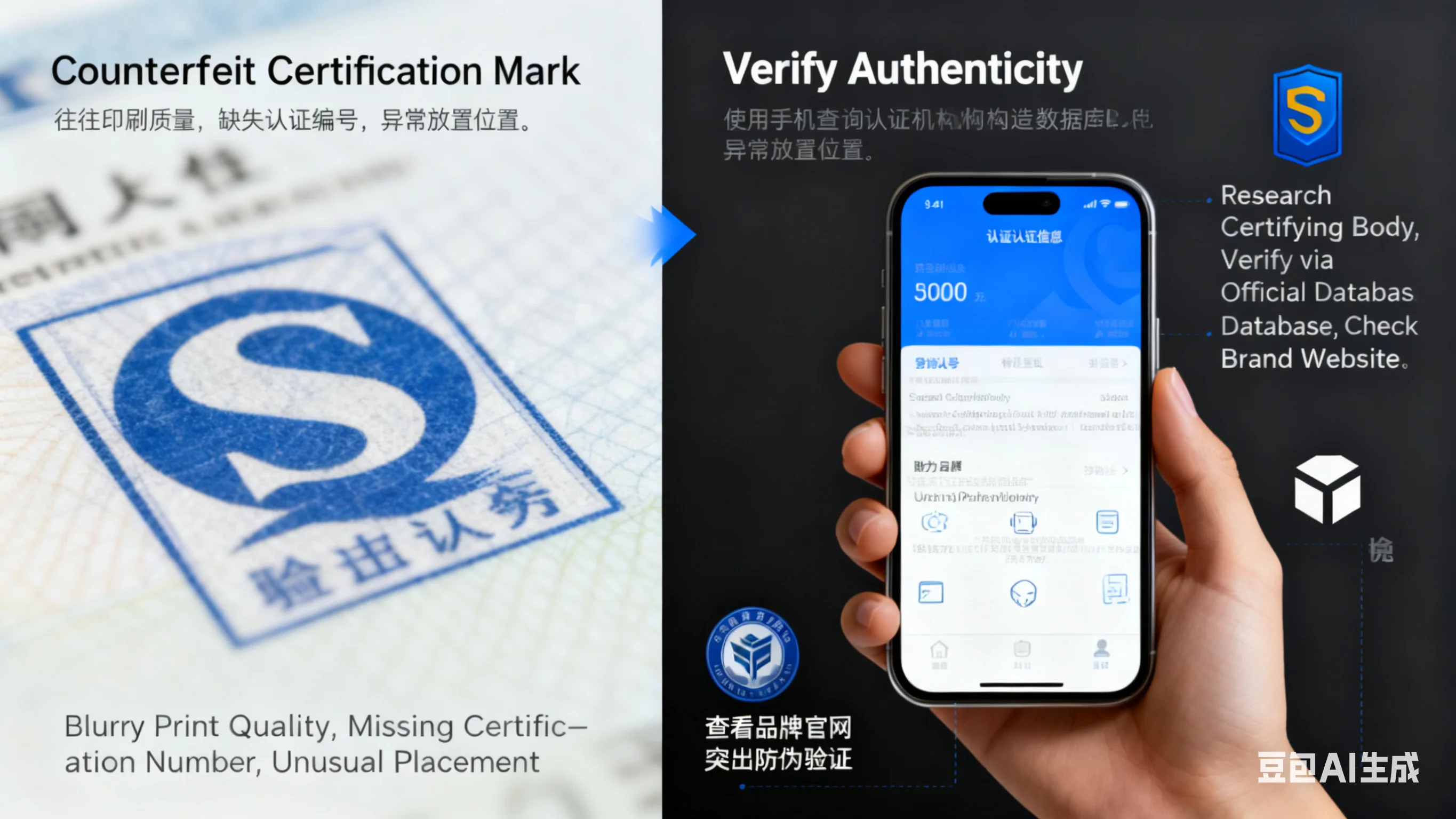
Firstly, poor print quality or inconsistencies in the logo’s design can be telltale markers of authenticity issues. Genuine certification logos are usually standardized and scrutinized for quality. If a logo appears blurry, pixelated, or significantly varies from standard versions, it may suggest fraud.
Secondly, lacking vital information is another red flag. Authentic cookware certification logos typically include essential details such as certification numbers, the name of the certifying authority (e.g., FDA, NSF, or LFGB), and often specific product information. If such details are missing or if you find a logo on a product without associated certification details, this should raise concerns about its authenticity.
Moreover, placement of the logo is critical. Fake certifications may be placed in unusual locations on the product, while authentic logos are typically found in easily visible areas. Be cautious of logos placed on packaging or non-prominent areas, as these may serve to mislead rather than inform.
Lastly, an overabundance of logos can be suspicious. While many manufacturers may utilize multiple certifications, if a product claims too many certifications, especially from different regions, it raises questions about compliance with regulations in those markets. Consumers should review the claims and verify if such multiple certifications are truly applicable to the product.
Understanding how to spot fake cookware certifications is vital for ensuring safety and quality. Consumers must wield this knowledge to choose cookware that genuinely meets the safety and quality standards expected in today’s marketplace, thus avoiding potential health hazards.
5.2 Best Practices for Verifying Authenticity
Ensuring the authenticity of cookware certification logos requires diligence and proactive verification. Consumers can adopt several best practices to confidently determine whether cookware certifications are genuine.
First, research the certifying organization. Familiarize yourself with reputable certification bodies relevant to your region, such as the FDA, NSF, or LFGB. Understanding what their logos mean and the standards they enforce can help in identifying non-compliant products. Cross-referencing the manufacturer’s claims with the certifying agency’s official list of certified products is an excellent step.
Second, use technology to verify. Many certification organizations provide resources or databases that consumers can access to verify whether specific products are certified. For example, the NSF has an online directory where consumers can enter specifics about a product to confirm its certification. This step reinforces the trust consumers place in authentic cookware certification marks.
Another practice is to engage with the brand. Reputable manufacturers are typically transparent about their certifications and can provide detailed answers about the certification process of their products. Contacting customer service or checking their websites for detailed information about safety standards can deliver additional peace of mind.
Lastly, inspect packaging carefully. Authentic cookware certification logos often come with accompanying user instructions or details on proper use and care. Be wary of products that come with inadequate or vague packaging without sufficient information regarding certification.
Implementing these best practices can help consumers confidently navigate the complexities of cookware certification, allowing them to make safer, informed choices in their kitchenware purchases.
6 How to Conduct an Authentic Cookware Certification Marks Check?
Determining whether cookware certification logos are legitimate is crucial for consumer safety. Conducting a thorough authenticity check helps ensure that the products you use are certified and compliant with safety standards. This section outlines essential tips for authenticating certification logos and resources for verifying cookware certifications.
6.1 Tips for Authenticating Certification Logos
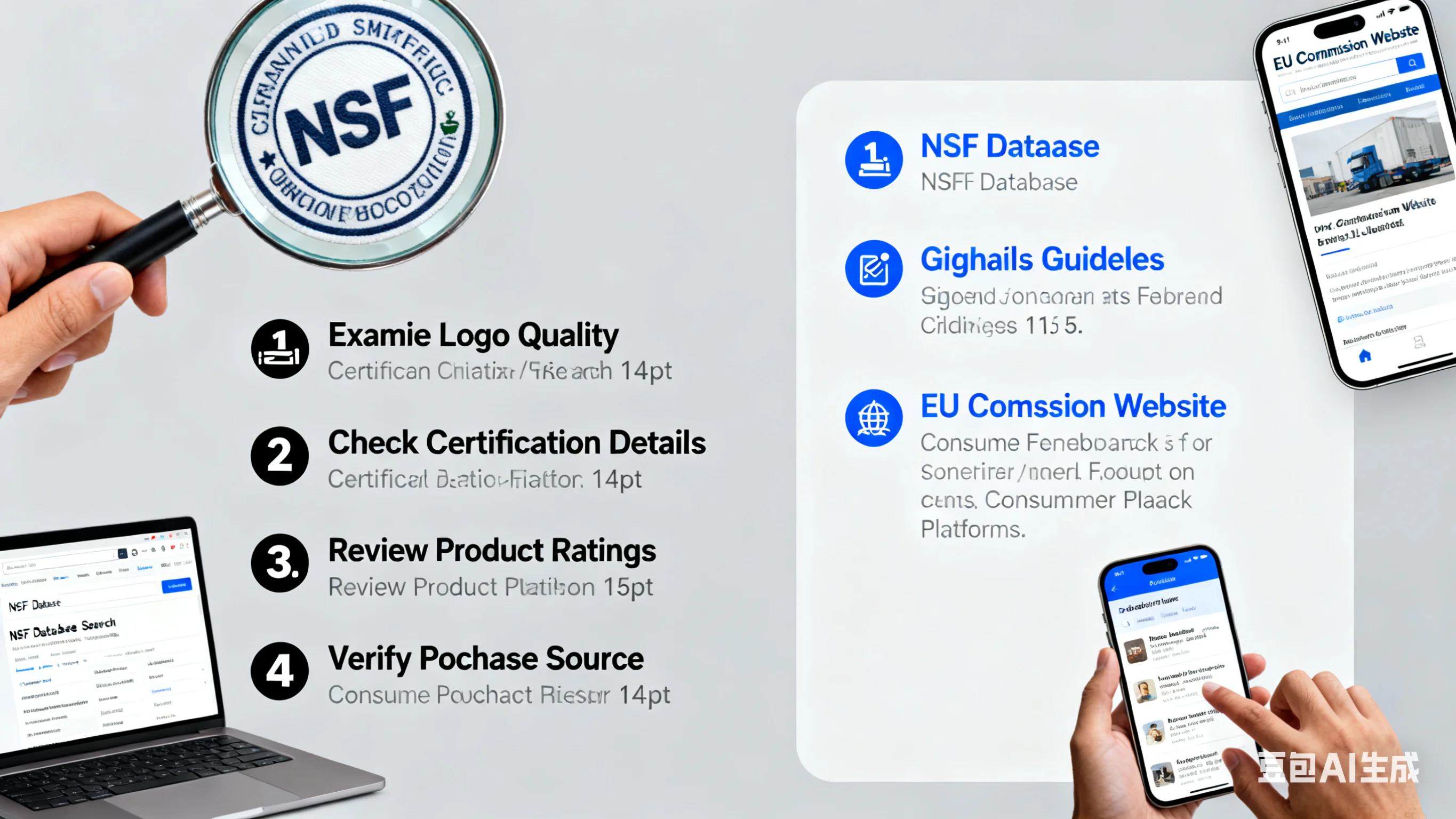
Performing an authenticity check on cookware certification logos is an essential part of responsible consumer behavior. Start by examining the logo closely. Analyze the quality of printing and consistency with the standards applied by recognized certification bodies. Referencing official logos on the organizations’ websites can help consumers understand how they should look and feel.
Next, check the certification details associated with the logo. Legitimate certifications often include details such as the certification number, issuing date, and scope. Verifying the provided information against official records can highlight discrepancies that may indicate a fraudulent claim.
Additionally, review product reviews and ratings. Researching customer feedback can provide insights into the credibility of the product and the manufacturer. Consumers often share experiences regarding the product’s performance and any concerns surrounding certification authenticity, thus assisting others in making informed choices.
Furthermore, consider the purchase source. Buying from trusted retailers—whether online or offline—can significantly reduce the risk of encountering fake certifications. Reputable vendors typically perform their due diligence regarding products they sell, ensuring a layer of safety for consumers.
Finally, familiarize yourself with key regulatory standards related to cookware certification. Understanding what specific certifications, such as the FDA logo on cookware or the LFGB certification logo meaning, entail will equip you better to identify fraudulent claims.
6.2 Resources for Verifying Cookware Certifications
Leveraging trustworthy resources can significantly aid consumers in verifying cookware certifications. Numerous organizations offer official websites where consumers can directly check a product’s certification status.
For example, the NSF International website allows consumers to search for certified products through its database, providing immediate verification of the NSF certified cookware logo. Similarly, the FDA regularly updates guidelines and safety standards, reinforcing the importance of their certification in the cookware industry.
Another valuable resource is the European Commission’s website, which outlines the LFGB standards and offers insights into certified cookware available in the market. The site provides essential information about compliance and product safety, allowing consumers to validate any claims made by manufacturers.
Social media and consumer feedback platforms also serve as useful tools. Websites such as Consumer Reports or product review sections in e-commerce platforms can illuminate the experiences of other consumers with specific products and reveal concerns related to certification authenticity.
Finally, community forums or specialized groups dedicated to cookware can be another valuable source, where members share knowledge, warn against fraudulent products, and provide insights based on personal experiences.
Utilizing these resources equips consumers to ensure they choose cookware products that feature authentic certification logos, thus promoting safer cooking environments and enhancing overall consumer confidence. In a marketplace filled with numerous cookware certification logos, thorough verification acts as a cornerstone for informed purchasing decisions.
7 What Are the Benefits of Buying Certified Cookware?
Investing in certified cookware offers a multitude of advantages that extend beyond mere aesthetics or brand names. When examining cookware, consumers often encounter various cookware certification logos that signify compliance with safety and quality standards set by recognized organizations. Understanding the value of these certifications can enhance buyer confidence and contribute to a satisfying culinary experience.
7.1 Long-Term Value and Safety of Certified Cookware
The most compelling reason to purchase certified cookware is the long-term value and safety assurance it provides. Cookware that bears certifications from authoritative organizations—such as NSF, FDA, or LFGB—has undergone extensive testing to ensure it meets stringent safety and quality standards. This compliance means that consumers can rest assured that the materials used in the cookware are safe for use, particularly when in contact with food.
For example, the NSF certified cookware logo indicates that the cookware has been tested for NSF’s rigorous safety and sanitation protocols. This certification helps ensure that the cookware is free from harmful chemicals that could leach into food during cooking. Moreover, products marked with the FDA logo on cookware are subject to scrutiny regarding their manufacturing processes and material safety, which significantly reduces the risk associated with their use.
In terms of durability, certified cookware is typically designed to withstand regular use over an extended period. The testing and validation processes ensure that the cookware can endure high temperatures without degrading or emitting harmful substances. Consequently, while certified cookware may come with a higher initial investment, its longevity and safety features ultimately lead to cost savings over time. Fewer replacements and reduced health risks translate to enhanced value for the consumer.
Another key aspect of certified cookware is environmental sustainability. Many certification organizations are increasingly focusing on eco-friendly materials and manufacturing practices. By purchasing certified cookware, consumers contribute to a more sustainable market, encouraging manufacturers to adopt environmentally responsible practices.
In summary, the long-term value and safety of buying certified cookware are substantial. With assurances from authentic cookware certification marks, consumers are equipped to make informed choices that prioritize their health, environmental considerations, and overall quality.
7.2 Consumer Confidence and Brand Trust Associated with Certification Logos
The presence of cookware certification logos instills confidence in consumers as they navigate the myriad options available in the market. When consumers pick up a pot or pan with an NSF or LFGB certification logo, the implicit message is clear: the product has undergone rigorous assessments and meets established safety and performance criteria. This assurance fosters a sense of trust between the consumer and the brand, leading to brand loyalty.
For many consumers, understanding what cookware certification logos mean is essential to making informed purchasing decisions. Certifications provide a safety net; when a product is certified, customers are less likely to worry about potential contaminants or poor manufacturing quality. This knowledge greatly enhances consumer confidence, enabling them to focus on their cooking experience rather than the potential hazards associated with inferior or uncertified products.
Moreover, brands that prioritize certifications tend to cultivate a reputation for quality and reliability. Companies investing time and resources into obtaining certifications like the LFGB certification logo meaning reflect their commitment to adhering to industry standards. This commitment strengthens their brand image, drawing consumers who value safety and quality, thereby creating a mutually beneficial relationship.
In the competitive landscape of cookware manufacturing, certified products can help brands stand out. They can leverage their certification status in marketing, highlighting their adherence to safety standards and industry regulations. As a result, consumers often gravitate toward well-known brands that provide the confidence of certification, knowing that their cookware purchases align with quality and safety expectations.
Lastly, as consumers become increasingly aware of health and safety issues related to food preparation, they actively seek out informative resources to guide their purchases. This growing awareness increases scrutiny regarding authentic certification marks, leading to a demand for transparency from cookware manufacturers. Brands that meet this demand for accountability are likely to build stronger customer relationships and ensure repeat business.
In conclusion, the benefits of buying certified cookware extend beyond the kitchen. Enhanced consumer confidence, brand trust, and the assurance of safety underscore the importance of recognizing and understanding cookware certification logos. For those seeking long-lasting, reliable cookware, prioritizing certified products is not just a choice; it’s a commitment to safety, quality, and sustainable practices in food preparation.

Conclusion
In summary, investing in certified cookware is a wise decision that pays off in terms of safety, durability, and trust. The assurance provided by authentic cookware certification logos empowers consumers to make informed choices, enhancing their kitchen experience and overall well-being. As more people recognize the importance of quality in food preparation, buying certified products becomes paramount.
If you are looking for reliable cookware options or have any questions about cookware certification, we invite you to reach out to us. Our team is here to guide you in making safe and informed purchasing decisions. Don’t compromise on your health and safety—choose certified cookware and enjoy peace of mind in your kitchen!

Lola Zhang is a Kitchenware Sourcing & Market Specialist at Auspace Kitchenware, with years in China’s kitchenware wholesale sourcing. She helps buyers spot trending products, optimize procurement, and handle post-purchase issues.With deep industry experience, she offers tips on market-matching and smooth sourcing. Her expertise links buyers to trusted Chinese manufacturers, making her a reliable partner for efficient kitchenware sourcing.