Introduction
In today’s fast-paced food industry, efficient and safe bulk food storage containers is more critical than ever. Whether you’re a restaurant owner, catering business, or bulk food supplier, choosing the right containers can significantly impact food freshness, operational efficiency, and cost-effectiveness. From high-quality plastic and glass containers to durable stainless steel and space-saving silicone options, this comprehensive guide explores the best food storage solutions available. We’ll also dive into professional bulk storage methods, compare airtight vs. vacuum-sealed options, and recommend top brands trusted by commercial kitchens worldwide. By the end, you’ll have the knowledge to select the perfect containers for your needs—ensuring food stays fresh, safe, and well-organized.
1. What Are the Different Types of Food Containers? (Complete Guide)
1.1 Plastic Food Containers: Pros, Cons & Best Uses
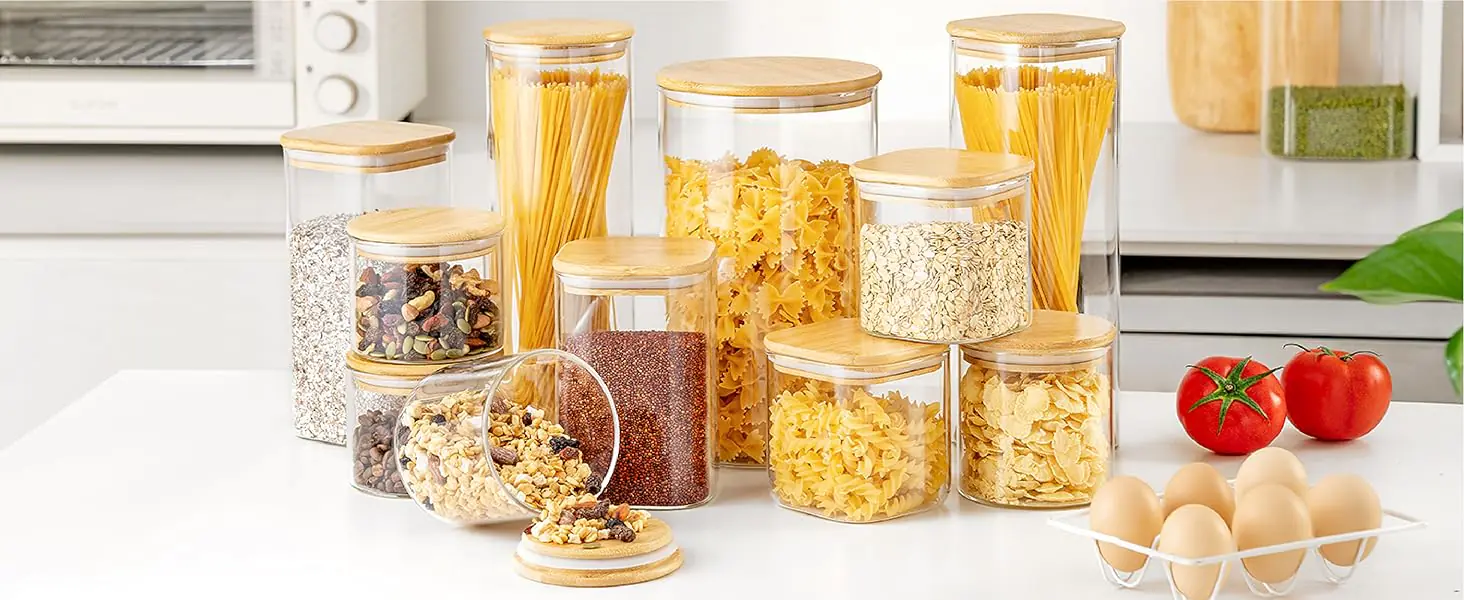
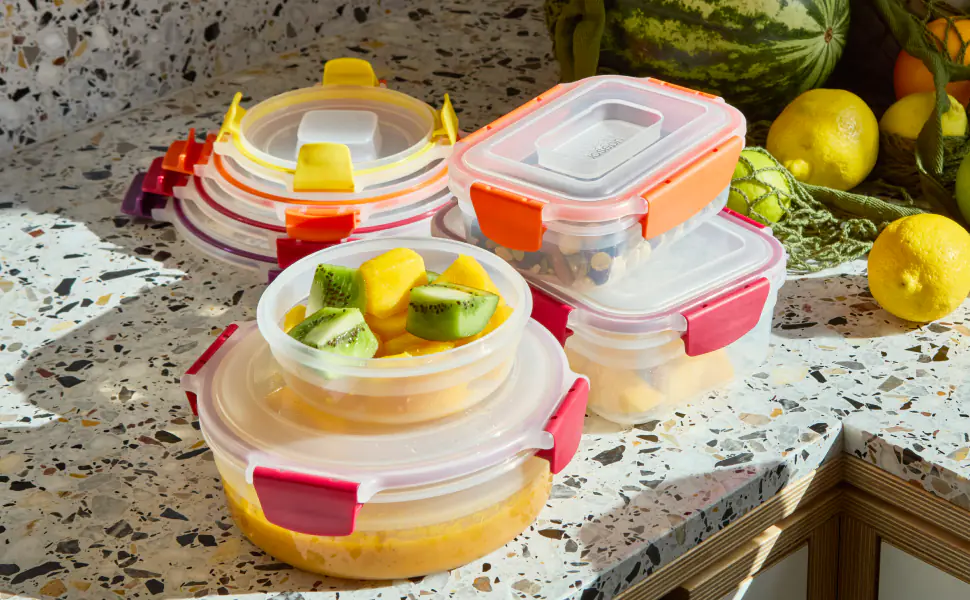
Plastic containers remain a top choice for commercial kitchens due to their affordability, durability, and versatility. Modern kitchenware food containers manufacturers use food-grade polypropylene or Tritan copolyester, which resist stains, odors, and high temperatures. These containers are ideal for daily meal prep, portion control, and short-to-medium-term storage, offering lightweight convenience and stackability. However, they may not be suitable for long-term acidic food storage or high-heat applications. When purchasing from a food storage wholesaler, verify NSF or FDA certifications to ensure safety and durability for repeated use.
1.2 Glass Storage Containers: When to Choose Them
Glass containers provide superior food preservation, making them ideal for delicate ingredients like herbs, dairy, and acidic foods. Unlike plastic, glass doesn’t absorb odors or flavors, ensuring taste integrity. Commercial-grade borosilicate glass withstands thermal shock, allowing safe transitions from freezer to oven. While heavier and more fragile, their premium appearance benefits high-end meal services and retail displays. For businesses requiring bulk containers with lids, tempered glass options with secure silicone seals offer long-term reliability.
1.3 Stainless Steel Containers: Durable & Eco-Friendly Options
Stainless steel is the go-to for industrial kitchens needing rugged, long-lasting storage. Grade 304 stainless resists corrosion and withstands extreme temperatures, making it perfect for bulk food storage in restaurants, catering, and food processing. These containers are non-reactive, easy to sanitize, and 100% recyclable, aligning with sustainability goals. Though more expensive upfront, their decades-long lifespan justifies the investment. Many food containers manufacturers now offer modular stainless steel systems for seamless kitchen integration.
1.4 Silicone & Collapsible Containers for Space Saving
Silicone containers are revolutionizing compact kitchens with their collapsible design, reducing storage space by up to 70%. Perfect for food trucks, small cafes, and meal delivery services, they transition effortlessly from freezer to microwave without warping. High-quality platinum-cured silicone ensures durability and nonstick properties, simplifying cleanup. When sourcing from food containers wholesale suppliers, look for reinforced bases and airtight lids for optimal functionality. These food containers excel in operations needing flexible, space-efficient solutions.
2. How to Choose the Best Food Storage Containers (Buyer’s Guide)
2.1 Top 5 Features to Look for in Quality Containers
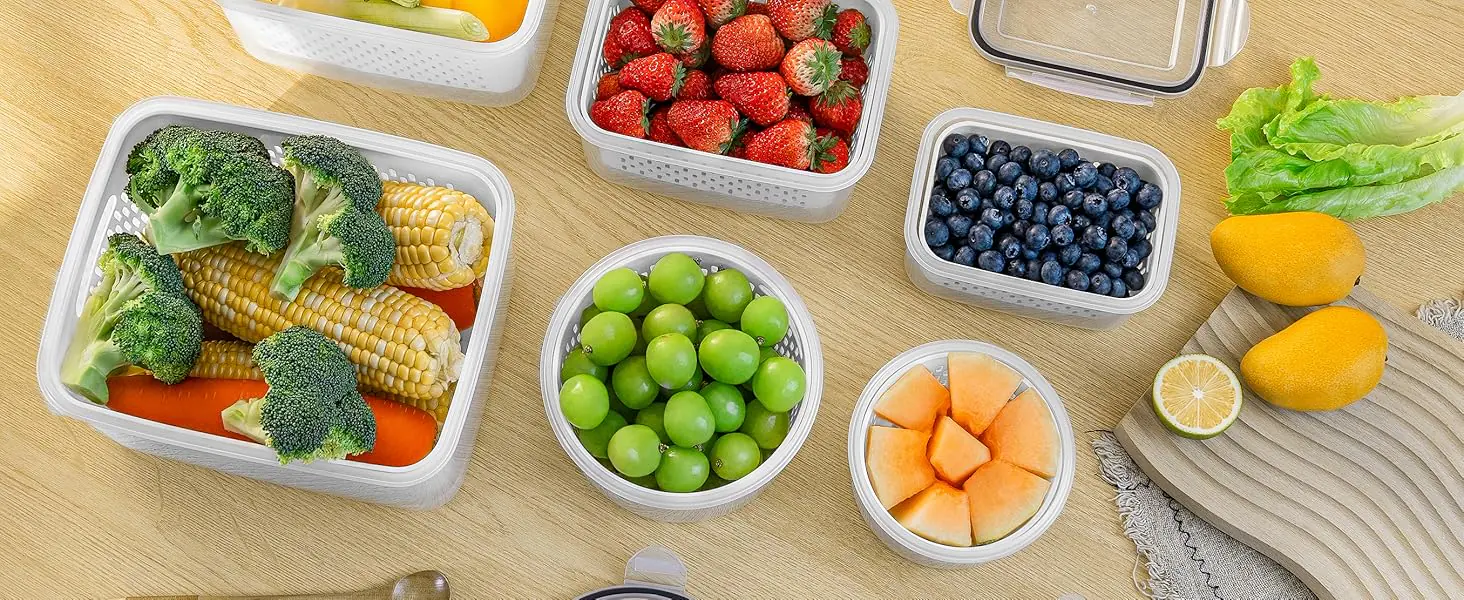
Superior food storage containers from reputable kitchenware food containers manufacturers share several distinguishing characteristics. Airtight seals with silicone gaskets maintain freshness for extended periods, while durable materials withstand commercial dishwasher cycles without degrading. Look for standardized sizing that integrates with common shelving systems and bulk containers with lids that maintain seal integrity when stacked. Temperature versatility allowing freezer-to-oven transitions adds functionality, while ergonomic designs with secure grips improve handling safety in busy kitchens. These features become particularly important when sourcing from food storage wholesaler networks for large-volume purchases.
2.2 BPA-Free vs. Other Food-Grade Materials Explained
While BPA-free plastics remain a baseline requirement, modern food containers manufacturers offer advanced materials with specialized benefits. Tritan copolyester provides glass-like clarity with superior impact resistance, while stainless steel offers complete chemical inertness for sensitive ingredients. Silicone containers deliver flexibility for space-constrained operations, and tempered glass maintains purity for premium applications. When ordering food containers wholesale, request material safety data sheets to verify compliance with international food contact regulations, as material choices directly affect both food safety and container longevity in commercial settings.
2.3 Best Container Types for Different Food Categories
Matching container types to specific food categories optimizes preservation and operational efficiency. Dry goods require opaque, airtight bulk containers with lids to prevent moisture and pest infiltration, while liquids need leak-proof designs with secure locking mechanisms. Delicate produce benefits from ventilated containers that regulate humidity, and frozen foods demand materials that resist brittleness at low temperatures. Leading kitchenware food containers manufacturers now offer specialized systems for each food category, allowing commercial kitchens to create tailored storage solutions that minimize waste and maximize shelf life.
3. Storing Large Quantities of Food: Professional Solutions
In the bustling world of food storage, whether for pantries or restaurants, the demand for efficient bulk food storage containers is ever – growing. Pantries often require durable and stackable containers to maximize space, while restaurants need containers that can withstand frequent handling and temperature changes. Bulk food storage methods play a crucial role here. Opting for containers from reliable food containers manufacturers ensures quality and longevity. These containers are designed to preserve the freshness of large quantities of food, making them a top choice for food storage wholesalers and businesses alike.
3.1 Bulk Food Storage Methods for Pantries & Restaurants
When it comes to bulk food storage in pantries and restaurants, the right containers are essential. Restaurants, in particular, deal with large volumes of ingredients and prepared foods. Investing in bulk containers with lids from trusted kitchenware food containers manufacturers offers an excellent solution. These containers not only keep food fresh but also make inventory management easier. Pantries, too, can benefit from using high – quality bulk food storage containers, as they help maintain the integrity of dry goods, grains, and other staples, reducing waste and ensuring food safety.
3.2 Airtight vs. Vacuum-Sealed: Which Performs Better?
The debate between airtight and vacuum – sealed containers is significant in the realm of bulk food storage. Airtight containers, widely available from food containers manufacturers, create a tight seal that prevents air and moisture from entering, thus preserving food freshness. Vacuum – sealed containers, on the other hand, remove air completely, extending the shelf life even further. For businesses looking to store food in bulk, understanding the differences is crucial. Both types of containers have their advantages, and choosing the right one depends on the specific food items and storage requirements. Many food storage wholesalers offer a variety of both airtight and vacuum – sealed bulk food storage containers to meet diverse customer needs.
3.3 Recommended Large-Capacity Container Brands
In the market flooded with options, it’s essential to know which large – capacity container brands stand out. Renowned food containers manufacturers produce top – quality bulk food storage containers that are both functional and durable. Brands that prioritize quality, safety, and innovation are highly recommended for those in the food storage industry. Whether you’re a restaurant owner, a food storage wholesaler, or managing a pantry, choosing containers from these trusted brands ensures that your bulk food storage needs are met. These brands often offer a wide range of products, including bulk containers with lids, catering to various storage requirements.
4. Where to Store Food Containers for Maximum Freshness
4.1 Ideal Storage Locations by Food Type (Pantry/Fridge/Freezer)
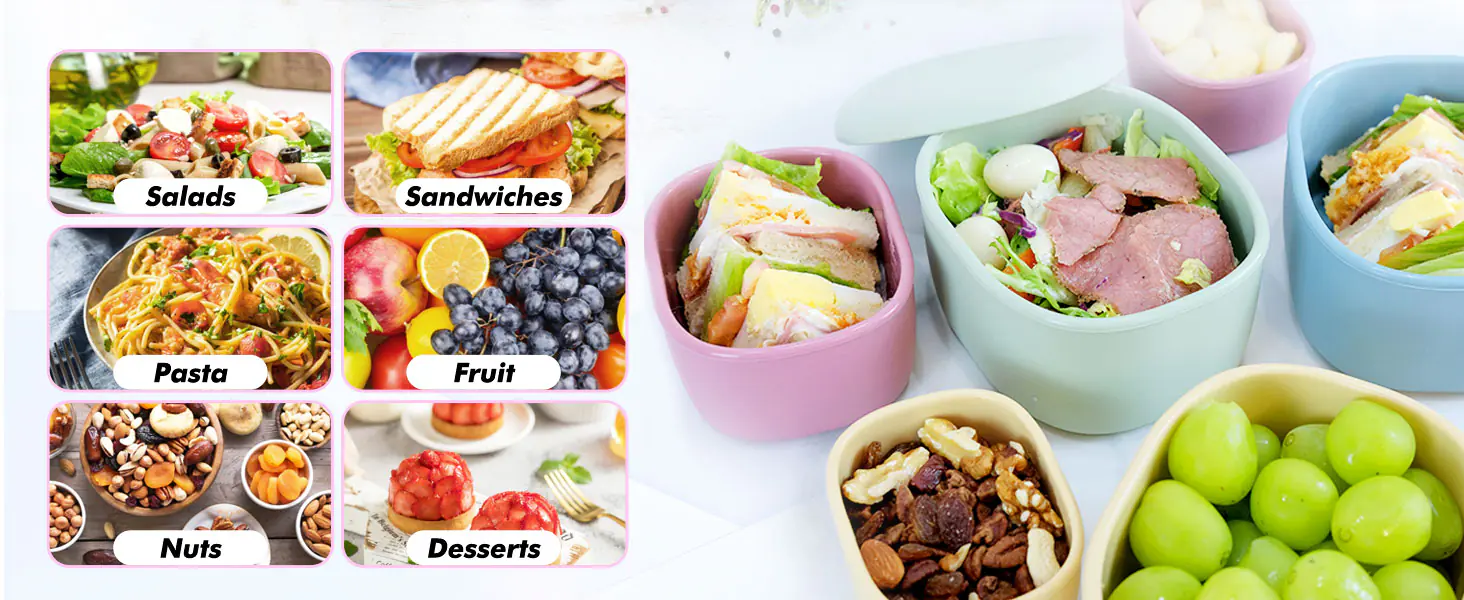
Each food type has its own optimal storage location. Pantries are perfect for storing dry ingredients like grains, cereals, and spices in bulk food storage containers. They keep these items away from moisture and pests. The fridge is ideal for perishable foods such as dairy products, meats, and leftovers, where the cool temperature slows down spoilage. Freezers, on the other hand, are essential for long – term storage of frozen goods. By choosing the right location for each food item and using suitable containers from kitchenware food containers manufacturers, you can extend the shelf life of your food and maintain its quality.
4.2 Temperature & Humidity Control Tips
Maintaining the right temperature and humidity levels is crucial when storing food in bulk food storage containers. Different foods have different tolerance levels. For instance, high – humidity environments can cause dry goods to spoil, while too low humidity can dry out certain perishable items. Monitoring and controlling these factors, whether in a pantry, fridge, or freezer, helps preserve the quality of food. Many food containers manufacturers design containers that can withstand varying environmental conditions, but proper storage management is still essential. This knowledge is valuable for food storage wholesalers and businesses looking to optimize their food storage processes.
4.3 Space-Saving Storage Organization Hacks
In any storage space, maximizing space is a challenge. For those using bulk food storage containers, space – saving organization hacks can be a game – changer. Stackable containers, often available from food containers manufacturers, are a great solution as they make efficient use of vertical space. Additionally, using dividers and labels within storage areas helps keep things organized and easily accessible. These hacks are beneficial for both small pantries and large – scale restaurant storage. By implementing these space – saving techniques, businesses can store more food in less space, reducing the need for additional storage facilities and improving overall efficiency.
5. The Food Container Manufacturing Process Revealed
5.1 How Plastic Food Containers Are Made (Step-by-Step)
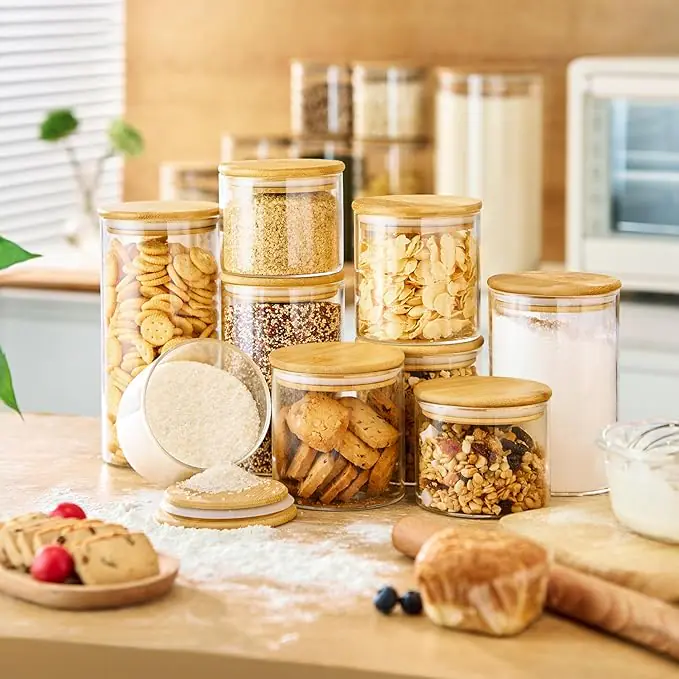
The manufacturing process of food containers is a fascinating journey that impacts their quality and functionality. Understanding how plastic and glass food containers are made gives insights into their durability and safety. Food containers manufacturers follow strict procedures to ensure that the final products meet high standards. From sourcing raw materials to the final quality testing, every step is crucial. This knowledge is valuable for businesses in the food storage industry, such as food storage wholesalers, as it helps them make informed decisions when choosing containers for their clients.
5.2 Glass Container Production: From Sand to Shelf
Glass container production is a complex yet remarkable process. It begins with sourcing raw materials, primarily sand, soda ash, and limestone. These materials are melted at high temperatures in a furnace. The molten glass is then formed into containers using various methods, such as blowing or molding. After shaping, the glass containers are annealed to relieve internal stress. Food containers manufacturers then subject these containers to rigorous quality testing to ensure they are free from defects and meet safety standards. Glass containers are a popular choice for food storage wholesalers and consumers alike due to their durability, non – reactivity with food, and recyclability
5.3 Quality Testing & Safety Standards in Manufacturing
Quality testing and adherence to safety standards are of utmost importance in the manufacturing of food containers. Food containers manufacturers conduct a series of tests on their products, including strength, durability, and chemical resistance tests. These tests ensure that the bulk food storage containers can safely store food without leaching harmful substances. Meeting international safety standards is a must for all manufacturers in the industry. This commitment to quality and safety gives confidence to food storage wholesalers and businesses that the containers they purchase are reliable and suitable for their customers’ needs.
6. Top 10 Food Storage Mistakes You’re Probably Making
6.1 Common Container Misuses That Reduce Food Shelf Life
One of the most common mistakes is misusing food containers. Using containers that are not airtight or vacuum – sealed for perishable items can lead to spoilage. Overfilling bulk food storage containers can also prevent proper sealing, allowing air and moisture to enter. Another misuse is using containers that are not suitable for high – temperature storage, such as microwaving non – microwave – safe plastic containers. These misuses, if not corrected, can shorten the shelf life of food and increase the risk of contamination. Food storage wholesalers should educate their customers on proper container usage to avoid these issues.
6.2 Dangerous Materials to Avoid in Food Containers
When choosing food containers, it’s essential to be aware of dangerous materials. Some plastics may contain harmful chemicals like BPA, which can leach into food, especially when exposed to heat. Food containers manufacturers are now producing BPA – free alternatives, but consumers and businesses need to be vigilant. Similarly, certain types of metals or poorly – coated containers can react with food, altering its taste and potentially posing health risks. By avoiding containers made from these dangerous materials and choosing products from trusted kitchenware food containers manufacturers, you can ensure the safety of the food you store.
6.3 When to Replace Your Containers (Signs of Wear)
Containers don’t last forever, and knowing when to replace them is crucial. Signs of wear, such as cracks, warping, or damaged lids in bulk food storage containers, can compromise their functionality. If a container is no longer airtight or has visible signs of degradation, it’s time to replace it. Using worn – out containers can lead to food spoilage and contamination. Food storage wholesalers can guide their customers on recognizing these signs and encourage them to invest in new, high – quality containers from reliable food containers manufacturers to maintain optimal food storage conditions.
Conclusion
Selecting the right food storage containers is an investment in quality, efficiency, and long-term savings. Whether you’re storing dry goods, perishables, or bulk ingredients, the right containers can extend shelf life, optimize space, and streamline kitchen operations. From understanding different materials to implementing professional storage solutions, this guide has equipped you with the insights needed to make informed decisions.

Hazel is a Drinkware and Kitchenware Export Specialist at Auspace, focusing on global market supply chain support and custom product solutions. She provides end-to-end assistance for international buyers, including supplier matching, production follow-up, and logistics coordination. With deep industry knowledge and factory relationships, she helps clients efficiently source high-quality, eco-friendly drinkware and kitchen products from China.Her practical approach reduces sourcing risks and simplifies cross-border trade, making her a reliable partner for brands and retailers seeking dependable OEM/ODM manufacturing in China.