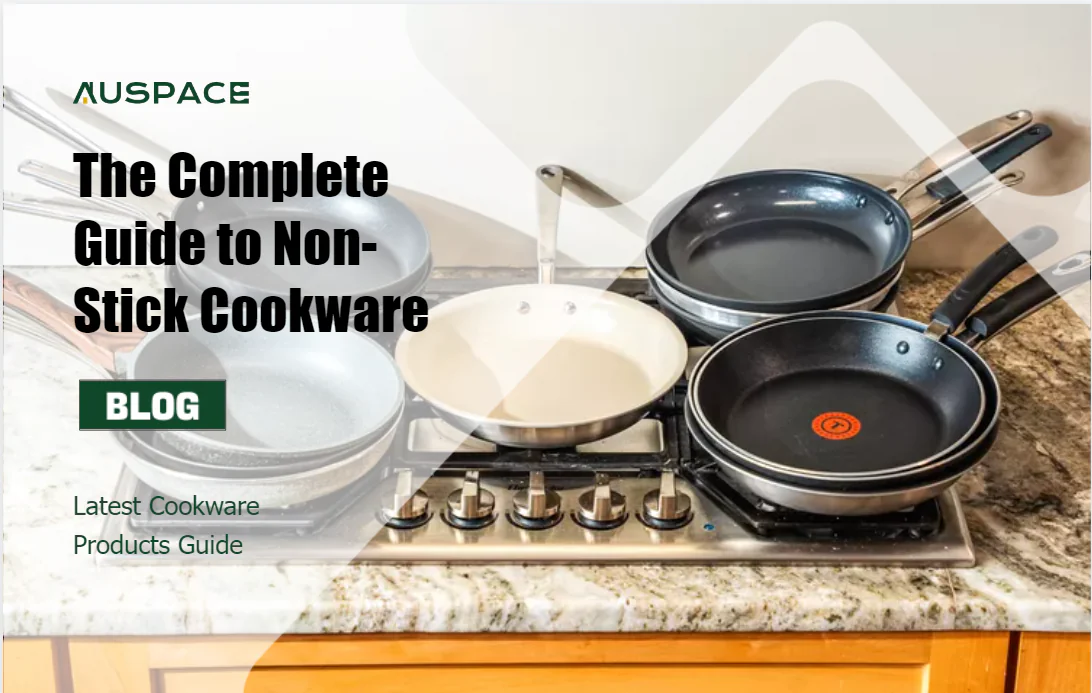
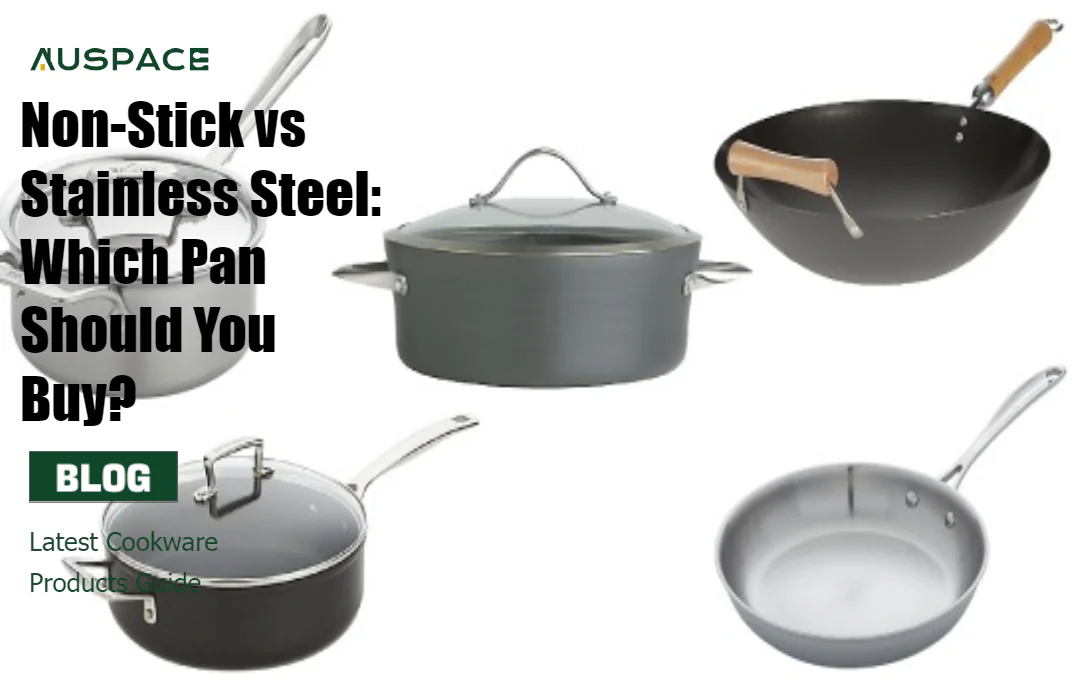
You’ve probably stood in a kitchen aisle, wondering if non-stick pans are worth the investment. For 60% of you in the research phase, a key question lingers: Do I even need to season a non-stick pan? The short answer is yes—but not for the same reasons as cast iron. Seasoning boosts performance, extends lifespan, and saves money long-term. Whether you’re a home cook tired of replacing pans every 6 months or a café owner buying 50 pans for your new spot, this guide delivers actionable steps with no fluff. We’ll cover the “why” of seasoning, how to season non stick pan,best oils, step-by-step processes for seasoning and re-seasoning, coating restoration, and maintenance tips for both everyday users and bulk buyers—all grounded in industry best practices, no made-up claims.
1.Do You Need to Season Non-Stick Pans?

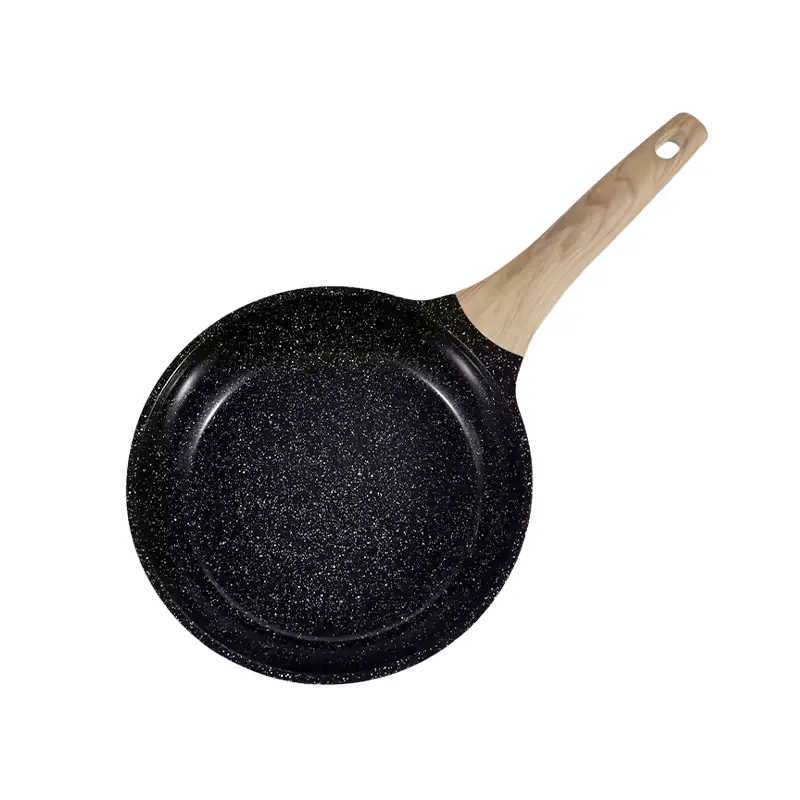
Unlike cast iron, non-stick pans have a synthetic coating (most commonly Teflon/PTFE) that repels food naturally. Seasoning doesn’t create a non-stick layer; it protects the existing coating, enhances performance, and prolongs lifespan. Many home cooks skip this step, only to see pans peel or lose non-stick properties within a year. For B2B buyers, this oversight is costlier: replacing 50 worn pans annually adds thousands in unnecessary expenses, plus kitchen downtime.
All non-stick pans—even new ones—benefit from seasoning. Manufacturing leaves tiny residues, and seasoning removes these while forming a protective barrier against heat and friction. For Teflon pans, seasoning reduces coating breakdown at extreme temperatures. A seasoned pan lasts 2–3 times longer than an unseasoned one: home cooks save $50–$100 yearly on replacements, while restaurant owners cut cookware costs by 30–40% over 5 years.
The myth that only cheap pans need seasoning is false—high-end models rely on proper care too. Even if you’ve used your pan a few times, it’s never too late to start. Seasoning is a maintenance step, not a one-time setup, which leads to our next question: Can you season Teflon pans?
2.Can You Season Teflon Pans?
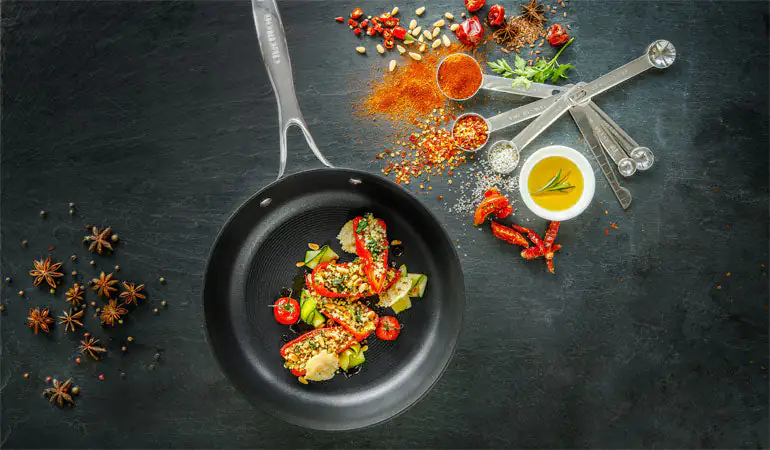
Teflon (PTFE) is the most popular non-stick coating, and many worry seasoning damages it. The good news: you can safely season Teflon when done correctly. Confusion comes from Teflon’s limits—it degrades above 500°F (260°C), releasing harmful fumes. The key is avoiding excessive heat, not seasoning itself.
Seasoning Teflon follows the same principle as other coatings: apply a thin oil layer and heat to form a barrier. The oil fills micro-scratches, reducing food adhesion and wear. Home cooks get easier cleanup, while B2B buyers ensure consistent performance across kitchen stations, cutting uneven cooking and replacement costs.
Never season Teflon on high heat or preheat an empty pan on high for over 2–3 minutes—that’s the fastest way to damage it. Use low to medium heat for seasoning and cooking. If Teflon peels or cracks, seasoning won’t fix it—replace the pan. For intact coatings, regular seasoning safely extends lifespan.
3.Best Oil to Season Non-Stick Pan
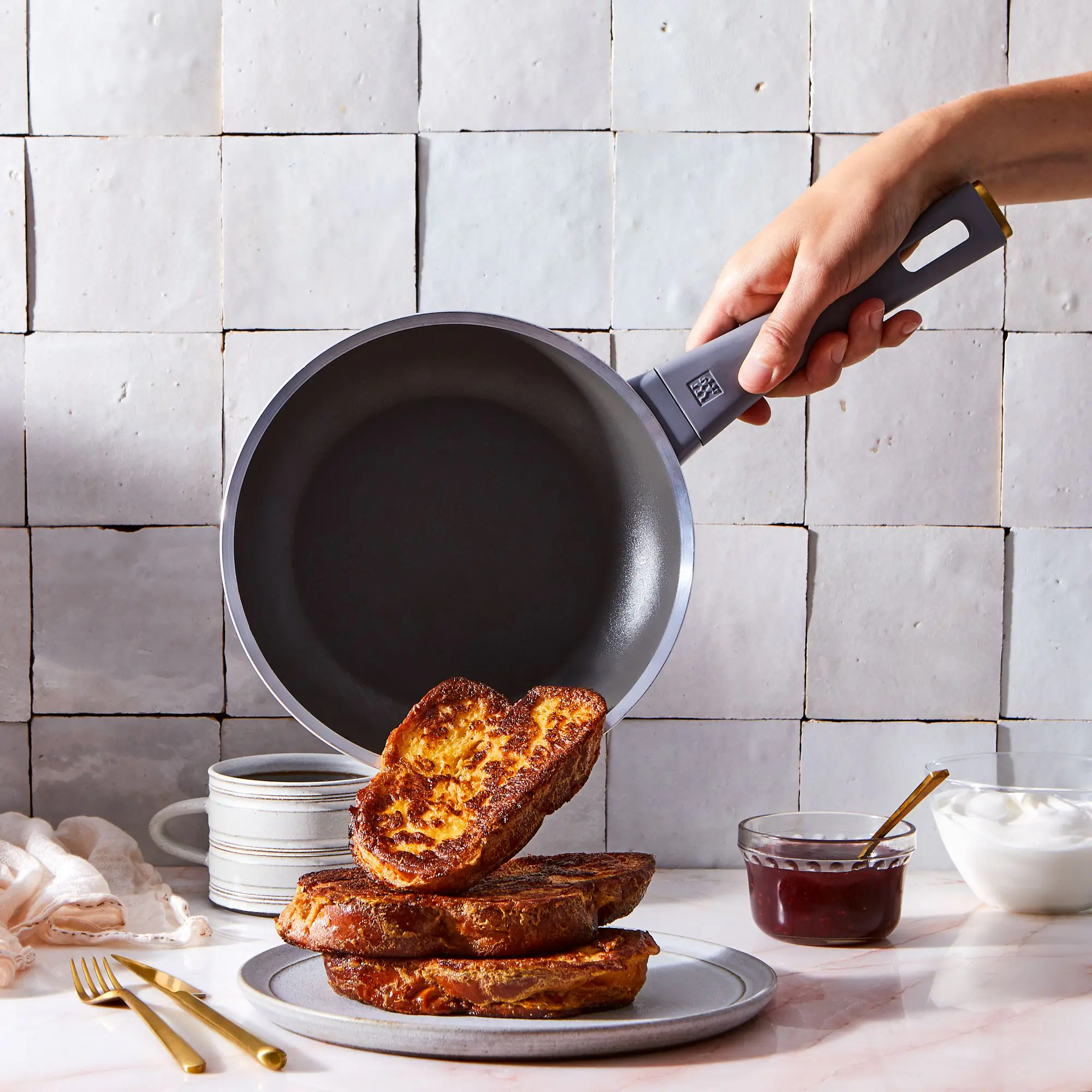
Choosing the right oil is critical—wrong oils leave sticky residue or damage coatings. The best oils have a high smoke point (to avoid burning), neutral flavor (no impact on meals), and form a thin, durable layer. Here are top picks and oils to avoid.
Canola Oil: With a 400°F (204°C) smoke point—well above the 300–350°F seasoning temp and below Teflon’s degradation point—it’s affordable, neutral, and forms a smooth barrier. B2B buyers find it cost-effective for bulk seasoning: one bottle seasons 10–15 pans.
Grapeseed Oil: At 420°F (215°C), it’s light, residue-free, and works for initial and re-seasoning. Home cooks love its neutral taste, while restaurants value its durability for frequent use.
Avocado Oil: 520°F (271°C) smoke point makes it the most heat-resistant. Perfect for medium-high heat users, it’s cost-effective for home use (a little goes a long way). B2B buyers use it for high-traffic kitchen areas.
Avoid these oils: Extra Virgin/Virgin Olive Oil (320°F smoke point burns, leaving sticky residue); Butter/Margarine (dairy fats burn, leave grease, and spoil); Coconut Oil (350°F smoke point, waxy residue on Teflon).
Stick to one oil for consistency—mixing causes uneven layers. A 16-ounce bottle lasts home cooks 6–8 months; a gallon covers 2–3 bulk sessions for 50-café pans.
4.Seasoning Non-Stick Pan with Oil: Step-by-Step Guide
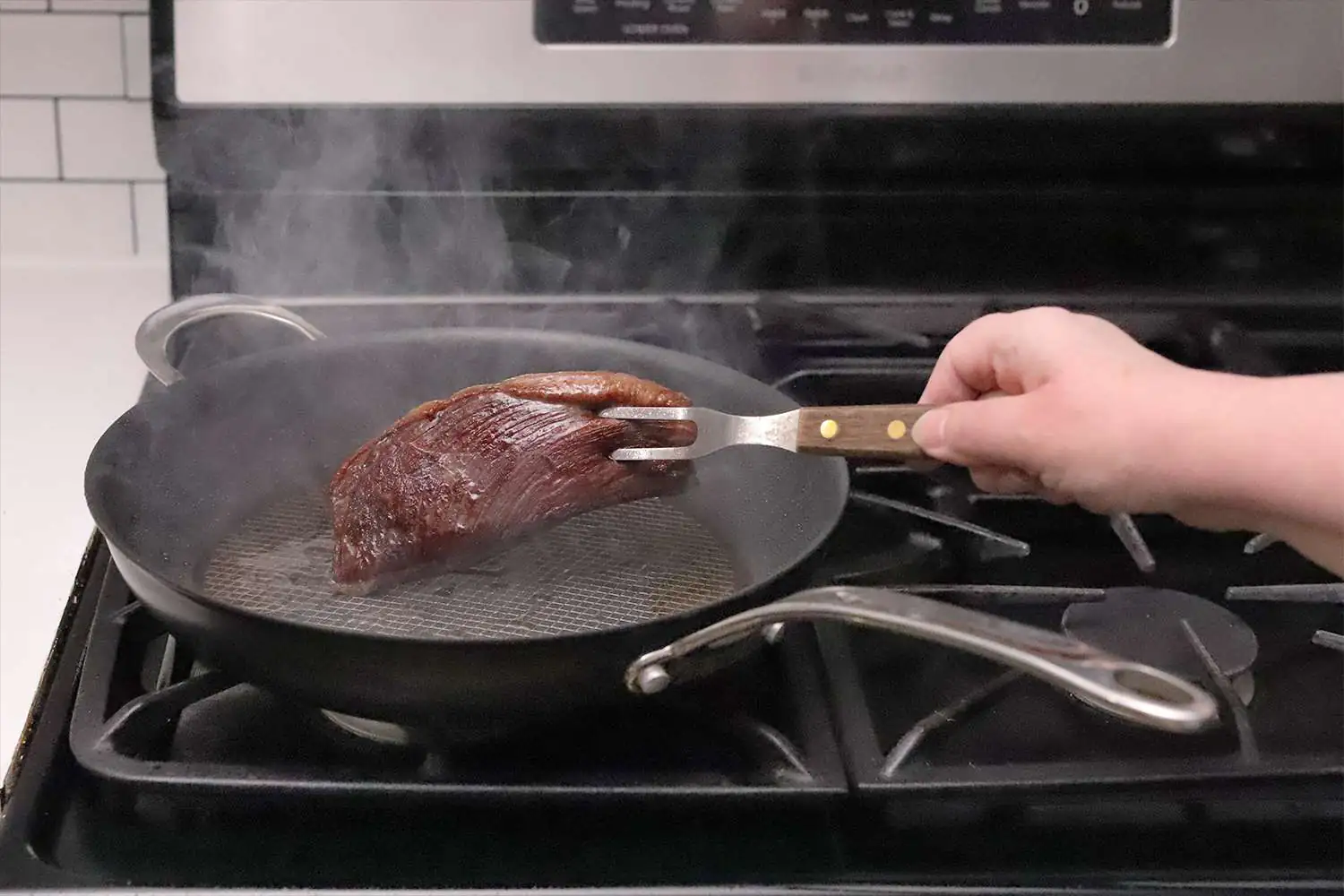
Seasoning takes 15–20 minutes. Follow these steps for new and used pans, with bulk tips for B2B buyers.
For Brand-New Pans
Step 1: Clean thoroughly. Use warm, soapy water and a soft sponge (no steel wool). Rinse all soap residue and dry completely. For bulk cleaning, soak 5–10 pans 30 minutes max (prolonged water damages handles/bases) and wipe with soft sponges.
Step 2: Preheat oven to 325°F (163°C)—safe for all non-stick coatings. For bulk seasoning, preheat commercial ovens and leave space for flat pans (no stacking).
Step 3: Apply thin oil. Use ½ teaspoon of oil, spread evenly with a paper towel (include sides), and wipe excess (too much = sticky residue). For bulk, lightly spray pans and wipe excess.
Step 4: Bake. Place pans upside down on the middle rack (prevent pooling) with a baking sheet below for drips. Bake 1 hour. For bulk, space pans 2–3 inches apart for even heat.
Step 5: Cool and wipe. Let pans cool 2–3 hours in the oven (slow cooling bonds oil). Wipe remaining residue. For bulk, cool all pans in the oven for consistency.
For Used Pans (Re-Seasoning)
Re-season every 3–6 months (monthly for commercial high-use pans) to refresh protection.
Step 1: Clean. Wash with warm, soapy water. Soak 10–15 minutes for stuck-on food; use non-abrasive cleaners for commercial kitchens.
Step 2: Remove old residue. Wipe sticky buildup with vinegar-dampened paper towels, rinse, and dry.
Steps 3–5: Repeat new pan steps. B2B users schedule off-hour re-seasoning to avoid kitchen disruptions.
5.How to Restore Non-Stick Coating
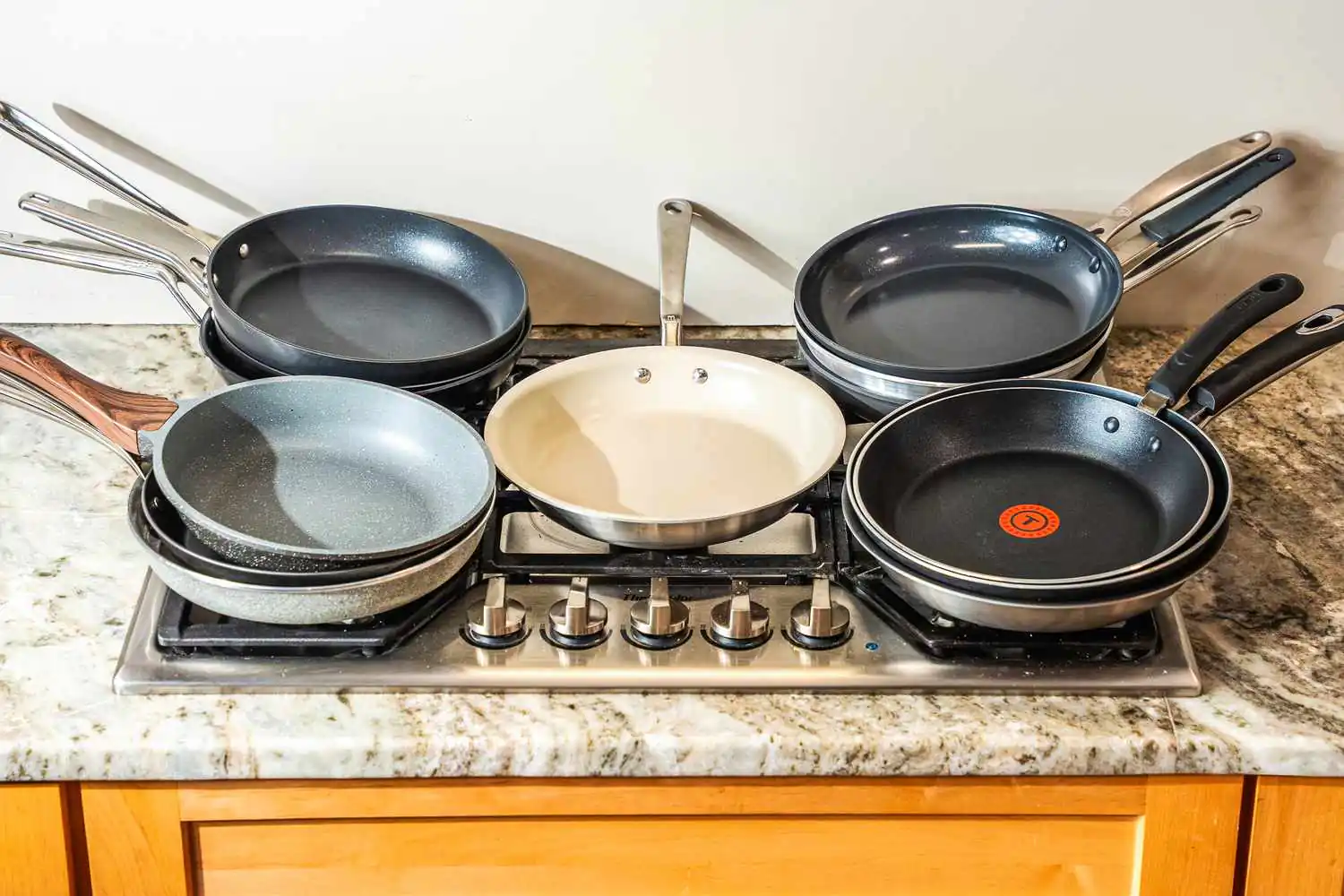
Critical note: Peeling, cracked, or flaking coatings can’t be restored—using such pans risks ingesting coating pieces. Home cooks must replace; B2B buyers should set immediate replacement rules (costs less than contamination risks).
For fading non-stick properties (food sticks occasionally) with intact coatings, restore via deep cleaning and re-seasoning. Deep clean: Mix ½ cup baking soda + ¼ cup warm water into a paste. Let sit 30 minutes on sticky areas, scrub gently, rinse, and dry. Commercial kitchens use non-abrasive degreasers first, then baking soda.
Re-season as outlined earlier. For severe fading, repeat seasoning twice (bake 1 hour, cool, reapply oil, bake again). This adds 6–12 months of life for home cooks and cuts B2B replacement costs. Replace if rough spots/flakes are felt.
6.Non-Stick Pan Maintenance Tips
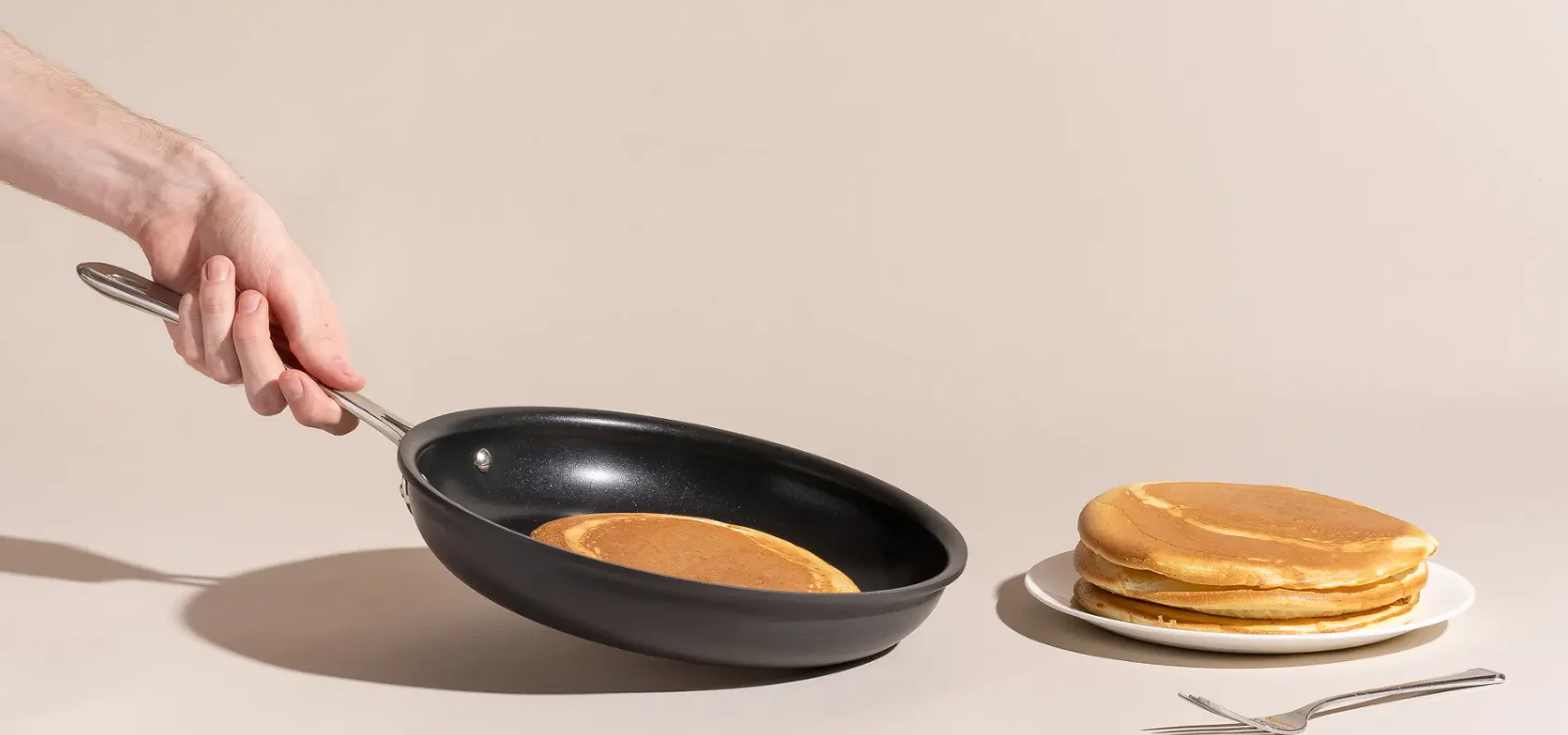
Seasoning pairs with proper maintenance for long-lasting performance. Below are tips for home and commercial users.
For Home Cooks
Utensils: Use silicone, wood, or nylon (never metal) to avoid scratches. A $10–$15 silicone set protects pans.
Heat control: Cook low-medium. Use cast iron/stainless steel for high-heat searing/frying.
Avoid empty preheating: Add food/oil first, or preheat low 1–2 minutes.
Washing: Hand-wash with mild soap (dishwashers wear coatings). If using a dishwasher, place on top rack and avoid heavy items.
Storage: Place paper towels/silicone liners between stacked pans, or hang them.
For B2B Buyers
Staff training: 70% of commercial pan damage comes from misuse. A 15-minute training cuts replacement costs.
Maintenance schedules: Assign weekly damage checks and monthly re-seasoning for high-use pans. Log maintenance to track lifespan and budget.
Buy quality: Prioritize 3–5 PTFE layers and heavy-gauge aluminum. Quality pans cost 20–30% more upfront but last 2–3 times longer (e.g., $30 pans last 18–24 months vs. $20 budget pans’ 6 months).
Test samples: Order 2–3 brands, test 2–3 weeks, and evaluate performance before bulk buys.
Task matching: Use non-stick pans for delicate foods (eggs, fish); cast iron/stainless steel for high heat.
Corporate gifting: Include a one-page maintenance guide with seasoning steps to add value and build trust.
7.Final Thoughts
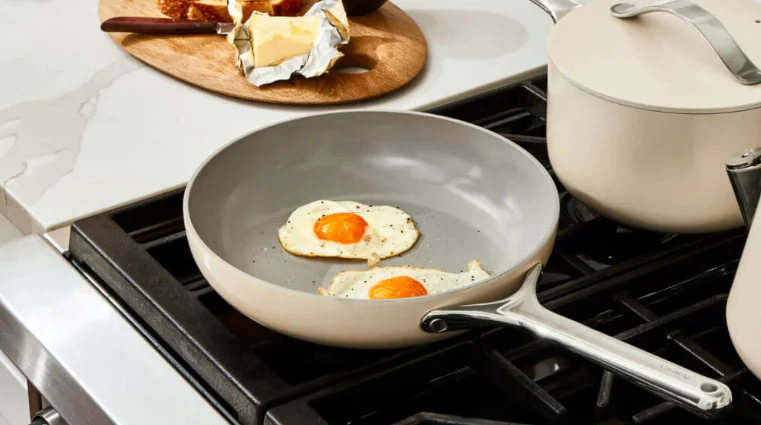
Seasoning is an investment in performance and longevity. Home cooks get hassle-free cooking and fewer replacements; B2B buyers cut costs and ensure consistency. Stick to the right oil, follow steps, re-season regularly, and maintain properly.
No one-size-fits-all approach exists, but these methods work for all non-stick pans, including Teflon. Avoid myths, use evidence-based practices, and replace damaged pans. Whether researching or ready to buy bulk, seasoning is the first step to getting the most value from your non-stick cookware.

Iris is a seasoned sourcing expert in the cookware industry with years of experience. She specializes in product development, quality assurance, and international compliance, providing trusted insights and practical solutions for buyers and professionals.