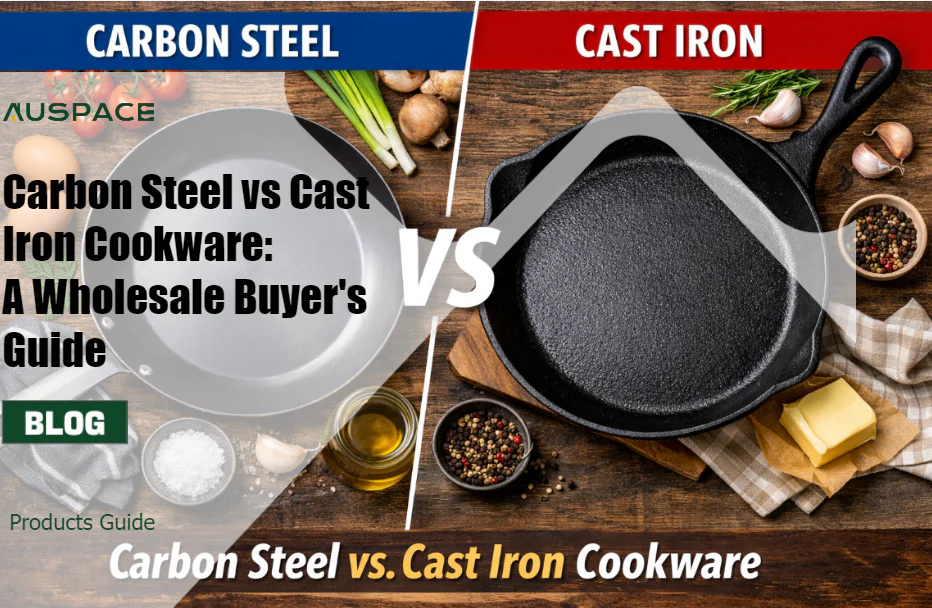
1.Why Should Restaurants and Caterers Consider Kitchenware Wholesale?
1.1 The Growing Demand for Cost – Effective Kitchen Solutions
In today’s challenging economic landscape, the food service industry is grappling with multiple cost – related pressures. Ingredients, for instance, have become increasingly expensive due to factors like supply chain disruptions, climate change affecting agricultural yields, and inflation.
Labor costs are also on the rise, whether it’s due to minimum wage hikes, the need for skilled culinary staff, or the costs associated with employee benefits. According to a recent industry report, the cost of running a restaurant has increased by an average of 15% over the past five years.
Against this backdrop, cost – effective kitchen solutions are not just a luxury but a necessity. Buying kitchenware wholesale provides a practical and impactful way to cut down on expenses. When restaurants and caterers purchase from kitchenware wholesale suppliers, the volume discounts can be substantial. Take, for example, a mid – sized catering business that requires a large number of stainless – steel mixing bowls.
At a retail store, a high – quality 5 – quart mixing bowl might cost $25. However, when ordering a set of 20 from a wholesaler, they could potentially get each bowl for 18. Considering that a catering business might need dozens of such bowls for various food preparation tasks, the savings can quickly add up to thousands of dollars annually.
This extra capital can then be redirected towards enhancing other aspects of the business, such as improving the dining ambiance or upgrading the menu with more premium ingredients.
1.2 How kitchenware Wholesale Purchasing Fits into the Food Service Industry
The food service industry is a cut – throat arena where profit margins are often razor – thin. A study shows that the average profit margin for restaurants ranges from 3% to 5%, making every cost – saving measure crucial for long – term success. Wholesale purchasing is a strategic move that aligns perfectly with the industry’s need for cost – efficiency and streamlined operations.
Kitchenware wholesale are typically sourced directly from manufacturers or large – scale distributors. This direct – to – business model eliminates the layers of middlemen that are involved in the retail supply chain. For example, in the retail sale of a kitchen knife, there could be a manufacturer, a distributor, a wholesaler, and a retailer, each taking a cut of the profit. When a restaurant or caterer buys directly from a kitchenware wholesale supplier, they can bypass at least one or two of these middlemen, resulting in significant cost savings.
Moreover, many kitchenware wholesale suppliers offer an extensive product catalog. They carry everything from the basic spatulas and ladles that are essential for daily food preparation to specialized equipment like tandoor ovens for Indian cuisine or crepe makers for French – themed restaurants.
This wide – ranging inventory allows food service providers to source all their kitchenware needs from one or a few reliable suppliers. This not only saves time but also simplifies the procurement process, reducing the administrative burden of dealing with multiple vendors.
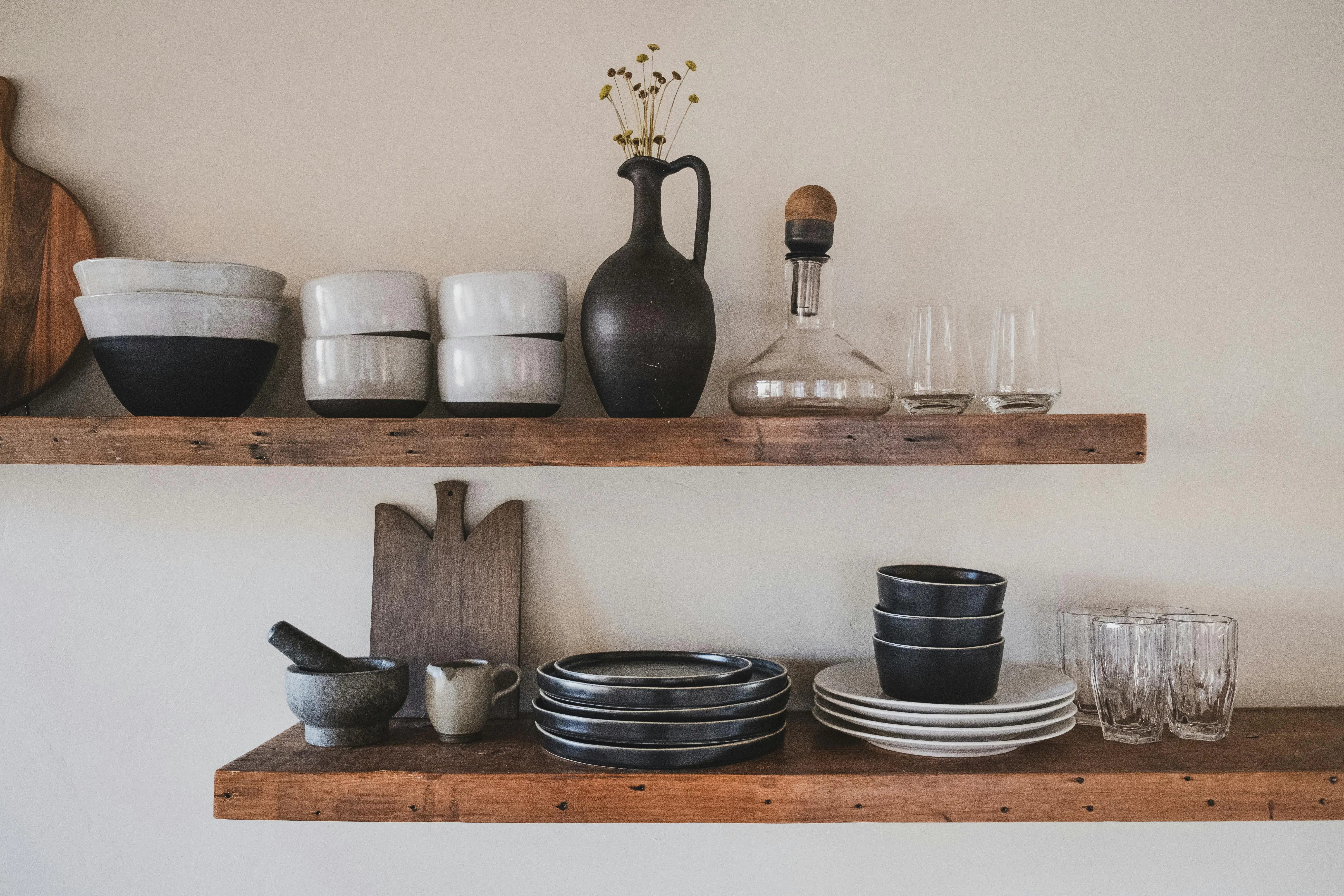
2. How to Find a Reliable Kitchen Supplies Wholesaler
2.1 Key Traits of a Trusted Kitchenware Wholesale Supplier
A reliable kitchen supplies wholesaler is characterized by several key attributes. First and foremost is a sterling reputation within the industry. Online review platforms like Yelp and industry – specific forums can be a goldmine of information.
For example, a wholesaler with a high rating on Yelp, backed by numerous positive reviews from other food service businesses, is likely to be trustworthy. Requesting references from established restaurants or caterers in the area can also provide valuable insights. A long – standing wholesaler, perhaps one that has been in business for over a decade, has had the time to build relationships, refine their product offerings, and prove their reliability.
A wide inventory is another essential trait. A good wholesaler should stock a diverse range of kitchenware items wholesale, catering to different budgets and preferences. They should carry budget – friendly options for startups or cost – conscious businesses, as well as high – end, professional – grade products for fine – dining establishments.
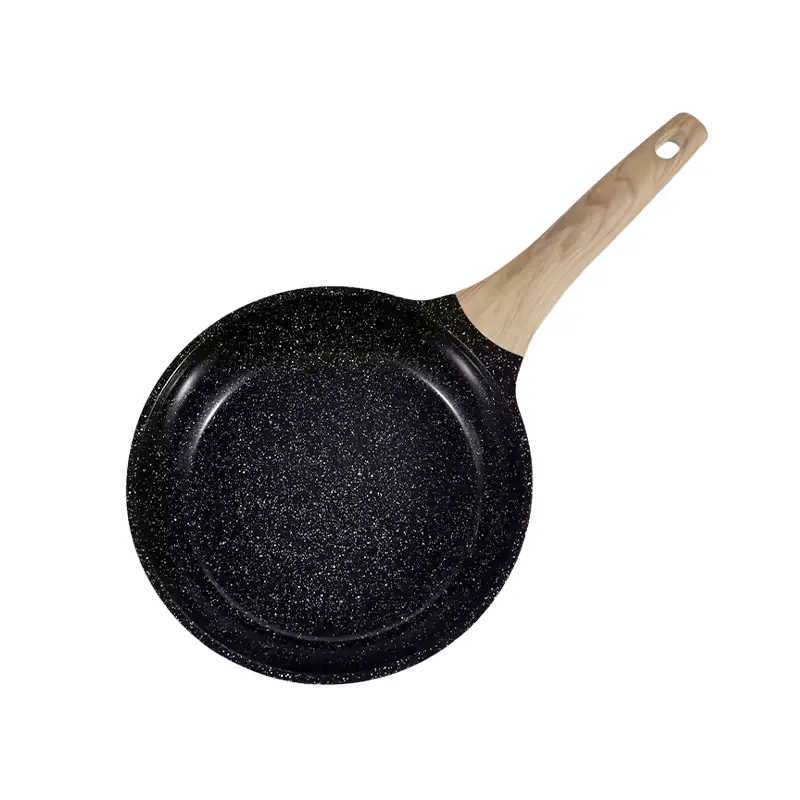
This includes different brands, styles, and price points. For instance, in the category of cookware, they might offer everything from non – stick aluminum pans for everyday use to high – end copper – bottomed pans for gourmet chefs who require precise heat control.
Exceptional customer service is also a must. This means being responsive to inquiries, whether it’s via phone, email, or chat. A wholesaler should be able to answer questions about product availability, pricing, and shipping within a reasonable time frame, say, within 24 hours.
Their order processing should be efficient, with quick turnaround times, ensuring that businesses don’t face delays in restocking their kitchenware. In case of defective products, they should have a clear and fair return policy, such as offering full refunds or replacements within a specified period, like 30 days.
2.2 Tips for Researching and Vetting Wholesalers
The first step in researching wholesalers is to utilize online business directories like Thomasnet and industry – specific platforms such as RestaurantSupply.com.
These platforms provide a comprehensive list of potential suppliers, complete with their contact details, product overviews, and sometimes even customer reviews. Once you have a shortlist of potential wholesalers, visit their websites. Scrutinize their product range to ensure they carry the items you need. Look for details about product specifications, materials used, and any certifications they might have.
It’s also crucial to reach out to them directly. Prepare a list of questions in advance, such as asking about their minimum order quantities, available discounts, and shipping options. To vet the wholesalers, ask for samples of the products you’re interested in.
If you’re considering purchasing a new line of commercial – grade blenders, request a sample unit. This will allow you to test its performance, durability, and ease of use. Additionally, check their business licenses and certifications, such as ISO certifications for quality management. This ensures that they are operating legally and meeting international standards.

3. What Is the Price Range for Wholesale Kitchen Supplies?
3.1 Understanding Pricing Structures in the Wholesale Market
The price range for kitchenware wholesale supplies is influenced by a multitude of factors. The cost of production is a fundamental element. High – end, branded kitchenware made from premium materials comes with a heftier price tag. For example, a set of professional – grade cookware made from high – grade stainless steel, which is known for its durability, corrosion resistance, and even heat distribution, will be more expensive compared to a set made from lower – quality stainless steel or aluminum.
Solid copper cookware, prized for its excellent heat conductivity, can be even more costly due to the high price of copper as a raw material.
The quantity ordered plays a significant role in pricing. Most wholesalers operate on a tiered pricing system. For instance, a wholesaler might offer a set of kitchen knives at $40 per unit when ordering 5 – 10 units, but drop the price to $35 per unit when ordering 11 – 20 units, and further reduce it to $30 per unit for orders of 21 units or more.
This encourages businesses to buy in larger quantities, which is beneficial for both the wholesaler, who can move more inventory, and the buyer, who gets a better price per unit.
3.2 How to Compare Prices Without Compromising Quality
To effectively compare prices without sacrificing quality, start by creating a detailed list of the kitchenware items you need. Include specific details such as the size, material, and brand preferences if any. Then, reach out to multiple kitchenware wholesale suppliers for quotes.
Don’t just focus on the initial price; dig deeper into the total cost. Consider shipping costs, which can vary widely depending on the supplier’s location and the shipping method chosen. Some suppliers might offer free shipping for large orders, while others might charge a flat rate or calculate shipping based on the weight and dimensions of the package.
Also, factor in any additional fees, such as handling charges or customs duties if importing from overseas. The reputation of the kitchenware wholesale supplier is equally important. A lower – priced product from an unknown or untrusted supplier might seem appealing at first, but if it turns out to be of poor quality and needs to be replaced frequently, it will end up costing more in the long run.
Compare the features and specifications of the products. A slightly more expensive food processor might have a more powerful motor, a larger capacity, and better – quality blades, making it a more cost – effective choice over time due to its longer lifespan and better performance.
4. Can You Mix Different Kinds of Kitchen Supplies When Purchasing Wholesale?
4.1 The Flexibility of Wholesale Orders
One of the most attractive features of purchasing kitchenware wholesale is the flexibility it offers in order composition. The vast majority of kitchenware wholesale suppliers allow businesses to mix and match different kinds of kitchen supplies in a single order.
A bustling Italian restaurant, for example, can order a set of traditional cast – iron skillets for making classic Italian dishes like frittatas, a batch of high – quality stainless – steel pasta strainers, and a selection of elegant porcelain serving plates all from the same kitchenware wholesaler. This eliminates the need to place multiple orders with different kitchenware wholesale suppliers, saving both time and money. It also simplifies the logistics of receiving and inspecting the goods, as all items are delivered in one shipment.
4.2 Strategies for Customizing Your Wholesale Purchases
Customizing kitchenware wholesale purchases begins with a thorough assessment of your restaurant or catering business’s specific needs. Consider the type of cuisine you serve. A Thai restaurant, for instance, will require items like woks for stir – frying, mortar and pestle sets for making authentic Thai pastes, and bamboo steamers for cooking dumplings.
Analyze the volume of customers you typically handle. A large – scale catering company that frequently hosts events for hundreds of people will need a higher quantity of serving utensils and tableware compared to a small, intimate bistro.
Based on this assessment, create a detailed shopping list that includes a mix of essential and specialized items. Once you have your list, negotiate with the wholesaler. You can ask for better prices, especially if you’re placing a large order.
Some wholesalers might offer a discount of 5% – 10% for orders above a certain value. You can also negotiate for additional perks, such as free shipping, extended warranties, or a discount on future orders. Building a good relationship with the kitchenware wholesaler can lead to more favorable terms over time.

5. What Factors Affect the Wholesale Price of Kitchen Supplies?
5.1 Material Quality and Brand Reputation
Material quality is a major determinant of the Kitchenware wholesale price of supplies. High – quality materials not only enhance the performance of the kitchenware wholesale but also contribute to its durability.
For pots and pans, heavy – gauge stainless steel is preferred by professional chefs for its ability to distribute heat evenly and resist warping over time. However, the production cost of heavy – gauge stainless steel is higher compared to thinner – gauge alternatives, resulting in a higher wholesale price. For knives, forged carbon steel offers excellent sharpness and edge retention, but it is more expensive to produce than stamped steel, which is why carbon – steel knives often come with a higher price tag.
Brand reputation also plays a significant role in pricing. Well – established brands with a long – standing history of producing reliable and high – performing products can command premium prices. A well – known brand of professional – grade kitchen appliances, such as Viking or Wolf, is likely to be more expensive than a lesser – known brand, even if the products have similar features.
This is because consumers and businesses associate these brands with quality, durability, and after – sales service. These brands have invested heavily in research and development, quality control, and marketing, which is reflected in the price.
5.2 Order Volume and Shipping Costs
The order volume has a direct and inverse relationship with the kitchenware wholesale price. As the quantity ordered increases, the price per unit typically decreases. This is due to economies of scale. Wholesalers can reduce their per – unit costs when they sell in larger quantities, and they pass on some of these savings to the buyers. For example, a wholesaler might offer a 10% discount on a case of 100 dinner plates compared to the price of buying 10 plates individually.
Shipping costs can also have a substantial impact on the overall cost of kitchen supplies. If the supplier is located far away, shipping costs can be a significant expense. Large and heavy items, such as commercial – grade ovens or refrigerators, will incur higher shipping fees.
Some suppliers offer free shipping for orders above a certain amount, say $1000. Others may charge a flat rate, which can be beneficial for smaller orders, or calculate shipping based on the weight and destination of the order. It’s essential to factor in these shipping costs when comparing prices from different kitchenware wholesale suppliers to get an accurate picture of the total cost.

6. Which Kitchen Supplies Usually Have a Higher Wholesale Profit Margin?
6.1 High – Demand Items with Strong Profit Potential
High – demand kitchen supplies often yield a higher kitchenware wholesale profit margin. In the food service industry, commercial – grade coffee makers are in constant demand.
With the growing popularity of coffee culture, cafes, restaurants, and even catering services are investing in high – quality coffee – making equipment. A top – of – the – line commercial espresso machine can be sold at a relatively high price, and since these machines are frequently purchased by businesses looking to upgrade or expand their coffee – service offerings, they offer a good profit potential for wholesalers.
Eco – friendly kitchenware is another category with strong profit potential. In recent years, there has been a significant shift towards environmental consciousness among consumers.
Products like biodegradable food containers, which are made from materials like plant – based plastics or recycled paper, and reusable silicone baking mats are in high demand. Wholesalers can sell these items at a premium due to their eco – friendly credentials and the increasing willingness of businesses to adopt sustainable practices.
6.2 How to Identify Profitable Products for Your Business
Identifying profitable products for your business requires a combination of market research and data analysis. Start by analyzing the market trends in your area.
Use tools like Google Trends to see which kitchenware items are gaining popularity. For example, if there is a growing trend of healthy eating in your locality, kitchenware related to healthy cooking, such as air fryers or spiralizers, might be profitable.
Study the sales data of your existing products. Identify which items are selling well and which ones have a low turnover. Replace slow – moving items with more profitable alternatives. Additionally, keep an eye on emerging trends in the food service industry.
The rise of plant – based diets, for instance, has created opportunities for kitchenware wholesalers to stock and sell kitchenware related to vegan or vegetarian cooking. Specialized plant – based cookbooks, tofu presses, and high – quality knives suitable for cutting vegetables can be profitable additions to your product line.

7. FAQs About Buying Kitchenware Wholesale
7.1 Is Wholesale Purchasing Suitable for Small Businesses?
Yes, wholesale purchasing can be highly beneficial for small businesses. Although small businesses may not have the same large – scale purchasing power as larger chains, many wholesalers offer flexible order minimums. For example, a small bakery might only need 5 – 10 high – quality baking pans at a time.
A good kitchenware wholesaler will accommodate such small orders, allowing the bakery to take advantage of wholesale prices. By buying wholesale, small businesses can save on costs, which is crucial for their profitability. They can also access a wider range of products, which can enhance their competitiveness. Building a long – term relationship with a reliable supplier can lead to additional benefits such as preferential pricing, early access to new products, and better customer service.
7.2 How Can I Ensure Quality When Buying in Bulk?
Ensuring quality when buying in bulk is crucial. Before placing a large order, request samples from the kitchenware wholesale supplier. Inspect the sample thoroughly for any signs of defects, such as uneven seams in pots, dull edges on knives, or poor – quality finishes.
Check the materials used; for example, make sure that a “stainless – steel” product is indeed made of high – quality stainless steel and not a cheaper alloy.
Research the kitchenware wholesale supplier’s reputation. Look for reviews on industry – specific websites, ask for referrals from other food service businesses, and check if the supplier has any industry – recognized certifications. A supplier with a good reputation is more likely to provide high – quality products.
You can also ask the supplier about their quality control processes. Inquire about how they inspect incoming products from manufacturers, what kind of testing they do, and if they have any quality – assurance protocols in place.
7.3 What Are the Hidden Costs of Wholesale Purchasing?
The main hidden costs of wholesale purchasing often revolve around shipping, customs, and storage. Shipping costs can be a significant expense, especially if the kitchenware wholesale supplier is located overseas or if the items are large and heavy. Some suppliers may not clearly state their shipping fees upfront, or these fees may be calculated based on complex formulas. For example, shipping fees might be based on the volumetric weight of the package, which can be higher than the actual weight for large, lightweight items.

If you’re importing kitchenware wholesale from overseas suppliers, there may be customs duties and taxes. These can vary depending on the country of origin, the type of product, and its value. It’s essential to research and understand these costs before placing an order. Another potential hidden cost is storage.If you buy a large quantity of kitchenware wholesale, you need to have sufficient storage space. If not, you may need to rent additional storage, which incurs costs. Additionally, if you order a large quantity of a product that doesn’t sell as well as expected, you may face losses due to inventory depreciation, as the value of the items may decrease over time.

Belle Xie is a Kitchenware Sourcing Specialist at Auspace Kitchenware, with years of kitchenware wholesale sourcing experience. She works closely with Chinese factories to help international buyers navigate the market and secure quality kitchenware at scale.With kitchenware trade consultancy background, she offers practical guidance on sourcing strategies, supplier evaluation and cost transparency. Her insights connect overseas wholesalers to China’s manufacturing hubs, making her a trusted voice for kitchenware sourcing.