Introduction
As the kitchenware industry continues to evolve, attending events like the HK Home Instyle or various global kitchenware trade shows becomes increasingly essential for wholesalers. These fairs offer unparalleled opportunities to connect with suppliers, discover market trends, and enhance your product offerings. However, the real challenge lies in leveraging the insights and connections gained after the event. With the right follow-up strategies and an effective plan to incorporate what you’ve learned, you can transform your fair attendance into a significant competitive advantage. This article outlines actionable steps for following up with contacts and practical tips for integrating new insights into your business practices to ensure sustained success in the kitchenware wholesale market.
What is the Best Kitchenware Fair for Wholesalers?
When it comes to sourcing kitchenware, attending a kitchenware fair is one of the most effective strategies for wholesalers looking to expand their product offerings and supplier base. Various fairs across the globe cater to this industry, each with its unique characteristics and benefits.
Notable Kitchenware Fairs Globally
Ambiente (Frankfurt, Germany): As one of the largest consumer goods fairs in the world, Ambiente showcases a wide range of kitchenware, dining, and gift items. It features exhibitors from multiple countries, presenting the latest trends and innovations in cooking and serving utensils. Wholesalers benefit from the opportunity to see products firsthand and meet directly with manufacturers and suppliers.
HK Home Instyle (Hong Kong): This fair focuses primarily on homeware, including innovative kitchen tools and gadgets. As a melting pot of manufacturers from Asia, it offers a unique perspective on contemporary kitchenware trends, particularly in materials and functional design. It’s an excellent venue for wholesalers looking to tap into the Asian market and establish reliable supplier relationships.
The Inspired Home Show (Chicago, USA): This show emphasizes innovation and design in kitchen and home products. For wholesalers, it provides insights into new product releases and consumer trends, enabling them to make informed sourcing decisions. With numerous exhibitors and diverse product ranges, it’s an invaluable event for those in the kitchenware wholesale market.
Benefits of Attending Specific Events for Wholesalers
Attending these kitchenware fairs provides distinct advantages. Firstly, it allows wholesalers to establish personal relationships with manufacturers and suppliers, which can foster trust and facilitate smoother negotiations. Additionally, these events offer a hands-on opportunity to assess product quality and design, which is crucial in the kitchenware industry where functionality and aesthetics are paramount.
Moreover, wholesalers can leverage these events to gain insights into market trends, consumer preferences, and new technologies shaping the industry. By engaging with industry experts and attending informational sessions, they can stay ahead of the competition and better meet the needs of their customers.
In conclusion, the best kitchenware fairs for wholesalers are characterized by their expansive range of exhibitors, networking opportunities, and industry insights. Events like Ambiente, HK Home Instyle, and The Inspired Home Show not only enhance the sourcing process but also empower wholesalers to make strategic business decisions that align with current market demands.
How to Find Reliable Kitchenware Suppliers at Trade Shows?
Finding reliable kitchenware suppliers at trade shows can be challenging, but with the right strategies, wholesalers can effectively identify trustworthy partners and build solid relationships. Following these tips will facilitate the process of sourcing quality kitchenware.
Tips for Identifying Trustworthy Suppliers at Kitchenware Fairs
Firstly, conduct preliminary research before attending a kitchenware fair. Familiarize yourself with the exhibitors and create a targeted list of potential suppliers. This will help you streamline your approach and make the best use of your time at the fair. Look for established brands with a solid reputation, as well as newcomers that showcase innovative products and a robust business plan.
During the event, engage with suppliers actively. Ask detailed questions about their production processes, materials used, and quality assurance practices. An attentive and knowledgeable representative indicates a manufacturer who values transparency and customer relationships. Additionally, take note of how suppliers present their products; professional setups can reflect a business’s commitment to quality.
Strategies to Assess Supplier Credibility and Product Quality
To assess a supplier’s credibility effectively, request product samples. These samples allow for a hands-on evaluation of the kitchenware’s quality and functionality, which is critical for wholesalers. When reviewing products, check for craftsmanship, durability, and compliance with safety standards, as these factors will directly affect customer satisfaction.
Furthermore, consider asking for references. Established suppliers should be willing to provide testimonials or contacts from other wholesalers they’ve worked with. This provides insight into their reliability and customer service quality.
Finally, evaluate the supplier’s certification and compliance with industry standards. Certifications from recognized organizations can demonstrate a commitment to quality and safety, which is paramount in the kitchenware sector, especially when considering the health and safety of end consumers.
As we approach 2026, the kitchenware industry is poised for remarkable innovation influenced by evolving consumer preferences and technology. Staying updated on these trends is crucial for wholesalers to ensure they provide products that meet market demands. Here are the key trends and popular kitchenware products to watch out for in 2026.
In summary, finding reliable kitchenware suppliers at trade shows requires thorough preparation, active engagement, and a careful evaluation of potential partners. By following these strategies, wholesalers can build a network of trusted suppliers that will support their business growth in the competitive kitchenware market.
What Are the Trending Kitchenware Products in 2026?
Insights into Emerging Kitchenware Trends
1. Sustainability: Eco-friendly products have made significant strides in the kitchenware market. Consumers are increasingly looking for sustainable materials, such as bamboo, recycled plastics, and biodegradable items. Products that minimize environmental impact while providing functionality are gaining popularity. Fair trade kitchenware and items with certifications like B Corp are especially appealing to eco-conscious consumers.
2. Smart Kitchenware: Integration of technology into kitchenware is another major trend. From smart thermometers to app-controlled slow cookers, technology is enhancing the cooking experience. Products that connect with smart home systems or provide real-time data are becoming essential in modern kitchens. This trend not only appeals to tech-savvy users but also helps in promoting efficiency and convenience.
3. Health-Focused Items: In line with increasing health awareness, kitchenware products that support healthy cooking practices are trending. Items like non-stick ceramic cookware, air fryers, and steamers that promote healthier cooking methods are in high demand. Wholesalers should consider expanding their offering to include these items, which cater to consumers looking to improve their dietary habits.
4. Multifunctional Tools: Time scarcity has led to a preference for multifunctional kitchenware. Products that serve multiple purposes, such as a pressure cooker that doubles as a slow cooker or a kitchen scale that also measures volume, save space and offer convenience. These multitasking tools are particularly appealing to urban dwellers with limited kitchen space.
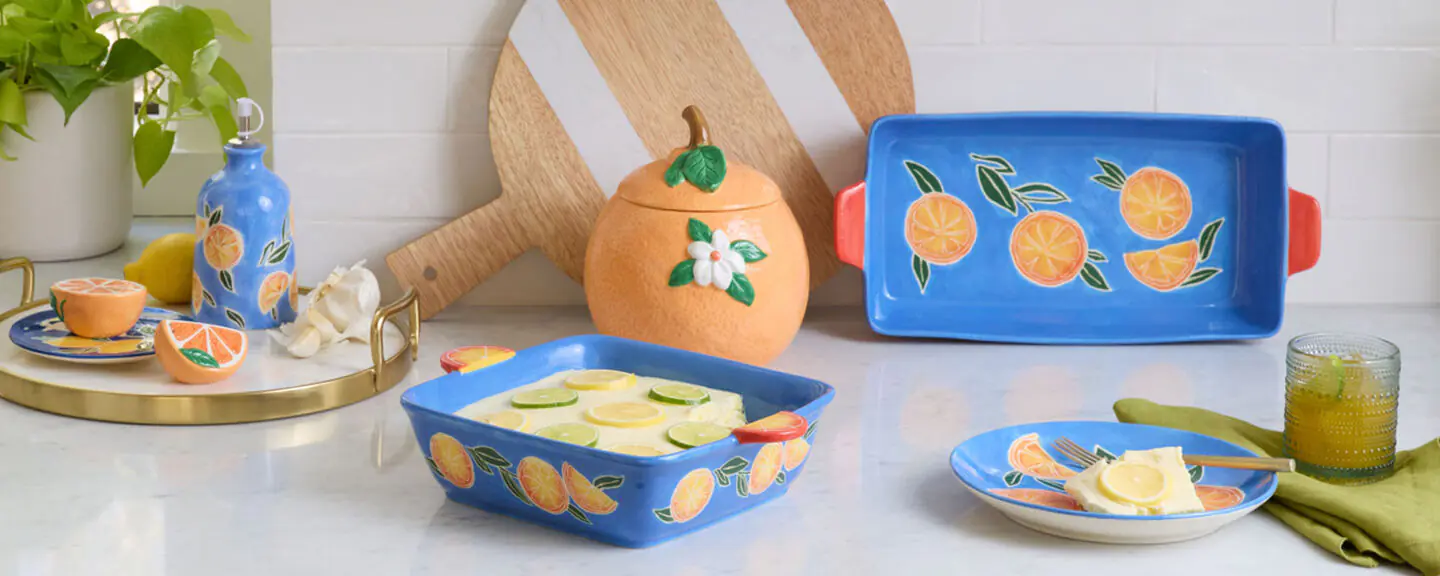
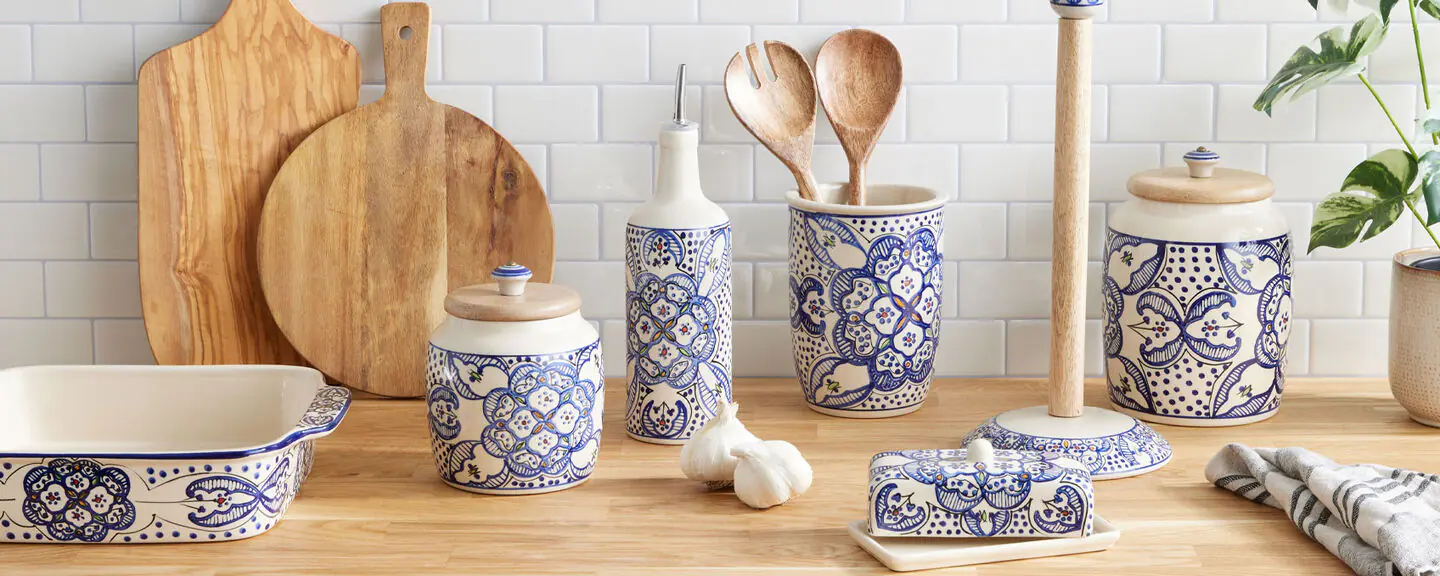
5. Stylish and Aesthetic Designs: Aesthetic appeal plays a crucial role in kitchenware purchases. Products that combine functionality with design are trending. Wholesalers should look for items that come in contemporary colors, patterns, and sleek designs to attract consumers who prioritize aesthetics in their kitchen.
Discussion on Staying Ahead in Product Offerings
To stay ahead in 2026, wholesalers must remain agile and responsive to market shifts. Here are strategies to keep your product offerings relevant:
1. Market Research: Continuously conduct market research to identify emerging trends. Attend kitchenware fairs like HK Home Instyle to gain firsthand insights into trending products and innovations. Networking with industry experts at these fairs can provide valuable information about shifts in consumer behavior.
2. Collaborate with Suppliers: Building strong relationships with kitchenware suppliers can facilitate access to exclusive product lines or new arrivals. Consider negotiating exclusive deals on trending items to position your business as a go-to source for popular kitchenware.
3. Stay Up-to-Date with Design Innovations: Follow design trends and innovations in materials. Engaging with designers and innovators in the kitchenware space can inspire unique product offerings that align with contemporary styles.
4. Focus on Customer Feedback: Actively seek feedback from customers regarding their preferences and experiences. This can guide inventory decisions and help wholesalers adapt to what consumers want.
By embracing these trends and proactively adjusting product offerings, wholesalers can effectively meet the evolving demands of the kitchenware market and position themselves for success in 2026.

How to Negotiate with Kitchenware Suppliers at a Fair?
Negotiating with suppliers at kitchenware fairs can be a pivotal aspect of building a successful wholesale business. Effective negotiation strategies can lead to favorable terms, better pricing, and stronger supplier relationships. Here are techniques and key phrases to aid in successful negotiations during kitchenware fairs.
Techniques for Effective Negotiation
1. Preparation is Key: Before attending a kitchenware fair, conduct thorough research on the suppliers you plan to meet. Understand their product offerings, market reputation, and pricing structures. Setting clear objectives, such as target price points or desired product quantities, will equip you for meaningful negotiations.
2. Build Rapport: Establishing a positive relationship with suppliers is essential. Start conversations with friendly greetings and express genuine interest in their products. Use open-ended questions to show your willingness to learn more about their offerings. Building a rapport not only eases negotiations but can also foster long-term partnerships.
3. Express Your Business Needs: Be transparent about your business requirements and expectations. Communicate your target market and the type of products that align with your brand. Suppliers are more likely to accommodate requests if they understand how their offerings can help your business succeed.
4. Utilize Competitive Intelligence: Highlight competing offers from other suppliers without naming them directly. For instance, you might say, “I’ve seen similar products available at a lower price.” This tactic encourages suppliers to respond with more competitive pricing or terms.
5. Don’t Accept the First Offer: It’s common for suppliers to start with an initial price that allows room for negotiation. Aim to counter their first offer by presenting your own. Use calculated figures based on your research to rationalize your counteroffer to establish a win-win situation.
Key Phrases and Strategies
Utilizing specific phrases can help convey confidence and seriousness during negotiations:
“I appreciate the quality of your products, but our budget constraints require us to look for more competitive pricing.” This phrase acknowledges the supplier’s quality while expressing your need for better pricing.
“Can we explore volume discounts if I commit to a larger order?”This not only opens discussions for better pricing but also shows your intent to invest in their product line.
“Time is essential for us, and establishing a long-term partnership would benefit both parties. Could we discuss favorable terms?”Framing negotiations as mutually beneficial can increase the likelihood of favorable responses.
“Can you provide samples for me to assess the quality further?”Requesting samples shows your seriousness about the products and allows you to confirm their quality before committing.
By implementing these negotiation strategies and maintaining open communication with suppliers, wholesalers can secure advantageous terms and build lasting relationships that are beneficial for both parties. Kitchenware fairs are not just an opportunity to discover new products but also a prime setting for crafting favorable business agreements that can propel your wholesale success.
Incorporating these approaches will not only enhance your negotiation skills but also position you to thrive in competitive environments, ultimately leading to profitable partnerships in the kitchenware industry.
What Should I Prepare for Attending a Kitchenware Fair?
Attending a kitchenware fair is an invaluable opportunity for wholesalers aiming to establish new supplier relationships, discover innovative products, and stay updated on industry trends. However, to maximize the benefits of such events, careful preparation is essential. Here’s a comprehensive guide on what you should do before attending a kitchenware fair.
Essential Preparations for Attending a Kitchenware Fair
1. Research and Planning:Before the event, conduct thorough research on the fair itself. Understand the exhibitors, the layout of the exhibition hall, and the schedule of presentations or workshops. This information will enable you to create a targeted list of companies you wish to meet. Utilize the fair’s website or social media channels to gain insights into featured exhibitors and any highlights that may influence your purchasing decisions.
2. Set Clear Objectives:Define what you want to achieve by attending the fair. Is your primary goal to explore new product lines, identify reliable suppliers, or gain insights into market trends? Setting specific goals will guide your interactions and help you prioritize your time effectively. For instance, if you aim to establish connections for kitchenware wholesale, focus on identifying companies that align with your product vision.
Packing Lists: What to Bring
A well-organized packing list can make your experience smoother:
Business Cards:Bring plenty of business cards to share with potential suppliers. Make sure they accurately reflect your company’s branding.
Notepad or Tablet:Document insights, supplier details, and product information during meetings. This will help you recall key points later.
Comfortable Footwear: Expect to walk extensively. Comfortable shoes will keep you energized throughout the day.
Portable Charger:With the use of smartphones for communication and information-sharing, ensure your devices remain charged by bringing a portable charger.
Sample Collection Bag:Fair attendees often receive product samples. A sturdy bag will help you transport these items easily back to your office for assessment.
Importance of Research and Setting Goals Before the Event
Conducting thorough research fosters informed discussions with suppliers. Understanding market trends, popular products, and competitors’ offerings will empower you to ask relevant questions, allowing for more meaningful interactions. When you approach a supplier, demonstrating knowledge of their products and services builds credibility, making it easier to establish a rapport.
Setting goals not only helps in accumulating valuable contacts but also aids in accountability. By the fair’s end, you can evaluate your achievements against your pre-defined objectives, ensuring that you leave with actionable insights and potential supplier agreements.
In conclusion, proper preparation for a kitchenware fair can lead to a significantly more productive experience. Through strategic planning and thorough research, wholesalers can maximize their time and resources, leading to fruitful relationships and successful sourcing for their businesses.
Benefits of Attending Kitchenware Fairs for Wholesale Success
Attending kitchenware fairs presents numerous advantages for wholesalers. These industry events provide a unique platform for networking, gaining market insights, and acquiring knowledge that can be transformative for your business.
Networking Opportunities
One of the key benefits of kitchenware fairs is the unparalleled opportunity to network with suppliers, manufacturers, and fellow industry professionals. These events gather a diverse mix of stakeholders, which facilitates establishing relationships that can lead to successful partnerships. By interacting in person, you can gauge the reliability and ethos of potential suppliers far more effectively than through emails or phone calls.
Wholesalers can exchange ideas, share experiences, and collaborate on projects with others in the industry. This networking not only helps build a trustworthy supplier base but can also result in referral business—where fellow wholesalers recommend you to their contacts.
Education and Market Insights
Kitchenware fairs often feature seminars, workshops, and panel discussions led by industry experts. Attending these sessions can provide valuable insights into emerging trends, new technologies, and consumer preferences within the kitchenware market. Knowledge gained from these educational experiences can inform product selection and marketing strategies back at your business.
For instance, understanding trends such as eco-friendly materials or smart kitchen technology can position you ahead of competitors. This information can influence your purchasing decisions, ensuring you showcase products that resonate with current consumer demands.
Case Studies of Successful Wholesalers Who Leveraged Fairs for Growth
Many wholesalers have successfully utilized kitchenware fairs as a launching pad for growth. Case studies frequently illustrate how businesses have increased sales and expanded their product offerings after attending events like HK Home Instyle or Ambiente. These success stories often highlight pivotal connections made at these fairs that transformed their supplier relationships and business direction.
For example, a wholesaler focusing on sustainable kitchenware products may have attended a fair, connected with a manufacturer of biodegradable utensils, and secured a contract that allowed them to offer exclusive products. The increase in consumer awareness and demand for eco-friendly options gave this wholesaler a significant competitive edge.
In conclusion, attending kitchenware fairs is a vital strategy for wholesale success. Through networking, education, and insights gained from event interactions, wholesalers can enhance their business operations, adapt to market demands, and ultimately thrive in a competitive marketplace. By embracing these opportunities, businesses can secure a strategic advantage that leads to long-term growth and success.
How to Leverage the Experience After the Fair?
Attending a kitchenware fair can be a game-changing experience for wholesalers, providing them with unique opportunities to network, learn about industry trends, and source new products. However, the real value of these experiences often lies in what happens after the fair. To maximize your investment of time and resources, it’s critical to follow up diligently and implement the insights gained. Below are actionable steps for following up and tips for incorporating fair insights into your business practices.
Actionable Steps for Following Up with Contacts
1. Organize Collected Contacts:After the fair, the first step is to sort through the business cards and contact information you gathered. Create a digital contact list that includes names, email addresses, phone numbers, and a brief note on your interaction with each contact. This organization will lay the groundwork for personalized follow-ups.
2. Prioritize Your Outreach:Evaluate which contacts are most relevant to your business objectives. Prioritize follow-ups based on the potential for meaningful partnerships, product relevance, and the strength of personal connections made during conversations. It’s advisable to contact these prioritized contacts first, ideally within a week of the fair while discussions are still fresh in everyone’s minds.
3. Craft Personalized Emails:Draft follow-up emails tailored to each contact. Always reference specific topics discussed during your conversations to remind them of your interaction and reinforce rapport. For instance, if a supplier mentioned a new product line, express your interest in learning more about it and suggest a potential collaboration.
Example: “Hi [Name], it was a pleasure discussing your new line of eco-friendly kitchen tools at the fair. I believe these products could be a great fit for our clientele focused on sustainable living.”
4. Arrange Calls or Virtual Meetings:For high-priority contacts, suggest scheduling phone calls or video meetings. This direct approach facilitates deeper conversations and enables you to discuss potential collaborations in detail, ensuring both parties are aligned on goals and expectations.
5. Maintain Engagement via Social Media:Connect with your new contacts on professional social media platforms, such as LinkedIn. Regular engagement through sharing industry articles, commenting on their posts, or endorsing their skills helps build a lasting connection and keeps you on their radar for future opportunities.
6. Set Up a Follow-Up System:Implement a system for regular follow-ups with your contacts. This could involve setting reminders in your calendar for quarterly check-ins or sending an email to share relevant industry news. Maintaining this contact will keep your relationship strong and position you favorably for future business opportunities.
Tips for Incorporating Fair Insights into Your Business Practices
1. Analyze Key Trends:After the fair, take time to analyze the trends you observed. Identify products or innovations that garnered interest or that you believe will resonate with your customer base. Integrate these insights into your product selection strategy, ensuring you stay ahead of market demands. For example, if many exhibitors focused on sustainability, consider expanding your range of fair trade kitchenware.
2. Implement Educational Insights:Many fairs offer workshops or seminars that provide invaluable insights into industry best practices or emerging trends. Review the notes you took during these sessions and extract actionable strategies that can improve your business operations. This could include adopting new pricing strategies, enhancing your marketing approach, or refining customer service protocols.
3. Monitor Competitors:Attendance at events allows you to see how competitors position themselves in the market. Use this information to benchmark your own product offerings and marketing strategies. Understanding the competitive landscape can inform decisions on how to differentiate your brand and capitalize on unique selling propositions.
4. Adapt Marketing Strategies:Integrate insights gained from the fair into your marketing strategies. For instance, if you learned about successful digital marketing techniques from industry experts, apply those strategies to your campaigns to enhance visibility and engagement. Current trends can also help in crafting compelling messaging that resonates with your audience.
5. Continuous Learning and Networking:Leverage the contacts made during the fair to create a network of resources. Learn from industry peers about their successes, failures, and best practices. Regularly engage in industry forums or groups to share knowledge and continue learning about kitchenware innovations and market shifts.
6. Assess Supplier Partnerships:Reflect on the interactions with suppliers and consider if any could provide a better value or quality than those you’re currently using. If you identified promising suppliers during the fair, reach out to discuss potential partnerships. Stronger supplier relationships can lead to better pricing, exclusive products, and improved support.
By following these actionable steps and incorporating insights from the kitchenware fair into your everyday business practices, you can maximize the benefits of your attendance. This proactive approach will not only enhance your operations but also position your business for sustained success in the competitive kitchenware wholesale market. The relationships you build and the knowledge you gain can forge pathways to new opportunities, ensuring you capitalize on the experiences of the fair long into the future.
Engaging with the content covered here reinforces the significance of strategic follow-up and informed decision-making after attending kitchenware fairs. By actively pursuing networking opportunities and applying insightful learnings, you are not just investing in the moment but also setting your business up for future triumphs in the ever-evolving kitchenware landscape. Embrace the potential that follows these events, knowing that your ongoing engagement can solidify your standing in the market and lead to remarkable growth.
Conclusion
In conclusion, the experience garnered from attending kitchenware fairs is invaluable—provided it doesn’t end when the event does. By diligently following up with contacts, implementing learned strategies, and adjusting your business practices based on market insights, you can position your business for growth and success in a competitive landscape. Remember, these events are just the beginning; the real benefits come from your proactive engagement after the fair. If you have more questions about maximizing your participation in kitchenware fairs or need assistance in refining your strategies, don’t hesitate to reach out. Contact us today to learn how we can help you thrive in the dynamic world of kitchenware wholesale!

Lola Zhang is a Kitchenware Sourcing & Market Specialist at Auspace Kitchenware, with years in China’s kitchenware wholesale sourcing. She helps buyers spot trending products, optimize procurement, and handle post-purchase issues.With deep industry experience, she offers tips on market-matching and smooth sourcing. Her expertise links buyers to trusted Chinese manufacturers, making her a reliable partner for efficient kitchenware sourcing.