Introduction
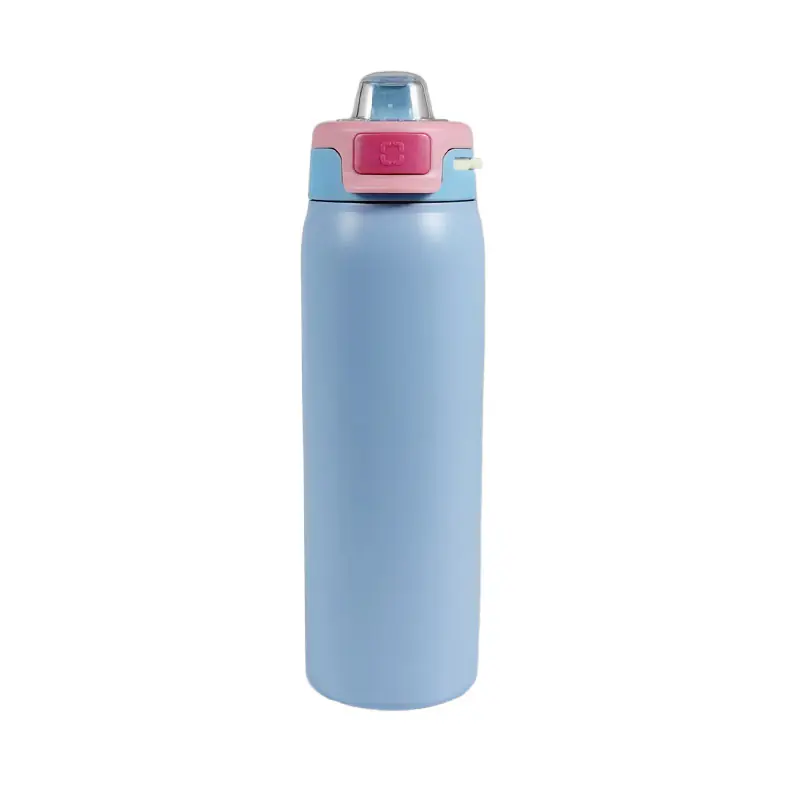
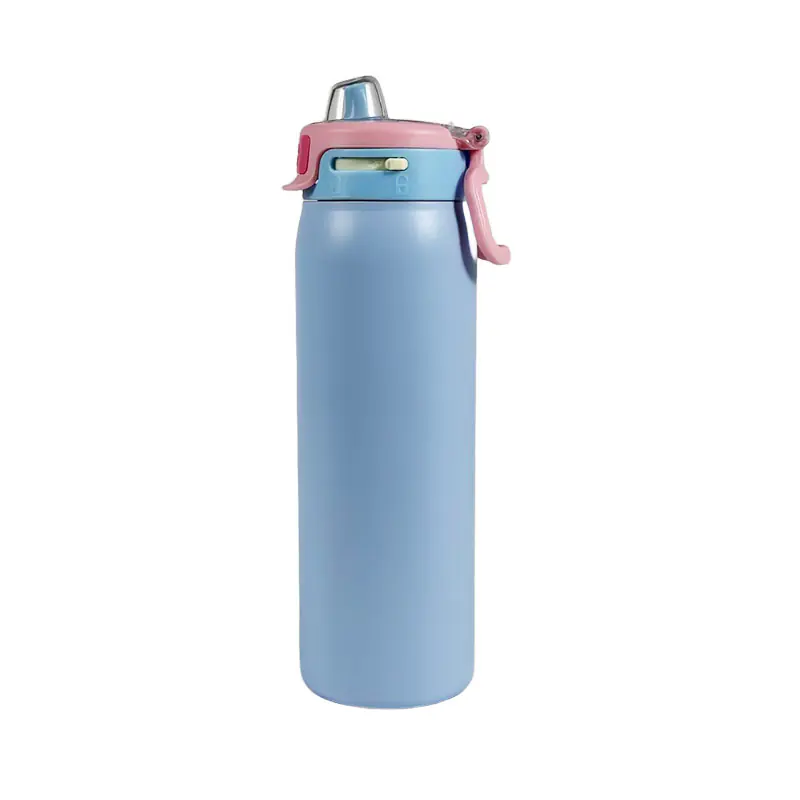
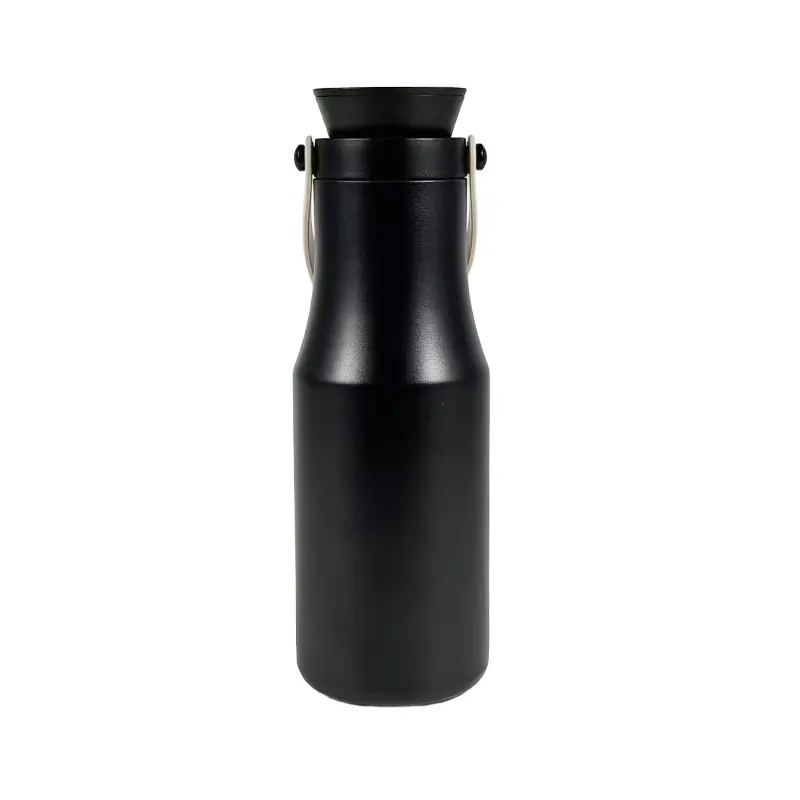
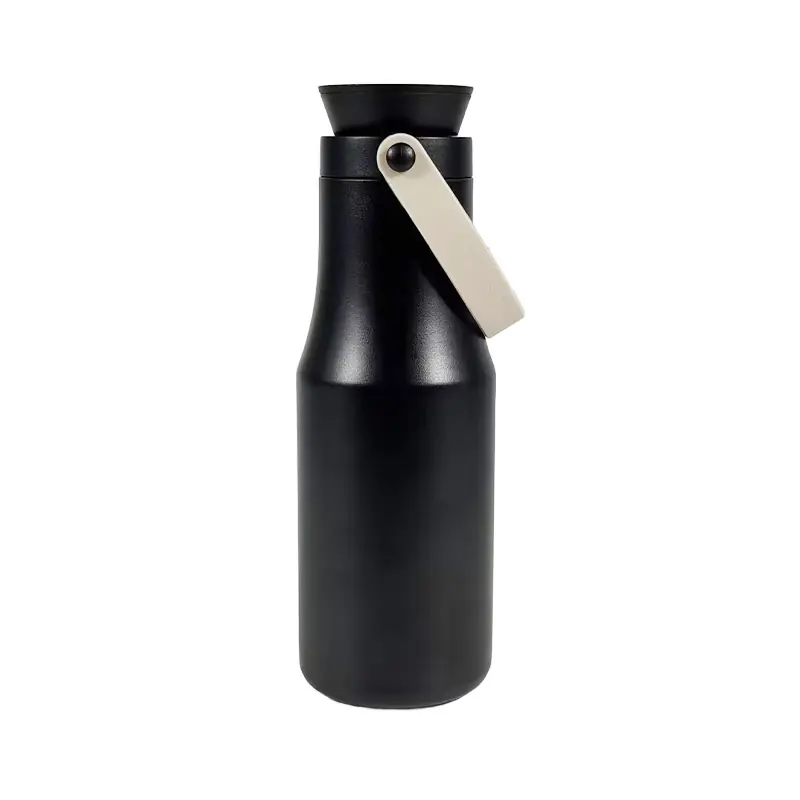
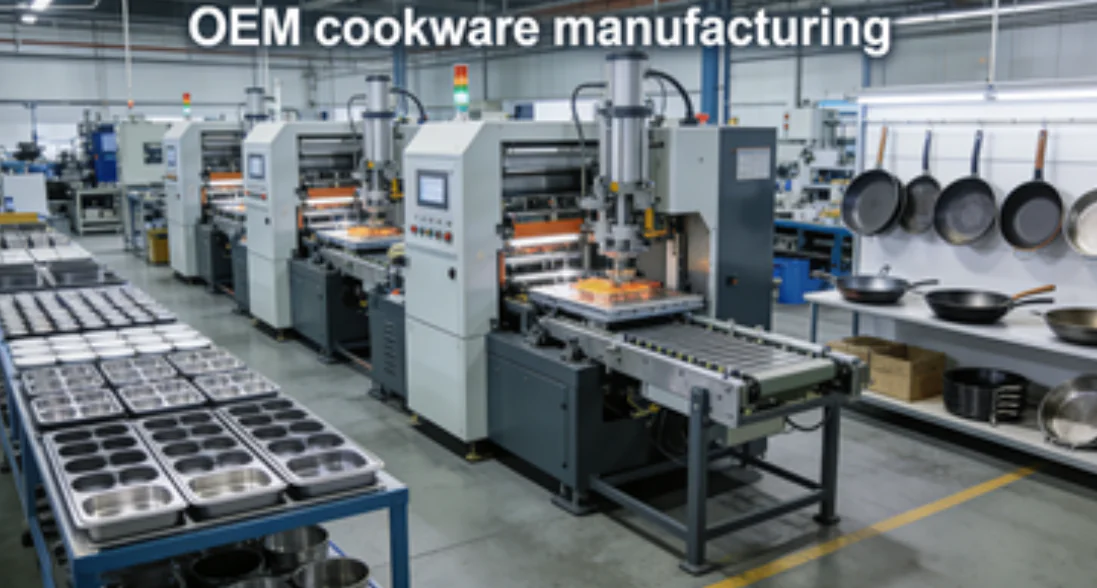
At our integrated manufacturing facility, we believe transparent production is the foundation of trust. This post will take you behind the scenes to show how a high-quality stainless steel tumbler manufacturing process works—from raw material to finished product—and how your everyday reliable, high-performance cup comes to
1.Why Choose a Stainless Steel Tumbler for Daily Hydration?
When it comes to picking your go-to drink container, a stainless steel tumbler is the smartest choice—and here’s why.
First off, it’s all about safety and taste. Unlike plastic, stainless steel won’t leak weird chemicals into your drink. No matter if you’re sipping hot coffee or cold lemon water, your beverage stays pure and fresh-tasting. That’s why stainless steel tumbler manufacturing always uses high-quality food-grade materials like 304 stainless steel—it’s clean and reliable.
Then there’s performance. Thanks to vacuum insulated cup production, these tumblers are experts at temperature control. They keep your drinks hot or cold for hours, not just minutes. No more lukewarm coffee or melted ice water. It’s like a thermostat for your hand.
Durability? Absolutely. Stainless steel doesn’t break, rust, or hold onto odors. It stands up to daily use—and looks good doing it. Plus, it’s planet-friendly. One steel cup can replace hundreds of disposable bottles.
And yes—style! Whether you want a sleek look or full-color designs, custom tumblers offer endless ways to match your vibe.
So, for a safe, smart, and sustainable way to hydrate every day—choose stainless steel.
2.The Foundation — Material & Forming
The pursuit of quality begins long before production—it starts with material selection.
2.1 Material Selection
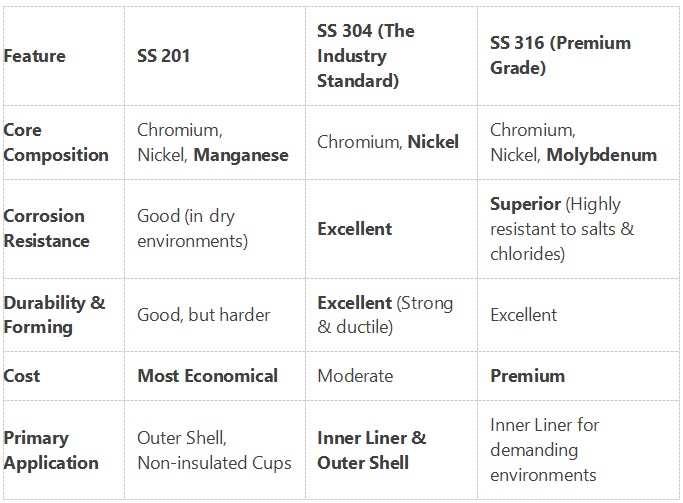
Stainless steel is the go-to material for insulated cups. We typically use types 316, 304, and 201.
We often choose 304 stainless for the inner liner and more cost-effective 201 for the outer shell in our vacuum insulated cup production..
2.2 Precision Metal Forming: Shaping the Cup
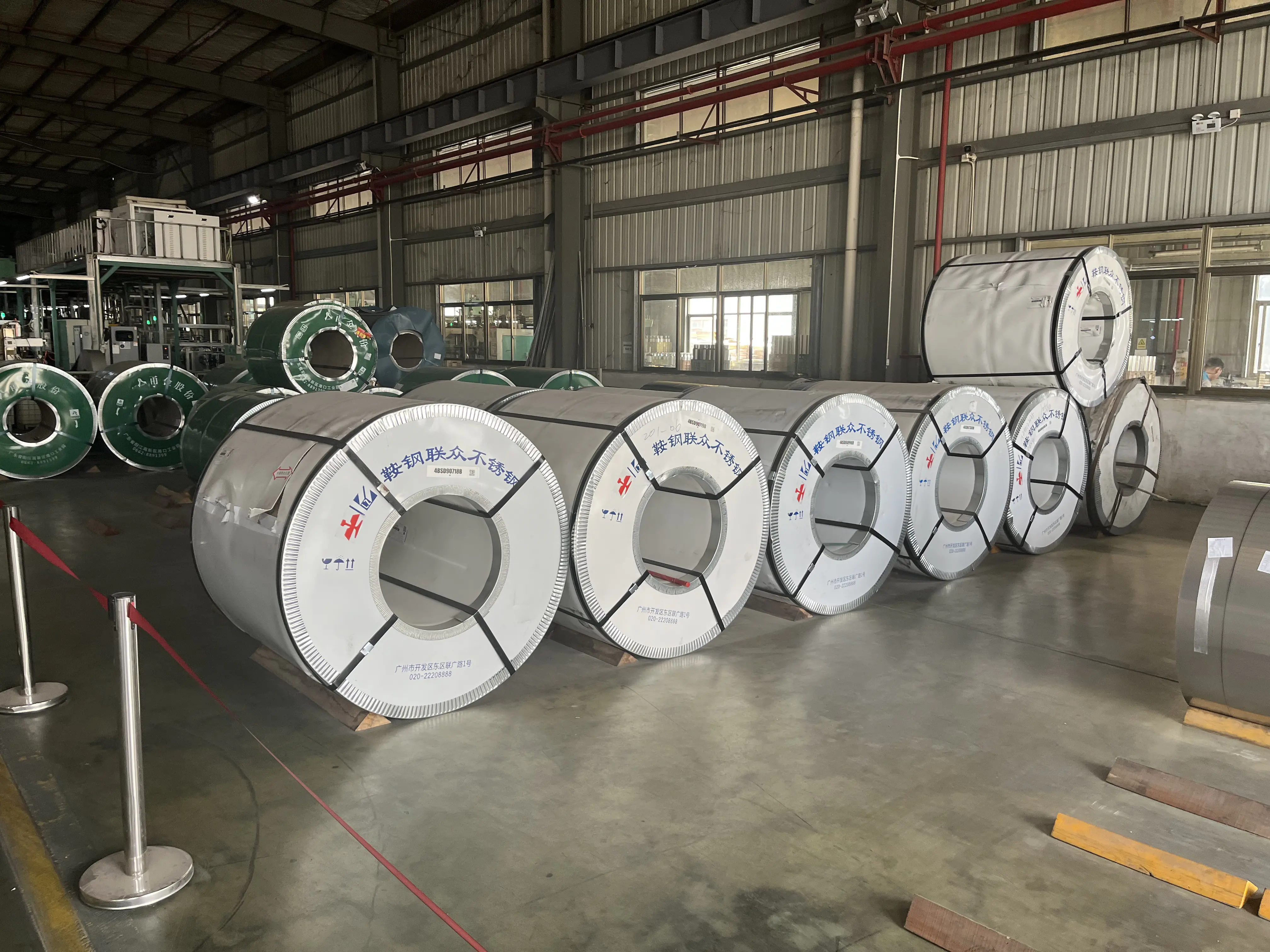
The raw steel coil goes through a series of cold-forming processes:
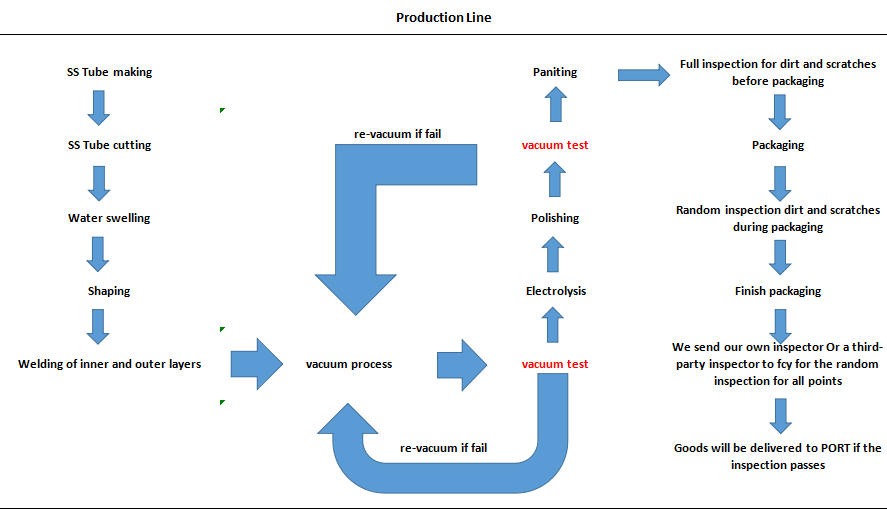
Tube Making & Tube Cutting: Steel strips are precision-cut into tubular blanks of specific dimensions.
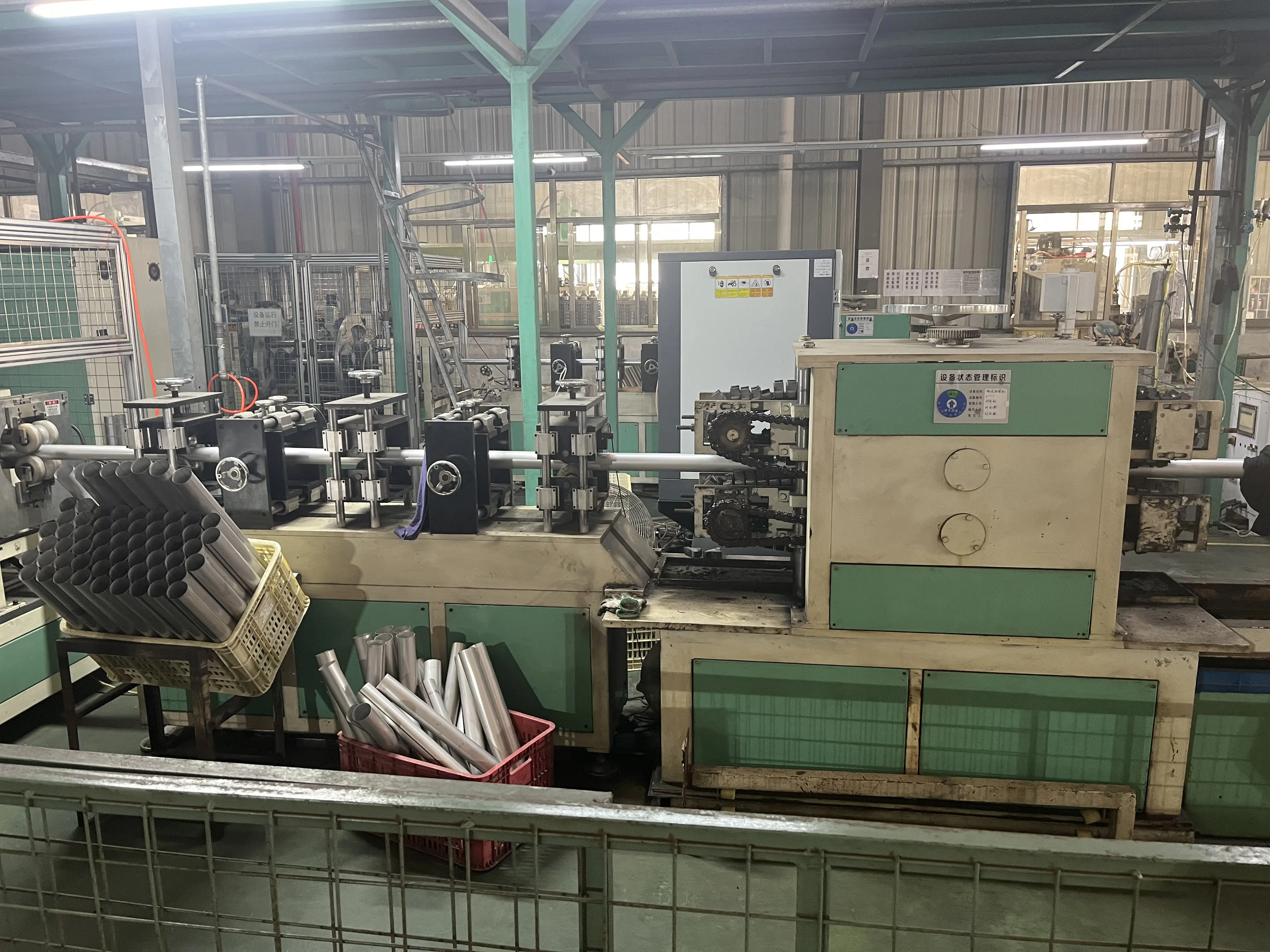
Seam Welding: High-frequency welding seals the tube into a perfect cylinder.
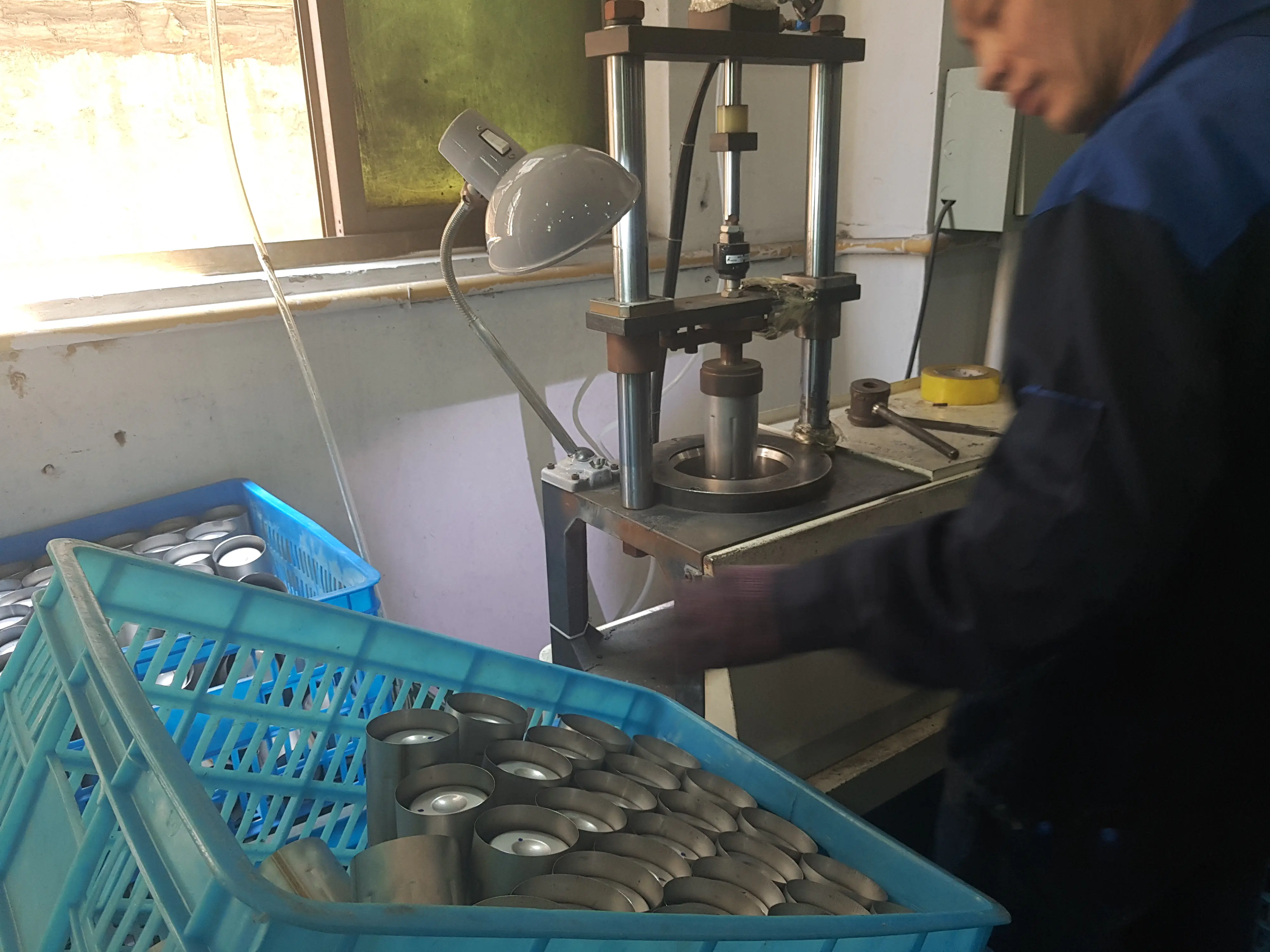
Hydroforming: High-pressure water expands the tube within a mold to form a seamless cup shape with uniform wall thickness.
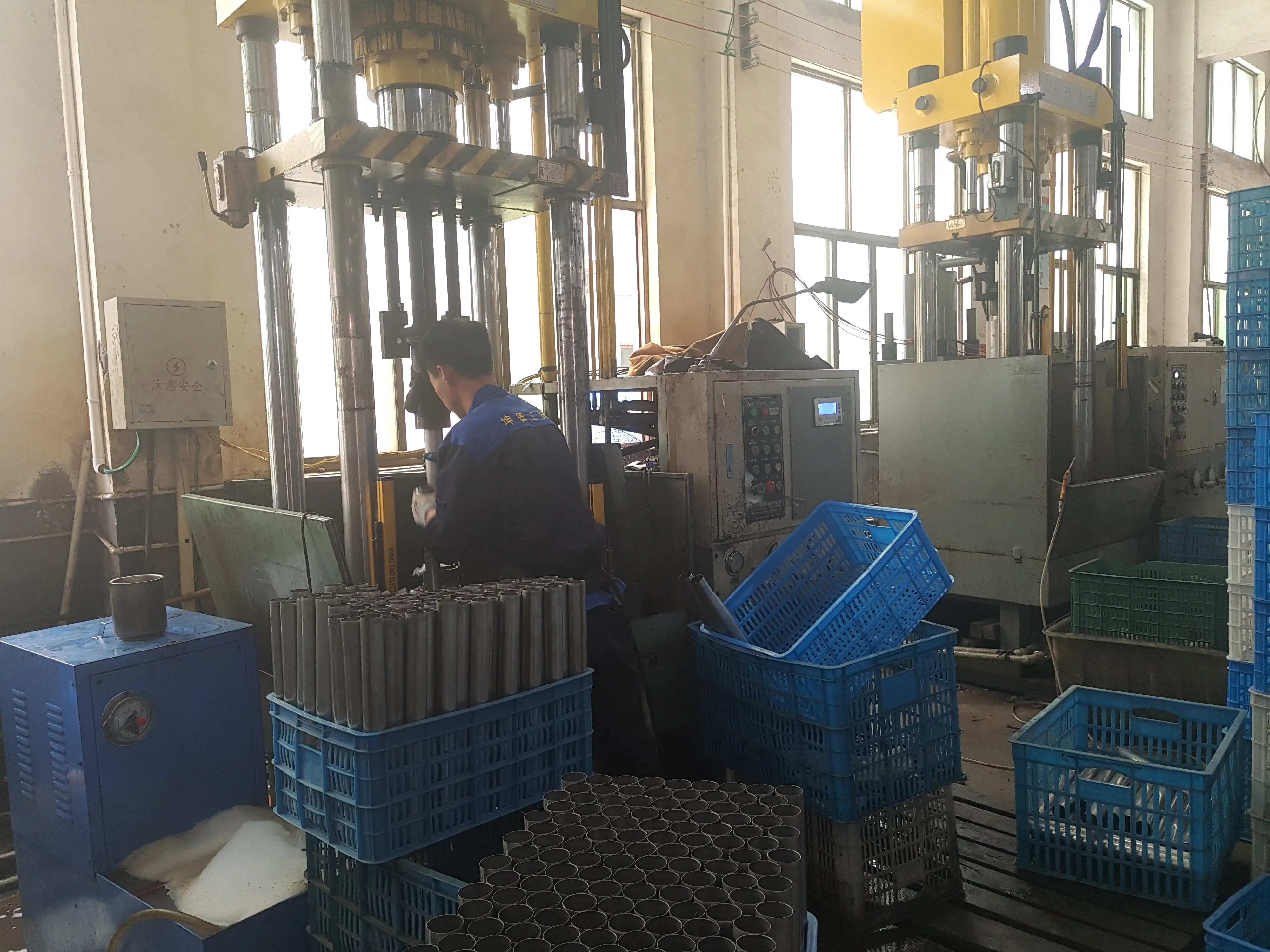
Drawing,Necking:The cup body is drawn to its full height, the mouth is narrowed (necking) for ergonomic drinking, and any excess material is accurately trimmed away.
Trimming: The cup body is drawn to its full height, the mouth is narrowed, and excess material is accurately removed.
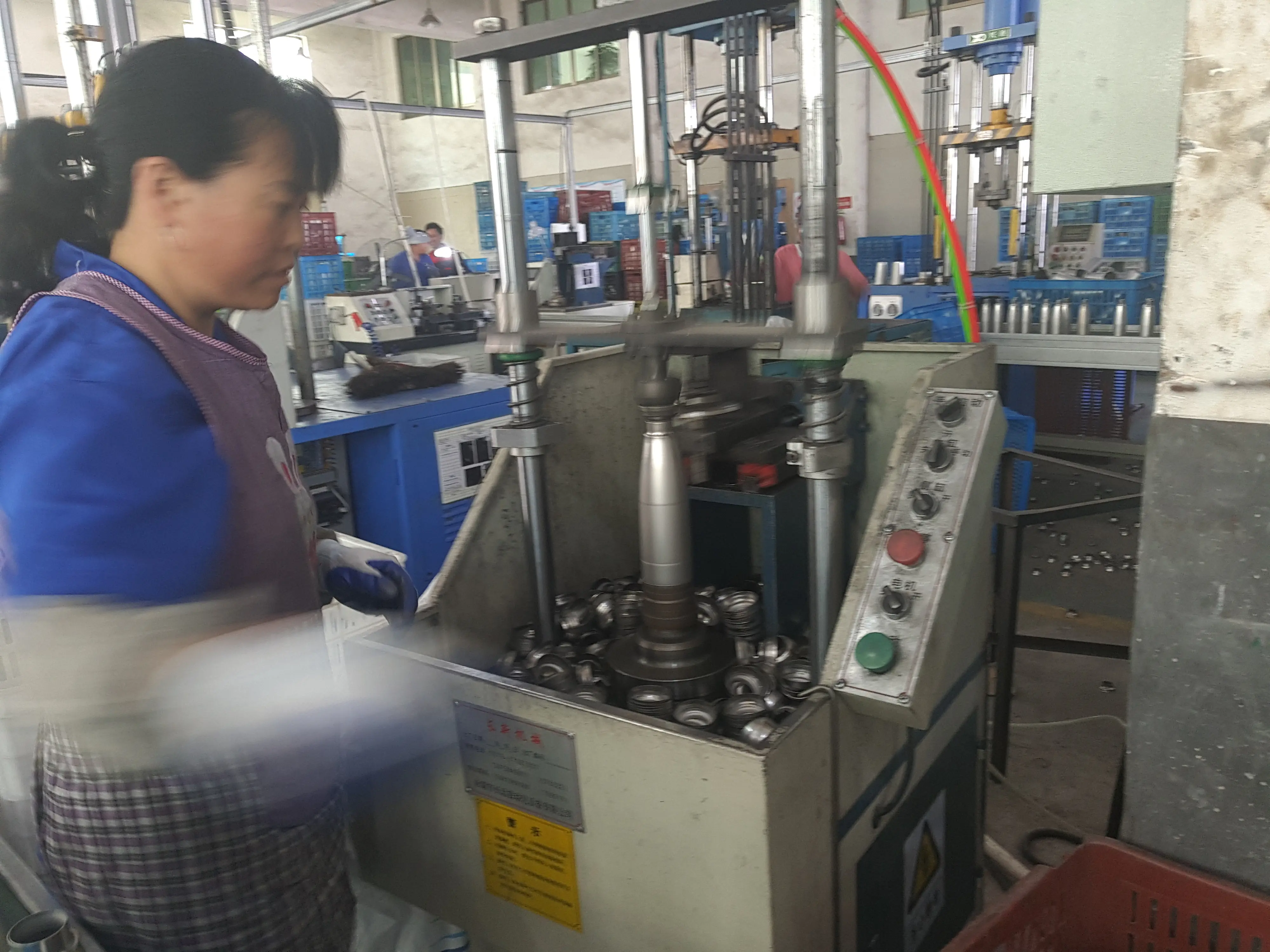
Flattening & Threading: The top and bottom are flattened to ensure a perfect seal. Threads are precisely rolled onto the rim for a leak-proof fit with the lid.
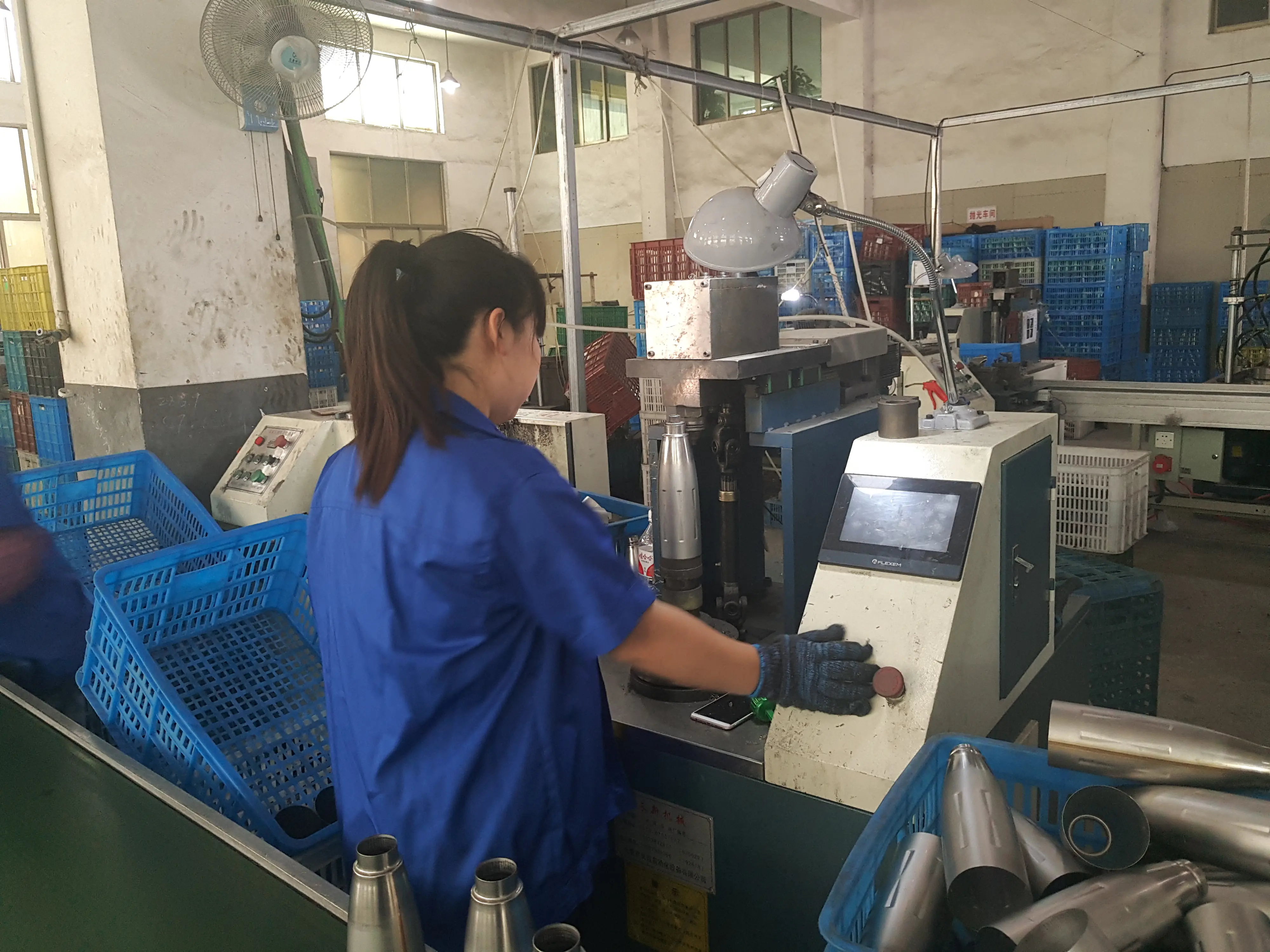
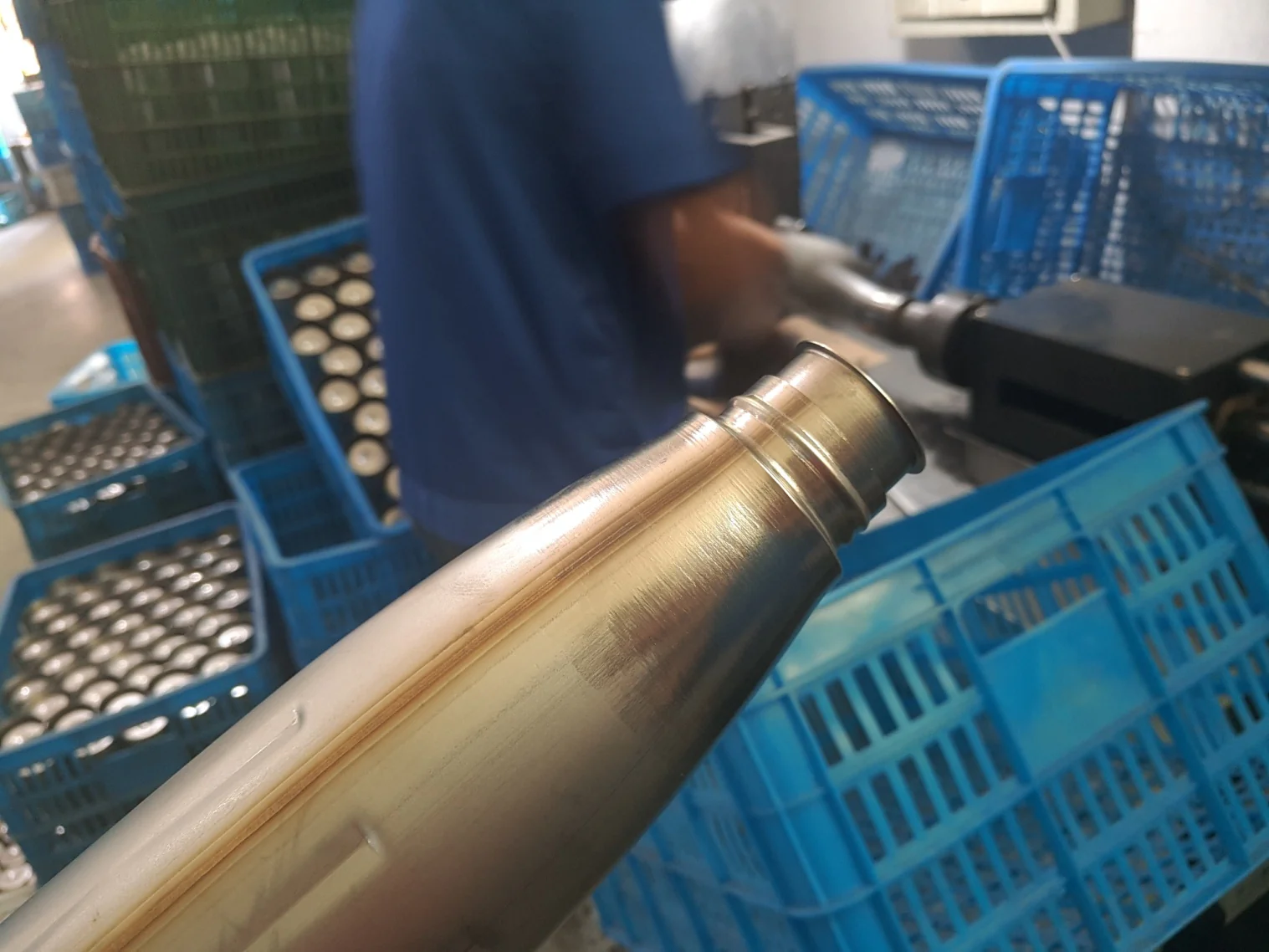
Inspection & Curling: The formed outer shell is inspected for defects. The rim is curled into a smooth, safe, and comfortable drinking edge.
3. The Heart of Insulation — Welding, Vacuum Sealing & Finishing
Here, the cup gets its soul—thermal performance and final appearance.
3.1 Laser Welding
Advanced laser welding fully seals the inner and outer walls at the base. This process is known for its strength, cleanliness, and precision. There are four key welds:
Inner base weld
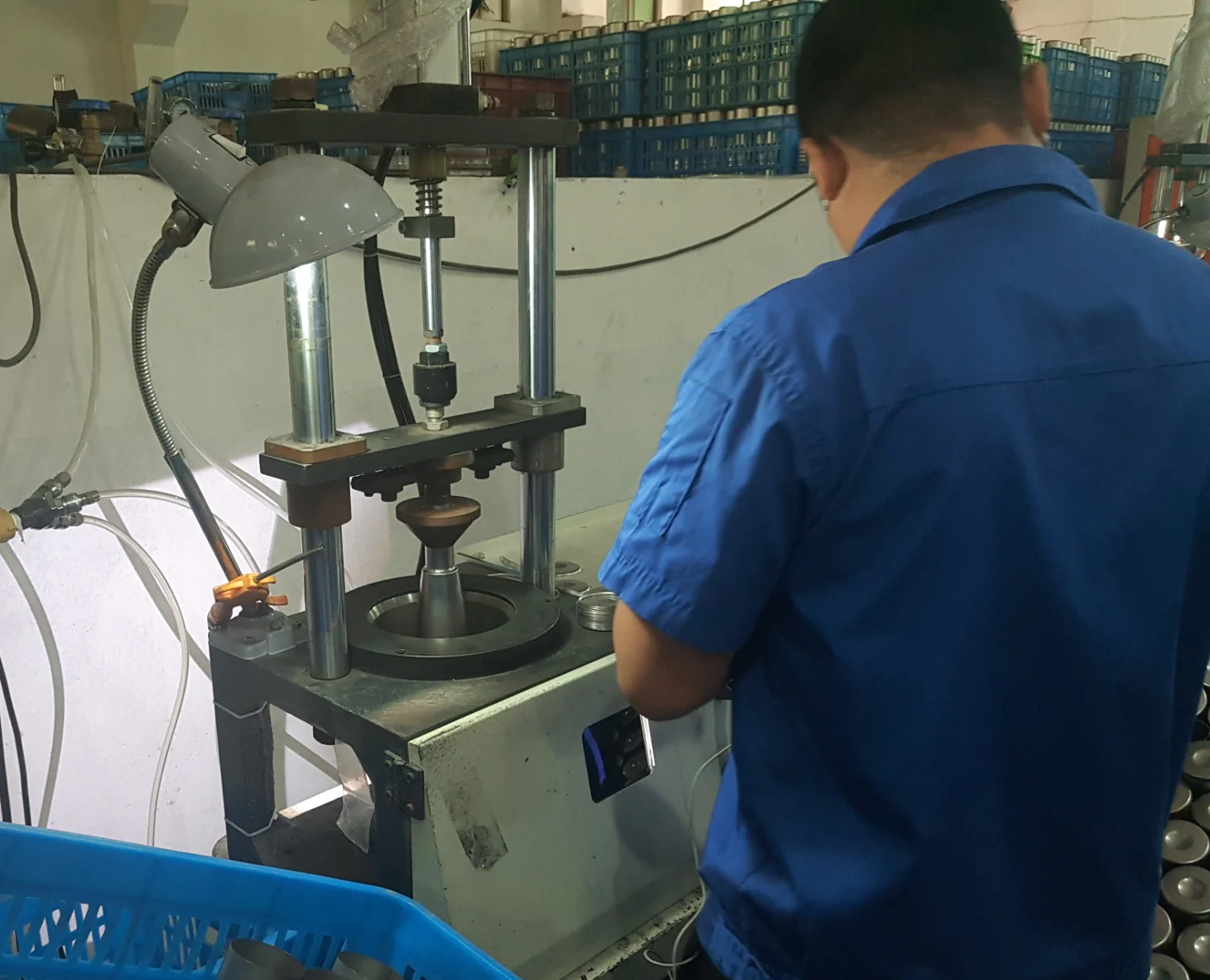
Inner/outer wall join
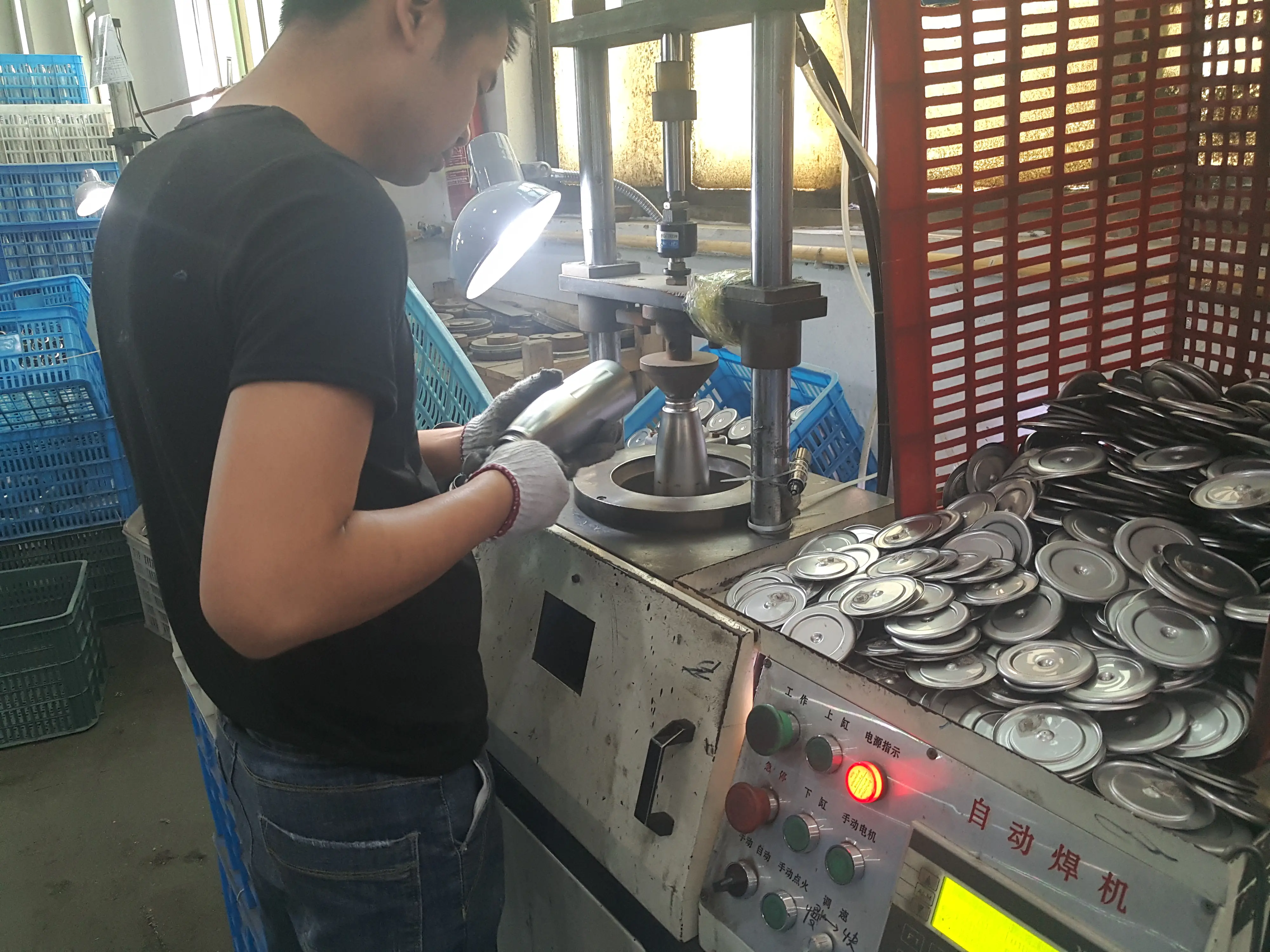
Getter weld (for vacuum maintenance)
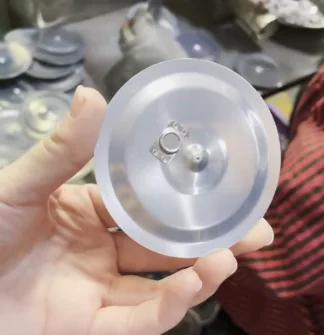
Outer base attachment
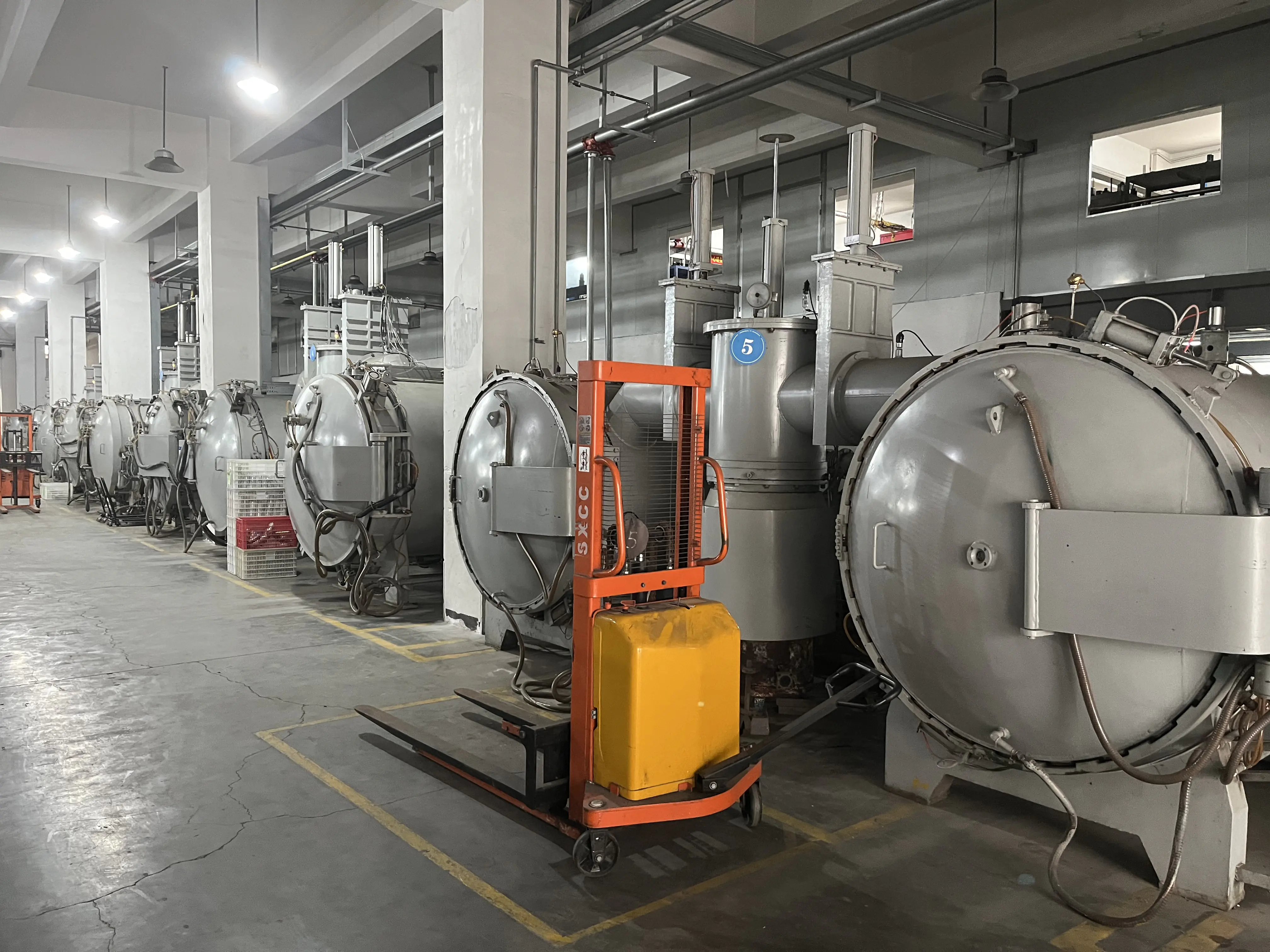
3.2 Vacuum Sealing (The Core of Insulation)
The most critical step in vacuum insulated cup production, air is completely removed between the inner and outer walls to create a vacuum layer, effectively blocking heat transfer and enabling excellent thermal retention.
3.3 Temperature Testing — Dual Quality Assurance
We perform two strict insulation tests: one right after vacuum sealing (2.3), and another after polishing and surface treatment (2.6). Double verification ensures every product meets our performance standards for custom tumblers.
3.4 Electroplating & Polishing
Electropolishing: Treats the inner surface to remove micro-imperfections, enhance corrosion resistance, and create an ultra-smooth, easy-to-clean finish.
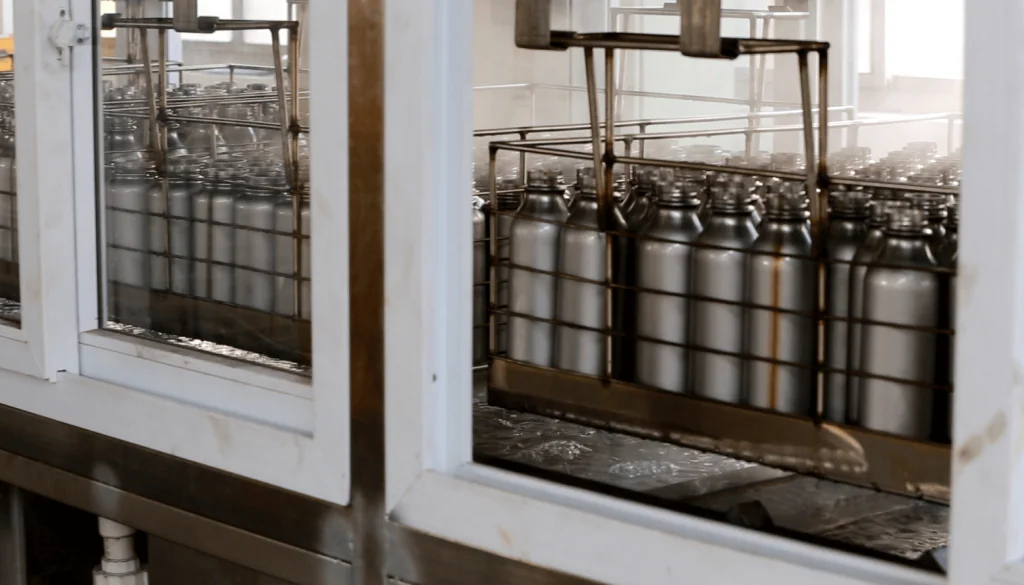
Outer Polishing: Mechanical polishing achieves the desired exterior look—whether mirror, brushed, or matte.
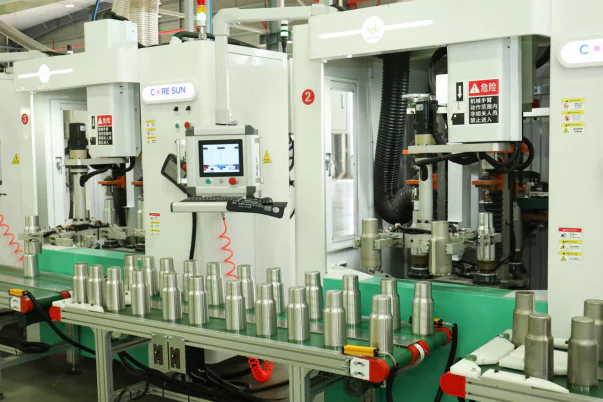
3.5 Surface Treatment & Decoration
This is where your design comes to life in our custom tumblers program. We offer full customization:
Spray Painting/Powder Coating: Durable colored base layers.
Air-transfer Printing/Heat Transfer/Water Decal: For full-color graphics and complex designs.
Laser /3D Printing: For precise, permanent, tactile logos.
Screen Printing: For vibrant, opaque color layers.
All decorations are oven-cured for extreme durability, scratch resistance, and longevity.
4.Final Steps — Assembly, QC & Packaging
4.1 Assembly — Precision Fitting
Every component is meticulously assembled by hand or with automated assistance to ensure perfect function and feel:
Gasket & Seal Installation: Silicone gaskets and seals are carefully fitted into the lid and base. This critical step guarantees a 100% leak-proof seal, preventing spills and maintaining temperature.
Lid Attachment: The lid—whether a flip-top, straw lid, or screw-on design—is securely attached and tested for a smooth, secure fit and easy operation.
Component Integration: Additional parts like straws, flip-open mechanisms, carrying handles, or anti-slip base pads are installed and functionally checked.
4.2 Quality Control (QC) — The Final Inspection
Every single cup undergoes a rigorous multi-point inspection before it is approved for packaging. Our QC process is uncompromising:
Visual Inspection: Experts examine the cup for any cosmetic flaws—scratches, dents, uneven coating, or misaligned printing.
Leak Test: The sealed cup is filled with water, inverted, and agitated to ensure there are absolutely no leaks from the lid or base.
Functionality Check: All moving parts (lids, sliders, buttons) are tested for smooth operation, secure closure, and proper alignment.
Final Insulation Verification: A quick touch-test is often performed on the exterior after filling with hot water to provide a final confirmation of the vacuum seal’s integrity.
Packaging Check: The packaging itself is inspected for correct materials, accurate printing, and the inclusion of all required elements (e.g., instructions, straws).
Any cup that fails to meet our strict standards is immediately removed from the production line for rework or recycling.
4.3 Packaging
We offer flexible packaging tailored to your brand:
Custom Packaging: color boxes, hang tags, collar cards, and stickers.
Standard Packaging: For cost-effective shipping, we use protective OPP bags and secure foam inserts to ensure safe delivery.
Conclusion
And that’s how a premium product is made through our stainless steel tumbler manufacturing process. We hope this glimpse into our process helps you better understand what goes into every cup—and why you can trust us to turn your vision into a perfectly manufactured product.

Hazel is a Drinkware and Kitchenware Export Specialist at Auspace, focusing on global market supply chain support and custom product solutions. She provides end-to-end assistance for international buyers, including supplier matching, production follow-up, and logistics coordination. With deep industry knowledge and factory relationships, she helps clients efficiently source high-quality, eco-friendly drinkware and kitchen products from China.Her practical approach reduces sourcing risks and simplifies cross-border trade, making her a reliable partner for brands and retailers seeking dependable OEM/ODM manufacturing in China.