Introduction
What Is a Braiser and why does it keep popping up in modern kitchens? If you’ve ever seen a recipe that begins with bold searing, then shifts into a slow, gentle simmer—often in the same pan—you’ve already watched a braiser at work. This versatile piece of cookware sits between a skillet and a Dutch oven, combining a wide, shallow cooking surface with a tight-fitting lid and a heat-stable body. The result is a simple, efficient system for building deep flavor first, then locking in moisture to deliver tender, sauce-rich results.
For many home cooks, the appeal is pure practicality. A braiser reduces the need to switch pots, helps prevent overcrowding when browning, and makes it easier to control sauce reduction. It’s equally at home making weeknight chicken with a quick pan sauce or weekend short ribs that turn fork-tender after a long, low cook. You’ll also find it used for vegetable braises, bean dishes, shallow casseroles, and other one-pan meals where steady heat and moisture matter.
As consumer kitchens move toward fewer but more capable tools, the braiser has become a “smart essential”—one pan that reliably supports multiple techniques without demanding advanced skills. In this guide, you’ll learn What Is a Braiser, what it’s for, how it works, how it differs from similar pans, plus beginner-friendly buying and care tips.
1.What Is a Braiser?
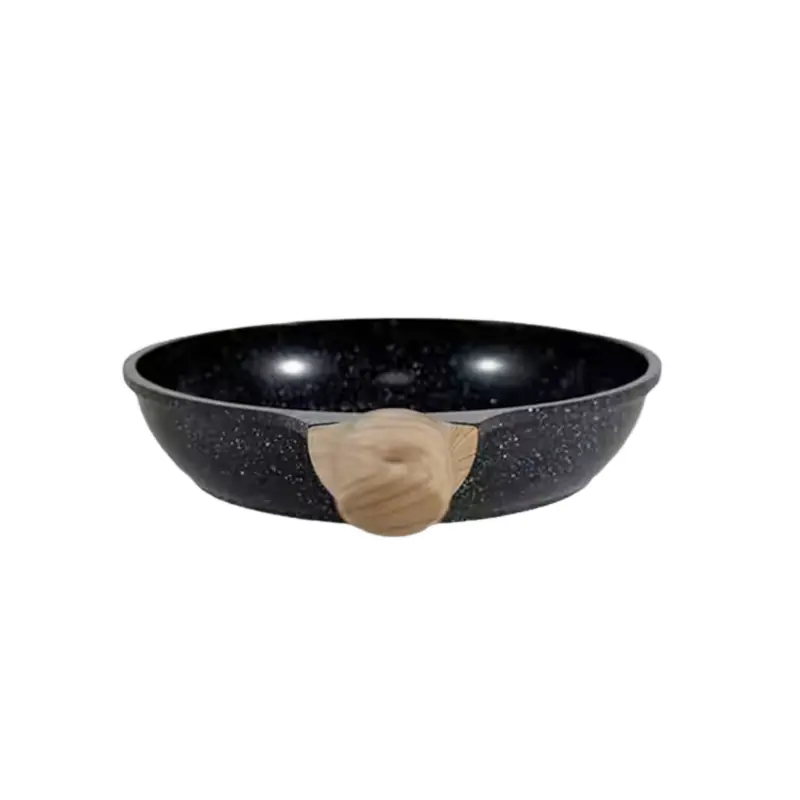
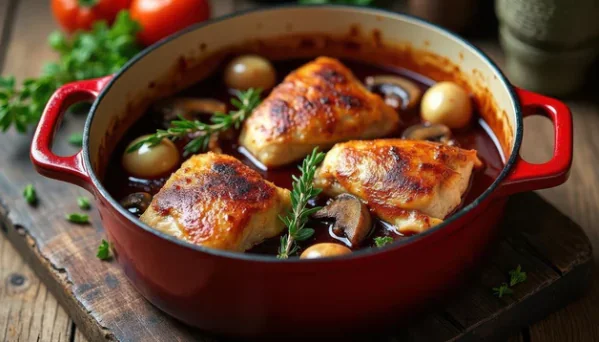
What Is a Braiser? A braiser (often called a braiser pan) is a wide, shallow, heavy pan with gently sloped sides and a tight-fitting lid. Most traditional braisers are made of enameled cast iron, though you’ll find other materials too. The defining idea is simple: a wide cooking surface for excellent browning; moderate depth to hold liquids for slow cooking; heavy construction to retain and distribute heat; and a lid to trap moisture and develop tender texture. A braiser is built specifically for braising, a cooking method that combines dry heat (searing) and moist heat (slow simmering). This makes it perfect for dishes that start hot and finish low and slow. Typical uses include short ribs, chicken thighs, pork shoulder pieces; one-pan roasts and stews; tomato-based sauces; beans and lentils; and vegetable medleys and gratins.
2.Key Features
1) Wide, Shallow Shape (Perfect for Searing): Unlike deeper pots, a braiser offers a large surface area. That means more contact with heat and better caramelization—the foundation of flavor in braised dishes.
2) Tight-Fitting Lid (Moisture Control): The lid helps create a gentle “closed system.” Steam condenses and returns to the food, keeping proteins juicy and preventing sauces from reducing too fast.
3) Heavy, Heat-Stable Body: Most braisers are thick and weighty. This minimizes hot spots, resists temperature swings, and keeps simmering consistent—especially important for long cooking times.
4) Versatile Stove-to-Oven Performance: A quality braiser can start on the stovetop and finish in the oven without changing pans. This is a big win for both flavor and convenience.
5) Elegant Presentation: Many braisers are designed to be attractive enough for serving at the table. Function meets form—ideal for family-style meals.
3.Common Materials
1) Enameled Cast Iron: Pros—exceptional heat retention, even cooking, non-reactive enamel surface, great for long braises and acidic sauces. Cons—heavy, can chip if handled roughly. Best for home cooks who want the classic braiser experience.
2) Bare Cast Iron: Pros—excellent searing, builds natural nonstick seasoning, durable. Cons—requires seasoning and careful drying, can react with acidic ingredients. Best for cooks who like traditional maintenance.
3) Stainless Steel (with a Heavy Base): Pros—lighter than cast iron, responsive heat control, great browning. Cons—less heat retention, may require more attention to prevent scorching. Best for people who want a lighter option.
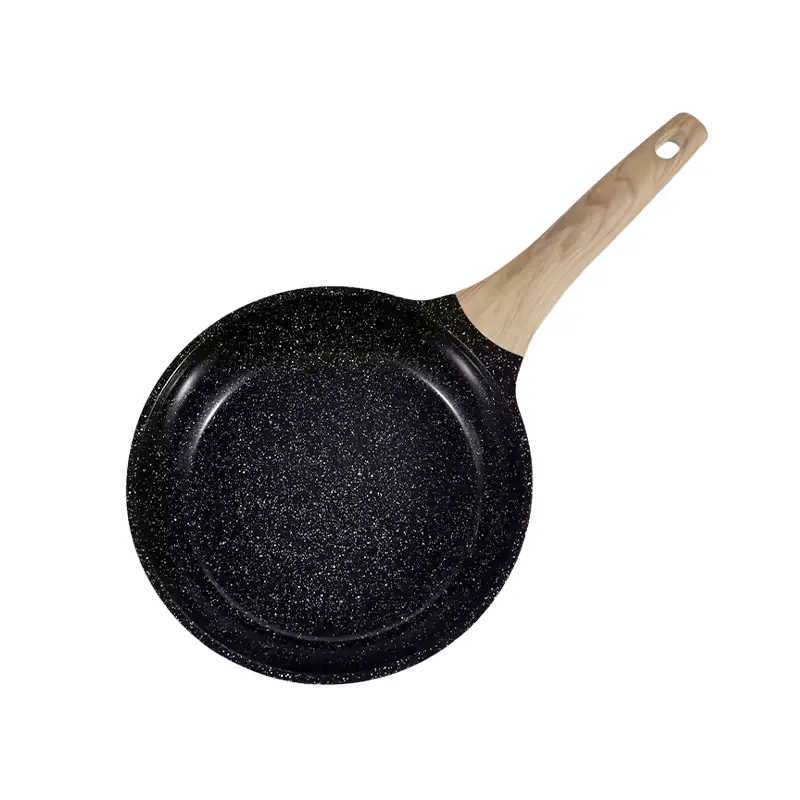
4) Hard-Anodized Aluminum: Pros—lighter and affordable, good heat distribution, often more nonstick-friendly. Cons—lower heat retention than iron, coatings can wear over time. Best for beginners or budget-conscious cooks.
5) Ceramic or Clay-Based Braising Pans: Pros—gentle, steady heat, great for slow, delicate dishes. Cons—more fragile, not ideal for aggressive stovetop searing. Best for oven-focused cooks.
4.What Is It Used For?
If you’re still asking What Is a Braiser used for, the short answer is: flavor-building, one-pan meals that benefit from both browning and slow cooking.
Ideal dishes include meat braises (short ribs, lamb shanks, pork cheeks), poultry (chicken thighs, duck legs), vegetables (cabbage, fennel, eggplant), sauces (ragù, marinara), and grains/legumes (beans, lentils). Cooking methods it handles well include searing, sautéing, pan roasting, simmering, slow braising, and baking shallow casseroles.
Home vs. commercial use: In home kitchens, a braiser can be a weekly workhorse for family meals. In professional kitchens, it’s useful for smaller batch braises, side dishes, or efficient stovetop-to-oven workflows.
5.Pros and Cons
Pros: A braiser is one of the most efficient pans for slow, flavor-forward cooking because it supports a true one-pan workflow. You can brown meat in a single layer on the wide base, build aromatics, deglaze, add a modest amount of liquid, and finish under a tight lid without switching cookware. The heavy construction—especially in enameled cast iron—delivers even heat and strong moisture retention, helping proteins turn tender and sauces reduce into rich, glossy finishes. This versatility makes it equally practical for quick weeknight chicken dishes and longer weekend braises with beef, lamb, or vegetables.
Cons: The same mass that boosts performance also makes most braisers noticeably heavy for lifting, washing, and storage. Premium versions can be a significant investment, and the broad footprint takes more cabinet space than a standard skillet. Because the pan is relatively shallow, it is less suitable for very large soups or high-yield stews that benefit from taller walls and extra capacity.
6.How It Differs From Similar Cookware
Braiser vs. Dutch Oven: The biggest difference is the wide, low profile of a braiser versus the taller, deeper build of a Dutch oven. A braiser’s broad base and shallow walls maximize contact with heat, making it excellent for browning multiple portions at once—think chicken thighs, pork chops, or short ribs arranged in a single layer. This shape also helps sauces reduce evenly without needing high heat. A Dutch oven, on the other hand, is designed like a high-sided pot. Its deeper cavity holds more liquid and volume, which is ideal for soups, large-batch stews, curries, and bread baking. In practical terms, the braiser is the better choice for sear-then-simmer recipes with moderate liquid, while the Dutch oven is the better choice for high-volume, liquid-forward cooking.
Braiser vs. Sauté Pan: A sauté pan is usually lighter with straight sides, often made in stainless steel or aluminum. Its shape supports fast everyday tasks—sautéing vegetables, pan-frying, quick simmering, and building pan sauces. A braiser is heavier and typically wider, with a tight-fitting lid and heat-stable body intended for long, slow, moisture-controlled cooking. While a sauté pan can handle short braises, it generally won’t offer the same steady heat retention or humidity management during longer cook times.
Braiser vs. Skillet: A skillet is a low, open pan optimized for dry-heat techniques such as searing, frying, and quick sautéing. Many skillets don’t prioritize a sealed lid. A braiser’s shape and lid are built for a two-stage process: aggressive browning followed by gentle covered cooking. If your goal is tender, sauce-rich results with minimal pan switching, the braiser clearly stands out.
7.Who Should Buy a Braiser Pan?
A braiser pan is a smart purchase for anyone who wants richer flavor with less effort and fewer pans. If you’ve been wondering What Is a Braiser truly for you, start with your cooking habits.
Serious home cooks will value the wide base for proper browning and the tight lid for slow, sauce-driven meals. It’s ideal for building from-scratch dishes like braised chicken, short ribs, ragù, and vegetable medleys that taste deeper and more balanced.
Busy families benefit from the braiser’s one-pan workflow: sear, add aromatics and liquid, cover, and let the pan do the rest. This makes it easier to deliver reliable, comforting dinners on weeknights without complicated techniques. Meal preppers will appreciate that braised foods reheat exceptionally well, staying moist and tender over multiple servings.
For small restaurants and catering teams, a braiser is useful for smaller-batch proteins, premium side dishes, and efficient stovetop-to-oven execution. It supports consistent results and attractive table presentation, which matters in customer-facing dining.
Finally, bulk buyers, retailers, and private-label programs may find the braiser an increasingly popular multi-purpose hero product, especially in enameled cast iron ranges where consumers want durability, aesthetics, and everyday versatility in one item.
8.Buying Tips for Beginners
1) Choose the Right Size: common sizes range from 2.5 to 5 quarts. 2.5–3.5 qt suits couples or small households; 4–5 qt suits families and entertaining.
2) Look for a Heavy, Flat Base for even searing.
3) Check Lid Fit: a snug lid is essential to strong braising performance.
4) Consider Your Strength and Storage: enameled cast iron is heavy; stainless or anodized options may be easier.
5) Match to Your Heat Source: confirm induction compatibility if needed.
6) Prioritize Interior Finish: light enamel helps monitor browning and prevents scorching.
9.How to Care for It
Proper care helps a braiser perform better, look better, and last for years—especially if you choose a heavyweight material designed for slow cooking.
For enameled cast iron, the key is protecting the enamel. Avoid preheating the pan empty on high heat, as extreme thermal stress can damage the coating over time. Use wooden, silicone, or nylon utensils to prevent surface scratches. After cooking, let the pan cool slightly before washing to reduce the risk of enamel shock. Gentle hand washing is best; if food is stuck, soak with warm water and a mild detergent, then use a soft sponge. For stubborn residue, a short simmer with water can help release it without harsh scrubbing.
For bare cast iron, moisture control is everything. Dry the pan immediately after washing and apply a thin layer of oil occasionally to maintain the seasoning and protect against rust. Try not to store acidic foods—like tomato-based sauces—inside the pan for long periods, as they can weaken the seasoning.
For stainless steel, good technique equals easier cleanup. Preheat properly, add sufficient oil, and deglaze with water, stock, or wine to lift flavorful browned bits.
For nonstick or coated options, use medium or lower heat and avoid metal tools. Replace the pan if the coating is visibly scratched or peeling.
10.FAQ for Braiser
10.1 What type of pan is a braiser?
A braiser is a wide, shallow, heavy pan with a tight-fitting lid, designed for braising—an efficient two-stage method that combines searing and slow, moist cooking in the same vessel. It’s often made from enameled cast iron, though stainless steel and other materials exist. The broad base promotes even browning without overcrowding, while the lid helps retain moisture and stabilize heat during longer cooks. Think of it as a hybrid between a skillet and a Dutch oven, optimized for sauce-rich, tender results.
10.2 Can you cook everything in a braiser?
You can cook a lot in a braiser, but not everything. It excels at sear-then-simmer dishes like chicken thighs, short ribs, vegetable braises, shallow stews, beans, and one-pan sauces. However, its shallow shape is not ideal for large-volume soups, boiling pasta, or tall-rise bread baking—jobs better suited for deeper pots or a Dutch oven. It’s also less convenient for very quick, high-turnover tasks compared with a lightweight skillet. In short, a braiser is highly versatile, but best viewed as a specialist for flavor-building, covered cooking.
Conclusion
Now you can confidently answer What Is a Braiser: it’s a wide, heavy, lidded pan built to combine two essential cooking stages—high-heat searing and slow, moist finishing—in one piece of cookware. The defining advantage starts with its shape. A braiser’s broad, shallow base creates more direct contact between food and heat, allowing you to brown multiple portions evenly without overcrowding. That early browning builds the deep, savory foundation that makes braised dishes taste rich and restaurant-level.
A braiser won’t replace every pot in your kitchen. Its wide footprint requires storage space, and the shallower depth is less suitable for large-volume soups or very liquid-heavy stews. Premium materials can also be a higher upfront investment. Still, if your priority is flavor-building, one-pan convenience, and consistent tender results, a braiser is one of the most practical upgrades a home cook can make.
Whether you’re choosing cookware for personal use or evaluating consumer-friendly product categories, understanding What Is a Braiser helps you select pieces that match modern cooking habits. As a professional cookware manufacturer and wholesaler, we see strong market interest in durable, multi-use pans that look great on the table and perform across cuisines—and a well-made braiser fits that demand perfectly.

Sylvia is a senior practitioner focusing on the field of foreign trade of kitchenware, specializing in providing one-stop kitchenware procurement and trade support for global customers. She can cover the full cycle of cooperation comprehensive services, including kitchenware market trend analysis, quality supplier selection, strict production quality control, and efficient cross-border logistics arrangements.
She is a trusted partner for brands, retailers, and distributors when purchasing high-quality kitchenware in China.