Few pieces of cookware are as comforting, versatile, and timeless as the casserole dish. From bubbling baked pastas to creamy holiday sides and hearty family dinners, casserole dishes have earned a permanent place in kitchens around the world—especially in American homes. Yet many people still ask basic questions: What is considered a casserole dish? What the heck is a casserole? How is a casserole dish different from a baking dish? And perhaps most importantly, do you really need one?
This comprehensive guide answers all those questions and more. By the end, you’ll understand exactly what a casserole dish is, what it’s used for, how it differs from other cookware, and why it’s a true kitchen essential.
What the Heck Is a Casserole? Understanding the Dish Behind the Name
Before defining the cookware, it helps to understand the food itself.
1. What Is a Casserole, Exactly?
1.1 A casserole refers to both:
1.2 A type of meal, and The dish it is cooked in
As a meal, a casserole is typically a one-dish baked recipe that combines protein, vegetables, starch, and a sauce or binder, all cooked together in the oven. Common examples include baked ziti, tuna casserole, green bean casserole, and chicken-and-rice casserole.
The word “casserole” comes from the French word casse, meaning a deep pan or container. Over time, the name came to describe both the vessel and the comforting baked meals associated with it.
2. Why Are Casseroles So Popular?
Casseroles became especially popular in the United States during the mid-20th century because they are:
- Easy to prepare
- Affordable
- Ideal for feeding families
- Perfect for make-ahead meals
- Simple to transport for potlucks and gatherings
This popularity helped cement the casserole dish as a household staple.
1) What Is Considered a Casserole Dish? Definition and Core Features
So, what is considered a casserole dish?
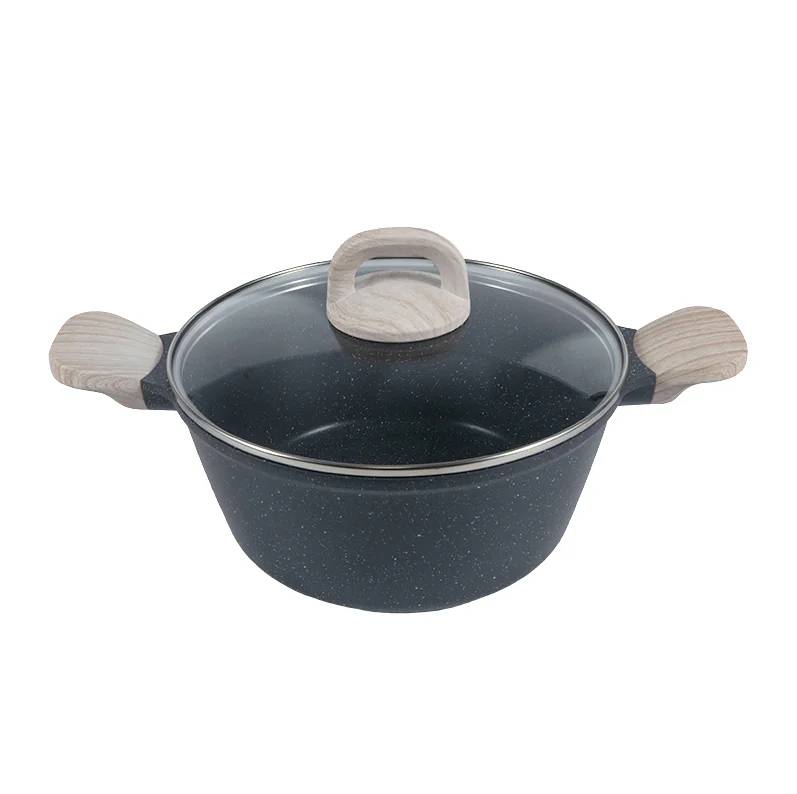
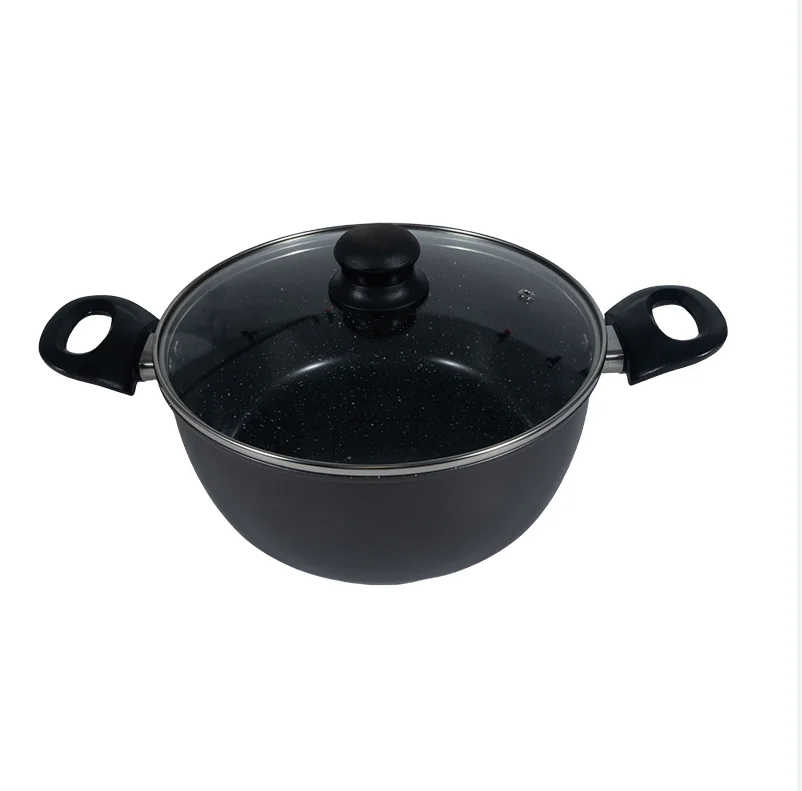
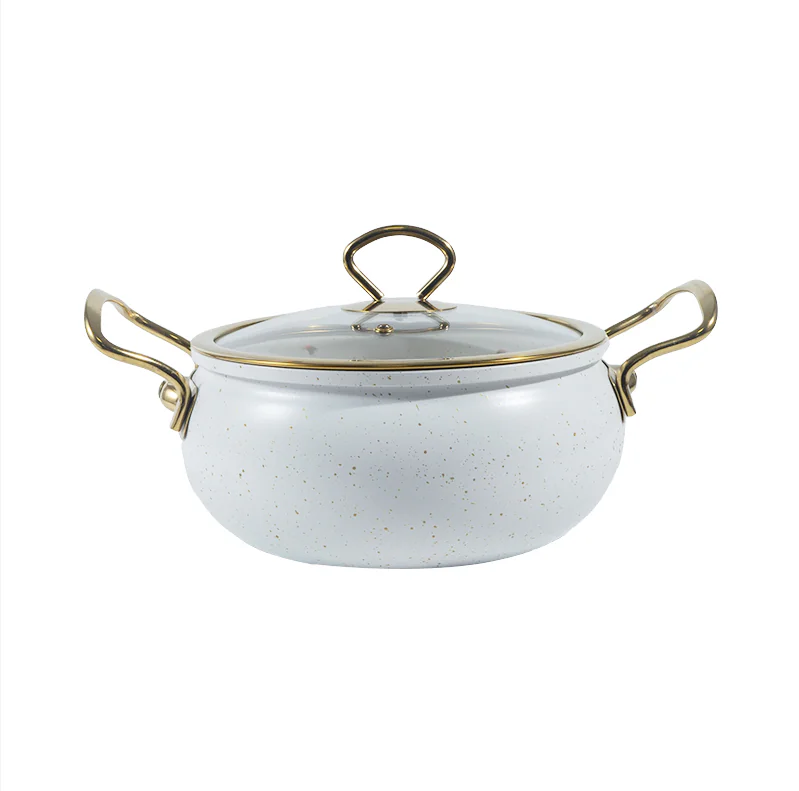
A casserole dish is a deep, oven-safe cooking vessel designed for baking foods slowly and evenly, often with a lid. It is built to hold layered or mixed ingredients and to move seamlessly from oven to table.
1. Key Characteristics of a Casserole Dish
Most casserole dishes share the following features:
Depth: Deeper than standard baking dishes
Shape: Oval or rectangular (sometimes round)
Capacity: Typically 1.5 to 4 quarts (1.4–3.8 liters)
Material: Ceramic, stoneware, glass, cast iron, or metal
Handles: Integrated side handles for safe lifting
Oven-safe: Designed to withstand long baking times
Many casserole dishes also come with matching lids, which help retain moisture during cooking and keep food warm when serving.
2) What Is a Casserole Dish Used For? Everyday and Special-Occasion Cooking
The real value of a casserole dish lies in how many tasks it can perform.
1. Primary Uses of a Casserole Dish
A casserole dish is commonly used for:
1.1 Baking casseroles and gratins
1.2 Cooking lasagna and baked pasta
1.3 Roasting vegetables
1.4 Slow-cooking layered meals
1.5 Baking desserts like bread pudding or cobbler
Because of its depth and heat retention, it’s ideal for dishes that need time to cook evenly without drying out.
2. Beyond Baking: Additional Uses
Casserole dishes are also perfect for:
2.1 Meal prep: Cook once, eat all week
2.2 Freezer-to-oven meals: Many are freezer-safe
2.3 Serving: Designed to look presentable at the table
2.4 Leftover storage: Especially models with lids
Few cookware items transition as smoothly from cooking to serving to storing.
3) What Is the Difference Between a Casserole Dish and a Baking Dish?
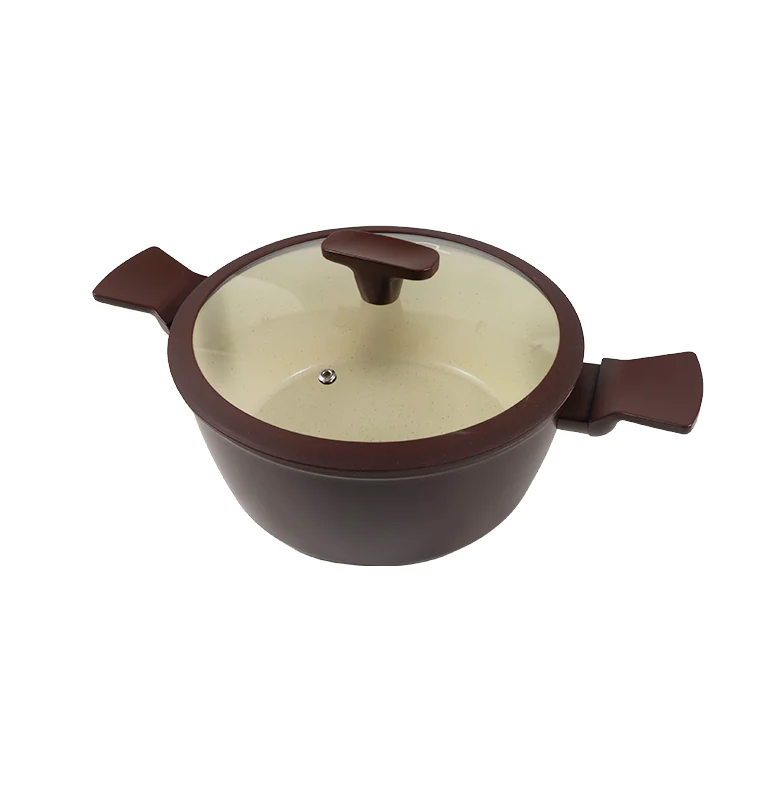
This is one of the most common points of confusion in the kitchen.
1. Depth and Structure
The main difference is depth:
1.1 A casserole dish is deeper, designed to hold layered or mixed foods.
1.2 A baking dish is usually shallower, ideal for brownies, cakes, and sheet-style recipes.
2. Cooking Function
2.1 Baking dishes are best for foods that bake quickly and evenly in a single layer.
2.2 Casserole dishes are meant for slow, even cooking and larger volumes.
3. Lids and Heat Retention
Casserole dishes often come with lids, while baking dishes usually do not. The lid helps:
3.1 Trap steam
3.2 Prevent drying
3.3 Improve flavor development
4. Are They Interchangeable?
Sometimes—but not always. Using a shallow baking dish for a casserole may cause spills, uneven cooking, or drying out. Conversely, using a casserole dish for brownies may increase baking time and affect texture.
4) What Do Americans Call a Casserole Dish? Regional and Cultural Differences
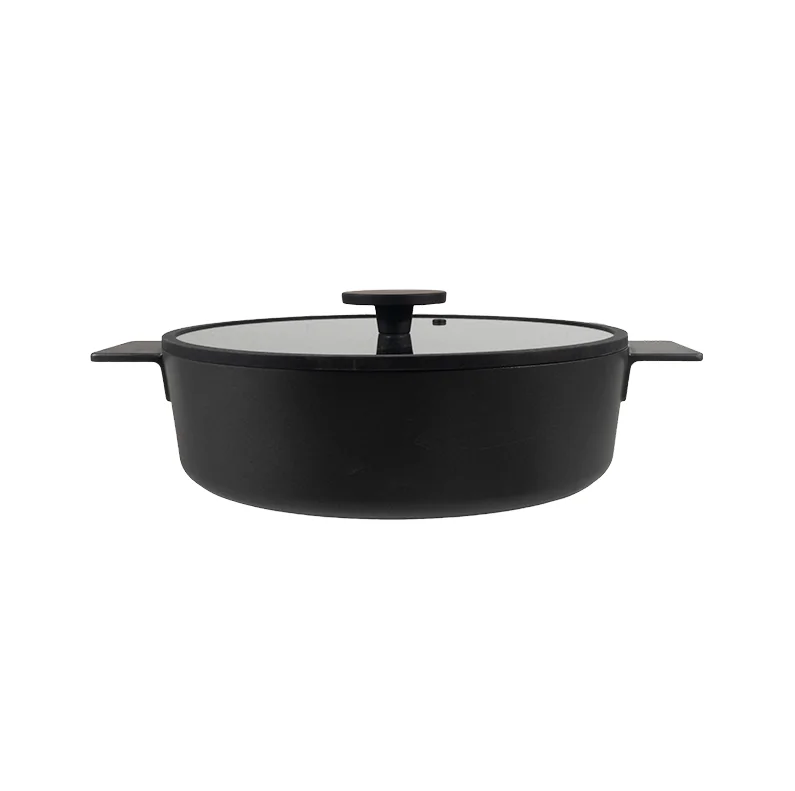
In the United States, cookware names can vary depending on region, family tradition, and recipe source.
1. Common American Terms
Americans may refer to a casserole dish as:
1.1 “Casserole dish”
1.2 “Baking dish”
1.3 “Covered dish”
1.4 “Oven dish”
In many households, these terms are used interchangeably—even though they technically refer to different items.
2. In American Recipes
Most American recipes assume:
2.1 Oven-safe ceramic or glass
2.2 Medium to deep dish
2.3 Rectangular or oval shape
When a recipe says “use a casserole dish,” it usually implies a deep baking vessel capable of holding multiple layers or mixed ingredients.
5) Can I Use a Pan Instead of a Casserole Dish? Pros, Cons, and Limitations
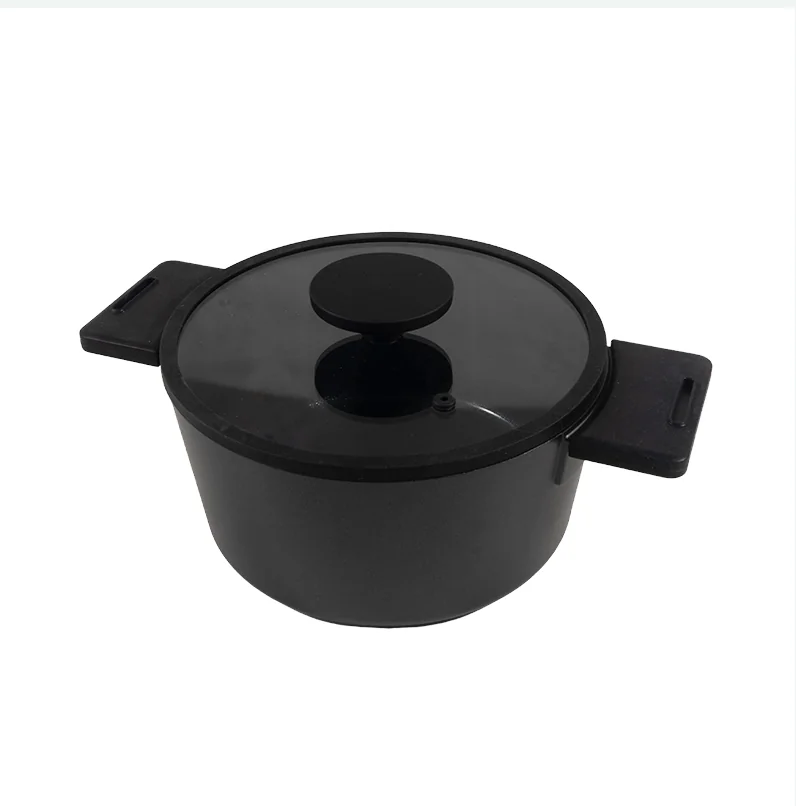
A very practical question many home cooks ask is: Can I use a pan instead of a casserole dish?
1. When a Pan Can Work
You can substitute a pan if:
1.1 It is oven-safe
1.2 It has sufficient depth
1.3 The recipe doesn’t require a lid
For example, a deep skillet or sauté pan may work for smaller casseroles.
2. When a Pan Is Not Ideal
A pan is usually not a good substitute when:
2.1 The recipe requires long, slow baking
2.2 The dish is layered and deep
2.3 You need even heat retention
2.4 You want to serve directly from the cookware
Metal pans, in particular, heat faster and cool quicker, which can lead to uneven results.
3. How Substitution Affects Results
Using a pan instead of a casserole dish may:
3.1 Shorten cooking time
3.2 Increase browning
3.3 Reduce moisture retention
While substitution is possible in a pinch, a proper casserole dish consistently delivers better results.
6) Popular Types of Casserole Dishes and How to Choose the Right One
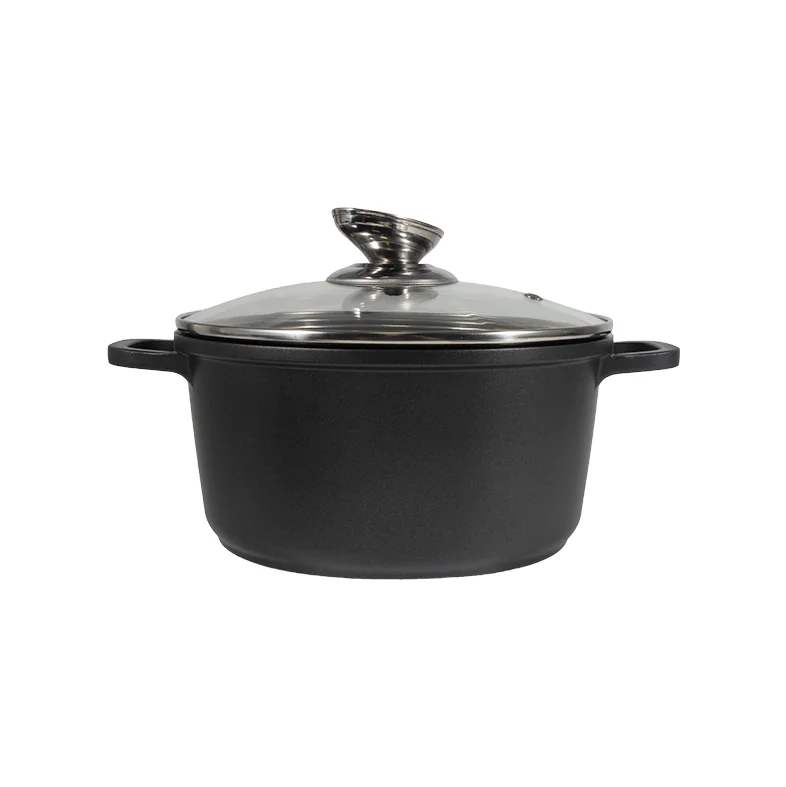
Not all casserole dishes are the same. Choosing the right type depends on how you cook.
1. Covered vs. Uncovered Casserole Dishes
1.1 Covered: Ideal for slow cooking, moisture retention, and storage
1.2 Uncovered: Better for browning toppings like cheese or breadcrumbs
Many cooks prefer owning at least one covered casserole dish.
2. Shallow vs. Deep Casserole Dishes
2.1 Shallow dishes: Better for gratins and crisp toppings
2.2 Deep dishes: Ideal for layered meals and large portions
3. Choosing the Right Size
3.1 1–2 quart: Side dishes or small households
3.2 2.5–3 quart: Most common, very versatile
3.3 4+ quart: Large families, holidays, potlucks
7) Materials Matter: Which Casserole Dish Is Best for Your Kitchen?
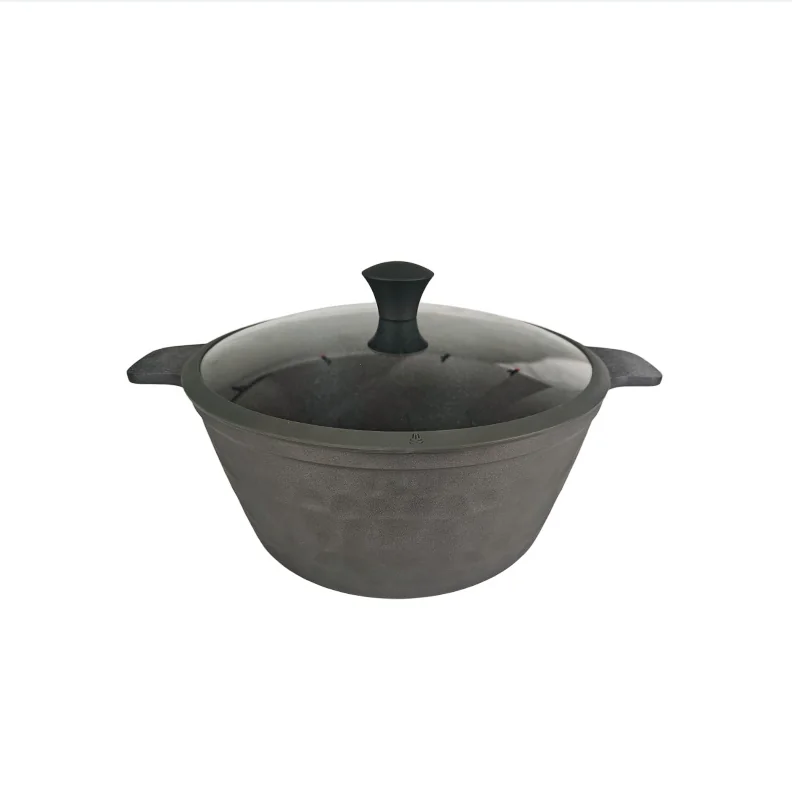
The material of a casserole dish greatly affects performance.
1. Ceramic and Stoneware
1.1 Pros:
Even heat distribution
Attractive table presentation
Excellent for slow baking
1.2 Cons:
Can be heavy
Sensitive to thermal shock
Best for traditional casseroles and family meals.
2. Glass Casserole Dishes
2.1 Pros:
Transparent for easy monitoring
Non-reactive
Affordable and widely available
2.2 Cons:
Retains heat less than ceramic
Can shatter if temperature changes are too extreme
Popular for everyday home cooking.
3. Cast Iron (Enameled)
3.1 Pros:
Exceptional heat retention
Stove-to-oven versatility
Extremely durable
3.2 Cons:
Heavy
More expensive
Perfect for serious home cooks and slow-cooked meals.
4. Metal Casserole Dishes
4.1 Pros:
Lightweight
Heats quickly
Durable
4.2 Cons:
Can cause uneven browning
Less attractive for serving
Often used in professional kitchens.
8) How to Use and Care for a Casserole Dish Properly
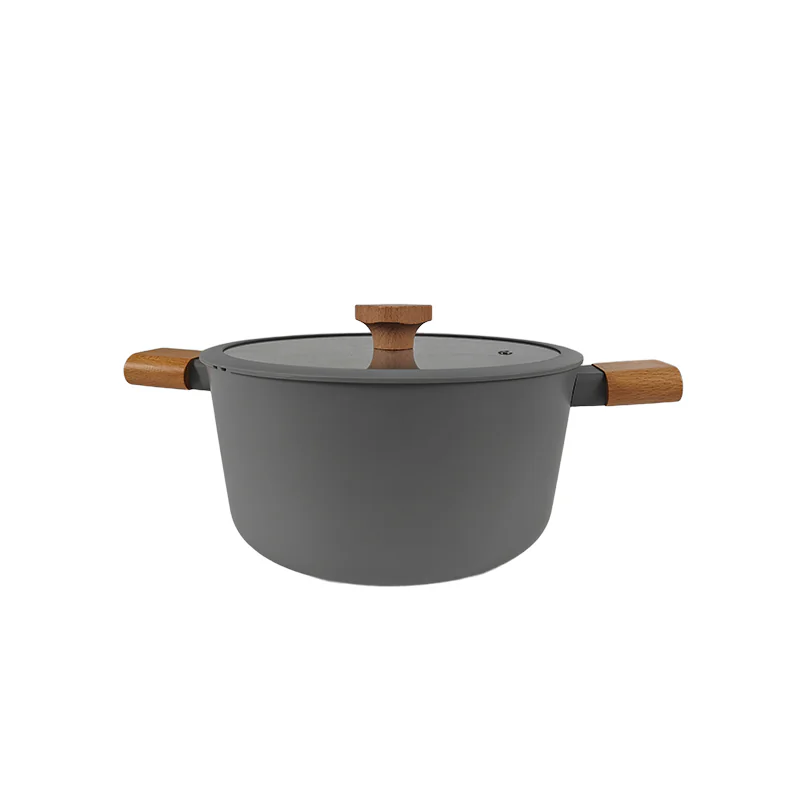
Proper care ensures your casserole dish lasts for years.
1. Oven, Microwave, and Freezer Safety
1.1 Always check manufacturer guidelines
1.2 Avoid sudden temperature changes
1.3 Let frozen dishes thaw slightly before baking
2. Cleaning Tips
2.1 Soak baked-on food before scrubbing
2.2 Avoid metal utensils on ceramic and glass
2.3 Use baking soda for stubborn stains
3. Storage Tips
3.1 Stack with padding to prevent chips
3.2 Store lids separately if needed
3.3 Avoid placing heavy items on top
9) Why Every Kitchen Needs a Casserole Dish
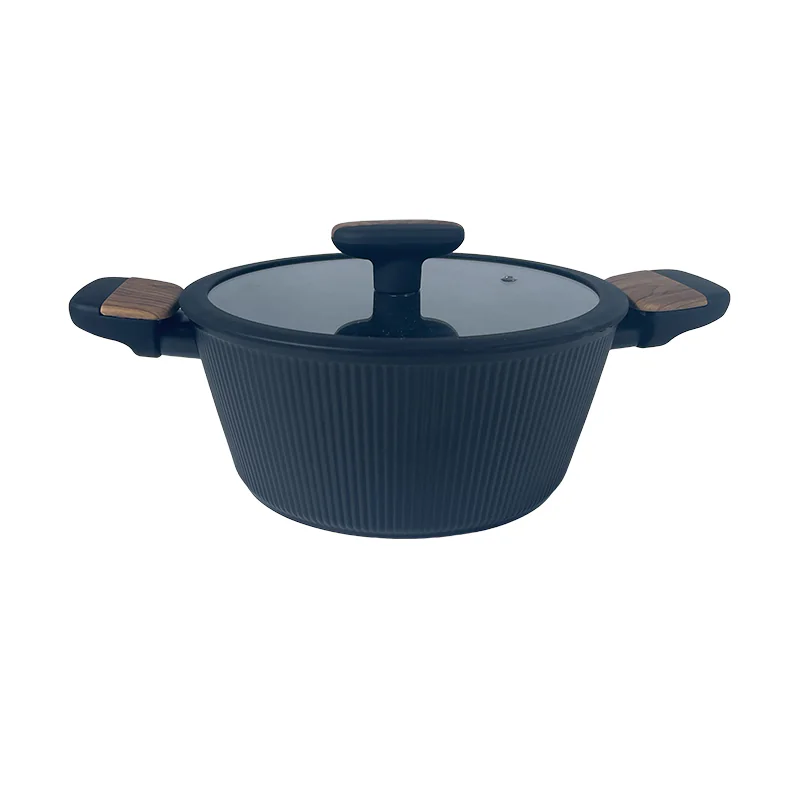
A casserole dish earns its place in the kitchen because it offers:
- True one-dish cooking convenience
- Minimal cleanup
- Excellent heat control
- Beautiful presentation
- Long-term value
It supports everyday meals, holiday cooking, meal prep, and entertaining—all with one piece of cookware.
Conclusion: Is a Casserole Dish a Kitchen Essential?
So, what is a casserole dish, and why does it matter? It is far more than just a baking container—it’s a symbol of practical, comforting, and efficient home cooking. From understanding what the heck a casserole is to knowing the difference between a casserole dish and a baking dish, it’s clear that this humble piece of cookware plays a powerful role in everyday meals.
While you can use a pan instead of a casserole dish in some cases, having a dedicated casserole dish ensures better results, easier serving, and greater versatility. For families, home cooks, and anyone who values simple, satisfying meals, a casserole dish isn’t optional—it’s essential.
If there is one piece of cookware that truly earns its space in every kitchen, it’s the casserole dish.

Nathan is a Kitchenware Compliance & Sourcing Advisor at Auspace Kitchenware, with years in China’s kitchenware sourcing and global market fit. He works with Chinese factories to ensure quality, FDA/CE compliance, and alignment with buyers’ needs.With cross-border trade background, he guides on certification, quality checks, and cost-optimized sourcing. His expertise connects buyers to China’s manufacturers, making him a trusted resource for compliant kitchenware.