1.Introduction
In modern kitchens around the world, certain cookware pieces appear so frequently that they are often taken for granted. The skillet is one of them. From home kitchens to professional restaurants, this versatile pan has earned its place as a daily cooking essential. Yet many people still ask a simple question: what is a skillet, and how is it different from a frying pan?
As a cookware manufacturer with years of experience supplying global markets, Auspace works closely with retailers, brands, and distributors who want cookware that performs reliably and lasts. Understanding cookware fundamentals is not just helpful for cooks, but also essential for buyers sourcing products at scale. Knowing how a skillet is designed, what it is used for, and how it differs from similar pans helps make better purchasing and cooking decisions.
This guide explains what is a skillet in detail—its design, materials, uses, advantages, andhow to clean a rusty cast iron skillet—care—so you can confidently decide whether it belongs in your kitchen or product lineup.
2. What Is a Skillet?
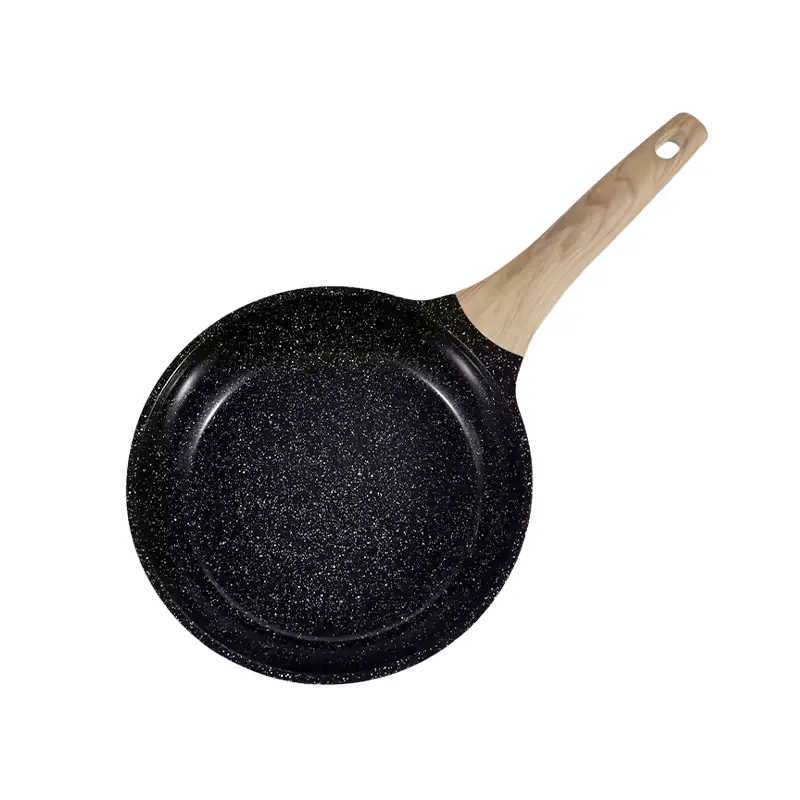
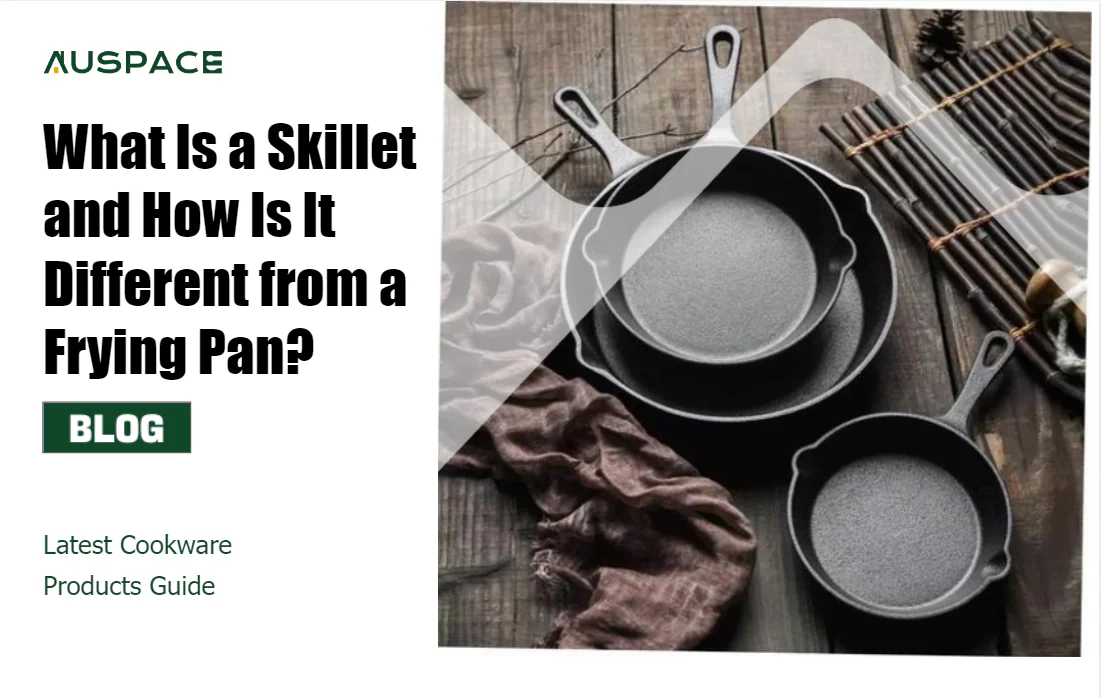
At its core, what is a skillet? It is a shallow cooking pan designed for direct-heat cooking methods. It typically features a wide, flat bottom and sloped sides, allowing food to sit evenly against the heat source. This structure supports consistent heat transfer, which is essential for tasks such as searing, frying, and sautéing.
When people ask what is a skillet, they are often trying to distinguish it from similar cookware such as frying pans or sauté pans. While these categories overlap, the skillet traditionally refers to a pan built to handle higher temperatures and heavier cooking tasks. Historically, skillets were almost exclusively made from cast iron, which explains why the term is still strongly associated with durability and heat retention.
Modern skillets are more diverse. What is a skillet? Today, they are produced in a range of materials including stainless steel, aluminum, carbon steel, and multi-layer composites. Despite these variations, the defining characteristics remain the same: a flat cooking surface, gently sloped walls, and a design optimized for even heat exposure.
Another defining element of what is a skillet is its versatility. A single skillet can be used for frying, browning, roasting, baking, and even shallow braising. Many models are designed to transition seamlessly from stovetop to oven, which reduces the need for multiple cookware pieces and improves efficiency in both home and professional kitchens.
From a manufacturing perspective, what is a skillet is also a cornerstone product category. They are offered in multiple diameters, thickness levels, handle styles, and surface finishes, allowing brands to target different price points and user needs while maintaining a familiar, trusted form factor.
3. Key Features of a Skillet
3.1.Wide, Flat Cooking Surface for Maximum Contact
One of the most important features of a skillet is its flat cooking surface. This design ensures that food makes consistent contact with heat, which is crucial for achieving proper browning and caramelization. Uneven surfaces can lead to hot spots, undercooked sections, or excessive sticking.
In practical cooking scenarios, the flat base allows proteins like meat and fish to develop an even crust. Vegetables brown more uniformly, and batters spread evenly across the pan. For bulk cooking or professional kitchens, this consistency improves efficiency and repeatability.
3.2.Gently Sloped Sidewalls for Control and Versatility
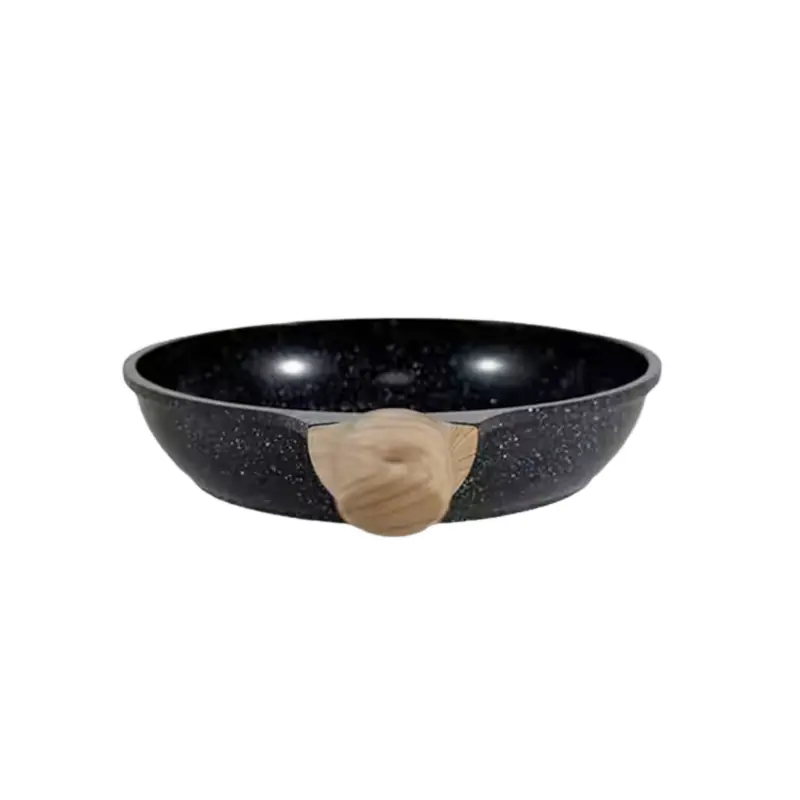
Unlike straight-sided pans, skillets have gently sloped edges. This feature supports easier flipping, stirring, and turning of food. It also helps prevent food from catching on sharp corners, which is particularly helpful when cooking delicate items.
The sloped sides also contribute to better liquid control. Oils, sauces, and rendered fats remain contained while still being easy to pour off when needed. For cooks working quickly or in high-heat environments, this design reduces mess and improves safety.
3.3.Strong Heat Retention for High-Temperature Cooking
Heat retention is a defining performance factor of a skillet. Materials such as cast iron and carbon steel excel in this area, maintaining stable temperatures even when cold ingredients are added. This stability is essential for tasks like searing steaks, where temperature drops can prevent proper crust formation.
From a manufacturing standpoint, heat retention is influenced by material choice, thickness, and base construction. Skillets designed for professional use often prioritize thermal mass, while consumer-oriented models balance heat retention with weight and handling comfort.
3.4.High Heat Tolerance and Multi-Environment Use
Skillets are built to tolerate higher temperatures than many other pans. This makes them suitable for stovetop use across gas, electric, and induction systems. Many skillets are also oven-safe, enabling cooks to start a dish on the stove and finish it in the oven without transferring food.
This versatility reduces the need for additional cookware and supports a wider range of recipes. For foodservice operators, it also improves workflow efficiency by minimizing equipment changes during service.
3.5.Ergonomic Handle Design for Stability and Safety
The handle design of a skillet plays a critical role in usability. Most skillets feature a long handle that provides leverage and balance when lifting or tilting the pan. Larger skillets often include a helper handle opposite the main handle, improving stability when moving heavier loads.
Handle materials and attachment methods vary, influencing heat transfer and durability. In professional-grade skillets, secure handle construction is essential to ensure safety under frequent use.
4. Common Materials Used for Skillets
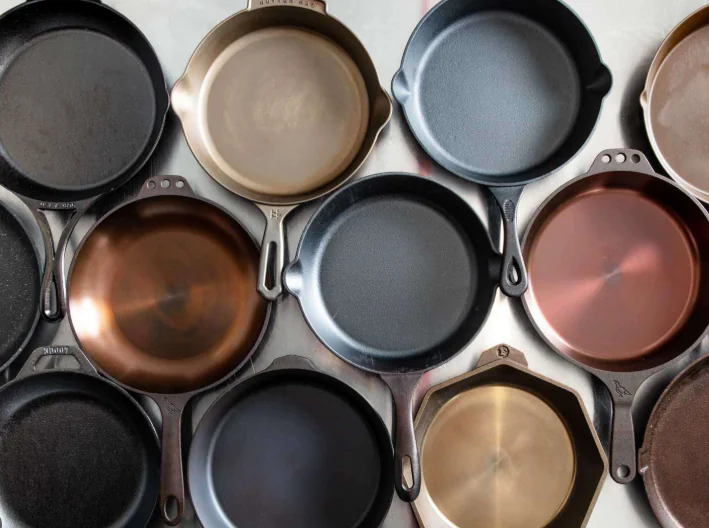
4.1.Cast Iron: Traditional Strength and Heat Performance
Cast iron skillets are widely regarded as the classic version of this cookware type. They are valued for exceptional heat retention, durability, and longevity. With proper care, a cast iron skillet can last for generations.
However, cast iron requires maintenance. It must be seasoned regularly and dried thoroughly after cleaning to prevent rust. For users willing to invest time in care, cast iron delivers unmatched performance in searing and oven cooking.
4.2.Stainless Steel: Durability with Low Maintenance
Stainless steel skillets are popular in both home and commercial kitchens due to their resistance to corrosion and ease of cleaning. They heat quickly and are compatible with all cooktops.
While stainless steel does not retain heat as well as cast iron, multi-layer constructions can improve performance. These skillets are often chosen by users who prefer lower maintenance without sacrificing durability.
4.3.Aluminum: Lightweight and Responsive
Aluminum skillets are known for fast, even heating and lightweight handling. They are often coated or anodized to improve durability and food safety. This makes them suitable for everyday cooking and high-volume environments where speed matters.
Because aluminum loses heat quickly, it is better suited for quick-cooking tasks rather than prolonged high-heat searing.
4.4.Carbon Steel: A Balanced Alternative
Carbon steel skillets combine many advantages of cast iron with reduced weight. Over time, they develop a natural non-stick surface through seasoning. This makes them popular among professional chefs.
They do require maintenance, but many users find them easier to handle than cast iron while still offering strong heat performance.
4.5.Composite and Multi-Layer Materials
Some modern skillets use layered constructions to balance heat conductivity, durability, and weight. These designs are often used in premium cookware lines and are suitable for both retail and professional markets.
5. What Is It Used For?
A common question is what is a skillet used for in daily cooking. The answer is simple: almost everything.
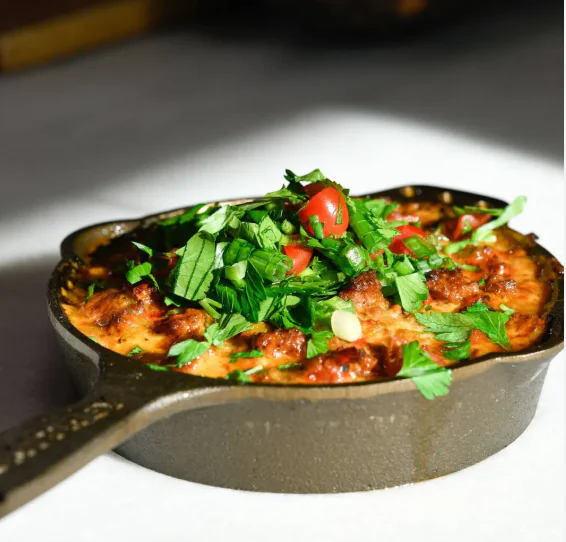
Skillets are ideal for frying, sautéing, searing, pan-roasting, and shallow braising. They are often used to cook meats, seafood, vegetables, and even baked dishes that start on the stovetop and finish in the oven.
In home kitchens, what is a skillet used for? Skillets are used for everyday meals such as eggs, stir-fried vegetables, and one-pan dinners. In commercial kitchens, they are valued for consistent performance during high-volume service.
Because of their versatility, skillets are frequently chosen by families, chefs, and foodservice operators alike.
6. How It Differs from a Frying Pan
6.1.Structural Differences in Shape and Depth
Although many people use the terms interchangeably, a skillet and a frying pan are not always identical in design. The most noticeable difference lies in the sidewall structure. A skillet typically features slightly higher and more gradually sloped sides, whereas a frying pan often has lower, more sharply angled walls.
This structural difference affects how food behaves during cooking. In a skillet, the higher sides help contain oils, sauces, and rendered fats, which is particularly useful when cooking meats or dishes that release moisture. Frying pans, with their shallower sides, are more focused on quick flipping and evaporation, making them suitable for lighter, fast-cooking foods.
From a product design perspective, this distinction influences how cookware is positioned in retail and foodservice markets. Skillets are often marketed as multipurpose pans, while frying pans are positioned as everyday, quick-use cookware.
6.2.Heat Retention and Thermal Stability
Another key difference lies in heat retention. Skillets—especially those made from cast iron or carbon steel—are generally heavier and retain heat longer. This allows them to maintain stable cooking temperatures even when large or cold ingredients are added.
Frying pans, particularly aluminum-based models, heat up quickly but cool down just as fast. This responsiveness is useful for delicate foods but less ideal for high-heat searing or oven finishing.
For professional kitchens and bulk buyers, this difference matters. Skillets are often chosen when consistency and durability are priorities, while frying pans may be selected for speed and lighter handling.
6.3.Cooking Applications and Practical Use
In practical cooking scenarios, skillets are better suited for tasks that require sustained heat and depth of flavor development. These include searing steaks, pan-roasting poultry, and preparing one-pan meals that transition from stovetop to oven.
Frying pans are more commonly used for simple tasks such as frying eggs, pancakes, or quick sautéing. Understanding these distinctions helps users choose the right tool for specific cooking needs rather than relying solely on naming conventions.

7. Pros and Cons of Using a Skillet
7.1.Advantage: Exceptional Versatility Across Cooking Methods
One of the strongest advantages of a skillet is its versatility. It can be used for frying, searing, sautéing, roasting, baking, and even shallow braising. This adaptability reduces the need for multiple cookware pieces and simplifies kitchen setups.
For home cooks, this means fewer pans are needed to prepare a wide variety of meals. For professional kitchens, it translates into operational efficiency and reduced equipment costs.
7.2.Advantage: Superior Browning and Flavor Development
Skillets excel at browning due to their heat retention and surface contact. This allows proteins to develop a proper crust and enhances flavor through caramelization. Vegetables also benefit from even heat exposure, resulting in better texture and taste.
This performance advantage is one reason skillets are favored in steak preparation and high-heat cooking environments.
7.3.Advantage: Long-Term Durability
Many skillets, especially those made from cast iron or carbon steel, are built to last for decades. With proper care, they resist warping and maintain structural integrity even under frequent use.
For bulk buyers and distributors, durability translates into fewer returns, stronger brand reputation, and better long-term value.
7.4.Disadvantage: Weight and Handling Challenges
A common drawback of skillets is their weight. Larger models, particularly cast iron skillets, can be heavy and difficult to handle for some users. This may limit accessibility for certain demographics or require additional ergonomic features such as helper handles.
Weight considerations are especially important when selecting skillet sizes for retail or foodservice distribution.
7.5.Disadvantage: Maintenance Requirements
Certain skillets require regular maintenance to perform well. Cast iron and carbon steel skillets must be seasoned and dried properly to prevent rust. Users unfamiliar with this process may find these pans less convenient.
However, many experienced cooks view maintenance as part of the skillet’s appeal, as it allows the pan to improve over time.
8. Who Should Buy a Skillet?
8.1.Home Cooks Seeking Versatility and Performance
Skillets are an excellent choice for home cooks who enjoy preparing a wide range of dishes. Those who frequently cook meats, vegetables, and one-pan meals will benefit from the skillet’s heat performance and durability.
For households that value long-lasting cookware, a skillet represents a reliable investment that improves with use.
8.2.Enthusiast and Hobbyist Cooks
Cooking enthusiasts who enjoy experimenting with techniques such as searing, oven finishing, or pan-roasting often prefer skillets. These users appreciate the control and consistency that skillets provide.
For this group, the skillet is not just a tool but a core part of the cooking experience.
8.3.Professional Kitchens and Foodservice Operations
In commercial kitchens, skillets are valued for their ability to withstand continuous use. Restaurants, cafés, and catering services rely on skillets for consistent results during high-output service periods.
Their durability and performance make them suitable for environments where cookware reliability directly affects efficiency and food quality.
9. Buying Tips for Beginners
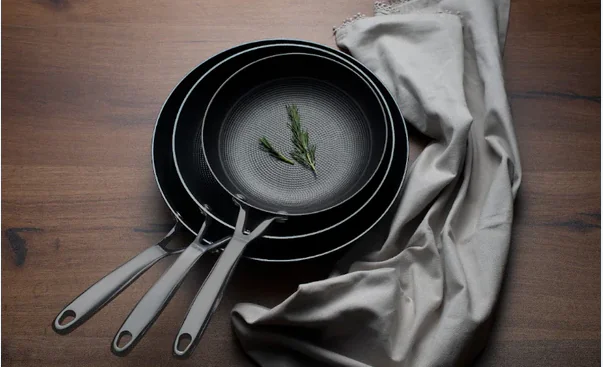
Choosing the right skillet can feel overwhelming, especially for first-time buyers or sourcing managers unfamiliar with cookware specifications. Understanding a few core principles can simplify the decision-making process and help avoid common mistakes.
9.1.Consider Cooking Habits and Use Frequency
The first factor to consider is how the skillet will be used. For daily cooking, a lighter skillet made from stainless steel or aluminum may be more convenient. For users who frequently cook meats or use high heat, heavier options with stronger heat retention are better suited.
Home cooks may prioritize ease of use, while professional kitchens often prioritize durability and performance consistency.
9.2.Choose the Right Size for Practical Needs
Skillets come in a range of diameters, typically from 8 to 14 inches. Smaller skillets are easier to handle and ideal for individual portions, while larger skillets support family meals or commercial batch cooking.
For buyers sourcing cookware for retail or foodservice, offering multiple size options helps meet diverse customer needs.
9.3.Evaluate Material and Maintenance Requirements
Material choice directly affects performance and upkeep. Cast iron and carbon steel require seasoning and careful drying, while stainless steel and aluminum are easier to maintain.
Understanding how to wash cast iron skillet properly, for example, is essential before selecting it as a primary cooking tool. Buyers should match material choices with the skill level and preferences of their target users.
9.4.Check Compatibility with Cooktops and Ovens
Not all skillets are compatible with every cooking surface. Induction cooktops require magnetic materials, while oven use depends on handle construction. Ensuring compatibility prevents usability issues after purchase.
For bulk buyers, clear product specifications reduce customer confusion and returns.
9.5.Balance Budget and Long-Term Value
While some skillets have higher upfront costs, their longevity and performance often justify the investment. A well-made skillet can last decades, offering better value than cheaper alternatives that require frequent replacement.
10. How to Care for It
Proper care is essential to maintaining a skillet’s performance and appearance. Care requirements vary depending on material, but attention to cleaning and maintenance significantly extends the life of the pan.
10.1.Daily Cleaning and Washing Practices
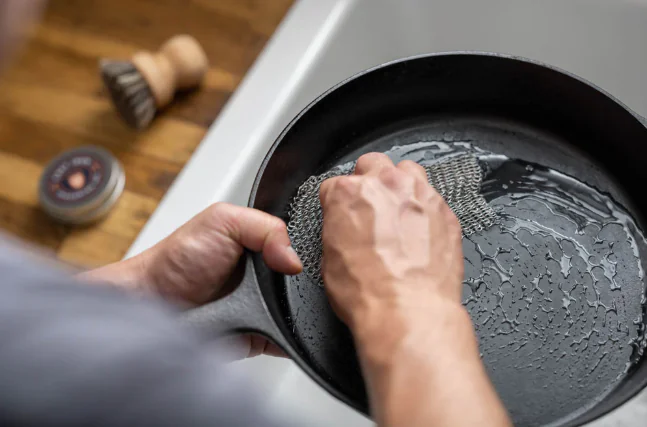
Many users ask how to clean a cast iron skillet without damaging the surface. The key is gentle cleaning on how to remove rust from cast iron skillet is using warm water, minimal soap if needed, and thorough drying immediately after washing.
For those wondering how to wash cast iron skillet safely, avoiding prolonged soaking and abrasive tools helps preserve the seasoned surface.
Stainless steel and aluminum skillets are generally easier to clean, often allowing standard dishwashing methods depending on manufacturer guidance.
10.2.Seasoning for Long-Term Performance
Seasoning creates a protective layer on cast iron and carbon steel skillets. Learning how to season cast iron skillet properly improves non-stick performance and prevents rust.
How do i cook steak in a cast iron skillet? Regular seasoning also enhances flavor development and reduces the likelihood of food sticking during cooking.
10.3.Managing Rust and Surface Damage
Rust can occur if a skillet is exposed to moisture for extended periods. Knowing how to clean a rusty cast iron skillet is essential for restoring usability. This typically involves gentle scrubbing, drying, and re-seasoning.
For deeper corrosion, users often look for guidance on how to remove rust from cast iron skillet using safe, controlled methods. With proper care, even heavily rusted skillets can be recovered.
10.4.Restoration and Long-Term Maintenance
Many owners are surprised to learn how to restore a cast iron skillet that appears damaged. Restoration processes can bring older skillets back into excellent condition, extending their lifespan significantly.
Routine care, combined with occasional deep maintenance, ensures a skillet remains functional and safe for years of use.
11. Summary
The skillet remains one of the most versatile and essential cookware pieces in any kitchen. But many people still wonder, what is a skillet and what is a skillet used for? Essentially, it is a flat-bottomed pan designed for frying, searing, and browning, making it indispensable for both home cooks and professional chefs.When it comes to care, knowing how to clean a cast iron skillet properly is crucial for longevity. Some users ask how to wash cast iron skillet without damaging its seasoning, while others look for methods on how to clean a rusty cast iron skillet. Regular maintenance ensures the skillet delivers consistent performance over years.
For cast iron enthusiasts, learning how to season cast iron skillet is key. Proper seasoning not only prevents sticking but also builds a natural non-stick layer that enhances flavors. If rust appears, techniques on how to remove rust from cast iron skillet or how to restore a cast iron skillet can bring it back to life.Cooking with a skillet also opens up a variety of culinary possibilities. For example, how do I cook steak in a cast iron skillet is a common query among those wanting perfect sears. Each cooking session strengthens the bond between chef and cookware.Even beyond the kitchen, some people ask, humorously, is skillet a christian band, highlighting the skillet’s cultural presence beyond cooking.
At Auspace, we understand that well-made cookware is more than just a tool—it is a long-term kitchen investment. Knowing what is a skillet, how to maintain it, and the diverse ways to use it ensures that cooks around the world enjoy better experiences and sustained product value.

Janice brings years of dedicated experience in the kitchenware industry, focusing on solving buyers’ procurement challenges. She also manages end-to-end compliance so buyers can avoid delays. Her goal is to be your reliable kitchenware ally—delivering quality products on time, no headaches.