1. Introduction
In almost every kitchen—whether at home, in a restaurant, or in a commercial food facility—there is one piece of cookware that quietly plays a foundational role: the stockpot. From simmering broths to preparing large batches of soups and sauces, the stockpot is a core vessel that supports countless recipes and cooking traditions.
At Auspace, we specialize in manufacturing high-quality cookware for both household and professional use. Over the years, we have worked closely with distributors, wholesalers, and foodservice brands worldwide, and one question consistently comes up: what is a stockpot, and how do you choose the right one? Understanding what a stockpot is, what it is used for, and how it differs from similar cookware is essential before making a purchasing decision—especially when buying in volume.
This guide will walk you through everything you need to know before buying a stockpot, from design and materials to practical use cases and buying tips.
2. What Is a Stockpot?
So, what is a stockpot exactly?
A stockpot is a large, deep cooking pot with straight sides, a flat bottom, and typically two loop handles. It is designed to hold a significant volume of liquid and ingredients, making it ideal for slow cooking, boiling, and simmering. Most stockpots come with a tight-fitting lid to reduce evaporation and maintain consistent heat.
When people ask what is a stockpot used for, the simplest answer is: liquid-based cooking in large quantities. Stockpots are essential for making stocks, broths, soups, stews, and pasta, but their functionality goes far beyond that.
Core Design Characteristics
Several design features clearly define what a stockpot is:
- Tall, straight sides that minimize surface evaporation
- Large capacity, often ranging from 6 quarts to over 100 quarts
- Even heat distribution across the base
- Durable construction for long simmering times
Because of these characteristics, a stockpot behaves very differently from shallow cookware such as frying pans or sauté pans.
Typical Uses of a Stockpot
To further understand what is a stockpot, it helps to look at how it is traditionally used:
- Preparing meat, vegetable, or seafood stocks
- Cooking soups and broths for extended periods
- Boiling pasta, noodles, or dumplings
- Blanching vegetables in large volumes of water
- Cooking seafood such as lobster, crab, or shellfish
These use cases answer not only what is a stockpot used for, but also what do you cook in a stockpot in both home and commercial kitchens.
3. Key Features of a Stockpot
Understanding the key features of a stockpot helps clarify why it remains indispensable in professional and everyday cooking. Below are the most important design and functional characteristics.
Large Capacity for Batch Cooking
One defining feature of a stockpot is its large capacity. Unlike smaller pots, stockpots are built to handle high volumes, which makes them ideal for batch cooking. This is especially important in commercial kitchens, catering services, and food production facilities.
If you are wondering are stock pots good for cooking large meals, the answer is yes—this is precisely what they are designed for.
Deep, Straight Sides
The tall, straight walls are not just aesthetic. They help:
- Reduce splashing during boiling
- Keep ingredients submerged
- Control evaporation over long cooking times
This structure makes a stockpot particularly effective for slow simmering and extraction of flavors, answering again what is a stockpot used for in traditional cooking methods.
Even Heat Distribution
High-quality stockpots are engineered to distribute heat evenly across the base. This prevents hot spots that could scorch ingredients during long cooking sessions. In professional environments, consistent heat is essential for predictable results.
Two Strong Handles for Safe Handling
Stockpots are heavy—especially when full. Most designs feature two reinforced side handles, allowing for safer lifting and pouring. This is critical in commercial kitchens where efficiency and safety matter.
Tight-Fitting Lid
A proper stockpot includes a lid that seals well. This helps maintain temperature, reduce moisture loss, and shorten cooking time, which is particularly valuable when preparing stock or broth over several hours.
4. Common Materials Used in Stockpots
The material of a stockpot directly affects its performance, durability, and suitability for different cooking environments. If you are deciding what is another name for a stockpot in professional catalogs, you may see it listed alongside “soup pot” or “boiling pot,” but the material specifications are what truly differentiate products.
Below is a breakdown of the most common stockpot materials, along with their advantages and limitations.
| Material | Advantages | Disadvantages | Best Use Cases |
| Stainless Steel | Durable, rust-resistant, non-reactive, easy to clean | Poor heat conductivity without aluminum core | Home kitchens, restaurants, bulk cooking |
| Aluminum | Excellent heat conduction, lightweight, affordable | Can react with acidic foods unless coated | Commercial kitchens, high-volume boiling |
| Stainless Steel with Aluminum Core | Even heating, durable, professional-grade | Higher cost | Professional kitchens, premium cookware |
| Enamel-Coated Steel | Non-reactive, easy to clean, attractive | Can chip over time | Home use, decorative cookware |
| Cast Iron (Enameled) | Superior heat retention, long lifespan | Very heavy, slower heating | Slow cooking, specialty kitchens |
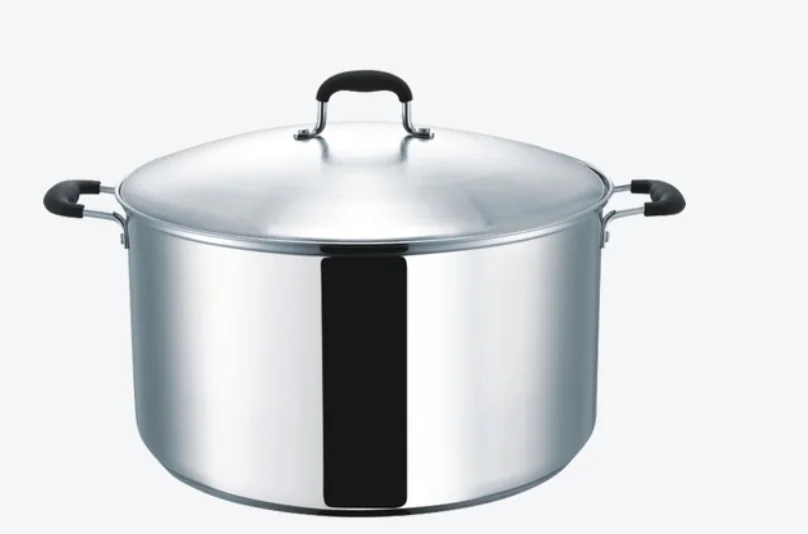
Stainless Steel Stockpots
Stainless steel is the most widely used material in modern stockpots. It is favored for its durability and non-reactive surface, making it ideal for cooking acidic foods like tomato-based soups.
Aluminum Stockpots
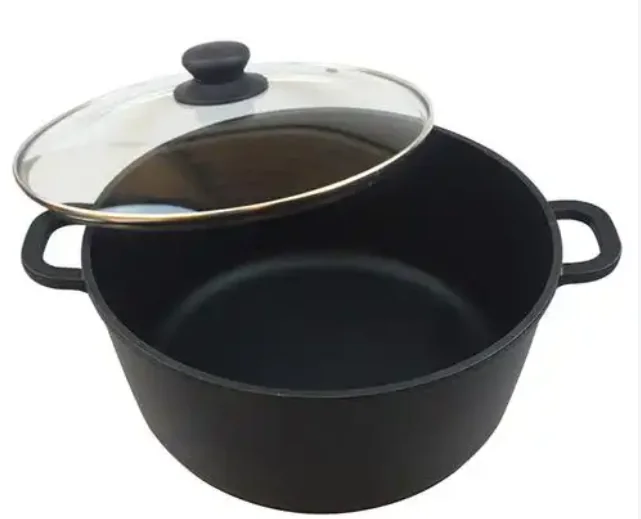
Aluminum stockpots are common in commercial kitchens where speed and efficiency matter. They answer the question are stock pots good for cooking in restaurants very clearly—yes, especially when large volumes are involved.
Multi-Layer (Clad) Construction
Many premium stockpots combine stainless steel exteriors with aluminum or copper cores. This hybrid design improves heat distribution while maintaining durability.
5. What Is It Used For?
To fully understand what is a stockpot, it is essential to look at how it is actually used in real kitchens. From everyday home cooking to large-scale commercial food preparation, stockpots support a wide range of cooking methods and recipes.
Cooking Stocks and Broths
The most classic answer to what is a stockpot used for is making stock. Whether it is chicken, beef, vegetable, or seafood stock, a stockpot allows ingredients to simmer gently in water for hours. The tall sides help keep bones and vegetables fully submerged, while the lid controls evaporation.
This slow extraction process is why chefs rely on stockpots for flavor-rich bases that define soups, sauces, and stews.
Preparing Soups and Stews
When people ask what do you cook in a stockpot, soups and stews are usually at the top of the list. From clear consommés to hearty chowders, a stockpot handles large ingredient volumes without crowding. This makes it easier to control texture, seasoning, and consistency.
Boiling Pasta and Grains
Stockpots are ideal for boiling large amounts of pasta, rice, or grains. The generous water capacity ensures even cooking and prevents sticking. This also answers the question are stock pots good for cooking daily meals, especially for families or meal prep.
Blanching and Parboiling
In both home and professional kitchens, stockpots are frequently used for blanching vegetables or parboiling meats. The ability to bring water quickly to a rolling boil and maintain stable heat makes them highly efficient.
Seafood and Large Proteins
Stockpots are commonly used for cooking lobster, crab, mussels, or large cuts of meat. Their depth allows full immersion, which is crucial for even cooking. This is another practical example of what is a stockpot used for in commercial kitchens.
Home Kitchens vs Commercial Kitchens
In home kitchens, stockpots are often used weekly for soups, pasta, or batch cooking. In commercial kitchens, stockpots operate daily, sometimes continuously, producing stock, boiling ingredients, or supporting prep workflows.
This versatility clearly explains why stockpots are considered essential cookware across all kitchen scales.
6. How It Differs From a Saucepot and Other Pots
Many buyers confuse stockpots with similar cookware. To make informed purchasing decisions, it is important to understand the difference between a saucepot and a stockpot, as well as other commonly mixed-up pots.
Difference Between a Saucepot and a Stockpot
One of the most frequently asked questions is what is the difference between a saucepot and a stockpot. While both are deep pots, their design and function differ significantly.
| Feature | Stockpot | Saucepot |
| Height | Very tall | Medium height |
| Capacity | Large to extra large | Small to medium |
| Main Use | Stocks, soups, boiling | Sauces, reheating, reductions |
| Evaporation Control | Low | Higher |
| Stirring Frequency | Minimal | Frequent |
A saucepot is better for tasks requiring frequent stirring or reduction, while a stockpot is optimized for long, low-maintenance cooking.
Stockpot vs Dutch Oven
Dutch ovens are heavy and retain heat well, but they are usually smaller and designed for braising or baking. A stockpot, in contrast, prioritizes volume and liquid cooking rather than heat retention.
Stockpot vs Frying Pan
Frying pans are shallow and wide, designed for high-heat, fast cooking. Stockpots are deep and narrow, focusing on liquid-based cooking. This difference explains why stockpots are not suitable for sautéing or searing.
Another Name for a Stockpot
If you are browsing catalogs or supplier listings, you may see stockpots referred to as soup pots, boiling pots, or cooking pots. While these terms are sometimes used interchangeably, stockpot remains the most accurate name for tall, high-capacity liquid cookware.
7. Pros and Cons of Using a Stockpot
Like any cookware, stockpots come with both strengths and limitations. Understanding these helps buyers determine whether a stockpot fits their cooking needs.
Advantages of a Stockpot
One major advantage is capacity. Stockpots make it possible to cook in large quantities, which is essential for families, events, and commercial kitchens.
Another benefit is versatility. Once you understand what is a stockpot used for, you realize it supports boiling, simmering, blanching, and batch cooking.
Stockpots are also durable. High-quality models, especially stainless steel or aluminum stockpots, are built to withstand frequent use and high heat.
Limitations of a Stockpot
Stockpots are not ideal for small portions. Their size makes them inefficient for quick meals or limited quantities.
They can also be heavy, especially when full. This is why handle design and balance are critical considerations.
Finally, stockpots are not suited for dry cooking techniques like frying or searing, which require wide, shallow surfaces.
8. Who Should Buy a Stockpot?
Understanding what is a stockpot also means knowing who truly benefits from owning one. Stockpots are not limited to professional chefs; they serve a wide range of users with different cooking needs.
Home Cooks and Families
For households that cook frequently, especially families who prepare soups, stews, or pasta in batches, stockpots are highly practical. If you often ask what do you cook in a stockpot, the answer likely includes meals that feed multiple people at once.
A medium-sized stockpot is ideal for weekend meal prep, holiday cooking, or family gatherings.
Health-Conscious Meal Planners
People who prefer homemade broth, low-sodium soups, or plant-based cooking benefit greatly from stockpots. Since you control ingredients and cooking time, stockpots support healthier cooking habits.
Catering Businesses and Restaurants
In professional kitchens, stockpots are indispensable. They support daily stock production, large-volume boiling, and prep efficiency. This directly answers are stock pots good for cooking in commercial environments: they are essential.
Food Manufacturers and Central Kitchens
Large-scale food production facilities rely on stockpots or industrial versions of them for consistent output. Their design supports stability, volume control, and repeatable results.
Bulk Buyers and Wholesale Distributors
For distributors sourcing cookware for retail or hospitality clients, stockpots remain a high-demand category. Offering multiple sizes and materials helps meet diverse market needs.
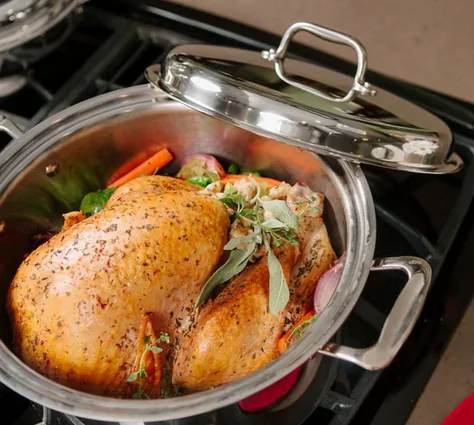
For buyers looking to purchase in bulk or customize designs, partnering with an experienced cookware manufacturer allows better cost control and consistent quality. Inquiry options are typically available for private label or large-volume orders.
9. Buying Tips for Beginners
If you are new to stockpots, choosing the right one can feel overwhelming. These tips simplify the decision-making process.
Choose the Right Size
Size is the first consideration. Smaller households may only need 6–8 liters, while larger families or businesses may require 12 liters or more. Understanding what is a stockpot used for in your kitchen helps narrow the size range.
Consider the Material
Stainless steel is versatile and easy to maintain. Aluminum offers fast heating. If durability and hygiene matter most, stainless steel is often the preferred option.
Check Handle Design
A full stockpot can be heavy. Look for reinforced, heat-resistant handles that offer a secure grip. This improves safety and ease of transport.
Lid Fit and Construction
A well-fitting lid helps control evaporation and maintain temperature. Flat lids reduce moisture loss, while vented lids allow controlled steam release.
Compatibility With Heat Sources
Ensure the stockpot works with your stove type. Induction-compatible bases are increasingly important for modern kitchens.
Think Long-Term Use
Beginners often underestimate how often they will use a stockpot. Investing in quality early prevents replacement costs later.
10. How to Care for It
Proper care is essential to maintaining the performance, safety, and appearance of a stockpot. While stockpots are designed for durability and frequent use, their lifespan and cooking results depend heavily on how they are cleaned, stored, and maintained over time. Understanding correct care practices is especially important for buyers who use stockpots daily or purchase them in bulk for commercial kitchens.
Daily Cleaning and Basic Maintenance
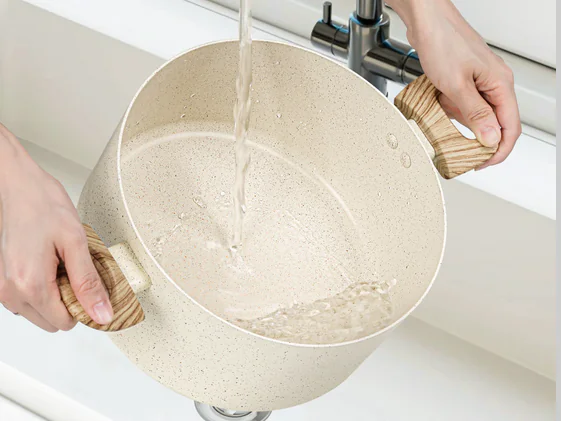
After each use, a stockpot should be allowed to cool naturally before cleaning. Sudden temperature changes, such as placing a hot pot under cold water, may cause warping, especially in thinner materials.
For stainless steel stockpots, warm water and mild dish soap are usually sufficient. Food residue should be loosened by soaking rather than aggressive scrubbing. Using soft sponges or cloths helps preserve the surface finish and prevents micro-scratches that can trap food over time.
Aluminum stockpots require gentler care. Harsh detergents or dishwasher cycles can dull the surface and affect heat performance. Hand washing is strongly recommended.
Removing Stains, Burn Marks, and Discoloration
With repeated use, stockpots may develop heat discoloration, mineral stains, or light burn marks. These are common and typically cosmetic.
For stainless steel, discoloration caused by high heat or mineral-rich water can often be removed using vinegar or specialized cookware cleaners. For stubborn residue, a baking soda paste gently applied to the affected area can be effective.
It is important to avoid steel wool or abrasive pads, as they may permanently damage the cooking surface and reduce the pot’s resistance to corrosion.
Caring for Lids and Handles
Lids should be cleaned thoroughly on both sides to prevent grease buildup along the rim. If the stockpot includes a glass lid, extra care should be taken to avoid impact damage and thermal shock.
Handles, whether welded or riveted, should be checked regularly. In commercial or high-frequency use environments, loose handles can become a safety hazard. Ensuring that handles remain secure extends the usability of the stockpot and protects kitchen staff.
Storage Best Practices
Proper storage helps maintain both functionality and appearance. Stockpots should be stored completely dry to prevent moisture buildup, which may cause odors or surface spotting.
When stacking multiple stockpots, protective layers such as soft cloths or liners should be placed between them to avoid scratches. Lids should not be tightly sealed during storage; leaving a slight gap allows air circulation and prevents trapped moisture.
Long-Term Care for Commercial and Bulk Use
In professional kitchens, stockpots often undergo heavy daily use. Establishing a standardized cleaning and inspection routine helps prevent premature wear.
For businesses that operate multiple locations or manage centralized kitchens, consistent care procedures ensure uniform performance across all cookware. This is especially important when answering questions like are stock pots good for cooking in high-volume environments—the answer depends not only on the product quality but also on how well it is maintained.
11. Summary
So, what is a stockpot? It is one of the most versatile and essential pieces of cookware in any kitchen. Designed for volume, liquid-based cooking, and long simmering, stockpots support everything from homemade broth to large-scale food preparation.
Understanding what is a stockpot used for helps clarify its value. From soups and stews to boiling and blanching, it handles tasks that smaller cookware cannot. Knowing what is another name for a stockpot, what do you cook in a stockpot, and what is the difference between a saucepot and a stockpot allows buyers to make informed decisions.
Are stock pots good for cooking? Absolutely. For home cooks, professionals, and bulk buyers alike, stockpots offer reliability, efficiency, and flexibility. Choosing the right size, material, and design ensures long-term satisfaction.
As a cookware manufacturer, Auspace focuses on creating stockpots that balance performance, durability, and usability. Whether for household kitchens or commercial supply chains, a well-made stockpot remains a foundational tool that every serious kitchen should have.

Janice brings years of dedicated experience in the kitchenware industry, focusing on solving buyers’ procurement challenges. She also manages end-to-end compliance so buyers can avoid delays. Her goal is to be your reliable kitchenware ally—delivering quality products on time, no headaches.