


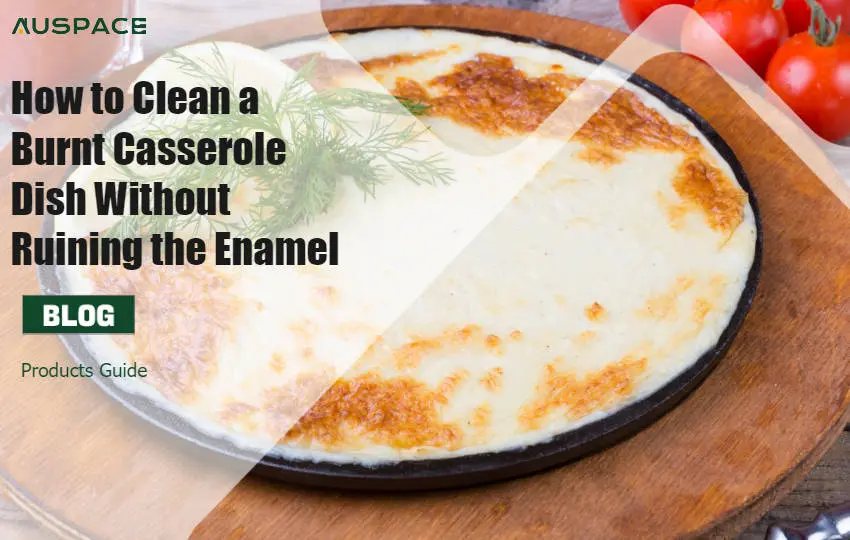
Whether you’re a home cook trying to rescue your favorite casserole dish or a cookware retailer looking to share expert care tips with customers, burnt-on food doesn’t have to mean permanent damage. Enamel casserole dishes are built to last, but using the wrong cleaning method can scratch or chip their beautiful finish. In this guide, you’ll learn safe, effective ways to remove burnt residue, prevent future stains, and keep your enamel cookware looking like new for years to come.
Can You Safely Clean a Burnt Enamel Casserole Dish?
Yes. A burnt enamel casserole dish can usually be cleaned safely without damaging the enamel, provided you use gentle cleaning methods. Enamel is a durable, non-porous coating, but it can be scratched or chipped by abrasive tools and harsh chemicals.
Step-by-Step: How to Clean a Burnt Enamel Casserole Dish
Burnt food doesn’t have to mean a ruined casserole dish. Follow these simple steps to remove stubborn residue while protecting the enamel finish.
Step 1: Let the Casserole Dish Cool
Allow the casserole dish to cool completely before cleaning. Never pour cold water into a hot enamel dish, as the sudden temperature change can cause thermal shock and may crack or chip the enamel.
Step 2: Soak in Warm Soapy Water
Fill the dish with warm water and add a few drops of mild dish soap. Let it soak for 20–30 minutes to loosen burnt food, making it much easier to remove without excessive scrubbing.
Step 3: Apply a Baking Soda Paste
Mix baking soda with a small amount of water to form a thick paste. Spread it over the burnt areas and let it sit for 15–20 minutes. Baking soda is a gentle, non-abrasive cleaner that helps lift stubborn residue without scratching the enamel.
Step 4: Simmer for Tough Burnt Residue
If stains remain, fill the casserole dish with enough water to cover the burnt spots and add 2–3 tablespoons of baking soda. Simmer the mixture on the stovetop for about 10–15 minutes. As the residue softens, use a wooden or silicone spatula to gently loosen any remaining food.
Step 5: Wipe with a Soft Sponge
Once the burnt food has softened, clean the surface using a soft sponge or non-abrasive cloth. If necessary, repeat the soaking or simmering process instead of applying excessive force.
Step 6: Rinse and Dry Thoroughly
Rinse the casserole dish with clean warm water to remove any remaining baking soda or soap. Dry it completely with a soft towel before storing to keep the enamel looking clean and glossy.
How to Remove Extremely Stubborn Burn Marks
Some burnt stains may remain even after soaking and using baking soda, especially if food has been carbonized by high heat. Before reaching for abrasive cleaners, try these enamel-safe methods.
Repeat the Baking Soda Simmer Method
For heavily burnt residue, repeat the simmering process with fresh water and baking soda. A second or third treatment often loosens stains that didn’t come off the first time, without damaging the enamel.
Use White Vinegar for Mineral Deposits
If your casserole dish has discoloration or mineral buildup in addition to burnt food, add a small amount of white vinegar after soaking. Let it sit for a few minutes before wiping clean with a soft sponge. Avoid soaking enamel in vinegar for extended periods, as prolonged exposure to acidic solutions is unnecessary.
Try an Enamel-Safe Cookware Cleaner
For persistent stains, use a cleaner specifically formulated for enamel cookware. Follow the manufacturer’s instructions carefully and always use a soft cloth or non-abrasive sponge to avoid scratching the surface.
Know When to Stop Scrubbing
If a faint brown or dark stain remains after several gentle cleaning attempts, it’s often better to leave it than to risk damaging the enamel. Light discoloration is usually cosmetic and won’t affect the casserole dish’s cooking performance, while aggressive scrubbing can permanently scratch or chip the enamel coating.
Cleaning Mistakes That Can Ruin Enamel
Using Steel Wool or Metal Scrapers
Metal scrubbers and sharp tools can scratch or chip the enamel surface. Instead, always use a soft sponge, nylon brush, or wooden and silicone utensils to remove loosened food.
Using Harsh Chemical Cleaners
Oven cleaners, bleach, and abrasive cleaning powders may damage the enamel’s glossy finish. Stick to mild dish soap, baking soda, or cleaners specifically designed for enamel cookware.
Pouring Cold Water into a Hot Dish
Sudden temperature changes can cause thermal shock, which may crack or weaken the enamel coating. Always allow the casserole dish to cool naturally before washing.
Scrubbing Too Aggressively
If burnt food doesn’t come off easily, resist the urge to scrub harder. Soak the dish longer or repeat the baking soda simmering method instead. Patience is much safer than excessive force.
Storing the Dish While It’s Still Damp
Moisture trapped during storage can leave water spots or stains over time. After cleaning, dry the casserole dish thoroughly with a soft cloth before putting it away.
How to Prevent Burnt Food in Enamel Casserole Dishes
A few simple cooking habits can help prevent burnt food and keep your enamel casserole dish in excellent condition.
Cook Over Medium or Low Heat
Enamel cookware retains heat efficiently, so high heat is rarely needed. Cooking over medium or low heat allows food to heat evenly and greatly reduces the risk of scorching the bottom.
Use Enough Liquid
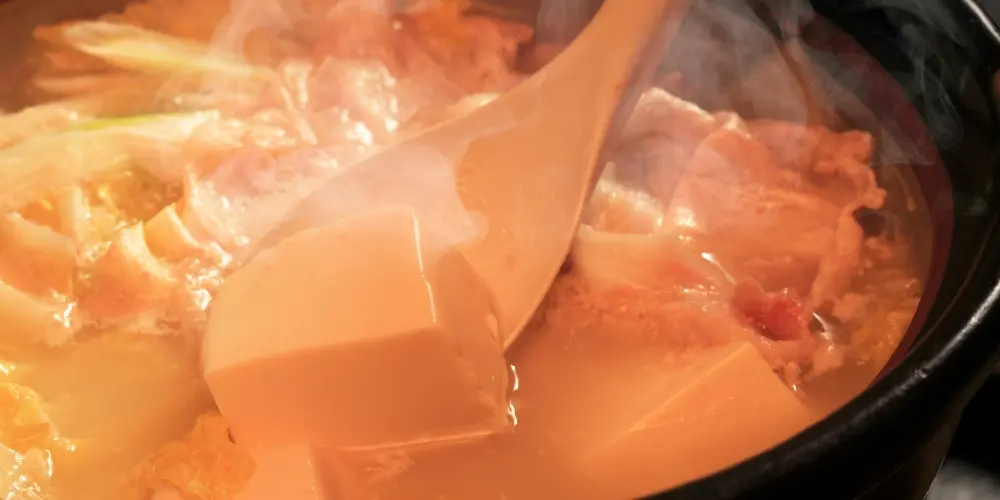
When preparing casseroles, soups, or braised dishes, make sure there’s enough liquid to keep ingredients from sticking. Recipes with sauces or broth are less likely to leave stubborn burnt residue.
Stir and Check Food Regularly
Foods containing cheese, milk, or sugar can burn quickly if left unattended. Stirring occasionally and checking the cooking progress helps prevent food from sticking and overcooking.
Clean the Dish Soon After Use
After the casserole dish has cooled, wash it as soon as possible with warm water and mild dish soap. Fresh residue is much easier to remove than burnt-on food that has hardened over time, making cleanup faster while protecting the enamel finish.
How to Keep Your Enamel Casserole Dish Looking New
Wash with Gentle Cleaners
Use mild dish soap, warm water, and a soft sponge for everyday cleaning. Avoid abrasive scrubbers or harsh chemicals that can dull or scratch the enamel surface.
Prevent Sudden Temperature Changes
Allow the casserole dish to cool naturally before washing, and avoid transferring it directly from the refrigerator to a hot oven. Gradual temperature changes help prevent thermal shock and extend the life of the enamel coating.
Store Carefully
When stacking cookware, place a soft cloth, paper towel, or pan protector between pieces to prevent scratches and chips. Proper storage keeps the enamel surface smooth and glossy.
Remove Stains Early
Clean food residue as soon as possible after cooking. Prompt cleaning prevents stains from setting and reduces the need for repeated deep cleaning, helping your casserole dish look like new for years to come.
Frequently Asked Questions
Can I use baking soda on an enamel casserole dish?
Yes. Baking soda is one of the safest and most effective cleaners for enamel cookware. It helps loosen burnt food and stains without scratching the enamel when used with a soft sponge or cloth.
Is vinegar safe for cleaning enamel cookware?
Yes, white vinegar can help remove stubborn residue and mineral deposits. However, it should be used in moderation and not left soaking for extended periods, as prolonged exposure to acidic solutions is unnecessary.
Can a stained enamel casserole dish be restored?
In most cases, yes. Surface stains and burnt residue can often be removed using baking soda, warm soapy water, or an enamel-safe cookware cleaner. However, chips or cracks in the enamel cannot be repaired through cleaning.
Is it safe to use a chipped enamel casserole dish?
Small chips on the exterior are generally cosmetic, but chips on the cooking surface can expose the metal underneath. If the interior enamel is chipped or cracked, it’s best to replace the casserole dish to ensure safe cooking.
Conclusion
Cleaning a burnt enamel casserole dish doesn’t have to be difficult. With gentle methods like soaking, baking soda, and non-abrasive cleaning tools, you can remove burnt food effectively without damaging the enamel. Avoid harsh scrubbers and sudden temperature changes to help preserve the cookware’s smooth, durable finish.
A high-quality enamel casserole dish is designed to provide years of reliable performance when properly cared for. If you’re looking for durable, beautifully crafted enamel cookware for everyday cooking or your product line, AUSPACE offers a wide range of premium enamel casserole dishes that combine excellent heat retention, lasting durability, and timeless design for both home cooks and cookware brands.